
Looking for beginner aquarium plants that actually grow in your real life tank, not just in perfect YouTube tutorials? You are not alone. Many aquarists search for easy aquarium plants, best beginner plants, or why aquarium plants melt, only to watch their new plants turn transparent, fall apart, or just sit there doing nothing. This guide walks through the low tech plants that really grow without CO2, the science behind plant melt, and how to build a stable planted tank from day one so your first three months feel exciting instead of frustrating.
Watch The Full Beginner Plant Guide
If you prefer to watch along while you set up your tank, here is the full video version of this guide:
The article below expands on the video with extra explanations, written timelines, and reference links so you can come back to it whenever you need a reality check on what your plants are doing.
Why Beginner Aquarium Plants Melt
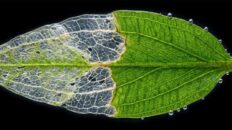
Most beginner plants fail not because they are fragile, but because they are going through a change that most people never see in nature. Many aquarium plants are grown above the water line in farms. This is called emersed growth. When you place them underwater in your tank, they have to rebuild their leaves for submerged life. Old leaves that were designed for air and high oxygen start to break down. This is what we call melt.
During this transition, plants are under stress. Roots are trying to anchor into new substrate, leaf tissue is recycling, and energy reserves are being spent on survival. If lighting, nutrients, or water parameters are unstable at the same time, the plant may not have enough power to complete the transition. The result looks like plants dying, but in many cases they are simply failing to adapt because too many things changed at once.
Understanding that melt is often a temporary phase changes how you react. Instead of pulling plants out as soon as they look bad, you allow roots to settle, remove decaying leaves, and support the plant through its first six to eight weeks underwater.
Emersed Versus Submerged Growth Explained Simply
Aquarium plants can live in two main modes. Emersed means leaves are above the water surface, taking in carbon dioxide from the air. Submerged means leaves are fully underwater, and the plant relies on dissolved CO2 and nutrients in the water or substrate.
- Emersed leaves are thicker, often brighter green, and built for high oxygen and strong direct light.
- Submerged leaves are thinner, softer, and optimized for taking in nutrients through a large surface area in water.
- When you move a plant from emersed to submerged, the old leaf design is no longer efficient, so the plant lets it go.
That leaf drop does not mean your plant hates your tank. It means it is switching to underwater mode. Your job is to keep the environment stable long enough for that new leaf set to grow in.
Light Stability And Why It Matters More Than Power
Beginners often worry that their light is not powerful enough. The more common problem is that light is not consistent. Plants use predictable light periods to build internal rhythms. If your light schedule changes every few days, or if intensity jumps up and down while plants are already stressed from transition, growth slows and algae takes over.
For beginner low tech tanks, it is usually better to pick a reasonable light level and keep it stable than to push maximum brightness. A simple starting point is 6 to 8 hours of moderate light per day, increased slowly after the first month if plants show healthy new growth without heavy algae. Stable lighting helps plants finish their adaptation and begin true growth much faster.
Top 12 Beginner Aquarium Plants That Really Grow
The plants below are chosen because they have a strong track record in real beginner tanks. They tolerate low tech setups, adapt without CO2, and offer a good balance of speed, resilience, and control over algae.
12. Rotala rotundifolia
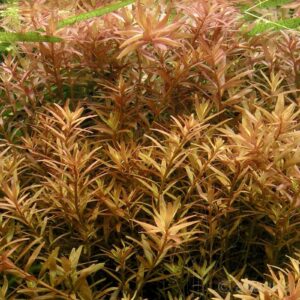
Rotala rotundifolia is often sold as a colorful stem plant for beginners. It can be slow to adapt at first, especially when grown emersed at the farm, but once established it responds well to decent lighting and stable conditions. Expect the lower stems to look rough during the first weeks while the tips start to send out thinner, submerged leaves. Trim and replant the healthy tops over time to build a full bush.
11. Dwarf Sagittaria
Dwarf Sagittaria behaves like a grass that sends runners across the substrate. It is a forgiving first step toward a carpet effect without CO2. New aquarists may see some melting of taller emersed leaves at first, followed by shorter, stronger submerged leaves. Provide a nutrient rich substrate or root tabs and moderate light. Over a few months the runners can fill in the foreground with a natural lawn effect.
10. Frogbit
Frogbit is a floating plant that steals excess nutrients directly from the water. Its roots hang down into the water column, absorbing nitrate and phosphate that might otherwise feed algae. It grows close to the surface where light is strongest, so it can thrive even when other plants are still adapting. Just make sure surface movement is gentle so roots are not constantly tossed around. Thin it out when it covers more than half the surface to keep light reaching plants below.
9. Guppy Grass
Guppy Grass is a classic fast growing stem plant that thrives in low tech tanks. You can float it or plant it loosely into the substrate. Because it grows quickly and uses nutrients aggressively, it helps stabilize new tanks by competing with algae. It also gives fry and shy fish a safe place to hide. If it grows too dense, simply remove handfuls and use the extra as a free bonus plant for other aquariums.
8. Java Moss
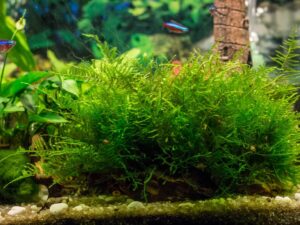
Java Moss is one of the most forgiving beginner plants. It handles low light, variable water parameters, and does not need to be planted in substrate. You can tie it to rocks, wood, or even sponge filters. In new tanks it may catch debris and look messy, so gentle cleaning and trimming helps. Over time it creates a natural, aged look that many aquarists love, while also providing microhabitats for shrimp and baby fish.
7. Vallisneria spiralis
Vallisneria spiralis is a background grass that sends runners across the substrate and upward toward the surface. It can create a jungle backdrop that makes fish feel secure and breaks up direct light. Like Dwarf Sag, it benefits from root nutrition and stable lighting. Some initial melt is normal when moving from farm to tank, but once new leaves reach toward the surface, growth usually accelerates.
6. Amazon Sword
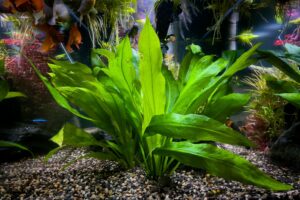
Amazon Swords are classic centerpiece plants. They are heavy root feeders, which means they want rich substrate or strong root tabs. In a low tech tank, a single healthy sword in the midground or background can anchor the entire aquascape visually. They may shed some older leaves after planting, but if the crown stays firm and roots take hold, new leaves will emerge that are better adapted to your specific water and light.
5. Hornwort
Hornwort is almost a cheat code for stabilizing new aquariums. It grows extremely fast, absorbs nutrients from the water, and can be floated or lightly anchored. Because it has no real roots, it takes everything from the water column, making it an excellent algae competitor. In very high light setups it can shed needles, so start with moderate light and regular trimming. The fast growth also makes it a great plant for breeding setups and quarantine tanks.
4. Water Wisteria
Water Wisteria is a versatile stem plant that can be grown rooted in substrate or even as a floating mass. It adapts quickly and responds well to trimming. Its fine, lace like leaves give a lush look that contrasts nicely with broader plants like swords and crypts. Because it grows fast, it is ideal for soaking up excess nutrients in the first few months of a tank, when water conditions are still finding their balance.
3. Cryptocoryne wendtii
Cryptocoryne wendtii is famous for crypt melt. When moved into a new tank, it often loses all its leaves at once. This scares beginners, but the roots are usually still alive. If you avoid disturbing the root system and keep conditions stable, new submerged leaves will emerge from the crown. Crypts reward patience with lush, bushy growth that works beautifully in the midground. Think of them as slow moving, but very steady once settled.
2. Anubias
Anubias is a hardy rhizome plant that prefers to be attached to hardscape. Instead of burying it, you tie or glue the rhizome to wood or rock and let roots grow around the surface. It tolerates low light and low tech setups extremely well. Because it grows slowly, algae can be an issue on its leaves if light is too strong or nutrients are unbalanced. Gentle, steady lighting and good overall plant mass in the tank keep Anubias looking clean and healthy.
1. Java Fern
Java Fern is one of the best true beginner plants for low tech aquariums. Like Anubias, it is a rhizome plant that should be attached to hardscape rather than buried. It adapts well to a wide range of conditions, does not demand intense light, and continues to grow even in tanks without CO2. Brown spots and older leaf decline can happen during adaptation, but new leaves are usually tougher and better suited to your tank. For many aquarists, Java Fern is the plant that finally makes planted tanks feel easy.
Avoid These Beginner Plant Mistakes
Even the best beginner plants can struggle if common mistakes pile up. Avoiding a few simple traps dramatically increases your success rate.
- Do not bury rhizomes on Java Fern or Anubias. Only roots go into gaps or around decor, while the rhizome stays exposed.
- Do not keep resetting the tank by moving plants every few days. Roots need time to lock in and build new growth.
- Do not chase constant lighting changes. Pick a schedule and stick with it for at least three to four weeks before adjusting.
- Do not over clean the substrate in brand new tanks. Some natural mulm helps plants during early adaptation.
- Do not panic during melt. Remove decaying leaves, but leave the base and roots in place unless they are completely rotten.
How To Set Up A Stable Low Tech Planted Tank
Before you think about CO2 or advanced fertilizers, focus on stability. A stable low tech tank gives plants a predictable world where adaptation is possible.
1. Choose A Reasonable Stocking Of Hardy Plants
Start with a mix of fast growers and structural plants. For example, Java Fern and Anubias on wood, Amazon Sword and Crypts in the substrate, plus Guppy Grass, Frogbit, or Water Wisteria as fast nutrient sponges. This combination gives you different feeding strategies and growth speeds working together.
2. Use Nutrient Support Where It Matters
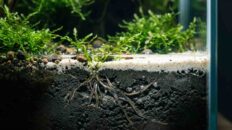
Root feeders like Amazon Swords and Crypts appreciate nutrient rich substrate or quality root tabs placed near their bases. Water column feeders like Hornwort, Guppy Grass, and floating plants rely more on dissolved nutrients, which usually come from fish waste, leftover food, and occasional liquid fertilizers in low tech setups. Matching the right nutrient support to each plant type prevents slow starvation that looks like mysterious failure.
3. Lock In Your Lighting Schedule
Pick a timer schedule and treat it like non negotiable. Six to eight hours of light per day is a solid starting range for new low tech tanks. After the first month, adjust by no more than thirty minutes at a time and give plants at least two weeks to respond before changing again. This calm, predictable light cycle is one of the strongest tools you have for stabilizing growth.
4. Respect The Three Month Timeline
New aquariums go through biological changes that affect how plants grow and how algae behaves. Instead of expecting instant results, use the following rough timeline as your mental model:
- Weeks 1 to 2 – Melt, root transition, and small new shoots starting.
- Weeks 3 to 6 – Noticeable new leaves, better color, and more consistent growth.
- Weeks 7 to 12 – Real plant mass, better algae control, and a more balanced look.
- After 3 months – True low tech balance where plants, bacteria, and fish work together.
Seeing your tank through this timeline helps you avoid big overreactions during the early messy phase.
People Also Ask About Beginner Aquarium Plants
What are the easiest aquarium plants for beginners?
Some of the easiest plants for beginners are Java Fern, Anubias, Java Moss, Frogbit, Hornwort, and Cryptocoryne wendtii. These plants tolerate a wide range of conditions and adapt to low tech setups without CO2.
Why do my aquarium plants keep melting?
Plant melt often happens when emersed grown plants switch to submerged growth in your tank. Rapid changes in light, nutrients, or water parameters can make this transition harder. As long as roots remain healthy, new submerged leaves usually grow back.
Do I need CO2 for beginner aquarium plants?
No, many beginner friendly plants are chosen specifically because they grow without injected CO2. Focus on stable light, reasonable stocking, and basic nutrients instead of advanced gas systems when you are just starting.
How long does it take for beginner plants to start growing?
Most plants show early new growth within three to six weeks, with more serious growth and visible filling in after two to three months. Fast growers like Hornwort and Water Wisteria may respond sooner if conditions are good.
Which aquarium plants help prevent algae?
Fast growing plants that use a lot of nutrients help limit algae growth. Guppy Grass, Hornwort, Water Wisteria, Frogbit, and other floaters are especially useful in new tanks because they quickly soak up excess nutrients.
Beginner FAQ About Low Tech Plants
Can I mix different beginner plants in the same tank?
Yes, in fact mixing different plant types usually leads to a more stable and interesting tank. Combining rooted plants, rhizome plants, and floaters gives you different ways to move nutrients and light through the system, which supports overall balance.
How often should I fertilize in a low tech planted tank?
In low tech setups with fish, you can often start with very light fertilization. Root tabs every few months for heavy root feeders and a small dose of liquid fertilizer once or twice per week is a typical beginner pattern. Adjust based on plant response rather than a rigid schedule.
Is gravel enough for beginner plant substrate?
Plain gravel can work if you support root feeding plants with root tabs and keep an eye on long term nutrient levels. Dedicated planted substrates offer more built in nutrition, but they are not mandatory for success, especially with hardy beginner plants.
What should I do if algae appears during the first month?
Some algae in the first month is normal. Instead of scrubbing everything aggressively, focus on small manual removals, stable lighting, and good plant mass. Adding fast growing plants and checking that you are not overfeeding fish is usually more effective than drastic chemical fixes.
How do I know if a plant is truly dead?
A plant is usually beyond saving if the crown or rhizome is mushy and falling apart, or if roots are completely gone. If the base is still firm and some root structure remains, leave it in place and give it more time. Many plants have surprised beginners by returning after weeks of looking hopeless.
Internal Guides To Explore Next
After choosing your first beginner plants, one of the most important skills to master is understanding why plants melt and how to guide them through their transition phase. Our full guide Stop Doing THIS If Your Aquarium Plants Keep Melting explains the root causes behind melt, the emersed-to-submerged switch, and the simple stability adjustments that help plants recover faster. Reading this alongside your new plant setup makes the first month far less stressful.
Next, dial in your lighting. Most beginners think they need more power, when in reality they need more stability. The guide 11 Things I Wish I Knew About Planted Tank Lighting breaks down intensity, duration, spectrum, and timing so your plants grow steadily instead of melting or attracting algae. This article pairs perfectly with low-tech beginner setups because it shows how to tune light without CO2 or expensive hardware.
If you are working with a cooler room temperature or keeping species like white cloud mountain minnows, check out 7 Easy Low Light Aquarium Plants for Coldwater Tanks. These species thrive even in unheated aquariums, making them ideal for beginners who want a planted look without high-tech requirements.
As you explore more plant varieties, it’s helpful to know which ones to avoid early on. Some species look beautiful in photos but demand conditions beginners usually cannot provide. Our guide Top 5 Aquarium Plants You’ll Regret Buying highlights the plants that often disappoint newcomers and explains why they struggle in real beginner tanks. Reading this before your next shopping trip can save both money and frustration.
Finally, remember that plants and algae are always in competition. Adding the right plant mass helps, but choosing the right cleanup crew matters too. The article Best Algae Eaters That REALLY Help (2025 Guide) shows which algae eaters genuinely make a difference in low-tech planted tanks and which ones are overrated. Matching your plant choices with an effective cleanup team builds a stable, balanced ecosystem over time.
Watch Next – Related Planted Tank Guides
If you prefer to keep learning in video form, these related guides build on what you have learned about beginner plants and low tech stability:
- Stop Doing This If Your Aquarium Plants Keep Melting
- Planted Tank Lighting Mistakes and Secrets Playlist
- Best Low Tech Plants For Cooler Water
- Plants You Might Regret Buying Playlist
- Top 5 Aquarium Plants That Almost Never Die
Beginner aquarium plants do not have to be a gamble. When you understand melt, adaptation, and the three month timeline, you can choose plants that really grow, in a tank that feels stable, without relying on CO2 systems or advanced gear. Start with hardy species, respect their adaptation phase, and let time work for you instead of against you.