
CRITICAL: Watch This Before Dosing Any Medication
Understanding the biological difference between Ich, Fungus, and Epistylis is the only way to ensure your fish survive the treatment process.
The Content Gap: Why Most Aquarium Guides Are Dangerous
If you’ve searched for “how to treat white spots on fish,” most retail-driven blogs will give you a shopping list of medications. They want you to treat the symptom. But in a stable ecosystem, symptoms are merely the final stage of a problem that has been building invisibly for weeks. This is what we call False Stability: your water looks clear, your parameters read zero, yet the system is under extreme biological stress.
The primary reason beginners lose entire tanks isn’t the pathogen; it’s the Panic-Reaction Phase. Treating the wrong disease weakens the fish’s natural immune system exactly when they need it most. Before you touch your heater or open a bottle, you must distinguish between the “Big Three” enemies: Ich (Parasite), Saprolegnia (Fungus), and the silent killer, Epistylis (Ciliate).
1. Real Ich (Ichthyophthirius multifiliis)
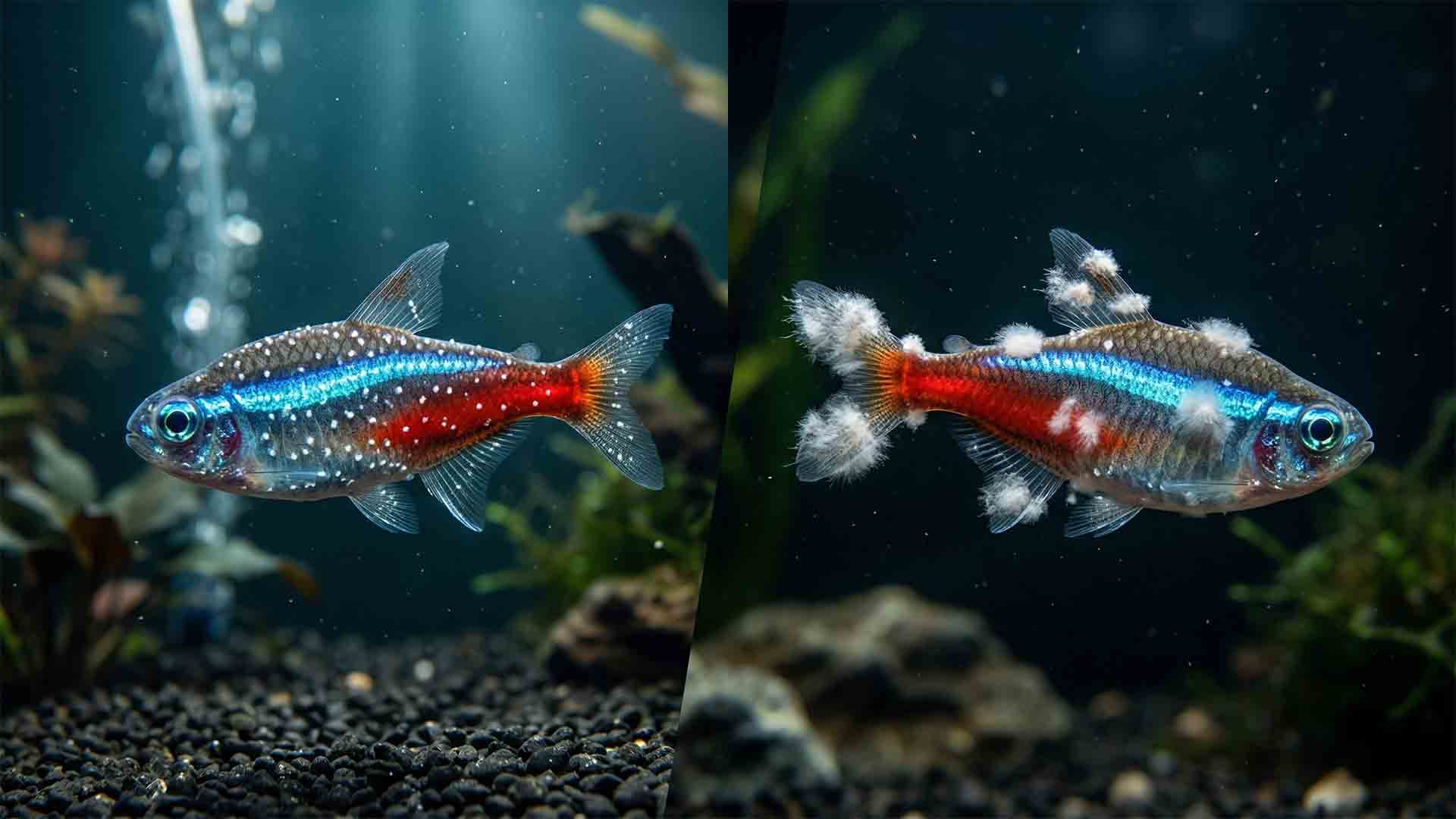
Ich is a freshwater protozoan parasite. It is the most common diagnosis, but it is often blamed for things it didn’t do. True Ich looks like grains of salt sprinkled over the fish’s body. These spots are perfectly round, uniform in size, and flat against the skin because the parasite is actually feeding under the outer skin layer (the epithelium).
- The Signature Behavior: Flashing. Fish will rub their bodies against rocks, substrate, or filter pipes to relieve the intense irritation.
- The Spread: It usually peppers the fins first before moving to the body.
2. Epistylis: The “Fake Ich” That Kills
In 2026, Epistylis is becoming a massive problem in the hobby because it looks almost identical to Ich but requires the exact opposite treatment. Epistylis is a stalked ciliate that feeds on bacteria in the water. It doesn’t burrow under the skin; it sits on top of it.
- The Visual Difference: Epistylis spots are uneven in size and look “3D”—they stick out from the body. Most importantly, Epistylis frequently covers the eyes, whereas Ich almost never does.
- The Lethal Mistake: If you raise the temperature for Epistylis (as you would for Ich), you will accelerate the bacterial growth it feeds on. This often results in the fish dying within 24-48 hours of “treatment.”
3. Fungus (Saprolegnia / Water Mold)
True fungal infections are opportunistic. They don’t just “show up.” They wait for a breach in the fish’s immune system or a physical wound. If your fish has been nipped by a tankmate or burned by an ammonia spike, the fungus moves in.
- The Visual Difference: It looks like cotton wool or fuzzy tufts. It is irregular, soft, and usually stays in one localized area rather than spreading evenly like salt grains.
- The Behavior: Instead of scratching (flashing), fungal-infected fish become lethargic. They stop moving and clamp their fins.
Deep Dive: Is It Definitely Fungus?
If your observation points toward soft, cotton-like tufts rather than hard salt grains, you are dealing with a fungal or water mold infection. Because fungus requires a completely different environmental stabilization strategy than Ich, we have dedicated an entire masterclass to this specific crisis.
Watch the dedicated guide:
Read the full recovery protocol here: White Cotton on Your Fish? FUNGUS Symptoms & QUICK Fix!
Masterist Diagnosis Table: Ich vs. Epistylis vs. Fungus
| Feature | Ich (Parasite) | Epistylis (Ciliate) | Fungus (Mold) |
|---|---|---|---|
| Visual Texture | Flat, salt-like, round. | Raised, uneven, “sticks out.” | Fuzzy, cotton-like, messy. |
| Eye Involvement | Very Rare. | Common (Cloudy eyes). | Only if eyes were damaged. |
| Main Behavior | Active scratching (Flashing). | Lethargy or normal behavior. | Extreme lethargy, clamped fins. |
| Heat Treatment | Beneficial (Speeds cycle). | DANGEROUS / DEADLY. | Reduces oxygen (Risky). |
Why Are My Fish Scratching? (The Flashing Signal)
If your fish are rubbing their bodies against substrate or driftwood, they are experiencing external irritation. Think of it as an “itch” they can’t reach. While this is the hallmark sign of Ich, it can also signal the presence of Gill Flukes or skin parasites.
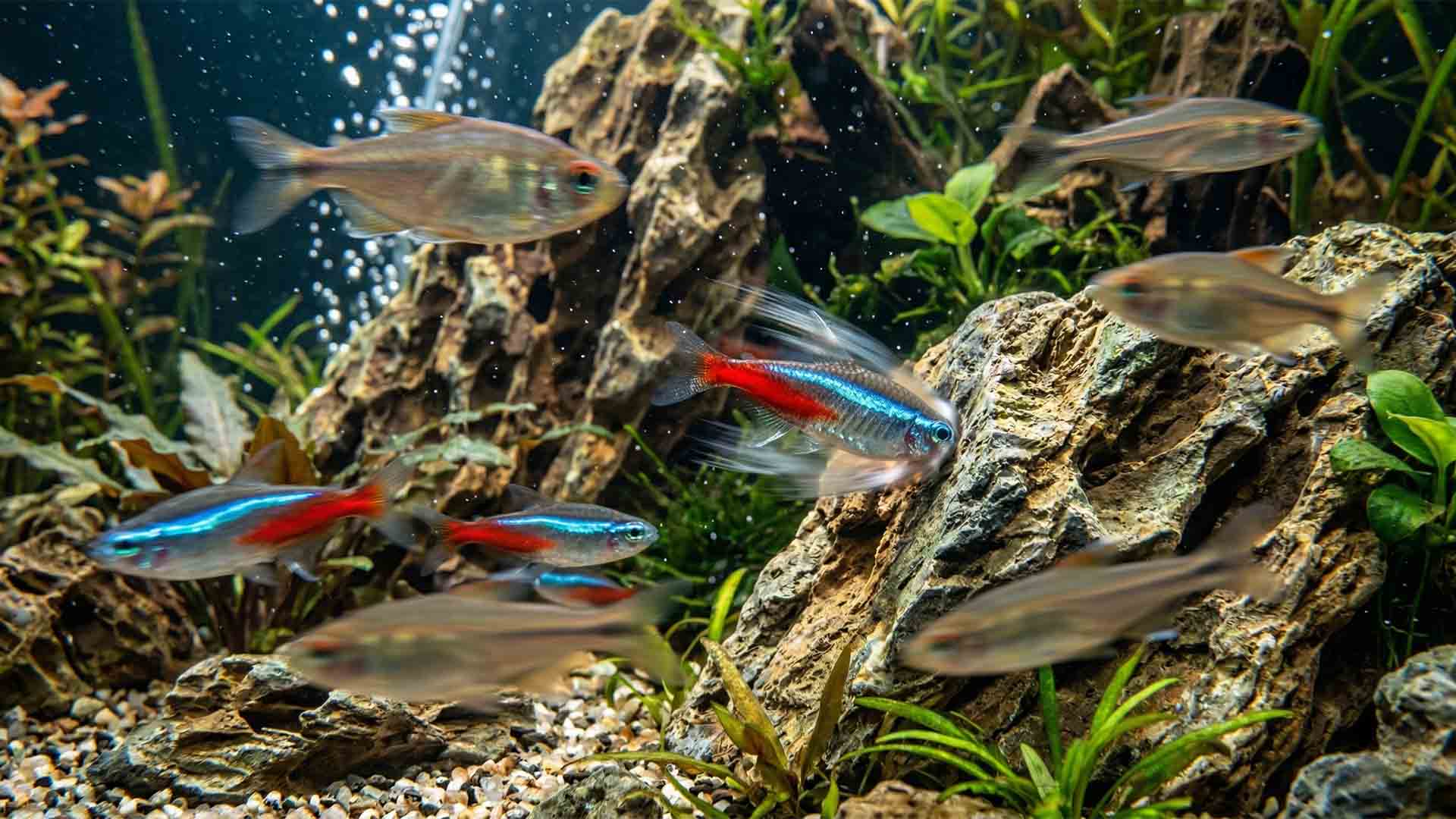
But here is the catch most beginners miss: Flashing often starts before the spots appear. By the time you see the salt grains, the parasite has already compromised the fish’s mucosal barrier. If you wait until the fish is covered in spots to act, you are already dealing with the second or third wave of infection. As we discussed in our guide on why water tests are misleading, a “perfect” reading won’t save a fish that is already battling a burrowed parasite.
The Invisible Phase: Why Ich “Spreads Overnight”
The biggest myth in fishkeeping is that Ich is a sudden event. Biologically, this is impossible. Ichthyophthirius multifiliis has a lifecycle that ensures it survives even when you think the tank is clean.
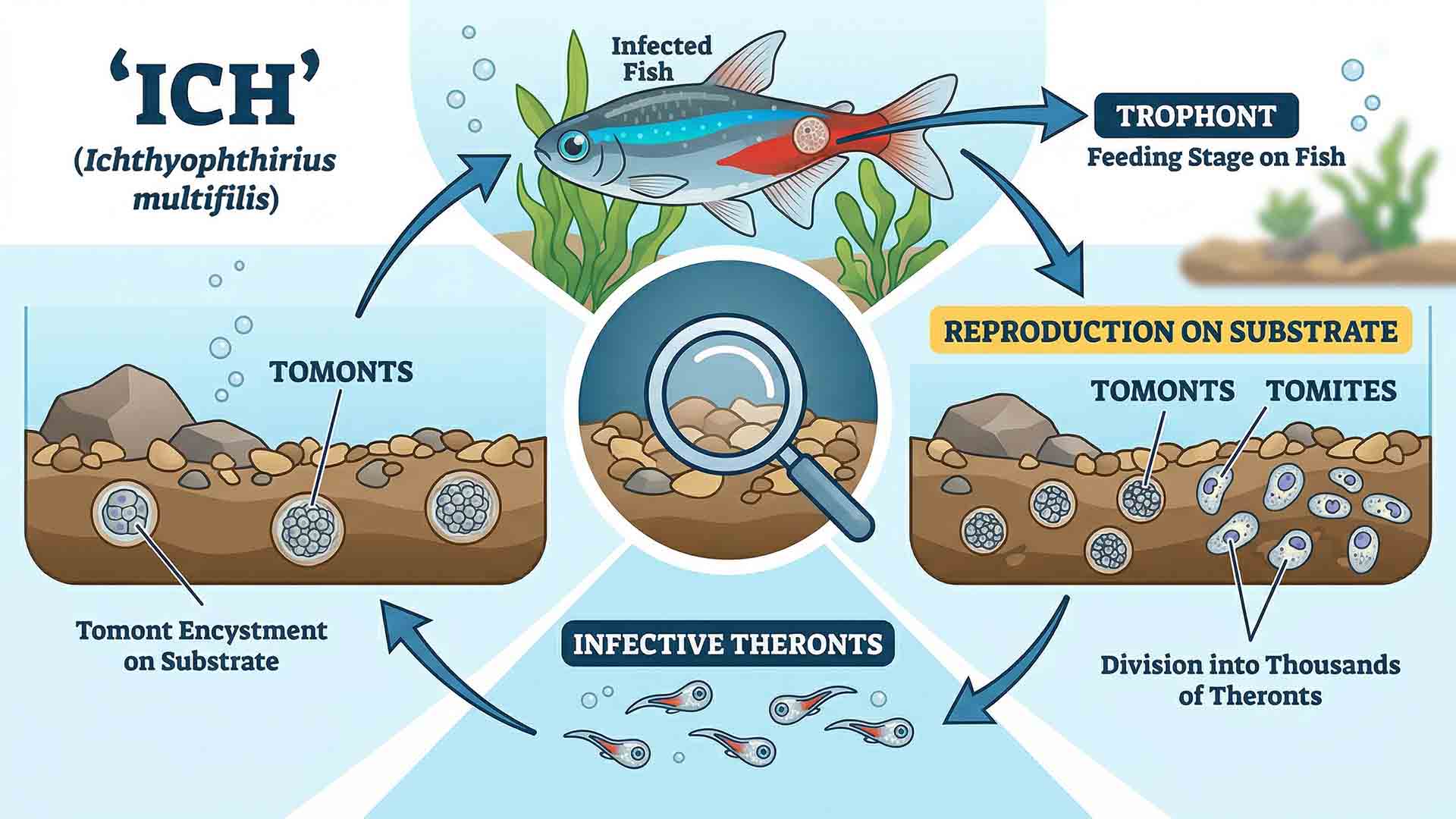
The Three Stages of Control:
- Trophont (On the Fish): These are the white spots. The parasite is protected by the fish’s skin. No medication in the water can kill it at this stage.
- Tomont (The Reproduction): The spots fall off. You celebrate, thinking the fish is cured. In reality, the parasite is in your substrate, dividing into thousands of new units.
- Theront (The Attack): The “free-swimming” stage. This is the only time the parasite is vulnerable to treatment. This is why you must treat the tank for several days after the spots are gone.
For a detailed breakdown of how to manage these biological timelines, read our analysis on 5 signs your tank is drifting toward collapse.
Evidence-Based Scientific Truths (E-E-A-T)
At FishTank Mastery, we don’t follow “pet store rumors.” We follow peer-reviewed biology. Here are the studies that back our treatment philosophy:
- Pathogen Resistance: Research has shown that modern Ich strains are developing resistance to low-dose Malachite Green in high-organic-load tanks. This confirms why cleanliness (low organics) is better than medication. Read the study on PubMed.
- Thermal Stress & Oxygen: Increasing water temperature to 86°F (30°C) reduces dissolved oxygen levels by nearly 25%. If your fish’s gills are already damaged by parasites, this heat can be fatal. Read the research on Integrative and Comparative Biology.
- Opportunistic Saprolegnia: Scientific data confirms that water molds are always present in the aquarium. They only become pathogenic when the fish’s immune system is suppressed by stress hormones (cortisol). Read more at ScienceDirect.
The Masterist Protocol: Treating Without Crashing
If you have confirmed your diagnosis, follow these steps to restore balance without nuking your beneficial bacteria:
If it is ICH:
- Slow Heat: Raise the temperature by 1 degree per hour up to 82°F (28°C). Do not rush this.
- Oxygen Boost: Add an air stone or increase surface ripple. Heated water holds less oxygen.
- Consistency: Continue medicating for 4 days after the last spot vanishes to kill the free-swimmers.
If it is EPISTYLIS or FUNGUS:
- KEEP THE HEAT LOW: Do not raise the temperature. High heat fuels the bacteria Epistylis feeds on.
- Water Purity: Perform a 30% water change and vacuum the substrate to reduce the bacterial count.
- Stability: Use tannins (Catappa leaves) to naturally lower the pH and provide antifungal properties. For more on this, see our Fish Fungus Recovery Guide.
People Also Ask (SEO FAQ)
Are white spots always Ich?No. They are frequently Epistylis, Fungus, or even breeding tubercles in certain species like Goldfish. Misdiagnosis is the #1 cause of treatment failure.
Why are my fish scratching but have no spots?This is called flashing. It means parasites (like Ich or Flukes) are active in the gills or under the skin but haven’t formed visible cysts yet. Check your ammonia levels first.
Will aquarium salt kill my plants during Ich treatment?Most soft-leaved plants like Hornwort or Val will melt with high salt concentrations. If you have a planted tank, use targeted medications or salt baths in a separate container. Learn more in our Ecosystem Balance Guide.
How long does it take for white spots to go away?Depending on the temperature, it usually takes 5-10 days for the visible spots to fall off. However, the tank remains “infected” until the entire life cycle is completed.
Final Insight: Stop Chasing Symptoms, Start Managing Systems
You are not just a fish owner; you are a System Manager. When you see white spots, don’t just reach for a bottle. Look at the behavior. Check the texture. Understand the cycle. Most importantly, don’t let the panic of the moment destroy the stability you’ve worked weeks to build.
If you’re still seeing fish loss despite “perfect” water, your next step is reading The Hidden Reasons Fish Keep Dying. It will change the way you see aquarium biology forever.
Keep your tanks balanced, your glass spotless, and your curiosity flowing.