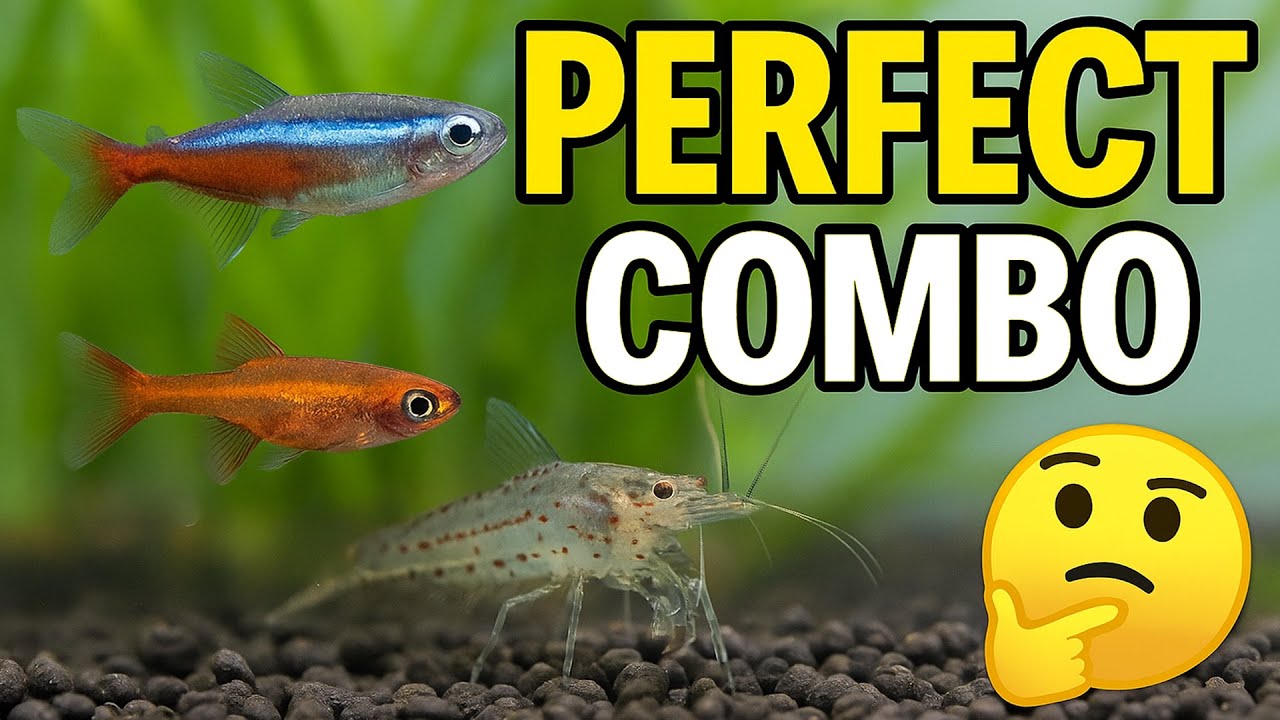

If your so-called peaceful community tank is full of chasing, nipped fins, or stressed tetras, you are not alone. Many beginners search for phrases like “community fish to avoid”, “worst community fish for beginners”, or “peaceful community fish alternatives” after they discover that some fish sold as community safe turn into bullies once they settle in. This 2025 guide explains which community fish to avoid, why they cause chaos, and which peaceful fish combinations actually work long term.
Instead of just dumping a “bad fish list” on you, we will walk through the science behind community aggression, show specific fish that often cause trouble, and then give you safer alternatives that keep your aquarium calm, colorful, and beginner friendly.
Why Some “Peaceful” Community Fish Cause Chaos
Labels Do Not Show Real Behavior
Store labels that say “community” or “peaceful” are usually based on short term holding tanks, not long term behavior in a fully stocked home aquarium. As fish grow, pair off, or feel cramped, they start defending territory, chasing for food, or establishing dominance. Even small species can become surprisingly aggressive once they feel confident.
Stress Biology In A Community Tank
Fish use aggression to protect food, territory, and mates. In crowded or poorly matched tanks this aggression rises, which increases stress hormones like cortisol. Long term stress is linked with weaker immune systems, changed gut microbiomes, and shorter lifespans. A tank that looks “busy” to us can feel like constant survival mode to the fish.
Schooling Speed And Mismatched Energy
Many of the worst community fish problems come from mixing fast, nippy schooling fish with slow, flowing fin species. When a fast group loops the tank all day, slower fish get hit from all sides. Instead of calm schooling behavior, you get pursuit, dodging, and fish that hide constantly. The bigger the speed mismatch, the more likely you are to see fin nipping and stress.
Line Of Sight And Territory
In the wild, fish can move away or hide behind roots, rocks, and plants to break line of sight with dominant individuals. In a bare or minimal scape, there is nowhere to escape. Simply being able to see a larger or more aggressive fish for long periods is enough to change behavior and stress levels. This is why layout and plant choice matter as much as species choice in a community tank.
Avoid List – Community Fish That Cause Trouble For Beginners
These fish are not evil or impossible. They simply do not match what most beginners want: a relaxed, low conflict community aquarium. If you are new to the hobby or building a peaceful planted tank, use extra caution or skip these species entirely.
Silver Tip Tetra (Hasemania nana) – High Speed Anxiety Trigger
Silver Tips are fast swimmers that constantly pace the tank. In small groups or short tanks they often harass slower fish, especially guppies, bettas, and deep bodied tetras. Their rapid turns and sudden dashes create constant background tension that shy fish never get used to.
Red Eye Tetra (Moenkhausia sanctaefilomenae) – Stealth Stress Maker
Red Eye Tetras look calm at first, but they can become pushy as they mature. They are strong swimmers that patrol the whole tank, and they often bump or chase other midwater fish during feeding. Over time this causes subtle stress: fish eat less, hide more, and display duller colors.
Skunk Corydoras (Corydoras arcuatus) – Bottom Zone Conflict
Corydoras are usually peaceful, but Skunk Cories can be more territorial than other species, especially in crowded bottom zones. They guard preferred caves, wood, or feeding patches and may spar with other bottom dwellers. In a small footprint tank they turn the floor into a constant shoving match.
Buenos Aires Tetra (Psalidodon anisitsi) – Plant Destroyer In Disguise
Buenos Aires Tetras are hardy and active, but they are notorious plant eaters. In many planted community tanks they strip soft leaves, nibble new shoots, and leave stem plants ragged. Instead of a calm, green aquascape, you end up with chewed stems and frustrated maintenance.
Rosy Barb (Pethia conchonius) – Big Energy In A Small Tank
Rosy Barbs are strong, active swimmers that belong in larger, cooler tanks. In small warm community setups they become restless and can nip at long fins or push slower tankmates out of feeding zones. Their size and power make them a poor match for delicate nano fish.
Male Endler (Poecilia wingei) – Constant Chaser
Endlers are tiny livebearers, but groups of males can create nonstop chasing behavior, especially when kept without enough females or in cramped tanks. Other fish see a blur of movement and never relax. Beginners who want a calm display often regret mixing hyper Endlers with shy schooling species.
Giant Danio (Devario aequipinnatus) – Too Fast For Peaceful Tanks
Giant Danios are built for speed and open water. In community aquariums under 4 feet in length they loop from end to end, launch themselves into feeding zones, and outcompete smaller fish. Their constant racing can scare slower tetras, gouramis, and dwarf cichlids into hiding.
Peaceful Alternatives That Actually Work
Instead of fighting your tank every day, choose fish that naturally match calmer community behavior. These alternatives pair well with planted layouts, moderate flow, and other peaceful species.
Ember Tetra (Hyphessobrycon amandae) – Gentle Schooling Glow
Ember Tetras are tiny, warm toned schoolers that stay in the mid to upper water column without harassing tankmates. In groups of 10 or more they create a soft, shimmering cloud of color, perfect for planted nano tanks and peaceful communities.
Panda Corydoras (Corydoras panda) – Chill Bottom Crew
Panda Cories are curious but gentle. They sift through sand together, vacuum leftover food, and rarely bother other bottom species when the tank has enough floor space. Their playful behavior adds personality without conflict.
Pearl Gourami (Trichopodus leerii) – Calm Centerpiece Fish
Pearl Gouramis move slowly, explore plants, and spend most of their time near the top and mid layers. A single Pearl Gourami in a 30 gallon or larger community tank provides a graceful focal fish that does not bully schoolers or bottom dwellers when stocking is planned carefully.
Glowlight Tetra (Hemigrammus erythrozonus) – Balanced Midwater School
Glowlight Tetras are active enough to be interesting but not so fast that they overwhelm the tank. In a group they create a coordinated, calm school and rarely nip fins when kept in sufficient numbers with other peaceful fish.
Bristlenose Pleco (Ancistrus species) – Algae Control Without Drama
Unlike common plecos, Bristlenose Plecos stay relatively small, graze on surfaces, and usually ignore midwater fish. With proper hiding spots they quietly handle algae on wood and glass without turning into territorial tank busters.
Bolivian Ram (Mikrogeophagus altispinosus) – Peaceful Dwarf Cichlid
Bolivian Rams defend a small patch during breeding, but outside of that they are far less aggressive than many cichlids. In a well scaped 30 gallon or larger tank, a single Ram or bonded pair can coexist with tetras, rasboras, and corydoras while adding personality and color.
Congo Tetra (Phenacogrammus interruptus) – Majestic Show School
Congo Tetras work best in larger tanks, but when given space and a proper school they are surprisingly peaceful. Their flowing fins and rainbow sheen make them a stunning centerpiece group without the aggression of many larger community fish.
Myths You Need To Stop Believing About Community Fish
Myth 1 – “If It Is Labeled Community, It Will Work In Any Community Tank”
The community label only means the fish can live with others under certain conditions. It does not tell you about tank size, speed, temperature range, or how it behaves when mature. Always research adult size, energy level, and known aggression patterns before buying.
Myth 2 – “Peaceful Plus Peaceful Always Equals Peaceful”
You can put two peaceful species together and still get aggression if they compete for the same layer, the same caves, or the same feeding spots. Bottom dwellers will fight over limited floor space. Midwater schoolers may bully each other if their group sizes are too small.
Myth 3 – “Adding More Fish Spreads Out Aggression”
This sometimes works with certain schooling species, but it often backfires in small tanks. Adding more fish increases competition for territory and food. If the root problem is tank size, layout, or mismatched behavior, extra fish only raise stress and bioload.
How To Choose The Right Community Fish (Step By Step)
Step 1 – Start With Tank Size And Shape
Write down your actual tank dimensions, not just gallons. Long tanks suit fast schoolers far better than tall cubes. If your tank is under 80 cm in length, avoid high speed species like Giant Danios and large barbs.
Step 2 – Decide On A Centerpiece Zone
Choose whether your main focus will be the midwater school, a single larger centerpiece fish, or a busy bottom group. Do not try to have three centerpieces fighting for attention in a small tank.
Step 3 – Match Energy Levels
Pick fish with similar swimming speed and personality. Calm tetras belong with other moderate schoolers, not with hyperactive danios or barbs that will constantly bump into them.
Step 4 – Plan Hiding Spots And Sight Breaks
Use wood, rock, and tall plants to create separate territories and clear visual breaks. This lets shy fish retreat and prevents dominant individuals from seeing every tankmate all the time.
Step 5 – Research Before You Buy
Look up each species on a trusted database and read real keeper experiences. Check for phrases like “fin nipper”, “territorial as adult”, or “better in species tanks”. If a fish shows up often in “worst community fish” lists, there is usually a reason.
People Also Ask – Community Fish Aggression
Why are my peaceful community fish suddenly fighting?
Fights often start when fish mature, pair off, or feel crowded. A change in layout, new fish, or limited hiding spots can trigger territorial behavior even in species labeled peaceful.
How many fish is too many in a community tank?
There is no perfect number, but if fish are constantly chasing, gasping after feeding, or hiding in corners, you are likely overstocked or mismatched. Focus on balanced groups and plenty of open swimming space rather than filling every inch.
Can schooling fish become aggressive if kept in small groups?
Yes. Many schooling species become nippy or anxious when kept in groups that are too small. Increasing the school size and tank length often reduces aggression dramatically.
Do live plants reduce aggression in community tanks?
Live plants add cover, break lines of sight, and give shy fish safe zones. While they do not fix a completely wrong stock list, they make it easier for peaceful fish to avoid conflict.
How do I know if a fish is too aggressive for my tank?
Watch for repeated chasing, fin nipping, blocking food, or keeping other fish trapped in corners. If one species is responsible for most of those behaviors, it is not a good fit for your community.
FAQ – Building A Peaceful Community Aquarium
What are the worst community fish for beginners?
Fast, nippy schoolers and territorial bottom dwellers are usually the worst choices. Species like Silver Tip Tetras, Skunk Corydoras, and Giant Danios can turn a small beginner tank into nonstop chaos.
Which peaceful community fish are truly beginner friendly?
Ember Tetras, Glowlight Tetras, Panda Corydoras, Otocinclus, and Bristlenose Plecos are often great starting points when stocked correctly and given enough space and hiding spots.
How big should my tank be for a peaceful community?
A 75 to 90 cm long tank gives far more stocking flexibility than tiny nano setups. You can keep a calm school, a gentle centerpiece fish, and a small bottom crew without constant conflict.
Can I mix barbs with slow fish like bettas or fancy guppies?
In most cases it is better to avoid this combination. Many barbs are fin nippers or simply too fast and rough for slow, flowing fin fish.
What should I do if one fish is bullying the others?
First, try rearranging the scape to create new territories and add extra hiding places. If bullying continues, move the aggressive fish to a separate tank or rehome it. Chronic aggression rarely disappears on its own.
How long does it take for a new community to settle down?
Most tanks need several weeks before social hierarchies stabilize. If behavior is still getting worse after a month, recheck stock list, group sizes, and layout for compatibility problems.
Internal Links – Related Guides From FishTank Mastery
If you want a deeper breakdown of why some so-called peaceful fish turn into bullies, our guide Regret Buying These 7 Peaceful Fish explains how mislabeled species cause stress, aggression, and disappointment for beginners.
For a more positive starting point, the article 7 Best Community Fish That Live Peacefully Together walks through proven community combinations that actually work in real tanks, not just on store labels.
If you are planning your next setup from scratch, read How To Build A Peaceful Community Fish Tank for layout, stocking, and territory tips that prevent aggression before it starts.
Schooling aggression deserves its own spotlight. Our guide 7 Aggressive Schooling Fish You Should Avoid reveals fast moving species that look peaceful in stores but quickly terrorize gentle community tanks.
Finally, if you want colorful but manageable options for smaller aquariums, Top 7 Colorful Nano Fish That Thrive In Small Tanks shows species that stay small, peaceful, and beginner friendly.
Scientific References
Many of the behaviors and compatibility patterns described in this guide have strong parallels in freshwater ecology and fish behavioral science. The studies below help explain why certain community fish become aggressive and how stress biology works in captive environments:
1. Brown et al. (2007) reviewed how environmental stress triggers aggression and territorial behavior in freshwater fish, helping explain why community species labeled “peaceful” may still display dominance.
Read the study
2. Huntingford & Turner (1987) explored the biological basis of fish aggression, including how space, sightlines, and competition increase conflict — directly relevant to community tank dynamics.
Read the reference
3. Øverli et al. (2004) demonstrated how stress hormones influence boldness, aggression, and coping styles in fish, explaining why some individuals become bullies even within the same species.
Read the study
4. Webster & Hixon (2000) examined how habitat structure and line-of-sight breaks reduce aggression — supporting the importance of aquascaping for peaceful community tanks.
Read the study
5. Magurran (2005) analyzed schooling behavior, showing that mismatched speed, shoal size, and temperament create stress — matching the chaos beginners see with incompatible tetras, danios, and barbs.
Read the reference