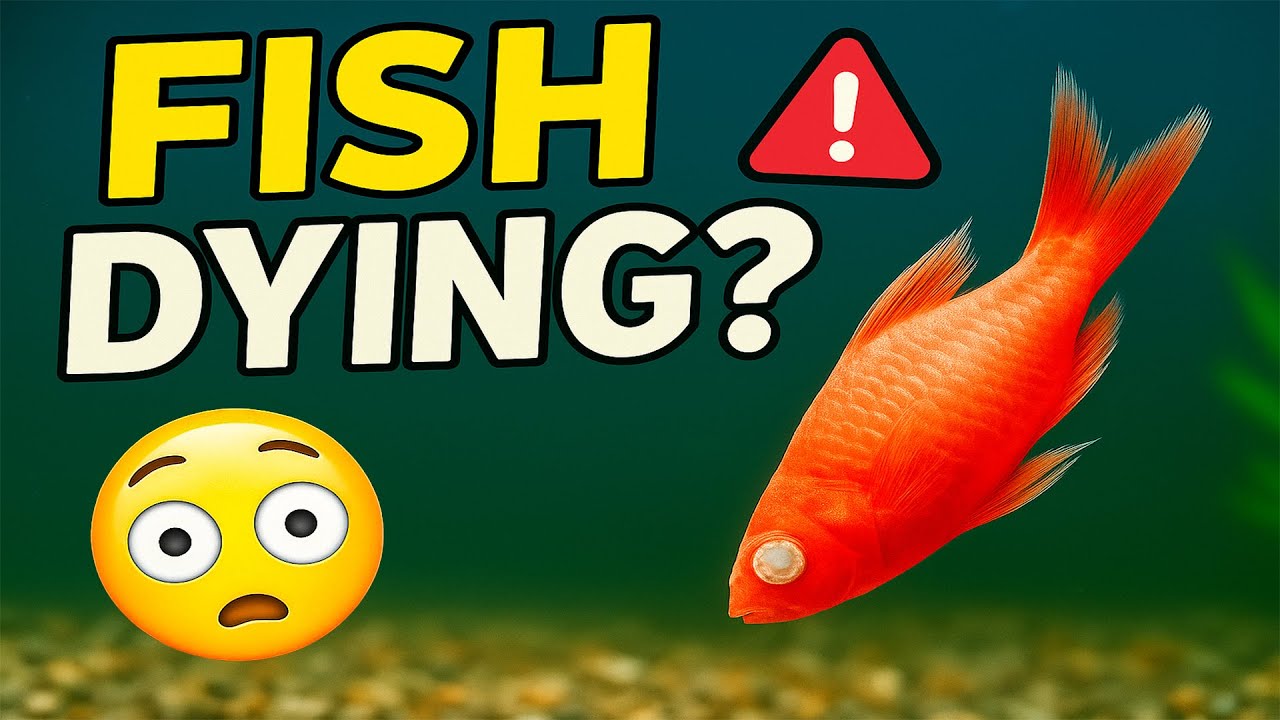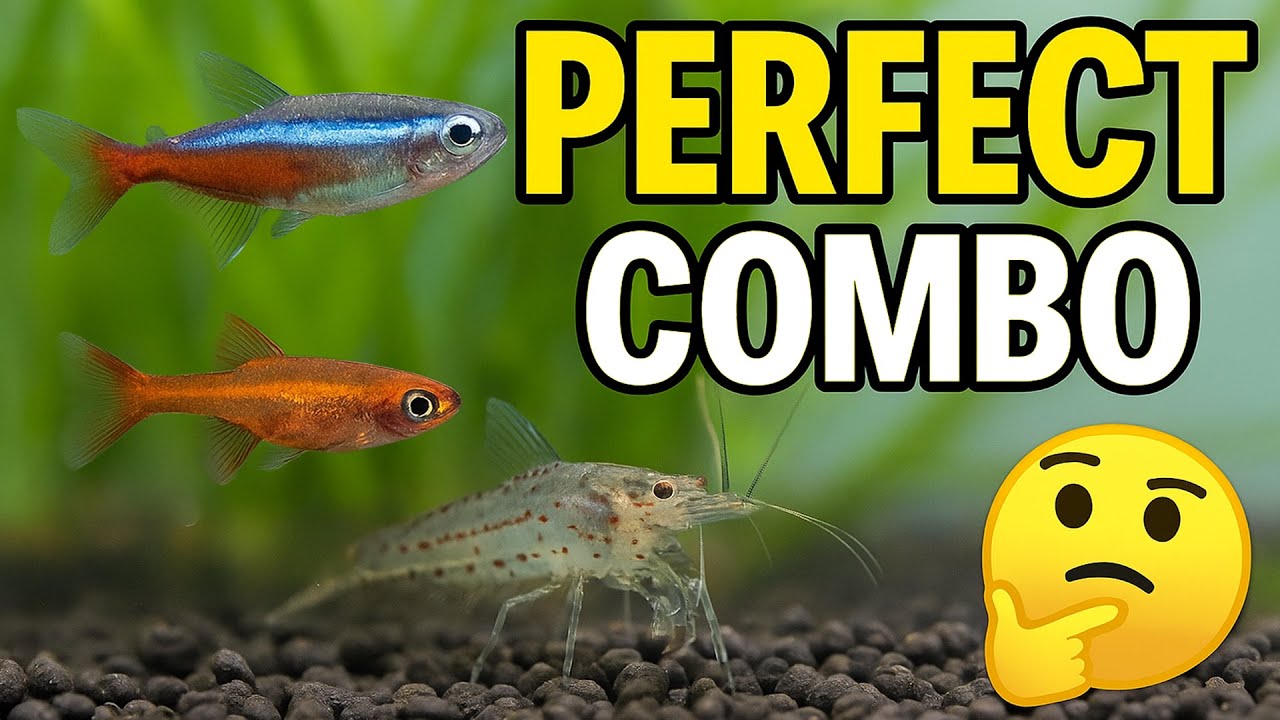

Natural or “eco” tanks are trending…but many beginners crash hard. From cloudy water to plant die-off, here are five hidden mistakes that cause ecosystems to collapse—and how to avoid them.
🌿 Why Eco-Style Tanks Often Fail
Skipping filtration and trusting soil-based systems can lead to excess ammonia or nutrient imbalance. Combining Walstad and Father Fish methods without careful planning often results in microbial chaos, not harmony. According to aquatic science studies, microbial succession and nutrient cycling in new planted tanks can be unstable without staged nutrient release and proper substrate structure.(PMC article on microbial successional patterns in aquaria)
🚫 Mistake #5: Treating Ecosystem Tanks Like Filtered Ones
Expecting Walstad setups to act like conventional tanks is a trap. Without proper substrate and microbial stabilisation phases, ammonia can spike or nutrient leach occurs—stunting plant growth and stressing fish.(aquariumscience.org on planted cycling)
🧱 Mistake #4: Poor Substrate Planning = Disaster
Assuming dirt is “self-fertilizing” is misleading. In reality, buried soil doesn’t automatically deliver steady nutrients to plants. It may leach ammonia and lead to plant failure if not capped or layered correctly.(aquariumscience.org on Walstad nutrition myth)
☀️ Mistake #3: Too Much Light, Not Enough Plants
Heavy light without sufficient plant biomass fuels algae. In low-tech setups, balance is everything: more plants than bare substrate, distributed to absorb excess nutrients before algae dominate.
🐟 Mistake #2: Adding Fish Too Soon
Stocking fish or feeding heavily before substrate bacteria and plant roots establish leads to waste overload and nitrate spikes. Ecosystem aquariums need time to build biological maturity.
⚠️ Mistake #1: Mixing Walstad & Father Fish Methods Improperly
Blending Walstad-style overfeeding and anaerobic layering (Father Fish) without following correct timing can backfire. Instead of ecosystem synergy, you get detritus buildup and bacterial imbalance.
Bonus Tip: Real ecosystems are slow-build—they take weeks not hours. Let nitrogen cycle out first, then add fish gradually with minimal feeding.
📺 Timeline
0:00 – Natural Aquarium FAIL? What No One Tells Beginners
0:28 – Why Self‑Sustaining Tanks Seem Easy (But Aren’t)
0:52 – #5: Treating Ecosystem Tanks Like Filtered Ones
1:12 – #4: Poor Substrate Planning = Disaster
1:38 – #3: Too Much Light, Not Enough Plants
2:02 – #2: Adding Fish Before the System Is Ready
2:26 – #1: Mixing Walstad and Father Fish Wrongly
2:52 – Bonus Tip: Real Ecosystems Take Time
3:18 – What Was Your Mistake? Comment & Share
🎥 Watch & Subscribe!
Curious what went wrong—and how to make it right? Hit play and subscribe to FishTank Mastery for more honest, beginner-friendly guides on planted and no-tech tanks. 🔔 Learn from others’ mistakes so you don’t have to.
About FishTank Mastery
At FishTank Mastery, we help aquarists in the US, UK, and Europe build real self-sustaining tanks, not myths. Our videos and blogs bring science-based clarity—steering you clear of beginner traps and toward thriving ecosystems.
More Guides to Avoid Natural Aquarium Failures
Want your ecosystem tank to thrive? Start by learning the basics in our Aquarium Nitrogen Cycle Guide. See what works in a balanced setup with our Self-Sustaining Aquarium Guide. For plant-friendly ideas, explore our 5 Aquarium Plants That Thrive Without CO₂. And if you’re curious about tech-free approaches, check our No-Tech Aquarium FAQ.