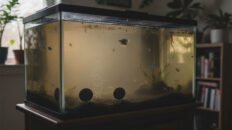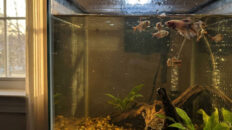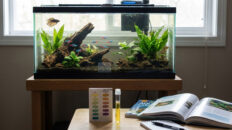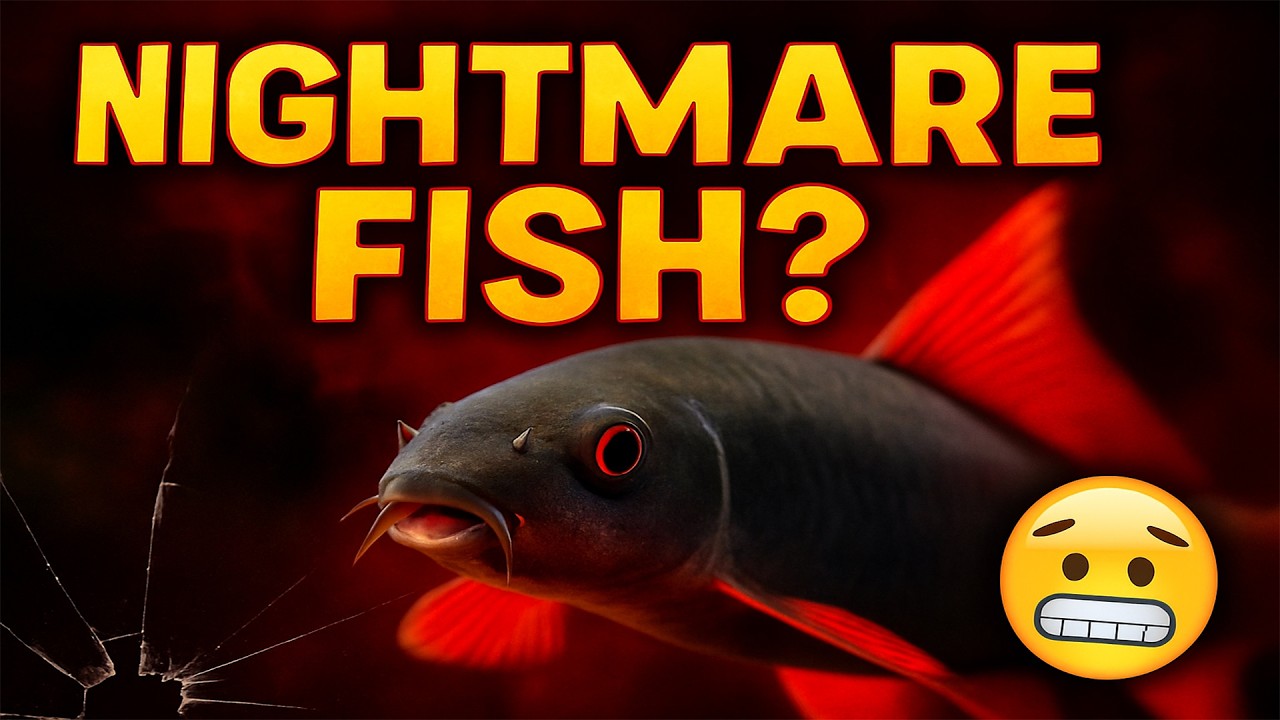

Your aquarium looks stable, but it can collapse weeks later. Clear water, calm fish, and consistent routines can hide slow biological drift that builds quietly until the tank has no margin left. In this guide, you’ll learn what “false stability” is, why aquarium crashes are delayed, how to spot early behavior drift, and what to do before a stable looking tank turns fragile.
Watch this first, then use the guide
The video below shows the exact moment most aquariums fail. Not when the water looks bad, but when everything looks fine and people lock in routines before biology has finished adapting. Watch it, then use the sections below to diagnose your tank like a system, not a snapshot.
The False Stability Phase explained
False stability is when your tank looks healthy on the surface, but the biology underneath is still catching up. The water can be clear. Fish can be calm. Your routine can feel consistent. But stability is not a look. It’s an ability.
Real stability means your aquarium can absorb small disruptions without drifting into stress. False stability means the tank only survives because nothing has tested it yet.
Why tanks collapse weeks after looking fine
This is the part that makes people feel crazy. The aquarium can look stable for weeks, then collapse “out of nowhere.” Most of the time, the collapse is delayed because the damage was delayed.
Small disruptions often do not crash a tank immediately. They create biological debt. The system borrows stability to survive today, but pays later when the margin shrinks and fish reach a stress threshold.
| Timeline window | What you see | What’s actually happening | Why it collapses later |
|---|---|---|---|
| Week 1 to 2 | Clear water, calm fish, “it’s working” | Bacteria and micro balance still forming, oxygen demand rising | Early confidence triggers early intervention |
| Week 3 to 5 | Routine feels stable, tests often look fine | Minor swings stack: flow, oxygen, temperature, waste pockets | System margin shrinks without obvious alarms |
| Week 6 plus | Behavior drift, then losses, then panic | Threshold is crossed, fish resilience drops, drift accelerates | Collapse feels sudden because the cause is earlier |
Biological debt: The hidden mechanism behind delayed crashes
Biological debt is a simple idea. Early stress does not always kill fish today. It weakens fish and weakens system resilience, so the tank becomes fragile. Then a small trigger later causes a big failure.
Common debt creators include repeated “productive” actions like cleaning too aggressively, adjusting too often, changing media, chasing crystal clear water, or reacting to minor swings as if the tank is failing.
Behavior drift: The early warning sign most people miss
In many delayed aquarium collapses, behavior shifts show up before chemistry does. Fish do not wait for a test kit to confirm stress. They respond instantly to patterns.
- Schooling drift: groups spread out, stop moving together, or hover in odd spots
- Surface or flow seeking: hanging near the surface or leaning into the outflow
- Micro hiding: brief hiding bursts that come and go, then “normal” again
- Breathing shift: slightly faster gill movement, especially during lights off
- Social change: less interaction, more spacing, more startle behavior
If you see drift like this while the water still looks clear, treat it as a system signal. The tank is not “fine.” It’s fragile.
Clear water and calm fish can be misleading
Clear water is not proof of stability. It’s proof the water looks clear. A tank can be biologically unstable with crystal clear water if oxygen demand, bacterial balance, and waste processing are still catching up.
Calm fish can also be misleading. Many fish reduce activity under chronic stress. This looks like “peace,” but it can be a low energy coping state. That’s why a stable looking aquarium can be in its most dangerous phase.
What to avoid: The collapse accelerators
These actions feel responsible, but they often speed up false stability collapse. The key is not “never do them.” The key is timing and intensity.
| What people do | Why it feels right | What it silently breaks | Do this instead |
|---|---|---|---|
| Deep clean the filter or swap media | “I’m keeping it clean” | Bio stability and recovery margin | Rinse gently in tank water, keep media, reduce frequency |
| Big water changes to “reset” the tank | “Fresh water fixes everything” | Temperature and chemistry predictability | Smaller consistent changes, keep parameters steady |
| Constant adjustments chasing perfection | “I’m being proactive” | System adaptation over time | Make one change, then let the tank respond for days |
| Overfeeding during a fragile phase | “They seem hungry” | Oxygen and bio demand balance | Feed lightly, stabilize first, watch behavior |
Do this instead: How to prevent a stable looking tank from collapsing
This is the practical layer. The goal is to increase system margin and reduce biological debt.
- Lock temperature and routine: avoid daily swings and random interventions
- Protect the biofilter: treat filter media like living infrastructure, not disposable dirt
- Feed for stability: lighter feeding during drift beats “feeding through stress”
- Watch behavior before numbers: behavior drift is the earliest alarm
- Make one change at a time: predictability beats intensity
If your tank is already in the false stability phase, the most powerful move is often a calm one: reduce interference, stabilize habits, and stop resetting the system.
STOP reacting early
Most aquariums do not collapse because you did nothing. They collapse because you did too many small things too early. Once toxins are controlled, constant correction often prevents true adaptation.
Stability is built through predictability, not perfection.
People Also Ask
- Why did my aquarium crash after being stable?
Because the tank may have been in false stability. The system looked fine, but biology had not finished adapting and margin slowly disappeared. - Why do fish die weeks after everything looked fine?
Because stress and instability can be delayed. Fish and systems fail after pressure builds over time, not always immediately. - Can a tank look stable but still be unstable?
Yes. Clear water and calm fish can hide oxygen swings, microbial imbalance, and chronic stress. - What causes delayed aquarium crashes?
Repeated disturbance, early over cleaning, overfeeding, temperature swings, and locking routines before biology catches up. - How do I know real stability vs false stability?
Real stability holds steady through small changes. False stability breaks when the system is tested and behavior drift appears first.
FAQ
What is the false stability phase in an aquarium?
It’s when a tank looks healthy on the surface, but the biology underneath is still adapting. The system has low margin and can collapse later after weeks of “looking fine.”
Why do aquarium crashes feel sudden?
Because the visible collapse happens late. The cause is usually earlier and subtle, which makes the failure feel random even when it is not.
What is biological debt in fish tanks?
Biological debt is the accumulated cost of early stress and repeated disturbance. The tank survives short term but becomes fragile, then fails later from a smaller trigger.
What is the best early warning sign of a delayed crash?
Behavior drift. Changes in schooling, breathing, surface seeking, and social patterns often show up before any chemistry changes appear on a test.
Should I do a big water change if my tank feels “off”?
Only if you have evidence of a toxin issue. Big changes can add instability. In many cases, smaller consistent changes and reduced interference are safer.
How do I stop the aquarium collapse cycle?
Protect filter media, reduce constant adjustments, stabilize temperature and routine, feed lightly, and give the system time to adapt without being reset.
Fix the whole system with these FishTank Mastery guides
If this article described your situation, these guides walk through the same problem from different angles and help you stabilize the entire system step by step.
If your tank “looked fine” and then failed, the foundation to revisit is biological stability. Many delayed collapses are really delayed cycle stress, especially after changes, cleaning, or new additions. This guide breaks down the nitrogen cycle in a fast, practical way so you can spot when a tank is stable versus just quiet:
Fish Dying Fast? Aquarium Nitrogen Cycle 3-Min Guide for Beginners.
False stability often gets reinforced by one dangerous signal: clarity. Clear water can create confidence while stress is building quietly. If you’ve ever thought “but the water is crystal clear,” this guide explains why clear water does not equal a stable system and what habit keeps tanks stuck in the illusion:
Why Your Aquarium Water Will NEVER Be Clear (Stop THIS).
If your tank swings between cloudy and clear, that is often a disturbance pattern, not bad luck. This timeline guide explains what’s normal, what is not, and why early interventions can delay true stability:
How Long Does Cloudy Aquarium Water Take to Clear?.
One of the most common “silent reset moments” is filter media cleaning. It feels productive, but it can erase stability margin and trigger delayed crashes that look random. If you have cleaned media aggressively or swapped cartridges, read this before doing it again:
Stop Cleaning Filter Media This Way (Ammonia Spikes).
If cloudy water keeps coming back or never fully settles, it’s often because the system is being reset repeatedly. This guide breaks down the reaction pattern that extends instability and makes the false stability phase more dangerous:
Stop Doing THIS if Your Aquarium Water Stays Cloudy!.
Scientific references: Why stability fails after it looks fine
False stability and delayed collapse make sense when you understand that fish respond to patterns over time, not single readings. Stress builds internally and behavior drift can appear before test kits or visual cues show obvious problems.
Fish stress research shows that environmental instability triggers physiological stress responses, including changes in circulating corticosteroids like cortisol. These stress responses can begin long before a tank looks “bad,” which supports why a stable looking aquarium can still be drifting toward failure.
Read the study
Behavioral indicators are also widely used as early welfare signals in fish. Research reviewing behavioral indicators of welfare shows that changes in interaction, swimming patterns, and avoidance behavior can reflect stress earlier than many external measures. This supports the idea that behavior drift is often the first visible alarm.
Read the study
Environmental reviews from U.S. agencies discuss how oxygen availability, temperature, and system conditions affect fish physiology in intensive aquatic systems. In home aquariums, those same factors often fluctuate subtly and contribute to delayed collapse even when water looks clear.
Read the study
Nitrification and biological filtration are also time dependent processes. When a system is disturbed repeatedly, stability can be delayed, and the tank may remain fragile even when it looks normal. This overview helps explain why “letting biology catch up” is often the real fix.
Read the reference
Taken together, these references support a simple conclusion: aquarium stability is biological and behavioral before it is visual. Clear water and calm fish can be a false finish line.
Scientific studies referenced in the video
The video’s core claims about delayed collapse, behavior drift, and stress building before visible failure are supported by established fish stress and welfare research. These sources explain why a tank can look stable while fish are accumulating physiological strain.
Stress in fishes: cortisol and stress responses. Shows how stress can trigger internal hormonal changes before external conditions look wrong.
Read the study
Behavioral indicators of welfare in fish. Explains why behavior changes are reliable early signs of stress and welfare decline.
Read the study
Physiology of fish in intensive culture systems. Describes how oxygen, temperature, and environment pressure fish physiology and can drive failure even when water looks fine.
Read the study
Watch next
If this made things click, these STOP series videos explain the same mistake from different angles and help you break the reaction cycle before your tank collapses.
- Why Your Fish Keep Dying: 5 Hidden Mistakes
- STOP Series: Related Guide Video
- STOP Series: Related Guide Video
- Aquarium Nitrogen Cycle Explained
Final reminder: Most aquarium collapses aren’t instant. They’re delayed. If your tank looks stable, your job is to protect the biology, watch behavior drift, and stop resetting the system before the margin disappears.