
Imagine having an aquarium that runs almost entirely on its own — no filter, no CO₂, and no water changes. Sounds like a fishkeeper’s dream, right? Well, it’s not just possible — it’s practical. In this guide, we’ll walk you through how to create a self-sustaining aquarium that balances itself naturally and keeps both your fish and plants thriving with minimal maintenance.
Let’s dive in.
What Is a Self-Sustaining Aquarium?
A self-sustaining aquarium mimics natural ecosystems. It relies on a well-balanced substrate, fast-growing plants, natural filtration from microfauna, and low-waste livestock. These tanks are often inspired by the Walstad Method, popularized by Diana Walstad, and have become increasingly trendy thanks to YouTube aquascapers like Father Fish.
But don’t worry — you don’t need to be a biologist to pull this off. Just follow these six practical steps.
Step 1: Nutrient-Rich Substrate
Start with a dirted or mineralized soil base. This becomes the foundation of your tank’s ecosystem. The substrate will slowly release nutrients for plant roots, which in turn oxygenate the tank and help absorb toxins like ammonia and nitrates.
Many aquarists use organic potting soil (without added fertilizers or pesticides) capped with sand or gravel to prevent cloudiness.
Step 2: Use Fast-Growing Plants
Plants are the heart of your system. Choose species like Hornwort, Elodea, Water Sprite, or Amazon Frogbit. These plants grow fast, outcompete algae, and stabilize the water chemistry naturally.
Bonus tip? Floating plants help reduce light penetration and provide shade for fish.
Step 3: Find the Right Lighting Balance
Too much light will cause algae. Too little and your plants will die. Use a low-to-medium light fixture and keep it on for 6–8 hours daily. No need for fancy timers or expensive LEDs — just consistency.
Step 4: Add Low-Waste Fish & Shrimp
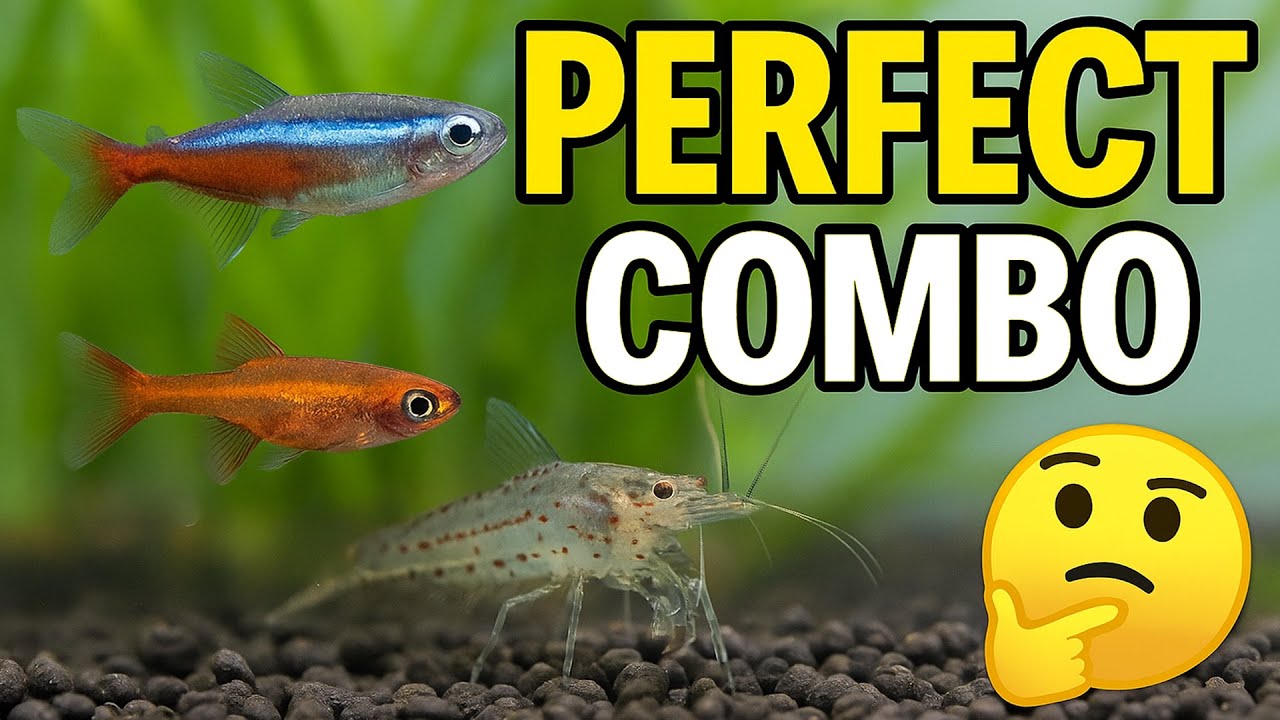
Not all fish are created equal for a self-sustaining setup. Go for small, peaceful species like Endler’s livebearers, Pygmy Corydoras, or Cherry shrimp. These creatures produce less waste and contribute to the tank’s cleanup crew.
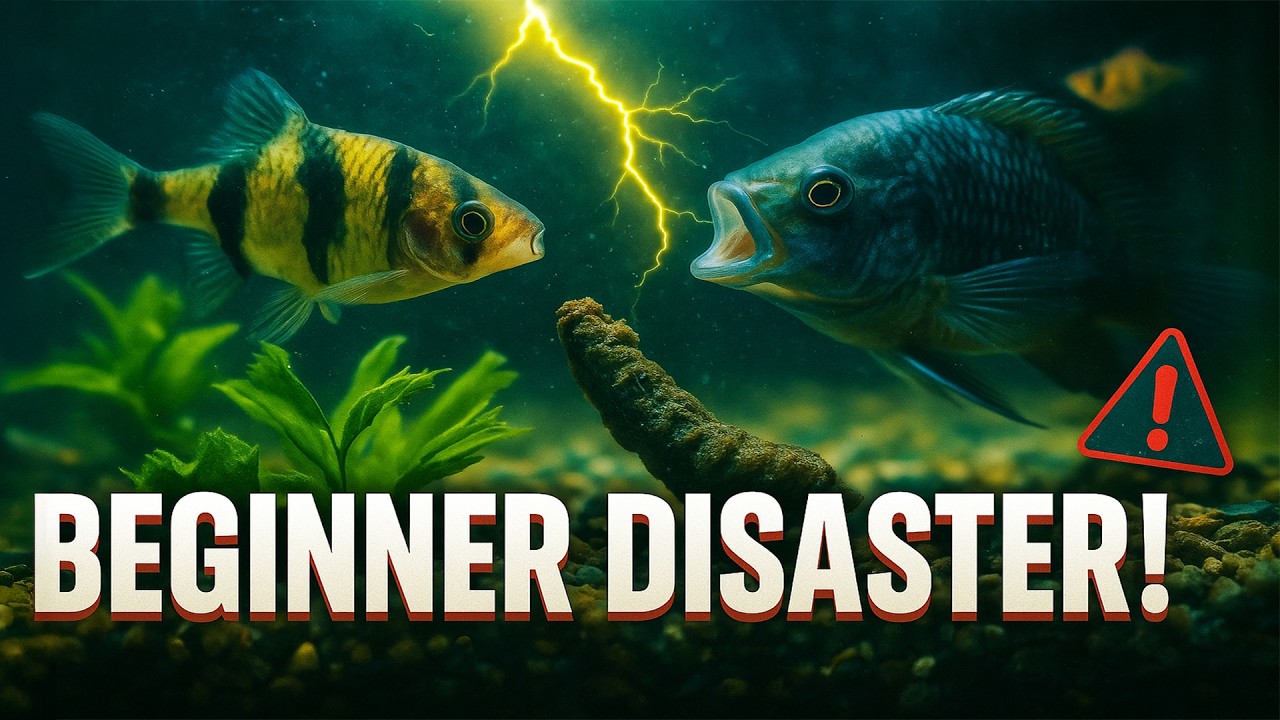
Avoid goldfish, large cichlids, or messy eaters — they’ll destroy the balance quickly.
Step 5: Go Filter-Free & Add Microfauna
Here’s where the magic happens. Instead of a mechanical filter, your tank relies on beneficial bacteria, detritus worms, copepods, and other micro-creatures. These invisible workers break down waste and keep the ecosystem in check.
Add leaf litter or driftwood to boost microbial life. Over time, your tank will become a tiny, thriving forest floor.
Step 6: Skip Water Changes
Yes, seriously. Once your tank is mature (6–8 weeks), avoid major water changes. Just top off evaporated water with dechlorinated tap or RO water. Your plants, substrate, and microfauna will handle the rest.
This doesn’t mean you ignore the tank — just monitor your parameters and intervene only if needed.
Bonus Tip: Let It Mature
The biggest mistake beginners make? Rushing the process. Give your tank time to cycle naturally and develop stability. In 2–3 months, you’ll have a beautiful, low-maintenance ecosystem that practically takes care of itself.
Want proof? Check out our full video guide below with step-by-step visuals and practical tips.
Timestamps ⏱️
0:00 – A Fish Tank With No Equipment?!
0:12 – What Is a Self-Sustaining Aquarium?
0:30 – Step 1: Nutrient-Rich Substrate
0:46 – Step 2: Fast-Growing Plants
1:06 – Step 3: Lighting Balance
1:22 – Step 4: Low-Waste Fish & Shrimp
1:41 – Step 5: No Filter, Add Microfauna
1:58 – Step 6: Skip Water Changes!
2:13 – Bonus Tip: Let It Mature First
2:30 – Final Thoughts + Would You Try This?
FishTank Mastery
At FishTank Mastery, we believe fishkeeping should be simple, natural, and fun. Our quick 2–4 minute videos help beginners and hobbyists across the US and Europe master the art of low-tech aquariums — no fluff, no stress.
Love nature-inspired tanks? Subscribe to our FishTankMastery YouTube channel and join thousands of aquarists building peaceful, self-sustaining ecosystems — one tank at a time.
More Guides for Low-Maintenance Natural Aquariums
Love the idea of a hands-off tank? See how other methods compare in our Walstad vs Father Fish Comparison. Avoid common traps by reading Top 5 Aquarium Myths That Still Fool Beginners. For long-lasting plant health, check out 5 Aquarium Plants That Thrive Without CO₂. And if you want extra inspiration, explore our Aquascaping Guide for design ideas.



Add comment