
Starting a new tank and confused about cycling?
Worried about harming your fish with toxic ammonia spikes? 😣
There’s a better way — and it starts with live plants.
In this beginner-friendly guide, you’ll learn how to safely cycle your aquarium using only plants, beneficial bacteria, and patience — no bottled ammonia, no dead shrimp, and no stressed-out fish.
Whether you’re in the US, UK, or EU, this fish-safe method works beautifully in freshwater aquariums, especially planted or low-tech setups.
Step 1: Add Fast-Growing Plants First
Before filters, before fish — plants come first.
Use stem plants like Hornwort, Water Wisteria, or Elodea. These absorb ammonia fast and support early bacteria colonization.
Step 2: No Fish Yet — Just Plants and Light
Let the plants settle for a few days under full-spectrum light. Avoid adding fish at this stage — you’re building a safe base with zero stress.
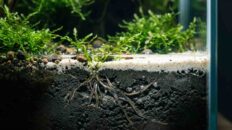
Step 3: Pick the Right Substrate
Go for nutrient-rich substrates like Fluval Stratum, Eco-Complete, or even capped soil. These provide long-term support for plant roots and helpful bacteria.
Step 4: Use a Gentle Filter
Hang-on-back or sponge filters work best. You want stable water movement, not a hurricane. Bio-media like ceramic rings help beneficial bacteria grow faster.
Step 5: Add Natural Ammonia Sources
No chemicals needed. Fish food, liquid plant fertilizers, or organic debris from plants release enough ammonia for cycling — slowly and safely.
Step 6: Test Regularly
Use a liquid test kit to monitor ammonia, nitrite, and nitrate.
The goal:
✔️ Ammonia → spikes
✔️ Nitrite → spikes
✔️ Nitrate → rises = cycle complete!
BONUS: Hardy Fish That Survive the Cycle
If you must add fish early, choose tough ones:
White Cloud Minnows
Zebra Danios
Cherry Barbs
But only after ammonia drops and nitrates appear.
My Hybrid Method (Real-Life Setup)
I use floating plants, root tabs, sponge filters, and light fertilization to slowly build a stable cycle. It takes 3–5 weeks, but the results are clean, balanced, and fish-safe.
Common Beginner Mistakes
🚫 Adding fish too soon
🚫 Overfeeding during cycle
🚫 Rinsing filters in tap water
🚫 Not testing parameters regularly
Avoid these, and your tank will be ready for fish — the safe way.
🎥 Watch the full video to see this plant-based cycling method in action, including visuals, tools I use, and bonus tips for first-timers.
Timestamps:
0:00 – How to Cycle a Fish Tank Safely (No Ammonia Bottles!)
0:34 – Why Aquarium Cycling Matters for Beginners
0:55 – Step 1: Best Fast-Growing Plants to Use in Cycling
1:14 – Step 2: Add Live Plants Before Fish for Safe Start
1:32 – Step 3: Choose the Right Substrate for Cycling
1:52 – Step 4: Best Filters for Gentle Flow & Bacteria Growth
2:10 – Step 5: Add Natural Ammonia Sources (No Chemicals!)
2:28 – Step 6: How to Test for Ammonia, Nitrite, Nitrate
2:46 – BONUS: Hardy Fish That Survive New Tank Setup
3:05 – Hybrid Plant Cycling Setup I Personally Use
3:26 – Common Beginner Mistakes to Avoid During Cycling
3:42 – Final Thoughts: Respect the Cycle, Respect the Fish
About FishTank Mastery
FishTank Mastery is your go-to channel for smarter, safer fishkeeping.
We simplify complex topics — like cycling — into bite-sized, beginner-friendly videos that work in the real world. No fluff. No guesswork. Just results.
🌿 Want a healthy tank that lasts?
🐟 Want your fish to thrive from day one?
🎯 Subscribe now and build your dream aquarium — the fish-safe way.
🔬 Scientific References
1. The Nitrogen Cycle in Aquariums – The Spruce Pets
Covers the stages of the nitrogen cycle and how beneficial bacteria and organic ammonia sources can be used for fish-safe cycling.
👉 https://www.thesprucepets.com/nitrogen-cycle-understanding-1380724
2. Plant-Based Cycling Techniques for Freshwater Aquariums – ScienceDirect
Explores how rooted and floating aquatic plants contribute to natural ammonia processing and nitrogen control.
👉 https://www.sciencedirect.com/science/article/abs/pii/S004896972036678X
3. Biofiltration Efficiency with Sponge and Ceramic Media – NCBI
Compares filter media efficiency and shows how sponge filters support beneficial bacteria in planted, low-flow environments.
👉 https://www.ncbi.nlm.nih.gov/pmc/articles/PMC7294042/
4. Natural Ammonia Sources in Aquatic Systems – Oxford Academic
Details how decaying plant matter and fish food provide gradual ammonia release that initiates the cycling process without chemicals.
👉 https://academic.oup.com/plankt/article/30/1/45/1547471
Related Guides to Perfect Your Planted Tank
Cycling a planted aquarium without fish is one of the safest and most effective ways to prepare a healthy environment, but the process can be tricky if you’re new to the hobby. For a deeper understanding of the science behind it, our aquarium nitrogen cycle guide explains how beneficial bacteria establish and maintain water quality. If you’re also setting up plants for the first time, the easy aquarium plants list will help you choose species that thrive without extra equipment. And to ensure your water stays pristine during cycling, check out our crystal clear water tips — perfect for keeping your planted tank looking beautiful from the start.