
Overstocking Aquarium Myth: Why the 1 Inch Per Gallon Rule is Wrong
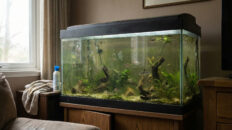
For decades, beginners have heard the same advice: “One inch of fish per gallon of water.” It sounds simple, right? Unfortunately, it’s also completely wrong. The so-called “1 inch per gallon rule” has led to overcrowded tanks, stressed fish, and countless preventable deaths. In this article, we’ll break down why this outdated rule doesn’t work and what you should do instead to stock your aquarium safely.
Why the 1 Inch Rule Fails in Real Life
On paper, the rule looks easy: if you have a 20-gallon tank, you can keep twenty 1-inch fish. But aquariums are not math problems — they’re living ecosystems. Fish grow, produce waste at different rates, and need unique environments. Relying on this shortcut ignores the realities of biology and aquarium science.
Fish Growth Makes the Rule Useless
When you buy a 1-inch juvenile fish, it doesn’t stay that size. Oscars, plecos, goldfish, and many popular species grow many times larger. Using the inch rule means you’ll end up with oversized fish in an undersized tank, leading to stress, aggression, and poor health.
Body Shape and Mass Matter More Than Length
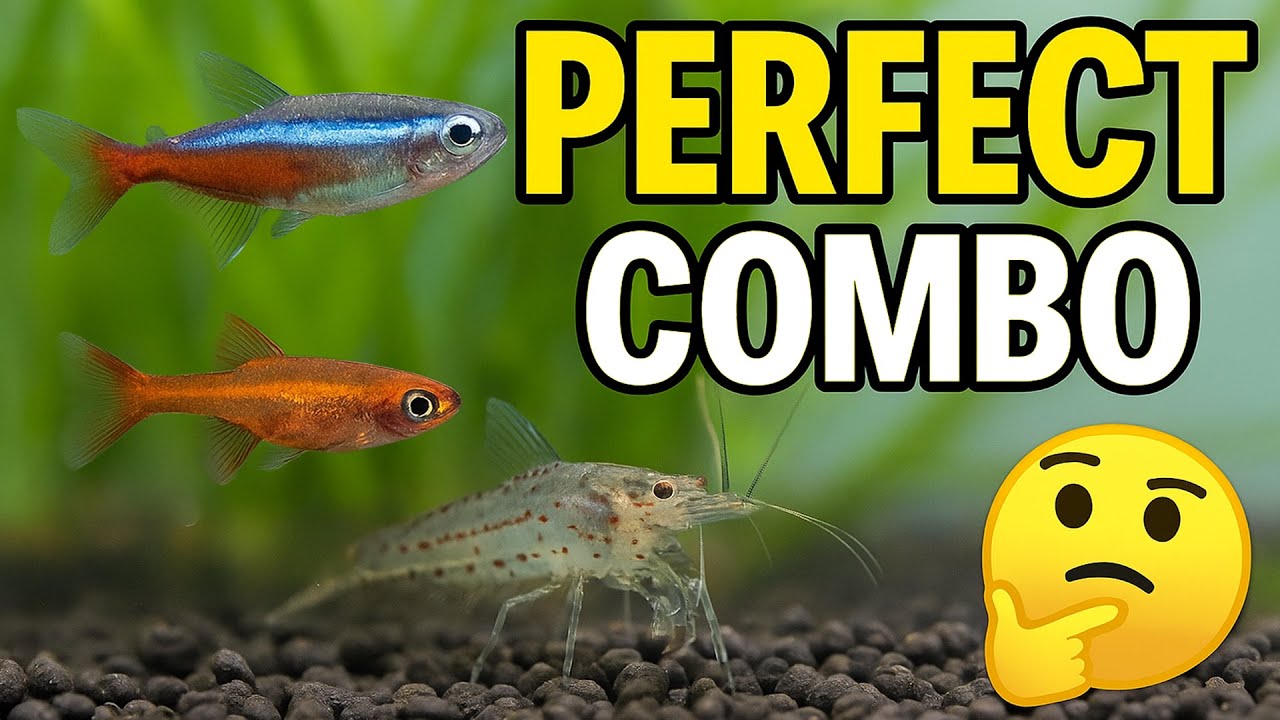
A slim-bodied neon tetra and a chunky goldfish may both measure one inch, but their waste production and oxygen demand are worlds apart. Bioload is determined by body mass and metabolism, not just length. This is one of the biggest reasons the inch rule completely falls apart in practice.
Behavior and Territory Are Critical
Even if two fish are similar in size, their behavior changes everything. Some species are peaceful community fish, while others are territorial or aggressive. Stocking by length ignores aggression, schooling needs, and territorial boundaries — factors that determine whether fish can actually live together without stress or injury.
Filtration Strength Beats Gallon Count
Two tanks of equal size can handle very different fish loads depending on filtration. A 30-gallon tank with a weak filter may crash under a modest bioload, while a 20-gallon with a powerful filter can safely support more fish. Filtration capacity, flow, and media surface area are far more important than simple gallon count.
Science Shows Waste Relates to Mass, Not Length
In biology, waste production and oxygen use are tied to a fish’s weight and metabolism. The inch rule assumes all fish produce the same waste per inch, which science proves false. Larger-bodied fish and faster metabolisms equal more waste, regardless of their length.
Tank Shape and Oxygen Exchange Matter
Not all aquariums are built the same. A tall, narrow tank may hold the same gallons as a wide, shallow tank — but the shallow one offers much more surface area for oxygen exchange. Fish survival depends heavily on oxygen levels, which the inch rule completely ignores. Tank shape directly influences stocking limits.
Building Balance, Not Following Lazy Math
Instead of relying on the 1 inch per gallon myth, successful fishkeepers focus on balance. Consider the species you keep, their adult size, their behavior, your filtration capacity, and your tank’s shape. By thinking about the whole ecosystem, you’ll create a healthy aquarium instead of a crowded glass box.
Bonus: Why Ecosystems Always Win
The best tanks are more than just fish and water — they’re ecosystems. Plants, filtration, beneficial bacteria, and fish all interact. Adding live plants, choosing compatible species, and maintaining strong biological filtration always outperforms outdated stocking rules. The goal isn’t to hit a number; it’s to build stability.
Watch the Full Myth-Busting Video
Want to see all of this explained step by step? Watch the full video here:
Overstocking Aquarium Myth: 1 Inch Per Gallon Rule is WRONG!
Timestamps:
- 0:00 – The 1 Inch Per Gallon Aquarium Rule Myth
- 0:21 – #7 Fish Growth Makes the Rule Useless
- 0:40 – #6 Why Body Shape Matters More Than Length
- 0:59 – #5 Behavior & Territory: The Inch Rule Fails
- 1:17 – #4 Filtration Strength Beats Gallon Count
- 1:36 – #3 Science Proves Mass – Length in Bioload
- 2:02 – #2 Tank Shape & Oxygen Exchange Explained
- 2:19 – #1 Real Stocking = Balance, Not Lazy Rules
- 2:40 – Bonus: Build an Ecosystem, Not by Math
- 3:40 – Share Your Stocking Stories
Practical Tips for Beginners
- Research the adult size and behavior of every fish before buying.
- Invest in strong filtration and test your water regularly.
- Think about territory and schooling needs, not just length.
- Use live plants to naturally support filtration and oxygen balance.
- When in doubt, stock fewer fish and let your tank grow with you.
Scientific Studies Expose the Overcrowding Myth
When it comes to proper aquarium stocking, scientific research shows why the “1 inch per gallon” rule is unreliable. For example, a peer-reviewed study on European carp in aquaponic systems found that lower stocking densities improved fish growth, feed conversion, and water quality compared to tanks overloaded by volume alone. This demonstrates that counting gallons without considering filtration and ecosystem balance harms fish health (PLOS ONE study).
Another experiment in a biofloc system revealed that higher fish density resulted in reduced growth, lower immunity, and higher stress levels in juvenile carp, despite having similar water volumes. This confirms that even with rich microbial biofilm, simply adding more fish without managing bioload and biological filtration damages tank stability (Aquaculture & Aquatic Sciences research).
These findings reinforce what experienced aquarists already know: stocking decisions should be based on fish metabolism, filtration capacity, oxygen exchange, and behavior, not a simple volume-based rule. By prioritizing natural balance over “lazy math,” you build an aquarium that’s healthier, more sustainable, and far more enjoyable.
Related Guides to Build a Balanced Aquarium
If you’ve just learned why the outdated “1 inch per gallon rule” doesn’t work, you’ll definitely want to explore other natural methods that make your aquarium thrive. For example, plants can help prevent overstocking problems by keeping water stable. Our article on the $5 pothos plant nitrate solution explains how this easy, beginner-friendly plant absorbs toxins and keeps fish tanks balanced without expensive gadgets.
Stocking mistakes are not the only danger aquarists face. External events like storms or blackouts can crash a tank overnight. To protect your fish when disaster strikes, check out our survival guide on saving your aquarium during a hurricane power outage. These three simple steps can mean the difference between life and death for your fish when oxygen and filtration stop suddenly.
Stocking also isn’t just about numbers — it’s about choosing the right species. Some fish look peaceful or cute in the store, but they turn out to be dangerous tank mates. Don’t fall for appearances; read our guide on the top 7 aquarium fish that look cute but are secret killers. Knowing these species before you buy will save you endless headaches.
And if you want to avoid costly regrets, we’ve also compiled the 7 worst aquarium fish that ruin tanks fast. From aggressive behaviors to high waste production, these species often wreck aquariums and frustrate beginners. By combining this knowledge with the science behind stocking, you’ll be able to build a sustainable, stress-free ecosystem instead of fighting endless problems.
About FishTank Mastery
At FishTank Mastery, we’re here to bust myths and give real, practical aquarium advice. Our goal is to help hobbyists build thriving ecosystems without wasting money or losing fish to outdated rules. Subscribe to our YouTube channel for more guides, and join thousands of fishkeepers in the US, UK, and Europe who want to keep things simple, balanced, and stress-free.