
Is your beautiful aquarium turning into a swamp overnight? Don’t worry—you’re not alone. Algae problems are one of the most common challenges fishkeepers face, and while they might seem impossible to control, there are completely natural ways to stop them for good. In this guide, we’ll show you how to fix Black Beard Algae (BBA), Diatoms, and Green Spot Algae naturally—no harsh chemicals, no expensive gimmicks.
Why Algae Takes Over Your Aquarium
Algae growth is a symptom, not the disease. When your tank’s light, nutrients, and maintenance schedule fall out of balance, algae take advantage. Overfeeding, poor filtration, and unbalanced lighting create the perfect breeding ground for these green and brown invaders. Understanding the cause is the first step to stopping the bloom before it starts.
The Three Most Common Aquarium Algae Types
- Black Beard Algae (BBA): A dark, fuzzy growth that attaches to rocks, filter outlets, and plant leaves. It thrives in low CO₂ setups with unstable lighting or nutrient levels.
- Diatoms (Brown Algae): A slimy, brown coating that appears in new aquariums. It feeds on silicates and often disappears once your tank matures.
- Green Spot Algae (GSA): Hard green dots that stick to glass and slow-growing plants. Usually caused by low phosphate levels and excessive direct light.
Step-by-Step: Natural Fixes for Aquarium Algae
These proven natural solutions work for both beginners and advanced hobbyists. They restore balance instead of masking symptoms.
#1 Balance Your Lighting
Too much light or inconsistent photoperiods trigger algae blooms. Set your aquarium light timer to 6–8 hours daily and avoid placing tanks near windows. Consistent light = stable ecosystem.
#2 Control Nutrients
Excess nutrients—especially phosphate and nitrate—fuel algae growth. Perform weekly 25% water changes, avoid overfeeding, and consider fast-growing plants like Water Sprite or Hornwort to outcompete algae naturally.
#3 Avoid Overcleaning
It sounds strange, but over-cleaning your tank destroys beneficial bacteria that keep algae under control. Rinse your filter media in tank water (never tap water) and let your ecosystem do its job.
#4 Improve Circulation
Dead zones in the aquarium encourage algae growth. Make sure your filter output creates gentle water movement throughout the tank. Adding an airstone can improve oxygenation and reduce stagnant spots where algae thrive.
Pro Tips from Experienced Aquarists
- Add live plants: They consume excess nutrients before algae can.
- Limit sunlight: Direct natural light triggers algae fast.
- Maintain your filter: A clogged filter equals nutrient buildup.
- Don’t panic-clean: Patience and balance always win over quick fixes.
Scientific Insight: Why Algae Blooms Happen
Research published in ScienceDirect – Water Research confirms that algae blooms are driven by an excess of dissolved nutrients (particularly nitrates and phosphates) combined with unregulated light exposure. The study found that natural competition from aquatic plants and microbial biofilms can reduce algae dominance without chemical treatment.
According to Oxford Academic – Aquatic Botany, low CO₂ concentration and poor water flow increase the colonization of filamentous algae such as BBA. Stable CO₂ levels and regular pruning of plants significantly reduce algae surface coverage.
Another study from Springer – Hydrobiologia emphasizes that bacterial diversity plays a role in keeping algae populations in check. Healthy biofilms in established aquariums naturally suppress opportunistic algae growth through nutrient competition.
Bonus Tips for Long-Term Algae Prevention
- Use fast-growing stems like Hygrophila and Water Wisteria to “starve” algae of nutrients.
- Keep a steady maintenance schedule—small, regular cleanings beat big, disruptive ones.
- Test your water weekly for nitrates, phosphates, and silicates to spot imbalances early.
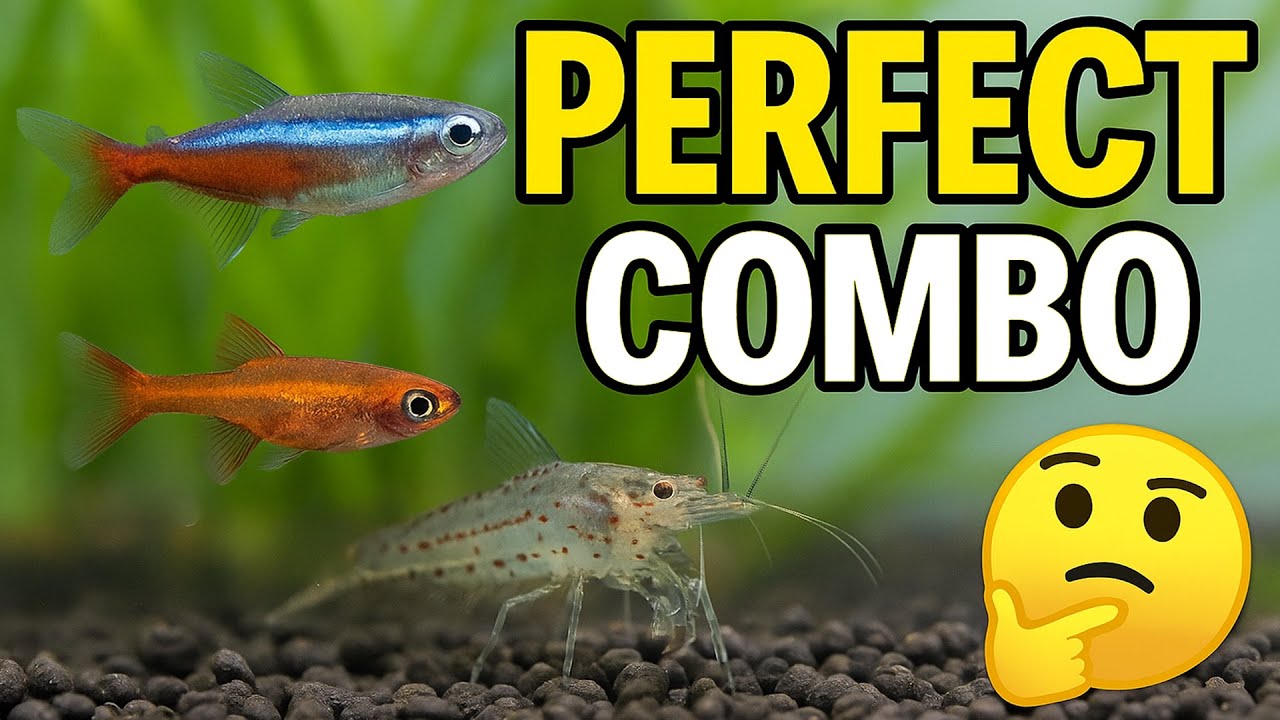
- Add natural algae eaters like Amano shrimp, Nerite snails, or Otocinclus catfish for extra support.
Watch the Full Video
Want to see these methods in action? Watch the full video here:
Natural Ways to STOP Aquarium Algae – Fix BBA, Diatoms & Green Spot FAST!
Timestamps
- Why your tank turned into a swamp overnight
- #3 Black Beard Algae (BBA) – The fuzzy nightmare
- #2 Diatoms (Brown Algae) – The beginner’s curse
- #1 Green Spot Algae (GSA) – The tough green dots
- Bonus Pro Tips – Keep your tank clear forever
Final Thoughts
Algae doesn’t have to ruin your tank—it’s just a sign your balance is off. Focus on natural fixes: consistent lighting, good filtration, balanced nutrients, and healthy plants. Avoid harsh chemicals and quick fixes that only make things worse. The result? A thriving, crystal-clear aquarium that looks amazing and keeps your fish stress-free.
About FishTank Mastery
FishTank Mastery shares real-world, experience-based aquarium advice for hobbyists across the US, UK, and Europe. We focus on natural, beginner-friendly methods that actually work—no hype, no chemicals. Subscribe to our YouTube channel for weekly myth-busting aquarium videos and detailed guides to help you master fishkeeping the right way.
Related Guides: Keep Your Aquarium Clean, Balanced, and Algae-Free
If algae isn’t your only struggle, cloudy water might be the next big challenge. Don’t worry—we’ve got you covered. Check out our guide Cloudy Fish Tank? Fix It Fast Without Chemicals to learn how to clear milky water naturally, without using harsh additives. It’s the perfect follow-up for fishkeepers who want crystal-clear water and a balanced ecosystem.
While you’re focusing on algae control, remember that plants are your strongest allies. Discover our list of 7 easy low light aquarium plants for coldwater tanks. These hardy, low-maintenance plants not only absorb excess nutrients that feed algae but also improve oxygen levels, reduce stress, and make your tank look vibrant—all without CO₂ or heaters.
Sometimes, unwanted guests like pest snails sneak into your aquarium, adding to the imbalance. Instead of chemicals, try our natural approach in How to Remove Pest Snails Naturally (No Chemicals!). You’ll learn safe and effective ways to control snail populations without harming your plants or fish.
Does your aquarium smell bad even though everything looks “natural”? It might not be as balanced as it seems. Read our analysis in Why Your Ecosystem Tank Smells Bad – Natural Aquarium Fail? to understand the hidden biological causes behind unpleasant odors and how to fix them using natural filtration and maintenance techniques.
And if you’re a beginner trying to build the perfect clean tank, make sure you’re not sabotaging yourself with bad fish choices. Our guide Top 7 Worst Beginner Fish That Cause Tank Problems reveals species that overproduce waste, uproot plants, and ruin water quality—exactly the type that make algae and cloudy water worse.
Discover More from FishTank Mastery
Want more practical, beginner-friendly aquarium guides? Explore FishTankMastery.com for proven aquarium care strategies, myth-busting articles, and natural maintenance tips. Don’t forget to subscribe to our YouTube channel for weekly videos that help you build a clear, healthy, and algae-free aquarium the natural way.