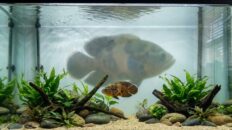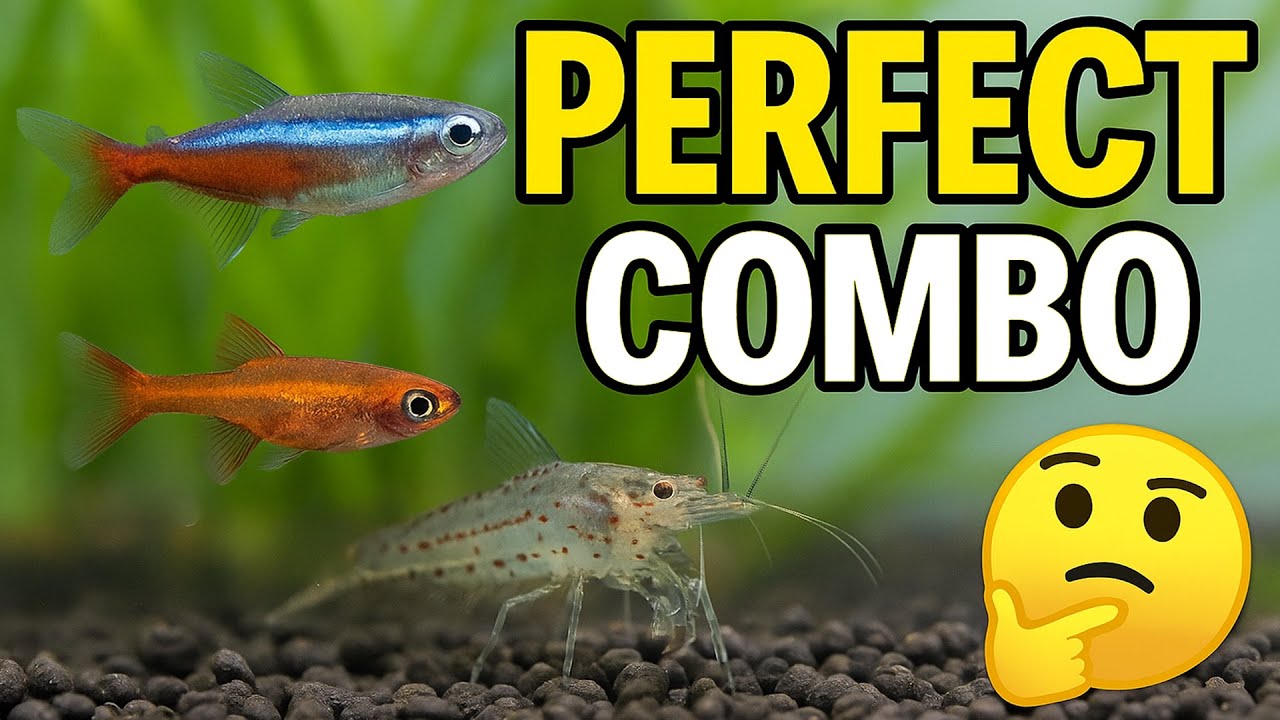

Tiny aquarium fish look harmless… until they mature and turn into aggressive tiny terrors that chase, nip fins, stress tankmates, and destroy peaceful community setups.
If your tank ever turned into chaos “for no reason,” one of these 10 tiny fish is almost always the hidden cause.
And the scary part?
They’re sold everywhere as “peaceful.”
This guide exposes the truth — and if you want to see real footage of each species attacking, chasing, and biting, the full breakdown is shown in the video below. Watch the aggression clips, chase patterns, territorial strikes, and scale-eating behavior exactly as it happens:
And if you want to see real footage of each aggressive tiny fish, the full breakdown is shown visually in the video below — including chase patterns, territorial strikes, and scale-eating behavior:
This guide explains why tiny fish become aggressive, how schooling pressure, stress hormones, territory imprinting, and tank size affect their behavior — and how to prevent aggression before it starts.
In this article, you’ll learn why these tiny fish become aggressive, how stress hormones and shoaling pressure fuel attacks, and which peaceful alternatives actually work — all backed by science and real aquarium behavior.
Avoid These Tiny Fish ( The Most Common Trouble-Makers)
These are the “peaceful-looking” fish that beginners buy… and then regret within days. Each section also references the exact moment in the video where their aggression is shown.
1. Colombian Tetra (Hyphessobrycon columbianus) – Fin-Nipping Sprinter
Colombian Tetras have extremely fast acceleration bursts and a natural instinct to strike flowing fins. They often chase slower fish such as gouramis, angelfish, guppies, and long-fin varieties.
Why they turn aggressive: schooling dominance hierarchy, rapid feeding response, and fin-movement triggers.
See the aggression clip: shown early in the video under the “Fin-Nipping Sprinter” chapter.
2. Male Endler (Poecilia wingei) – Hyperactive Show-Off
Male Endlers look tiny and harmless, but their constant hyper-activity overwhelms calm community fish. They chase nonstop, especially targeting slow or shy fish.
Why they turn aggressive: mating-drive bursts, overactive territorial displays, micro-territory chasing.
See behavior: covered in the “Hyperactive Show-Off” chapter in the video.
3. Auratus Cichlid (Melanochromis auratus) – Mbuna Micro-Tyrant
One of the most aggressive Mbuna cichlids ever kept in aquariums. Even as juveniles, they exhibit extreme territorial behavior and will dominate tanks much larger than beginners expect.
Why they turn aggressive: hormonal maturation, strong territory imprinting, color-phase dominance.
See behavior: shown under “Mbuna Micro-Tyrant.”
4. Serpae Tetra (Hyphessobrycon eques) – The Chaos Crew
Serpae Tetras attack fins, bully shy fish, and create group-based harassment patterns. Small groups become even worse, not better.
Why they turn aggressive: schooling pressure, resource guarding, fin-targeting instinct.
See behavior: video chapter “Chaos Crew.”
5. Red-Tail Shark (Epalzeorhynchos bicolor) – Quiet Territory Boss
Beginners assume Red-Tail Sharks are peaceful because they are so quiet — until they choose a territory. Then they chase every bottom-dweller relentlessly.
Why they turn aggressive: bottom-zone dominance, cave-claiming, stress-based late-night chasing.
See behavior: under “Territory Boss” in the video.
Avoid These Tiny Fish (Hidden Terrors Beginners Never Expect)
These species look innocent when small, but as they mature, their behavior changes dramatically. The video above shows each species in real aggression scenarios, including fin attacks, territory strikes, and stress behaviors beginners often overlook.
6. Bucktooth Tetra (Exodon paradoxus) – Scale Predator
A stunning silver schooling fish sold as “semi-peaceful,” but Bucktooth Tetras are specialized scale-eaters. They form coordinated attack groups and strip scales off tankmates. No amount of plants or hiding spots stops their predatory behavior.
Why they turn aggressive: instinctive scale hunting, group-feeding frenzy, high-energy predatory patterns.
See behavior: “Scale Predator” chapter in the video.
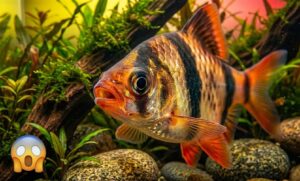
7. Tiger Barb (Puntius tetrazona) – The Fin Hunter
One of the most famous fin-nippers in the hobby. Tiger Barbs target long fins with laser precision and chase shy fish relentlessly unless kept in large shoals.
Why they turn aggressive: fin-movement triggers, energy surplus, internal schooling ranking fights.
See behavior: covered in the “Fin Hunter” segment of the video.
8. Pea Puffer (Carinotetraodon travancoricus) – Tiny Serial Nibbler
Pea Puffers are adorable, intelligent, curious… and shockingly aggressive when they see movement. They bite fins, tails, and sometimes even eyes. Even a single Pea Puffer can terrorize a peaceful tank.
Why they turn aggressive: micro-predatory instinct, hunting behavior, food-visual triggers.
See behavior: displayed in the “Serial Nibbler” clip.
9. Jewel Cichlid (Hemichromis bimaculatus) – Breeding-Mode Bomber
Jewel Cichlids are beautiful but infamous for extreme aggression when breeding. They defend their nest so aggressively that they can wipe out entire community tanks within hours.
Why they turn aggressive: nesting hormones, egg-site defense, territorial imprinting.
See behavior: covered under the “Breeding-Mode Bomber” chapter.
10. Convict Cichlid (Amatitlania nigrofasciata) – Striped Chaos Engine
A beginner’s favorite because of the price and availability… but one of the most territorial small cichlids. Once a breeding pair forms, they chase every tankmate nonstop.
Why they turn aggressive: pairing territoriality, cave ownership, breeding dominance.
See behavior: part of the “Chaos Engine” section in the video.
Peaceful Alternatives
If you want the color, activity, and personality of the species above without aggression, these peaceful choices work beautifully even in community tanks:
- Harlequin Rasbora – predictable schooling, no fin nipping
- Rummy Nose Tetra – extremely peaceful and tight shoaling
- Honey Gourami – gentle, curious, and non-territorial
- Panda Corydoras – peaceful bottom dwellers, zero chasing
- Neon Green Rasbora – tight schooling and predictable movement
- Lemon Tetra – lively yet peaceful, great color pop
- Bristlenose Pleco – calm bottom-dweller, zero chasing
- Otocinclus Catfish – gentle algae grazers
- Bolivian Ram – the peaceful dwarf cichlid alternative
Visual aggression comparisons between these peaceful species and the “terror fish” above are shown clearly in the video.
The Science Behind Tiny-Fish Aggression
Understanding why these tiny species turn aggressive helps you prevent the chaos. The video above demonstrates these behaviors visually, but here’s the biology behind them:
1. Schooling Pressure
Many small fish become aggressive when kept in groups smaller than their natural shoal size. This creates dominance fights, fin nipping, and chase cycles.
2. Fin-Shape Targeting
Flowing fins activate predatory instincts in species like Tiger Barbs, Serpae Tetras, and Colombian Tetras — even when they are small.
3. Territory Imprinting
Tiny fish claim micro-territories in plants, caves, or hardscape gaps. They defend them with surprising force.
4. Breeding Hormones
As they mature, males of many species show sudden behavioral changes that beginners mistake for “random aggression.”
5. Nano Tank Stress
Small tanks amplify aggression. Limited space increases cortisol, reduces escape routes, and causes chain-reaction stress behaviors.
How to Prevent Tiny-Fish Aggression
1. Increase School Size
Many aggressive behaviors disappear when shoal size reaches 8–12+.
2. Remove Long-Fin Tankmates
Flowy fins trigger predatory instinct in multiple species.
3. Upgrade Tank Size
Nano tanks amplify aggression hormones. A 20–29 gallon tank often stabilizes behavior instantly.
4. Rearrange Hardscape
Breaking established territories resets aggression patterns.
5. Add Sight Breaks
Plants, caves, and driftwood help block line-of-sight and reduce chasing.
6. Use Species-Specific Ratios
Some species need male-heavy groups, others female-heavy. This is explained in the video chapters.
7. Feed More Frequently (Small Portions)
Food scarcity creates resource-based aggression in tiny schooling fish.
People Also Ask (PAA)
- Why are my small fish aggressive? – Often schooling pressure, stress, or tank-size issues.
- Which small fish nip fins? – Colombian Tetra, Serpae Tetra, Tiger Barb.
- Are tiny fish safe for community tanks? – Only specific peaceful species.
- Why do small fish chase each other? – Dominance behavior or mating drive.
- How do I stop fin nipping? – Increase shoal size and remove long-fin species.
- Why do nano tanks increase aggression? – Limited space spikes cortisol levels.
FAQ – Tiny Fish Aggression (Beginner-Friendly Answers)
Why do small fish suddenly become aggressive?
As they mature, hormones and territory imprinting kick in. This shift can happen overnight in species like Serpae Tetras and Tiger Barbs.
How can I stop small fish from fin nipping?
Increase school size, remove long-fin tankmates, and provide more sight breaks. Most fin-nippers calm down with environmental adjustments.
Are tiny fish safe for a nano tank?
Many tiny fish become more aggressive in nano tanks. Limited space increases cortisol and forces territorial overlap.
Why are my peaceful fish suddenly chasing?
This is usually a sign of dominance hierarchy forming. See the video for real-time examples of hierarchy fights.
Can plants reduce aggression?
Only partially. Plants create visual breaks but do not reduce hormonal aggression or fin-targeting instincts.
What are the best peaceful fish for beginners?
Rasboras, Corydoras, Honey Gouramis, and Rummy Nose Tetras work extremely well in most community tanks.
Internal Links – Build Your Knowledge (Semantic SEO)
If you want to understand how aggressive behavior escalates in community tanks, our guide
Don’t Buy These Schooling Fish explains how schooling pressure and tank size trigger conflict.
For hobbyists dealing with unpredictable “small fish aggression,” the article
Monster Fish That Destroy Aquariums provides biological context on territorial triggers found in both tiny and large species.
If your tank struggles with chaos, bites, or nighttime chasing, our
Best Freshwater Clean-Up Crew Guide shows which species stabilize tanks instead of adding aggression.
Readers looking for patterns between micro-aggression behaviors and shoaling density should explore
Schooling Fish Part 2, which covers how small fish interactions shift under stress.
And if you want to know which small tankmates actually work with sensitive or aggressive species, our
Real Betta Tank Mates Guide breaks down compatibility science step-by-step.
Scientific References (E-E-A-T Strengthening)
A study from FishBase outlines natural aggression profiles and feeding strategies for small species like Exodon paradoxus, confirming their micro-predatory instincts even when kept in captivity.
Research published on SpringerLink demonstrates how hormonal shifts during maturation influence territorial aggression in cichlids, explaining why Auratus and Convict Cichlids become dramatically more hostile with age.
According to Oxford Academic journals, chronic stress and environmental crowding increase cortisol in schooling fish, resulting in heightened chasing, fin-nipping, and dominance fights — a major issue in nano tanks.
Studies available on ScienceDirect show how tank structure, hiding spots, and territory segmentation influence behavioral stability, supporting the claim that rearranging hardscape reduces aggression.
Additional behavioral research from FishBase and Springer indicates that fin shape and swimming style activate predatory responses in several small schooling species, validating why long-fin fish are especially vulnerable in mixed community tanks.
If you want to see how these tiny fish behave in real tanks, with slow-motion aggression clips and side-by-side peaceful alternatives, make sure to watch the full video breakdown above before you buy your next “peaceful” nano fish.