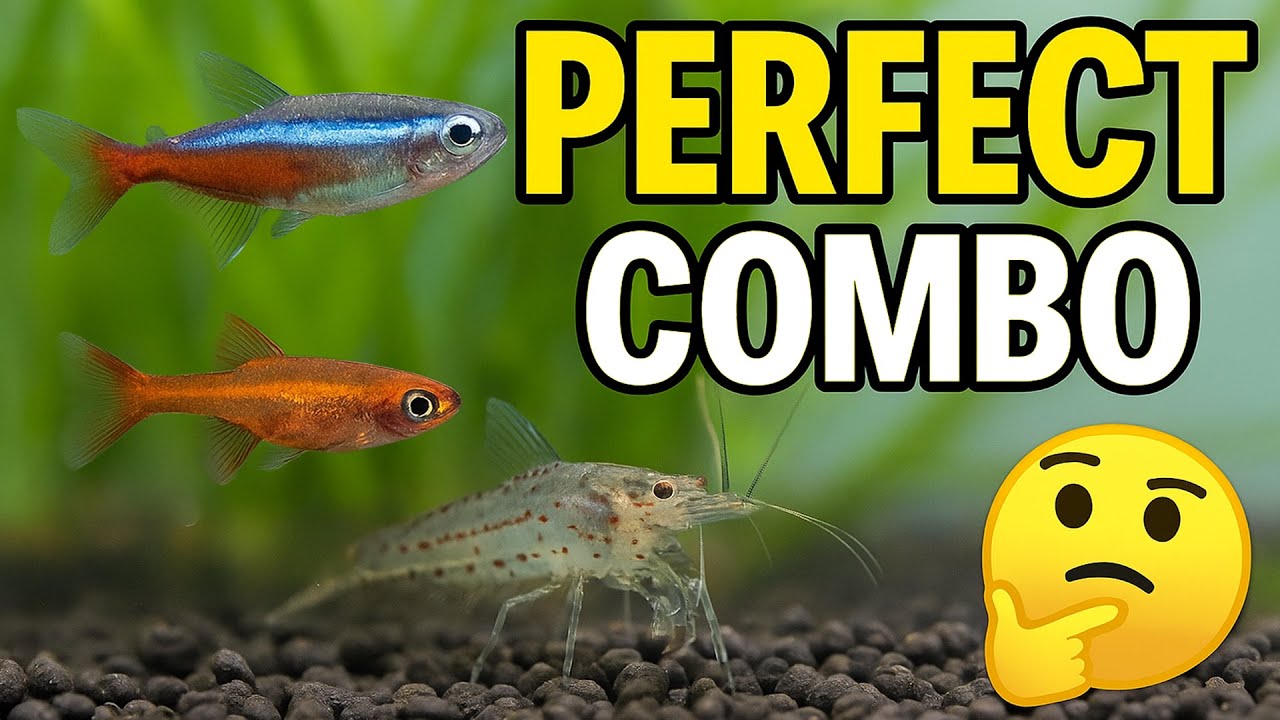

“Peaceful fish” sounds great — until your calm tank becomes a warzone.
Many aquarium fish are sold as beginner-safe or community-friendly, but some come with hidden aggression, dominance behavior, or stress-inducing habits.
In this guide, we reveal 5 fish that look innocent but can quietly ruin your tank — and what to choose instead.
#5 – Dwarf Gourami
These bright-colored beauties are known for flaring fins and patrolling territory. Males especially become aggressive in smaller tanks, often attacking similar-looking fish or nipping tankmates.
#4 – Angelfish
Graceful? Yes. Territorial? Very.
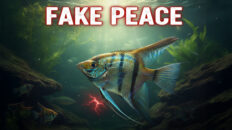
Angelfish often dominate the center of the tank, chase smaller fish, and become especially hostile during breeding. Not ideal for community setups with timid species.
#3 – Rainbowfish
Peaceful, fast, and energetic — but that speed creates chaos. Their constant movement stresses slower fish, and in smaller tanks, their presence can disrupt harmony.
#2 – Barbs (Cherry, Rosy, etc.)
They seem chill — until they start nipping. Even “peaceful” barb varieties may exhibit fin-nipping or dominance if understocked or placed with delicate species.
#1 – Bala Sharks
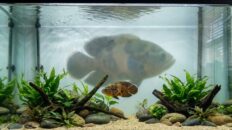
They’re marketed as gentle giants… but they’re not for small tanks. Bala Sharks grow huge, need schools, and get skittish — causing crashes, stress, and even injury.
BONUS: Better Alternatives for Real Peace
Want truly peaceful fish for community tanks? Try:
✔️ Harlequin Rasboras
✔️ Honey Gouramis
✔️ Corydoras Catfish
✔️ White Cloud Minnows
✔️ Ember Tetras
✅ The key isn’t just the fish — it’s tank size, group numbers, flow, and stocking balance. A “peaceful” fish in the wrong setup becomes a problem.
🎥 Watch the full video to learn how to spot these peaceful-looking bullies — and build a tank that stays calm, clean, and truly community-friendly.
Video Link & Timestamps
Video link: https://youtu.be/HeEhUThNAQI
Timestamps:
0:00 – Why Peaceful Fish Can Be a Big Mistake
0:25 – 5 Fish That Look Calm… But Cause Trouble
0:49 – #5 Dwarf Gourami – The Silent Tank Tyrant
1:12 – #4 Angelfish – Graceful Yet Territorial
1:35 – #3 Rainbowfish – Fast Swimmers, Stress Creators
1:57 – #2 Peaceful Barbs – Nippers in Disguise
2:21 – #1 Bala Sharks – Peaceful Giants? Not Really
2:46 – BONUS: Safer Alternatives for Community Tanks
3:10 – Final Thoughts + Drop Your Fish Regret Story!
About FishTank Mastery (with CTA)
FishTank Mastery is here to help you build peaceful aquariums — without stress or bad surprises.
We deliver smart, science-backed videos to help you pick the right fish, avoid common beginner traps, and create tanks that truly thrive.
🎯 Subscribe now and master fishkeeping with confidence — one smart video at a time.
🔬 Scientific References
1. Aggression in Labyrinth Fish (Gouramis) – SpringerLink
Details how Dwarf Gouramis display territorial aggression, especially in confined or male-dominant setups.
👉 https://link.springer.com/article/10.1007/s10211-018-00299-3
2. Territorial Behavior in Angelfish – ResearchGate
Explores angelfish behavior during spawning and territory defense, highlighting their incompatibility with smaller tankmates.
👉 https://www.researchgate.net/publication/319245884
3. Impact of High-Speed Swimmers in Mixed Aquariums – ScienceDirect
Reveals how fast-moving fish like Rainbowfish increase cortisol levels in slower species, leading to chronic stress.
👉 https://www.sciencedirect.com/science/article/pii/S0044848621001094
4. Stocking Density & Social Stress in Aquarium Fish – NCBI
Analyzes how improper stocking ratios (e.g. understocked barbs, solo Bala Sharks) trigger aggression or instability.
👉 https://www.ncbi.nlm.nih.gov/pmc/articles/PMC8713219/
Related Guides to Choosing the Right Tank Mates
Some fish look calm and friendly but can quietly disrupt your tank’s balance through fin-nipping, overbreeding, or stressing other species. Before stocking, check out our fish beginners regret buying guide to avoid common heartbreaks. If aggression does break out, our stop fish fighting tips will help you restore peace quickly. And for safer alternatives, explore our best community fish list — all proven to live together harmoniously.