
Want to set up your first freshwater tank the right way? This beginner-friendly guide breaks it into 5 essential steps—from tank selection to adding fish, cycling, gear, and maintenance. Start smart, skip the rookie traps.
Step 1: Choosing the Right Tank Size
Don’t go too small on your first tank—bigger volumes equal more stable water.
Beginner aquarists are advised to start with at least 20–30 gallons (75–120 L). Larger tanks resist temperature and pH fluctuations better and make the nitrogen cycle easier to manage.
📄 Wikipedia – Aquarium size and stability insights
Pro tip: A longer tank offers better surface area for oxygen exchange. Ensure you have a stable stand and that the floor can support the weight.
Step 2: Selecting Equipment
Don’t overspend—focus on essentials that support the cycle.
A proper setup includes: tank + stand, hood or lid with light, heater, thermometer, and a filter capable of both mechanical and biological filtration.
📄 The Spruce Pets – Fish tank essentials checklist
Must-have gear:
Reliable heater and thermometer (keep water between 76‑82 °F)
Mechanical + biological filter, ideally sponge or hang-on-back
Substrate (gravel or sand), water conditioner, test kit, and algae scrubber
Step 3: Tank Setup and Nitrogen Cycling
Treat water and start cycling before adding fish.
Use water conditioner, add substrate, set up equipment, and start cycling with ammonia or fish food. Beneficial bacteria (Nitrosomonas → Nitrobacter/Nitrospira) colonize filter media over 2–4 weeks.
📄 AquariumScience.org – Beginner guide to cycling and stocking
📄 Wikipedia – Biological filtration and nitrogen cycle overview
Step 4: Adding Your First Fish
Start with hardy, small species and don’t overstock.
Begin with a few fish under 3 inches, gradually increasing as the tank stabilizes. Overcrowding early leads to ammonia spikes and stress.
📄 AquariumScience.org – Stocking guidelines
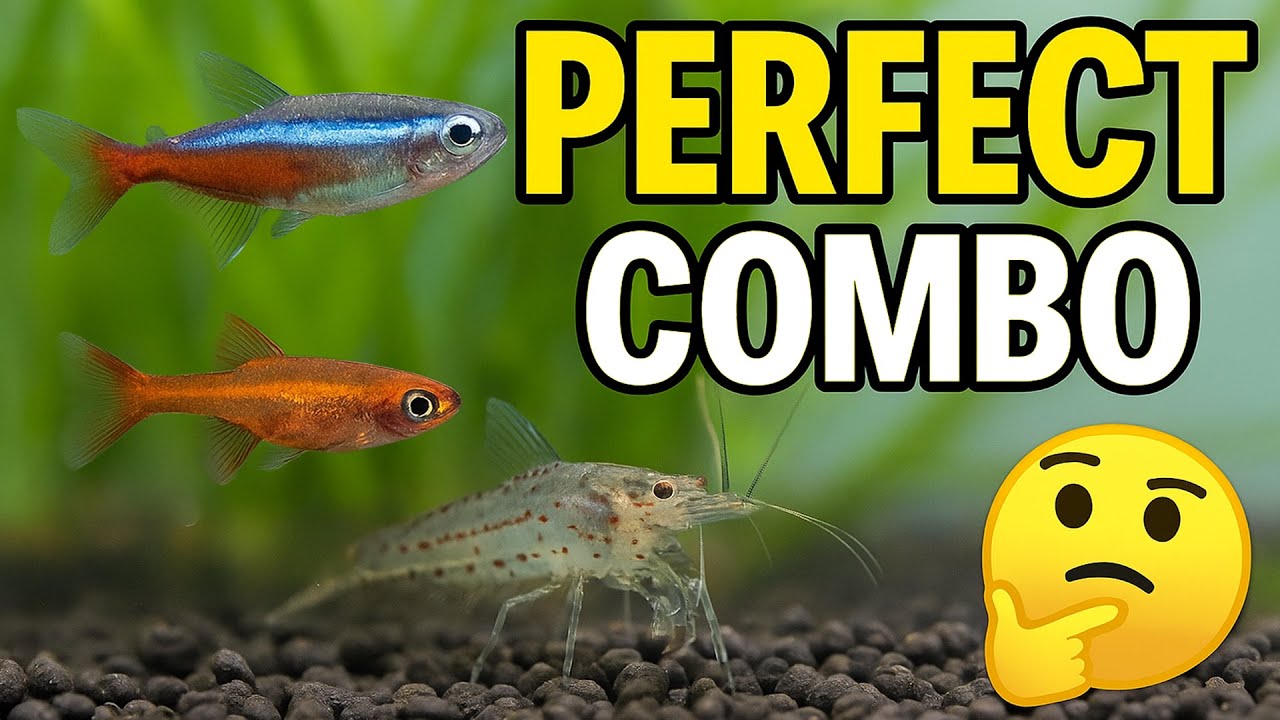
Starter species: Betta (solo), tetras, Corydoras schooling fish, shrimp or snails—depending on tank size.
Step 5: Maintenance Tips from Day One
Skip maintenance early and risk tank failure.
Basic upkeep includes weekly water testing, partial water changes (~20–25%), filter rinsing in tank water, gravel vacuuming, and tube cleaning.
📄 Fishkeeping – Weekly tank maintenance and biological load management
Quick Setup Summary
| Step | Focus |
|---|---|
| 1 | Choose ≥20 gal tank for stability |
| 2 | Essential gear: heater, filter, substrate |
| 3 | Cycle tank before fish using ammonia/tests |
| 4 | Add small hardy fish slowly |
| 5 | Maintain weekly: water, filter, substrate |
Watch the Video
▶️ Setting Up Your First Fish Tank? Watch This First!
Timestamps
0:00 – Introduction
0:13 – Common Mistakes to Avoid
0:40 – Step 1: Choosing the Right Tank
0:59 – Step 2: Selecting Equipment
1:21 – Step 3: Setting Up the Tank
1:39 – Step 4: Adding Fish
2:01 – Step 5: Maintenance Tips
2:21 – Bonus Tips for Success
2:41 – Conclusion & Watch Next
About FishTank Mastery
At FishTank Mastery, we give you clear, reliable aquarium guides that work. From setup to maintenance, our content helps you skip the stress, keep your fish thriving, and master the hobby—fast. Subscribe now to learn the essentials in minutes.
📌 Subscribe here: https://www.youtube.com/@FishTankMastery/?sub_confirmation=1
Beginner Essentials for Your First Aquarium
Getting ready for your first tank? Avoid rookie errors with our Top 5 Beginner Mistakes That Ruin Nano Tanks. Choose hardy species from our 5 Hardy Beginner Fish That Survive Mistakes. For a smooth start, read How to Diagnose Sick Aquarium Fish. And if you want vibrant plants without the hassle, check out 5 Aquarium Plants That Thrive Without CO₂.