
Nano tanks are beautiful, compact, and beginner-friendly — right?
Not so fast.
Small tanks may look simple, but they’re actually less forgiving than larger setups. One wrong move and your fish could suffer from ammonia spikes, stress, or even death.
In this guide, we break down the 5 most common mistakes beginners make in nano tanks — and how to avoid them before they ruin your aquarium.
Why Are Nano Tanks So Fragile?
Nano tanks (under 10 gallons) have one big weakness: low water volume. That means any mistake — overfeeding, missed water changes, or filter issues — has a much bigger impact than in larger tanks.
There’s no room for error… unless you know what to look for.
Let’s fix that.
Mistake #1: Oversized Filters = Strong Currents
Big filters in tiny tanks might seem like a good idea — more flow, better filtration, right?
Wrong.
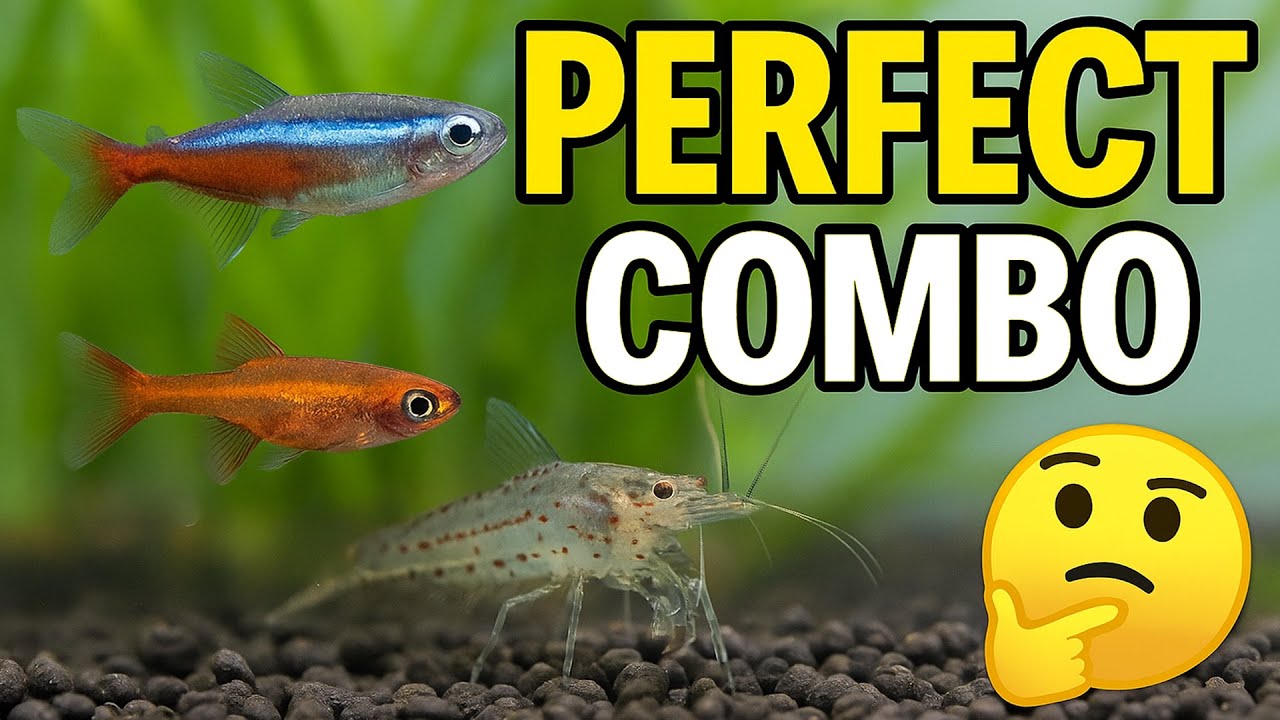
Strong currents can stress out small fish and shrimp, especially species like bettas, ember tetras, or cherry shrimp. They end up hiding, swimming erratically, or even getting injured.
✅ What to Do: Use a sponge filter or a low-flow adjustable hang-on-back filter with a baffle.
Mistake #2: Overfeeding = Instant Ammonia
A few extra flakes might not seem like a big deal… but in a nano tank, uneaten food quickly breaks down into toxic ammonia.
This leads to:
Cloudy water
Algae blooms
Dying fish or shrimp
✅ What to Do: Feed tiny amounts once per day. If you see food after 1 minute — you’ve overfed.
Mistake #3: Overstocking = Stress and Waste
Yes, it’s tempting to add more fish.
But small tanks need a light bioload. More fish = more waste = unstable water.
🎯 Even just a few extra fish can crash your parameters in hours.
✅ What to Do: Stick to micro species like:
Chili Rasboras
Pygmy Corydoras
Endler’s Livebearers
And limit your stocking. Less is safer.
Mistake #4: Skipping the Nitrogen Cycle
This is the #1 invisible killer in nano tanks.
Cycling is the process of building up beneficial bacteria that turn ammonia → nitrite → nitrate. Without it, your tank can become deadly within days.
✅ What to Do: Cycle your tank fully before adding fish. Use test kits and monitor parameters closely.
💡 A fully cycled tank = Ammonia 0, Nitrite 0, Nitrate 5–40 ppm.
Mistake #5: Overcleaning = Bacteria Wipeout
Beginners often go overboard with cleaning — scrubbing gravel, rinsing filters in tap water, or replacing media too often.
Bad idea.
You’re wiping out the very bacteria that keep your tank stable.
✅ What to Do: Clean gently.
Use a gravel vac for partial cleanups
Rinse filter media in tank water
Never replace everything at once
Bonus Tip: Nano Tanks Need Slower Habits
Think of nano tanks like bonsai trees — they thrive when left alone with light, consistent care.
Don’t rush stocking
Don’t overreact to small issues
Avoid “resetting” the tank
Slow and steady wins the nano race.
⏱️ Timestamps :
0:00 – Why Nano Tanks Fail So Easily
0:14 – 5 Critical Mistakes in Small Aquariums
0:42 – #5 Oversized Filter = Strong Currents, Stressed Fish
1:15 – #4 Overfeeding = Ammonia Spike Risk
1:45 – #3 Overstocking = Waste Overload & Stress
2:13 – #2 Skipping the Cycle = Invisible Killer
2:39 – #1 Cleaning Everything = Bacteria Wipeout
3:04 – Bonus Tip: Nano Tanks Need Slower Habits
3:23 – Share Your Mistakes + Help Others!
At FishTank Mastery, we help beginners build smart aquariums — not just pretty ones. Our short, science-based videos guide you step by step, especially in tricky setups like nano tanks.
Subscribe to our YouTube channel for practical tips that help you avoid beginner disasters and enjoy a peaceful, thriving aquarium 🌿
More Tips to Keep Your Nano Tank Thriving
Want a smooth start with your nano tank? Learn the essentials in our Beginner Tank Setup Guide. Avoid bad stocking choices with our Top 5 Aquarium Fish Beginners Regret Buying. For peaceful stocking ideas, see our Nano Fish Tank Stocking Ideas. And if algae becomes a problem, check our Top 5 Algae Eaters for Beginners.