
Aquarium fish stop eating and it instantly flips a switch in your brain: “They’re sick.” But here’s the frustrating truth. A lot of fish stop eating even when they aren’t sick. The tank can look fine, the water can be clear, and your fish still act like food is a bad joke.
This article is the calm, stability-first breakdown. We’ll separate true illness from stress behavior, explain what’s happening biologically, and give you a safe action plan that restores normal feeding without making your tank worse.
Quick note: if you have been adjusting things repeatedly (big water changes, deep cleaning, new products), appetite loss is often a stress response, not a mystery disease.
The Fast Diagnosis: “Sick” or “Stressed”?
Ask these 3 questions before you do anything:
- Are they breathing fast or gasping near the surface?
- Are they hiding more than usual or being bullied away from food?
- Did anything change in the last 7 days (water change, filter cleaning, new fish, temperature swing, new food)?
If the answer is “yes” to changes, appetite loss is often your first warning signal. Fish do not send emails. They just stop eating.
Why Fish Stop Eating Even When They Aren’t Sick
Most appetite loss comes from one of these buckets:
- Stress accumulation (small swings add up)
- Oxygen or flow stress (especially mornings)
- Social pressure (bullying, hierarchy, new tankmates)
- Overfeeding history (you trained them to snack constantly)
- Recent maintenance shock (big water change or aggressive cleaning)
The common theme: your tank can look “clean” while fish feel unsafe.
They Aren’t Sick: The Stress Signals You’re Missing
Appetite loss usually shows up with subtle behavior changes first:
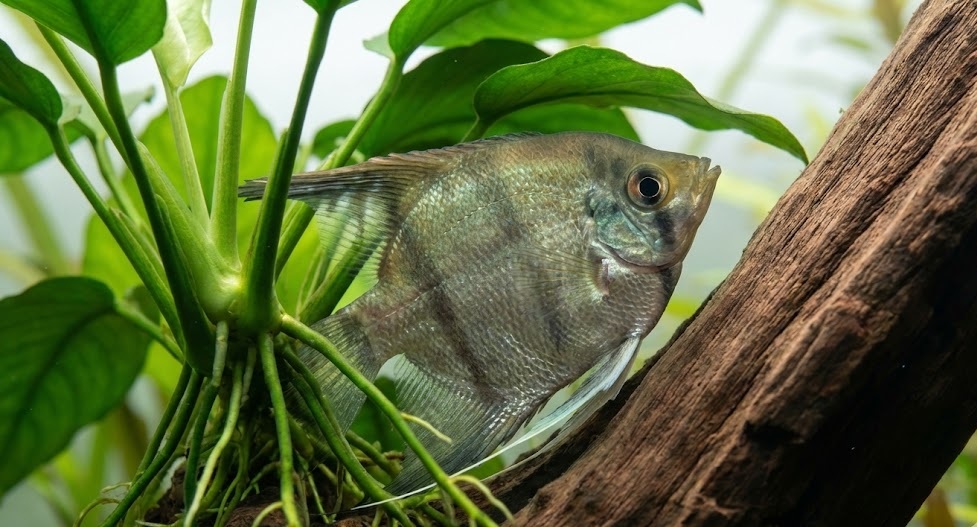
- hiding or staying in corners
- hanging near the surface or filter output
- clamped fins, reduced movement
- less interest in schooling or social behavior
- spitting food out after taking it
The Hidden Biology: Why Stress Kills Appetite
Fish appetite is not just “hunger.” It’s a stability signal.
When fish perceive danger (poor oxygen, temperature swings, aggressive tankmates, unstable chemistry), their body shifts into stress mode. That means lower feeding response and a slower digestive rhythm. In simple terms: your fish choose survival over lunch.
This is why a tank can look fine while fish act “off.” Your test kit sees numbers. Your fish feel the environment.
Common Causes (Ranked by How Often They Happen)
1) Overfeeding History (Yes, This Counts)
If fish have been fed heavily, they can stop responding to food normally. Also, excess food loads the system, increasing organics, bacterial activity, and subtle oxygen stress.
If you suspect feeding pressure, start here: overfeeding aquarium fish.
2) A Recent Water Change or “Maintenance Day” Shock
Big water changes, deep gravel vacuuming, or cleaning too much at once can stress fish even if parameters look “correct.” Appetite loss is a common after-effect.
If you’ve ever seen delayed losses after maintenance, read this too: fish dying after water change.
3) Oxygen Instability (Especially Overnight)
Oxygen can drop at night due to bacterial respiration and reduced photosynthesis in planted tanks. Fish often refuse food when breathing feels “work-like.”
4) Bullying and Social Pressure
A fish may look healthy but will not eat if it is being chased or guarded out of the feeding zone. The fix is often feeding technique, not medication.
5) Test Confusion and Panic Tweaks
Constant testing and reacting creates instability. If you are chasing a weird ammonia tint or “almost 0.25,” you may be fixing the tank into stress.
Related: false ammonia reading.
What NOT to Do When Fish Stop Eating
- Do not dump medication “just in case”
- Do not change 5 things in one day
- Do not overfeed to “tempt them” (it pollutes and adds pressure)
- Do not deep-clean filter and substrate together
- Do not keep adding new foods every day (you create chaos, not appetite)
The goal is stability. Not a food buffet.
Safe Action Plan: Get Fish Eating Again (Without Panic)
This plan is designed for beginner to early-intermediate tanks where fish look normal but stop feeding.
Day 1: Stabilize and Observe
- Skip feeding for 24 hours (healthy adult fish can handle this)
- Increase surface agitation slightly (better oxygen)
- Check temperature stability (avoid swings)
Day 2: Controlled Feeding Test
- Offer a tiny portion once
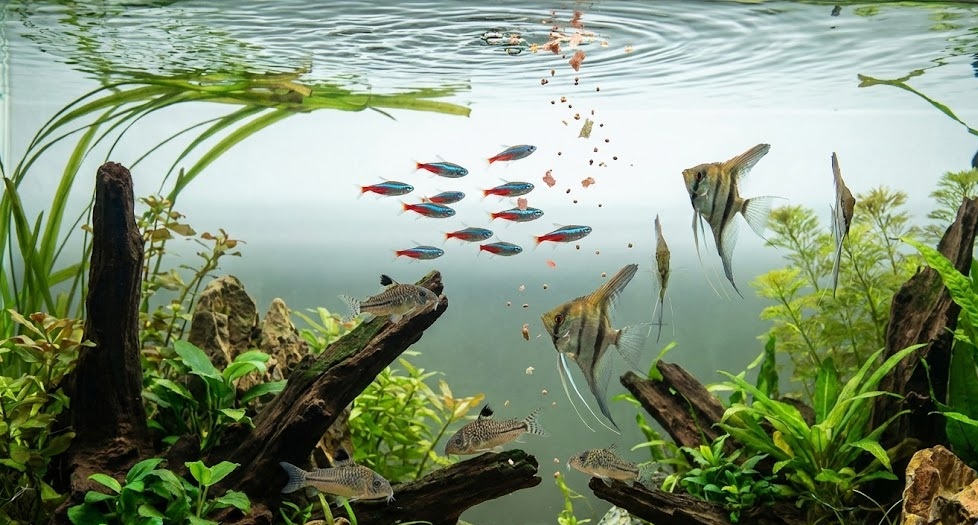
- Feed in a calm zone (spread food so one fish cannot guard it)
- Remove leftovers after 2 to 3 minutes
Day 3 to 5: Fix the Root Cause, Not the Symptom
- If bullying is present, adjust feeding technique and hiding spots
- If oxygen is suspected, keep agitation consistent (especially overnight)
- If you recently did heavy maintenance, stop doing more maintenance for a few days
Quick Checklist: “Is This Actually Illness?”
If you see 2 or more of these, consider illness or a more serious stress event:
- white spots, fuzzy growth, or visible lesions
- rapid breathing that does not improve with better oxygen
- loss of balance, rolling, or sinking
- stringy white poop combined with weight loss
- multiple fish stop eating at the same time and appear weak
If it’s just one fish refusing food but otherwise stable, social stress is very common.
A Simple Table to Stop Guessing
| What You See | Most Likely Cause | Best Next Move |
|---|---|---|
| Fish ignore food, tank recently changed | Maintenance stress | Pause interventions, keep routine stable |
| Fish hover near surface, worse in morning | Oxygen instability | Increase surface agitation, stabilize overnight |
| One fish won’t eat, gets chased | Bullying | Spread food, add cover, reduce competition |
| All fish stop eating, tests “fine” | Hidden stress or toxin event | Observe behavior, small slow water change if needed |
Soft YouTube Bridge
If you prefer seeing stability mistakes and calm fixes applied in real aquariums, our FishTank Mastery YouTube channel shows real-world routines that reduce stress and restore normal behavior without panic moves.
FAQ: Aquarium Fish Stop Eating
How long can aquarium fish go without eating?
Most healthy adult fish can go several days without food. A 24 to 48 hour pause is often helpful during stress events. Fry and special cases are different.
Why do fish stop eating after a water change?
Stress from chemistry swings, temperature shifts, or over-aggressive cleaning can reduce appetite even if water looks clear.
Should I keep offering food if they refuse?
No. Repeated feeding attempts often pollute the tank. Offer small controlled tests, then pause and stabilize.
Can overfeeding cause fish to stop eating?
Yes. Overfeeding increases system load and can reduce normal feeding response. It also increases stress through organics and oxygen demand.
Scientific Insight: Stress, Oxygen, and Feeding Behavior
In closed aquatic systems, feeding behavior is tightly linked to stress and oxygen availability. Elevated organic input increases microbial activity, which can raise oxygen demand and contribute to low-oxygen periods, especially overnight. Fish commonly reduce feeding when environmental stability drops.
The U.S. Geological Survey (USGS) Water Science School explains dissolved oxygen dynamics and why oxygen levels are sensitive to biological activity, which helps explain appetite drops during low-oxygen stress windows.
The U.S. Environmental Protection Agency (EPA) describes how excess nutrients and organic matter drive microbial growth and oxygen depletion in water systems, a process that mirrors what can happen in overfed or unstable aquariums.
For practical fish health management and stress-aware routines, university extension programs such as University of Missouri Extension – Fisheries & Aquaculture emphasize stable husbandry and gradual changes, which aligns with the calm, stability-first feeding reset approach.
These sources match what experienced aquarists observe: appetite loss is often an early warning signal of environmental stress, not a guaranteed sign of disease.
Closing: Make Feeding Boring Again
When fish stop eating, your job is not to force food. Your job is to remove stress.
Stabilize oxygen, stop the rapid changes, keep feeding controlled, and observe behavior like a detective. Most tanks recover faster when you do less, not more. Once the environment feels safe again, appetite usually returns on its own.