
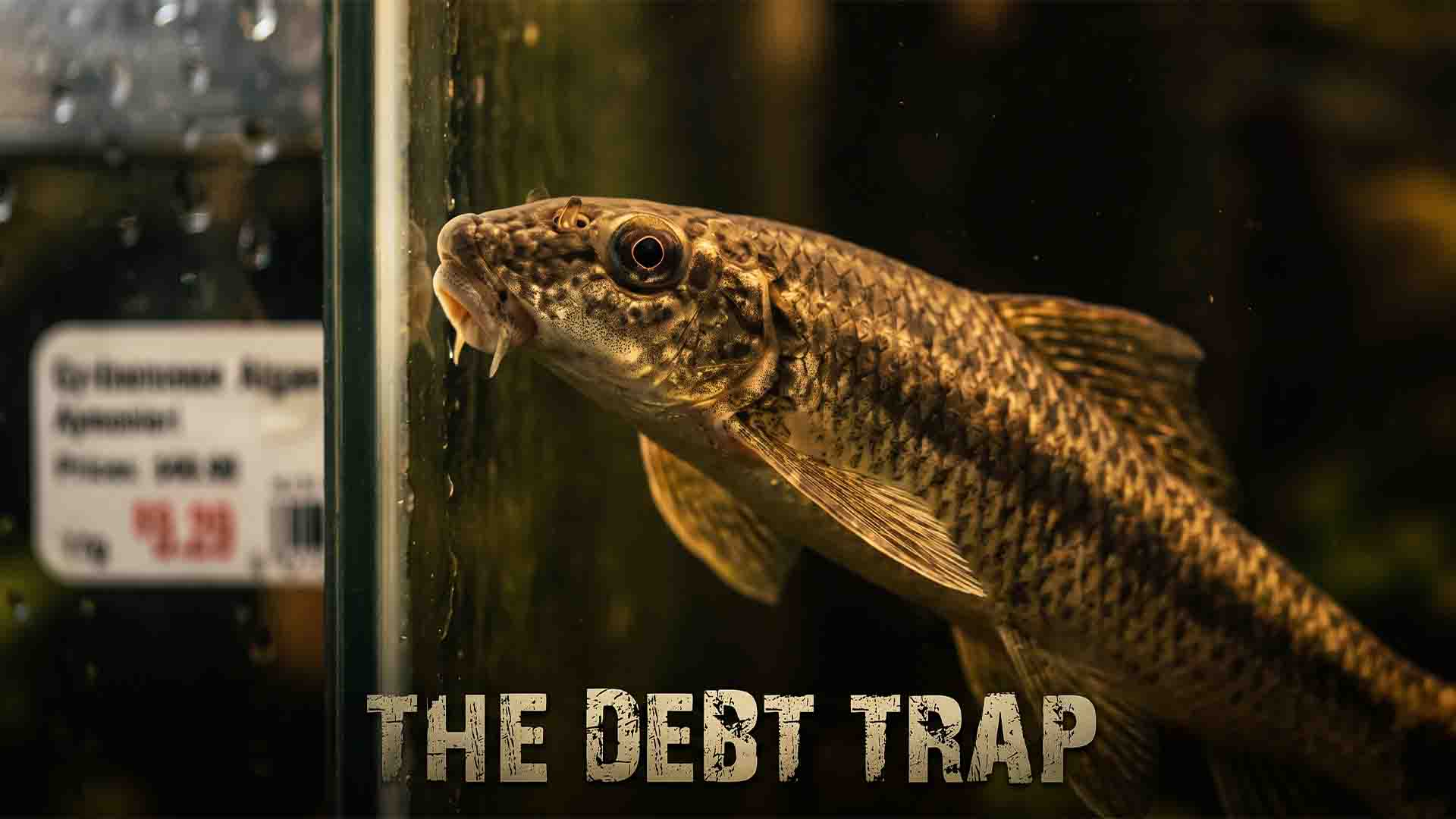
Not every fish labeled as an “algae eater” will actually clean your tank. Understand the biological trap.
Looking for the best cleaner fish at PetSmart or PetCo? Before you add an algae eater to your aquarium to fix a dirty glass problem, you need to understand the biological debt trap that quietly crashes freshwater tanks. You want a biological Roomba—something you can drop into the water to eat algae, sift the gravel, and handle the maintenance for you. It sounds like a highly efficient plan. The reality is that a fish is not a water filter. It is a biological machine, and every machine produces heavy exhaust.
If you have been searching for solutions to green water or diatom blooms, you already know that adding random bottom dwellers is a massive risk. This guide breaks down the reality of chain-store aquatic departments, explaining what most fish channels never tell beginners about delayed biological failure.
Watch the video first to see the exact behavior shifts and biological triggers this article explains in real tanks.
The Subcontractor Debt Trap: Why “Janitor Fish” Crash Tanks
It is easy to get frustrated with big retail stores when a new fish dies or attacks a tankmate. However, we have to look at this objectively. Massive chain stores run on retail efficiency, not complex ecosystem biology. The person scooping your fish is a retail worker doing their best, not a marine biologist. You simply cannot rely on a three-minute interaction to understand the long-term metabolic demands of a living creature. The label on the store tank is designed to clear inventory, while your job is to balance a home ecosystem. To avoid wasting money and putting your aquatic life at risk, learning how to navigate the PetSmart vs PetCo retail environment is a critical skill for any serious hobbyist.
When you buy a random algae eater without understanding its future metabolism, you fall into the Subcontractor Debt Trap. Imagine hiring a subcontractor to clean your office, but instead of taking the trash out, he leaves his own garbage on the floor, stops working after a month, and starts demanding your co-workers’ lunches. This happens because of a metabolic shift. The fish you buy at the store is almost always a juvenile. It eats algae today, but as it grows, its biology demands entirely different fuel. It stops being a cleaner and becomes a massive bioload trap.
The System Crashers: Avoid These Chain-Store Traps
Let’s start with the worst subcontractors you can hire for your freshwater aquarium. These are not bad animals, but they are completely mismatched for the job beginners expect them to do. These are the system crashers.
Worst #4: The Common Pleco (The River Monster)
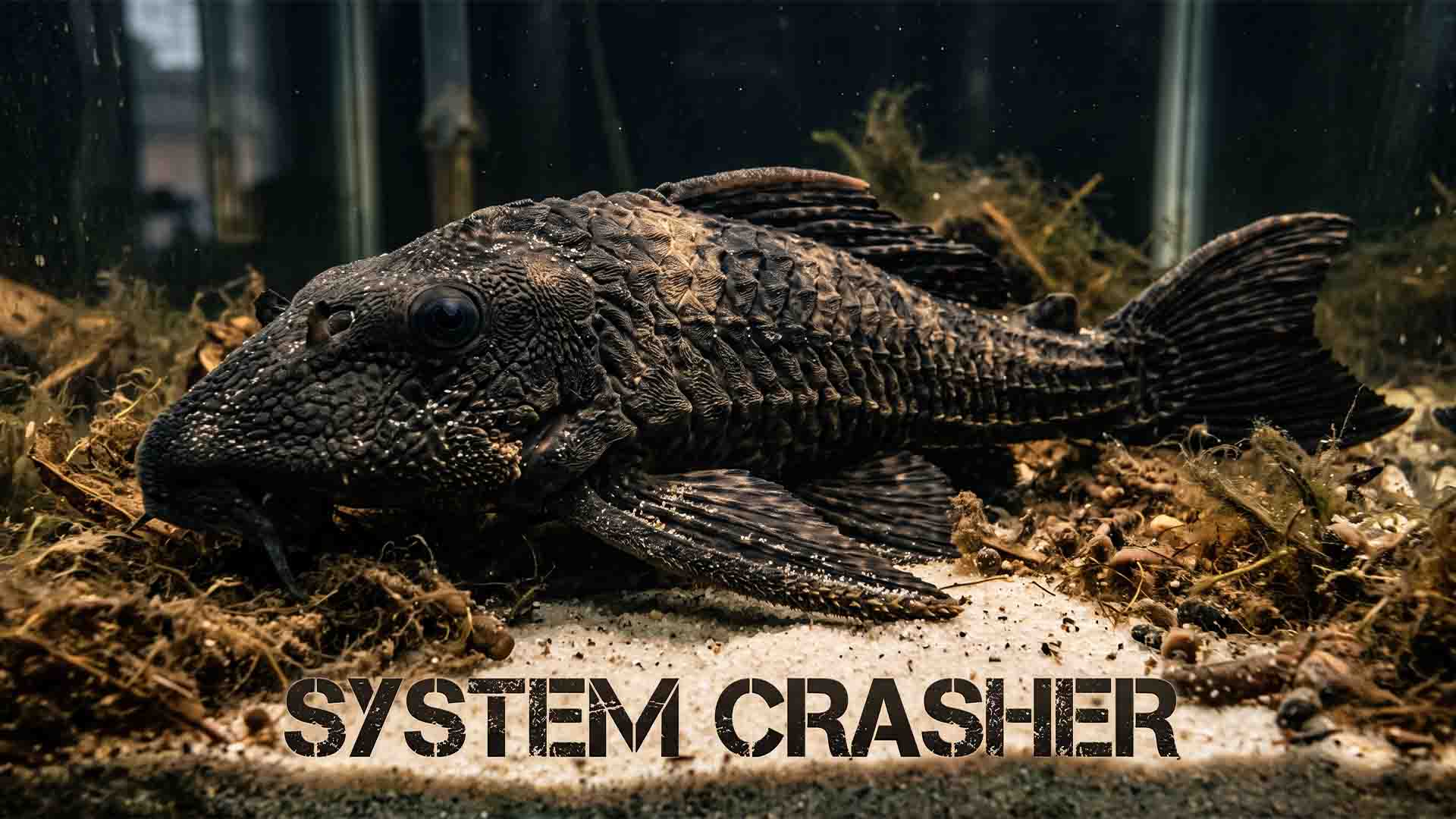
The Common Pleco grows massive and creates more heavy waste than it cleans, quietly overwhelming your biological filter.
Number four is the classic chain-store special: The Common Pleco. You see them clinging to the display tank glass, roughly two inches long, looking incredibly busy and efficient. What the store label strategically omits is that this fish is a river monster in training. They can easily grow up to two feet long in the right conditions. But their adult size is a problem for next year; the reason they fail beginners right now is their immediate waste production.
A Common Pleco eats a tiny amount of algae, but it digests heavily. For every gram of soft green algae it removes from your glass, it produces a massive amount of thick, organic waste. It does not fix your biological waste problem; it becomes the primary source of it. Dropping a juvenile Common Pleco into a new twenty-gallon tank is the textbook definition of the juvenile monster fish trap. It is a biological bomb dropped onto a completely unprepared nitrogen cycle.
| Timeline | Common Pleco Behavior | System Impact |
|---|---|---|
| Day 1 to Week 4 | Active grazing, primarily sticks to glass and driftwood. Appears to be cleaning. | Filter absorbs initial bioload. Tank looks stable. False confidence builds. |
| Month 2 to Month 6 | Rapid growth. Diet shifts to heavy proteins. Ignores algae for commercial wafers. | Waste production exceeds filter capacity. Nitrates spike. Algae returns faster. |
| Month 6 to Year 1 | Reaches 8-12+ inches. Uproots plants, rearranges substrate, heavily pollutes water. | Complete biological overload. Delayed system crash occurs if water volume is under 75 gallons. |
Worst #3: The Mystery Snail (The Aquatic Horse)
While the Pleco actively overpowers your filter through aggressive metabolic processing, the Mystery Snail simply pretends to work. These invertebrates are beautiful, highly active, and undeniably fun to watch. Retail stores love to push them as elite cleaners for nano setups. Here is the biological reality: Mystery Snails do not have the jaw structure or the physical strength to scrape hard green spot algae (GSA) or tough black beard algae (BBA) off your surfaces.
They mostly consume leftover fish food, decaying plant matter, and the expensive algae wafers you end up dropping in specifically for them. Because they are physically massive for an invertebrate, their biological exhaust is equally massive. They produce waste like tiny aquatic horses. If you buy three Mystery Snails hoping they will spotless your ten-gallon tank, you are actually adding the bioload equivalent of a small school of fish—without getting any of the algae-clearing benefits you paid for. The pressure on your water parameters increases, leading directly to the secondary algae blooms you were trying to prevent.
Worst #2: The Flying Fox (The Case of Identity Theft)
If the Mystery Snail is simply an inefficient worker, number two is a blatant case of identity theft. The Flying Fox is frequently mislabeled in chain stores as the highly desirable Siamese Algae Eater (SAE). True Siamese Algae Eaters are incredible assets, proven to consume stubborn black beard algae. However, retail tanks frequently stock False SAEs or Flying Foxes because the species look nearly identical when they are two inches long.
As a juvenile, a Flying Fox might nibble on some fuzz algae, giving you false hope. But as it grows, the metabolic shift hits hard. It realizes that scraping algae off rocks requires significant energy expenditure, while intercepting the expensive tropical flakes you drop into the water column is much easier. It stops cleaning completely. Worse, it becomes highly territorial, aggressively chasing your peaceful community fish away from feeding zones. You hired a janitor, and it grew into a tank bully that adds constant, low-grade stress to your ecosystem.
Worst #1: The Chinese Algae Eater (The Slime-Coat Vampire)
This brings us to the absolute worst biological trap in the retail aquarium hobby: The Chinese Algae Eater (CAE). When these fish are young, they actually do a decent job of cleaning flat surfaces. Retailers push them as the ultimate beginner fix for dirty glass. But within eight to twelve months, their digestive biology undergoes a radical and dangerous transformation. They lose their ability to process algae efficiently and develop a desperate metabolic craving for dense protein.
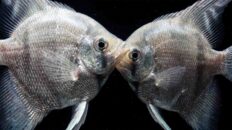
Instead of cleaning your driftwood, they start hunting. At night, while broad-sided fish like Angelfish, Discus, or Goldfish are resting in a dormant state, the Chinese Algae Eater will latch onto their sides. It uses its specialized rasping mouth to physically suck the protective slime coat right off their scales. This exposes your other fish to severe bacterial infections, osmotic stress, and physical trauma. If you wake up to damaged fins, lethargic fish, or missing scales, and your fish keep dying even when water tests are perfect, a nocturnal mukoza-feeder like the adult CAE is almost always the hidden culprit.
The Ecosystem Math: Breaking the Debt Trap
Before you purchase any livestock to solve a maintenance problem, you must calculate the ecosystem math. If your designated “cleaner fish” produces three times more physical waste than the soft algae it removes, who is actually cleaning up after whom?
Algae is not a livestock problem; it is an environmental response to light, excess nutrients, and time. Fish do not stabilize these parameters; they live inside them. You cannot out-stock a biological imbalance. A clean tank does not come from a magical janitor fish; it comes from matching the right biology to the right job, ensuring that the animal’s adult bio-load scales perfectly with your filter’s capacity.
The True Workers: Best Cleaner Fish at Chain Stores
If the Common Pleco and Chinese Algae Eater are system crashers, who should you actually hire? You need the true workers. These are the species that do not undergo a destructive metabolic shift and maintain a low impact on your water parameters.
Best #4: Corydoras (The Elite Floor Managers)
Let’s clarify a persistent retail myth immediately: Corydoras do not eat algae. Do not buy them to clean green dust off your glass. However, they are elite floor managers. Whether you choose Bronze, Albino, Peppered, or Panda Corydoras, these peaceful bottom-dwellers spend their entire day systematically sifting through your sand.
They hunt down uneaten food and decaying organic matter before it can rot, trap harmful gases, or turn into an unexpected ammonia spike. They remain relatively small, their bioload is entirely manageable, and they actively prevent the nutrient buildup that fuels algae in the first place. Keep them in a school of at least six on a soft sand substrate, and your tank’s lower zone will remain impeccably healthy.
Best #3: The Bristlenose Pleco (The Real Woodworker)
This is the fish aquarists actually want when they are tricked into buying a Common Pleco. The Bristlenose Pleco is the ultimate heavy lifter for mid-sized community tanks. They max out around four to five inches, meaning they will never outgrow a standard 29-gallon or 40-gallon breeder setup.
More importantly, their diet remains consistent. They genuinely consume diatoms, biofilm, and surface algae throughout their entire lifespan. They physically require real driftwood in the tank; they rasp on the wood to extract lignin, which aids their digestion and keeps their gut bacteria balanced. They are peaceful, hard-working, and built for long-term ecosystem stability.
Best #2: Amano Shrimp (The Detail Specialists)
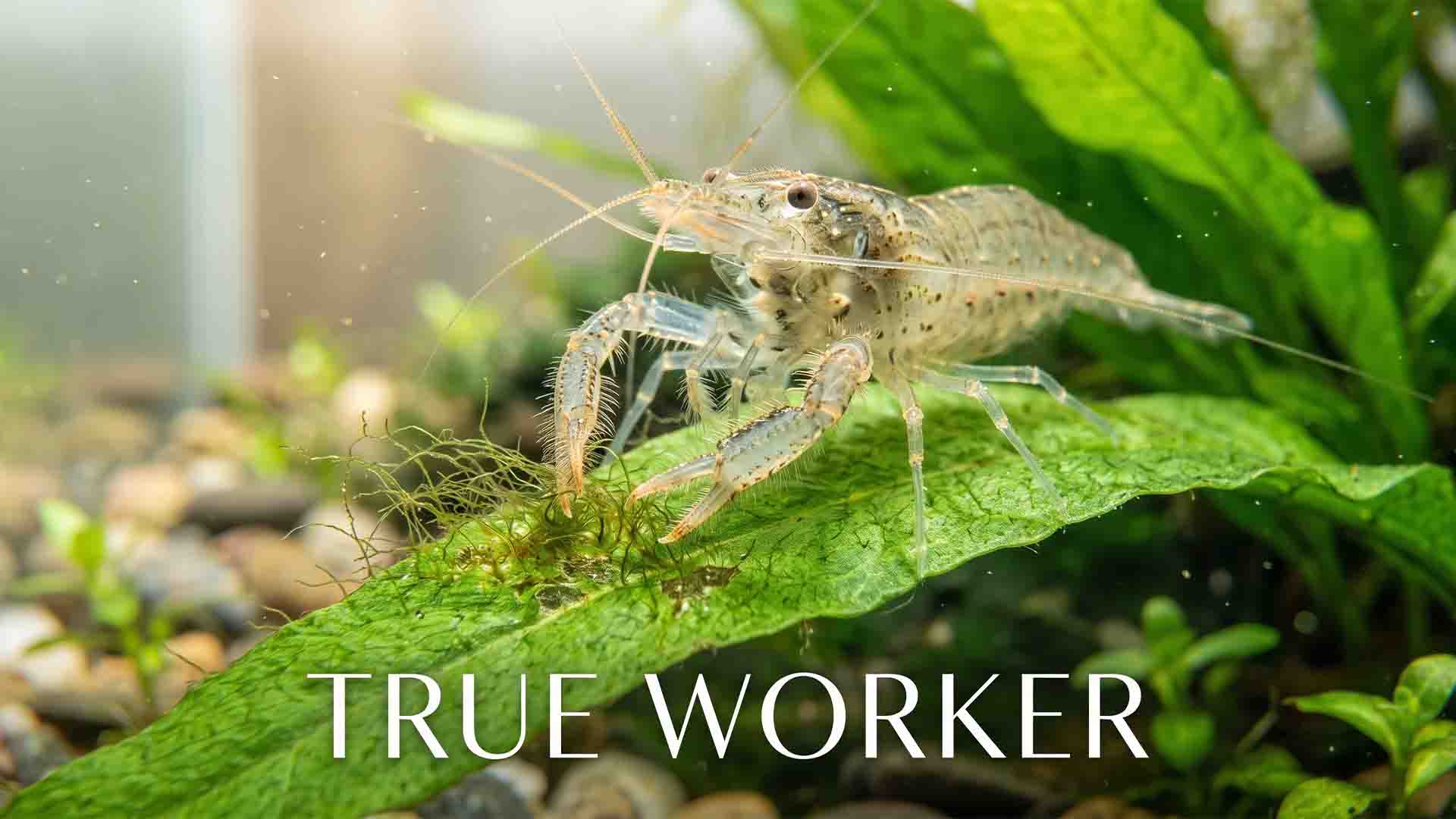
Amano shrimp are elite micro-grazers that remove algae fuel without adding pressure to the tank’s bioload.
While the Bristlenose handles the heavy surface work, Amano Shrimp are the detail specialists. Chain stores do not always stock them, but when you find them, they are invaluable. A pleco is simply too large and clumsy to clean the delicate leaves of a Java Fern or to pick thread algae out of a dense moss carpet. Amanos thrive in those exact micro-environments.
They are tireless micro-grazers that break down decaying matter before it can trigger an algae bloom. They have a near-zero impact on your biological load. However, invertebrates are highly sensitive to sudden parameter shifts and heavy metals. The strict water stability rules that dictate whether cherry shrimp keep dying in a new setup apply directly to Amano Shrimp. Always ensure your tank is fully matured before introducing a shrimp colony.
Best #1: The Nerite Snail (The Bulletproof Bulldozer)
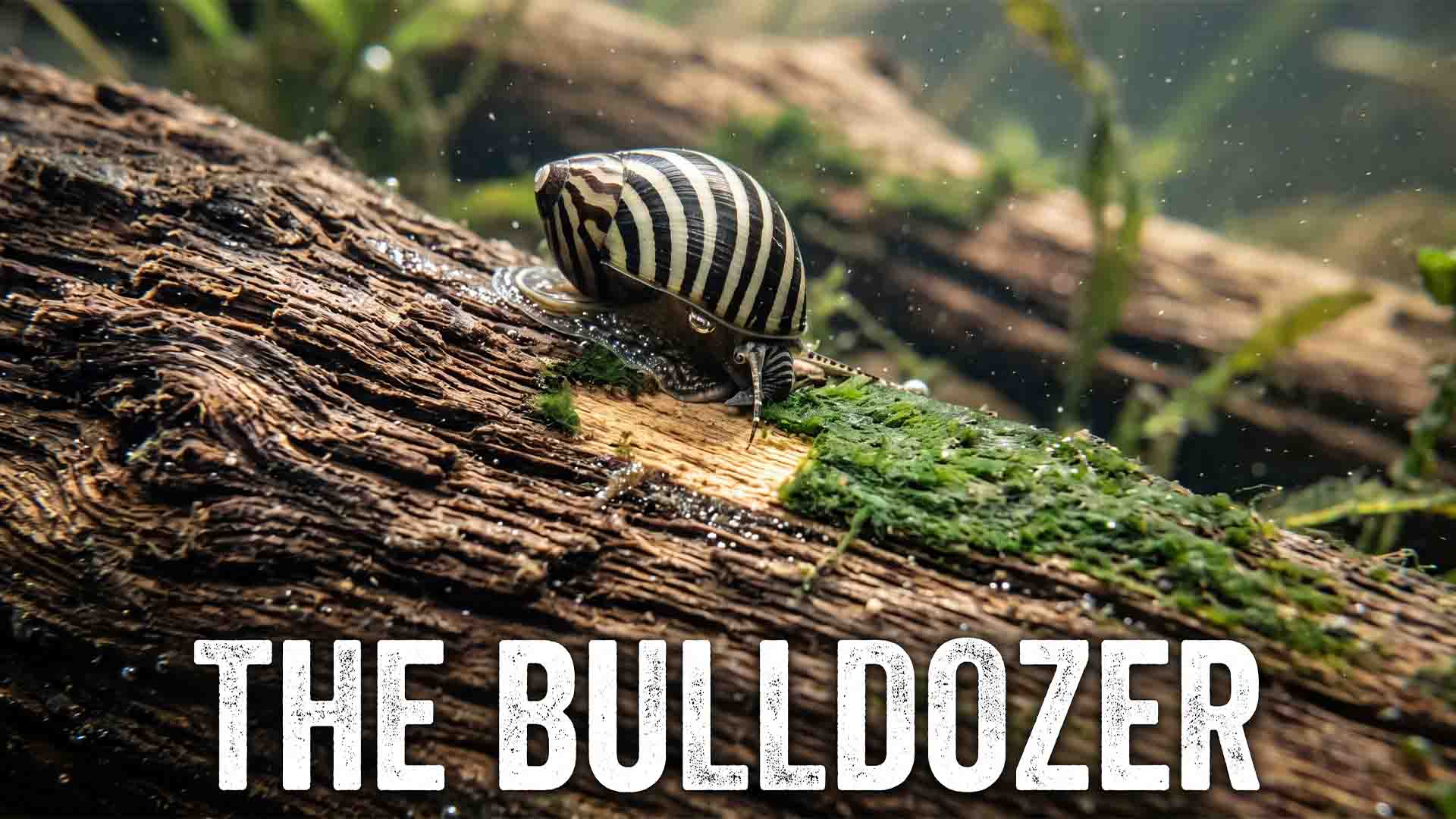
Unlike Mystery Snails, Nerite Snails are built to methodically scrub hard algae without crashing the ecosystem.
The absolute best algae eater you can purchase at PetSmart or PetCo is the Nerite Snail. This is the bulletproof bulldozer of the freshwater world. Unlike the Mystery Snail, the Nerite is anatomically designed to scrub. They methodically strip hard green spot algae and thick diatoms off your glass, rocks, and driftwood without damaging delicate plant leaves.
Their ultimate ecosystem advantage is their reproductive biology. Nerite snails cannot reproduce in freshwater. They may leave small, white, sesame-seed-like eggs on driftwood, but those eggs will never hatch without brackish water. You receive the tireless, heavy-duty cleaning power of a snail without the risk of a population explosion, all while carrying a bioload so insignificant it barely registers on water tests.
Why Chain-Store Fish Really Fail (The Biology of Patience)
I read comments every single day from beginners who gave up on the hobby because their tank got too dirty, and the “cleaner fish” they bought only made the problem worse. Listen closely: if your freshwater aquarium crashed because a chain-store algae eater turned into a monster, it was not your fault. You did not misread the label. The label simply skipped the truth.
A clean tank does not come from a magical fish. It comes from establishing biological balance and practicing patience. Once your clean-up crew is correctly assigned, you must ensure the rest of your community inhabitants are equally appropriate. When planning the rest of your livestock, do not fall into another common retail trap. Learn why many advanced aquarists stop buying neon tetras for community tanks, and discover the hardier alternatives that actually survive modern home setups.
Scientific Truths: The Biology Behind Cleaner Fish
To break free from chain-store myths, we have to look at how these animals function in real ecosystems. Here are the scientific realities that explain why some cleaners fail and others thrive.
Truth #1: The Diet Shift of the Chinese Algae Eater
The sudden aggression of Gyrinocheilus aymonieri (CAE) is not random malice; it is an ontogenetic dietary shift. Biological profiles confirm that while juveniles graze on periphyton and algae, maturing adults undergo anatomical changes that make algae consumption inefficient. They are biologically driven to seek out high-protein food sources, which in a home aquarium translates to the protein-rich slime coats of slower tankmates. Read the study.
Truth #2: Mixed-Species Grazing is Superior
Retailers often advise buying one “large” algae eater to solve a problem. However, aquatic ecology proves that multiple micro-grazers handle algae far more effectively. Studies on periphyton consumption demonstrate that mixing different grazing mechanisms (such as the rasping action of a Nerite Snail combined with the picking action of an Amano Shrimp) reduces overall algae mass significantly better than a single large species, while adding far less bioload to the nitrogen cycle. Read the study.
Truth #3: Fish Do Not Consume Waste
The most persistent myth sold to beginners is that “janitor fish” eat feces. No legitimate freshwater aquarium fish uses biological waste as a primary food source. Detritivores like Corydoras sift through the substrate to find uneaten food and micro-organisms; they do not metabolize fish waste. Relying on an animal to process waste only increases the total ammonia output of the system. Read the study.
People Also Ask
Why is my algae eater attacking my other fish?
As species like the Chinese Algae Eater and Flying Fox mature, they undergo a metabolic shift. They require more protein and often stop eating algae, choosing instead to attach to flat-bodied fish to consume their protective slime coat.
Do bottom feeders clean fish poop?
No. There is no freshwater aquarium fish that eats feces for nutrition. Bottom dwellers like Corydoras consume uneaten food that falls to the substrate, but they do not process biological waste.
How big does a PetSmart pleco get?
The “Common Pleco” sold as a tiny juvenile in chain stores frequently grows to 18 to 24 inches in length and requires an aquarium of at least 75 to 100 gallons to survive long-term.
Are mystery snails good for cleaning algae?
Mystery snails are not highly effective at cleaning algae. They lack the jaw pressure needed to scrape hard green spot algae off glass, preferring leftover food and decaying plant matter instead.
Frequently Asked Questions (FAQ)
What is the best algae eater for a 10-gallon nano tank?
For a small 10-gallon setup, avoid all fish-based algae eaters due to their bioload and space requirements. The optimal clean-up crew consists of Nerite Snails for scrubbing hard surface algae and Amano Shrimp for micro-grazing hair algae. Both have a nearly untraceable bioload.
When should I add a cleanup crew to my new tank?
Never add a cleanup crew to a newly set-up, sterile tank. Cleaners like Otocinclus and Amano Shrimp require mature biofilm and algae growth to survive. Wait at least 4 to 6 weeks after your tank has fully cycled and developed visible microscopic life before introducing grazers.
Will adding more cleaner fish fix my green water problem?
No. Free-floating algae (green water) or severe algae blooms are environmental issues, not livestock deficiencies. Adding more fish increases the biological waste in the water, which can actually fuel the algae bloom. You must correct your lighting schedule and nutrient balance first.
Can I keep a Chinese Algae Eater in a peaceful community tank?
It is highly discouraged. While they may appear peaceful as juveniles, their adult behavior is highly disruptive. They cause severe stress, physical injury, and eventual delayed tank crashes when kept with peaceful, slow-moving community fish like Angelfish or Discus.
Watch Next: Fix Your Aquarium Ecosystem
Stop guessing and start building a self-sustaining system. Watch these guides next to master your freshwater environment:
- Best Freshwater Tank Cleaners That Actually WORK (Ultimate Clean Up Crew)
- Stop Buying Cleanup Crew Fish: The Truth About Algae Eater Fish
- 10 Aquarium MONSTER Fish That DESTROY Tankmates (Aggressive Traps)
What is the worst “cleaner fish” you have ever brought home from a chain store? Let us know in the YouTube comments. For more science-based freshwater aquarium guides, keep exploring FishTankMastery.com.