
Wondering what the best and worst fish at PetSmart and Petco are? Learn why new fish die from biological shock and which species truly survive in your home tank.
You walk down the crowded aisle, look at the glowing walls of aquariums, and wonder: what are exactly the best and worst fish at PetSmart and Petco? If you search this online, you will find endless lists telling you to avoid certain fish because they get too massive, or complaining about how retail stores sell stock with terrible genetics. We are going to skip all of that today.
The truth is, the fish you bring home usually do not die because they are inherently flawed or because you are bad at keeping fish. They die because of a complete failure in system translation. Aquariums rarely collapse suddenly; they drift quietly and fail with a delay. When you buy a fish from a big chain store, you are taking an organism out of a highly engineered biological fortress and dropping it into a quiet, developing home ecosystem.
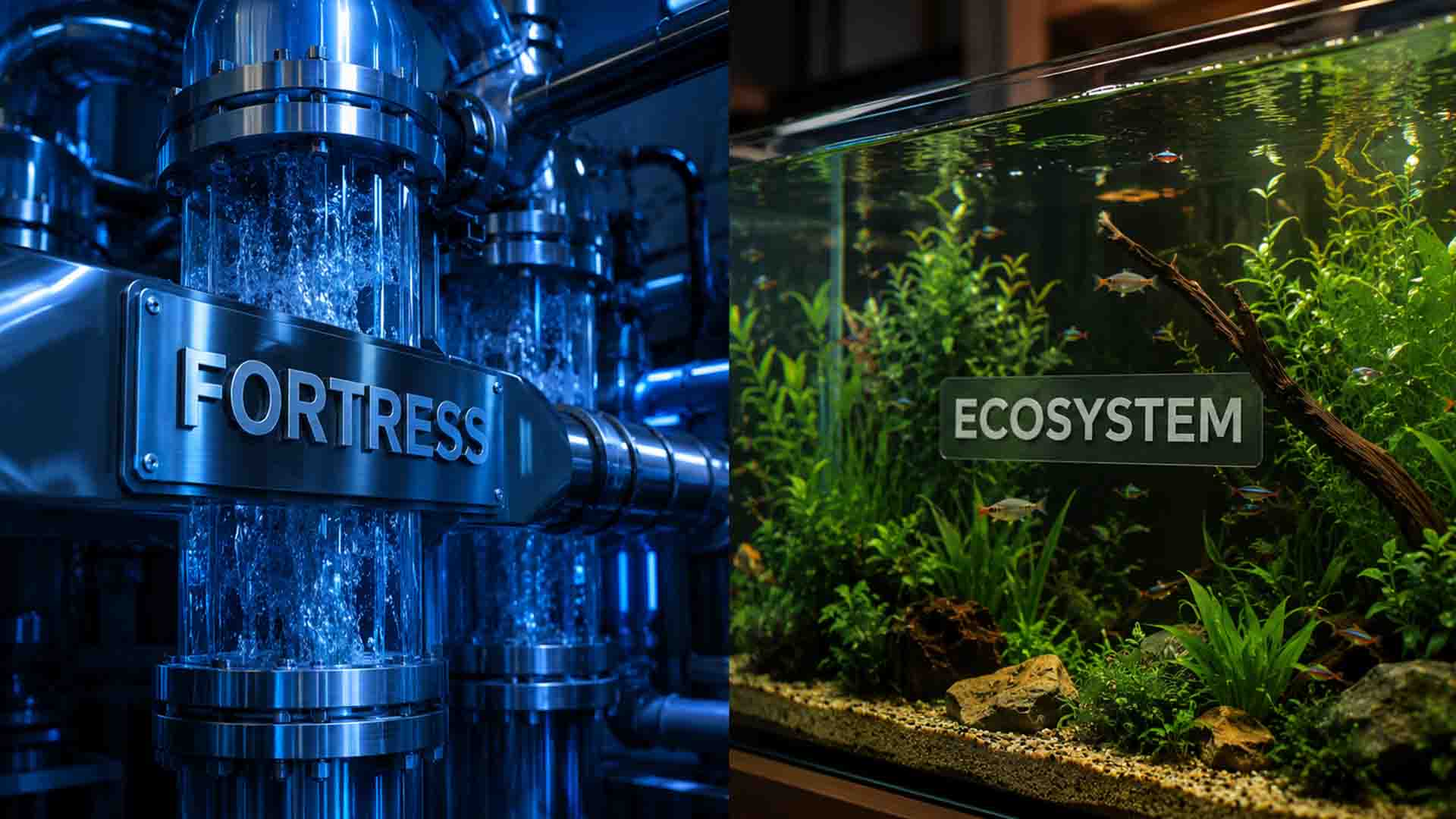
Pet store tanks are highly engineered biological fortresses, completely different from your developing home ecosystem.
If you are tired of losing new fish and feeling guilty about it, you are in the right place. Understanding how a species handles that immense biological transition is the only way to know if it belongs on your aquarium’s worst list or the best list.
Watch the video below to see these hidden triggers in real tanks before we break down the biology of why new fish actually die.
The Biological Fortress: Why Retail Tanks Hide the Truth
We are not here to bash big chain stores. To keep thousands of live animals alive every single week, they have to run their tanks in a highly specific, industrial manner. If you have ever wondered about the infrastructure behind the glass, our deep dive on PetSmart vs PetCo setups explains how these central systems operate.
Behind those small display cubes lies a massive, thousand-gallon centralized filtration system. It runs with extreme water turnover, heavy aeration, and industrial-sized UV sterilizers. It is not a natural aquarium; it is a waiting room designed for temporary survival. Your tank at home relies on a delicate balance of slow-growing nitrifying bacteria. The moment a fish leaves the store, it crosses a massive biological gap.
| System Factor | Retail Store (The Fortress) | Home Aquarium (The Ecosystem) |
|---|---|---|
| Water Volume | Thousands of gallons (Dilutes waste instantly) | 10 to 55 gallons (Waste builds up fast) |
| Pathogen Control | Heavy UV sterilization masks parasites | Natural immune system dependency |
| Filtration Surface | Millions of square inches of mature biomedia | Young, developing sponge or HOB filter |
| Surfaces & Diet | Constantly wiped glass, zero natural biofilm | Developing algae and micro-organisms |
The 4 Worst Fish to Buy at PetSmart & Petco (System Crashers)
Let’s start with the fish that simply cannot translate their biology to a new environment. These are the four System Crashers that fool beginners every single day.
Worst #4: Common Pleco (The Bioload Bomb)
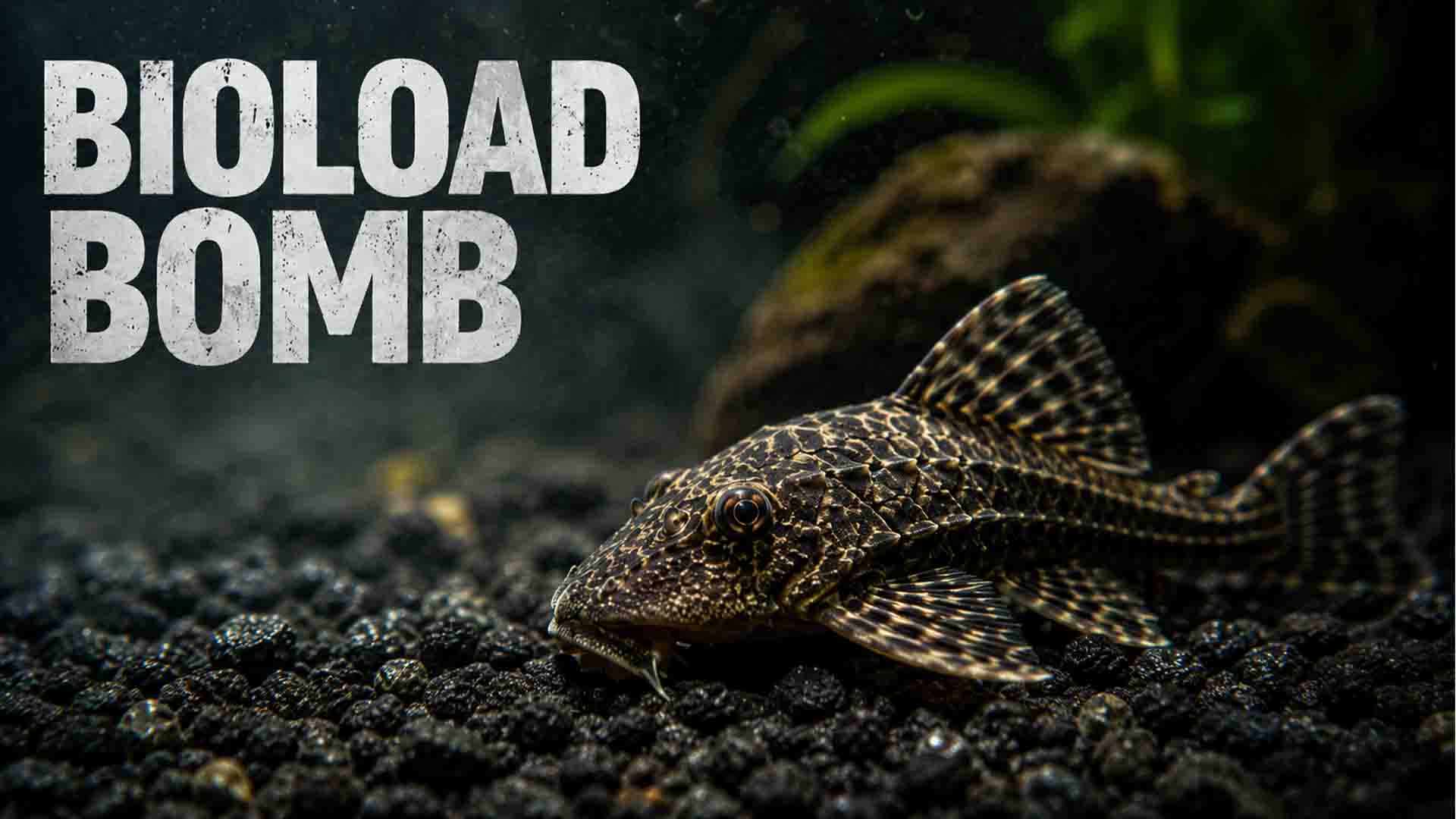
A juvenile Common Pleco will instantly overpower a young bacterial colony, causing a fatal ammonia spike.
The Common Pleco is the ultimate biological bomb. Yes, every forum warns you that they grow to be two feet long, but their adult size is a problem for next year. The real reason they fail beginners is their immediate, crushing bioload.
When you take a juvenile Pleco from a massive, diluted store system and drop it into a ten-gallon home aquarium, its waste output instantly overpowers your young bacterial colony. The store’s massive sump has enough mature biomedia to process that waste. Your new filter does not. The Pleco creates a delayed ammonia spike that burns its own gills and takes your entire biological filter down with it. If you find your tank constantly cloudy after adding a “cleanup crew”, you are likely falling into one of the core traps we outline in Stop Doing These 7 Aquarium Mistakes.
Worst #3: Fancy Goldfish (The System Clash)
If the Pleco overwhelms your bacteria, the Fancy Goldfish confuses your entire thermal and biological setup.
A heartbreaking comment on our channel recently read: “The store employee told me a small goldfish and a tropical tetra would be a perfect pair for my new ten-gallon tank. Now they are both suffering.” Retail employees are used to seeing mixed fish in massive holding tanks where temperature and waste are brute-forced by machines. But biology cannot be brute-forced at home.
Goldfish are coldwater fish with heavy digestive tracts; they produce massive amounts of waste and require highly oxygenated, cooler water. Tropical tetras need heated water, and warmer water naturally holds less dissolved oxygen. If you heat the tank for the tetra, you slowly suffocate the goldfish. If you cool the tank, the tetra’s metabolism crashes. The systems violently clash, leading to a slow, confusing failure for the beginner.
Worst #2: Otocinclus (The Starvation Line)
Another frustrating comment we see constantly is: “I tested my water, the parameters are completely perfect, but my Oto died in forty-eight hours. What did I do wrong?” You did not do anything wrong to the water chemistry. You simply missed the system difference.
Retail store tanks are highly sterile environments. They are wiped down constantly by staff and contain zero natural biofilm. That Otocinclus was likely already starving in the retail display cube. When you put it into a brand-new, spotless home tank, it simply crosses the starvation line. Your water was fine, but your glass was too clean. This invisible biological gap is exactly why over-cleaning a new setup is a fatal error, which we heavily emphasize in our guide on Stop Doing These 7 Aquarium Mistakes. The new system completely failed to translate the required diet.
Worst #1: Neon Tetra (The Trojan Horse)
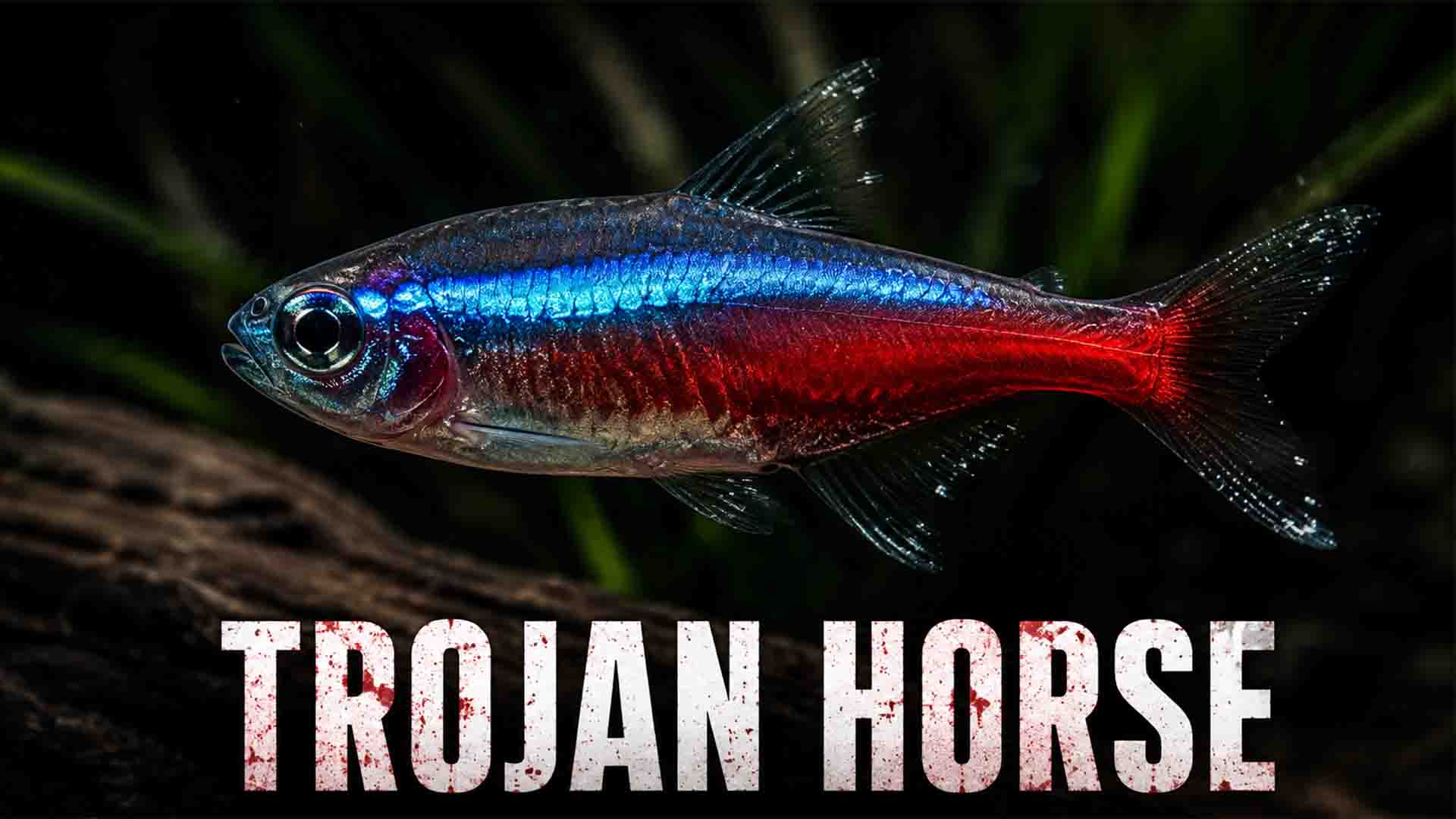
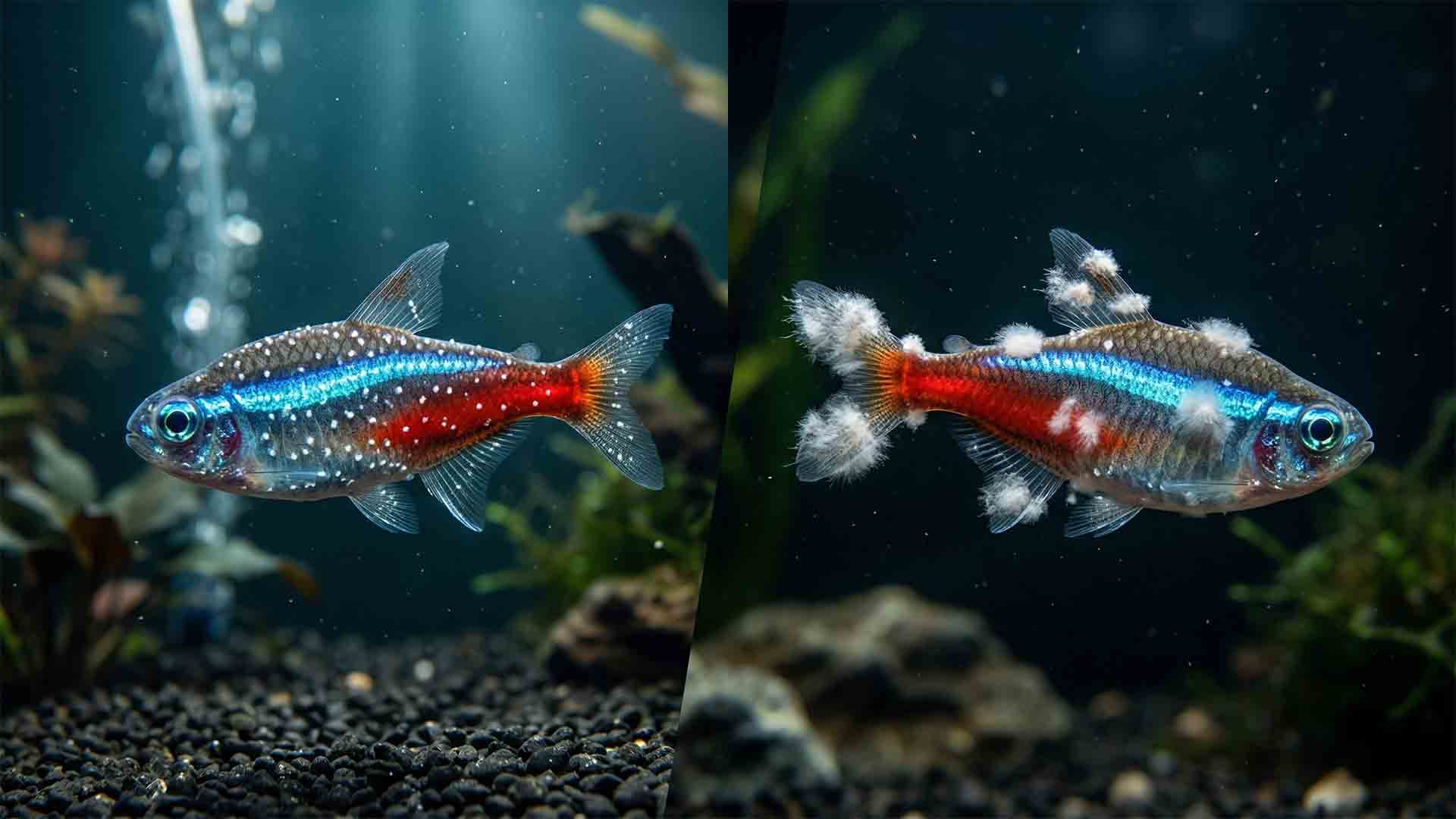
Heavy UV sterilization in retail stores masks parasites, turning Neon Tetras into biological Trojan horses.
Which brings us to the ultimate system crasher: the Neon Tetra. The classic beginner story involves buying a school of these glowing fish, only to watch them bring Ich (white spot disease) and quietly wipe out an entire community tank days later.
Here is the biological reality pet stores rarely explain. Those massive UV sterilizers in the centralized retail system actively suppress external parasites. The fish looks perfectly healthy in the display tank because industrial technology is artificially protecting its exhausted immune system. However, the physical stress of being netted, bagged, and dumped into your tank drops their immune response. Their protective slime coat thins out. The second you move them to your quiet, unsterilized home tank, the dormant parasite wakes up, and chaos follows.
This is not just an anecdotal observation; it is a documented physiological response. Studies published in the Journal of Fish Diseases and related veterinary immunology papers confirm that acute transport stress elevates cortisol levels in teleost fish. This hormonal spike directly inhibits their mucosal immune defenses, dramatically increasing their susceptibility to opportunistic pathogens like Ichthyophthirius multifiliis right after relocation. Read the study.
If you are currently staring at a tank full of white dots and panicking, pause reading right now. Do not dump random chemicals into your water. We have a dedicated, step-by-step rescue protocol. Read White Spots on Fish? Fix it FAST, stabilize your ecosystem, and then return here.
The Waiting Room Rule: A Crucial Mindset Shift
This is where the logic of fishkeeping gets incredibly interesting. When you stood in that crowded aisle, looking at the glowing display tanks, did you assume an active fish meant it was ready to thrive in your home? Or was it just surviving the sterile waiting room long enough for you to take it away?
Once you realize that a retail pet store tank is just a biological waiting room, you stop buying fish based solely on how active they look. You start buying them based on how effectively they adapt to changing systems. You need fish that can bridge the gap. You need the Translators.
The 4 Best Beginner Fish at PetSmart and Petco (System Translators)
These four species do not just survive the transition; they actively adapt to the changing rules of your developing ecosystem. They are the strongest investments for a beginner tank.
Best #4: Tiger Barb (The Conditional Pick)
The Tiger Barb is a conditional translator. In a crowded retail tank, a Tiger Barb’s natural aggression is spread out among fifty other fish. It looks like a peaceful schooling species. If you buy just three of them and put them in a quiet home tank, that exact same aggression is suddenly concentrated on one slow-moving tankmate.
If you understand the biological math of space and numbers, you can simulate the store’s diffusion of aggression. Buying a proper group of ten or more forces them to establish a strict internal hierarchy. They relax, ignore other species, and become incredibly hardy. We break down this exact behavioral “space-math” concept further in our guide to 12 Community Fish That WON’T Fight.
Best #3: Corydoras (The Unbothered Scavengers)
If Tiger Barbs require specific numbers to behave, Bronze and Albino Corydoras simply require the right floor. These are the unbothered scavengers of the freshwater world. They go from a bare-bottom, high-flow retail tank to your planted, textured home substrate without skipping a single metabolic beat.
They do not panic. They do not hide behind the heater for a week. They hit the sand and immediately start foraging. They are excellent biological translators because the move to a home aquarium actually feels like a massive upgrade to their sensitive barbels and sensory organs.
Best #2: Harlequin Rasbora (The Downshifter)
While the Corydoras takes over the bottom layer of your tank, the Harlequin Rasbora masters the middle. This fish is the ultimate downshifter. Moving from the chaotic, brightly lit, and highly stressful environment of a retail display into your quiet living room tank usually causes severe osmotic shock for most species.
However, Harlequin Rasboras actually relax. They do not just survive the transition; their colors physically deepen from a pale orange to a rich copper. They look significantly healthier a week after you bring them home. They are one of the few species that immediately recognize they are finally safe, making them a bulletproof choice for a developing community setup.
Best #1: Zebra Danio (The Unbreakable)
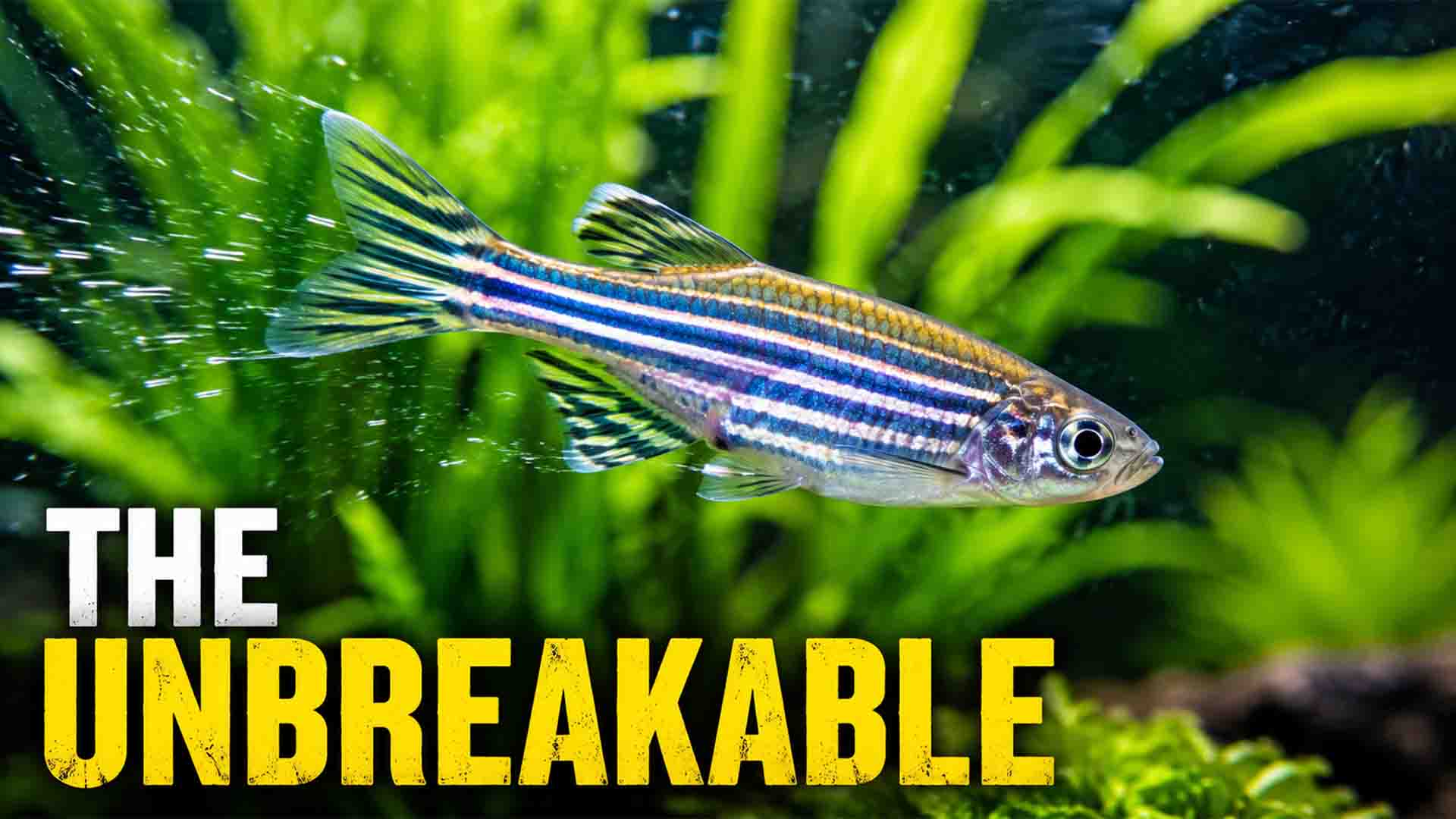
Biologically unbreakable, the Zebra Danio easily bridges the gap between store parameters and home water.
The absolute best fish for system translation is the Zebra Danio. This fish is biologically unbreakable. The gap between the store’s heavy filtration parameters and your developing home water can be a massive hurdle, but the Zebra Danio walks right over it.
It is metabolically flexible. If your temperature fluctuates a couple of degrees while you figure out your new heater, it adapts. If your young bacterial colony takes an extra week to catch up to the bioload, it waits it out. It does not punish your system for being slightly off; it simply survives until you get it right. It gives you the one thing every beginner needs most: time to learn.
Beyond Bad Genetics: The Hidden Biology Nobody Tells You
If you search for why Petco or PetSmart fish die, mainstream blogs will almost exclusively blame “bad genetics” or “poor retail care.” But as we have explored, this is only a fraction of the truth. To truly master your aquarium, we need to address the content gaps and ignored biological realities that keep beginners stuck in a cycle of failure.
The Reddit Echo Chamber: “My Parameters Are Perfect”
Spend ten minutes on any aquarium forum or Reddit thread, and you will see the exact same phrase repeated endlessly: “I tested my water, the parameters are completely perfect, but my fish still died.”
This creates a massive guilt trap for beginners. They believe that if the chemical test kit shows zero ammonia, the ecosystem is flawless. But a water test only shows a snapshot of chemistry; it does not measure biological stress, starvation, or immune suppression. A sterile retail tank provides clean water but no natural biofilm for grazing. When a fish crosses that starvation line into a brand-new home tank, perfect water chemistry will not save it from malnutrition. We must shift our focus from just testing water to observing delayed biological reactions.
The Competitor Gap: Why “Bad Genetics” is a Lazy Answer
Most large aquarium websites rely on the “bad genetics” argument because it is an easy scapegoat. While mass breeding does weaken certain species, it ignores the mechanical reality of the retail fortress. Very few guides discuss the role of industrial UV sterilizers in retail sumps.
These massive sterilizers actively destroy free-floating parasites in the water column, preventing outbreaks in the store. This creates a false sense of security. The fish are not genetically doomed; their immune systems have simply been artificially protected. When you remove that UV shield and place them in an unsterilized home tank, the resulting disease outbreak is a failure of transition, not necessarily a failure of genetics.
Untouched Concepts: Osmotic Shock and System Translation
There are critical keywords and concepts that the aquarium industry completely ignores, such as “delayed physiological failure” and “biological system translation.” Beginners are taught to float a plastic bag for fifteen minutes to match the temperature, believing this constitutes acclimation.
Temperature is only one variable. A 2022 study in the Journal of Experimental Biology highlights that rapid changes in total dissolved solids (TDS) and microbial density trigger severe osmoregulatory stress in freshwater teleosts. Floating a bag does not prepare a fish’s gills or kidneys for a completely different microbial environment. Understanding that you are moving an organism between two incompatible operating systems changes how you quarantine and introduce new livestock. Read the study.
People Also Ask (PAA)
Why do fish from PetSmart and Petco always die?
Most fish from large retail stores die because of “system translation failure.” They are moved from a highly sterile, heavily filtered industrial system into a newly developing home aquarium. This transition causes immense biological and osmotic stress, leading to delayed immune collapse.
What is the easiest fish to keep from Petco?
The Zebra Danio and Corydoras catfish are highly recommended. Zebra Danios are metabolically flexible and tolerate slight water fluctuations, while Corydoras easily transition to natural substrates and begin foraging immediately without severe stress.
Are Petco and PetSmart fish healthy?
Retail fish are often artificially supported by massive central filtration systems and heavy UV sterilization. While they may appear healthy in the store, their immune systems can be exhausted. They require careful acclimation and a stable home ecosystem to survive long-term.
Why did my new neon tetras die so fast?
Neon tetras often act as “Trojan Horses” for parasites like Ich. The store’s UV sterilizers suppress these parasites, but the stress of moving drops the tetra’s immune response. Once in your home tank, the dormant parasites wake up and quickly overwhelm the fish.
Frequently Asked Questions (FAQ)
Does perfect water chemistry mean my new fish will survive?
No. Perfect water parameters (zero ammonia and nitrites) only mean the chemistry is safe. It does not account for a lack of natural biofilm for grazing, temperature clashes, or the sudden drop in a fish’s immune system after transport.
Should I avoid buying fish from big chain pet stores entirely?
You do not need to avoid them, but you must change your expectations. Treat the store tank as a “waiting room” rather than a natural habitat. Choose fish known as “translators” (like Zebra Danios) that adapt well to drastic biological changes.
How long does the acclimation process really take?
While temperature acclimation takes about 15 to 30 minutes, true biological acclimation (system translation) takes weeks. The fish’s immune system, digestion, and stress hormones need time to adjust to your tank’s specific microbial environment.
How do I fix my tank if a new fish brings a parasite?
If you notice white spots or signs of disease, do not panic and avoid dumping random chemicals into the tank immediately. You must use a targeted treatment plan that respects your biological filter. Check our specific disease guides for safe, step-by-step treatment protocols.
Fix the Whole System: Watch Next
If your previous tank turned into a battleground or a graveyard, it wasn’t your fault. You just lacked the understanding that you were moving a fragile organism between two completely different operating systems. To ensure your next transition is flawless, continue building your knowledge with these essential guides:
- White Spots on Fish? Fix it FAST: If your new fish acted as a Trojan Horse and brought parasites, watch this step-by-step rescue guide to safely treat your tank without crashing your cycle
- PetSmart vs PetCo: STOP Overpaying for Fish Tanks: Learn exactly how these retail fortresses are built and where you are wasting your money. Watch the full breakdown here
- Stop Doing These 7 Aquarium Mistakes: From bioload bombs to over-cleaning, discover the hidden habits that keep your tank unstable. Avoid these 7 mistakes
- 12 Community Fish That WON’T Fight: Master the “Space-Math” of your aquarium to ensure your new translators live in absolute peace. Build your peaceful community here