
If fish die after a water change, most people blame chlorine. Sometimes that’s part of the story, but it’s rarely the whole story. The real killers are usually shock and biological disruption that your tank can’t absorb in a single day.
This is why it feels unfair: the water change was supposed to “help.” And yet the tank collapses right after you do the responsible thing.
Let’s break down what’s actually happening and how to prevent it without turning your aquarium into a chemistry experiment.
The Pattern: “Everything Was Fine… Until the Water Change”
This is the common sequence:
- Fish look normal before maintenance
- You do a water change (sometimes bigger than usual)
- Within hours: fish hide, breathe fast, clamp fins
- Overnight: losses, especially sensitive fish
That pattern usually points to one of these three root causes:
- Parameter shock (temperature, pH, TDS/minerals)
- Chlorine/chloramine exposure (real, but not always)
- Ammonia/nitrite spike triggered by disruption
1) Parameter Shock: The #1 Silent Killer After Water Changes
Fish don’t die because the water is “new.” They die because the new water is different in ways the fish can’t adapt to quickly.
- Temperature shock: even a small swing can stress fish fast
- pH swing: sudden shifts hit gills and blood chemistry
- Mineral/TDS swing: soft vs hard water shifts cause osmotic stress

How This Happens (Even When You Think You Were Careful)
It’s usually one of these:
- You matched temperature “by feel” instead of measuring
- Your tap water varies day to day (common in many cities)
- You did a bigger change than normal because the tank looked messy
- You refilled quickly and disturbed the whole tank at once
And here’s the trap: clear water does not mean stable water. Tanks can look perfect while stability is hanging by a thread. Related concept: false stability aquarium collapse.
Which Fish Die First After a Water Change?
Not all fish react to water changes the same way. Some species tolerate swings. Others collapse fast, even when the change looks “normal” to you.
| Fish Type | Sensitivity Level | Main Risk Factor |
|---|---|---|
| Corydoras, Otocinclus | Very High | pH + mineral shock |
| Discus, Rams | Very High | Temperature + TDS swings |
| Shrimp (Neocaridina, Caridina) | Extreme | Osmotic shock |
| Tetras, Rasboras | Medium | Rapid chemistry changes |
| Livebearers | Lower | Usually oxygen-related stress |
This is why two tanks can get the same water change — and only one loses fish.
2) Chlorine / Chloramine: Real Risk, But Usually Not the Only One
If you forgot dechlorinator or under-dosed it, yes, chlorine/chloramine can damage gills quickly. But many people do use conditioner correctly and still lose fish.
That’s why this post is not “just add more chemicals.” The bigger risk is the combo effect:
- fish already stressed
- then hit with parameter swing
- then exposed to trace irritants
Why Fish Can Die Even When pH Stays the Same
This is one of the most misunderstood situations in aquarium care.
You test the tank:
- pH looks unchanged
- Ammonia is low
- Nitrite is zero
And yet fish are dying.
The missing variable is often TDS (Total Dissolved Solids) — the total mineral load in the water.
If your tap water is much harder or softer than your tank water, a large change can cause osmotic shock. Fish lose the ability to regulate fluids across their gills.
This is especially lethal for shrimp, catfish, and soft-water species.
3) Ammonia Spike After a Water Change (Yes, It Happens)
This surprises beginners: a water change can trigger an ammonia spike even if you “did the right thing.” It’s usually not because water changes create ammonia. It’s because they can disturb the system enough to release or amplify it.
Common triggers:
- Substrate disturbance releasing trapped waste
- Filter over-cleaning removing beneficial bacteria
- Deep cleaning everything at once (tank + filter + decor)

If you want the fast version of the filter mistake that causes many “random” spikes, read this: stop cleaning filter media this way.
Timeline of a Water Change Crash (What Happens Hour by Hour)
0–6 Hours
- Fish appear restless or unusually quiet
- Increased surface breathing
- No obvious test result changes yet
6–24 Hours
- Oxygen drops overnight
- Ammonia or nitrite may appear
- Sensitive fish crash first
24–72 Hours
- Secondary deaths confuse the keeper
- Water still looks clear
- Panic interventions often worsen the situation
This delay is why water changes get blamed incorrectly or too late.
What NOT to Do (Panic Moves That Make It Worse)
After the first fish looks stressed, people usually stack mistakes:
- Massive second water change
- Random chemical cocktails (pH up/down, “stress coat,” clarifiers)
- Deep-cleaning substrate again
- Overfeeding to “help them recover”
These moves increase swings. The tank needs calm stability, not more dramatic inputs.
Is This What Happened to You?
- Did fish die within 24 hours? → Likely shock
- Did deaths start overnight? → Oxygen + bacteria spike
- Did sensitive species die first? → Mineral or pH mismatch
- Did you clean filter and change water together? → Biological collapse
If you hit more than one of these, the water change wasn’t the cause — it was the trigger.
The Safe 7-Step Rescue Plan (If Fish Are Already Stressed)
This is the calm plan that buys time and reduces damage without creating more swings:
- Stop feeding for 24 hours (reduces waste pressure immediately)
- Increase surface agitation (oxygen is the emergency currency)
- Test ammonia and nitrite (don’t guess)
- If ammonia/nitrite is present: do a small partial change (10–20%), not a huge one
- Match temperature as closely as possible (measure)
- Do not clean the filter again during the crisis window
- Observe behavior (gasping, clamped fins, flashing) before making the next move
How to Prevent This Forever (The Stability Protocol)
1) Make Water Changes Smaller but More Consistent
Big irregular changes create big swings. Smaller consistent changes build stable biology and predictable chemistry.
If you’re doing constant big changes because the tank feels “dirty,” you may be chasing symptoms. Related breakdown: constant water changes aquarium.
2) Never Deep-Clean Tank + Filter on the Same Day
Pick one. Not both. Doing both is how you delete stability.
3) Rinse Media in Tank Water Only
Tap water can damage beneficial bacteria. Keep it gentle and consistent.
4) Reduce Overfeeding (It Sets Up the Crash)
Overfeeding loads the system with organics that later explode during maintenance. Related: overfeeding aquarium fish.
Permanent Water Change Safety Checklist
- Match temperature with a thermometer, not your hand
- Keep water change size consistent
- Never deep-clean tank and filter on the same day
- Use a stable feeding routine before maintenance days
- Test ammonia the day after large changes
- Observe fish behavior more than test numbers
Optional Video (Recommended)
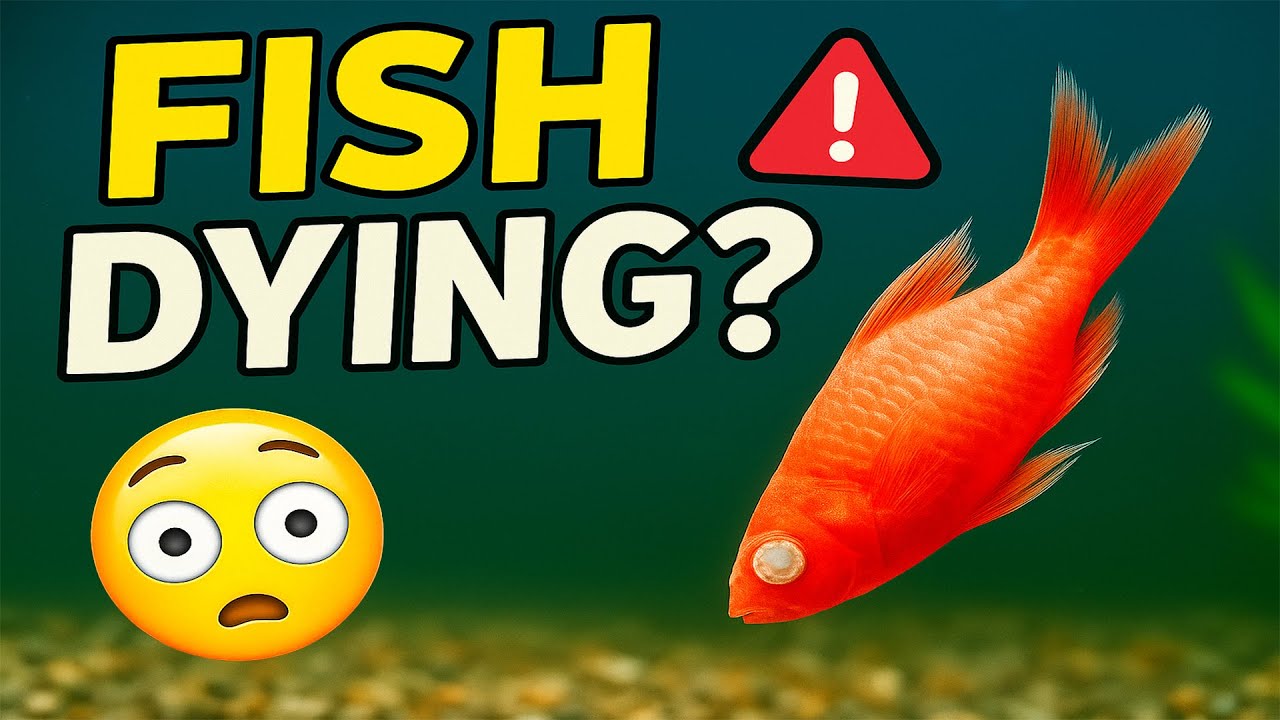
If you want to see how small maintenance mistakes create big chemical consequences, this video connects the dots clearly:
If you prefer learning visually, our FishTank Mastery YouTube channel covers real-world beginner mistakes and stability fixes using actual tanks, so you can spot the warning signs faster.
FAQ: Fish Die After a Water Change
Can a water change kill fish even if I use dechlorinator?
Yes. Parameter shock (temperature, pH, mineral/TDS differences) can kill fish even when chlorine is handled correctly.
Why do fish die overnight after a water change?
Overnight oxygen drops and stress compounds. If the change triggered shock or an ammonia spike, fish may crash hours later rather than instantly.
Is it better to do one big water change or smaller ones?
For stability, smaller consistent changes are safer. Big irregular changes create swings that fish struggle to handle.
What’s the fastest emergency move if fish are gasping?
Increase surface agitation and oxygen immediately, then test ammonia and nitrite before making more changes.
Scientific Insight: Why Sudden Water Changes Trigger Stress
Fish regulate salts and water balance through osmoregulation. Rapid changes in dissolved solids (TDS), pH, and temperature increase physiological stress and can impair gill function, especially in already-stressed fish.
The USGS Water Science School explains pH as a key water chemistry variable that can shift biological performance when it changes quickly.
EPA water quality guidance notes that aquatic organisms are often more impacted by rapid changes in conditions than by stable values outside “ideal” ranges: EPA pH and water quality.
In closed systems, organic breakdown and nitrification drive ongoing chemical change. When maintenance disturbs accumulated organics or biological filtration, it can amplify ammonia and oxygen demand quickly, compounding stress in a short time window.
Closing: Water Changes Don’t Kill Fish. Swings Do.
Water changes are one of the best tools in fishkeeping. But when they create swings, they become a stress event instead of maintenance.
If fish die after a water change, your fix isn’t “never change water.” Your fix is a stability protocol: smaller consistent changes, matched parameters, gentle maintenance, and no panic chemistry.



Add comment