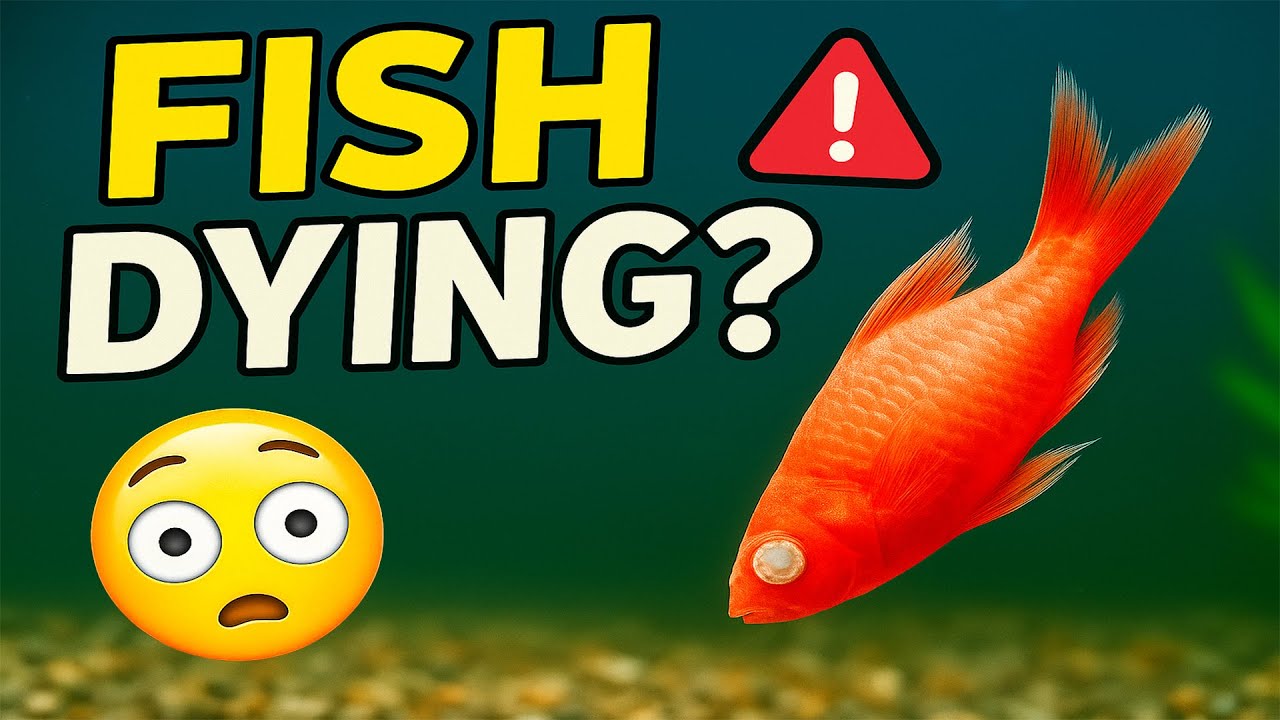

Fish keep dying even though water tests are perfect. Ammonia is zero, nitrite is zero, nitrate looks normal, and yet losses keep happening in many aquariums. If this sounds familiar, you’re not alone. In this guide, we’ll break down why aquarium fish die despite “perfect” numbers, what test kits don’t measure, and why deaths often happen days after everything looks stable.
Watch this first, then use the guide
The video below shows why fish rarely die suddenly. The damage usually starts earlier, long before water tests show a problem. After watching, use the sections below for a clear system-level explanation and practical next steps.
The “perfect water” illusion
Water tests measure numbers at a moment in time. Fish live through patterns over time. This mismatch creates the illusion of safety. A tank can read “perfect” on paper while fish experience repeated stress from factors tests do not capture.
This is why so many aquarists say, “Everything looked fine, then they died.” Nothing failed overnight. Pressure built quietly.
What aquarium test kits don’t measure
Standard kits are useful, but incomplete. They tell you if toxins are present now, not whether your system is stable enough to protect fish tomorrow.
- Oxygen fluctuations: Dissolved oxygen can swing with temperature, flow, and bio-load. Low oxygen stresses fish long before numbers change.
- Temperature instability: Small daily swings weaken fish over time, even if the average looks fine.
- Flow stress: Too much or inconsistent flow forces fish to fight the current constantly.
- Repeated disturbance: Frequent cleaning and changes reset adaptation and biological balance.
- Chronic stress: Stress accumulates. Test kits don’t measure it.
Why fish die days after everything looks fine
Delayed fish death is one of the most misunderstood patterns in aquariums. Fish often act normal, eat well, and show no obvious signs right before they die. This does not mean they were healthy.
Stress works like interest on a loan. Each small disruption adds pressure. By the time fish collapse, the cause is already in the past.
| Stage | What you see | What’s happening |
|---|---|---|
| Early stress | Fish eat and behave normally | Adaptation begins to weaken |
| Hidden damage | No test kit changes | Immune and respiratory strain builds |
| Collapse | Sudden death | System can no longer compensate |
Why Perfect Numbers Don’t Mean a Stable Aquarium
Eating does not mean healthy
One of the biggest myths in fishkeeping is that appetite equals health. Many fish continue eating under stress because feeding is instinctive. Appetite often disappears last, not first.
This is why aquarists say, “They were eating yesterday.” The warning signs appeared earlier, but they were subtle.
Early behavioral warning signs most people miss
- Slightly faster breathing
- Less interaction with tank mates
- Spending more time near flow or surface
- Reduced color intensity
- Brief hiding followed by normal behavior
Behavior changes usually appear before test kits do. Fish respond to instability immediately. Numbers lag behind.
The over-fixing cycle that resets stability
When tests look perfect but fish are lost, many aquarists react by fixing harder:
- More water changes
- More filter cleaning
- More adjustments chasing “perfect” readings
This creates a loop. Each fix interrupts biological adaptation. Stability never settles. Fish are forced to constantly re-adjust, and stress compounds.
STOP reacting early
Stable aquariums are not built by constant correction. They are built by consistency. Once toxins are controlled, the most powerful move is often to stop interfering and let biology catch up.
Protect the filter media. Make small, predictable changes. Allow fish time to adapt.
People Also Ask
- Can fish die with perfect water parameters?
Yes. Test kits measure numbers, not stress, oxygen stability, or adaptation over time. - Why do fish die suddenly with no warning?
They usually don’t. The warning signs are subtle and appear before numbers change. - Can aquarium test kits be wrong?
They can be accurate and still incomplete. They don’t measure everything that affects fish health. - Why do fish die after a water change?
Large or frequent changes can reset stability and add stress, even if parameters look better. - Is zero ammonia always safe?
Zero ammonia is good, but it does not guarantee a stable system.
FAQ
Why do fish keep dying even though water tests are perfect?
Because water tests don’t show oxygen swings, chronic stress, temperature instability, or repeated disturbance. Fish respond to patterns, not single readings.
How long does stress take to kill fish?
Stress damage is often delayed. Fish may survive days or weeks before collapsing, making the cause feel random.
Should I keep changing water if fish die?
Only to correct toxins. Constant changes to chase perfection often make instability worse.
What matters more than perfect numbers?
Consistency. Stable temperature, flow, oxygen, and biological filtration protect fish better than ideal readings.
How can I prevent mysterious fish deaths?
Reduce intervention, protect the biofilter, feed lightly, and watch behavior more closely than test results.
Fix the system, not the numbers
If this problem sounds familiar, it often connects with early-tank instability and reaction habits. Our guide on why cloudy water and early reactions create delayed crashes explains the same pattern from a different angle and helps break the cycle.
Understanding how stability builds over time is more powerful than chasing perfect parameters.
Scientific References – Why Fish Die Before Tests Show a Problem
One of the biggest blind spots in aquarium troubleshooting is assuming stress starts only when water parameters change. Research shows the opposite. In fish, stress responses often begin internally long before ammonia, nitrite, or nitrate readings shift. This is exactly why “perfect tests” can still end in losses, especially when the system is unstable in ways numbers do not capture.
A foundational study published by Oxford Academic explains how fish respond to stress by increasing circulating corticosteroids, especially cortisol. These hormonal changes can be triggered by environmental instability, handling, flow changes, or repeated disturbances. In practical terms, fish can be physiologically compromised while test kits still look clean, which is why stability and routine matter more than chasing ideal readings. If your tank is still young or recently disturbed, make sure you understand how stability builds over time in the nitrogen cycle:
Nitrogen Cycle Guide.
Read the study
Behavioral science reinforces the same gap. A PubMed review shows that changes in swimming patterns, social interaction, and hiding behavior are reliable early welfare indicators. These signals often appear before chemistry tests show a “problem,” which explains why fish may keep eating and still be under pressure. If your tank looks visually clear and you assume that means safe, this guide explains why that visual signal can be misleading:
Why Your Aquarium Water Will NEVER Be Clear (Stop THIS).
Read the study
Another PubMed paper explains cortisol’s role in long-term stress response and why chronic elevation weakens immune function over time. This supports the delayed pattern many aquarists describe: fish look fine, eat normally, then collapse days later. The cause is often not “what happened today,” but what stacked up quietly over a week or two.
Read the study
Environmental instability is a major driver of these stress patterns. A U.S. Geological Survey publication describes how oxygen variation, flow changes, and temperature instability place continuous pressure on fish in closed systems. These factors are rarely captured by standard kits, yet they strongly influence survival, especially when aquarists repeatedly adjust the tank. If you have been cleaning filter media frequently or aggressively, that can amplify instability and trigger ammonia stress events that feel random. This guide explains the most common filter-cleaning mistake and how to avoid it:
Stop Cleaning Filter Media This Way (Ammonia Spikes).
Read the study
Oxygen stress is one of the easiest “invisible killers” to miss. Even mild hypoxia can alter fish behavior long before it becomes lethal, pushing fish toward the surface, changing swimming patterns, and increasing stress load. This is one reason cloudy or shifting water phases can be a risk window, not because cloudiness is always toxic, but because the system is still settling. If your tank stays cloudy or keeps cycling between clear and cloudy, this guide breaks down why repeated disturbance prolongs instability:
Stop Doing THIS if Your Aquarium Water Stays Cloudy!.
Read the overview
Taken together, these studies support a simple conclusion: aquarium stability is biological and behavioral before it is numerical. Test kits measure chemistry. Fish experience systems and patterns over time. This is why reducing intervention often saves more fish than chasing perfect parameters.
Scientific Studies Referenced in the Video
The explanations in the video are not based on opinion or anecdotal experience alone. The following scientific studies directly support the concepts discussed, particularly delayed stress, behavioral warning signs, and why fish losses often occur even when water tests appear normal.
Stress in fishes – cortisol and stress responses:
This study explains how stress triggers hormonal responses in fish, especially increased cortisol levels. These internal changes begin before visible symptoms or water chemistry shifts, supporting the idea that damage often starts earlier than aquarists realize.
Read the study
Fish behavior as an early welfare indicator:
Behavioral indicators such as reduced interaction, altered swimming, and hiding are shown to be reliable early signs of stress. These changes appear before chemical parameters shift, reinforcing why watching fish behavior matters more than chasing perfect numbers.
Read the study
Stress hormones and physiological response in fish:
This research details how prolonged cortisol elevation weakens immune function and stress tolerance in fish. It explains why fish can survive initial instability but collapse later, making deaths feel sudden and unexplained.
Read the study
Environmental stress in intensive aquatic systems:
This publication highlights how oxygen variation, flow changes, and temperature instability affect fish physiology. These stressors are common in home aquariums but remain invisible to standard water tests.
Read the study
Hypoxia and behavioral stress in fish:
This overview explains how reduced oxygen availability alters fish behavior and stress levels long before lethal thresholds are reached, reinforcing why surface breathing and flow-seeking behavior should never be ignored.
Read the overview
Fix the Whole System With These FishTank Mastery Guides
If this article described your situation, these guides walk through the same problem from different angles and help you stabilize the entire system step by step.
If your fish keep dying even though water tests are perfect, the first thing to check is whether your tank has true biological stability or just “good-looking numbers.” A lot of mysterious losses are actually delayed cycle stress, especially in newer setups or after major changes. If you want a fast but clear foundation on how stability really forms, start here:
Fish Dying Fast? Aquarium Nitrogen Cycle 3-Min Guide for Beginners.
Next, zoom in on the trap almost nobody connects to fish deaths: visual clarity. Clear water can make a tank feel safe while stress is quietly building. If you have ever thought “the tank looks perfect, so why are they dying,” this guide explains why clarity is not a stability signal and what habits create the illusion:
Why Your Aquarium Water Will NEVER Be Clear (Stop THIS).
If your tank keeps flipping between clear and cloudy, that pattern is often a system disturbance signal, not bad luck. Cloudiness itself is not always dangerous, but the reactions people do to “fix it fast” can be. This guide breaks down the real timeline and why early interventions backfire:
How Long Does Cloudy Aquarium Water Take to Clear?.
One of the most common hidden triggers behind “perfect tests but fish dying” is over-cleaning filter media. When the biofilter is disturbed, a tank can look fine on paper while fish take the stress hit from instability that tests do not capture in time. If you have cleaned media aggressively, swapped cartridges, or rinsed under tap water, read this before doing it again:
Stop Cleaning Filter Media This Way (Ammonia Spikes).
Finally, if you are stuck in the loop where water stays cloudy or keeps coming back, that often means the system is being reset repeatedly. The goal is not perfect readings. The goal is consistency and letting biology catch up. This guide explains the biggest beginner reaction pattern that extends instability:
Stop Doing THIS if Your Aquarium Water Stays Cloudy!.
Watch next
- Fish Keep Dying? 5 Hidden Reasons
- Why Clear Water Can Be Misleading
- STOP Reacting Early in Aquariums
- Aquarium Nitrogen Cycle Explained
Final reminder: Fish rarely die because one thing went wrong today. They die because small stresses stacked up quietly. Build stability, not perfection.