
Your fish tank setup can look fine, until you add MONSTER fish that quietly collapse it later. The water clears. The cycle finishes. Your routine feels solid. Then one “cool” juvenile grows, claims territory, and your tank starts failing in slow motion. In this guide, you will learn the juvenile trap, why damage shows up after stability, how monster fish raise bioload faster than biology adapts, and what to do if you already own one.
Watch this first, then use the guide
The video below explains why most aquariums do not fail during setup. They fail later, after everything looks stable, when one monster fish outgrows the system and turns “fine” into fragile. Watch it once, then use the sections below to diagnose your tank like a system, not a snapshot.
The juvenile trap: why monster fish look safe at first
Most “monster fish disasters” begin with a reasonable decision. You see a juvenile Oscar, a tiny Pleco, a slim Arowana, a cute Bala Shark. They look manageable. They behave calm. They eat well. The tank looks stable.
That is the trap.
Juveniles are not proof of compatibility. Juveniles are a preview of growth potential. Most monster fish problems are delayed because size and behavior do not scale linearly. A fish can appear peaceful for weeks or months, then cross a threshold where everything changes: space needs, oxygen demand, waste output, territory, and aggression.
This is why these tanks fail quietly. The warning is not always “bad numbers.” The warning is the system margin shrinking while confidence rises.
If you want the bigger framework behind this pattern, this guide explains the exact phase where stable looking tanks collapse later and why it feels sudden:
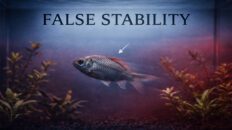
Your Aquarium Looks Stable But This Is Where It Collapses.
Why monster fish damage appears after stability

Monster fish rarely “crash” tanks overnight. They create pressure that stacks until the tank has no margin left.
- Bioload rises faster than biology adapts: waste output increases as the fish grows, often faster than your filtration and bacterial capacity can stabilize.
- Oxygen demand quietly increases: big fish need more oxygen, and heavy systems often have smaller oxygen windows at night.
- Territory and dominance patterns form later: many fish become aggressive once size and confidence arrive.
- Stress spreads before fighting starts: “calm” fish can be coping, not thriving.
This is why the tank feels fine until it does not. The collapse is often a delayed bill for earlier decisions.
Monster fish reality check: what grows, what flips, what collapses tanks
This table is not a “never buy these” rant. It is a system warning. These fish are not bad. They are simply built for larger systems than most home aquariums.
| Monster fish | What looks “fine” early | What changes later | Common failure trigger |
|---|---|---|---|
| Oscar | Smart, interactive, “friendly” juvenile | Territory, dominance, heavy feeding | Chronic stress, aggression, rising waste |
| Common Pleco | “Cleaner” that hides most of the day | Becomes a waste factory as it grows | Bioload spikes, oxygen window shrinks |
| Arowana | Elegant surface swimmer, calm early | Space addiction, jump risk, dominance | Stress, injury, compatibility collapse |
| Redtail Catfish | “Chill” juvenile predator | Outgrows tanks fast, eats tankmates | Tankmate losses, filtration overwhelmed |
| Bala Shark / Iridescent Shark | Active schooling look, “peaceful” | Panic engine, constant motion stress | Stress spirals, injuries, system pressure |
| Chinese Algae Eater | Looks useful as a small “cleaner” | Can turn territorial and aggressive later | Tankmate harassment and stress |
If you want a dedicated monster breakdown and why these setups fail over time, this guide connects the dots across the most common monster fish collapse patterns:
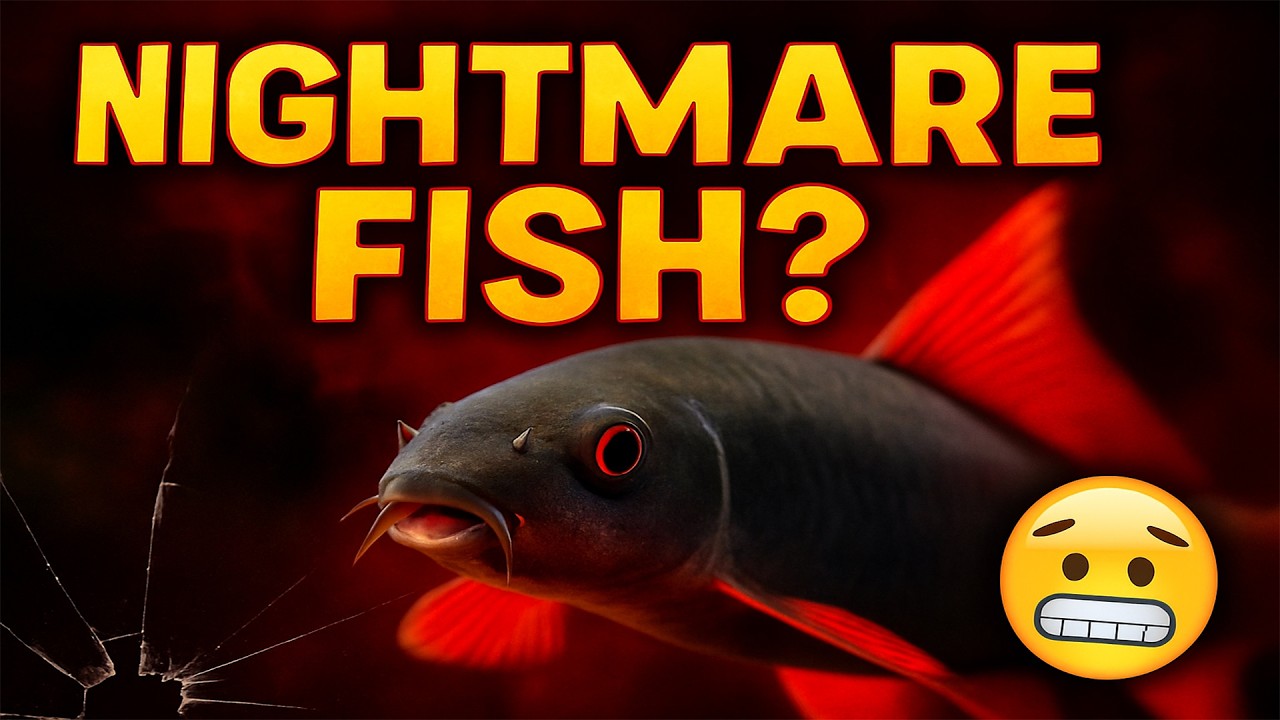
Monster Fish That Destroy Aquariums.
The “one fish” collapse pattern: how tanks quietly flip
A lot of tanks do not fail because the keeper added ten monsters. They fail because one monster becomes the tipping point.
Here is the common timeline pattern:
- Week 1 to 3: water is clear, fish eat well, the tank looks peaceful.
- Week 4 to 8: growth accelerates, waste rises, subtle behavior drift starts.
- Month 2 plus: territory forms, stress spreads, tankmates vanish or hide, disease risk rises.
This is why people say: “It was fine, then everything fell apart.” It was not random. It was delayed.
Why aggression is not the only danger
Most people think monster fish tanks fail because of fighting. Fighting is just the visible part.
The more common silent killer is system pressure.
- More feeding: monster fish are often fed heavy and frequently.
- More waste: waste fuels instability and reduces oxygen margin.
- More maintenance interventions: people react by cleaning harder, changing more, and resetting biology.
If you want the “reaction loop” side of this, and why tanks collapse from reasonable fixes stacked too early, this guide is the best companion:
False Stability Phase and Delayed Aquarium Collapse.
When monster fish stack: the compatibility trap

The most dangerous moment is not the first monster fish. It is the second and third.
Different monsters add different pressures:
- Predators: losses show up as “mystery disappearances.”
- Territorial cichlids: stress builds as constant low-level harassment.
- Active schoolers: motion stress never turns off, the tank stays on edge.
- Bottom giants: waste load becomes structural, not occasional.
This is why the tank can look stable while it is drifting. The biology is not “done.” It is compensating.
Scientific insight: why big fish break small systems over time
Monster fish failures make more sense when you view the aquarium as a time-based biological system. Waste processing and stability do not scale instantly. They adapt gradually, and the aquarium has an oxygen and filtration margin that can shrink quietly.
A key reason delayed collapse happens is that fish can be under chronic low-level stress long before the tank looks “bad.” Research on fish stress responses shows that environmental pressure can trigger internal stress responses (including changes in circulating corticosteroids like cortisol) before hobbyists notice obvious outward signs. That supports the idea that monster fish can “look fine” while the system is already becoming fragile.
Stress in fishes: changes in circulating corticosteroids
Behavior is often the earliest visible signal. A scientific review of behavioral welfare indicators describes how changes in swimming patterns, social interaction, and avoidance behavior can reflect stress earlier than many other measures. In a monster fish setup, that maps directly to what keepers observe first: schooling drift, hiding, surface hovering, and social spacing before the first obvious fight.
Behavioural indicators of welfare in farmed fish
System stability is also tied to time-dependent nitrogen processing. Nitrification is a biological process that requires stable conditions and adequate capacity. When bioload increases rapidly (as monster fish grow and feeding increases), bacteria and filtration capacity may lag behind, shrinking the tank’s safety margin even if “tests look fine” in the early phase.
EPA reference on nitrification
Finally, large fish in closed systems have real oxygen and environmental sensitivity. A U.S. Geological Survey publication explains how environmental conditions like oxygen availability and temperature influence fish physiology, especially under intensive or closed-system conditions. In home aquariums, that same physiology becomes a risk factor when big fish push oxygen windows tighter and tighter over time.
USGS: Physiology of fish in intensive culture systems
What to do if you already own a monster fish
If you already have one of these fish, you are not doomed. You just need a plan that increases system margin instead of chasing appearances.
- Stop adding tankmates “to test it”: stacking pressure is how tanks flip from recoverable to fragile.
- Feed for stability, not for growth: heavy feeding accelerates waste and oxygen demand.
- Protect bio media: do not reset your filter trying to “clean harder.”
- Build oxygen margin: surface agitation and predictable flow matter more as fish grow.
- Plan rehoming early: the best time is before crisis, not after the first collapse.
If you want a story-style guide that matches what people actually do in real life (late-night additions, impulse buys, and then “why is my tank different now?”), this one is built for that moment:
I Bought Monster Fish at Midnight.
Better alternatives: how to get “monster energy” without the collapse
Most people want monster fish for one reason: impact. Presence. Personality. Movement.
You can get that without the delayed collapse if you choose fish that match your system’s true size and stability.
This guide gives safer alternatives that still feel impressive, without turning your tank into a pressure cooker:
Monster Aquarium Fish Alternatives.
If your real goal is a peaceful community that stays peaceful, but you have one fish that flipped later, this guide breaks down what causes the switch and what to do next:
Peaceful Fish Turn Aggressive: Fix It.
Myth busting: monster fish edition
| Myth | Reality |
|---|---|
| A cycled tank is always ready | A tank can be cycled and still have low margin for growth and pressure |
| Aggression is the real danger | System pressure and oxygen margin loss often break tanks first |
| Bigger tanks fix monster fish | Bigger helps, but bad stacking and bad habits still create delayed collapse |
People Also Ask
- Why do monster fish seem fine at first?
Because juveniles often behave differently than adults, and growth plus territory changes happen later. - Why do tanks collapse weeks after a monster fish is added?
Because bioload and stress stack over time, shrinking system margin until one small trigger causes failure. - Is a common pleco really a “cleaner fish”?
Many plecos reduce visible algae early, but they do not remove nutrients. As they grow, waste output becomes a major pressure source. - What is the juvenile trap in aquariums?
It is when a fish looks manageable as a juvenile, but outgrows the system and changes behavior later.
FAQ
Why do aquariums fail later, not during setup?
Because early stability can be false stability. The tank looks calm until growth, pressure, and territory reduce margin over time.
What is the biggest danger with monster fish?
Not just aggression. The bigger risk is rising waste and shrinking oxygen and stability margin.
Should I rehome monster fish early?
If your tank cannot support adult size, early rehoming is the safest move before the system becomes fragile.
Can I keep monster fish safely?
Yes, but only if the system is built for adult size, long-term filtration, oxygen margin, and compatible stocking.
Semantically related guides: keep the “monster story” without the disaster
If you want the monster fish series to connect as a real system (not random posts), these guides are designed to chain together by intent.
If you want the master breakdown of which monster fish destroy tanks and how the damage shows up later, start here:
Monster Fish That Destroy Aquariums.
If you are stuck in a tank that looks stable but feels off, and you are trying to understand the “collapse point,” this is the bridge guide:
False Stability Phase: Where Tanks Collapse.
If you want the real-life impulse-buy story pattern that leads to delayed chaos, read this:
I Bought Monster Fish at Midnight.
If you want to understand the risk side of buying monster fish online, and why size and species mismatch is common, this is the guide:
Deadliest Monster Fish Online.
If you want the “same vibe, safer outcome” list, use this:
Monster Fish Alternatives.
If you want to avoid tiny fish that become long-term regret buys, link this next:
Tiny Fish You Should Never Buy.
If you want the peaceful-to-aggressive flip explained, use this:
Peaceful Fish Turn Aggressive: Fix It.
If you want “fish to avoid” but with peaceful alternatives, this one fits the same intent:
Tropical Fish to Avoid (With Peaceful Alternatives).
Watch next
If you want the monster fish series to keep rolling, the next video is the classic “tankmate destroyer” list that pairs perfectly with this juvenile trap breakdown:
10 Aquarium MONSTER Fish That DESTROY Tankmates
Final reminder: Monster fish do not ruin tanks because they are bad fish. They ruin tanks because they outgrow systems that were never designed for what they become. Build for the adult, not the juvenile.