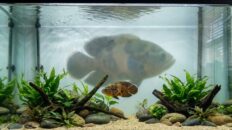

Thinking about buying a nano aquarium? Great idea—but nano tanks (typically under 10 gallons / ~40 L) pose unique challenges that many beginners overlook. In this guide, we’ll walk you through the Top 5 nano tank mistakes and how to avoid them using science-backed tips.
Mistake #1: Underestimating Water Stability
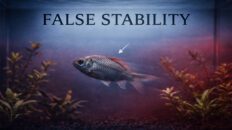
Small tanks change fast. A slight temperature shift or forgotten feeding can lead to ammonia spikes and stressed fish.
Nano aquariums are more sensitive to parameter swings due to low water volume. Research shows they require more frequent testing and water changes to remain stable.
📄 Sciencedirect – The Effects of Aquarium Volume on Water Quality
Solution:
Test your water twice a week, and schedule weekly 20–25% water changes, even if everything looks fine.
Mistake #2: Skipping Live Plants in a Nano Tank
Plants do more than look pretty—they actively help clean your water.
Live aquatic plants absorb ammonia and nitrate, produce oxygen, reduce algae, and promote bacterial balance. They’re crucial for small tank health.
📄 Academic.oup – Functional Roles of Plants in Freshwater Aquaria
Solution:
Use hardy, low-light plants like Java Fern, Anubias, or Monte Carlo to increase biological stability and make your nano tank look lush.
Mistake #3: Stocking Too Many Fish
Overstocking is a beginner’s trap—and it’s deadly in small tanks.
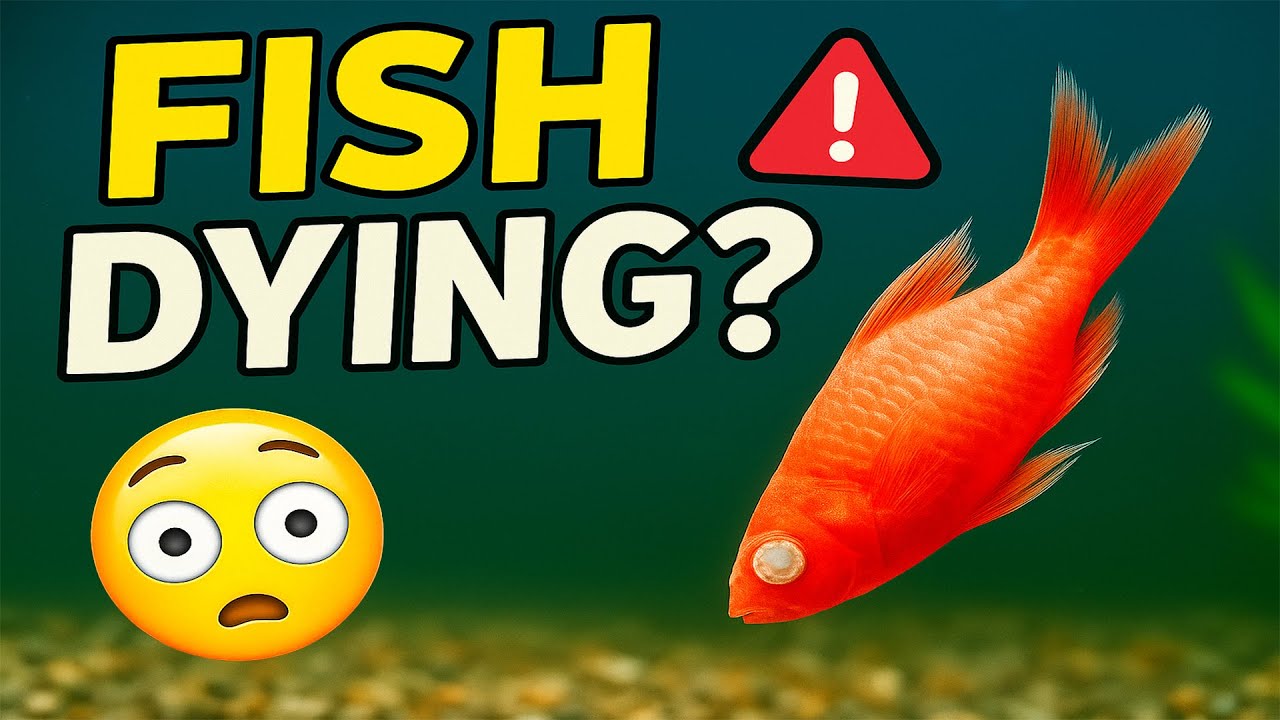
Even a minor overstock in a nano aquarium leads to ammonia spikes, low oxygen, and stress-related disease.
📄 Springer – Stocking Density Effects in Aquarium Environments
Solution:
Keep bioload minimal:
1 betta OR
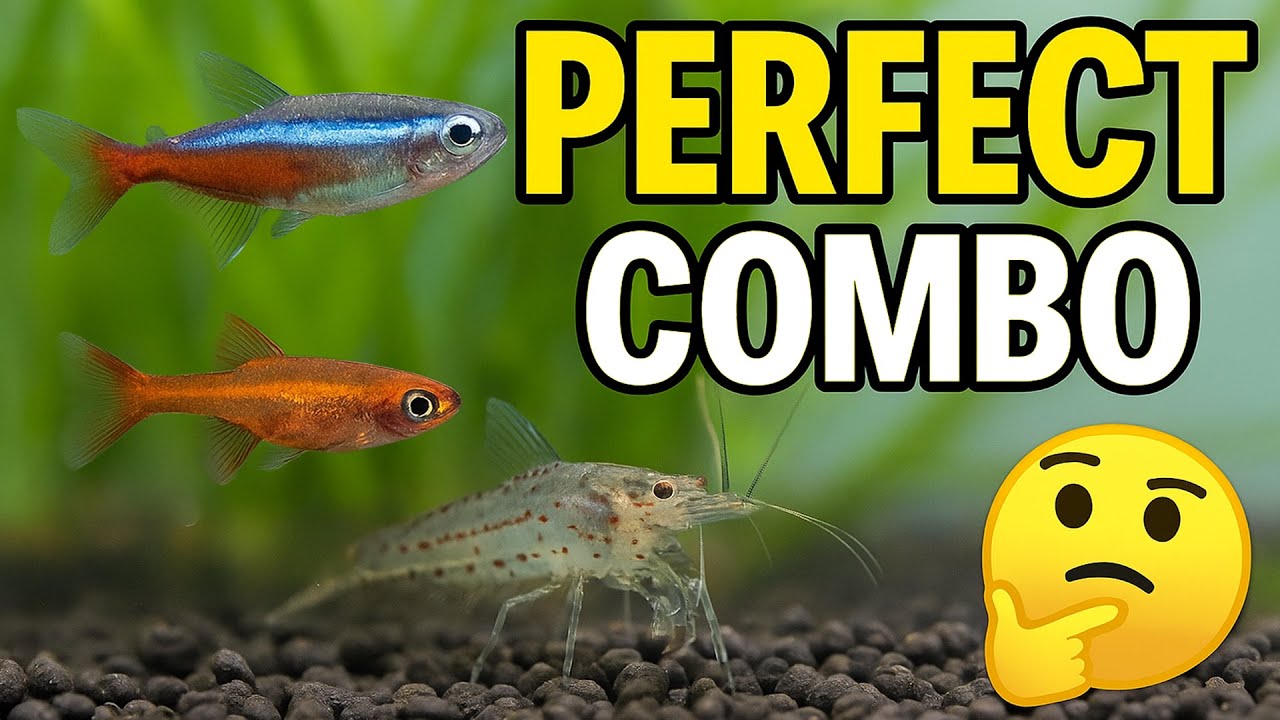
4–6 small schooling fish (like chili rasboras) OR
A few shrimp/snail species
Always research adult size before buying.
Mistake #4: Using the Wrong Equipment
In nano tanks, equipment that’s too strong can harm your fish or disrupt balance.
Sponge filters and adjustable heaters are ideal for nano tanks. Strong hang-on-back filters often create high flow, disturbing delicate plants and fish.
📄 The Spruce Pets – Best Equipment for Small Aquariums
Solution:
Use sponge filters or mini internal filters with flow control. Choose a small heater with precise temperature settings between 76–78 °F (24–26 °C).
Mistake #5: Skipping Maintenance Just Because It’s Small
Tiny tanks don’t mean tiny responsibilities.
Researchers note that lower volume equals higher volatility. Waste builds up quickly, and skipping one cleaning can cause a crash.
📄 NCBI – Water Chemistry Stability in Small Aquaria
Solution:
Create a schedule:
Test 2x/week
Change 20–25% water weekly
Vacuum substrate lightly
Trim plants monthly
Watch the Video
▶️ Nano Aquarium? Know This Before You Buy Small Fish Tank!
Timestamps
00:00 – The Nano Tank Dream
00:10 – Why Nano Tanks Are Harder Than You Think
00:31 – Tip 1: Choose the Right Fish
00:47 – Tip 2: Use a Proper Filter
01:04 – Tip 3: Add Live Plants
01:19 – Tip 4: Don’t Forget the Heater
01:33 – Like & Comment
01:44 – Conclusion: What Most Beginners Miss
02:05 – Share Your Nano Ideas!
About FishTank Mastery
At FishTank Mastery, we help new aquarists build amazing tanks without the trial-and-error stress. Our guides are science-based, beginner-tested, and fluff-free. Subscribe and start mastering the art of fishkeeping—2 minutes at a time.
📌 Subscribe here: youtube.com/@FishTankMastery
More Nano Aquarium Tips & Guides
Planning your first nano tank? Start with our Nano Tank Care Guide to keep things simple. Discover vibrant options in our Top 7 Colorful Nano Fish for Beginners. For low-maintenance planting, check out Top 5 Easy Aquarium Plants. And if you want a balanced setup, explore How to Stop Fish Fighting for peaceful stocking ideas.