
Can You Really Run a Tank with No CO2, Filter, or Water Changes? Here’s What Happens
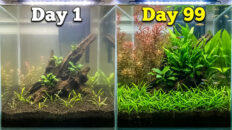
Setting up an aquarium without a filter, CO₂ system, or regular water changes sounds like a disaster waiting to happen — right? But this “natural aquarium” trend, inspired by the Walstad Method, is gaining serious traction. Why? Because when done correctly, a self-sustaining tank can thrive with minimal tech, zero chemicals, and very little maintenance.
In this guide, we’ll break down exactly how these setups work, which plants and fish survive (or die) in them, and what you need to watch out for if you’re thinking of going full natural.
What Is a Natural Aquarium?
The concept is simple: instead of relying on machines, a natural aquarium mimics nature. That means:
Live plants for oxygen and nutrient uptake
Soil-based substrate for natural fertilization
Minimal feeding and disturbance to let balance take over
This style is often referred to as the Walstad Method, named after ecologist Diana Walstad. It’s a soil-powered, plant-heavy tank that works more like a garden than a machine.
👉 Learn more in this research summary on the ecology of planted aquariums: ScienceDirect – Aquatic Botany
What Makes It Work?
It all comes down to balance — a stable nitrogen cycle, low bio-load, and strong plant growth.
When successful, you get:
Zero algae outbreaks
Crystal-clear water
Fish that behave naturally
No need for constant intervention
But beware: this is not plug-and-play. You’ll need patience and attention.
Best Plants for No-Tech Tanks
Certain species thrive without CO₂ or high light:
Anubias
Java Fern
Amazon Sword
Cryptocoryne
Hornwort
These plants are slow-growing, low-maintenance, and great for beginners. For a deeper dive into plant choices, check out this scientific review: Springer – Aquatic Plant Growth Without CO₂
The Substrate Secret: Dirted Tanks
Using soil under a gravel cap provides nutrients for months. This “dirted tank” approach removes the need for liquid fertilizers and root tabs.
However, not all soils are equal. Organic potting mixes without additives are preferred. Research also suggests natural substrates promote microbial diversity: Oxford Academic – Microbial Communities in Soil Substrates
Can You Skip Water Changes?
In theory — yes. In practice — it depends. If your plants are thriving and your fish load is low, plants can absorb excess nutrients. But regular top-offs and occasional testing are still smart.
Scientific insight confirms that aquatic plants can process nitrogen effectively, reducing the need for water changes: ResearchGate – Nitrate Uptake by Aquatic Plants
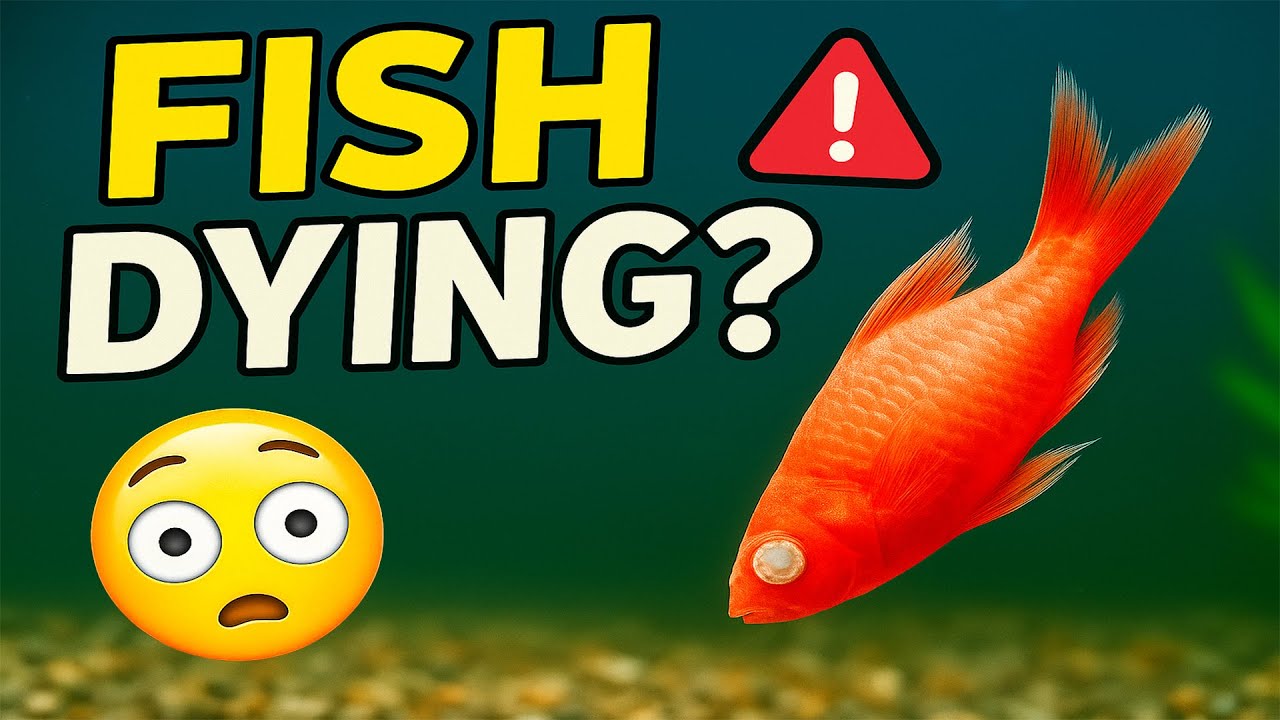
Why Natural Tanks Fail
Even though this method is low-tech, it’s not “no-care.” Common mistakes include:
Overstocking
Inadequate lighting
Wrong substrate
Overfeeding
No patience
Should You Try It?
If you love simplicity, enjoy plants, and aren’t afraid of a little trial and error — yes! Start small with a nano tank and slow-growing plants. Observe, adjust, and let nature do the rest.
Watch the full video breakdown here 👇
Watch on YouTube
Timestamps:
0:00 – No Filter? No CO2? No Water Change?!
0:13 – Natural Aquarium Trend (Explained)
0:35 – Balance Over Equipment
0:50 – Best Plants (No CO2 Needed)
1:19 – Soil-Based Substrate = Natural Nutrition
1:33 – No Water Change? Here’s Why It Works
1:49 – When It Fails & Common Mistakes
2:43 – Bonus Tip: Should You Try It?
3:00 – Final Thoughts & What’s Next
About FishTank Mastery
FishTank Mastery is your go-to channel for beginner-friendly, science-backed aquarium tips — without the fluff. Whether you’re setting up a nano tank, struggling with algae, or exploring low-tech methods like the Walstad-style aquarium, our 2–4 minute videos help you master fishkeeping the smart way.
🔔 Subscribe for weekly tips and video guides:
FishTank Mastery YouTube Channel
More Insights on Natural Aquarium Setups
Curious about tech-free tanks? Compare different low-tech methods in our Walstad vs Father Fish Comparison. See what can go wrong in our Ecosystem Aquarium Fails guide. For plant ideas that thrive without CO₂, explore 5 Aquarium Plants That Thrive Without CO₂. And if you’re planning a balanced build, don’t miss How to Build a Self-Sustaining Aquarium.