
Can you build an aquarium that needs no filter, no CO₂, and no water changes?
If you’ve heard of the Walstad Method or Father Fish setups, you’ve probably wondered: Is a no-tech tank too good to be true… or have we overcomplicated fishkeeping?
In this FAQ-style blog, we answer the top questions aquarists ask about no-tech tanks — based on real experience, not just theories. If you’re looking to simplify your setup and get back to nature, this one’s for you.
Q1: Can You Run a Tank Without CO₂ or a Filter?
Yes — but it’s all about balance.
A well-planted tank with nutrient-rich substrate and the right stocking can self-regulate. Plants absorb waste, and microfauna help break it down.
🔬 According to Springer’s Aquatic Ecology, dense aquatic vegetation can maintain ammonia levels below toxic thresholds — even without filters.
✅ Key requirements:
Fast-growing plants
Stable light cycle
Minimal fish bioload
Patience (let the tank mature)
Q2: What’s the Best Substrate for a No-Tech Tank?
For Walstad tanks:
Use organic potting soil (no fertilizers) capped with sand or gravel.
For Father Fish setups:
Layer rich organic materials like clay, peat, and mineralized topsoil under 2–3 inches of sand.
🎯 Tip: Avoid vacuuming the substrate. Let nature do the cleaning.
Q3: Can You Keep Fish in a No-Tech Tank? Which Species?
Yes — as long as you choose wisely.
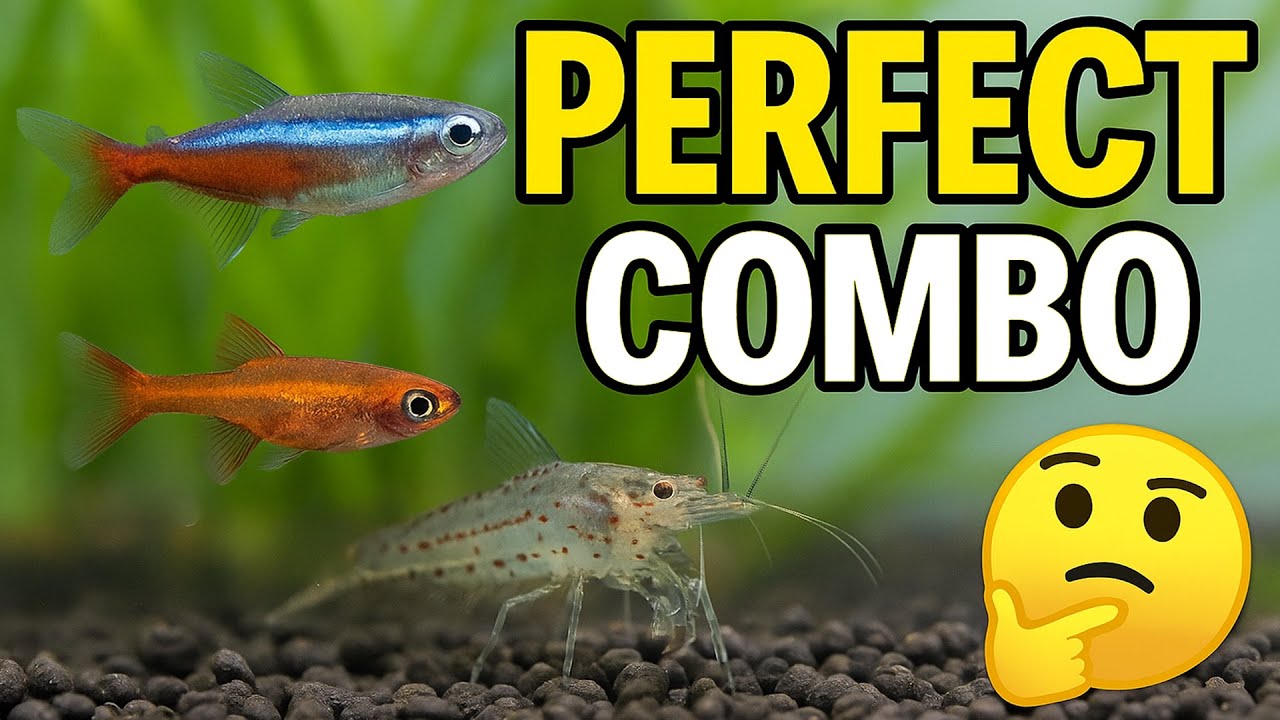
Go for small, hardy species with low oxygen and waste demands:
Endler’s Livebearers
Pygmy Corydoras
Cherry Shrimp
Ember Tetras
Least Killifish
🐠 Avoid messy eaters, large fish, or aggressive species.
Q4: Does the Water Get Cloudy or Smelly Over Time?
Only if the balance breaks.
Cloudiness usually comes from:
Overfeeding
Disturbing the substrate
Overstocking
Not letting the tank cycle
Foul smells indicate anaerobic buildup — a sign your system isn’t mature or you’ve skipped key setup steps.
✅ Solution: Start slow. Let beneficial bacteria build up. Use floating plants and light surface movement to keep oxygen high.
Q5: Can You Really Skip Water Changes Forever?
Technically? Yes.
But realistically? Not always.
In low-stock, plant-heavy tanks, top-offs for evaporation may be enough. But in most cases, small occasional water changes help stabilize minerals and remove unseen contaminants.
🌿 Walstad herself recommends light maintenance, while Father Fish supports “hands off” as a philosophy.
Balance is key. Watch your parameters — and don’t chase perfection.
Bonus: Can You Combine Walstad & Father Fish Methods?
Absolutely — and many aquarists do!
🧠 Hybrid tip:
Use Father Fish’s deep sand layering with Walstad-style plants and lighting. Monitor closely at first, but over time, it can create a truly self-sustaining setup.
Just remember: more complexity = more responsibility.
Start simple, then tweak.
⏱️ Timestamps
0:00 – Can You Really Run a Tank Without CO₂, No Filter, No Water Changes?
0:16 – Why Most No Tech Tanks Fail (My Mistakes and Lessons)
0:32 – Q1: Can a Tank Run Without CO₂ or Filter?
0:53 – Q2: Best Substrate for No-Tech or Walstad Style Tanks
1:10 – Q3: Can You Keep Fish in a No-Tech Tank? Which Ones?
1:28 – Q4: Does the Water Get Cloudy or Smelly Over Time?
1:48 – Q5: Can You Really Never Change the Water in a Tank Without a Filter?
2:07 – Bonus Tip: Combine Walstad + Father Fish for Better Results
2:22 – Ask Me Any Questions! Leave a Comment + Subscribe!
At FishTank Mastery, we challenge aquarium myths with real, experience-backed answers. Whether you’re exploring no-tech tanks or just simplifying your setup, we give you tools — not fluff — to succeed.
Subscribe to our YouTube channel and join thousands of aquarists mastering fish care naturally.
More Tips for Successful Low-Tech Aquariums
Thinking of going tech-free? See a full example in our No CO₂, No Filter, No Water Change Aquarium case study. Learn how to create balance naturally with our Self-Sustaining Aquarium Guide. For plant choices that thrive without extra equipment, check 5 Aquarium Plants That Thrive Without CO₂. And to avoid misconceptions, read our Top 5 Aquarium Myths That Still Fool Beginners.