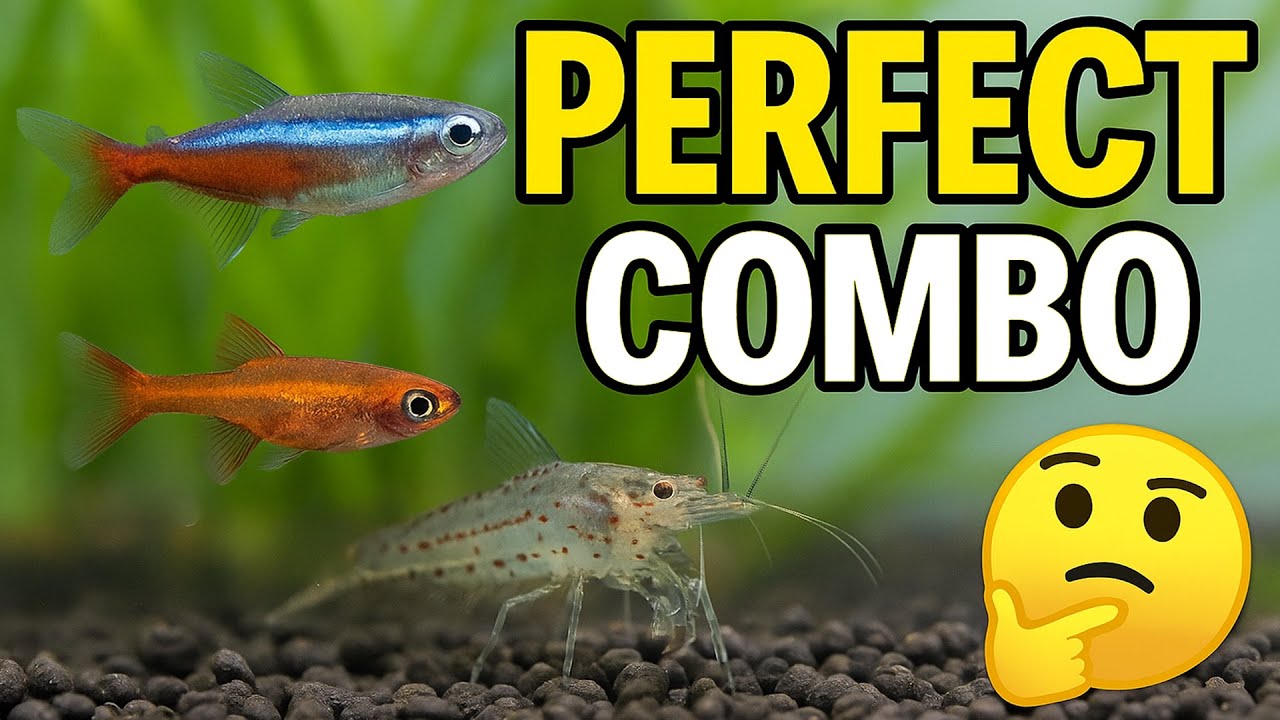

Stop buying neon tetras for community tanks until you understand what they actually do to your system. Neon tetras may look peaceful, but in many setups they introduce constant movement that disrupts tank rhythm, creates hidden stress, and leads to delayed instability. If your aquarium looks fine but feels off, this guide explains why.
Watch this first, then use the guide
The video below explains the hidden behavioral pressure neon tetras create inside community tanks. Watch it first, then use this guide to break down what’s really happening in your system.
The false promise of “peaceful community fish”
Neon tetras are marketed as the perfect beginner fish. Small, colorful, peaceful, and easy to mix.
The problem is not aggression.
The problem is constant movement.
Most aquariums don’t fail because fish fight.
They fail because the system never settles.
Neon tetras create activity across the entire tank. That movement spreads through other fish, changing behavior patterns in ways most aquarists don’t recognize.
This is the first major content gap most guides ignore.
They explain:
- tank size
- water parameters
- school size
But they don’t explain system rhythm.
And that’s where problems start.
Activity vs stability: the misunderstanding that breaks tanks
| What you see | What you think | What’s actually happening |
|---|---|---|
| Active swimming | Healthy fish | Constant stimulation and pressure |
| Movement everywhere | Balanced ecosystem | No rest zones in the tank |
| No aggression | No stress | Chronic low-level stress |
Movement is not stability.
Stillness is not emptiness.
Stable tanks are predictable. Neon tetras reduce predictability.
The dither fish myth (and why it fails in community tanks)
Neon tetras are often recommended as “dither fish.”
The idea:
They make shy fish feel safe.
The reality:
They make the entire tank more reactive.
Dither fish can work in very specific setups. But in most beginner community tanks, they introduce constant motion that prevents other fish from settling.
This creates:
- increased vigilance
- reduced rest
- behavior drift
The tank doesn’t crash.
It drifts.
Why your tank looks fine… but feels off
This is the most important part.
Most aquarists describe the same feeling:
- Water is clear
- Parameters are perfect
- Fish are eating
- But something feels wrong
This is not random.
It’s behavioral instability.
Neon tetras constantly move through zones:
mid-water → top → across → repeat
That movement forces other fish to constantly adjust.
No single moment looks wrong.
But over time:
- stress builds
- patterns break
- stability weakens
Scientific insight: why behavior changes before water tests
From a biological standpoint, fish respond to environmental patterns before measurable chemistry changes.
Research on fish stress shows that cortisol levels rise before visible symptoms appear. This means fish can be under pressure while water tests still look perfect.
Stress in fishes: corticosteroid response
Behavioral studies also confirm that swimming changes, spacing, and interaction shifts are early indicators of stress.
Behavioural indicators in fish welfare
In aquariums, this translates into:
Fish acting normal → but not stable
Tank looking fine → but not settled
This is why neon tetra setups often fail later, not immediately.
Delayed failure: why problems appear weeks later
| Stage | What you see | What’s happening |
|---|---|---|
| Early | Active, colorful tank | Movement increases system pressure |
| Middle | Everything “working” | Stress accumulates silently |
| Late | Disease / loss | Stability threshold is crossed |
Nothing broke suddenly.
It accumulated.
Subtle stress signs most people miss
- fish spacing increases
- short bursts of hiding
- faster breathing
- less synchronized movement
- increased surface activity
These signs appear before any test kit shows a problem.
Why neon tetras change tank behavior
Neon tetras are not aggressive.
But they are:
- constant movers
- group-driven
- reactive to each other
This creates a feedback loop:
movement → reaction → more movement
The entire tank becomes dynamic.
But stability requires predictable patterns, not constant motion.
Better approach: build calm before adding movement
Instead of asking:
“What fish should I add?”
Ask:
“Does my tank have a stable rhythm?”
Stable tanks have:
- predictable zones
- rest areas
- consistent behavior patterns
Movement should be layered after stability exists.
Not used to create it.
When neon tetras actually work
Neon tetras are not “bad fish.”
They work in systems that already have:
- established biological stability
- clear territory zones
- balanced stocking
In those cases, they add visual energy without breaking the system.
The difference is timing.
People Also Ask
- Are neon tetras good for community tanks?
They can be, but only in stable systems. In unstable tanks, they often increase stress instead of balance. - Why do neon tetras die suddenly?
They usually don’t die suddenly. Stress builds over time and appears later. - Do dither fish reduce stress?
Sometimes, but in many setups they increase movement and destabilize behavior patterns. - Why does my tank feel off even when tests are fine?
Because behavior changes before chemistry does.
FAQ
Should beginners avoid neon tetras?
Not always, but beginners should understand system stability first.
What matters more than fish choice?
Tank rhythm and predictability.
Can peaceful fish still cause stress?
Yes. Movement-based stress is common and often ignored.
Fix the system with these FishTank Mastery guides
If your tank feels unstable even when everything looks fine, the issue is usually deeper than fish choice. Understanding biological stability is the first step. This guide explains why tanks fail later, not during setup:
False Stability Aquarium Collapse Guide.
If you are building your first community tank, structure matters more than species. This step-by-step setup guide helps you avoid early mistakes that create long-term instability:
Beginner Tank Setup Guide.
And if your tank already feels unstable, filter handling may be the hidden cause. Many aquariums lose stability from cleaning habits, not fish:
STOP Cleaning Your Filter Like This.
Watch next
If this changed how you think about neon tetras, continue with these:
Final reminder:
Neon tetras don’t break tanks instantly.
They reduce stability slowly.
And slow problems are the ones most people miss.