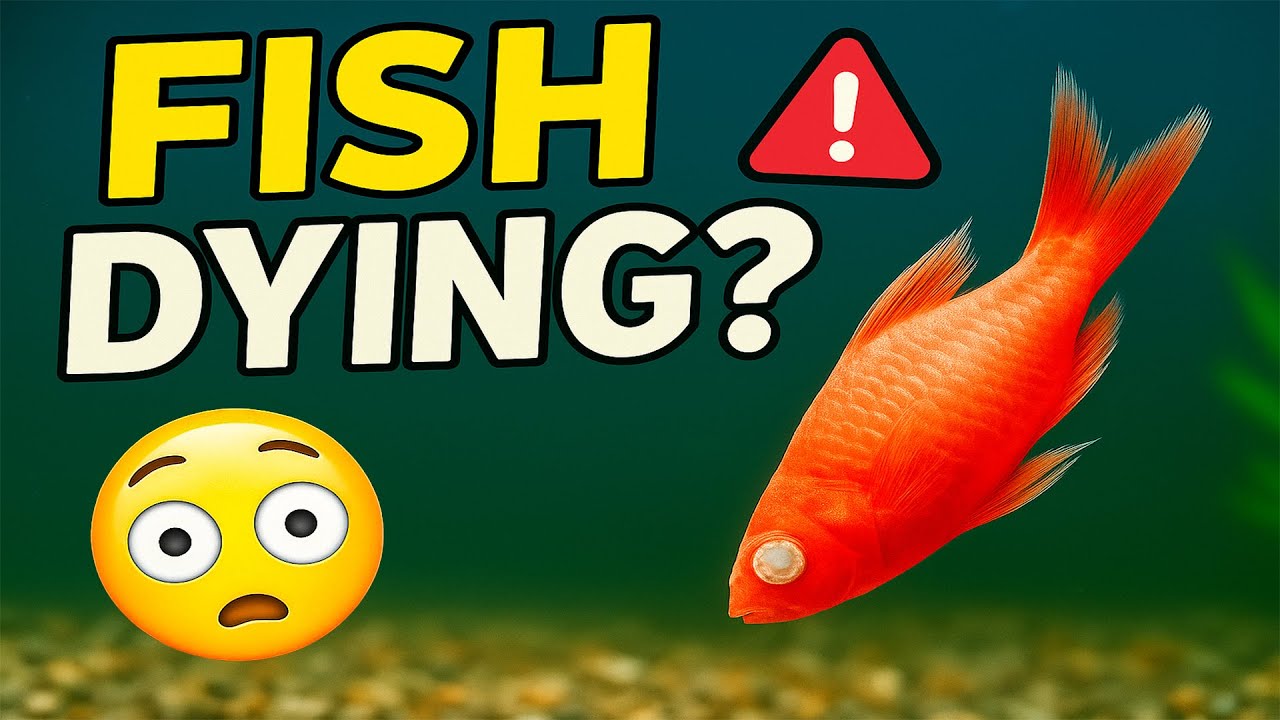

Your fish is hiding, not eating, or swimming weird — but is it sick? Or just stressed?
Most beginner fishkeepers miss the early signs of illness… and by the time they realize something’s wrong, it’s often too late. The result? Lost fish, cloudy tanks, and a lot of frustration.
But here’s the truth:
If you know what to watch for, you can spot and stop most aquarium diseases early.
Let’s explore the 5 most common signs your fish may be sick — and what to do about them.
Sign #1: Loss of Appetite
One of the clearest indicators that something’s off is when your fish stops eating.
🐟 Skipping meals occasionally is normal. But refusing food for more than 24–48 hours, especially for active species like guppies or tetras, is a red flag.
✅ Check water parameters, look for stressors, and isolate the fish if necessary.
Sign #2: Erratic Swimming
Sick fish often swim in strange ways — darting, spinning, floating sideways, or sinking to the bottom.
🧠 These behaviors can point to swim bladder issues, neurological problems, or even parasitic infections like velvet or ich.
✅ Reduce stress, dim the lights, and consider adding aquarium salt (if the species tolerates it) while diagnosing further.
Sign #3: Visible Symptoms on the Body
These are the “can’t miss it” signs — and they usually mean trouble is already progressing:
White spots (Ich)
Bloating or pineconing (Dropsy)
Torn fins or ulcers (Bacterial infections)
Clamped fins, red gills, cloudy eyes
🧪 According to a study in Journal of Aquatic Animal Health, early detection of physical symptoms significantly increases survival rates in tropical fish species.
✅ Act fast. Start treatment once you’re sure of the cause.
Sign #4: Rapid Gill Movement or Gasping at the Surface
This usually means your fish is struggling to breathe.
It could be due to low oxygen, poor water quality, ammonia burn, or even parasites.
✅ Check filter flow, add surface agitation (air stone or sponge filter), and test ammonia immediately.
Sign #5: Isolation, Hiding, or Sudden Aggression
Fish that suddenly separate from the group, hide constantly, or become aggressive out of nowhere might be sick — or trying to avoid stress.
🎯 Especially in community tanks, behavioral shifts are often early warnings.
✅ Monitor tankmates, lighting, and water conditions. Separate the fish if aggression escalates.
Bonus Tip: Prevention Is Always Easier Than Cure
Quarantine new fish for 2 weeks
Maintain a consistent tank cleaning schedule
Avoid sudden changes in temperature or pH
Don’t overfeed — uneaten food leads to disease
Use a test kit weekly to monitor ammonia, nitrite, and nitrate levels
Remember: The earlier you act, the more fish you save.
⏱️ Timestamps
0:00 – How to Spot Fish Illness Early (Beginner Guide)
0:16 – Why You Shouldn’t Ignore the First Signs of Fish Disease
0:38 – Sign #5: Loss of Appetite in Aquarium Fish
1:02 – Sign #4: Strange or Erratic Swimming Behavior
1:23 – Sign #3: Visible Symptoms Like White Spots or Bloating
1:43 – Sign #2: Rapid Gill Movement and Gasping at the Surface
2:00 – Sign #1: Isolation, Hiding, or Aggression in Sick Fish
2:21 – Bonus Tip: How to Prevent Fish Illness Before It Starts
2:35 – Recap + Share Your Sick Fish Experience
At FishTank Mastery, we don’t just teach fish care — we teach prevention. Our quick, no-fluff videos help you understand your tank before things go wrong.
Subscribe to our YouTube channel for smart, science-based advice that keeps your fish healthy, happy, and thriving 🐠
More Guides to Keep Your Fish Healthy and Stress-Free
Want to spot problems before they get worse? Avoid rookie errors with our Beginner Fish Tank Mistakes Guide. Keep aggression low by reading How to Stop Fish Fighting. For a stable tank environment, follow our Aquarium Nitrogen Cycle Guide. And if you’re unsure about stocking choices, check our Top 5 Aquarium Fish That Killed Their Tankmates.