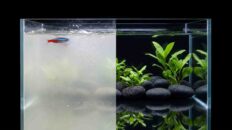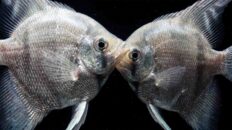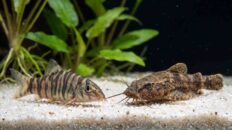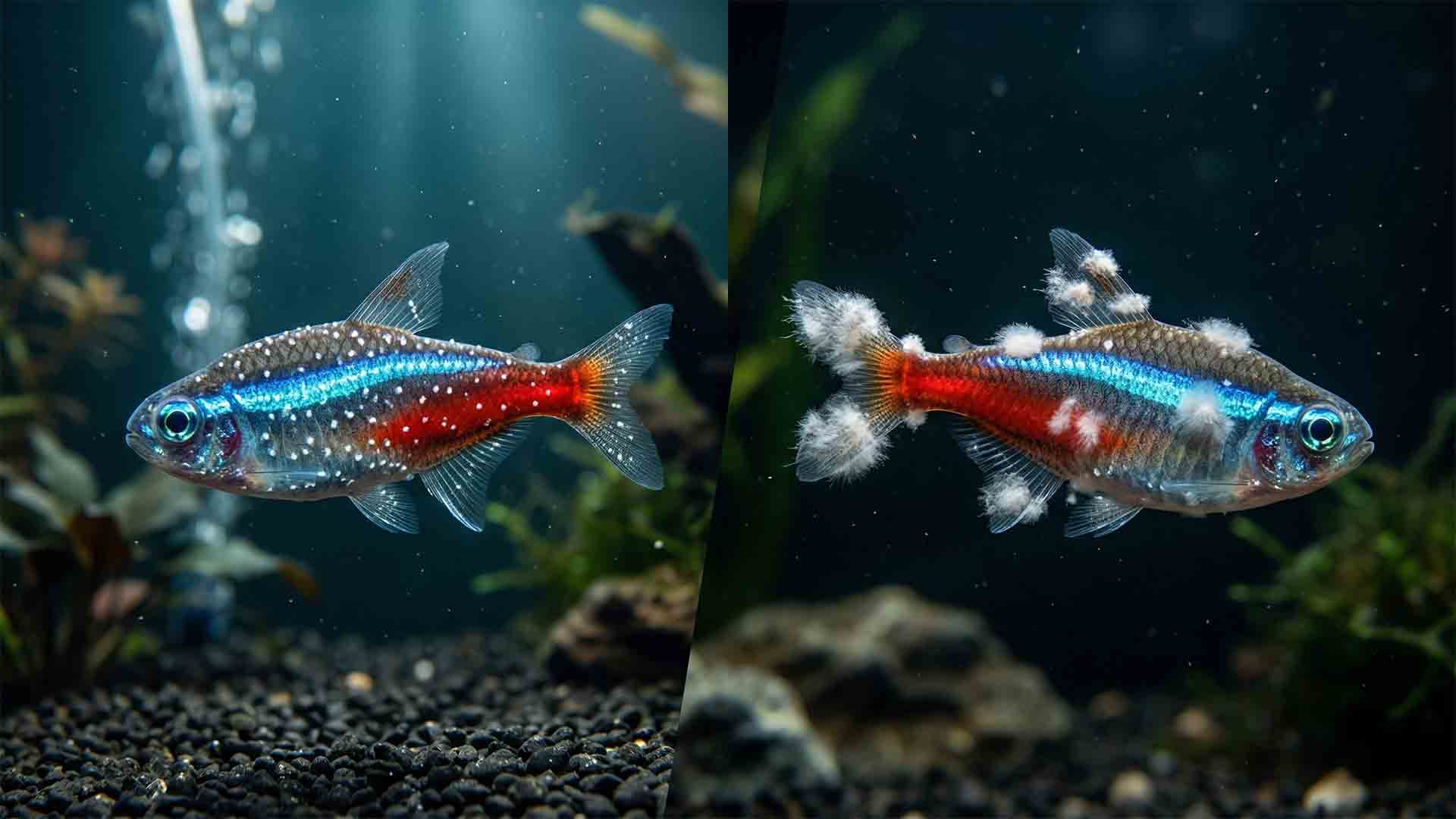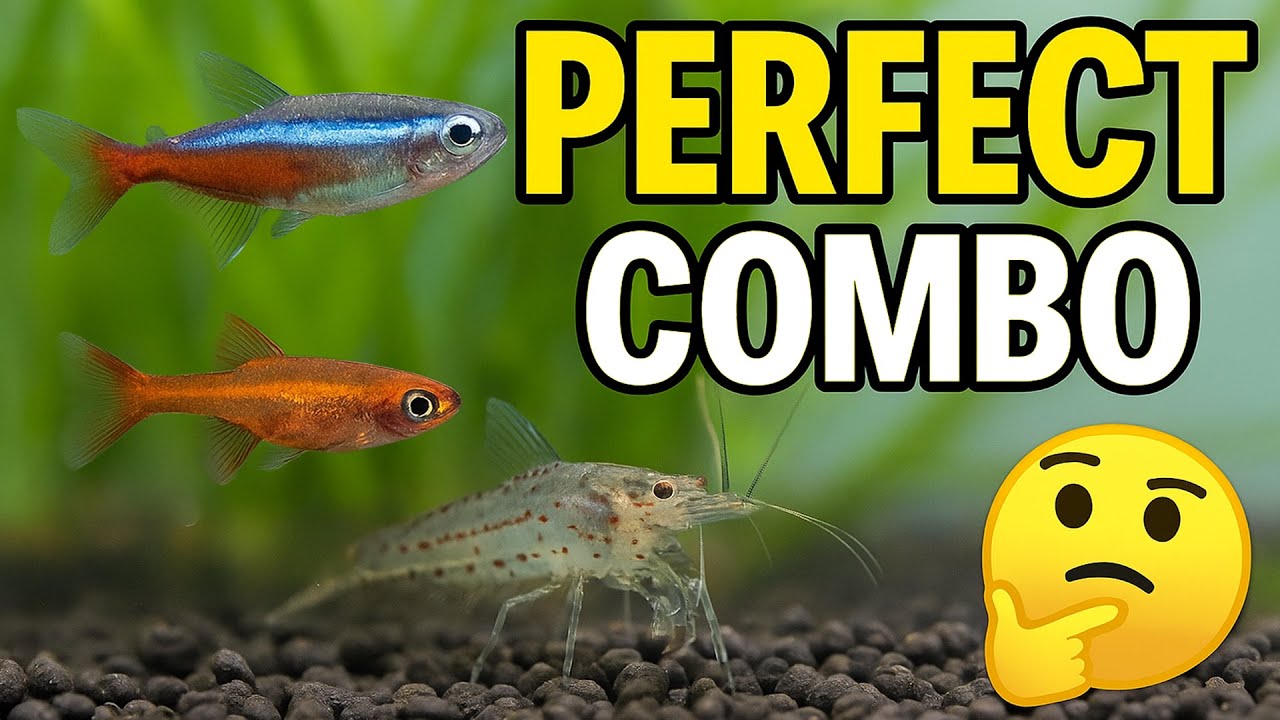

Peaceful fish turn aggressive in community tanks for a reason, and it’s almost never because you “bought a bad fish.” What most beginners experience as sudden chasing, fin nipping, and nonstop fighting is usually a pressure problem that quietly builds up after a few weeks. In this guide, we break down the real triggers behind aquarium aggression, explain the biology behind delayed behavior changes, and show you what to fix so the same fish can calm down again.
Watch the Full Trigger Breakdown (Video “Peaceful Fish Turn Aggressive”)
If you want the fastest results, watch the video first. Seeing the behaviors in real tanks makes the triggers obvious, and it will help you diagnose your own setup in minutes. This article expands the science, gives you checklists you can follow, and links you into a “fix chain” so Google readers land here and end up solving the whole system.
Why Peaceful Fish Change After They Settle In
Most community tanks feel calm at first because fish are still exploring, still stressed from transport, and still figuring out where they fit. Then the tank “settles,” and the pressure starts.
In biology terms, behavior is often delayed. A fish can tolerate stress for a while, then flip when one variable crosses a threshold. That threshold can be as simple as one feeding hotspot, one dominant sightline, one breeding cue, or one group ratio that never lets hierarchy stabilize.
So if your tank looked fine for weeks and then suddenly turned into chaos, you’re not crazy. You’re watching a pressure system finally reveal itself.
Peaceful Fish Turn Aggressive (The Real Root Cause)
Instead of asking, “Which fish did this?” ask, “What pressure did I accidentally build?” In most community tanks, aggression comes from five categories of pressure:
- Feeding pressure (one invisible food war)
- Line of sight pressure (constant visual dominance)
- Territory and space math (overlapping zones that never resolve)
- Hierarchy imbalance (group ratios that keep re-triggering chasing)
- Breeding mode (the overnight aggression switch)
Each one is fixable. But if you only fix one and ignore the rest, the tank still feels like a battleground.
| Cluster | Primary Intent | Example Queries |
|---|---|---|
| Diagnosis | Why it’s happening | peaceful fish turn aggressive, why are my fish fighting, aquarium aggression explained |
| Behavior Triggers | Identify the pressure | line of sight stress aquarium, feeding aggression aquarium, fin nipping cause |
| Fixes | Stop chasing now | how to stop fish chasing, how to stop fin nipping, stop aquarium aggression |
| Stocking and Ratios | Prevent re-trigger | community tank aggression, male female ratio fish aggression, schooling fish fighting |
| Prevention | Build stable tank | how to prevent aquarium aggression, peaceful community tank tips |
Scientific Truths Behind Aquarium Aggression
Truth 1: Social context changes stress chemistry
In group-living animals, “stress” is not just a feeling. It is a measurable physiological state. In fish, social conditions can change cortisol levels, behavior, and coping strategies. When a community tank creates constant confrontation, fish don’t simply “get used to it.” Many become more reactive and less tolerant over time, which is why aggression can escalate even when water tests look normal.
If you want a science-backed starting point, research on social buffering in fish shows that group conditions can reduce stress in stable social environments, but unstable social conditions do the opposite. That matters because your aquarium is basically a closed social experiment that you control.
Read the study: Social buffering of stress in a group-living fish (Royal Society)
Truth 2: Environmental structure can reduce aggression
In plain tanks, dominant fish can maintain constant visual control. That is pressure. In the wild, fish break sightlines with plants, roots, rocks, and depth changes. In a glass box with open lanes, a dominant fish can “own” the whole middle water column just by being visible.
Research across captive housing and enrichment repeatedly shows that environment and spatial structure change behavior. Practically, this means your hardscape and plant placement can be an aggression tool, not just decoration.
Read the research context: Spatial enrichment and behavior outcomes in captive fish (Biology Open)
Truth 3: Competition for resources drives conflict
Most aggression is not “random aggression.” It is competition disguised as personality. Food, territory, mates, and safe zones are all resources. When your tank creates a single feeding hotspot, it turns your aquarium into a daily competition test.
Studies on animal contests and resource competition consistently show that aggressive behavior tracks limited resources. In aquarium terms, “limited resources” can mean one feeding spot, one cave, one surface zone, or one high-flow lane that fish prefer.
Read a behavior reference: Aggression and resource competition in contests (Ethology)
What to Avoid (The 7 Mistakes That Create Pressure)
This is where most beginner advice fails. People try to solve aggression by changing fish. But pressure comes from habits and layout decisions. Avoid these seven pressure multipliers:
- One feeding zone that forces every fish into the same collision point.
- Open sightlines with no tall plants, wood, or rocks breaking view.
- Territory overlap created by symmetrical decor that looks nice but doesn’t separate zones.
- Wrong group ratios that keep hierarchy unstable, especially in semi-aggressive community species.
- Rushed stocking that forces fish to establish dominance while bacteria and plants are still unstable.
- Overcleaning that creates “sterile tank syndrome” and repeated mini-crashes that amplify stress behavior.
- Chasing perfect numbers while ignoring stability, flow, and visibility triggers.
How to Fix It (Do This Instead “Peaceful Fish Turn Aggressive”)
1) Fix feeding pressure (end the invisible food war)
Spread food across the entire surface, not one corner. Use multiple drop points. If you have bottom feeders, feed them after lights dim or use feeding tubes so midwater fish can’t dominate the entire meal.
The goal is simple: remove the daily “winner takes all” pattern. The video shows what this looks like in real tanks, and why it works.
2) Break line of sight (stop visual dominance)
Stop placing decor symmetrically like a living room. Symmetry organizes sightlines. It doesn’t break them. Use tall plants, wood, and hardscape to create three visual zones: left, center, right. Give fish a way to disappear from each other’s view.
If you’re building a planted tank, this is where your plant choices become behavior tools, not just aesthetics.
3) Fix territory math (make space feel bigger)
“Big enough” can still feel crowded if territories overlap. Fish don’t measure gallons. They measure lanes, corners, surfaces, and safe zones. Create at least two separate “priority spaces” so one fish can’t claim the whole tank as a single zone.
4) Stabilize the hierarchy (group ratios matter)
Many community fish only look peaceful when their social math is correct. If ratios are off, chasing never settles. This is one of the most common reasons a tank stays chaotic for months.
The video breaks down the group dynamics and why some tanks never calm down until the ratio problem is fixed.
5) Watch for breeding mode (the overnight switch)
Breeding changes everything. A fish that ignored others yesterday may defend a zone aggressively today because a spawn site exists. If aggression appears suddenly, look for nesting behavior, pair formation, or guarding patterns. Then remove the trigger: adjust decor, remove the site, or separate the fish if needed.
People Also Ask (Questions “Peaceful Fish Turn Aggressive”)
Why do peaceful fish suddenly become aggressive?
Most “sudden” aggression is delayed pressure. Once fish settle in, feeding competition, visibility stress, territory overlap, unstable hierarchy, or breeding cues can push behavior past a threshold.
Why are my fish chasing each other in a community tank?
Chasing is often dominance testing or resource control. If your tank has one feeding zone, open sightlines, or cramped lanes, fish chase to control space and access.
How do I stop fin nipping fast?
Reduce light intensity or duration temporarily, increase plant cover, spread feeding across multiple locations, and remove the worst offender if damage is escalating. Then fix the root trigger so it does not return.
Can a bigger tank stop aggression?
A bigger tank can delay conflict, but it does not remove triggers like sightline dominance, breeding mode, or unstable social ratios. Layout and social structure matter as much as volume.
Do plants reduce aggression in aquariums?
Yes. Plants and hardscape break line of sight, create micro-territories, and give fish safe retreat zones. This lowers constant visual pressure and often reduces chasing.
Why do fish fight more after adding new fish?
New fish reset social hierarchy. If your existing setup already had pressure, adding fish increases competition and triggers dominance testing. Quarantine and staged introductions help, but layout and feeding patterns are still the core fix.
Peaceful Fish Turn Aggressive FAQ (Beginner-Friendly, Detailed)
Is aggression always a sign the fish is “too aggressive” for community tanks?
No. Some fish truly are incompatible, but most community aggression is environmental. If you change the trigger, the same fish often calms down. That’s why this is a pressure model, not a personality model.
Should I rehome the aggressive fish immediately?
If there is severe fin damage, constant cornering, or a fish cannot eat, separate immediately. But in many cases, the fastest long-term win is fixing feeding pressure and sightlines first, then reassessing behavior over one to two weeks.
Can overcleaning really cause more fighting?
Yes. Overcleaning can destabilize beneficial bacteria and create repeated small stress events. Fish often become more reactive in unstable systems. Stable biology supports stable behavior.
What is the best “first fix” if I can only do one thing today?
Break line of sight. Add tall plants or hardscape to create separate visual zones. Then change feeding to multiple points. Those two fixes alone often reduce chasing quickly.
Do water parameters matter for aggression?
Yes, but not in the way beginners think. Sudden changes in temperature, pH swings, or low oxygen can amplify stress and aggression. Stability and oxygenation are often more important than chasing a perfect number.
How long should it take for the tank to calm down?
If you removed the trigger, you often see improvement in days, and a noticeable calm-down within two to three weeks. If nothing changes, the trigger is still present or the stock list is incompatible.
Hub and Spoke “Peaceful Fish Turn Aggressive”
If you’re here because your community tank is turning into a war zone, the next step is to build a full stability chain. Start by understanding compatibility problems that look “peaceful” in stores but fail long-term. Our guide Community Fish to Avoid and Peaceful Alternatives breaks down the exact mismatch patterns that cause chasing, stress, and fin nipping, even when every fish is labeled “community safe.”
Then tighten your baseline aggression knowledge so you can spot red flags before you buy. The article Top 10 Most Aggressive Aquarium Fish helps you identify species that create dominance loops in beginner tanks, and explains why “calm juveniles” can become very different adults.
Finally, if your aggression problem is part of a bigger pattern of recurring tank issues, fix the habits that quietly collapse stability. This is where the “Stop Doing” chain matters. The guide Top 7 Aquarium Products You’ll RegRET Buying is a surprisingly useful companion because it shows why buying more gear rarely fixes pressure problems if habits and layout are wrong.
Scientific References “Peaceful Fish Turn Aggressive”
1) Social stress and group conditions: When social conditions are stable, some fish show reduced stress responses, but unstable social pressure can elevate stress chemistry and change behavior over time. Read the study
2) Environment and enrichment affect behavior: Captive housing conditions and spatial enrichment influence behavior and stress outcomes, supporting the idea that layout and structure change aggression pressure. Read the research context
3) Competition drives conflict: Aggressive interactions often track competition for limited resources like food and space, which maps directly onto aquarium feeding hotspots and territory overlap. Read the reference
Watch Next
If this problem felt familiar, do not stop here. Aggression is rarely the only pressure in the system. Keep the fix chain going with these guides:
- These Peaceful Fish TURN AGGRESSIVE
- 7 Aquarium Mistakes to STOP Doing Now (And What to Do Instead)
- Top 5 Aquarium Fish You’ll Regret Buying
- Realistic Aquarium Alternatives to Aggressive Monster Fish
When you stop blaming the fish and start adjusting pressure, community tanks become calm, predictable, and fun again. If you want the step-by-step trigger diagnosis, watch the video at the top and apply the fixes in order.