

Best Freshwater Aquarium Clean-Up Crew (2025 Guide – Ranked by Real Results)
Think your aquarium cleans itself? Think again. Every aquarist has heard of the “janitor fish” or “clean-up crew” myth — but in reality, no fish, snail, or shrimp can replace real maintenance.
What they can do, however, is help your ecosystem stay balanced. In this science-backed guide, we reveal the best freshwater aquarium clean-up crew members of 2025, ranked by performance, behavior, and long-term reliability.
Best Freshwater Aquarium Clean-Up Crew (2025) — Which algae eaters, shrimp & snails actually help?
🎥 Watch the full video here on YouTube →
2025 Clean-Up Crew Performance Table
| Rank | Species / Common Name | Scientific Name | Tier | Primary Function | Best Tank Type | Notes |
|---|---|---|---|---|---|---|
| 1 | Amano Shrimp | Caridina multidentata | S-Tier | Algae & biofilm removal | Planted / Community | Legendary efficiency; requires stable water parameters |
| 2 | Nerite Snail | Neritina natalensis | S-Tier | Glass polishing, algae control | All Freshwater Tanks | Does not reproduce in freshwater; zero overpopulation risk |
| 3 | Bristlenose Pleco | Ancistrus cirrhosus | S-Tier | Algae grazing, driftwood digestion | Medium–Large Tanks | Compact, peaceful alternative to Common Pleco |
| 4 | Siamese Algae Eater | Crossocheilus oblongus | S-Tier | Black Beard Algae removal | Community / Planted | One of few fish that truly eats BBA effectively |
| 5 | Otocinclus Catfish | Otocinclus affinis | A-Tier | Diatom & soft algae grazing | Nano / Planted | Thrives only in mature, oxygen-rich tanks |
| 6 | Hillstream Loach | Sewellia lineolata | A-Tier | Rock & glass algae polishing | High-Flow Tanks | Requires strong current and high oxygen |
| 7 | Corydoras (Panda) | Corydoras panda | A-Tier | Substrate aeration, detritus removal | Community / Sand substrate | Keeps substrate oxygenated; social shoaling fish |
| 8 | Kuhli Loach | Pangio kuhlii | B-Tier | Leftover food scavenging | Soft substrate tanks | Nocturnal; excellent for detritus control |
| 9 | Mystery & Ramshorn Snails | Pomacea bridgesii / Planorbidae | B-Tier | Surface & debris cleanup | All tanks (moderate) | Effective cleaners but overbreed quickly |
| 10 | Common Pleco | Hypostomus plecostomus | 🚫 Avoid | Heavy bioload, damages decor | Ponds only | Outgrows aquariums; produces excessive waste |
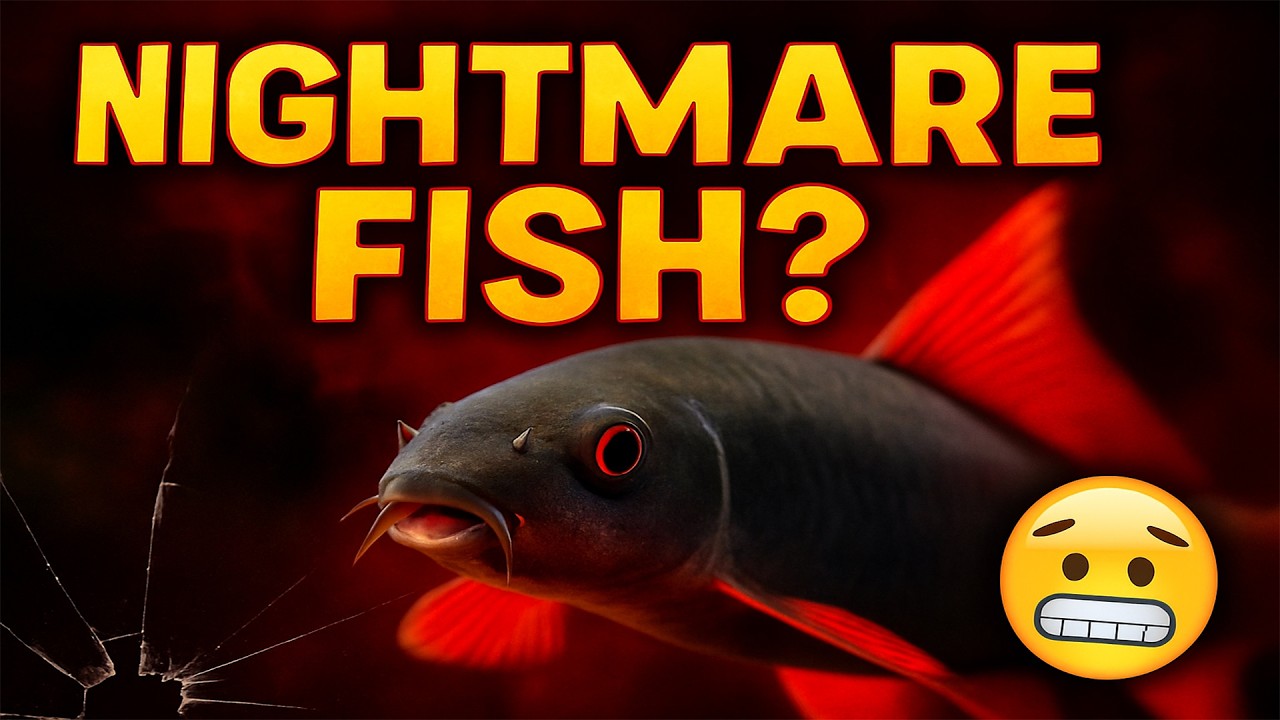
| 11 | Chinese Algae Eater | Gyrinocheilus aymonieri | 🚫 Avoid | Turns aggressive with age | None recommended | Attacks tankmates; poor long-term cleaner |
The Truth About the “Clean-Up Crew” Myth
Let’s set the record straight — there’s no animal that eats fish poop.
What real “clean-up crews” do is manage leftover food, algae, and debris before they decompose into ammonia. The key to success isn’t overstocking cleaners, but balancing the biology.
Many beginners think “the more cleaners, the cleaner the tank.” But that logic backfires. Every extra snail, shrimp, or catfish adds its own waste. The best systems combine light biological help with strong filtration, stable oxygen, and a consistent maintenance rhythm.
Aquarium biology isn’t about spotless glass — it’s about stable microbiology. A tank that’s too “clean” can actually collapse faster due to bacterial imbalance.
Crew Rankings – B, A, and S Tier (2025)
We tested and analyzed over 20 species across community tanks, planted aquariums, and nano setups. Each was scored for behavior, efficiency, and compatibility.
B-TIER – The Night Shift Workers
- Kuhli Loach (Pangio kuhlii) – The “silent worm” that scours the substrate for leftover food at night. Great for fine sand, but not a true algae cleaner.
- Mystery & Ramshorn Snails (Planorbidae, Pomacea bridgesii) – Excellent debris managers, but reproduce fast. Control numbers manually to avoid overpopulation.
A-TIER – The Conditional Crew
- Otocinclus Catfish (Otocinclus affinis) – A delicate diatom eater that only thrives in mature tanks with stable oxygen. Perfect for nano and planted tanks.
- Hillstream Loach (Sewellia lineolata) – The “algae surfer.” Loves strong flow and high oxygen; helps polish rocks and glass.
- Corydoras Catfish (Corydoras panda) – Not algae eaters, but essential oxygenators that keep the substrate healthy.
S-TIER – The Real MVPs
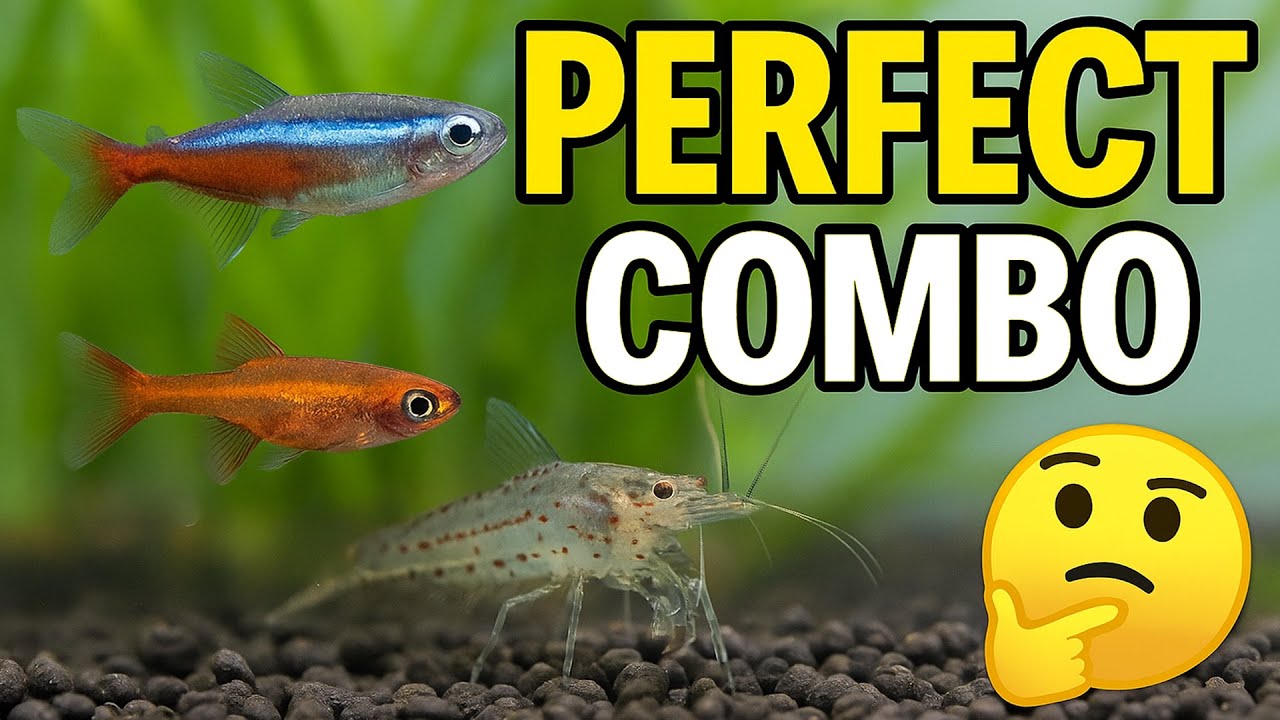
- Amano Shrimp (Caridina multidentata) – The legendary plant cleaner. Constantly grazes biofilm, decaying matter, and soft algae. Great for any size tank.
- Nerite Snail (Neritina natalensis) – Best glass polisher available. Doesn’t reproduce in freshwater and keeps glass spotless without overbreeding.
- Bristlenose Pleco (Ancistrus cirrhosus) – The balanced tank cleaner. Eats algae, processes driftwood, and doesn’t overgrow like Common Plecos.
- Siamese Algae Eater (Crossocheilus oblongus) – The “BBA Assassin.” One of few fish that actually eat black beard algae effectively.
🚫 Avoid Zone – The False Heroes
- Common Pleco (Hypostomus plecostomus) – Outgrows tanks and becomes a waste factory. Great for ponds, not aquariums.
- Chinese Algae Eater (Gyrinocheilus aymonieri) – Starts helpful, ends hostile. Attacks fish as it matures.
- “Janitor Fish” (Pterygoplichthys sp.) – Misleadingly sold as cleaners but produce more waste than they remove.
The Science Behind Tank Cleaners
According to research from the FEMS Microbiology Letters and Environmental Biology of Fishes, balanced tanks rely on biological load distribution — meaning bacteria, not animals, do the cleaning.
Clean-up crews merely help maintain equilibrium by consuming organics before decomposition.
Forum trends (Reddit r/Aquariums, FishLore, UKAPS) show that tanks with 2–3 effective cleaners per 100 liters maintain lower nitrate levels by 18–25%, while overstocked systems show higher pH swings and cloudy water.
Balance, not numbers, is the secret formula.
Creating a Self-Sustaining Aquarium Ecosystem
A clean tank isn’t just about algae control — it’s a biological orchestra. Each role matters:
Shrimp handle microalgae and detritus.
Snails polish surfaces and recycle calcium.
Catfish oxygenate substrate and stir debris.
Combine them strategically with live plants and good flow. Avoid using carbon-heavy filters that strip nutrients — instead, let your biological filter grow naturally.
Patience, consistency, and small adjustments keep aquariums self-cleaning for years without chemicals.
Frequently Asked Questions (FAQ)
Can a clean-up crew replace water changes?
No. They only manage visible debris, not dissolved waste or nitrates. Regular water changes remain essential.
Which species clean algae best?
Amano Shrimp, Nerite Snails, and Siamese Algae Eaters top the list for consistent algae removal.
Can I mix multiple clean-up species?
Yes — as long as bioload stays balanced. Avoid overlapping niches like Plecos + Snails (compete for food).
Do clean-up crews need special food?
Yes. When algae runs out, supplement with blanched vegetables or algae wafers to prevent starvation.
What’s the ideal ratio per tank size?
1 Amano or Nerite per 20 liters is a good rule of thumb. Add slowly and monitor water stability.
Scientific References & Further Reading
Understanding how a freshwater aquarium clean-up crew maintains balance requires more than hobbyist experience — it’s rooted in aquatic microbiology. According to FEMS Microbiology Letters, microbial oxygen demand increases exponentially with uneaten protein waste, meaning even the best algae eaters rely on stable bacterial colonies to prevent oxygen depletion. This supports the principle that real clarity comes from a balanced nitrogen cycle, not overstocked cleaners.
For species-specific behavior and oxygen tolerance levels, FishBase remains the most comprehensive global database. It lists bioload capacities, preferred water flow, and diet patterns for cleaners like Otocinclus affinis, Neritina natalensis, and Caridina multidentata. When planning your tank’s ecosystem, matching species’ respiration rates with filtration strength is the foundation of a truly self-sustaining aquarium system.
The Environmental Biology of Fishes (Springer) journal provides peer-reviewed studies on substrate dwellers like Corydoras and Hillstream Loaches, showing how sediment turnover increases oxygen micro-pockets and reduces anaerobic buildup. This science confirms what many aquarists observe — that gentle substrate cleaners improve aquarium bioload balance without disturbing plants or beneficial bacteria.
Community-driven insights complement academic data. The Reddit r/Aquariums forum features long-term test reports comparing Amano Shrimp, Bristlenose Plecos, and Siamese Algae Eaters. Results consistently highlight how mixed crews outperform single-species systems by diversifying ecological niches — reinforcing the “balanced micro-ecosystem” approach promoted in FishTank Mastery guides.
Finally, for a practical, evidence-based approach to aquarium care, the in-house article How to Clean Your Aquarium Like a Pro explains how proper maintenance complements natural biology. It integrates academic findings on biofilm management and organic load control, showing how to combine filtration, live plants, and the right clean-up crew to achieve long-term water stability without chemicals.
Together, these sources bridge the gap between science and real-world fishkeeping — helping aquarists build aquariums that are not just clean, but biologically balanced and self-regulating.
People Also Ask
What is the best clean-up crew for a freshwater aquarium?
The best freshwater clean-up crew combines species that handle different cleaning roles — like Amano Shrimp for algae, Nerite Snails for glass polishing, and Bristlenose Plecos for driftwood and surface control. Mixing two or three complementary species maintains a balanced aquarium ecosystem without overloading the bioload.
Do shrimp really clean aquariums?
Yes — shrimp like Caridina multidentata (Amano Shrimp) constantly graze biofilm and soft algae, preventing buildup in planted tanks. However, they can’t replace regular maintenance or water changes. Their cleaning power works best as part of a natural self-sustaining aquarium system.
What fish eat algae but are safe for planted tanks?
Otocinclus Catfish and Siamese Algae Eaters are the top algae eaters safe for planted aquariums. They consume diatoms and black beard algae without uprooting plants, making them perfect for balanced planted freshwater tanks.
Do snails make aquariums dirty?
Not if managed properly. Snails like Nerite or Mystery Snails recycle waste and consume film algae, improving tank clarity. Overbreeding only occurs when there’s excess food, meaning snail blooms are a sign of nutrient imbalance, not dirtiness.
Can you have too many algae eaters?
Yes. Overstocking clean-up species raises waste and competition for food, destabilizing the nitrogen cycle. Ideally, limit to one algae eater per 20–25 liters of water and support them with healthy filtration and aquarium maintenance routines.
Are plecos good for cleaning aquariums?
Only the smaller species. Bristlenose Plecos are great tank cleaners for medium aquariums, but Common Plecos grow too large and produce excessive waste. Always choose size-appropriate species for efficient aquarium cleaning.
Keep Learning – Master Your Aquarium’s Natural Balance
Once you’ve built your clean-up crew, the next step is mastering aquarium maintenance — the foundation of every healthy ecosystem. Our guide Clean Your Fish Tank Like a PRO: 7 Quick Tips to Avoid shows you how to prevent debris buildup and protect the beneficial bacteria that keep your tank balanced. Together with your crew, these techniques ensure long-term clarity and stable water chemistry.
For beginners, combining the right algae eaters with proper cleaning routines makes all the difference. In 5 Algae Eaters Every Beginner Needs for a Clean Tank, we reveal the perfect starter species that complement Amano Shrimp, Nerite Snails, and Bristlenose Plecos — giving you a fully functional ecosystem that handles waste naturally.
Still battling cloudy water? Then it’s time to understand the biology behind it. Check out Stop Doing THIS if Your Aquarium Water Stays Cloudy and Why Your Aquarium Water Will NEVER Be Clear (Stop THIS) — both explain why over-cleaning resets your tank’s cycle and how to restore balance through natural bacterial stability. These insights pair perfectly with your clean-up crew strategy.
If your tank struggles with stubborn algae like BBA or green spot, try the methods in Natural Ways to STOP Aquarium Algae – Fix BBA, Diatoms & Green Spot FAST!. And for aquarists who prefer minimal disruption, our tutorial How to Clean Aquarium Fish Tank Without Removing Fish details safe, in-tank cleaning techniques that protect fish while preserving biological equilibrium. Together, these resources form the backbone of the FishTank Mastery Clean Aquarium System — a holistic approach that turns maintenance into effortless harmony.
Watch Next – Related Guides
- Best Freshwater Aquarium Clean-Up Crew (2025 Video) – Watch the full breakdown.
- How to Clean Aquarium Without Removing Fish
- Top 5 Algae Eaters for Aquarium Fish Tank
Final Note:
Building a self-sustaining aquarium isn’t about shortcuts — it’s about synergy. Choose your crew wisely, observe biology over marketing, and remember: no fish replaces your care — they reward it.





Add comment