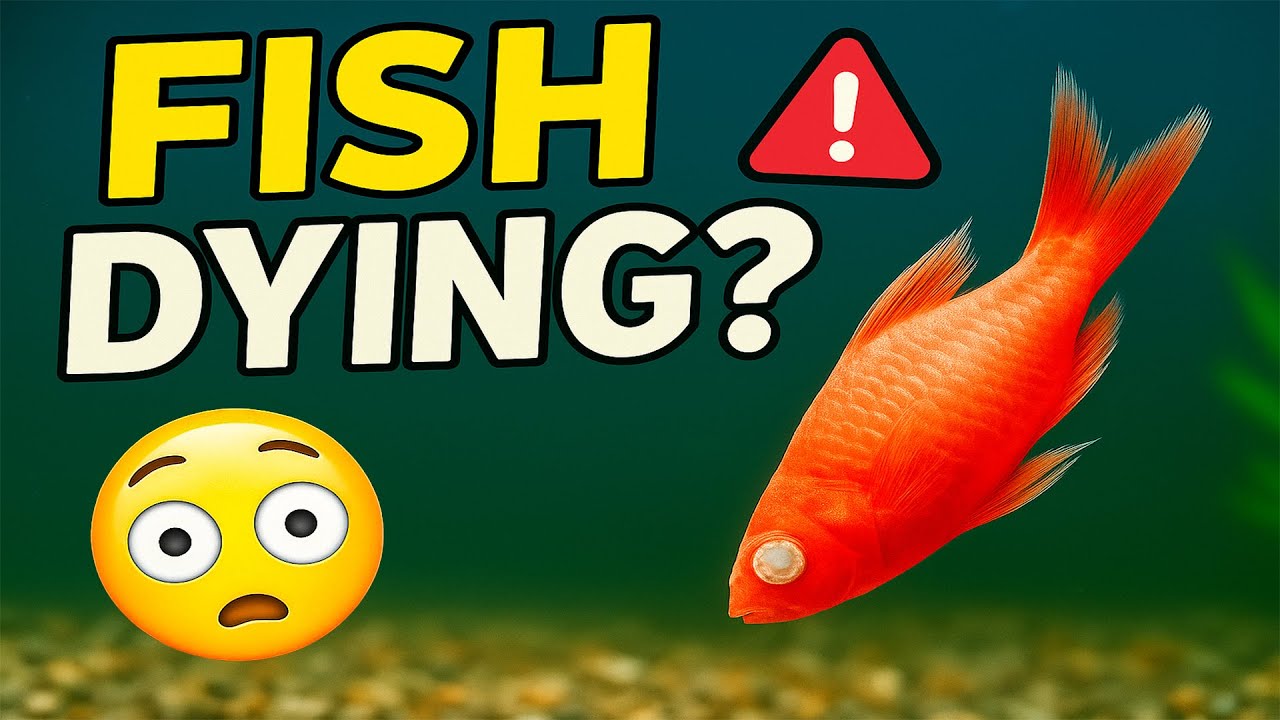
Fish dying after water change is one of the most confusing and emotionally draining experiences in aquarium keeping. You do what every guide tells you to do. You clean the tank. You change the water. Everything looks fine. And then, hours or days later, your fish start acting strange — or worse, they start dying.
The water is clear. There is no smell. Tests may even look “acceptable.” Yet something is clearly wrong.
This is not bad luck. And it’s not because water changes are evil. It’s because most people misunderstand what actually happens inside a closed aquarium system when water is replaced too fast, too much, or at the wrong time.
The Pattern Most Fish Keepers Experience (But Don’t Understand)
The story usually goes like this:
- You perform a water change to “help” the tank
- Fish look fine at first
- Within 6–48 hours, fish become lethargic, hide, gasp, or clamp fins
- Deaths happen suddenly and seem random
This delayed reaction is the key detail most people miss. The damage does not happen instantly. It accumulates quietly, then shows itself once the fish can no longer compensate.

The Big Misbelief: Clean Water Equals Safe Water
One of the most dangerous aquarium myths is that clear water means healthy water.
Visual clarity tells you almost nothing about oxygen stability, osmotic balance, or chemical shock. Fish do not respond to what water looks like. They respond to what it does at a cellular level.
This is why tanks can look perfect and still fail right after a water change.
A lot of these myths come from retail-style advice that optimizes for “today,” not long-term biology. If you want a deeper breakdown, see Pet Store Lies That Kill Beginner Fish Tanks.
The Real Biology Behind Fish Deaths After Water Changes
Several invisible biological processes can stress or kill fish after water changes. They often happen together.
1) Osmotic Shock
Fish constantly regulate salt and water inside their bodies. Sudden changes in mineral content, hardness, or dissolved solids force their cells to work overtime. Even when temperature matches perfectly, osmotic shock can quietly damage organs and gills.
2) Temperature Micro-Shifts
A difference of just 1–2°C may not feel dramatic to you, but to fish it can mean rapid metabolic stress. When combined with other changes, this becomes dangerous.
3) Oxygen Instability
Fresh tap water often holds less dissolved oxygen than mature aquarium water. Large or fast water changes can temporarily reduce oxygen levels, especially overnight, when plants and bacteria are already consuming oxygen.
4) Chlorine and Chloramine Timing
Even when dechlorinator is used, timing matters. Fish exposed briefly to untreated or unevenly mixed water can suffer gill irritation that does not show immediate symptoms.
5) Biofilm and Bacterial Disruption
Water changes can disturb biofilms on surfaces and inside filters. This shifts bacterial populations and temporarily weakens biological filtration, leading to subtle ammonia or nitrite stress.
None of these issues necessarily kill fish instantly. They create stress debt. Death happens later.
What NOT to Do When Fish Start Dying After a Water Change
Most damage happens because of panic responses.
- Doing another massive water change
- Adding random chemicals to “fix” the problem
- Overfeeding to “help fish recover”
- Deep-cleaning the substrate and filter together
- Constantly chasing perfect test numbers
Each of these actions adds more instability to an already stressed system.
If your tank keeps swinging between “fixes” and crashes, this guide pairs well with STOP Doing These 7 Aquarium Mistakes because most deaths after water changes are caused by panic routines, not one single mistake.

Safe Action Plan: What Actually Helps
This approach focuses on stabilizing the system instead of forcing fast fixes.
Step 1: Stop Major Interventions
Pause water changes for a few days unless ammonia is dangerously high. Let the system settle.
Step 2: Increase Oxygen Gently
Add surface agitation or adjust filter output to improve gas exchange without disturbing the tank.
Step 3: Observe Fish Behavior, Not Water Appearance
Look for breathing rate, posture, balance, and interaction — not just clarity.
Step 4: Resume Smaller, Slower Water Changes
When you restart, use smaller percentages and pour water slowly to avoid sudden chemistry shifts.
Step 5: Reduce Feeding Temporarily
Lower feeding reduces waste and gives stressed fish a metabolic break.
Why This Happens More in “Well-Maintained” Tanks
Ironically, tanks that are cleaned aggressively often experience this problem more than neglected ones.
Frequent large water changes, heavy cleaning, and constant adjustments prevent the system from developing resilience. Stability comes from consistency, not perfection.
This same pattern shows up in feeding routines as well. If feeding has been heavy, read this next: Overfeeding Aquarium Fish: Stop Tank Problems Fast.
If you prefer seeing these concepts explained visually, our FishTank Mastery YouTube channel breaks down real-world aquarium failures and recovery patterns using actual tanks, not theory alone.
FAQ: Fish Dying After Water Changes
Is it normal for fish to act stressed after a water change?
Mild stress can happen, but severe or prolonged stress is a sign of instability, not a normal reaction.
Can water changes kill fish even if temperature matches?
Yes. Osmotic shifts, oxygen changes, and chemical timing matter as much as temperature.
How soon can fish die after a bad water change?
Deaths often occur 6–72 hours later due to delayed stress and organ damage.
Should I stop water changes completely?
No. You should adjust size, speed, and frequency — not eliminate them.
Scientific Insight: Why Water Changes Can Trigger Delayed Fish Death
Scientific research shows that aquatic organisms respond strongly to rapid environmental changes, even when those changes appear minor.
The United States Environmental Protection Agency (EPA) explains that chloramine and chlorine exposure can cause gill damage and oxygen uptake problems, sometimes with delayed effects.
According to freshwater stress studies summarized by the U.S. Geological Survey (USGS), sudden shifts in dissolved solids and oxygen availability can disrupt fish homeostasis and immune response.
University-based aquaculture research, including material referenced by University of Missouri Extension – Fisheries & Aquaculture, confirms that gradual environmental changes dramatically reduce mortality compared to abrupt adjustments.
These findings support what experienced aquarists observe: fish often survive stress initially, then decline once cumulative damage overwhelms their ability to recover.
Closing: Stability Beats Cleanliness
Fish do not need perfect water. They need predictable water.
If your fish are dying after water changes, the solution is rarely “do more.” It is almost always “slow down.” Smaller changes, calmer routines, and fewer panic reactions give fish time to adapt.
A boring aquarium is usually a healthy aquarium. And that is exactly what you should aim for.