
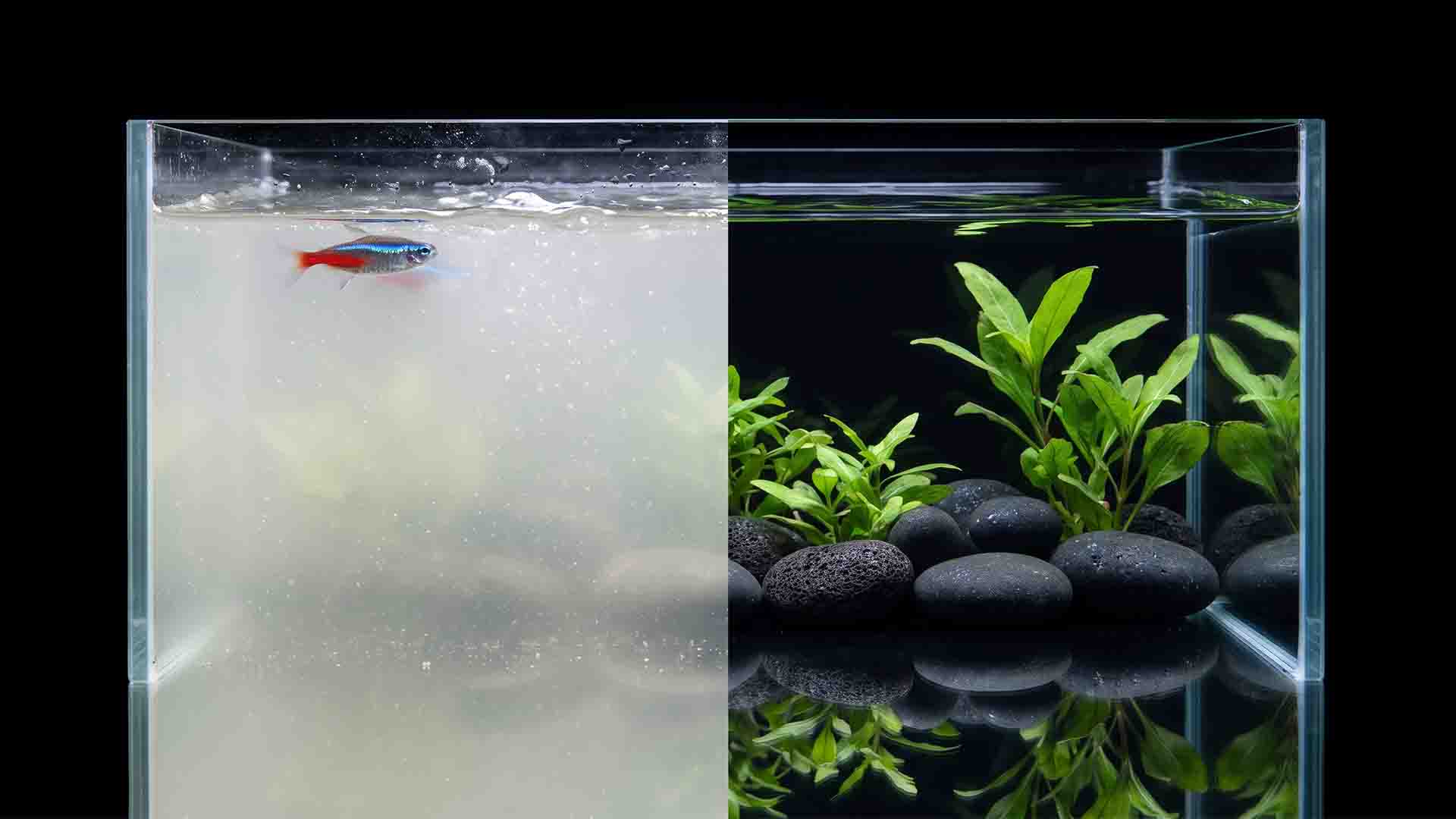
Learning how to clear cloudy aquarium water fast without crashing your biological filter requires breaking the panic reflex that ruins modern freshwater setups. That dense, milky white haze greeting you in the morning is not dirt, unwashed gravel dust, or a sign that you neglected routine maintenance. In over ninety percent of cases, you are looking at an explosive population boom of free-floating heterotrophic bacteria consuming dissolved organic compounds in your water column. When beginners spot this underwater fog, their immediate instinct is visual panic: they drag out the siphon hose, execute massive back-to-back water changes, scrub every filter sponge until it sparkles, and pour in chemical clarifiers. Every single one of those actions does not clean the aquarium. It resets your nitrogen cycle back to day zero, strips away slow-growing beneficial autotrophs, and traps your aquatic ecosystem in a permanent biological debt loop.
At FishTank Mastery, we discard the retail sales scripts and dismantle the myths that keep hobbyists trapped in recurring cloudiness. Real water clarity is not something you buy in a plastic bottle or force through constant scrubbing. It is the natural by-product of biological equilibrium, surface-anchored biofilms, and microbial succession. In this first part of our comprehensive masterclass, you will uncover the microscopic war between heterotrophic and autotrophic bacteria, understand why emergency water changes actively fuel the haze, and master the 60-minute White Mug Test to accurately diagnose your water before touching a single piece of equipment.
Watch our step-by-step diagnostic breakdown above before modifying your filtration or adding conditioners. Observing how bacterial blooms interact with surface agitation, lighting, and fish respiration in real setups will help you avoid the costly mistakes that turn a temporary biological cloud into an emergency tank crash.
The Anatomy of the Fog: Heterotrophic Dominance vs. Autotrophic Nitrifiers
To fix cloudy water permanently, you must first understand the cellular mechanics operating inside your closed glass box. Most beginners treat bacteria as a single, uniform entity. In reality, your aquarium is governed by two radically opposed microbial factions competing for resources: planktonic heterotrophs and sessile autotrophs. When your water turns into a glass of skimmed milk overnight, you are witnessing an ecological event known as Heterotrophic Dominance.
Heterotrophic bacteria are the primary decomposers of your aquatic ecosystem. Their sole biological purpose is to break down complex organic carbon: decaying fish waste, microscopic uneaten flake particles, plant melt fragments, and dissolved organic carbon (DOC). Because organic fuel sources yield tremendous metabolic energy, heterotrophs reproduce at an astonishing rate. Under optimal water temperatures with elevated dissolved organics, a colony of heterotrophic bacteria can execute a cellular division every 15 to 20 minutes. When a sudden influx of organic nutrients enters the water column, a few thousand dormant cells multiply into billions within hours. When light from your aquarium LED fixture strikes these billions of suspended, free-swimming microorganisms, it scatters via the Tyndall effect, creating the opaque, milky white haze known as a bacterial bloom.
Conversely, your true beneficial nitrifying bacteria—primarily Nitrosomonas (which oxidizes toxic ammonia into nitrite) and Nitrospira (which oxidizes nitrite into relatively harmless nitrate)—are strict chemolithoautotrophs. They do not consume fish food, feces, or organic carbon. Instead, they derive energy solely from oxidizing inorganic nitrogen compounds while fixing dissolved inorganic carbon to construct their cell walls. Because this metabolic pathway yields very little usable ATP, autotrophic nitrifiers grow agonizingly slow. A healthy colony of Nitrospira requires 20 to 30 hours just to complete a single cellular division.
This biological division rate mismatch is where beginners destroy their tanks. When an inexperienced aquarist sees cloudy water, assumes the tank is dirty, and aggressively scrubs the filter or performs an 80% water change, they wipe out the slow-growing autotrophs that took four weeks to establish. The fast-growing heterotrophs, however, bounce back to full density within six hours. By reacting aggressively to visual cloudiness, you evict the beneficial biofilter that keeps your fish alive while leaving the water column wide open for secondary heterotrophic explosions. If your tank has been stuck in this ongoing cycle of milky water, audit your biological filtration against our foundational guide on why your aquarium water stays cloudy and how to break the disturbance loop.
The Extracellular Polymeric Substance (EPS) Matrix: Your Anchored Biofilter
Another fundamental biological reality ignored by commercial marketing is bacterial habitat preference. Autotrophic nitrifiers are strictly sessile organisms. They possess specialized surface receptors that require physical, solid substrates to anchor themselves against hydrodynamic shear forces. Once attached to your coarse filter foam, sintered glass rings, or porous lava rock, they secrete a complex, protective glue composed of polysaccharides, structural proteins, and lipids known as the Extracellular Polymeric Substance (EPS) matrix.
This EPS matrix functions as the physical city and protective armor of your biofilter. It shields the slow-growing nitrifiers from external chemical fluctuations, traps migrating ammonia molecules, and facilitates inter-bacterial communication. Less than 0.1% of established nitrifying bacteria ever float freely in open water; over 99.9% reside firmly glued within this surface biofilm. When you look through milky aquarium water, you are looking at planktonic organisms that possess biological motility. The water column is not where your biological filter lives. Washing your filter media under chlorinated tap water or replacing disposable cartridges throws that living EPS matrix straight into the garbage, triggering delayed ammonia spikes that force opportunistic heterotrophs to bloom in open water to decompose the resulting organic decay.
The Dilution Fallacy: Why Massive Panic Water Changes Make White Water Worse
The single most destructive reflex in fishkeeping is reaching for the gravel vacuum the second water loses its transparency. It feels entirely logical: if the water looks like diluted milk, draining 50% to 80% and replacing it with clean tap water should cut the cloudiness in half. Yet, almost every aquarist who attempts this wakes up the following morning to find the water twice as thick and opaque as it was before the water change.
This phenomenon is known as the Dilution Fallacy. You cannot siphon a living bacterial bloom out of existence. Heterotrophic bacteria are single-celled organisms suspended in infinite numbers throughout the entire liquid volume. When you drain half the tank, you temporarily reduce the visual density of the bacteria for three or four hours. However, your municipal tap water is not biologically inert distilled water. Even when treated with standard dechlorinators, fresh tap water introduces a concentrated surge of trace minerals (iron, magnesium, calcium, silicates) and dissolved organic precursors into the aquarium.
To billions of surviving heterotrophic bacteria capable of doubling every twenty minutes, that fresh water change is not a purge; it is an all-you-can-eat mineral buffet. You have diluted their temporary competition while supplying fresh fuel to an active biological fire. By the next morning, the bacteria have metabolized the new trace elements and multiplied right back to maximum environmental carrying capacity. Furthermore, massive water volume replacements cause sudden shifts in carbonate hardness (KH), total dissolved solids (TDS), and pH. These osmotic fluctuations shock the delicate, slow-growing Nitrospira colonies trying to stabilize on your filter sponges, further delaying biological maturation.
Before you ever connect a siphon hose to a cloudy aquarium, you must check your parameters with a reliable liquid reagent test kit. If your tests read 0 ppm Ammonia and 0 ppm Nitrite, that cloudy water is completely non-toxic to your livestock. It is an aesthetic inconvenience representing an ecosystem under active colonization. Executing large water changes in an attempt to chase cosmetic glass clarity simply resets the biological clock, turning a three-day settling phase into a month-long nightmare. For a forensic breakdown of how excessive water replacements destabilize teleost physiology, review our operational analysis on why fish die after water changes and how to prevent osmotic shock.
The Diagnostic Fork: The 60-Minute White Mug Test
Before implementing any corrective protocol, you must accurately diagnose the physical nature of your cloudiness. Treating an inorganic mineral haze with biological protocols wastes critical time, while treating a living bacterial bloom with mechanical flocculants risks suffocating your fish. Never guess what is floating in your water column. Use our standardized 60-Minute White Mug Test to determine the exact origin of the haze.
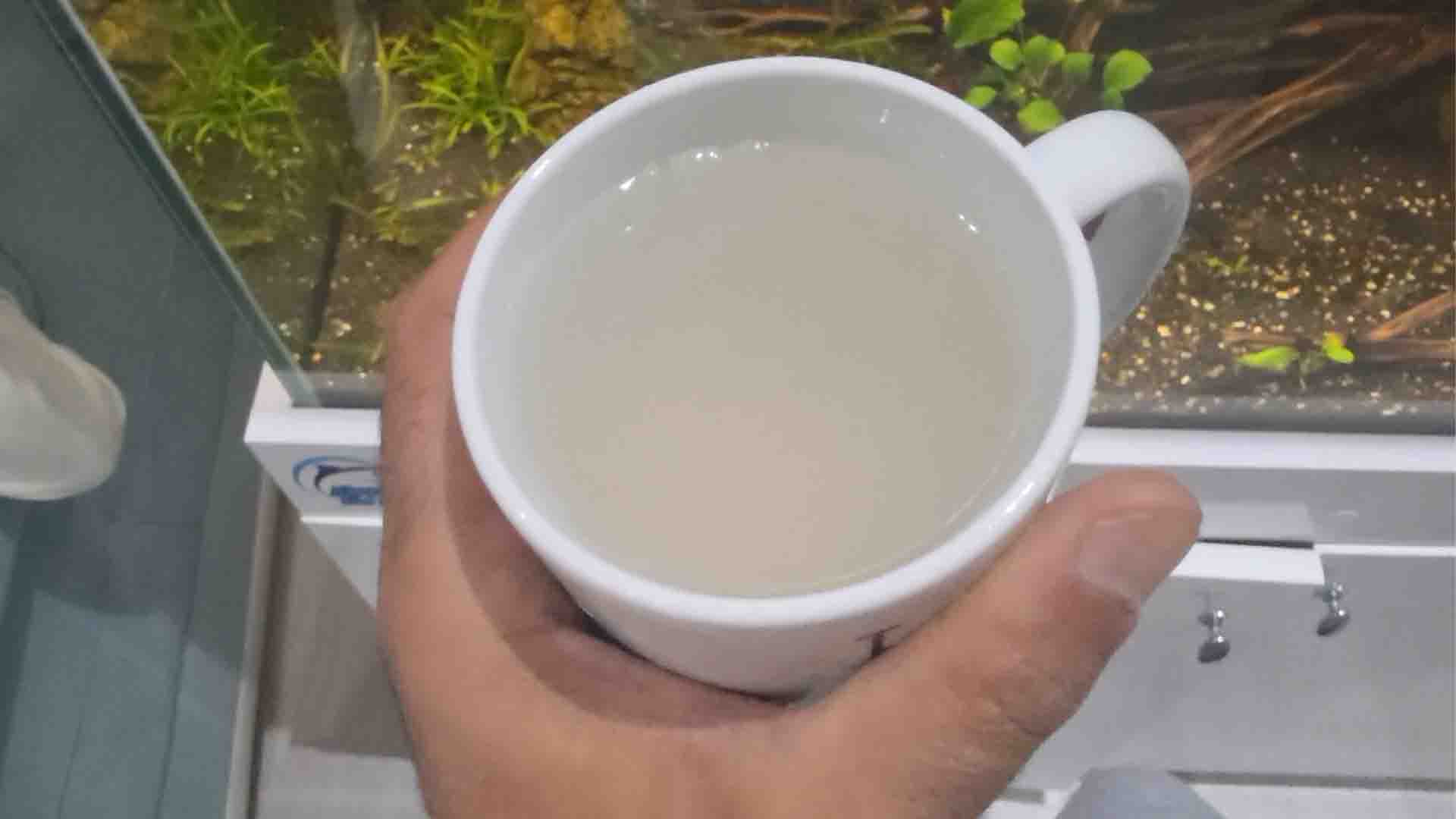
Commercial aquarium water tests measure chemical ions like ammonium and nitrate, but they cannot distinguish between suspended silica dust, colloidal clay, and living bacterial cells. The White Mug Test uses simple gravitational sedimentation and high-contrast background optics to deliver an undeniable diagnostic result within one hour.
How to Execute the White Mug Diagnostic Protocol
- Step 1: Container Selection: Locate a clean, completely white ceramic coffee mug or porcelain teacup. Do not use clear glass jars, colored mugs, or plastic containers that have been washed with commercial dish soaps, as detergent residues will distort visual inspection and leach surfactants.
- Step 2: Mid-Column Water Sample: Submerge the white mug into the center of your display aquarium, roughly halfway between the substrate and the water surface, away from filter returns or bubbling air stones. Allow the mug to fill completely with cloudy water, then gently lift it out without stirring the substrate bed.
- Step 3: Dark Isolation: Place the mug on a flat, stable, dark-colored surface in a room free from direct sunlight, heavy drafts, or mechanical equipment vibrations. Do not move, swirl, or disturb the mug for exactly 60 minutes.
- Step 4: Contrast Evaluation: After 60 minutes have elapsed, look directly down into the mug under strong, direct overhead white lighting. Examine both the clarity of the water column and the bottom floor of the white porcelain.
Decoding Your Test Results
Outcome A: Physical Substrate Silt or Mineral Dust: If you observe a distinct layer of fine, dark, or gritty sediment collected at the bottom of the mug, and the water layer above it has become noticeably clearer or transparent, your cloudiness is purely physical. This occurs frequently after installing cosmetic sand, disturbing active aquasoil caps, or failing to rinse coarse gravel. Because mineral silt particles possess higher mass than water molecules, gravity overcomes hydrodynamic drag and pulls them downward. This is not a biological failure; it is an unpolished mechanical filtration issue that requires dense 50-micron polishing floss, not a biological fasting routine.
Outcome B: Planktonic Heterotrophic Bacterial Bloom: If the water inside the mug remains uniformly milky, foggy, or opalescent from top to bottom, with absolutely zero sediment settling onto the white ceramic floor after 60 minutes, you are dealing with living microorganisms. Single-celled bacteria possess near-neutral buoyancy and microscopic physical mass. They remain permanently suspended in the water column via Brownian motion—the continuous, erratic bombardment of thermal water molecules that prevents them from settling. Mechanical filter foams cannot trap individual bacterial cells measuring 0.5 to 2.0 microns without immediately clogging. Pouring clarifying drops into this condition binds living bacteria into a sticky sludge that coats your biofilter and coats your fish’s gills.
If your test confirms Outcome B, put the siphon away, close the chemical cabinet, and prepare to execute our non-chemical recovery framework. We will break down the complete 10-step biological protocol—from calibrating emergency surface agitation to starving free-floating heterotrophs and deploying synthetic adsorption resins—to restore permanent crystal clarity to your aquarium.
The 10-Step Biological Protocol: How to Clear Cloudy Aquarium Water Fast
Restoring optical transparency to a closed aquatic ecosystem is not about fighting nature; it is about engineering an environment where beneficial biology outcompetes opportunistic scavengers. When your tank turns into an opaque, milky white fog overnight, commercial retail stores want you to panic-buy a basket of chemical additives. That reactive reflex is exactly why home aquariums stay trapped in recurring haze cycles for months. Below is our battle-tested, non-chemical 10-Step Biological Protocol designed to systematically starve free-floating heterotrophic bacteria, protect teleost respiratory function, and establish permanent liquid-glass clarity.
Step 1: The White Mug Diagnostic Test (Diagnostic Verification)
Never implement corrective action based on a passing glance through the aquarium front panel. As detailed in our diagnostic framework, perform the 60-minute White Mug Test immediately. If particulate matter settles to the bottom of the white ceramic basin within an hour, you are dealing with mechanical substrate silt from cosmetic sand or crushed aquasoil pellets. If the opalescent white suspension remains completely uniform from top to bottom due to Brownian motion, you have confirmed a living heterotrophic bacterial bloom. Knowing whether your enemy is an inert mineral grain or a living single-celled colony dictates every subsequent mechanical and biological intervention.
Step 2: Emergency Surface Agitation (Preventing Oxygen Collapse)
The single greatest biological danger of a milky bacterial bloom is not aesthetic cloudiness—it is acute nocturnal hypoxia. Billions of rapidly multiplying heterotrophic bacteria suspended in the water column consume staggering amounts of dissolved breathable oxygen, generating a massive spike in Biochemical Oxygen Demand (BOD). In warm water, which naturally holds significantly lower concentrations of dissolved oxygen, this microbial respiration can cause a rapid oxygen collapse, forcing fish to gasp frantically at the surface with flared opercular flaps.
Do not rely on deep-submerged bubblers that create violent underwater turbulence without breaking the surface film. Position your filter output, spray bar, or internal powerhead directly at the water line so that it aggressively ruptures surface tension. Gas exchange in freshwater aquariums occurs primarily across the atmospheric boundary layer through laminar surface agitation, not from individual air bubbles traveling through the water column. Maximizing surface ripples drives atmospheric oxygen saturation toward 100%, stabilizing teleost respiration while the bacterial bloom works through its metabolic cycle.
Step 3: The Siphon Ceasefire (Halting the Nutrient Refill Loop)
Immediately disconnect and put away your gravel vacuum. The instinct to execute massive 50% to 80% daily water changes is the core driver of the Dilution Fallacy. Siphoning out hazy water only removes a temporary fraction of the microbial population while introducing fresh municipal tap water loaded with bio-available trace minerals, silicates, and dissolved organic precursors. Surviving bacteria, which divide every twenty minutes, seize these fresh resources to double their density overnight.
Unless your calibrated liquid reagent test kit reveals an active spike in un-ionized ammonia or toxic nitrite, maintain a strict siphon ceasefire. The fastest way to clear a bacterial bloom is to allow the suspended microorganisms to completely exhaust the bio-available dissolved nutrients within the existing water volume. Once their food supply is depleted, the free-floating population undergoes natural, systemic starvation and collapses on its own.
Step 4: The 48-Hour Tank Fast (Starving Free-Floating Heterotrophs)
Cut off all food input to the aquarium for exactly 48 hours. Human keepers routinely project terrestrial mammalian hunger onto cold-blooded aquatic teleosts. In reality, healthy freshwater fish possess poikilothermic metabolisms and carry ample glycogen and lipid reserves; fasting for two to four days causes zero physiological stress or immune suppression. In fact, short fasting windows stimulate digestive tract clearance and encourage grazing on natural epilithic biofilms.
Conversely, free-floating heterotrophs rely on continuous imports of dissolved organic carbon (DOC) derived from uneaten fish flakes, decomposing pellet dust, and fresh metabolic urea. Halting food introductions cuts off the fuel line feeding the bloom. Deprived of new carbon sources, the reproductive velocity of heterotrophic bacteria grinds to a halt, shifting the biological balance in favor of surface-anchored biofilms. To eliminate feeding habits that fuel organic pollution, implement the core husbandry routines outlined in our guide on how to stop overfeeding aquarium fish and eliminate cloudy water.
Step 5: Surface-Hover Vacuuming (Preserving the Benthic Boundary Layer)
If visible physical organic detritus—such as decomposing plant leaves, dead snail shells, or accumulated fecal pockets—is sitting on top of your substrate, remove it using a strict surface-hovering technique. Position the mouth of your siphon hose approximately one centimeter above the substrate surface, using gentle suction to lift loose superficial waste without physically plunging the cylinder into the gravel or sand bed.
Deep-churning the substrate during an active bacterial bloom is an ecological catastrophe. The deeper zones of your substrate harbor fine mineral particulates, settled organic mulm, and microscopic anaerobic niches. Jamming a gravel tube into the bed breaks the benthic boundary layer, kicking trapped organics and silicates directly into the water column. In planted setups with active aquasoils, aggressive vacuuming fractures the baked clay granules, releasing concentrated ammonium bursts that fuel secondary bacterial and algal explosions.
Step 6: Chemical Clarifier Eviction (Protecting Branchial Gill Lamellae)
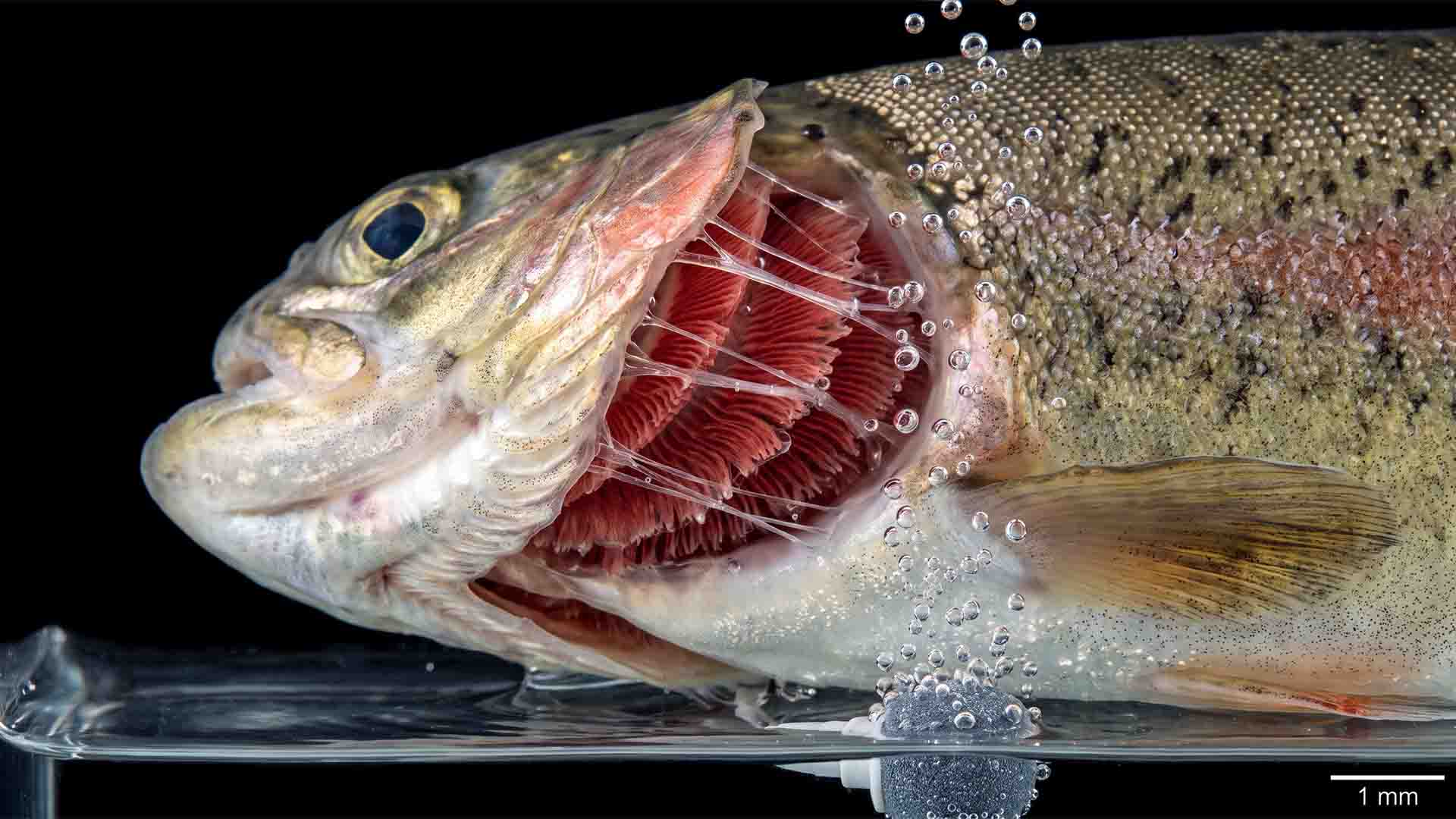
Evict all chemical water clarifiers, liquid coagulants, and flocculant drops from your maintenance arsenal. Commercial water clarifiers rely on high-molecular-weight synthetic polymers, polyacrylamides, or positively charged metal salts (such as aluminum sulfate or iron chloride). These chemicals operate on electrostatic charge neutralization: they force microscopic suspended particles and single-celled bacteria to clump together into larger, macro-sized masses called flocs so that coarse mechanical filters can trap them.
The catastrophic flaw in this chemical approach is that polymer flocculants are completely non-selective. They do not distinguish between suspended water debris and the delicate, microscopic branchial lamellae of your fish’s gills. As the chemical circulates, it binds to the mucosal lining of the secondary gill filaments, coating respiratory membranes in a sticky, semi-translucent residue. This mechanical occlusion slashes oxygen diffusion efficiency, elevates circulating cortisol levels, and induces acute respiratory distress. If your water is cloudy, treating a temporary biological symptom with a respiratory hazard is an unacceptable trade-off.
Step 7: 50-Micron Filter Floss Trap (High-Efficiency Mechanical Water Polish)
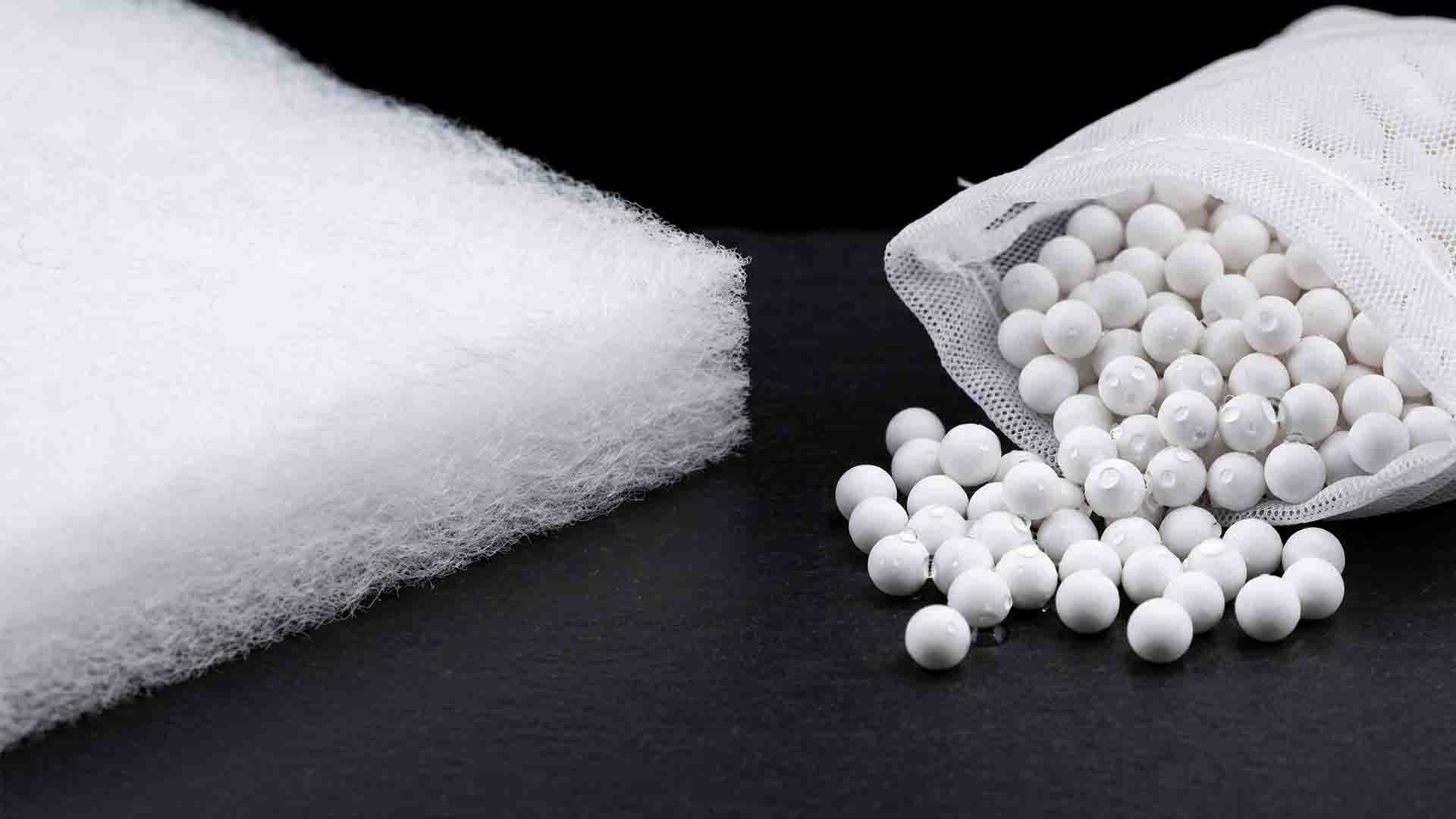
Standard open-cell aquarium sponges (rated between 20 and 30 PPI) possess macroscopic pore sizes measuring hundreds of microns across. Because individual bacterial cells measure between 0.5 and 2.0 microns, trying to filter a bacterial bloom using standard coarse foam is like attempting to catch beach sand with a soccer goal net. The bacteria pass directly through the open pores and recirculate continuously back into the display tank.
To establish true mechanical polishing without dosing liquid flocculants, install a dense pad of 50-micron dual-density polyester filter batting or tightly woven mechanical polishing pad into the final stage of your filter flow, positioned directly downstream of your coarse biological media. The microscopic, interwoven synthetic fibers physically intercept colloidal silt, cellular fragments, and clumped microbial aggregates. Because 50-micron media traps fine debris with ruthless efficiency, inspect and replace or rinse the pad every 24 to 48 hours to prevent flow bypass and ensure your pump motor never starves for water.
Step 8: Municipal Tap Water Defense (Protecting Nitrosomonas & Nitrospira Biofilms)
When filter flow slows down during a heavy haze, well-meaning aquarists frequently make the fatal mistake of carrying their filter baskets to the kitchen sink and blasting the media under hot, running municipal tap water until the sponges are spotless. This single action guarantees an immediate, catastrophic cycle collapse.
Municipal water providers dose free chlorine and non-volatile chloramines specifically to sanitize municipal pipe networks by denaturing microbial proteins. When untreated tap water contacts your filter sponges, chlorine oxidizes the protective Extracellular Polymeric Substance (EPS) matrix and lyses established colonies of slow-growing autotrophic nitrifiers (Nitrosomonas and Nitrospira) within 15 to 30 seconds. To service mechanical media safely, always siphon two gallons of aged aquarium water into a clean utility bucket, gently squeeze the coarse sponge two or three times to dislodge thick sludge, and immediately return it to the filter housing. For a step-by-step masterclass on preserving biofilter integrity during maintenance, review our diagnostic guide on how incorrect filter cleaning triggers deadly ammonia spikes.
Step 9: Seachem Purigen Adsorption vs. Spent Activated Carbon
Many hobbyists stuff their filter compartments with activated carbon, expecting it to scrub milky bacterial haze out of the water. This reveals a fundamental misunderstanding of chemical filtration media. Standard granular activated carbon (GAC) relies on microscopic carbon pores to adsorb heavy metals, gaseous chlorine, tannins, and medical dyes. However, it exhibits exceptionally low affinity for large, complex dissolved organic carbon molecules, and its functional adsorption sites become completely exhausted within 10 to 14 days of submersion in an active aquarium. Once exhausted, spent carbon acts merely as an unmaintained detritus trap that leaches accumulated organics back into the current.
Instead of relying on spent carbon, deploy a dedicated pouch of macro-porous synthetic adsorption resin, such as Seachem Purigen. Unlike carbon, this synthetic polymer resin possesses a specialized macro-reticular pore network engineered with selective chemical affinity for nitrogenous organic compounds. It scavenges dissolved proteins, free amino acids, and organic peptides out of the water column before heterotrophic bacteria can break them down into raw ammonia. By locking up these organic precursors, Purigen starves free-swimming bacterial populations at the chemical source while providing remarkable optical polishing without stripping essential trace minerals.
Step 10: The 72-Hour Hands-Off Protocol (Allowing Microbial Succession)
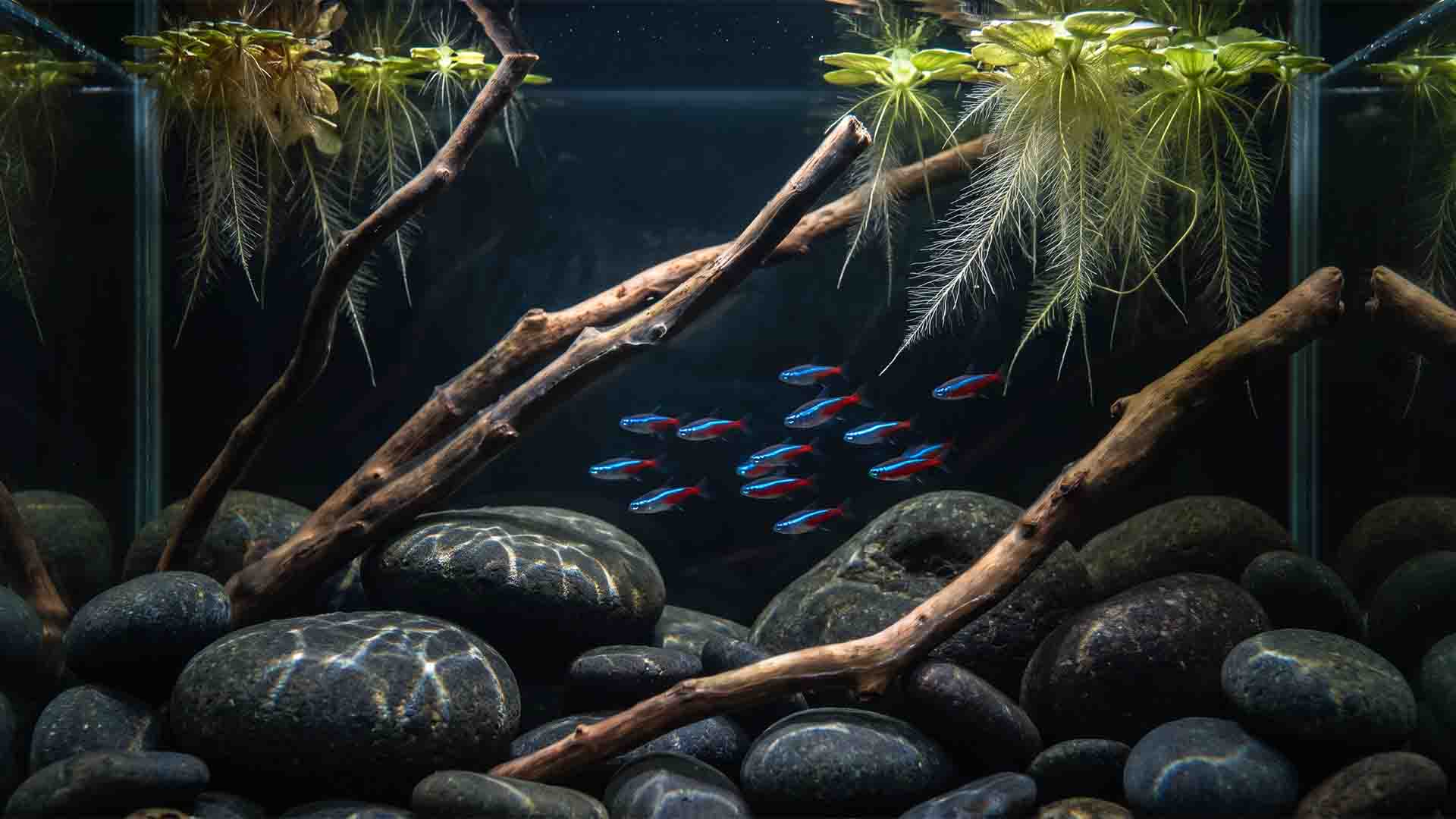
The tenth and most difficult step in this entire framework is enforcing the 72-Hour Hands-Off Protocol: do absolutely nothing. Once you have established vigorous surface agitation, halted feeding, added 50-micron polishing floss, and deployed organic adsorption media, you must keep your hands completely out of the aquarium for three consecutive days.
Closed aquatic ecosystems operate on the immutable principles of microbial succession. Opportunistic, fast-reproducing r-strategist heterotrophs represent the pioneer wave of colonization. When human keepers repeatedly rearrange rocks, scrub glass, adjust heater thermostats, and pour in bottled additives, they disrupt natural microbial progression and keep the environment locked in pioneer chaos. Left entirely undisturbed for 72 hours, secondary biological succession takes over: bacterivorous protozoa (ciliates, flagellates, and rotifers) multiply and graze down free-floating bacterial densities, while sessile autotrophs firmly anchor their protective EPS matrices across porous biomedia. When you stop fighting the system and allow biological succession to run its course, the water shifts from an opaque fog to flawless, diamond-grade liquid crystal.
Biological Evolution & Failure Matrix: The 30-Day Transition
Aquarium clarity does not develop in random spurts; it follows a predictable microbiological succession timeline governed by nutrient depletion, surface attachment kinetics, and predator-prey dynamics within the microfaunal web. Understanding where your aquarium currently sits on this biological continuum prevents panic-driven interventions and protects your livestock from compounding biological debt.
| Timeline Phase | Visual Cue (What You See) | Biological Reality (Under the Hood) | Biological Debt & Margin Status | Required FTM Action |
|---|---|---|---|---|
| Days 1 – 3 (The Shock Phase) | Water turns opaque, resembling diluted skim milk. Faint surface film forms. Fish show slight opercular respiration acceleration. | Explosive heterotrophic bloom. Planktonic decomposers double every 20 minutes, exhausting bio-available DOC and spiking Biochemical Oxygen Demand (BOD). | Extreme Vulnerability: System possesses zero biological buffering. Large water changes now introduce trace minerals that fuel a secondary population surge. | Enforce siphon ceasefire. Maximize surface agitation. Cut food input completely for 48 hours. Install 50-micron polishing floss. |
| Days 4 – 10 (The Illusion Phase) | Water column clears rapidly by 80% to 90%. Tank appears visually sparkling and clean. Fish swim actively and forage across hardscape. | Free-floating heterotrophs starve and lyse. Slower-growing autotrophic nitrifiers (Nitrospira) begin secreting paper-thin pioneer EPS matrices on porous filter media. | False Stability Trap: High visual clarity masks an immature, structurally fragile biofilter. Replacing filter media or scrubbing decor now triggers an immediate cycle crash. | Maintain complete hands-off quarantine. Do not clean filter media. Resume light micro-feeding (once daily, consumed in 45 seconds). Verify parameters with liquid test kits. |
| Days 11 – 20 (The Make-or-Break Window) | Water clarity achieves 95% transparency. Superficial brown diatom dusting appears across sand, rocks, and front glass. | Autotrophic nitrifying biofilms consolidate density. Quorum sensing coordinates metabolic efficiency. Predatory microfauna (ciliates and flagellates) balance the microbial loop. | Accumulating Resilience: The biological engine is anchoring firmly. System can easily buffer organic waste without clouding, provided physical media remains undisturbed. | Perform first gentle 15% to 20% water change using aged, temperature-matched water. Skim surface mulm without disturbing deep substrate. Leave filter sponges alone. |
| Days 21 – 30+ (Biological Maturity) | Flawless, liquid-glass optical clarity. Crisp caustic light refractions across the bottom substrate. Total absence of suspended haze. | Multi-layered, diverse biofilm architecture operating at peak nitrification velocity. Heterotrophic decomposers locked into sessile biofilms rather than open water. | Full System Armor: Robust biological safety margin established. The aquarium absorbs routine maintenance and bioload shifts without losing clarity. | Rinse mechanical 50-micron floss gently in a bucket of siphoned tank water only when flow slows. Maintain consistent weekly maintenance rhythm. |
When aquarists misinterpret visual symptoms and execute aggressive interventions, they transform a harmless, self-limiting biological colonization phase into permanent chemical instability. The diagnostic matrix below matches the ten most common beginner failure reflexes directly against the underlying cellular mechanisms and our permanent biological solutions.
| Beginner Reflex / Mistake | Underlying Biological Mechanism | Immediate Systemic Consequence | The FTM Biological Fix |
|---|---|---|---|
| Executing 80% panic water changes | Supplies fresh calcium, magnesium, iron, and trace organic precursors to surviving bacteria. | Dilution fallacy triggered; heterotrophic bloom doubles in visual density within 12 to 24 hours. | Declare immediate siphon ceasefire; allow existing suspended population to starve out available organics. |
| Washing filter media in chlorinated tap water | Free chlorine and chloramines chemically oxidize the EPS matrix and lyse living autotrophs. | Biological filter eradicated; immediate secondary ammonia spike and delayed water column crash. | Rinse sponges strictly in a bucket of siphoned aquarium water; preserve mature biological mulm. |
| Dosing liquid polymer water clarifiers | Synthetic flocculants bind non-selectively to the delicate mucosal lining of branchial gill filaments. | Mechanical occlusion of gill lamellae; acute respiratory distress, gill inflammation, and fish stress. | Evict chemical clarifiers; deploy high-density 50-micron mechanical filter floss to physically trap particles. |
| Deep-churning sand and aquasoil beds | Breaks benthic boundary layer, fracturing baked aquasoil granules and releasing trapped silicates. | Massive colloidal mud suspension; spikes un-ionized ammonia and smothers establishing benthic biofilms. | Hover siphon vacuum 1 cm above substrate surface; remove loose superficial detritus without bed disruption. |
| Overfeeding during an active haze | Adds massive quantities of bio-available dissolved organic carbon (DOC) into the water column. | Provides continuous caloric fuel for r-strategist bacteria, preventing the bloom from collapsing. | Enforce strict 48-hour total tank fast; transition to measured micro-portions once water stabilizes. |
| Replacing disposable filter cartridges monthly | Throws 80% of established Nitrosomonas and Nitrospira colonies directly into household trash. | Resets the nitrogen cycle to day zero every 30 days; locks the tank into continuous New Tank Syndrome. | Replace plastic cartridge frames with permanent, reusable 30 PPI coarse foam blocks that last for years. |
| Turning off filtration overnight due to noise | Stagnant water in closed canister or HOB housing rapidly exhausts dissolved oxygen within 90 minutes. | Aerobic nitrifiers suffocate and die; filter turns into an anaerobic incubator that pumps toxins upon restart. | Run biological filtration 24/7/365 without interruption; baffle return flow acoustically if noise is an issue. |
| Blasting high-output bubblers jacuzzi-style | Excessive air stone bubbling strips dissolved CO2 prematurely and keeps fine particulates in suspension. | Destabilizes water chemistry; microbubbles scatter light and create cosmetic micro-particulate haze. | Tune filter return to create smooth, rolling surface ripple; prioritize laminar gas exchange over bubble storms. |
| Adding cleaner fish into cloudy water | Purchasing Plecos or Otocinclus introduces additional living biomass and metabolic waste output. | Subcontractor debt trap; newly added fish produce ammonia without consuming suspended bacterial cells. | Do not buy animals to solve maintenance imbalances; establish biological equilibrium before adding livestock. |
| Dosing chemical algaecides for green haze | Harsh algaecides induce rapid, simultaneous cellular lysis of millions of single-celled micro-algae. | Massive biological decomposition; collapses dissolved oxygen and triggers catastrophic ammonia shockwaves. | Enforce a 72-hour complete tank blackout; install an inline UV sterilizer to eradicate planktonic algal cells. |
What to Avoid: 4 Behavioral Traps That Destroy Water Clarity
Achieving permanent, crystal-clear water is governed far more by what you refrain from doing than what you pour into the glass box. The commercial pet industry conditions beginners to react aggressively to visual imperfection, creating an endless cycle of intervention and collapse. To break free from recurring cloudiness, eliminate these four behavioral traps immediately:
1. The “Sterile Kitchen Counter” Mentality (Scrubbing Biofilms)
Why it feels right: In domestic human hygiene, spotless, sanitized, and scrubbed surfaces represent safety and cleanliness. When an aquarist spots brown mulm inside the filter box or a slippery, clear film coating the driftwood, human instinct screams that the aquarium is dirty and requires a deep scrub down to bare glass.
What it silently breaks: An aquarium is a living bio-reactor, not a surgical operating theater. That brown sludge inside your filter sponges is not dirt; it is the living biological architecture—the Extracellular Polymeric Substance (EPS) matrix—housing the specialized autotrophic bacteria that keep your fish alive. Scrubbing your filter until it looks brand new and scouring rocks spotless evicts your ecosystem’s primary life-support engine. The resulting loss of processing capacity triggers violent heterotrophic blooms as opportunistic bacteria rush into the open water column to consume un-degraded organic waste. If your tank has suffered after aggressive cleaning sessions, audit your routine against our guide on 7 destructive aquarium mistakes to stop doing now.
What to ask instead: “Am I cleaning this component to restore vital water circulation, or am I destroying living microbial infrastructure to satisfy my cosmetic need for sterile glass?”
2. Chemical Clarifier Stacking (The False Fix Loop)
Why it feels right: When your tank looks like milk on a Saturday morning, a brightly packaged bottle promising “crystal clear water in six hours” feels like an easy, scientific solution to a frustrating aesthetic problem.
What it silently breaks: Liquid clarifiers treat an optical symptom while aggravating the underlying biological disorder. Synthetic polyacrylamide flocculants bind suspended particles into masses that mechanically coat and irritate fragile branchial gill lamellae. Furthermore, when these chemical flocs settle into the gravel or filter floss, they decompose into concentrated organic sludge. When the clarifier inevitably wears off twelve hours later, the tank blooms twice as thick because the root cause—elevated dissolved organic carbon and immature autotrophic biofilms—remains completely unaddressed.
What to ask instead: “What organic input—excessive feeding, un-cycled biological media, or disturbed substrate—is feeding this microbial bloom, and how do I starve it naturally?”
3. The Subcontractor Debt Trap (Hiring “Cleaner Fish” to Fix Haze)
Why it feels right: Spotting cloudiness or algae leads many hobbyists straight to the retail fish counter to buy a Common Pleco, Chinese Algae Eater, or school of Corydoras catfish, believing these animals function like underwater roombas that clean the environment.
What it silently breaks: Live animals never reduce total mass inside a closed aquatic biome. Every organism you introduce is an organic consumer that breathes dissolved oxygen and excretes un-ionized ammonia and solid feces. Dropping an animal into an actively blooming, oxygen-depleted aquarium accelerates system collapse: the new fish adds metabolic pressure to an already compromised biofilter while failing to consume a single free-floating bacterial cell. For a forensic breakdown of utility livestock selection, consult our verified rankings of the best freshwater clean-up crew species.
What to ask instead: “Why am I adding more biological demand to an ecosystem that is currently struggling to process its existing waste load?”
4. Daily Parameter Chasing and Rapid Reagent Panic
Why it feels right: Testing your aquarium water three times a day with liquid test tubes and reacting immediately to every faint color shift makes you feel like an attentive, proactive fishkeeper.
What it silently breaks: Standard home test kits are subject to visual interpretation errors and reagent color ambiguity. Chasing transient 0.25 ppm ammonia blips by dumping in pH adjusters, ammonia-locking chemicals, and executing emergency water changes induces severe osmotic whiplash in your fish. Teleost chloride cells require stable, predictable water chemistry to regulate internal electrolyte balance. Constant chemical tinkering and erratic water volume shifts stress your livestock’s endocrine system, elevating circulating cortisol levels and paralyzing the slow development of autotrophic nitrifying colonies.
What to ask instead: “Are my fish displaying actual physiological distress signals—such as clamped fins or labored breathing—or am I panicking over a minor test tube color artifact in a stabilizing tank?”
Do This Instead: The Emergency Execution Blueprint
If you are currently looking at an aquarium that resembles a glass of whole milk, do not panic, do not drain the tank, and do not pour in chemical clarifiers. Execute this streamlined five-phase operational framework to safely guide your ecosystem back to optical perfection:
- Phase 1: Diagnostic Triaging (Hour 0): Perform the 60-Minute White Mug Test. Simultaneously, pull out your liquid master test kit and measure Ammonia (NH3/NH4) and Nitrite (NO2). If both read 0 ppm, your cloudy water is entirely non-toxic to your livestock; declare an immediate siphon ceasefire. If ammonia exceeds 0.50 ppm, execute a single, calm 20% water change using temperature-matched, dechlorinated tap water and proceed immediately to Phase 2.
- Phase 2: Oxygen Defense Calibration (Hour 1): Elevate your filter return, spray bar, or internal powerhead to the waterline. Establish an active, continuous surface ripple across the entire surface of the tank to maximize atmospheric oxygen diffusion and counteract elevated Biochemical Oxygen Demand (BOD).
- Phase 3: Total Organic Starvation (Hours 2 to 48): Halt all food input to the aquarium for a full 48 hours. Healthy freshwater fish easily tolerate this brief fast, while free-floating heterotrophs will rapidly exhaust their dissolved organic fuel supply and begin natural cellular die-off.
- Phase 4: Hardware Optimization (Hour 3): Insert a dense layer of 50-micron dual-density polyester polishing floss into the final stage of your mechanical filter compartment to trap cellular debris. Place a 100 ml pouch of Seachem Purigen in a high-flow area of your filter to actively adsorb dissolved organic carbon precursors before they can be metabolized by scavenger bacteria.
- Phase 5: The Unbreakable Hands-Off Quarantine (Hours 48 to 120): Step away from the glass. Keep your hands completely out of the tank. Do not rearrange rocks, do not scrub side glass, and do not open the filter compartment unless polishing floss flow is severely obstructed. Allow natural microbial succession and predatory microfauna to restore diamond-grade clarity.
Scientific Truths: Aquatic Microbiology, Hypoxia & Biofilm Ecology
At FishTank Mastery, we reject commercial pet store folklore, marketing soundbites, and placebo treatments. An aquarium is not an aesthetic decoration; it is a thermodynamically driven, closed biochemical reactor governed by the laws of microbial ecology, fluid mechanics, and teleost physiology. When your tank turns into an opaque, milky white fog overnight, understanding the cellular dynamics operating beneath the glass transforms you from an anxious pet owner into a confident ecosystem engineer.
Truth 1: Biochemical Oxygen Demand (BOD) Triggers Rapid Nocturnal Hypoxia
The primary mortality factor during an acute heterotrophic bacterial bloom is not chemical toxicity, but sudden dissolved oxygen depletion. Heterotrophic bacteria are aerobic prokaryotes that exhibit exponential metabolic respiration when breaking down dissolved organic carbon (DOC). As billions of suspended cells multiply in the water column, they generate an enormous spike in Biochemical Oxygen Demand (BOD), consuming dissolved oxygen significantly faster than passive atmospheric diffusion can replenish it.
Because aquatic plants and photosynthetic algae switch from oxygen production to cellular respiration in the dark, dissolved oxygen concentrations reach their lowest point in the final two hours before lights turn on. Under high water temperatures—which inherently depress oxygen solubility—this microbial demand collapses dissolved oxygen saturation below critical teleost thresholds (under 3.0 mg/L). Fish do not die from the cloudy water itself; they suffer acute asphyxiation and respiratory acidosis while the keeper is asleep. Establishing vigorous, turbulent surface ripple breaks this hypoxic curve by maximizing atmospheric boundary exchange. Read the environmental criteria research from the U.S. EPA.
Truth 2: Chemical Flocculants Induce Mechanical Occlusion of Branchial Gill Lamellae
Over-the-counter water clarifiers marketed as “quick-fix clear drops” rely on high-molecular-weight synthetic polymers, polyacrylamides, or trivalent aluminum and iron salts. These chemical coagulants function through non-selective electrostatic neutralization: they destabilize the negative surface charges of suspended micro-particles and bacteria, forcing them to aggregate into macroscopic clumps (flocs).
The catastrophic biological flaw in this mechanism is that synthetic flocculants cannot distinguish between suspended silica dust and the biological membranes of your fish. Teleost respiratory exchange relies on ultra-thin, microscopic secondary branchial lamellae coated with a delicate mucus cuticle. Positively charged polymer chains bind directly to this mucosal lining, cross-linking epithelial cells and precipitating heavy chemical flocs directly across the respiratory surface. This mechanical occlusion slashes branchial surface area, blocks gas diffusion, and triggers severe branchial inflammation. Forcing fish with already elevated respiration to breathe through polymer sludge is an unacceptable biological risk. Read the comparative teleost physiology research on Oxford Academic.
Truth 3: Synthetic Macroporous Resins Outperform Granular Activated Carbon for DOC Scavenging
Hobbyists routinely turn to granular activated carbon (GAC) to clear water haze, unaware of its physical and chemical limitations. Activated carbon relies on micro-pore adsorption (pores smaller than 2 nanometers), which is highly effective for trapping small molecules such as chlorine gas, medicinal dyes, and simple phenolic compounds. However, the organic precursors fueling heterotrophic blooms consist of large-chain dissolved organic carbon (DOC), macromolecular proteins, and complex polypeptides that physically block and blind carbon pores within 72 to 96 hours of immersion.
In contrast, modern macro-porous synthetic adsorption polymers (such as Seachem Purigen) are engineered with broad, macro-reticular spherical networks featuring high surface affinities specifically for nitrogenous organic compounds. Rather than filtering suspended bacteria, these synthetic resins selectively scavenge dissolved organic precursors out of the water column before heterotrophs can enzymatically cleave them into toxic ammonium. By starving the reproductive fuel supply at the molecular level, synthetic resins permanently halt bacterial proliferation without stripping essential inorganic plant nutrients or trace minerals. Read the aquatic biochemistry research on SpringerLink.
Truth 4: Sessile Nitrifiers Require Undisturbed EPS Matrices for Quorum Sensing
Autotrophic nitrifying bacteria—predominantly Nitrospira and Nitrosomonas—do not function as isolated, free-floating individual cells. Decades of microbiological research confirm that autotrophs are obligate sessile colonizers that construct complex, protective Extracellular Polymeric Substance (EPS) matrices on solid, porous surfaces. This matrix functions as a biochemical shield, trapping inorganic nutrients while protecting the underlying colony from shear stress and osmotic shocks.
Within this EPS biofilm, bacteria utilize quorum sensing—the secretion and detection of chemical signaling molecules—to coordinate metabolic gene expression, enzyme production, and microcolony density. When an anxious aquarist repeatedly removes biological media to scrub away “dirty brown slime” or washes sponges under tap water, they tear apart this intercellular communication grid. Less than 0.1% of established nitrifiers reside in the water column; over 99.9% live embedded within this surface biofilm. Preserving the undisturbed architecture of the EPS matrix is the absolute biological foundation of lasting water clarity. Read the nitrifying biofilm dynamics study on PMC.
Truth 5: The Microbial Loop & Bacterivorous Protozoan Grazing Restore Equilibrium
In mature aquatic ecosystems, bacterial densities are naturally regulated by higher trophic levels within the microbial loop. When an open-water heterotrophic bloom occurs, single-celled bacteria multiply rapidly, temporarily overwhelming the system. However, this dense microbial biomass serves as a concentrated food source for microscopic bacterivorous protozoa, including sessile peritrich ciliates (such as Vorticella), free-swimming paramecia, and flagellates.
These predatory micro-eukaryotes filter-feed on suspended bacteria, consuming millions of cells per hour. As protozoan populations multiply in response to the bacterial food surge, their predatory pressure drives the bacterial bloom into an exponential population crash within 48 to 72 hours. When aquarists dose chemical algaecides or harsh flocculants, they non-selectively wipe out these delicate protozoan grazers, effectively decapitating the microbial food web and ensuring that subsequent bacterial blooms recur with increased severity. Read the microbial loop research on ScienceDirect.
People Also Ask (Google SERP Direct Snippets)
Why did my fish tank turn cloudy white overnight after a water change?
Your tank turned milky white because the water change triggered the Dilution Fallacy. Large water changes introduce fresh municipal minerals and organic precursors while temporarily diluting bacterial competition. Surviving heterotrophic bacteria, which divide every 20 minutes, consume these fresh trace elements and multiply exponentially overnight, causing a sudden, visible bloom.
Will a bacterial bloom go away on its own?
Yes. A bacterial bloom is self-limiting and will clear naturally within 48 to 72 hours if you stop intervening. Once free-floating heterotrophs completely consume the available dissolved organic carbon in the water column and keepers enforce a 48-hour feeding fast, the bacterial population starves and natural clarity returns permanently.
Can chemical water clarifiers kill aquarium fish?
Yes. Commercial water clarifiers contain synthetic polymer flocculants that bind suspended particles into clumps. These chemicals bind non-selectively to the microscopic secondary lamellae of fish gills, coating respiratory surfaces in polymer residue. This causes acute gill irritation, impairs oxygen uptake, and can suffocate fish during active blooms.
How does the White Mug Test diagnose cloudy aquarium water?
The White Mug Test separates living bacterial blooms from inorganic substrate silt. Fill a clean white ceramic mug with cloudy tank water and leave it undisturbed for 60 minutes. If particles settle to the bottom and the water clears, the haze is sand or substrate dust. If the water remains uniformly foggy with zero sediment, you have confirmed a living bacterial bloom.
Does Seachem Purigen clear cloudy aquarium water?
Yes, but indirectly. Seachem Purigen is a macro-porous synthetic adsorption polymer that removes dissolved organic carbon, proteins, and peptide waste before heterotrophic bacteria can feed on them. By starving suspended bacteria of their organic carbon fuel, Purigen causes the bloom to collapse while providing exceptional optical water polish.
Should I leave aquarium lights on or off during a bacterial bloom?
Keep your aquarium lights completely off or reduce the photoperiod to under 5 hours. While heterotrophic bacteria do not photosynthesize, bright lighting fuels microscopic single-celled algae and accelerates organic decomposition. Turning off the lights reduces biological stress on fish, lowers metabolic demand, and helps the ecosystem settle faster.
Frequently Asked Questions (System Stability & Water Dynamics)
How long does it take for 50-micron filter floss to clear water haze?
High-density 50-micron filter floss typically polishes water clarity within 12 to 36 hours when placed downstream of coarse biological media. While individual bacterial cells (0.5 to 2.0 microns) can bypass larger pores, 50-micron floss physically intercepts clumped cellular aggregates, colloidal silt, and organic fragments. You must inspect and rinse or replace this pad every 24 to 48 hours to prevent clogging and pump flow restriction.
Is it safe to dose bottled nitrifying bacteria during an active milky bloom?
Dosing autotrophic nitrifying bacteria (such as Nitrospira) is biologically safe, but it will not clear the milky cloud immediately. The white haze consists of heterotrophs decomposing organic carbon, not a deficiency of nitrifiers. Adding autotrophs supports your surface biofilter, but the water will only clear once dissolved organics are depleted and feeding is halted.
Why is my aquarium water cloudy even though Ammonia and Nitrite are 0 ppm?
Zero ammonia and zero nitrite simply mean your autotrophic biofilter is successfully converting dissolved nitrogen compounds. Milky cloudiness is driven by heterotrophic bacteria metabolizing dissolved organic carbon (DOC) in open water. This condition is an aesthetic imbalance representing colonization, not an acute chemical poison event. Do not execute panic water changes if toxic parameters read zero.
Can I use an air stone instead of adjusting my filter outflow for surface agitation?
An air stone provides supplemental water circulation, but it is far less efficient than a properly positioned filter return. Gas exchange in freshwater aquariums occurs primarily across the surface boundary layer through rolling laminar ripple, not from submerged bubbles rising through the column. Raising your spray bar or powerhead to agitate the water line delivers superior dissolved oxygen saturation to counter high Biochemical Oxygen Demand.
Why did my crystal-clear tank suddenly turn milky two weeks after setup?
This is the classic False Stability trap. Early clear water indicates that mechanical particles have settled, not that your biological filter is mature. As you begin feeding fish, dissolved organic carbon accumulates faster than establishing biofilms can process it. Opportunistic heterotrophs rapidly bloom in the water column to decompose the excess organic waste. Enforce a 48-hour fast and allow microbial succession to run its course.
Hub & Spoke: The FishTank Mastery Clarity Network
Restoring permanent liquid-glass clarity to your display aquarium requires looking past surface symptoms and understanding how filtration hardware, chemical parameters, and maintenance habits intersect. If your setup has been trapped in recurring haze cycles, audit your biological filtration against our foundational analysis on why your aquarium water stays cloudy and how to break the disturbance loop.
Never confuse crystal clear glass with biological safety. An aquarium can exhibit high optical transparency while harboring lethal, invisible concentrations of un-ionized ammonia or suffering from acute osmotic instability. Discover the biological mechanisms behind this optical deception in our masterclass on why clear water can be a dangerous trap and why stability matters more than appearance. If you need an exact recovery timetable to track your system’s biological progression, review our benchmark guide on how long cloudy aquarium water takes to clear on its own.
When an aquarium appears stable for weeks before suddenly crashing, the failure is almost always driven by accumulated biological debt. Uncover why closed biomes unravel after seeming healthy in our deep-dive on the false stability phase and why aquariums collapse weeks after looking fine. To protect your biological biofilter from lethal maintenance habits, master the safe bucket-squeeze technique in our guide on how incorrect filter cleaning triggers deadly ammonia spikes.
If your cloudiness developed immediately following maintenance and your fish are displaying signs of respiratory distress, review our forensic investigation into why fish die after water changes and how to prevent osmotic shock. To eliminate feeding habits that fuel organic pollution and dissolved carbon surges, implement the core routines outlined in our guide on how to stop overfeeding aquarium fish and eliminate cloudy water.
Finally, protect yourself from commercial retail misinformation designed to keep you buying replacement consumables. Big-box retail chains profit from disposable filter cartridges and chemical additives that perpetuate New Tank Syndrome. Arm yourself with the facts in our exposé on pet store lies that kill beginner fish tanks, and if you are considering biological janitors to support your ecosystem, inspect our verified rankings of the best freshwater clean-up crew species ranked by real results.
Scientific References & Peer-Reviewed Literature Review
Every biological protocol, microbiological timeline, and water chemistry parameter detailed in this masterclass is supported by peer-reviewed aquatic research, environmental toxicology, and teleost physiology:
1. Bartelme et al. – Nitrifying Biofilter Dynamics in Recirculating Systems: Published in Aquatic Microbial Ecology / PMC, this landmark study demonstrates that autotrophic nitrifiers (Nitrospira and Nitrosomonas) are strictly sessile organisms embedded in Extracellular Polymeric Substances. The researchers confirmed that physical media disruption and chlorinated water exposure destroy the EPS matrix, resulting in immediate nitrification failure. Read the study on PMC.
2. U.S. Environmental Protection Agency (EPA) – Aquatic Life Criteria for Ammonia: This comprehensive environmental document establishes the kinetic thresholds of un-ionized ammonia (NH3) toxicity across freshwater teleost species. The research confirms that sub-lethal ammonia concentrations induce chronic neuroendocrine exhaustion and gill lamellae degradation long before visual warning signs manifest. Read the EPA Reference.
3. Teleost Branchial Osmoregulation & Chemical Occlusion: Research published in Integrative and Comparative Biology (Oxford Academic) evaluates the cytological destruction of gill epithelial cells, blood oxygen affinity collapse, and ionocyte impairment in freshwater teleosts exposed to synthetic polymers, flocculants, and heavy water parameter shifts. Read the study on Oxford Academic.
4. Microbial Succession and Organic Adsorption Kinetics in Closed Aquatic Ecosystems: Investigations published in ScienceDirect / Aquaculture analyze the competitive growth dynamics between fast-dividing heterotrophic decomposers and slow-growing autotrophs. The study highlights how dissolved organic carbon (DOC) spikes drive planktonic blooms and confirms the efficacy of synthetic macro-reticular polymers over granular carbon. Read the study on ScienceDirect.
5. Fish Physiology and Cortisol Dynamics Under Environmental Fluctuations: Published in Fish Physiology and Biochemistry (Springer), this investigation examines the neuroendocrine stress cascade in freshwater teleosts. The data proves that erratic water changes and chemical dosing trigger sustained plasma cortisol spikes, severely impairing teleost immune resistance. Read the study on SpringerLink.
Watch Next: Build the Complete Water Clarity Stability Chain
Mastering water clarity is step one; engineering an aquarium ecosystem that self-regulates for years requires understanding how filtration, fish behavior, and maintenance habits connect. Continue your educational journey by connecting this written protocol to the real-world visual demonstrations across the FishTank Mastery YouTube channel:
- STOP Doing THIS if Your Aquarium Water Stays Cloudy! — Watch the live visual breakdown of how over-aeration, constant siphon vacuuming, and chemical additives keep home aquariums locked in recurring white haze. Watch the Video Guide
- How to Fix Cloudy Aquarium Water FAST (Don’t Wait): — Discover the exact mechanical filter modifications and the 72-hour hands-off protocol applied to heavily clouded real-world setups. Watch the Video Guide
- You’re Cleaning Your Filter WRONG! (Stop Killing Your Fish): — Watch the microscopic destruction of beneficial biofilms and learn the exact bucket-squeeze technique required to service filter media without triggering lethal ammonia spikes. Watch the Video Guide
- STOP Doing THIS If You Want Crystal Clear Aquarium Water! — Explore how excessive chemical additions and disposable media cartridges ruin water clarity, and how natural biological equilibrium creates lasting liquid glass. Watch the Video Guide
- Water Tests are Lying to You: Why Your Fish are Still Dying: — Learn why standard liquid test tubes read zero while un-ionized free ammonia, dissolved gas shifts, and delayed biological debt silently stress your livestock. Watch the Video Guide
At FishTank Mastery, we treat aquariums as living biological systems, not disposable tabletop decorations. By respecting microbial succession, providing laminar oxygen exchange, and letting nature do the heavy lifting, you build an underwater ecosystem that thrives with effortless clarity. Until next time, keep your systems balanced, your hands dry, and your curiosity flowing.