
Most hobbyists stock underrated bottom dwellers expecting a magical janitor to vacuum their tank floor, but no fish eats fish waste. When you buy commercial “cleanup crews” to solve poor maintenance, you usually dump massive metabolic waste, territorial friction, and uprooted plants directly into your lower water column. Your tank floor shouldn’t be an invisible landfill. It should be a dynamic biological zone engineered with species that bring genuine behavioral balance to the substrate.
Before you spend another dollar at your local fish store on common plecos or disposable scavengers that quietly wreck your water chemistry, watch how these ten functional bottom dwellers behave under real aquarium conditions:
The “Janitor Fish” Delusion: Why Commercial Cleanup Crews Collapse Aquariums
Every beginner falls into the same psychological trap: you notice brown diatoms coating your hardscape or organic sludge settling into the gravel, and you assume adding a “cleaner fish” is the natural solution. Pet store marketing reinforces this myth by selling animals as utility tools. But an aquarium is a closed thermodynamic loop. Adding an organism never removes mass from your water—it only converts it into secondary metabolic waste.
The Bioload Ponzi Scheme (No Fish Eats Feces)
Let’s dismantle the biggest lie in modern fishkeeping: absolutely zero fish, shrimp, or snails consume fish waste. Fish poop contains completely stripped, indigestible organic matter and metabolic ash. When a scavenger takes a mouthful of detritus from your substrate, it is hunting for interstitial microorganisms, fallen micro-worms, and residual protein particles. It promptly expels the actual feces back into your water column.
When you drop an animal like a Common Pleco into an unstable tank to “clean up,” you enter what we call the Subcontractor Debt Trap. That juvenile fish consumes algae, but its primitive digestive system converts roughly eighty percent of that biomass into dense, solid waste ropes packed with organic nitrogen. Within weeks, your biofilter gets slammed with an unmanageable ammonium load. Instead of solving a maintenance issue, you bought a living waste factory that accelerates water parameter failure. For an exhaustive breakdown of why utility livestock backfires, study our field analysis on why cleanup crew fish don’t work.
The Substrate Compaction Trap: Hydrogen Sulfide (H2S) and Anoxic Dead Zones
The danger lurking beneath your substrate isn’t visible debris; it is the physical stagnation of fine sediment. When fine silica sand or dense cosmetic substrate settles without water circulation, interstitial pore water stops moving. Within three to four weeks, aerobic heterotrophic bacteria exhaust all dissolved oxygen within the lower two inches of the bed.
Once dissolved oxygen reaches zero, the redox potential plummets into deep negative territory. Obligate anaerobic, sulfate-reducing bacteria take over the benthic zone, metabolizing sulfur compounds and releasing dissolved hydrogen sulfide (H2S). This toxic compound remains trapped under the compacted sand until an aquarist jams a siphon into the bed or heavy hardscape shifts. When liberated into the water column, dissolved H2S binds irreversibly to cytochrome c oxidase in fish gill lamellae, causing acute respiratory paralysis and sudden, mysterious fish deaths despite perfect liquid test readings.
Preventing anoxic dead zones requires continuous physical movement—a biological process known as benthic bioturbation. Instead of forcing yourself to rake sand beds manually every weekend, you deploy species whose natural evolutionary instincts involve burrowing, sifting, and turning over the sediment. If your current substrate is suffering from stagnation or barbel erosion, cross-reference our diagnostic rankings on the best bottom dwellers for freshwater tanks.
10 Underrated Bottom Dwellers That Solve Real Substrate Problems
True community harmony and substrate health come from choosing specialized species whose morphology and feeding habits fulfill precise ecological niches. The following ten species replace high-bioload retail clichés with authentic biological utility, calm behavioral zoning, and exceptional resilience.
1. Upside-Down Catfish (Synodontis nigriventris) – Inverted Hardscape Grazing
Most bottom scavengers are confined entirely to the two-dimensional horizontal plane of your substrate. The Upside-Down Catfish (Synodontis nigriventris) shatters this spatial limitation through an incredible evolutionary adaptation: negative phototaxis combined with continuous inverted swimming kinematics.
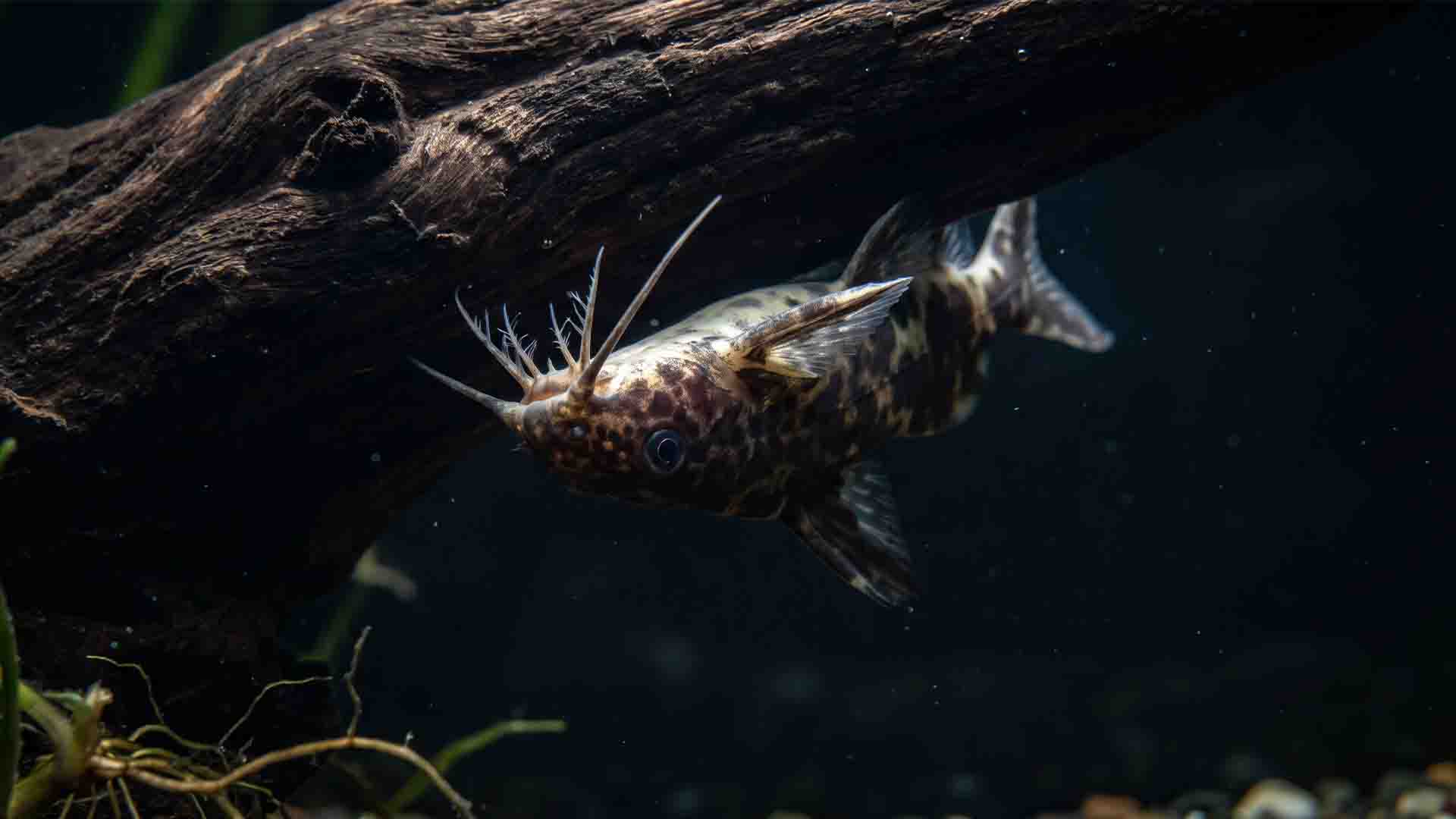
Native to the heavily shaded river systems of the Congo Basin, this mochokid catfish spends daylight hours swimming belly-up beneath driftwood logs, broad Anubias leaves, and rock overhangs. While conventional cleaners ignore the shaded undersides of hardscape, Synodontis nigriventris methodically sweeps these dark ceilings with its branched, tactile mandibular barbels, picking off trapped micro-detritus, insect larvae, and biofilm sheets before they can decompose.
Reaching an adult size of just three to four inches, they produce a modest biological footprint and demonstrate complete indifference toward mid-water schooling fish. They thrive in moderate currents with stable temperatures between 72°F and 80°F (22°C to 27°C) and a pH range of 6.2 to 7.5. To keep them confident and visible during daylight hours, maintain a group of at least four to five individuals and provide dense hardscape overhangs where they can dock inverted.
2. South American Bumblebee Catfish (Microglanis iheringi) – Nano Crevice Sanitation
When detritus settles deep into the tight rock crevices of a nano or planted aquarium, standard bottom dwellers like Bristlenose Plecos or adult Corydoras are simply too bulky to access the waste. Forcing large scavengers into tight scapes results in snapped plant stems and violently stirred substrate clouds.
The South American Bumblebee Catfish (Microglanis iheringi) is the ultimate compact crevice technician. Maxing out at an ultra-compact two inches, this miniature nocturnal predator features broad, flattened cranial anatomy and cryptic golden-brown tiger striping. During the day, they wedge themselves securely into hairline fractures between driftwood branches or dragon stone formations.
The moment aquarium lights turn off, their highly sensitive sensory barbels activate. They patrol the tightest floor boundaries, vacuuming up uneaten protein fragments, micro-crustaceans, and interstitial pests that larger scavengers leave behind to rot. Because their metabolic turnover is exceptionally efficient, their bioload barely registers on standard chemical test kits, making them an ideal biological anchor for tanks as small as 15 to 20 gallons. They tolerate a wide water hardness spectrum (4 to 15 dGH) and remain completely peaceful with community tankmates that exceed their tiny oral gape.
3. Red Head Eartheater (Geophagus tapajos) – Substrate Aeration Without Root Destruction
The word “cichlid” usually triggers immediate panic in planted tank enthusiasts. Most large South American cichlids are notorious bulldozers that excavate massive craters, uproot lush vegetation, and rearrange hardscape overnight. The Red Head Eartheater (Geophagus tapajos), however, operates under an entirely different behavioral blueprint.
Equipped with specialized, elongated gill rakers and downward-pointing protractile mouthparts, Geophagus tapajos engages in perpetual geophagy. They scoop up mouthfuls of fine quartz sand, winnow the grains across their branchial filters to extract micro-invertebrates and organic detritus, and expel the clean, polished sand smoothly through their opercular gill covers.
Unlike destructive central cichlids, Geophagus tapajos sifts only the top half-inch of the substrate bed. When placed in an aquarium containing mature, deep-rooted plants like Cryptocoryne, Echinodorus, or Vallisneria, they leave root systems undisturbed while continuously oxygenating the upper sediment layer. This perpetual mechanical turnover completely halts the formation of anaerobic compaction layers. Given their adult size of six to seven inches, they require a footprint of at least 55 to 75 gallons with a dedicated fine sand substrate bed. To balance your system with species that pull real weight without adding chaos, cross-reference our master evaluation of the best freshwater aquarium clean-up crew.
4. Yoyo Loach (Botia almorhae) – Mechanical Pest Snail Eradication
Bladder snails, ramshorn snails, and Malaysian trumpet snails multiply at an exponential rate whenever uneaten organic waste enters the tank. Frustrated hobbyists frequently resort to commercial copper-based chemical treatments, which wipe out beneficial biofilter bacteria, decimate ornamental shrimp, and leave hundreds of rotting snail bodies trapped deep within the gravel, causing catastrophic ammonia spikes.
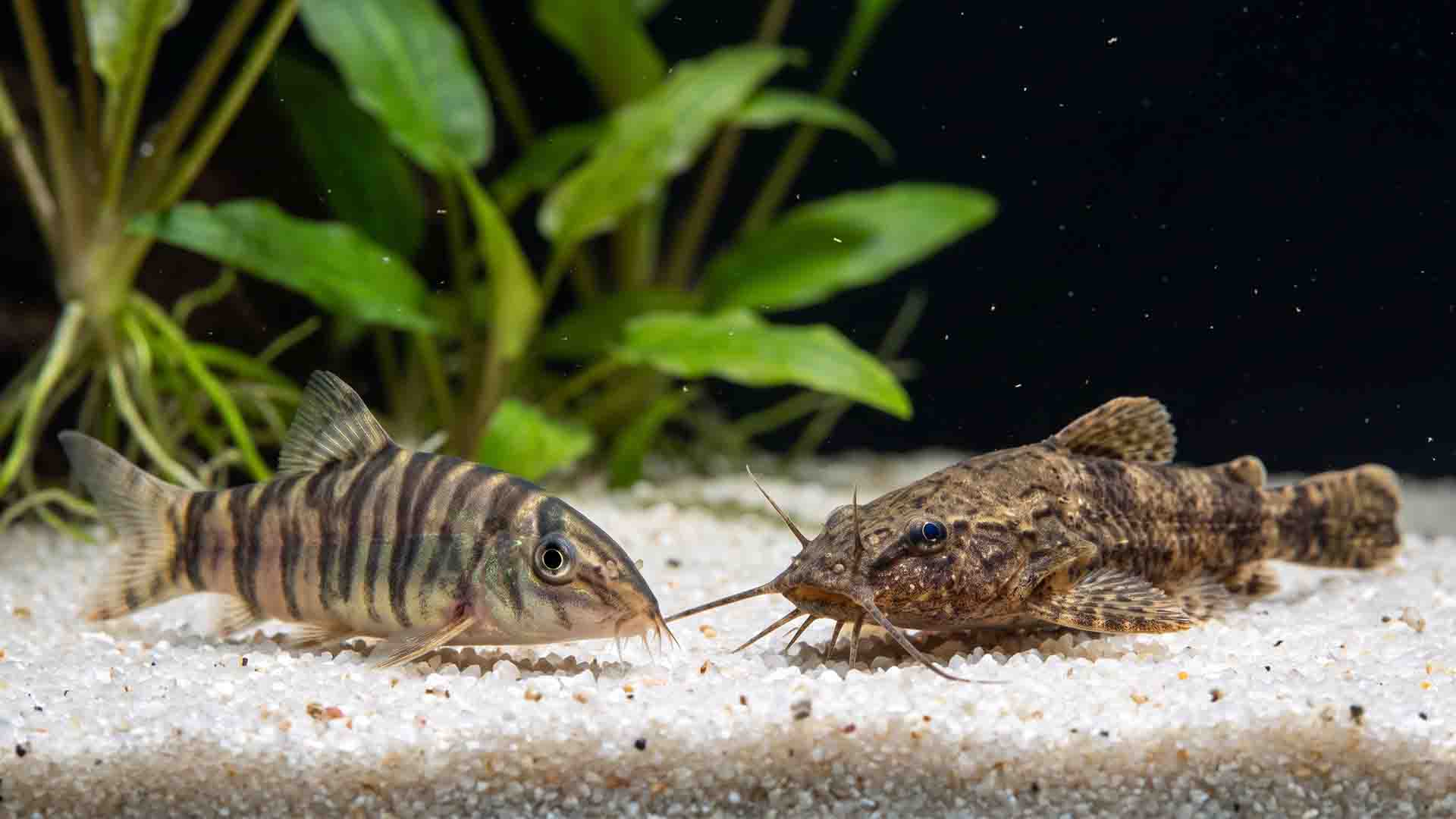
The Yoyo Loach (Botia almorhae) provides an immediate, non-toxic mechanical solution. Possessing sharp, sub-ocular spines and a narrow, highly specialized snout, Botia almorhae treats nuisance snails as its primary dietary focus. They do not merely eat snails; they extract them with surgical precision, slipping their jaws beneath the operculum to sever the soft muscular tissue before crushing the outer shell.
Unlike massive Clown Loaches that outgrow home aquariums and require hundreds of gallons, Yoyo Loaches max out at a manageable four to five inches. They are playful, highly intelligent shoaling fish that establish structured social hierarchies without bothering surface or mid-water species. Maintain them in groups of four to six in a 30-gallon or larger layout to prevent social anxiety. For more natural methods to manage invertebrate booms safely, read our protocol on how to remove pest snails naturally.
5. Kribensis Cichlid (Pelvicachromis pulcher) – Architectural Floor Dynamics
Novice fishkeepers often assume that peaceful community tanks require strictly passive, mindless schooling fish. But a sterile, motionless bottom layer leaves an aquarium feeling biologically vacant. The Kribensis Cichlid (Pelvicachromis pulcher), native to the slow-moving, heavily vegetated waters of Southern Nigeria, introduces cognitive cichlid personality without the community bloodshed.
Kribensis are obligate cave-breeders that claim small, highly localized micro-territories centered around a hollow coconut shell, ceramic cave, or rock fissure. Rather than conquering the entire substrate plane, an adult pair establishes a tight six-inch defensive perimeter. They spend their waking hours methodically inspecting substrate contours, nudging small river pebbles, and browsing aufwuchs and detrital biofilms off the lower hardscape.
Outside of active egg-guarding phases, their territorial displays consist of harmless gill-flaring and lateral body-shivering maneuvers that communicate boundaries without causing physical trauma to neighboring bottom dwellers. They thrive across a broad environmental spectrum (pH 6.0 to 7.8, hardness 5 to 15 dGH) and reach manageable adult sizes—three inches for females, four inches for males. By providing dense stem plants and distinct hardscape sightline breaks, you allow Kribensis to anchor the benthic zone with stunning magenta-and-gold coloration while preserving total community calm. When territories clash, check our diagnostic breakdown on why peaceful community fish turn aggressive.
6. Peacock Gudgeon (Tateurndina ocellicauda) – Colorful Substrate Fish for Nano Aquariums
Most nano aquarists sacrifice bottom-zone color because traditional bottom dwellers are either camouflaged brown or demanding schoolers that outgrow tight footprints. The Peacock Gudgeon (Tateurndina ocellicauda), endemic to the rainforest streams and quiet swamp pools of Papua New Guinea, solves this design dilemma completely. They pack the chromatic brilliance of an exotic reef fish into a peaceful, two-inch freshwater benthic anchor.
Unlike jittery schooling tetras that burn energy pacing the glass, Peacock Gudgeons operate with measured, deliberate swimming kinetics. They hover millimeters above the substrate, inspecting the microscopic contours of moss-covered driftwood and fine sand beds for micro-worms and tiny crustaceans. They possess zero interest in digging, making them exceptionally safe for delicate carpet plants like Glossostigma or Dwarf Baby Tears (Hemianthus callitrichoides) that larger bottom dwellers would dislodge in hours.
Males develop a pronounced nuchal cephalic hump and display electric cyan bars accented with crimson dots and vibrant yellow fin margins. They establish micro-territories inside narrow bamboo tubes or small rock crevices, defending their shelter through harmless gill flaring rather than destructive tail-nipping. A trio or small group thrives in setups as small as 15 to 20 gallons with gentle water flow, neutral pH (6.5 to 7.4), and moderate temperatures between 72°F and 78°F (22°C to 26°C). If you are assembling a compact scape and want to avoid high-waste impulse buys, cross-reference our rankings on ranking nano fish for small aquariums.
7. Banjo Catfish (Bunocephalus coracoideus) – Low Bioload Sand Aerator That Prevents Gas Pockets
If you keep fine quartz sand or decorative cosmetic soil, you are locked in a quiet battle against substrate compaction and dangerous anaerobic dead zones. Most hobbyists try to solve this by purchasing oversized diggers or vigorously thrusting manual siphon tubes into the bed, shredding mature plant root structures in the process. The Banjo Catfish (Bunocephalus coracoideus) is nature’s living mechanical plow.
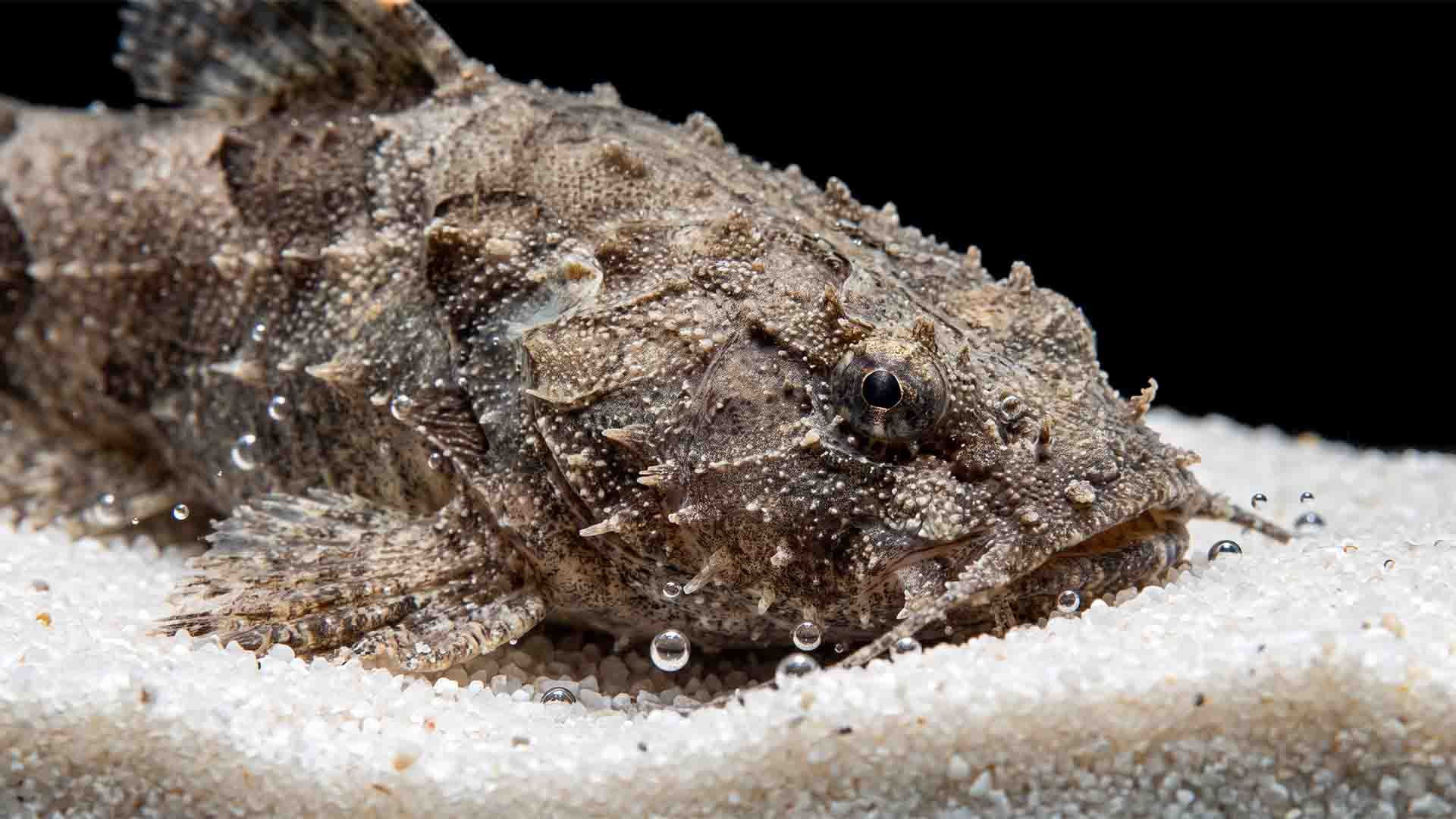
Evolving in leaf-litter-choked tributaries across the Amazon and Orinoco basins, this cryptic aspredinid catfish looks identical to a decomposing oak leaf. Possessing a dorsoventrally flattened body, heavily textured skin tubercles, and zero scales, the Banjo Catfish spends daylight hours entirely submerged under the top layer of sand, leaving only its tiny, camouflaged eyes exposed to the water column.
As darkness falls, the Banjo Catfish mobilizes. It shuffles methodically beneath the sediment, breaking up dense sand grains, opening interstitial water pathways, and venting microscopic trapped gases continuously before they can consolidate into lethal pockets of hydrogen sulfide. Because their resting metabolic rate is astonishingly low, an adult five-inch Banjo Catfish exerts less biological strain on your biofilter than two juvenile fancy guppies. They ignore live plants, never molest sleeping fish, and require zero special social hierarchies, making them the ultimate zero-maintenance substrate stabilizer.
8. Zebra Loach (Botia striata) – Plant-Safe Snail Hunter (Corydoras Alternative)
Hobbyists overrun by nuisance snails frequently buy massive Clown Loaches on impulse, only to discover they grow into twelve-inch river monsters that punch holes through Amazon Swords and decimate filtration capacity. Conversely, passive Corydoras catfish provide peaceful scavenging but are physically incapable of cracking snail shells. The Zebra Loach (Botia striata) represents the goldilocks zone of benthic pest management.
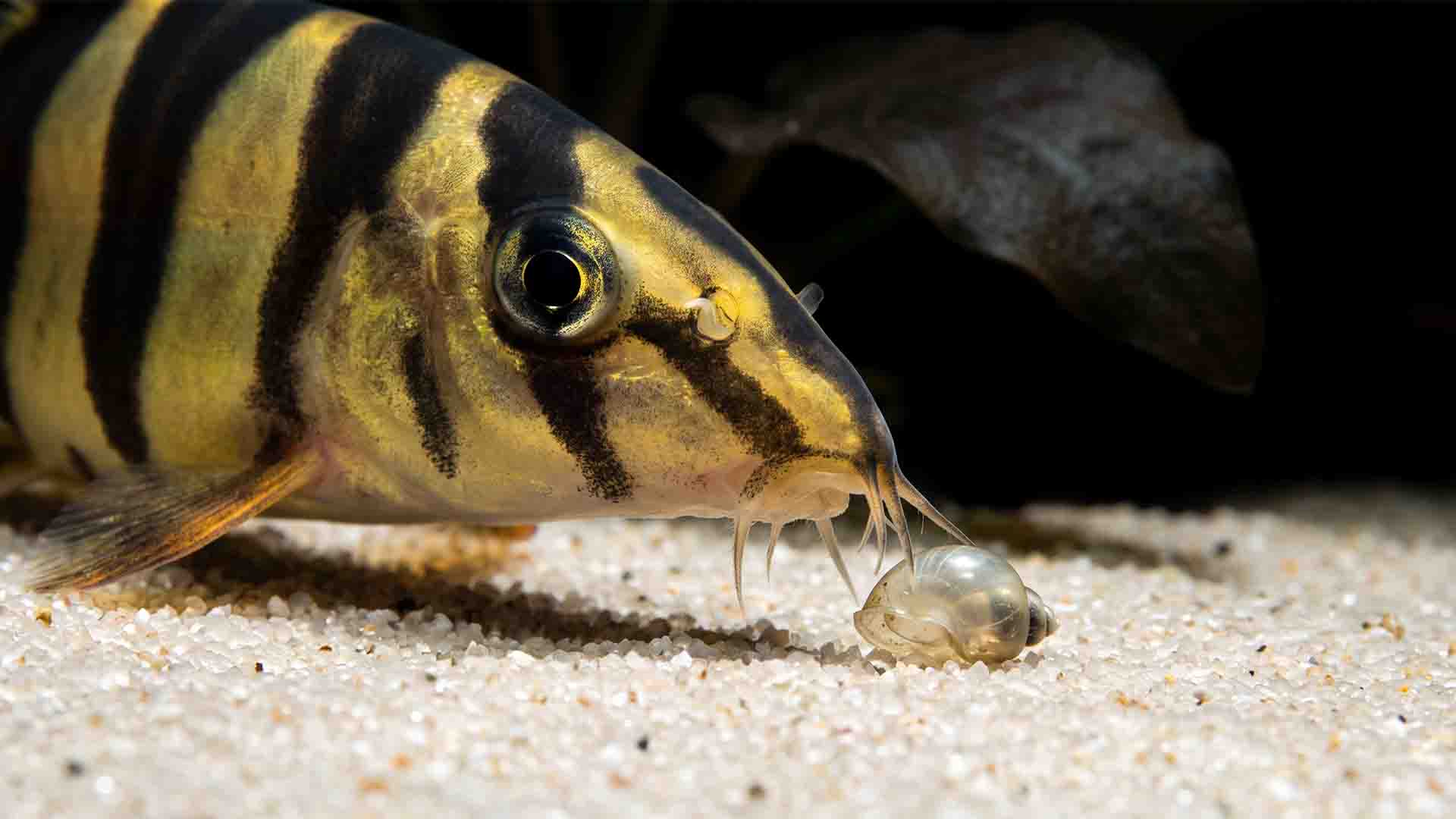
Hailing from the clear, rocky hill streams of the Western Ghats of India, Botia striata maxes out at a compact three to 3.5 inches. Their slender, vertically striped bodies are engineered to navigate tight root labyrinths without uprooting delicate foreground carpets. When hunting, they use sharp sub-ocular spines and hardened conical jaws to bore through the operculum of pest snails, vacuuming out the soft organism and leaving clean, empty shell husks behind.
Unlike larger botiid loaches that develop nasty behavioral streaks toward tankmates as they mature, Zebra Loaches are exceptionally peaceful community citizens. They spend their daylight hours cruising the lower third of the aquarium in synchronized social packs, foraging on excess protein sinking past mid-water feeders. Keep them in a tight group of five or more on smooth sand or fine gravel to prevent abrasive erosion to their delicate rostral barbels. To stop destructive buying loops before they infect your tank, read our exposé on the worst aquarium fish that make beginners quit the hobby.
9. Stiphodon Goby (Stiphodon spp.) – Freshwater Biofilm Grazer Care and Flow Setup
When brown diatom films and stubborn green spot algae cover smooth river stones, big-box pet stores reflexively sell juvenile Chinese Algae Eaters or Common Plecos. Within months, those retail “cleaners” grow massive, stop consuming algae entirely, and begin attacking the protective slime coats of peaceful community fish. The Stiphodon Goby (Stiphodon spp.), such as the Rainbow Goby (Stiphodon ornatus) or Neon Blue Goby (Stiphodon atropurpureus), completely rewrites that narrative.
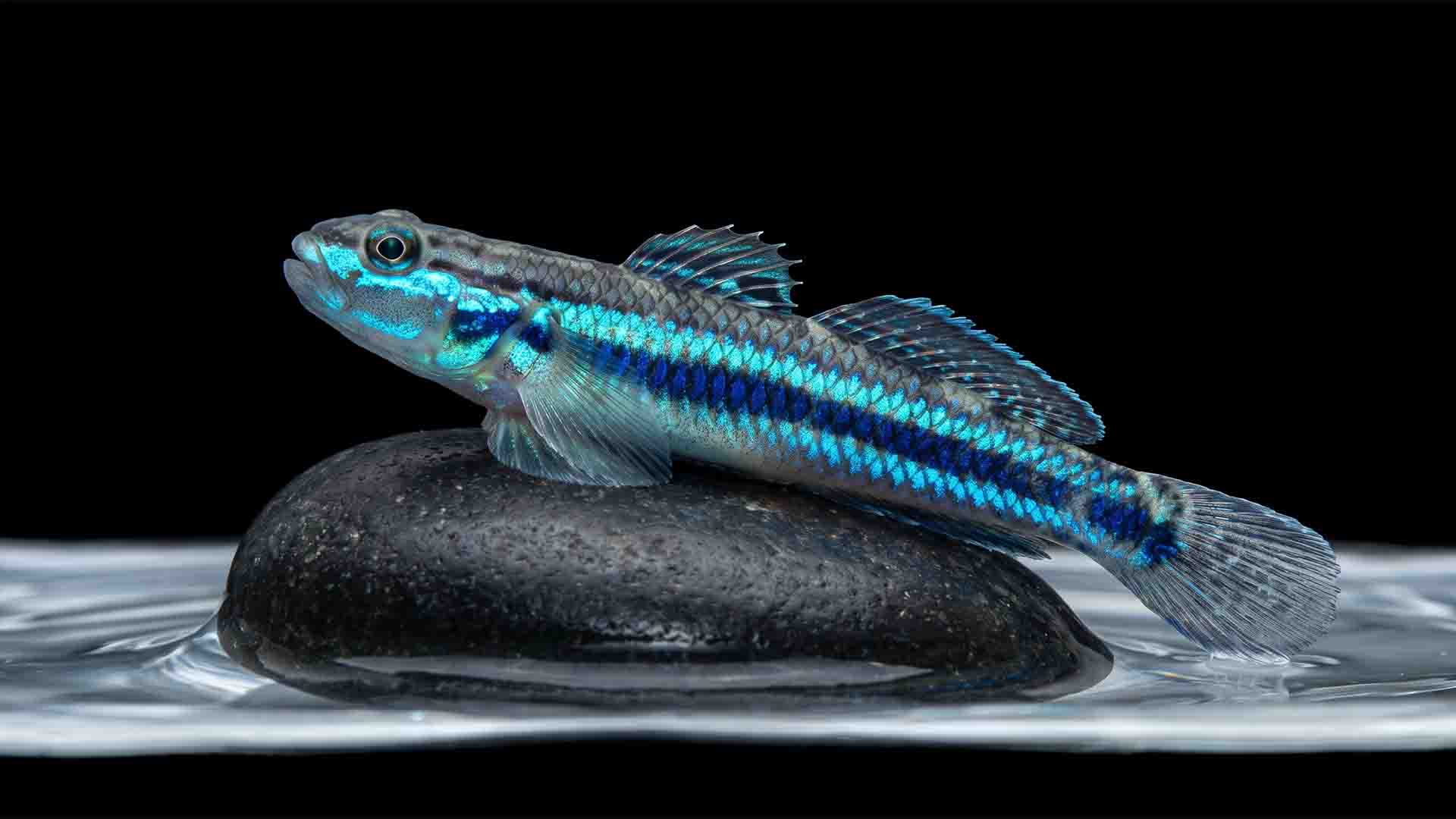
Originating from turbulent, torrential coastal streams across the Indo-Pacific, Stiphodon gobies feature pelvic fins that have fused into a powerful ventral suction disc. This evolutionary biomechanic allows them to lock onto smooth basalt river stones and vertical driftwood branches in high-velocity water currents, systematically rasping microscopic unicellular biofilms, diatoms, and aufwuchs without damaging live foliage.
They possess an ultra-slender, cylindrical profile that rarely exceeds two inches in length. Males showcase astonishing structural iridescence, flashing intense cobalt blue and emerald greens under full-spectrum lighting. Because their digestive physiology is adapted strictly for continuous biofilm and diatom grazing, their waste output is negligible. They require well-oxygenated water with strong laminar surface circulation, stable temperatures between 72°F and 78°F (22°C to 26°C), and an established tank containing aged, mature hardscape. When you need authentic biofilm removal without escalating your biofilter burden, they outperform fragile retail cleaners by a wide margin.
10. Cockatoo Dwarf Cichlid (Apistogramma cacatuoides) – Apistogramma Substrate Personality
Keeping a dwarf cichlid in a community setup usually comes with heavy territory debt. High-maintenance species like German Blue Rams require blistering water temperatures exceeding 82°F (28°C) that slowly accelerate the metabolic burnout of cool-water schooling fish, while demanding near-zero nitrates. The Cockatoo Dwarf Cichlid (Apistogramma cacatuoides) delivers captivating cichlid cognition and vibrant fin displays with bulletproof biological tolerance.
Native to shallow, leaf-littered forest pools of the Amazon basin, Apistogramma cacatuoides has evolved in fluctuating water conditions. Unlike delicate soft-water apistos that collapse in basic municipal tap water, Cockatoo cichlids easily thrive in a broad pH range of 6.2 to 7.8 and water hardness up to 14 dGH. Males boast an oversized, serrated dorsal fin resembling a cockatoo crest, patterned in fiery shades of red, orange, and black.
In a community aquarium, they claim the lowest six inches of the water column, methodically sifting loose detritus from sand beds and defending a specific hardscape cave or coconut hut. Because their territorial disputes consist almost entirely of non-contact fin displays, lateral posturing, and opercular flaring, they rarely cause physical trauma to neighboring schooling fish or benthic catfish. Providing a sandy substrate and dense plantings ensures that a single male or a harem of one male and two females becomes a stable, cognitive centerpiece without sparking a full-scale tank civil war.
Comparative Biological Matrix: Commercial “Cleaners” vs. Functional Bottom Dwellers
Most commercial aquarium advice relies on cosmetic labels rather than closed-loop ecological carrying capacity. In a closed glass box, substrate stability is governed by metabolic waste ratios, benthic bioturbation capacity, and spatial territorial footprints. When you stock species that exceed your filter horsepower or harass tankmates, your tank transforms from a balanced biological cycle into a high-stress maintenance trap.
The comparative matrix below evaluates standard big-box retail “cleaners” against the functional, underrated biological anchors featured in our breakdown. Each metric reflects real-world home aquarium performance, bioload tax, and long-term planted tank compatibility.
| Species Name | Taxonomic Role | Substrate Mechanism | Bioload Tax (1-10) | Plant Safety | Primary Failure in Retail Advice |
|---|---|---|---|---|---|
| Common Pleco (Hypostomus plecostomus) | Retail Janitor Trap | Bulldozing surface scraper | 10 / 10 (Extreme) | Destructive (Rips stems) | Outgrows 95% of home tanks; produces massive solid waste cords that collapse biofilters. |
| Banjo Catfish (Bunocephalus coracoideus) | FTM Functional Anchor | Sub-surface sand aeration | 1.5 / 10 (Negligible) | 100% Plant Safe | Sold as “boring and inactive” because it hides during retail showroom daylight hours. |
| Chinese Algae Eater (Gyrinocheilus aymonieri) | Retail Janitor Trap | Surface scraping grazer | 7 / 10 (High) | Moderate | Undergoes ontogenetic dietary shift; stops eating algae as adult and preys on fish slime coats. |
| Stiphodon Goby (Stiphodon spp.) | FTM Functional Anchor | Precision biofilm grazer | 1.0 / 10 (Ultra-Low) | 100% Plant Safe | Ignored due to specialized flow demands; out-cleans plecos without adding biological debt. |
| Clown Loach (Chromobotia macracanthus) | Retail Janitor Trap | Benthic predator | 9 / 10 (Extreme) | Poor (Digs massive pits) | Sold at 2 inches as a snail cure; grows to 12 inches and demands 100-gallon shoaling volumes. |
| Zebra Loach (Botia striata) | FTM Functional Anchor | Targeted snail eradication | 3.5 / 10 (Low-Mod) | 100% Plant Safe | Overshadowed by Clown Loaches despite staying small and leaving plant foliage intact. |
| Common Corydoras (Corydoras aeneus) | Standard Retail Option | Top-layer gravel scavenging | 4.5 / 10 (Moderate) | Good (Needs soft sand) | Cannot crack snail shells and suffers severe barbel necrosis on coarse, jagged gravel. |
| Peacock Gudgeon (Tateurndina ocellicauda) | FTM Functional Anchor | Micro-predator floor patrol | 2.0 / 10 (Low) | 100% Plant Safe | Marketed strictly as oddball nano fish rather than a zero-impact benthic detritus guardian. |
The 30-Day Substrate Stagnation and Gas Buildup Timeline
When you fill an aquarium with fine silica sand or dense cosmetic substrate without stocking active benthic bioturbators, the degradation of the lower tank layer follows a predictable, delayed biochemical timeline. Most hobbyists believe their sand bed is pristine simply because the top millimeters look sparkling clean. In reality, biological debt is compounding quietly beneath the surface.
| Timeline Phase | Sediment Depth | Chemical & Microbial State | Mechanical Consequence | FTM Functional Correction |
|---|---|---|---|---|
| Days 1 to 7 Settling Phase | 0.0 to 0.5 inches | Dissolved oxygen saturates interstitial pore water; aerobic bacteria colonize grain facets. | Sediment settles smoothly; water circulation freely passes through the loose sand matrix. | Maintain moderate bottom flow; avoid dumping unrinsed mineral dust into the display tank. |
| Days 8 to 14 Oxygen Depletion | 0.5 to 1.5 inches | Heterotrophic bacteria consume organic detritus, exhausting dissolved oxygen in deep pore spaces. | Fine particles interlock; pore water slows to a complete standstill; redox potential drops to zero. | Introduce active micro-sifters like juvenile Geophagus tapajos or Banjo Catfish to turn sand over. |
| Days 15 to 21 Anoxic Inversion | 1.5 to 3.0 inches | Obligate anaerobic sulfate-reducing bacteria take over, metabolizing sulfates into dissolved H2S. | Sub-surface sand turns dark gray or jet black; microscopic gas micro-bubbles begin forming. | Deploy Zebra Loaches and South American Bumblebee Catfish to forage through lower cracks. |
| Days 22 to 30+ The Toxic Threshold | Entire Bed Floor | Sand bed saturates with hydrogen sulfide gas; microbial slime coats seal the upper sand interface. | A single deep gravel vacuuming or hardscape shift releases toxic H2S gas into the water column. | Maintain biological bioturbation 24/7; never execute aggressive full-bed manual raking at once. |
Understanding this delayed cycle prevents the catastrophic “mystery crashes” that occur weeks after setting up a tank. For a deep look into how time-delayed consequences fool hobbyists into false security, audit our field report on how false stability triggers delayed aquarium collapse.
What to Avoid: 4 Stocking Habits That Ruin Aquarium Substrate
Substrate failure is almost never an equipment defect. It is the direct consequence of human stocking habits conditioned by retail marketing rather than biological reality. If you want a clean, oxygenated tank floor that never threatens your livestock, eliminate these four self-sabotaging behaviors immediately:
1. Purchasing “Utility Scavengers” Based on Wholesale Length
Why it feels right: You walk into a retail pet store, spot an adorable 1.5-inch Common Pleco or juvenile Clown Loach for a few dollars, and assume its current size matches its long-term biological footprint in your 20-gallon or 30-gallon tank.
What it silently breaks: You introduce an allometric scaling disaster. Teleost fish do not grow linearly in bioload; their waste output expands by the cube of their length. That two-inch juvenile pleco will reach ten inches in twelve months, dumping kilograms of metabolic feces onto your substrate while exhausting your filter sponges within days. When you realize the mistake, the animal is nearly impossible to rehome. To understand why standard retail stocking metrics fail, study our breakdown of the overstocking aquarium myth and why the 1-inch-per-gallon rule is wrong.
What to do instead: Stock exclusively based on mature adult biomass and biological function. Replace large retail cleaners with species like the Banjo Catfish, Zebra Loach, or Stiphodon Goby that stay small permanently.
2. Combining Angular, Coarse Gravel with Sensory-Barbel Species
Why it feels right: Brightly colored, epoxy-coated gravel or cheap crushed rock looks visually striking and feels easier to vacuum during routine maintenance than fine river sand.
What it silently breaks: It physically shreds benthic sensory anatomy. Specialized bottom dwellers like Corydoras, Loaches, and Bumblebee Catfish navigate and hunt using delicate, fleshy rostral barbels loaded with external chemoreceptors. Forcing them to dig through jagged, sharp gravel facets causes continuous micro-lacerations. Opportunistic waterborne pathogens like Aeromonas and Flavobacterium quickly infiltrate these wounds, triggering irreversible barbel erosion, mouth rot, and systemic septicemia.
What to do instead: Build your benthic foundation on smooth, washed quartz river sand with grain sizes between 0.5 mm and 1.5 mm. If you keep gravel, confine it to elevated hardscape barriers where bottom dwellers do not forage.
3. Relying on Chemical Snail Killers Instead of Predatory Fish
Why it feels right: When pest snails explode across the glass, dumping a bottle of copper-based liquid snail remover promises an effortless chemical fix within twenty-four hours.
What it silently breaks: It sets off a microbiological chain reaction. Copper treatments annihilate all invertebrate life instantly, leaving hundreds of dead snails rotting deep inside substrate crevices and plant crowns. Within forty-eight hours, heterotrophic bacteria explode to decompose the biomass, stripping dissolved oxygen from the water and spiking lethal un-ionized ammonia. Simultaneously, the residual copper binds to the substrate bed, permanently poisoning the tank against future ornamental shrimp and sensitive snails.
What to do instead: Deploy mechanical, biological predators like the Zebra Loach or Yoyo Loach. They consume the snail biomass gradually, convert it into standard metabolic waste your biofilter can handle, and maintain long-term balance with zero chemical toxicity.
4. Executing Aggressive, Full-Depth Substrate Resets
Why it feels right: Spotting a slight layer of brown mulm settling into the gravel pushes beginners to plunge a gravel siphon deep into every square inch of the bed, churning the entire substrate during a single massive water change.
What it silently breaks: It destroys the benthic microbial architecture. An established substrate bed houses a structured stratification of nitrifying and heterotrophic biofilms. Violently turning over the entire substrate exposes delicate anaerobic zones to sudden oxygen rushes, liberates trapped organic particulate clouds into the water column, and strips plant root hairs of their symbiotic mycorrhizal fungal relationships. To protect your nitrifying bacteria and avoid routine maintenance crashes, review our checklist of 7 destructive aquarium mistakes to stop doing now.
What to do instead: Vacuum only the top half-inch of open, unplanted sand zones. Let natural benthic bioturbators like Banjo Catfish and Geophagus do the sub-surface work without disrupting root zones.
Do This Instead: How to Engineer a Self-Aerating Substrate Layer
Creating an unbreakable aquarium floor that stays clean, oxygenated, and biologically active without constant human intervention requires structural engineering, not chemical bottles. Follow this four-step biological protocol to establish a self-sustaining benthic zone:
- Step 1: Install a Dual-Density Particle Foundation. When setting up your tank, avoid single-grade crushed gravel. Lay a baseline of porous volcanic mineral soil or nutrient-rich aquasoil capped with 1.5 to 2 inches of smooth, water-washed quartz sand (0.8 to 1.2 mm grain geometry). This particle size allows fine sensory barbels to sift freely without compacting into an impermeable concrete layer. Audit your setup sequence against our foundational guide on how to set up a fish tank step by step.
- Step 2: Layer Functional Niche Occupants. Never stock your substrate plane with a single species. Pair deep sub-surface plows (such as Banjo Catfish) with agile crevice cleaners (South American Bumblebee Catfish) and targeted mid-benthic snail hunters (Zebra Loaches). By zoning species that occupy different horizontal and subterranean layers, you ensure organic matter is intercepted and processed at every biological stage.
- Step 3: Direct Low-Velocity Laminar Flow Across the Substrate. Biological dead zones form where water movement ceases. Position your filter outflow or a baffled circulating pump to direct a gentle, sweeping current across the lower third of the glass. You are not creating a whirlpool; you are maintaining a laminar sweep that carries loose organic detritus into your mechanical filter intake before it can settle and decay in quiet corners.
- Step 4: Establish Rooted Nutrient Sinks. Pair your bottom dwellers with heavy root-feeding plants like Cryptocoryne wendtii, Amazon Swords (Echinodorus), or Vallisneria. The roots of these species pump dissolved oxygen down through their vascular aerenchyma tissue directly into the deep sediment, preventing negative redox potentials and absorbing mineralized nitrogen compounds before nuisance algae can access them.
Scientific Truths Behind Benthic Bioturbation and Teleost Physiology
When you strip away the marketing fairy tales printed on pet store display tanks, an aquarium is a closed thermodynamic vessel governed by strict principles of aquatic chemistry, fluid physics, and evolutionary biology. Choosing bottom dwellers isn’t about collecting cute novelties; it is about deploying precise biological mechanisms to stabilize your water column. To understand why these ten species succeed where commercial “janitor fish” fail, you must understand the five physiological and microbial mechanisms operating along your tank floor.
Truth 1: Benthic Bioturbation Prevents Negative Redox Inversions
In stagnant sediment layers, aerobic decomposition rapidly consumes dissolved oxygen from interstitial pore water. Once oxygen saturation hits zero, the sediment redox potential plunges below minus one hundred millivolts. In this reducing environment, obligate anaerobic bacteria, primarily species from the genus Desulfovibrio, reduce sulfate ions into highly toxic, un-ionized hydrogen sulfide (H2S).
Mechanical sifting by benthic bioturbators like the Banjo Catfish and Geophagus tapajos continuously introduces oxygenated pore water into the upper sediment horizon. This mechanical churning maintains a positive redox potential, preventing sulfate-reducing bacteria from establishing colonies. Furthermore, any trace amounts of sulfide compounds that do form are immediately oxidized into harmless sulfate ions before they can consolidate into lethal gas pockets. Scientific investigations into sediment chemistry confirm that physical bioturbation by benthic teleosts dramatically increases dissolved oxygen penetration depth while lowering sediment organic toxicity. Read the study on SpringerLink.
Truth 2: Substrate Geometry Dictates Barbel Integument Pathology
The rostral and mandibular barbels of benthic catfish and botiid loaches are not simple whiskers; they are complex sensory appendages covered in stratified squamous epithelium, chemoreceptor taste buds, and dense networks of free nerve endings. When these species are forced to forage across artificial, epoxy-coated gravel or crushed slag with jagged microscopic facets, the substrate acts as miniature glass blades.
Continuous mechanical trauma creates micro-abrasions along the delicate barbel tissue. These open lesions compromise the epidermal immune barrier, allowing ubiquitous opportunistic aquatic bacteria, specifically Flavobacterium columnare and Aeromonas hydrophila, to colonize the wound. What beginners misdiagnose as “water condition rot” is almost always physically induced necrotic degradation caused by mismatched substrate particle geometry. Long-term studies on teleost sensory anatomy prove that smooth, water-worn silica particles smaller than 1.5 mm preserve barbel integrity and prevent secondary bacterial infections. Read the research on Oxford Academic.
Truth 3: Ontogenetic Trophic Divergence Destroys Retail Algae Claims
The primary reason commercial algae eaters like the Chinese Algae Eater (Gyrinocheilus aymonieri) and Common Pleco (Hypostomus plecostomus) fail in long-term setups is a biological phenomenon known as ontogenetic trophic divergence. Juvenile specimens possess specialized rasping oral discs adapted for scraping micro-algae and pioneer diatoms. However, as these fish mature, their energetic and protein requirements undergo a massive metabolic shift.
An adult ten-inch fish cannot fulfill its basal metabolic requirements on low-calorie unicellular algae alone. In nature, their diet shifts toward opportunistic carnivory, macro-invertebrates, and biofilm proteins. In a closed aquarium, this metabolic shift triggers aggressive predatory behavior, leading them to rasp the high-protein, lipid-rich mucus layer directly off the flanks of wide-bodied community fish like Discus, Angelfish, and Fancy Goldfish. Peer-reviewed ichthyological dietary records demonstrate that juvenile foraging adaptations in teleost fish are systematically replaced by higher-trophic carnivory or broad omnivory as body mass increases. Read the study on ScienceDirect.
Truth 4: The Kinematics of Negative Phototaxis and Inverted Locomotion
The Upside-Down Catfish (Synodontis nigriventris) represents a masterclass in spatial biomechanics. In most teleosts, the dorsal swim bladder and ventral muscle mass create a natural gravitational center that keeps the fish swimming upright. Synodontis nigriventris has evolved morphological adaptations in its swim bladder volume and inner ear statolith structures, allowing it to maintain total postural equilibrium while swimming fully inverted.
This inverted orientation is driven by evolutionary negative phototaxis—an instinctual avoidance of direct overhead light to escape avian and apex piscine predators. By foraging inverted along the underside of horizontal river obstacles, this species exploits food resources that other benthic feeders cannot reach, including chironomid midges, aquatic insect larvae, and hanging detrital biofilms. Physical biomechanical studies confirm that inverted swimming kinematics in mochokid catfish yield identical hydrodynamic efficiency to upright swimming, allowing them to exploit unique shelter ceilings with zero metabolic penalty. Read the research on PMC.
Truth 5: Rheophilic Suction Biomechanics in Unicellular Biofilm Grazers
Stiphodon gobies are specialized rheophilic organisms adapted to survival in torrential coastal headwaters. To withstand crushing hydro-dynamic forces, their pelvic fins have fused into a muscular, highly specialized ventral suction disc. This adaptation allows the fish to anchor firmly against smooth river basalt in water velocities that would sweep standard aquarium fish straight into the filter intake.
Concurrently, their dentition consists of rows of microscopic, spatula-shaped teeth engineered specifically to scrape microscopic aufwuchs, cyanobacteria, and diatoms off hardscape surfaces without ingesting structural mineral grains. Because their natural metabolic engine requires continuous muscular adhesion in fast currents, they possess exceptionally high tissue oxygen demands. Research into stream ecology shows that specialized rheophilic biofilm grazers cannot survive in stagnant, low-oxygen water columns, but provide unmatched micro-cleaning efficiency when supported by proper laminar circulation. Explore the species profiles on FishBase.
People Also Ask: Underrated Bottom Dwellers
Do any freshwater aquarium bottom dwellers actually eat fish poop?
No, absolutely zero freshwater fish consume fish feces as a food source. Fish waste consists of stripped, indigestible metabolic byproduct with near-zero caloric or nutritional value. When bottom dwellers like catfish or loaches sift through detritus, they are hunting for micro-worms, fallen food particulates, and interstitial bacteria. Any waste taken into the mouth is quickly expelled back into the water column.
What is the best bottom dweller to prevent gas pockets in sand?
The Banjo Catfish (Bunocephalus coracoideus) is the best low-bioload species for preventing dangerous anaerobic gas pockets. They spend daylight hours completely buried in the upper sand layer, methodically aerating compacted sediment particles as they move. Their resting metabolic rate is negligible, making them far safer for planted tanks than large, destructive digging cichlids.
Which bottom feeder eats pest snails without chewing on live plants?
The Zebra Loach (Botia striata) is the premier plant-safe pest snail hunter. Unlike massive Clown Loaches that outgrow home tanks, Zebra Loaches stay under 3.5 inches and possess specialized conical jaws that extract snails directly from their shells without puncturing or shredding delicate aquatic foliage.
Can you keep Geophagus cichlids in a planted aquarium without uprooting plants?
Yes, the Red Head Eartheater (Geophagus tapajos) can be kept successfully in planted tanks provided the plants are established with mature root networks (such as Cryptocoryne or Amazon Swords) or secured to hardscape (like Anubias and Java Fern). Geophagus tapajos sifts only the top half-inch of fine sand and will not dig massive craters like Central American cichlids.
Why do Corydoras catfish lose their barbels on gravel?
Corydoras lose their barbels due to bacterial infections triggered by physical abrasions from sharp, angular gravel. Jagged substrate facets slice through the delicate sensory tissue of the barbels, creating an open gateway for opportunistic pathogens like Flavobacterium columnare to cause progressive necrosis. Keep them on fine, smooth quartz sand to prevent this injury.
How do you feed shy nocturnal catfish like Banjo or Bumblebee catfish?
Feed shy nocturnal catfish thirty minutes after the aquarium lights have completely turned off. Drop sinking carnivore pellets, frozen bloodworms, or gel food near their preferred hiding crevices. Day-feeding forces these light-sensitive species to compete with aggressive mid-water swimmers, leading to chronic malnutrition.
Frequently Asked Questions: Substrate and Benthic Care
What substrate grain size is safest for sensory bottom dwellers?
The optimal substrate grain size is smooth, rounded quartz sand between 0.5 mm and 1.5 mm. Substrates within this diameter allow bottom dwellers to dig, burrow, and sift without scratching their epithelial tissue, while remaining coarse enough to prevent excessive compaction when maintained alongside active bioturbators.
Can I replace regular water changes by adding more bottom feeders?
No. Adding more bottom dwellers increases the total biological load of your aquarium. Every organism consumes food, utilizes dissolved oxygen, and produces nitrogenous waste. Bottom dwellers do not remove nitrates; they convert physical organic matter into dissolved ammonium, increasing the absolute necessity of consistent, regular water changes.
How many bottom-dwelling species can I safely combine in a 30-gallon tank?
In a standard 30-gallon setup, you should combine no more than two compatible bottom-dwelling species that occupy different ecological zones. For example, pairing a group of mid-substrate forager Zebra Loaches with a cryptic subterranean plow like the Banjo Catfish prevents spatial competition and ensures all zones are balanced without territorial crowding.
Why did my cleanup fish stop eating algae and start eating fish food?
Fish naturally follow an optimal foraging strategy, expending the least amount of energy to secure the highest-calorie nutrition. Manufactured fish flakes and pellets contain dense proteins and fats that far exceed the nutritional value of unicellular algae. Once an algae eater discovers commercial food sinking to the bottom, it will systematically abandon algae grazing.
Are dwarf cichlids like Apistogramma safe to keep with bottom-dwelling shrimp?
Adult Apistogramma cacatuoides are micro-predators with oral gapes large enough to consume juvenile dwarf shrimp like Neocaridina. While large adult Amano shrimp are typically safe due to their size, ornamental cherry shrimp colonies will be actively hunted. If maintaining a breeding shrimp colony is your priority, choose Peacock Gudgeons or Stiphodon gobies instead.
Hub and Spoke: Building an Unbreakable Aquatic Ecosystem
Stocking functional, underrated bottom dwellers is the cornerstone of benthic stability, but a healthy tank floor cannot compensate for structural failures across the rest of your system. Aquariums operate as closed biological feedback loops where water chemistry, mechanical hardware, and livestock behaviors are deeply intertwined.
If you are designing a community layout from scratch, begin by establishing proper physical hardware and parameter baselines with our comprehensive walkthrough on how to set up a fish tank step by step. Avoid falling for big-box retail traps that push disposable livestock into uncycled setups by reviewing the documented lies in our guide to pet store lies that kill beginner fish tanks.
When detrital waste and uneaten nutrients accumulate faster than your benthic anchors can process them, your tank will inevitably signal distress through persistent cloudiness. Learn how to diagnose bacterial blooms without reaching for toxic chemical clarifiers by studying how to fix cloudy fish tank water fast and tracking your recovery curve with how long cloudy aquarium water takes to clear.
Finally, protect your ecosystem from delayed collapse by auditing your ongoing maintenance habits. Routine maintenance mistakes destroy more beneficial bacteria than hardware failures ever will; safeguard your biofilter by implementing our checklist of 7 destructive aquarium mistakes to stop doing now, and cross-reference our diagnostic rankings on the worst aquarium fish that ruin community tanks.
Scientific References and Literature Review
Every biological mechanism, physiological threshold, and behavioral dynamic documented in this masterclass is supported by peer-reviewed ichthyological literature, aquatic toxicology, and benthic microbiology research:
- 1. Sediment Bioturbation and Interstitial Pore Chemistry (SpringerLink): Comprehensive geochemical evaluations demonstrating how benthic macro-organisms alter dissolved oxygen penetration, oxidation-reduction potential, and sulfate reduction kinetics in fine freshwater sediments. Read the study on SpringerLink.
- 2. Sensory Morphology of Teleost Rostral Barbels (Oxford Academic): Histological investigations detailing the distribution of external gustatory chemoreceptors and unmyelinated nerve endings on siluriform barbels, demonstrating how abrasive substrate micro-facets induce traumatic necrosis. Read the research on Oxford Academic.
- 3. Trophic Ontogeny and Dietary Shifts in Captive Teleosts (ScienceDirect): Nutritional and anatomical research documenting how juvenile digestive enzymes and dentition in scraping benthic fish transition into omnivorous and predatory configurations as body length expands. Read the study on ScienceDirect.
- 4. Nitrifying Biofilm Dynamics and Substrate Stratification (PMC): Microbiological reviews exploring how autotrophic nitrifiers and heterotrophic decomposers form stratified Extracellular Polymeric Substance (EPS) matrices across sediment and filter surfaces. Read the research on PMC.
- 5. Global Species Ecology and Environmental Boundaries (FishBase): Authoritative taxonomic, environmental, and life-history datasets providing verified parameter thresholds, natural flow velocities, and standard adult lengths for freshwater teleost species worldwide. Explore the records on FishBase.
Watch Next: Master Your Aquarium’s Biological Engine
Choosing the right bottom dwellers stops the substrate debt trap, but mastering your freshwater ecosystem means staying ahead of the hidden pressures that pet stores never discuss. Continue your education with these essential companion masterclasses from the FishTank Mastery video library:
- Stop Buying Cleanup Crew Fish: The Truth About Algae Eater Fish – Discover why commercial algae eaters often make tank maintenance worse, and how to balance nutrients naturally. Watch on YouTube.
- Best Freshwater Tank Cleaners That Actually WORK – The ultimate breakdown of functional snails, shrimp, and fish ranked by authentic cleaning performance and bioload efficiency. Watch on YouTube.
- Don’t Buy These Community Fish – Get These Instead! – Protect your tank floor from territorial bullies and fin-nippers by selecting peaceful community alternatives that genuinely get along. Watch on YouTube.
- Why Community Tanks Quietly Fail (Best 12 Community Fish) – Learn the exact space-math and behavioral layering rules needed to build a zero-conflict community aquarium that lasts for years. Watch on YouTube.
Stop buying living animals to solve maintenance mistakes, and start engineering an ecosystem that respects the laws of biology. Until next time, keep your tanks balanced, your glass spotless, and your curiosity flowing.