
Avoiding deadly oscar fish mistakes is the difference between keeping a thriving aquatic apex predator for fifteen years and watching an uncycled or undersized aquarium suffer a total biological collapse in eight months. The Oscar fish (Astronotus ocellatus) is undeniably one of the most charismatic, intelligent, and interactive freshwater cichlids in the global aquarium hobby. Often nicknamed the “river dog,” a juvenile Oscar will eagerly greet you at the front glass, track your hand movements, and recognize feeding schedules with startling cognitive awareness. However, this high level of intelligence frequently masks a severe biological reality: Oscars are high-mass, predatory South American cichlids engineered by evolution to dominate massive river basins, not cramped glass boxes.
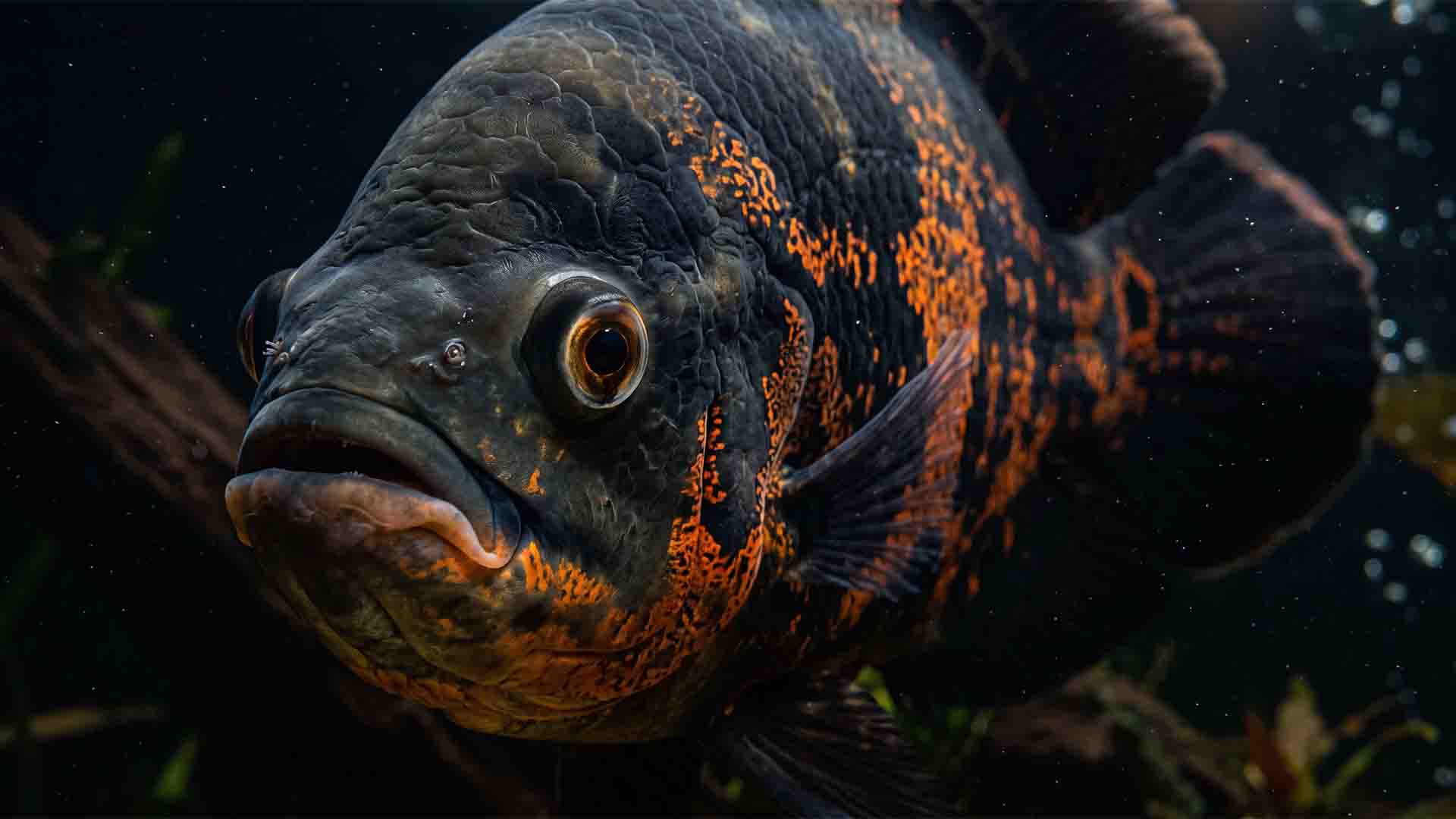
The adult Oscar fish (Astronotus ocellatus): An intelligent apex predator whose massive bioload and spatial needs quickly overwhelm beginner setups.
The core problem in modern fishkeeping is what we call the Delayed Failure Principle. When hobbyists purchase a two-inch juvenile Oscar from a retail pet store, the fish creates an immediate illusion of manageable stability. In a standard beginner aquarium, the juvenile swims peacefully, the water remains visually transparent, and standard hanging filters appear to cope with daily waste. But aquariums do not fail instantaneously; they drift silently under accumulating biological pressure. As an Oscar transitions through its sub-adult growth surge, its wet biomass increases cubically, its waste output explodes, and its mechanical strike force multiplies. By month eight, the fragile ecological buffer of an entry-level setup completely disintegrates.
To keep an Oscar successfully without chronic disease, structural tank fractures, or catastrophic water quality crashes, you must discard outdated retail myths and understand real teleost physiology. Below is the comprehensive biological breakdown of the first three critical spatial and mechanical failure modes that catch cichlid owners off guard.
Mistake #1 – The 55-Gallon Holding Cell Trap
The single most widespread and persistent myth in the aquarium trade is that a standard 55-gallon aquarium represents an acceptable permanent home for an adult Oscar fish. Retail sales staff and outdated care sheets routinely recommend this footprint because 55 gallons sounds like a massive volume of water to a beginner. In ecological and biomechanical terms, however, a standard 55-gallon tank is not an ecosystem—it is a narrow biological holding cell that actively deforms the fish and guarantees chronic environmental stress.
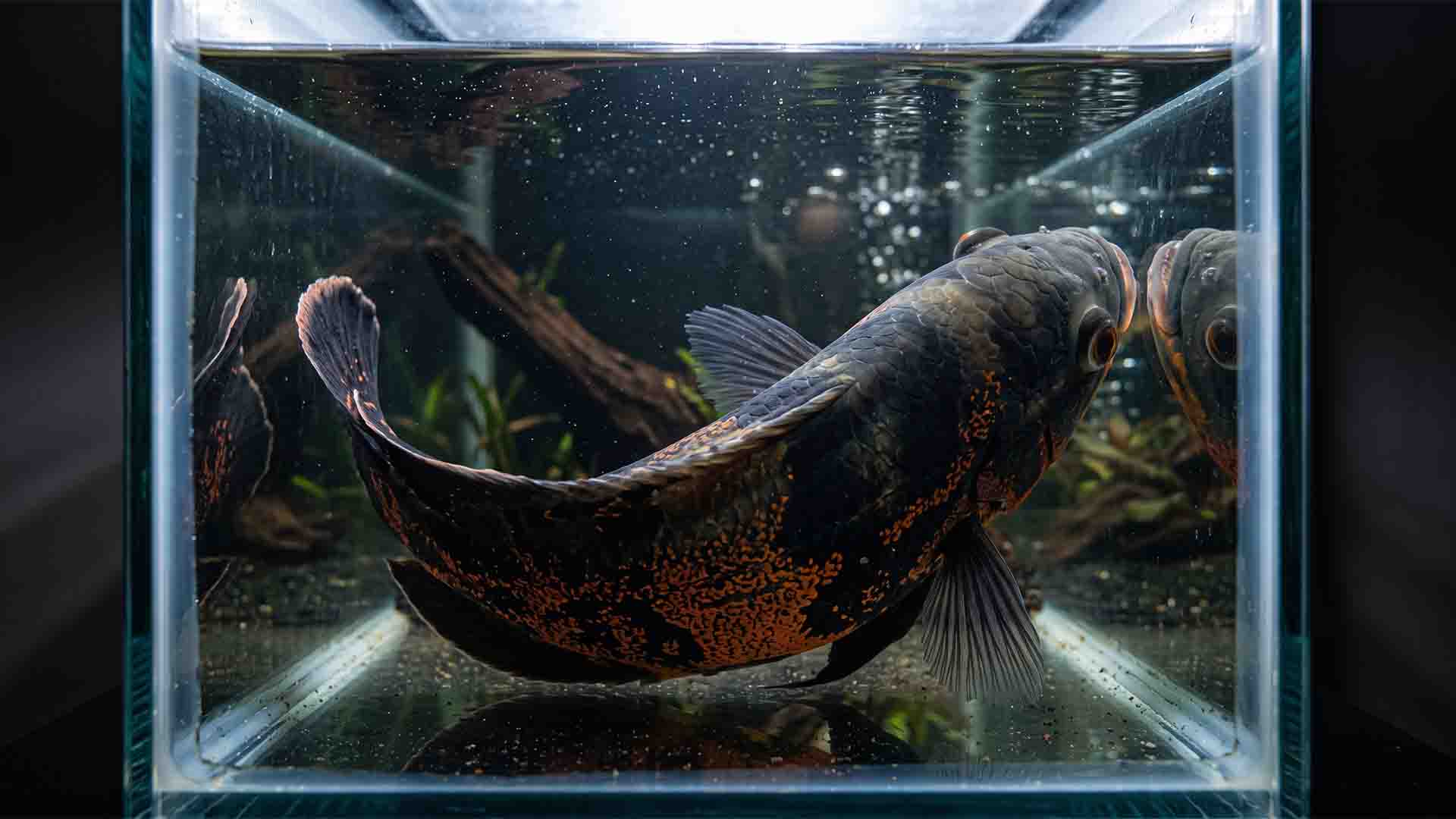
A 14-inch adult Oscar cramped in a standard 12-inch wide 55-gallon tank, showing severe hydrodynamic turn limitations.
Hydrodynamic Turn Radius vs. Adult Body Depth
To understand why tank geometry matters far more than gross gallon volume, you must evaluate the dimensional physics of a standard 55-gallon tank versus the adult morphology of Astronotus ocellatus. A standard 55-gallon aquarium measures 48 inches in length, 21 inches in height, but only 12 inches in width (front-to-back depth).
A genetically healthy, well-nourished Oscar reaches an adult total length of 12 to 15 inches (30 to 38 cm) within 18 to 24 months, accompanied by a vertical body depth of 5 to 7 inches and a thick muscular girth. When a 14-inch fish resides in a tank that is only 12 inches wide, basic Euclidean geometry exposes the catastrophe: the fish cannot execute a natural, zero-torque horizontal turn without curling its vertebral column and brushing its caudal and pectoral fins against the abrasive glass panes.
In open water, teleost fish turn using precise kinematic pulses through their lateral musculature. In a confined 12-inch corridor, the Oscar is forced into constant kinetic friction. This chronic spatial confinement results in:
- Vertebral Stunting & Spinal Compression: Sustained lateral restriction during growth phases leads to skeletal curvature and permanent swimming impairments.
- Mucous Coat Stripping: Continuous physical contact with glass walls abrades the protective epidermal mucus layer, leaving the dermis vulnerable to opportunistic fungal pathogens such as Saprolegnia.
- Neurological Glass Pacing: Severe spatial restriction triggers chronic stereotypy—repetitive, frantic pacing along the front panel that elevates baseline plasma cortisol levels.
Biomass Scaling: Why Footprint Beats Water Volume
Many hobbyists assume that because a 55-gallon tank holds roughly 450 pounds of water, it provides sufficient dilution for a single fish. This calculation completely ignores the biological concept of allometric mass scaling. As we proved in our breakdown on the 1-inch-per-gallon stocking myth, fish waste does not scale linearly with body length; it scales with body volume (mass cubed).
A 2-inch baby Oscar weighs roughly 15 grams. A 14-inch adult Oscar weighs between 1,200 and 1,600 grams—over 100 times the wet biological mass. A narrow 55-gallon system possesses a high vertical water column but a severely restricted surface area for atmospheric gas exchange (O2 dissolution and CO2 off-gassing). The heavy organic burden of a full-grown cichlid rapidly strips the dissolved oxygen out of a narrow water column while concentrating metabolic waste in a compressed footprint.
The True Biological Minimum: 75 Gallons (Solo) to 125+ Gallons (Pairs)
If you want your Oscar to reach its natural 15-year lifespan with pristine scale condition and normal behavioral patterns, you must build around horizontal footprint rather than vertical glass height:
- Absolute Solo Minimum (75 Gallons – 48″ x 18″ x 21″): The 18-inch front-to-back depth provides the critical clearance needed for a 14-inch specimen to turn 360 degrees without physical obstruction or fin abrasion.
- Long-Term Thriving Standard (125 Gallons – 72″ x 18″ x 21″): A 6-foot swimming runway allows the fish to utilize its natural burst-swimming musculature, distributes territorial aggression, and provides sufficient water mass to buffer sudden nitrate surges.
Mistake #2 – Bare Glass Heaters: The Submerged Kinetic Bomb
Keeping an unarmored, bare glass submersible heater in an Oscar aquarium is not a minor oversight; it is an active mechanical time bomb ticking beneath the surface. South American cichlids are notorious for interacting violently with their physical environment, and standard thin-walled borosilicate glass heaters cannot withstand the kinetic impact of an adult *Astronotus ocellatus*.
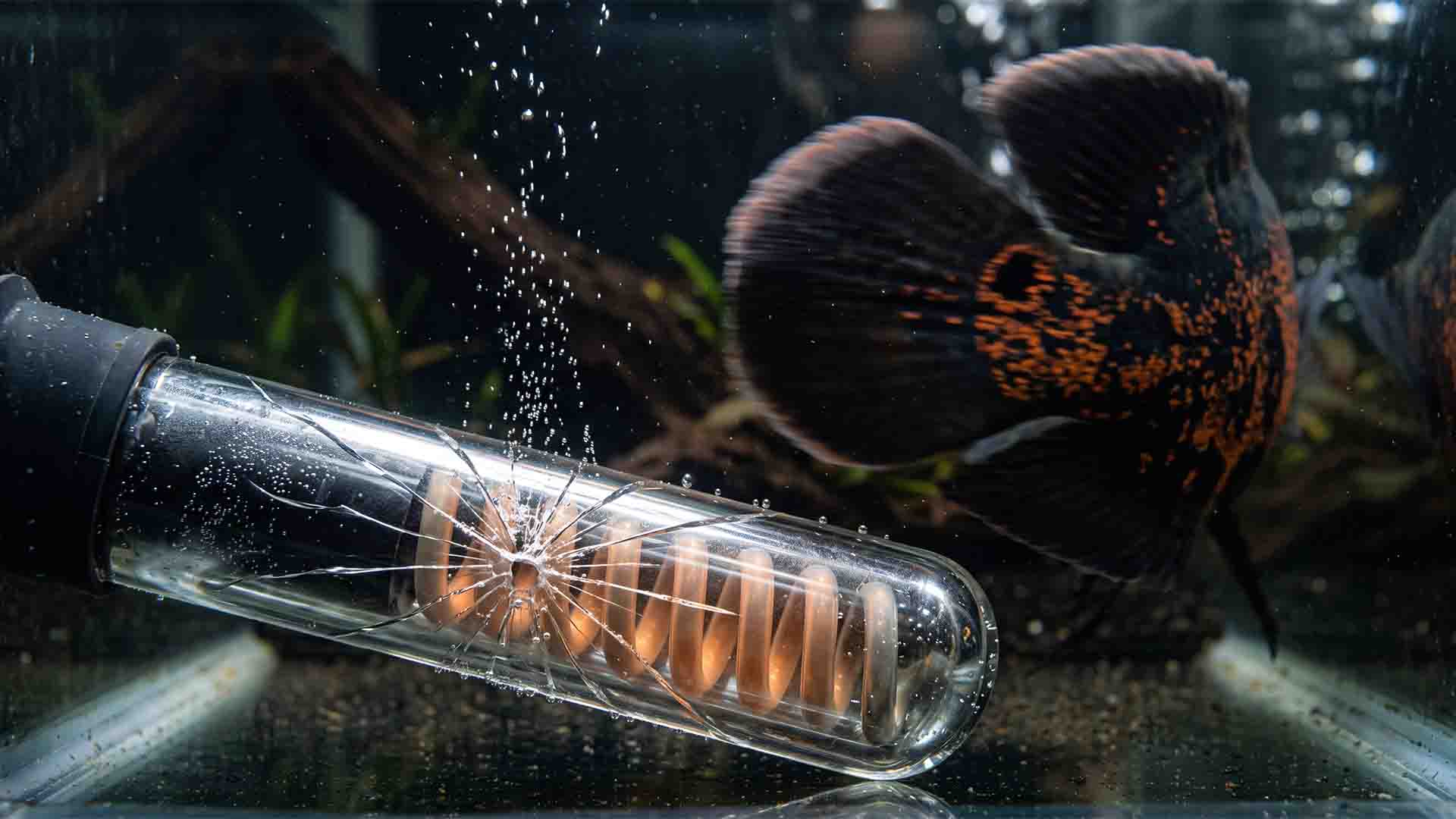
The catastrophic result of keeping unshielded bare glass heaters with large cichlids capable of delivering high-torque tail strikes.
Striking Force & Caudal Fin Torque
Oscars possess massive, highly vascularized caudal peduncles driven by fast-twitch myotomal muscle blocks. When an Oscar strikes at floating food, defends its perceived breeding territory, or lunges at its own reflection on the aquarium wall, it generates explosive hydrodynamic thrust. A full-grown 3-pound cichlid hitting the glass at maximum acceleration delivers substantial kinetic energy directly into any rigid object in its path.
Furthermore, Oscars exhibit extreme oral curiosity and object manipulation. If a glass heater is mounted horizontally or vertically with standard rubber suction cups, the fish will actively bite the power cable, headbutt the glass casing, or wedge its thick body behind the tube to dislodge it from the wall. Once the heater is knocked loose and dangles freely, a single powerful slap from the Oscar’s caudal fin will slam the fragile glass tube directly into the aquarium pane or surrounding rockwork.
Thermal Shock, Toxic Element Leakage, and Electrocution Catastrophes
When an internal glass heater fractures underwater, three fatal mechanisms activate simultaneously:
- Explosive Thermal Fracture: Internal heating coils operate at temperatures exceeding 150°C (300°F). When cold aquarium water breaches the fractured borosilicate tube and contacts the glowing resistance wire, the extreme thermal gradient triggers explosive micro-shattering, spraying razor-sharp glass shards throughout the substrate.
- Heavy Metal & Chemical Contamination: The interior of consumer heaters contains nichrome resistance wire, copper leads, and insulating chemical compounds. Water exposure causes instantaneous electrolytic decomposition, leaching toxic copper ions and chemical residues directly into the water column.
- Mains Voltage Electrocution: A shattered heater exposes live 110V/230V alternating current directly to the water. While aquatic organisms do not complete an electrical circuit to the ground if the tank is isolated, any secondary grounded equipment (such as titanium probes or stainless filter pipes) creates an active current path that paralyzes the fish’s respiratory musculature, causing immediate gill arrest. As detailed in our guide on overnight aquarium heater failures, electrical shorts are among the fastest ways to wipe an entire system.
Armor-Plated Solutions: Titanium Heaters and Polycarbonate Guards
To eliminate mechanical heater destruction entirely, implement a zero-glass policy inside the display tank:
- Solid Titanium Heating Elements: Titanium tubes are completely shatterproof, impervious to physical strikes from monster cichlids, and feature superior thermal conductivity compared to glass. Pair the titanium element with an external, dual-relay digital temperature controller mounted safely outside the aquarium cabinet.
- Heavy-Duty Polycarbonate Sleeves: If using existing glass equipment, encase the entire tube in a slotted, impact-resistant polymer heater guard secured with industrial-grade suction brackets that cannot be dislodged by physical headbutting.
- Sump or In-Line Integration: The most elegant engineering solution is removing the heater from the display tank altogether by utilizing an external in-line heater plumbed into your canister return tubing or placing the element inside the baffled chamber of a sump filter.
Mistake #3 – Unanchored Heavy Hardscape & Substrate Excavation
Hobbyists migrating from community setups to monster cichlid aquariums frequently attempt complex, delicate aquascaping using heavy slate slabs, stacked river boulders, and vertical stone pillars. In an Oscar tank, unanchored stone structures are structural hazards waiting to destroy the base of your aquarium.
As documented in our case study on monster fish that destroy aquariums, Oscars are compulsive geotechnical excavators whose natural environmental instincts directly oppose static, delicate layouts.
Cichlid Excavation Instincts: Digging to the Bottom Glass
In the wild river systems of South America, Astronotus ocellatus forage by sifting through deep river silt, blowing water jets into loose sediment to uncover buried crustaceans, and excavating deep depressions in riverbeds to prepare clean, smooth spawning surfaces. In a home aquarium, this hardwired behavioral program remains 100% active.
An adult Oscar does not view your carefully placed 2-inch sand or gravel bed as a static decorative floor. It views the substrate as raw material to be relocated. Using its powerful fleshy lips and large buccal cavity, an Oscar will systematically scoop up mouthfuls of gravel and dump them on the opposite side of the tank. Within 48 hours, a mature Oscar can displace over 30 pounds of substrate, exposing large sections of the bare bottom glass panel.
The Tipping Point: How Shifting Heavy Slate Cracks Base Glass Panels
The structural danger occurs when heavy stones or driftwood branches are resting on top of the substrate layer rather than anchored directly to the bottom glass:
- The Substrate Undermining Mechanism: As the Oscar relentlessly scoops sand away from the foundation of a 15-pound stacked rock formation, the supporting base shifts. The gravitational balance point collapses, causing the top stone to tumble downward.
- Point-Load Impact Stress: Water provides significant drag against falling objects, but a dense, sharp-edged slate or granite boulder falling only a few inches generates massive point-load kinetic force. When that sharp point impacts the unpadded tempered base glass panel of the tank, the localized tensile stress exceeds the glass’s shear strength, causing instantaneous spider-web cracking and catastrophic structural blowout (releasing dozens of gallons of water across your floor in seconds).
Structurally Locked Hardscapes: Eggcrate Grids & Direct-to-Glass Bonding
To safely aquascape an ecosystem for high-mass South American cichlids, you must engineer the hardscape from the bottom up:
- Lay Down Protective Grid Armor: Before adding a single grain of sand, line the interior bottom glass of the empty aquarium with black plastic light diffuser grid (commonly known as aquarium eggcrate). This grid distributes point-load weight evenly across the entire surface area of the glass and prevents falling rocks from making direct glass-to-stone contact.
- Anchor Heavy Stones Direct to the Base: Always place your primary structural boulders directly onto the eggcrate base before pouring in your sand or gravel. By burying the base of the rock deep in the substrate rather than resting it on top, the Oscar can dig all the way to the glass without undermining the foundation.
- Bond Large Hardscape with Aquarium-Safe Silicone or Epoxy: If creating stacked stone formations or complex driftwood arrangements, permanently lock the pieces together using non-toxic two-part epoxy putty or structural aquarium silicone. If a piece of decor cannot be lifted as a single immovable monolith, it does not belong in an Oscar tank.
Mistake #4 – Underestimating Massive Cichlid Bioload & Metabolic Waste Output
The vast majority of Oscar mortalities between the eighth and fourteenth month of ownership do not stem from infectious disease outbreaks or sudden equipment electrical failures. They occur because the aquarist fundamentally underestimates the astronomical metabolic scaling of Astronotus ocellatus. An Oscar is an apex carnivorous teleost engineered with a high metabolic throughput. In nature, these fish inhabit massive open river channels, oxbow lakes, and flooded forest basins across the Amazon, Orinoco, and Paraguay river systems. In these environments, thousands of cubic meters of pristine, flowing freshwater continuously dilute and export metabolic byproducts. In a closed recirculating home aquarium, that luxury does not exist.
When an Oscar feeds, digests, and respires, it converts dense animal proteins into soluble nitrogenous toxins at a rate that quickly overwhelms standard retail filtration hardware. Failing to account for this exponential biochemical output is why so many tanks look pristine on Monday and turn into toxic death traps by Friday.
Protein Catabolism & Branchial Ammonia Excretion
To engineer a filtration system that actually sustains an adult Oscar, you must first understand teleost nitrogen excretion physiology. Oscars are strictly ammonotelic organisms. Unlike terrestrial mammals that convert nitrogenous waste into relatively benign urea or uric acid, fish eliminate the vast majority of their metabolic waste as direct, highly toxic un-ionized ammonia (NH3).
Here is the physiological reality most aquarium guides completely ignore: only 10% to 15% of an Oscar’s total nitrogenous waste is excreted through its solid fecal matter. The remaining 85% to 90% of total ammonia is excreted directly through the branchial epithelial cells of the gills. As the Oscar breaks down dietary protein via deamination in the liver, ammonia enters the bloodstream, diffuses across the semi-permeable gill lamellae, and dissolves instantly into the surrounding water column.
This means that even if you obsessively siphon every visible piece of solid fish waste from your gravel bed with a mechanical vacuum, your Oscar is continuously pumping dissolved invisible toxin into the water with every single respiratory gill cycle. If your biological filter media lacks the specific surface area (SSA) to support a massive, hyper-active biofilm of ammonia-oxidizing microorganisms, that branchial output rapidly accumulates in the blood, causing gill hyperplasia, capillary hemorrhage, and cellular hypoxia.
The Juvenile Buffer Illusion: Why Tanks Collapse at Month 8
The primary driver of the “Month 8 System Collapse” is the nonlinear nature of teleost growth kinetics. When you purchase a juvenile Oscar measuring 2 inches (5 cm), its total wet body mass is approximately 10 to 15 grams. Its respiratory surface area is tiny, its daily pellet consumption is measured in milligrams, and its branchial ammonia production is easily handled by an entry-level hang-on-back (HOB) filter or a simple sponge filter.
Hobbyists observe this easy maintenance during the first 90 days and mistakenly assume their filtration is perfectly matched to the animal. But juvenile Oscars grow at a blistering pace of 0.75 to 1.5 inches per month during their first year. By month eight, that same specimen has reached 9 to 11 inches in length, and its physical body mass has scaled cubically to over 700–900 grams—a 6000% increase in living biological tissue.
At this threshold, the fish’s daily waste output exceeds the maximum carrying capacity of the filter’s nitrifying biofilm. As we highlighted in our comprehensive diagnostic breakdown of the false stability phase in aquariums, the tank enters a state of chronic sub-clinical toxicity. Ammonia and nitrite may test at trace levels during morning hours, but they spike violently into lethal ranges following daily feedings, eroding the fish’s vascular and neurological health without ever turning the water visibly cloudy.
Biological Turnover Thresholds: The 10x GPH Rule for South American Cichlids
Standard aquarium retail guidance suggests a filter turnover rate of 4 to 5 times the aquarium volume per hour. For a heavily stocked community of small tetras or rasboras, that rate is acceptable. For a high-mass Neotropical cichlid, a 4x turnover rate is an engineering failure.
Because Oscars are messy, high-waste eaters that shred food during mastication and generate high branchial ammonia fluxes, an Oscar aquarium requires a minimum true turnover rate of 8x to 10x the gross tank volume per hour. Furthermore, you must distinguish between the manufacturer’s rated pump flow (measured with an empty canister and zero head height) and actual operational flow under biological load. A canister filter rated at 400 Gallons Per Hour (GPH) typically delivers only 220–250 GPH once loaded with dense biological media, coarse foam pre-filters, and inline plumbing.
For a standard 100-gallon Oscar aquarium, your filtration system must achieve an actual, measured mechanical and biological flow rate of at least 800 to 1,000 GPH. Achieving this level of fluid dynamics requires a multi-stage heavy-duty canister filter setup or a fully optimized sump ecosystem, as detailed in our guide on comparing aquarium filters for high-demand setups.
Oscar Growth Stage vs. Biomass vs. Biological Filtration Demands
The following technical matrix illustrates how an Oscar’s biological load scales over time and the precise filtration capacities required to maintain chemical equilibrium:
| Growth Stage & Total Length | Average Wet Biomass | Est. Daily Ammonia Excretion | Minimum True Turnover (GPH) | Primary Failure Mechanism If Undersized |
|---|---|---|---|---|
| Juvenile (2–3 Inches) | 15–35 grams | 10–25 mg NH3-N | 250–350 GPH | Low risk; standard hang-on-back filters provide sufficient surface area. |
| Sub-Adult (6–8 Inches) | 250–450 grams | 180–300 mg NH3-N | 600–800 GPH | Mechanical clogging of fine pads; sudden post-feeding nitrite spikes. |
| Adult (12–14+ Inches) | 1,200–1,600 grams | 850–1,200 mg NH3-N | 1,000–1,400+ GPH | Chronic nitrate accumulation (>80 ppm), systemic organ failure, and HITH activation. |
Mistake #5 – Chronic Nitrate Drift & Hole in the Head (HITH / HLLE) Pathology
There is no condition in monster cichlid keeping more feared, misunderstood, and improperly treated than Hole in the Head (HITH) disease, scientifically categorized alongside Head and Lateral Line Erosion (HLLE). Beginners frequently treat HITH as a sudden, isolated parasitic infection that can be eradicated by dumping a bottle of general cure into the display tank. In reality, HITH is a degenerative, environmental pathology resulting from months of chronic nitrate accumulation, micro-particulate irritation, and systemic mineral depletion.
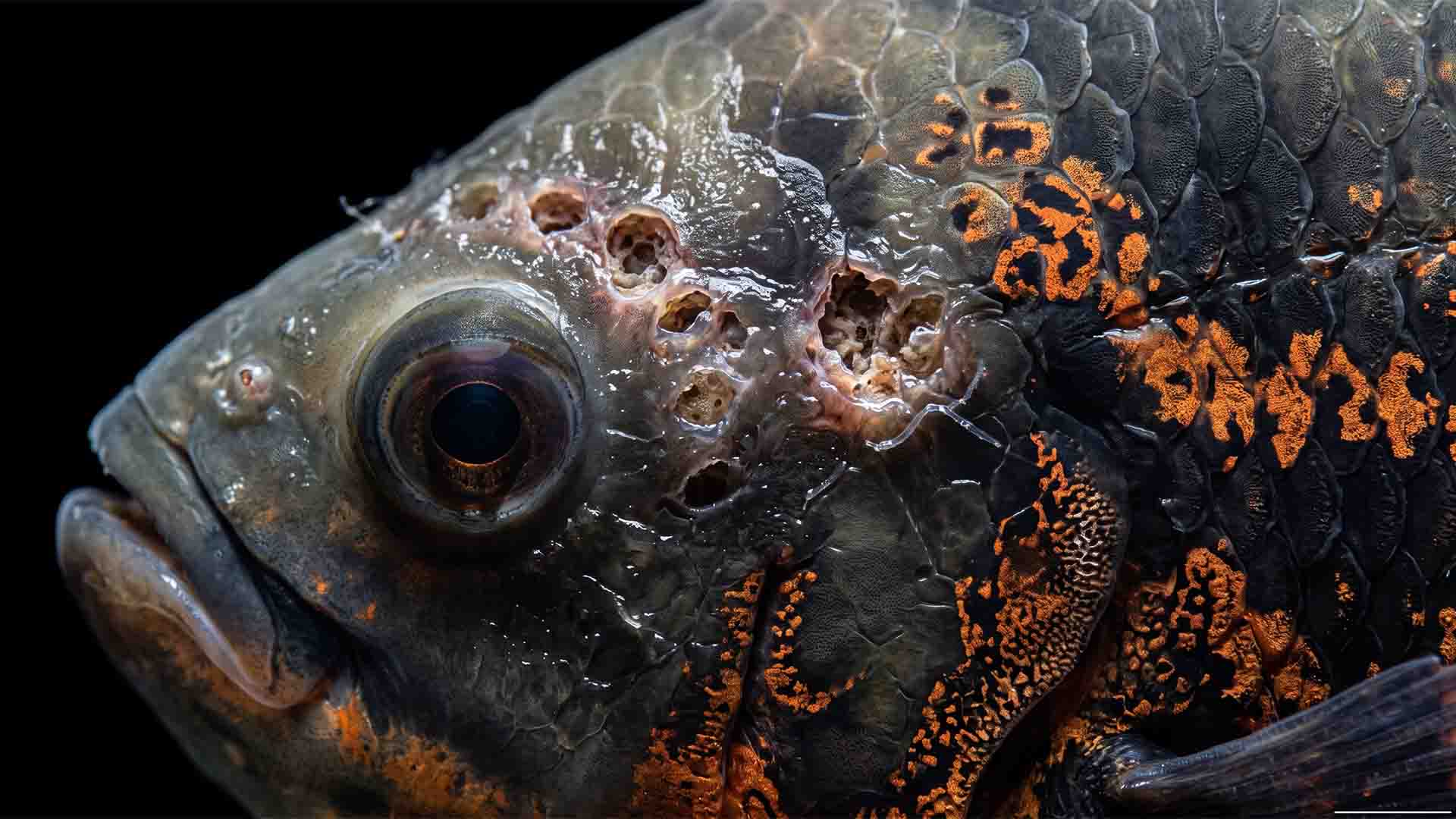
Early to mid-stage Hole in the Head (HITH) disease: Characteristic micro-pits forming around the lateral line and sensory pores due to chronic nitrate drift.
The Etiology of Spironucleus vortens & Sensory Lateral Line Pore Necrosis
To successfully treat and permanently prevent HITH, you must dissect the biochemical and microbiological chain reaction that drives it. The micro-organism most commonly isolated from active HITH lesions is Spironucleus vortens (a diplomonad flagellate parasite formerly misclassified under the genus Hexamita).
What pet store medication labels fail to explain is that Spironucleus vortens is a commensal opportunistic protozoan. Small colonies of this flagellate reside harmlessly inside the intestinal tract of virtually all healthy, wild, and captive-bred Oscars. Under pristine environmental conditions, the fish’s innate immune system (mucosal immunoglobulins and gut flora) easily suppresses the flagellate population.
The breakdown occurs when the Oscar is exposed to chronic environmental stress—specifically sustained nitrate concentrations exceeding 30 to 40 parts per million (ppm). High environmental nitrate levels force the fish into continuous osmoregulatory and hematological stress, triggering a steady secretion of corticosteroids (cortisol). Prolonged systemic cortisol exposure causes profound immunosuppression.
With host immune defenses compromised, Spironucleus vortens multiplies exponentially inside the gastrointestinal tract, damaging the intestinal mucosa and breaching the mesenteric vascular barrier. The flagellates enter the bloodstream and disseminate systemically throughout the fish’s vascular network. Because the cranial sensory canals and lateral line pores are among the most densely vascularized and structurally delicate tissues on the fish’s body, the parasites accumulate in the capillaries surrounding these sensory neuromasts. The localized blockage of blood flow triggers focal ischemic necrosis: the epidermal tissue starves of oxygen and nutrients, collapses, and sloughs away, leaving the classic pitted craters and open cavities that define HITH.
The Activated Carbon Factor: Fine Dust, Micro-Abrasion, and Trace Mineral Stripping
While chronic nitrate toxicity is the primary biochemical driver of HITH, multiple landmark veterinary studies have identified a secondary mechanical and chemical trigger: the continuous, unfiltered use of low-grade extruded activated carbon.
Activated carbon is widely marketed to beginners as an indispensable filter media. However, low-grade bituminous coal-based carbons break down under water flow into sub-micron carbon dust particles. These microscopic, abrasive carbon shards pass through standard mechanical filter pads and enter the water column. As the Oscar respires, these particles settle directly into the open cephalic lateral line pores, causing chronic mechanical abrasion, severe epithelial irritation, and localized granulomatous inflammation.
Simultaneously, aggressive continuous carbon filtration non-selectively adsorbs essential divalent trace minerals—specifically dissolved calcium, magnesium, strontium, and bioavailable iodine—out of the water column. In an enclosed aquarium without heavy mineral replenishment, this creates severe hypocalcemia and micronutrient starvation, accelerating the degradation of cranial cartilage and preventing the fish from healing micro-abrasions in its sensory canals.
Reversing HITH: The Sub-20 ppm Nitrate Mandate and Mineralized Regimes
Pouring antibiotics or antiprotozoals like metronidazole directly into an unmaintained, high-nitrate Oscar tank is an exercise in futility. The medication may temporarily knock down the flagellate count, but the underlying tissue necrosis will immediately resume once the drug leaves the water column because the systemic triggers remain intact. To cure HITH permanently, you must execute a strict biological and environmental protocol:
- The Absolute Sub-20 ppm Nitrate Baseline: Test your water with a calibrated liquid reagent kit. You must establish a water change regimen—typically 40% to 50% twice weekly—that keeps steady-state nitrate levels strictly below 20 ppm (and ideally below 10 ppm). For natural, passive nitrate export, implement our proven strategies for reducing nitrate levels naturally, including the integration of heavy emersed root systems like riparium-grown Pothos plants.
- Immediate Carbon Extraction: Strip all chemical carbon media, carbon-impregnated pads, and resin cartridges out of your filters immediately. Replace that filter volume with inert, high-surface-area porous ceramic or sintered glass biological biomedia.
- Dietary Mineral & Vitamin Fortification: Switch from dry, nutrient-depleted generic flakes to premium cichlid pellets fortified with stabilized Vitamin C (L-ascorbyl-2-polyphosphate) and Vitamin D3. Soak pellets in liquid marine lipid supplements containing bioavailable calcium and omega-3 fatty acids for 10 minutes prior to feeding. Within 4 to 8 weeks of maintaining zero carbon dust, sub-20 ppm nitrates, and high mineral intake, active HITH craters will arrest, granulate, and slowly seal with healthy scar tissue.
Mistake #6 – Washing Filter Media Under Tap Water (The Chlorine Reset)
There is an insidious cleaning habit repeated by thousands of cichlid owners that single-handedly destroys established biological filters in less than sixty seconds: taking a canister tray full of mature biological media or a heavy mechanical foam block directly to the kitchen sink and rinsing it thoroughly under cold tap water.
This single action is the direct cause of the dreaded “New Tank Syndrome in Mature Aquariums,” triggering instantaneous ammonia spikes, severe gill burns, and mysterious fish deaths that occur 48 to 72 hours after routine maintenance. We have broken down the mechanics of this exact disaster in our guide on why aggressive filter cleaning triggers lethal ammonia spikes.
Biochemical Lysis of Nitrosomonas and Nitrospira Biofilms by Chlorine/Chloramines
Municipal tap water is deliberately dosed with chemical disinfectants—specifically free dissolved chlorine (Cl2) or monochloramine (NH2Cl)—at concentrations ranging from 0.5 to 4.0 ppm. Municipal water authorities add these oxidizing biocides for one explicit reason: to rapidly and indiscriminately destroy microbial life and bio-slimes inside distribution pipes.
Your filter’s biological media is colonised by a delicate, structured multi-species consortium of chemolithoautotrophic nitrifying microorganisms, predominantly Nitrosomonas europaea, Nitrosococcus (ammonia oxidizers), and Nitrospira marina / Nitrospira moscoviensis (nitrite oxidizers). These beneficial bacteria do not float freely; they anchor themselves to the microscopic pores of your ceramic rings using a complex matrix of self-produced extracellular polymeric substances (EPS).
When you expose this mature biological biofilm to raw tap water, the chlorine and chloramines act as powerful electrophilic oxidizers:
- Oxidative Cell Wall Rupture: Chlorine molecules rapidly penetrate the EPS protective layer, oxidizing sulfhydryl groups (-SH) in bacterial structural proteins and disrupting cellular membrane permeability.
- Enzyme Inactivation & Cellular Lysis: Once inside the bacterial cytoplasm, chlorine denatures respiratory enzymes (including ammonia monooxygenase) and oxidizes bacterial DNA, causing complete cellular lysis (cell rupture) within 30 to 60 seconds of direct exposure.
- Chloramine Nitrogen Release: If your municipality uses chloramines, the chemical reaction is doubly disastrous. When chloramines break down upon contact with organic filter sludge, they release raw, un-ionized ammonia molecules directly onto the media while simultaneously murdering the very bacteria required to consume it.
The Secondary Heterotrophic Bacterial Bloom (The Milky Water Paradox)
When an aquarist rinses their filter media under the tap, kills their autotrophic bio-colony, and reinstalls the filter into the tank, an immediate ecological vacuum is created. The fish continues to excrete branchial ammonia at an adult rate, but there are no living nitrifying bacteria left on the media to process it.
Within 24 to 48 hours, free-floating opportunistic heterotrophic bacteria detect the massive surge of unoxidized dissolved organic carbon (DOC) and nitrogen in the water column. Unlike slow-growing nitrifiers (which have a generation doubling time of 15 to 24 hours), heterotrophic bacteria have a doubling time of just 15 to 20 minutes.
The heterotrophs explode in numbers directly inside the open water column, creating a dense, cloudy, milky-white haze. The panicked hobbyist sees the cloudy water, assumes the tank is “dirty,” and proceeds to perform another massive water change or cleans the filter media even harder under the tap, creating a vicious, lethal feedback loop that we explore in detail in our article on why aquarium water stays cloudy and how to break the cycle.
Safe Sump and Heavy Canister Maintenance Protocols
To clean high-capacity cichlid filtration systems without compromising your biological engine, you must adhere to a strict, non-destructive servicing protocol:
- The Siphoned Tank Water Wash Basin: Never bring filter media to the sink. During your scheduled partial water change, siphon 3 to 5 gallons of temperature-matched aquarium water directly from the display tank into a clean, dedicated plastic utility bucket.
- Staggered Mechanical vs. Biological Cleaning: Remove your mechanical pre-filter foams and coarse pads first. Squeeze them aggressively inside the bucket of siphoned tank water to discharge trapped organic sludge and detritus. Once the mechanical media is free of physical blockages, gently submerge and swirl your biological ceramic rings or sintered glass media in a separate bucket of tank water to rinse off surface silt without abrading the bacterial biofilm.
- The 50% Alternating Axis Rule: If you run a large multi-tray canister filter, never deep-clean all biological trays during the same service session. Clean the lower mechanical stages and Tray 1 during Week 1; leave Tray 2 and Tray 3 completely untouched until the following month. This guarantees that even if a portion of the biofilm is disturbed, the remaining trays maintain total nitrogen processing capacity.
Filter Maintenance Chemistry: Safe Rinse vs. Tap Water Biofilm Collapse
The chemical and microbiological consequences of proper vs. improper filter media maintenance are directly contrasted in the following comparison table:
| Maintenance Parameter | Proper Siphoned Tank Water Rinse | Direct Municipal Tap Water Wash |
|---|---|---|
| Biocide Exposure (Cl2 / Chloramines) | Zero: Water is fully dechlorinated and biologically aged. | Lethal: Direct contact with 0.5–3.0 ppm free oxidizers. |
| Nitrifying Biofilm Impact (Nitrospira/Nitrosomonas) | 95%+ Survival: Biofilm architecture remains fully intact on micropores. | Massive Cell Lysis: Up to 90% bacterial mortality within 60 seconds. |
| Water Clarity 48h Post-Service | Crystal Clear: Biological equilibrium remains uninterrupted. | Milky Bacterial Bloom: Secondary heterotrophic population explosion. |
| Post-Maintenance Chemistry Profile | Ammonia: 0 ppm | Nitrite: 0 ppm | Nitrate: Stable | Ammonia Spike (0.5–2.0+ ppm) | Nitrite Crash | Severe Gill Stress |
Mistake #7 – Cold Water Metabolic Freeze (Temperature Fluctuations)
Because Oscars are large, aggressive, and outwardly hardy, many beginner keepers treat them like temperate, cold-tolerant species, assuming that room temperature or an unmonitored budget heater is sufficient to sustain them. In reality, Astronotus ocellatus is an obligate tropical Neotropical cichlid with a thermal physiology rigidly adapted to the warm, thermally stable equatorial waters of South America (where ambient river temperatures consistently hover between 25°C to 28°C / 77°F to 82°F with virtually zero seasonal drop).
Subjecting an Oscar to sub-optimal temperatures—or allowing overnight thermal swings of more than 3°F to 4°F—initiates a cascading physiological condition we categorize as Cold Water Metabolic Freeze.
The Q10 Temperature Coefficient in Teleost Digestion
Fish are ectothermic poikilotherms; their internal body temperature, metabolic rate, enzymatic activity, and immune responsiveness are dictated entirely by the kinetic thermal energy of the surrounding water. In teleost biochemistry, this relationship is governed by the Q10 Temperature Coefficient, which dictates that biological enzymatic reaction rates increase or decrease by a factor of 2 to 3 for every 10°C (18°F) shift in environmental temperature.
When an Oscar tank drops below 23°C (74°F)—a common occurrence during winter months in homes where heaters are undersized or fail overnight—the kinetic activation of the fish’s core digestive enzymes collapses:
- Gastric Pepsin and Hydrochloric Acid Arrest: In the Oscar’s stomach, the low thermal state inhibits the secretion of gastric acid and prevents the activation of the proteolytic enzyme pepsin, stalling initial protein breakdown.
- Pancreatic Trypsin & Chymotrypsin Failure: In the proximal intestine, pancreatic protease and lipase activity drops by over 50% to 65%. High-protein cichlid pellets or meaty foods ingested by the fish cannot be hydrolyzed or absorbed.
Gastrointestinal Stasis & Opportunistic Invasions Below 23°C (74°F)
When an Oscar consumes a heavy meal in water that is too cold, the biological consequences are severe. Because the digestive enzymes are thermally inhibited, the ingested bolus of food cannot move through the gastrointestinal tract. The fish enters a state of gastrointestinal stasis (gut impaction).
The warm, moist, but non-acidic environment of the stalled digestive tract becomes an ideal incubator for putrefactive anaerobic bacteria. The food actively rots and ferments inside the Oscar’s gut, producing severe gas distension, compressing the adjacent swim bladder, and damaging the mucosal lining of the intestinal wall. The fish displays classic clinical distress: it rests motionless at the bottom of the tank, clamps its dorsal and anal fins, exhibits a distended lower abdomen, and refuses all incoming food.
Simultaneously, the fish’s immune system enters thermal shutdown. Low water temperatures suppress the replication and migration of teleost white blood cells (leukocytes) and reduce the secretion of protective epidermal mucus. Opportunistic, cold-tolerant pathogens present in the water column—such as the ubiquitous water mold Saprolegnia and opportunistic bacteria like Aeromonas hydrophila—exploit this window of thermal vulnerability. Within days, the impacted Oscar develops secondary fungal cotton patches, systemic bloat (dropsy), and fatal bacterial enteritis, as documented in our diagnostic analysis on hidden physiological mistakes that kill aquarium fish.
Dual-Heater Redundancy to Prevent Overnight Thermal Drops
Relying on a single large heater (such as one 300W glass element) to heat a 75- to 125-gallon Oscar aquarium is an unacceptable single-point-of-failure risk. If that single unit experiences a stuck-open bimetallic contact, it will boil your cichlid to death within 12 hours; if its element fractures or trips its internal fuse during a cold winter night, the tank temperature will plummet into the critical danger zone before you wake up.
To guarantee absolute thermal stability and eliminate Cold Water Metabolic Freeze, deploy a Dual-Heater Redundancy Framework:
- Split the Total Wattage Across Two Independent Units: If your tank volume and room temperature require 300 watts of heating power, install two independent 150-watt titanium heating elements placed at opposite ends of the aquarium near high-flow filter returns.
- The Built-in Thermal Safety Buffer: If one 150W heater fails and gets stuck permanently ON, it lacks the thermal mass to overheat a 100-gallon aquarium into the lethal range. Conversely, if one 150W heater completely dies, the secondary 150W element will continuously fire, buffering the water and preventing the tank from dropping below 72°F–74°F until you detect the failure.
- External Dual-Stage Microprocessor Control: Connect both heating elements into a dedicated external temperature controller equipped with a dual digital temperature probe. Calibrate the primary setpoint to 26.0°C (78.8°F) with an automatic high-temp cut-off alarm at 28.5°C (83.3°F) and a low-temp alarm at 24.5°C (76.1°F). This eliminates reliance on inaccurate internal mechanical thermostats and locks your Oscar ecosystem into lifelong thermal stability.
Mistake #8 – Feeder Goldfish: The Parasite & Thiaminase Trap
Feeding live “feeder” goldfish (Carassius auratus) or rosy red minnows to an Oscar is often romanticized as natural predator enrichment. Retail stores frequently display small tanks crowded with thousands of cheap feeder fish, promoting them as an ideal protein source for monster cichlids. In reality, introducing commercial feeder goldfish into an established Oscar aquarium is the single fastest way to introduce lethal systemic pathogens and induce irreversible neurological paralysis.
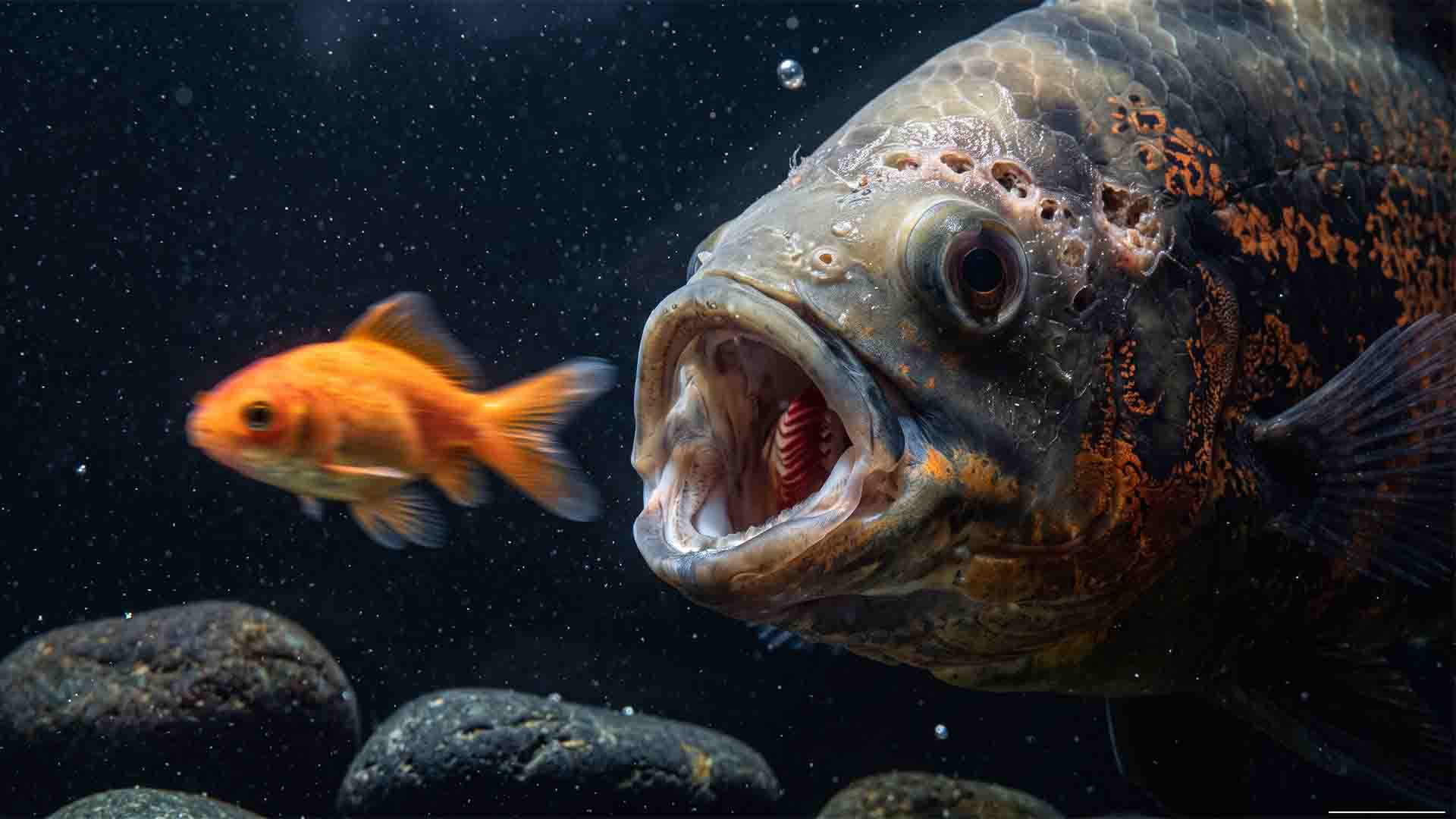
The feeder fish illusion: Feeder goldfish carry severe parasite loads and the thiaminase enzyme, which destroys vitamin B1 in predatory cichlids.
Thiaminase Enzyme Activity & Vitamin B1 (Thiamine) Destruction
Beyond the obvious parasite risks, there is a profound biochemical hazard hidden inside the flesh of cyprinid fish (goldfish and minnows): high concentrations of the enzyme thiaminase. Thiaminase is a destructive enzyme that cleaves the thiamine molecule (Vitamin B1) at the methylene bridge, rendering it biologically inactive.
In teleost biology, Vitamin B1 is a required coenzyme for pyruvate dehydrogenase and alpha-ketoglutarate dehydrogenase—the foundational enzymatic complexes of the cellular citric acid (Krebs) cycle and carbohydrate metabolism. When an Oscar consumes a diet heavy in feeder goldfish, thiaminase accumulates in its digestive tract, actively destroying both dietary thiamine and the fish’s endogenous hepatic thiamine reserves.
Over several months of feeding, this produces clinical Thiamine Deficiency Syndrome. The progression is horrifying to witness: the Oscar develops progressive ataxia (loss of motor coordination), swims in corkscrew patterns, exhibits tremors in its pectoral fins, and eventually suffers complete peripheral nerve paralysis followed by systemic cardiac arrest. This metabolic breakdown is completely irreversible in its terminal stages.
Centralized Retail Feeder Tanks as Pathogen Vectors
Commercial feeder fish are bred and transported under conditions of extreme biological distress. In wholesale and retail holding systems, thousands of feeder goldfish are packed into uncycled, high-density vats sharing centralized water loops. Under this level of environmental pressure, their mucosal slime coats collapse, turning feeder tanks into active incubators for virulent aquatic diseases.
When you dump a bag of feeder goldfish into your display tank, you are introducing a microscopic Trojan horse. Feeder goldfish routinely carry heavy loads of:
- Ichthyophthirius multifiliis (Ich): Highly contagious ciliated protozoan parasites that burrow under the Oscar’s skin and gill lamellae.
- Dactylogyrus & Gyrodactylus (Gill and Skin Flukes): Monogenean flatworms that latch onto the delicate gill filaments, causing respiratory asphyxiation and secondary bacterial infections.
- Flavobacterium columnare (Columnaris): Highly destructive gram-negative bacteria that produce rapid saddleback lesions and gill necrosis.
- Intestinal Flagellates (Spironucleus/Hexamita): Directly seeding the Oscar’s gut with the exact micro-organisms that drive Hole in the Head disease.
Safe Live Feeder Alternatives: Cultured Insects & Annelids
If you want to satisfy your Oscar’s predatory feeding drive without risking thiaminase poisoning or pathogen contamination, you must utilize clean, pathogen-free terrestrial and invertebrate food sources:
- Gut-Loaded Crickets & Dubia Roaches: Captive-bred feeder insects are thiaminase-free, packed with high-quality digestible protein, and their chitinous exoskeletons provide essential dietary fiber that clears the Oscar’s gastrointestinal tract. Dust insects with calcium powder and spirulina before feeding.
- Cultured Nightcrawlers & Earthworms (Lumbricus terrestris): Sourced from pesticide-free bait cultures, earthworms are one of the most nutritionally complete natural foods for South American cichlids, rich in amino acids, natural enzymes, and bioavailable minerals.
- Frozen Whole Shell-On Krill & Silversides: Flash-frozen marine crustaceans and whole fish from pathogen-free ocean environments provide natural astaxanthin pigments that enhance the Oscar’s fiery orange coloration without carrying freshwater parasites.
If you want to see the real-world behavioral difference between an Oscar fed clean invertebrate proteins versus one suffering from dietary crashes, make sure to explore our video breakdowns on the FishTank Mastery YouTube channel, where we deconstruct predator nutrition right at the tank glass.
Mistake #9 – Low-Grade Dry Pellets & Mammalian Saturated Fats (The Beef Heart Myth)
Dietary misinformation in the cichlid hobby is widespread, but none is more biologically damaging than the persistent practice of feeding mammalian meats—specifically raw beef heart, ground beef, or poultry—to large South American cichlids. Hobbyists often copy commercial Discus breeding protocols without understanding that Oscars have entirely different metabolic and hepatic systems.
Hepatic Lipidosis (Fatty Liver Disease) in Neotropical Piscivores
Teleost fish evolved in aquatic thermal environments where lipid structures remain fluid at lower temperatures (predominantly polyunsaturated fatty acids with omega-3 and omega-6 chains). They lack the biochemical enzymes, specific bile salts, and metabolic pathways required to hydrolyze and emulsify high-melting-point mammalian saturated fatty acids such as stearic and palmitic acids.
When an Oscar ingests mammalian fats from beef heart or red meat, its body cannot utilize or transport these lipid molecules through the bloodstream. Instead, the saturated triglycerides pass through the hepatic portal system and accumulate uncontrollably inside the hepatocytes (liver cells). This triggers severe Hepatic Lipidosis (Fatty Liver Disease).
As fat droplets engulf the liver parenchyma, the liver enlarges pathologically, cutting off its own micro-vascular blood supply. Hepatic tissue undergoes focal necrosis and develops heavy deposits of yellow-brown ceroid pigment. The fish appears outwardly robust and fast-growing for the first twelve months, but its internal metabolic engine is dying. By year three or four—well before its natural fifteen-year lifespan—the Oscar suffers acute liver failure, abdominal dropsy, and sudden mortality.
The Terrestrial Grain Filler Problem in Commercial Pellets
The opposite extreme of the beef heart mistake is feeding low-grade commercial cichlid pellets dominated by cheap terrestrial grain fillers. When you inspect the ingredient list of budget fish food, the first four ingredients are often wheat middlings, soybean meal, ground corn, and corn gluten meal.
Oscars have short, carnivorous gastrointestinal tracts designed to process animal protein, chitin, and aquatic algae. They lack the long, complex digestive systems and specialized microflora required to break down complex terrestrial starches and insoluble grain carbohydrates. Diets dominated by corn and soy result in:
- Poor Digestibility & Massive Fecal Waste: The fish absorbs only a fraction of the nutrients, passing the rest as undigested starch straight into your substrate, fueling explosive heterotrophic bacterial blooms and nitrate spikes.
- Chronic Intestinal Inflammation & Bloat: Undigested starches ferment in the hindgut, creating osmotic pressure imbalances, gas accumulation, and swim bladder displacement.
Designing an Insect-Dominant, High-Fiber Oscar Diet
To sustain an Oscar for over a decade with pristine liver health, base its diet on foods that mimic the natural Neotropical trophic web:
- Primary Staple (70%): Premium, cold-extruded pellets where the primary protein sources are whole insect meal (such as Black Soldier Fly larvae – Hermetia illucens), whole Antarctic krill, and whole herring meal. Look for a minimum crude fiber content of 4% to 6% and zero terrestrial wheat or soy binders.
- Secondary Fresh/Frozen Feeds (20%): Thawed whole mysis shrimp, chopped raw shell-on marine shrimp (which provides chitin for natural bowel motility), cultured earthworms, and occasional blanched peas to sweep the gastrointestinal tract.
- Carotenoid & Vitamin Enrichment (10%): Natural foods rich in astaxanthin and beta-carotene (such as spirulina powder and cyclops) to maintain vibrant dermal pigments and strengthen the mucosal barrier.
Mistake #10 – The Short-Body (Balloon) Genetic Mutation Trap
In recent years, commercial fish farms have heavily marketed “Short-Body Oscars” (often sold as Balloon Oscars) as compact, cute, and manageable alternatives for smaller home aquariums. Beginners frequently purchase these mutated specimens under the impression that they represent a naturally smaller variety of Astronotus ocellatus. In biological reality, short-body Oscars are severe structural deformities created by commercial line-breeding of hereditary skeletal dysplasia.
Skeletal Dysplasia, Visceral Compression, and Swim Bladder Failures
The short-body trait is caused by a severe genetic mutation that inhibits longitudinal vertebral growth while permitting normal visceral organ development. The fish’s spine is drastically shortened, compressed, and distorted by acute lordosis (downward spinal curvature) and scoliosis (lateral spinal curvature).
Because the Oscar’s internal organs grow to standard adult mass within a body cavity compressed by 40% to 50%, the anatomical consequences are catastrophic:
- Visceral Organ Crowding: The liver, gastrointestinal tract, heart, and gonads are forced into severe physical compaction against the peritoneal wall, leading to chronic digestive constrictions and impaired systemic blood circulation.
- Deformed Swim Bladder Diverticulum: The Oscar’s two-chambered hydrostatic swim bladder is displaced and structurally deformed. Even minor intestinal gas accumulation from feeding presses directly against the compromised swim bladder, causing the fish to lose neutral buoyancy. Short-body Oscars spend massive amounts of energy struggling to stay upright, frequently flipping upside down or sinking permanently to the substrate.
- Respiratory Mechanics & Gill Compromise: Compressed opercular cavities restrict water flow across the gill lamellae, reducing oxygen extraction efficiency and making the fish exceptionally vulnerable to low dissolved oxygen events.
Ethical Selection & Drastic Life Expectancy Reductions
While a wild-type or standard long-body captive Oscar easily achieves a lifespan of 12 to 15+ years under dedicated care, short-body morphs rarely survive past 3 to 5 years. Their compressed internal geometry creates an inevitable biological bottleneck where organ failure, chronic constipation, spinal nerve pinching, and swim bladder ruptures become fatal.
As ethical aquarists dedicated to true ecosystem mastery, we strongly advocate avoiding short-body mutations entirely. Choose genetically robust, standard-body wild-type, Tiger, Albino, or Red Oscars that possess the physiological capacity to swim, feed, respire, and thrive as evolution intended.
The FTM Oscar Ecosystem Master Blueprint: Building an Unbreakable System
Transitioning from a reactive fishkeeper fighting endless water quality crises to an authoritative ecosystem master requires an engineered approach. Below is the exact technical blueprint developed by FishTank Mastery to maintain adult South American cichlids in total biological balance.
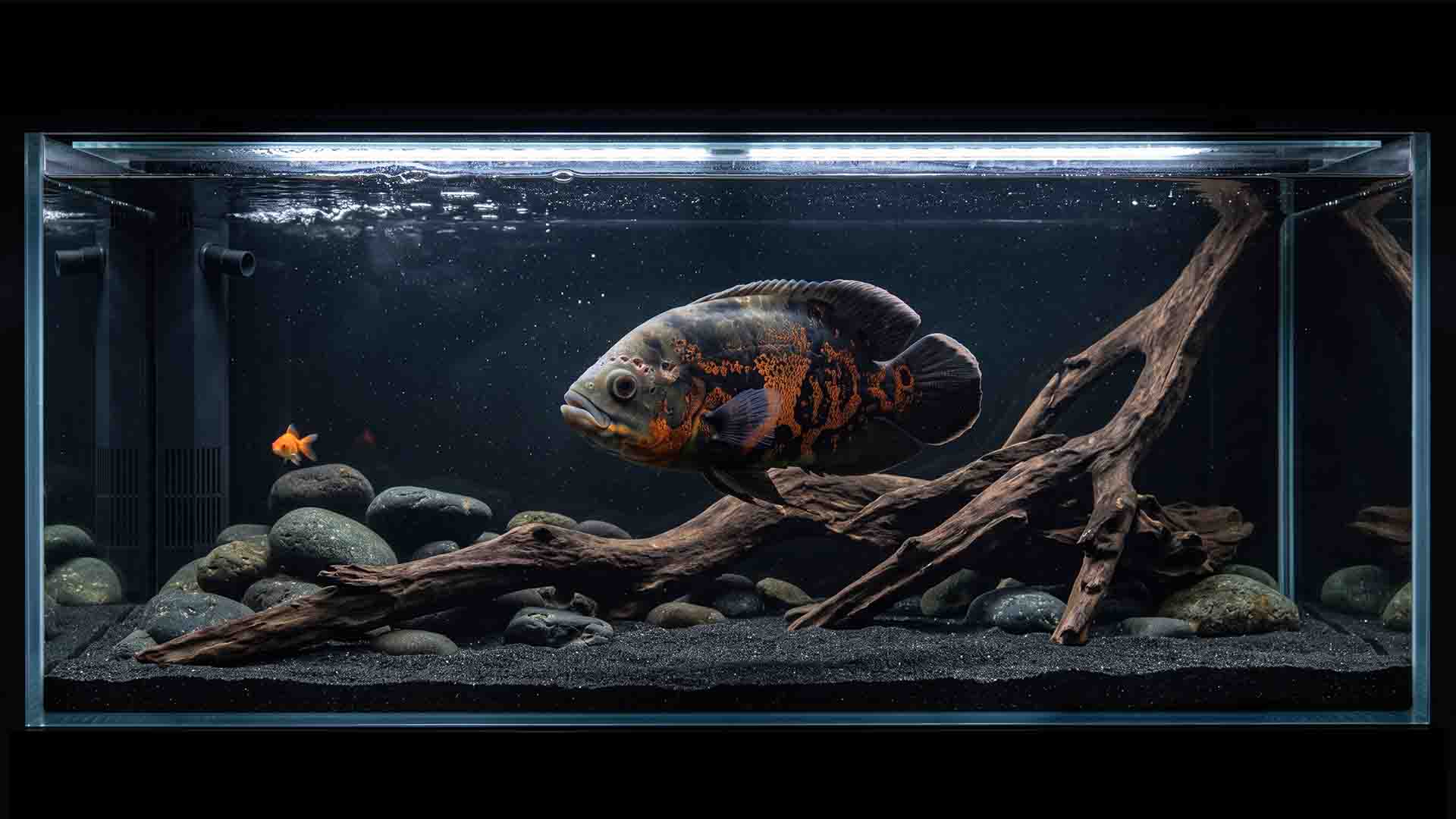
The proper Oscar ecosystem: A 125-gallon setup featuring structural slate anchored to base glass, heavy filtration turnover, and guarded heating elements.
Double-Canister & Sump Plumbing Schematics
To process the massive organic throughput of an adult Oscar without generating maintenance burnout, implement a redundant filtration loop:
- Primary Filter (Mechanical & High Flow): An oversized canister filter packed strictly with graduated reticulated polyurethane foam blocks (30 PPI coarse -> 20 PPI medium -> 10 PPI fine) and zero fine polishing floss. This unit runs at maximum pump velocity to clear suspended particulate waste and is serviced bi-weekly using siphoned tank water.
- Secondary Filter (Dedicated Biological Reactor): A secondary canister or baffled sump compartment loaded exclusively with high-surface-area porous sintered glass or ceramic bio-media (such as Matrix or sintered ceramic rings). This filter runs at a moderate, laminar flow rate to optimize biological contact time and is disturbed only once every 4 to 6 months to preserve undisturbed nitrifying biofilms.
Biological Nitrate Export: Pothos (Epipremnum aureum) Riparium Integration
Submerged aquatic plants rarely survive inside an adult Oscar tank because the fish will shred leaves, uproot stems, and chew through rhizomes during daily territory excavation. However, you can harness the incredible nutrient-export power of live plants by utilizing emerged riparium root systems.
Mount bare-root cuttings of Golden Pothos (Epipremnum aureum), Monstera deliciosa, or Peace Lily (Spathiphyllum) along the open top rim of your aquarium or inside an open sump chamber, allowing only the roots to dangle into the water column while the foliage grows in ambient room air. Because emerged foliage accesses unlimited atmospheric CO2 (which is 200 times more available than dissolved CO2 in water), these plants assimilate dissolved nitrates (NO3) and phosphates (PO₄³) at ten times the rate of submerged aquatic plants, actively locking your steady-state nitrate levels below 15 ppm between scheduled water changes.
Behavior-Based Routine: The 3-Minute Daily Diagnostic Audit
Never rely solely on static water testing strips to tell you if your Oscar is healthy. Teleost fish exhibit neurological and behavioral warnings days before water chemistry crashes into toxic ranges. Incorporate this 3-minute observational protocol into every feeding session:
- Buoyancy & Fin Posture (Minute 1): Does the Oscar hover effortlessly at a 0-degree horizontal axis, or is it tilting upward/downward? Are the dorsal and anal fins held wide and erect, or clamped tightly against the body wall? Clamped fins are the universal teleost indicator of systemic osmoregulatory or chemical stress.
- Opercular & Gill Motion (Minute 2): Count the gill beats per minute. Rapid, shallow opercular pumping indicates either gill lamellae irritation (parasites/micro-carbon dust), elevated dissolved ammonia, or thermal oxygen depletion.
- Cephalic Sensory Pore Integrity (Minute 3): Inspect the lateral line canal and the cluster of pores directly above the eyes and across the snout. Are the pore margins crisp, flush, and normal, or are tiny white-rimmed pits beginning to form? Catching micro-pitting at this early stage allows you to execute nitrate resets and carbon extraction weeks before true HITH tissue cavitation occurs.
Oscar Diagnostic & Action Matrix
When environmental or physiological parameters drift, use this diagnostic matrix to match observable symptoms to root biological mechanisms and execute immediate corrective actions:
| Observable Symptom | Root Environmental / Dietary Trigger | Cellular / Physiological Mechanism | Immediate Action Protocol |
|---|---|---|---|
| Cephalic pore pitting / white craters around eyes | Chronic nitrates >30 ppm; continuous low-grade carbon use. | Systemic cortisol suppression; Spironucleus vortens vascular migration & micro-ischemic necrosis. | Remove all chemical carbon; perform 50% water change; drop steady-state nitrates <20 ppm; soak pellets in Vitamin D3/Calcium. |
| Resting on bottom, clamped fins, refusing food | Water temperature drop below 23°C (74°F); sudden chilling. | Q10 digestive enzyme arrest (pepsin/trypsin inhibition); gastrointestinal stasis & putrefactive fermentation. | Check heater circuits; gradually raise temperature to 26.5°C (80°F) at 1°F/2hr; withhold food for 48 hours; check dissolved oxygen. |
| Erratic swimming, tremors, corkscrew locomotion | Diet composed primarily of live feeder goldfish/minnows. | Thiaminase enzyme activity cleaving Vitamin B1; citric acid cycle failure & central nervous system degradation. | Cease feeder fish instantly; switch to cultured earthworms and gut-loaded dubia roaches; supplement with pure Vitamin B-complex. |
| Milky water haze + fish gasping at surface 48h after cleaning | Filter media washed under municipal tap water. | Chlorine/chloramine lysis of nitrifying biofilm; secondary heterotrophic bacterial bloom consuming dissolved oxygen. | Maximize aeration/surface agitation; dose aquarium-strength dechlorinator to bind free ammonia; seed filter with concentrated live autotrophic bacteria. |
Scientific Truths Behind Oscar Physiology & System Failure
1. Teleost Nitrogen Dynamics & Allometric Mass Scaling: Research published in the Journal of Applied Ichthyology demonstrates that teleost nitrogen excretion is heavily concentrated across branchial epithelial surfaces rather than solid waste pathways. Because metabolic rate scales allometrically with body mass (M{0.75}), an adult Oscar fish generates exponentially higher branchial ammonia fluxes per hour than a juvenile, requiring biological filter surface areas engineered for exponential biochemical loads rather than linear tank volume scaling.
2. Thiaminase Kinetics & Neurodegenerative Pathologies: Comprehensive veterinary studies on aquatic animal nutrition in ScienceDirect confirm that thiaminase enzymes present in cyprinid and clupeid feeder fish actively hydrolyze the thiazole-pyrimidine bond of thiamine (Vitamin B1). Prolonged ingestion leads directly to thiamine deficiency encephalopathy in predatory teleosts, resulting in irreversible motor neuron necrosis, cerebellar ataxia, and peripheral vascular collapse.
3. Hepatic Lipotoxicity from Terrestrial Saturated Fats: According to comparative teleost pathology papers published in the Journal of Fish Physiology and Biochemistry, neotropical piscivores lack the specialized lipases and carnitine palmitoyltransferase configurations needed to process mammalian stearic and palmitic saturated fatty acids. Continuous consumption of warm-blooded animal meats induces progressive non-alcoholic steatohepatitis (NASH) and terminal hepatic lipidosis.
4. Cortisol-Driven Lateral Line Necrosis: Environmental toxicology documentation from the Journal of Integrative and Comparative Biology highlights that sustained exposure to sub-lethal nitrate concentrations (>40 mg/L NO3) stimulates chronic activation of the hypothalamic-pituitary-interrenal (HPI) axis in cichlids. The resulting sustained hypercortisolemia paralyzes mucosal immunity, enabling commensal flagellates like Spironucleus vortens to invade the cephalic sensory canals and trigger localized ischemic necrosis of the neuromasts.
People Also Ask (PAA)
Can an Oscar fish live permanently in a 55-gallon tank?
No. A standard 55-gallon tank is only 12 inches wide, while a healthy adult Oscar reaches 12 to 15 inches in length. The fish cannot execute a natural horizontal turn without deforming its spine and abrading its fins against the glass. The true minimum tank size for a single adult Oscar is 75 gallons (18 inches wide), with 100 to 125 gallons recommended for long-term health and water stability.
What causes Hole in the Head (HITH) disease in Oscar fish?
Hole in the Head disease is driven primarily by chronic environmental stress—specifically sustained nitrate levels exceeding 30–40 ppm—combined with systemic mineral depletion and micro-abrasions from low-grade activated carbon dust. These stressors weaken the fish’s immune system, allowing opportunistic Spironucleus vortens flagellates to migrate to the cephalic sensory pores and cause localized tissue necrosis.
Why are feeder goldfish bad for Oscar cichlids?
Feeder goldfish contain high levels of the enzyme thiaminase, which destroys Vitamin B1 (thiamine) in the Oscar’s body, leading to fatal neurological disorders and swimming tremors. Additionally, feeder goldfish are kept in crowded, unhygienic store holding vats and routinely introduce parasites like Ich, gill flukes, and bacterial Columnaris into your display aquarium.
Can an adult Oscar fish shatter a glass aquarium heater?
Yes. Adult Oscars possess powerful caudal muscles capable of generating explosive swimming strikes. When attacking food, defending territory, or headbutting equipment, an Oscar can easily knock an unshielded glass heater against the tank walls, causing explosive glass shattering, toxic element leakage, and dangerous electrical shorts. Always use shatterproof titanium heaters with external temperature controllers.
Is beef heart good for growing Oscar fish quickly?
No. Oscars cannot properly digest or metabolize the saturated mammalian fats present in beef heart. These lipids accumulate inside the fish’s liver cells, causing Hepatic Lipidosis (Fatty Liver Disease) and premature organ failure by age 3 to 4. Feed premium insect-based pellets, cultured earthworms, and shell-on crustaceans instead.
Why is my Oscar fish laying at the bottom of the tank?
An Oscar resting on the bottom with clamped fins is typically experiencing Cold Water Metabolic Freeze (water temperatures below 23°C / 74°F) or acute nitrogenous toxicity (elevated ammonia, nitrite, or extreme nitrates). Low temperatures stall digestive enzyme activity, causing severe gastrointestinal bloat and systemic lethargy.
Frequently Asked Questions (FAQ)
How often should I change the water in an Oscar aquarium?
For an adult Oscar in a 75- to 125-gallon tank with robust filtration, you should perform a 40% to 50% water change weekly. High-mass cichlids produce massive amounts of dissolved nitrogenous waste; regular partial water changes are the only reliable mechanical method to export accumulated nitrates and replenish essential carbonate hardness (KH) and divalent trace minerals.
What is the best substrate for an Oscar tank?
Fine to medium-grain smooth river sand (such as pool filter sand) is the ideal substrate. Oscars are compulsive diggers that constantly sift substrate through their buccal cavities. Coarse or sharp gravel can abrade their mouth tissues, damage internal intestinal linings if accidentally swallowed, and trap uneaten organic debris deep beneath the surface.
Can I keep two Oscar fish together in a 75-gallon tank?
No. While a 75-gallon aquarium is the absolute minimum footprint for a single solo Oscar, keeping two adult specimens requires a minimum of 125 to 150 gallons with at least a 6-foot horizontal runway. Two Oscars in a 75-gallon setup will experience intense spatial competition, territorial violence, and an overwhelming biological load that will crash standard filtration.
How do I clean my canister filter without destroying beneficial bacteria?
Always turn off the filter, disconnect the quick-release valves, and carry the media trays to a dedicated wash basin containing water siphoned directly from your aquarium. Squeeze mechanical foam pads aggressively to discharge trapped debris, but gently swirl porous biological media to rinse surface sludge without scrubbing the delicate autotrophic nitrifying biofilm. Never expose filter media to chlorinated municipal tap water.
What tank mates can safely live with an adult Oscar?
Suitable tank mates must be large enough not to be viewed as food, fast enough to evade territorial lunges, and non-aggressive enough not to instigate fights. Excellent choices for large setups (125+ gallons) include Silver Dollars (Metynnis argenteus), Severum cichlids (Heros severus), Geophagus earth-eaters, and medium-sized robust catfish like the Bristlenose Pleco or Striped Raphael Catfish.
Semantic Hub & Spoke: Expanding Your System Mastery
True success in fishkeeping comes from understanding that every biological parameter inside your glass box is linked in a continuous feedback loop. When you correct your Oscar’s spatial footprint, you immediately reduce baseline cortisol levels, which strengthens the dermal slime coat against opportunistic pathogens. If you have previously experienced sudden livestock losses with large predatory species, explore our detailed case study on how juvenile monster fish trigger delayed aquarium collapses, which explains why systems appear stable for months before experiencing catastrophic biological failure.
Territorial disputes and equipment damage are rarely random events; they are predictable biomechanical reactions to environmental compression. When large cichlids lack visual boundaries or hydrodynamic swimming clearance, their natural foraging behaviors transform into destructive aggression. You can master the art of structural tank design by reviewing our guide on monster fish that destroy aquariums and how to build unbreakable hardscapes, ensuring your rock formations and heaters remain permanently secure.
Furthermore, maintaining pristine water chemistry in a high-bioload system does not require harsh chemical clarifiers or expensive synthetic additives. By managing your nitrogen cycle with biological precision and implementing emersed vegetation, you can permanently solve chronic waste problems. Learn how to optimize your organic nutrient export by reading our step-by-step tutorial on 5 fast and natural ways to reduce nitrate levels in freshwater aquariums and integrating our proven techniques for using $5 Pothos plants as natural aquarium nitrate lifesavers.
Finally, avoid the common maintenance traps that reset your biological engine during routine service. If you have ever experienced cloudy water or sudden ammonia spikes following filter maintenance, review our diagnostic breakdowns on why aggressive filter cleaning triggers lethal ammonia spikes and our foundational guide on the 5 hidden physiological mistakes that kill aquarium fish. Together, these interconnected guides form the complete FishTank Mastery operating system for long-term aquarium stability.
Scientific References
1. Nitrogenous Excretion & Branchial Bioenergetics: U.S. Environmental Protection Agency (EPA) Aquatic Life Criteria & Freshwater Nitrogen Dynamics. Details the chemical equilibrium of un-ionized ammonia (NH3) across teleost gill lamellae and the bio-filtration capacities required for closed recirculating systems. Read the study
2. Nitrifying Biofilm Preservation & Microbial Lysis: Bartelme et al. – Microbial Communities in Recirculating Aquaculture Systems and the Impact of Disinfectants on Nitrospira and Nitrosomonas Biofilms. Explains how oxidative biocides cause immediate membrane lysis in autotrophic biofilters. Read the study
3. Nutritional Etiology of Thiamine Deficiency in Piscivores: National Center for Biotechnology Information (NCBI) – Dietary Thiaminase Activity and Thiamine Status in Predatory Freshwater Fishes. Documents the enzymatic destruction of Vitamin B1 and the resulting neurological ataxic syndromes in captive predators. Read the study
4. Teleost Stress Physiology & Chronic Cortisol Impact: Journal of Fish Physiology & Biochemistry – Physiological Effects of Chronic Environmental Stress and Nitrogenous Metabolites in Neotropical Cichlids. Details HPI axis activation, sensory lateral line pore degradation, and immune collapse under elevated nitrates. Read the study
Watch Next – The Monster Fish & Tank Stability Masterclass
If this deep biological breakdown helped you see your Oscar’s ecosystem through a new lens, keep the educational momentum going. These companion video guides from the FishTank Mastery YouTube series will help you solve aggression, master water chemistry, and build a system that stands the test of time:
- Your Fish Tank Setup Is Fine… Until You Add These MONSTER Fish – Watch this to see the real-world behavioral triggers and juvenile growth traps that catch monster fish keepers off guard.
- 10 Aquarium MONSTER Fish That DESTROY Tankmates (Aggressive List) – Learn how to identify true territorial dominance versus accidental friction in high-mass cichlid communities.
- 5 Signs Your Tank is About to Collapse (Don’t Ignore These) – Discover the subtle behavioral and biofilm indicators that warn you of an impending biological crash weeks before water tests show numbers.
- You’re Cleaning Your Filter WRONG! (Stop Killing Your Fish) – Step-by-step visual demonstration of how to service high-capacity canisters and sumps without losing a single beneficial nitrifying bacterium.
- Stop Buying Cleanup Crew Fish: The Truth About Algae Eater Fish – Why adding “janitor fish” often increases biological debt instead of solving maintenance problems.
At FishTank Mastery, we don’t believe in quick-fix chemical bottles, retail sales gimmicks, or blaming hobbyists for delayed biological failures. Our mission is to give you the honest, science-backed engineering frameworks needed to build thriving, balanced, and stress-free freshwater ecosystems. If you value direct, no-BS aquarium science, make sure to subscribe to the FishTank Mastery YouTube channel and join thousands of dedicated aquarists mastering the craft one tank at a time.