
Commercial display tanks rely on retail marketing labels to sell misleading freshwater fish that look peaceful as juveniles but quickly destroy established community aquariums. When you bring home an active, colorful fish categorized as community safe and watch your aquarium descend into shredded fins, unexplained deaths, and sudden water cloudiness within weeks, you did not fail as an aquarist. You were handed an organism whose juvenile behavior masked an impending predatory shift, an extreme hydrodynamic demand, or a fatal genetic mutation engineered for sales displays rather than closed home ecosystems.
The vast majority of specimens sold in retail chain stores are juveniles, sexually immature and ecologically muted. In early development, energy allocation is strictly directed toward skeletal elongation and basic survival rather than territorial dominance or reproductive defense. Furthermore, extreme stocking density in holding vats prevents individual fish from establishing lines of sight or claiming physical boundaries. The moment a juvenile predator settles into an uncrowded home tank with stable feeding routines, its hormonal timeline activates, transforming a calm schooler into a ruthless territorial dictator.
Centralized Industrial Filtration vs. Developing Home Systems
To understand why store-bought fish crash home systems, you must examine the infrastructure of retail pet chains. Big-box stores operate on massive, centralized filtration networks hosting thousands of gallons of water, industrial protein fractionators, high-turnover pumps, and heavy ultraviolet sterilizers. These industrial UV units continuously neutralize free-swimming bacterial cells like Flavobacterium columnare and protozoan parasites like Ichthyophthirius multifiliis in the water column.
When you net that fish, bag it, and drop it into your home aquarium, that industrial safety net vanishes. Your home tank is a natural, unsterilized ecosystem relying on organic biofilm and slow-growing beneficial bacteria. The physical stress of transport triggers a massive cortisol spike in the fish, which immediately suppresses their mucosal immune barrier. Without the store’s UV shield, dormant pathogens present in every home aquarium instantly overwhelm the compromised fish. This is the transition shock that kills easy beginner fish within 72 hours.
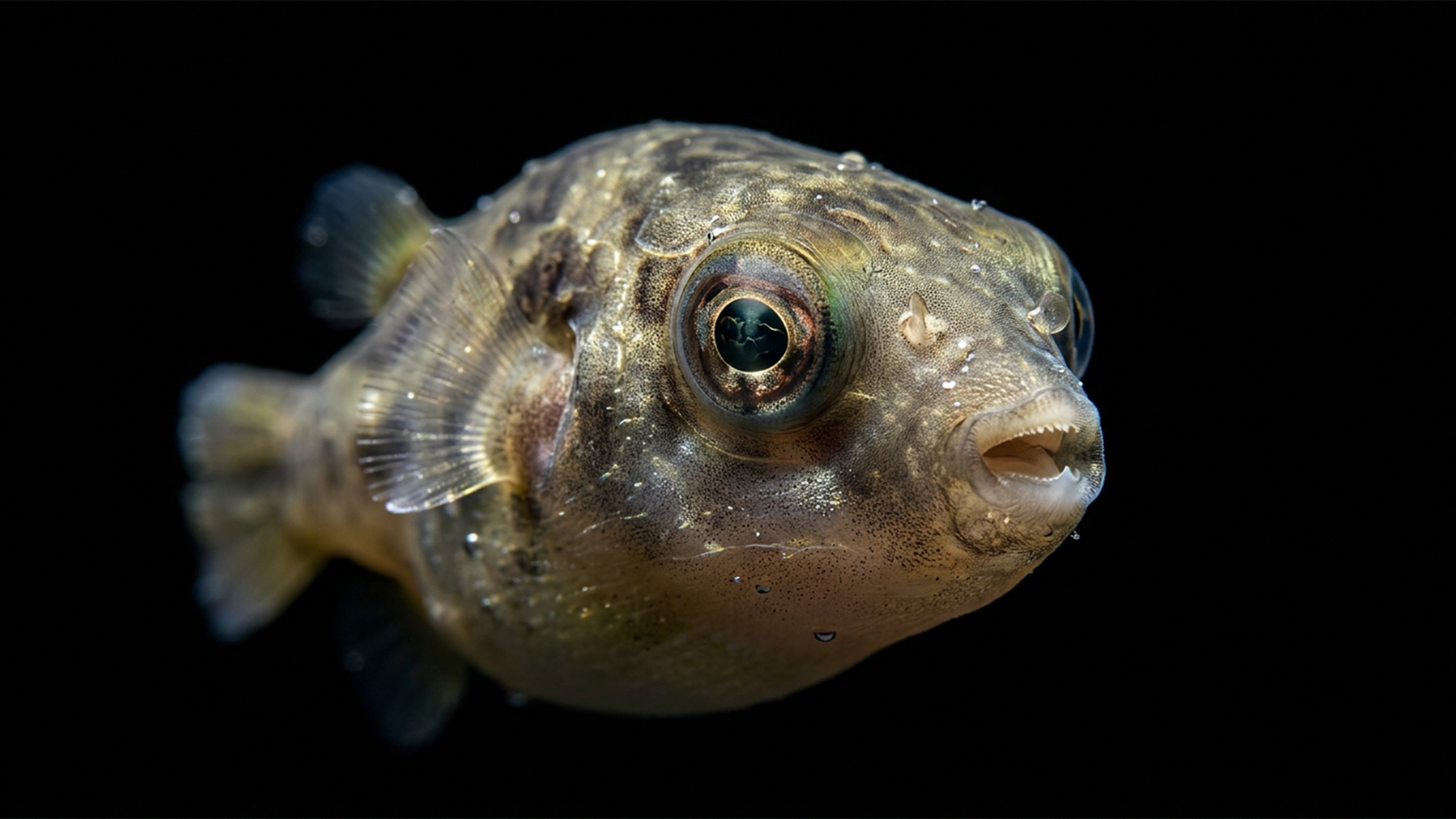
10 Misleading Freshwater Fish (Anatomical & Biological Breakdown)
1. Dwarf Pea Puffer (Carinotetraodon travancoricus) – Sensory Aggression & Fin Nipping
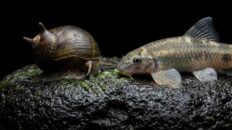
Marketed heavily as a cute, miniature snail solution for peaceful planted nano tanks, the Dwarf Pea Puffer is an obligate micro-predator equipped with independently mobile eyes and a sharp beak of fused jaw bones. In community tanks, their predatory instinct is continuously triggered by the low-frequency vibrations emitted by the undulating fins of peaceful schooling fish. This triggers lateral line tactile overstimulation: the puffer does not attack out of territorial malice or hunger, but because the rhythmic flutter of long caudal fins mimics the physical motion of insect larvae and aquatic mollusks. Within 72 hours, slow-moving tankmates like guppies, tetras, and long-finned bettas suffer microscopic crescent-shaped fin lacerations, creating an open gateway for fatal secondary Columnaris infections.
2. Commercial Mollies (Poecilia sphenops) – The Soft Water Osmotic Trap
Mollies are ubiquitous in the tropical fish aisle, celebrated for their bold colors, constant activity, and livebearing breeding habits. They are universally labeled as the ultimate hardy beginner fish. Yet, beginners constantly report their Mollies developing white skin patches, swimming in place with clamped fins, and dying within three weeks of purchase.
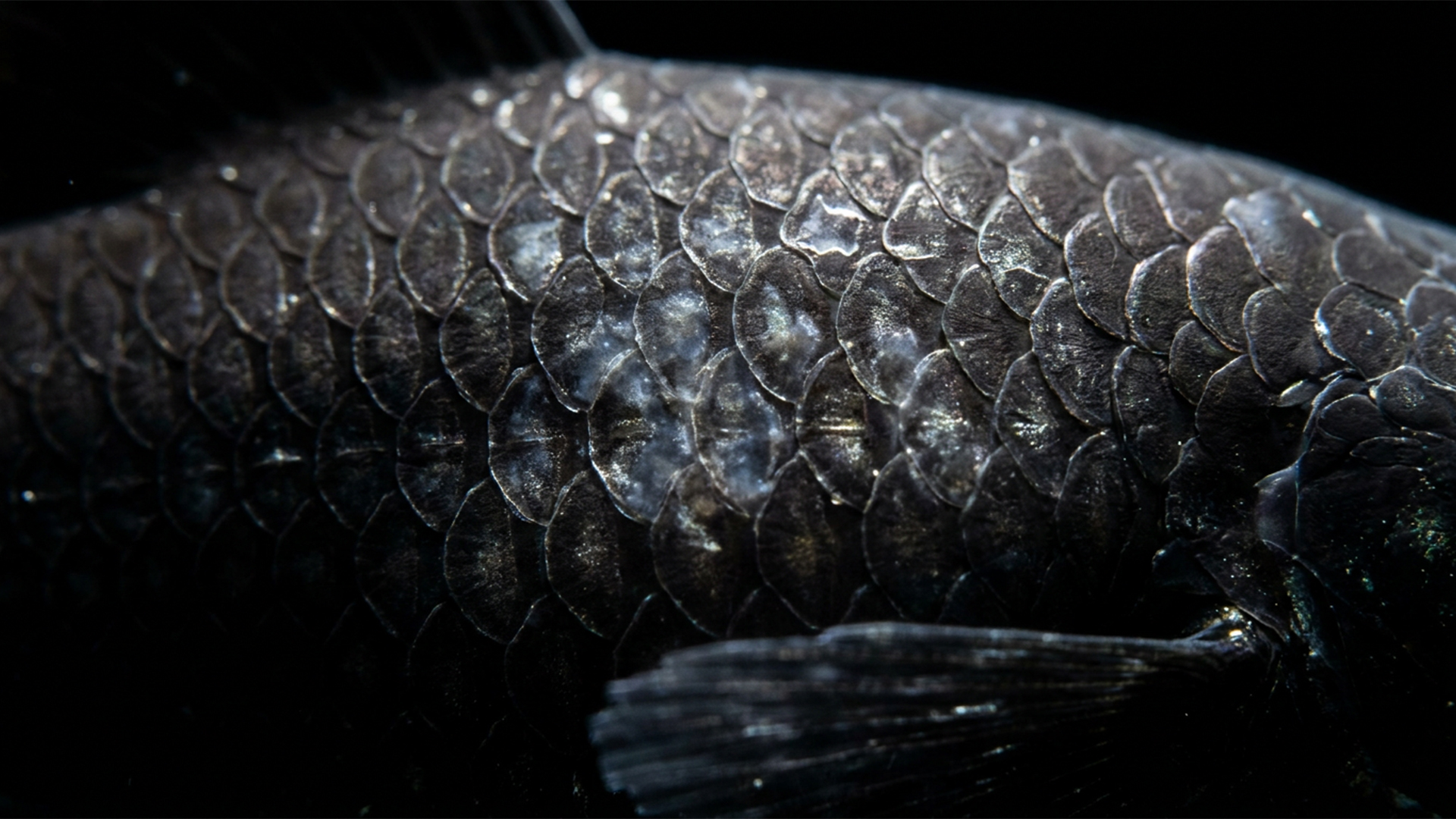
The term freshwater fish is a biological oversimplification for Mollies. In nature, Poecilia sphenops inhabits hard, mineral-rich coastal waters, river estuaries, and even full brackish environments with high general hardness and carbonate hardness. When placed in soft, acidic tap water, their osmoregulation system collapses. Their bodies are forced to burn excessive metabolic energy simply trying to maintain internal salt-water balance, leading to cellular dehydration and muscle tremors.
3. Otocinclus Catfish (Otocinclus vittatus) – The Day-One Starvation Trap
When new aquarists spot the first dusting of brown algae or diatoms on their glass, pet stores immediately recommend a group of Otocinclus catfish as the ultimate clean-up crew. Beginners bring them home to a brand-new, sterile 10-gallon tank, only to watch the tiny catfish perish one by one over a 14-day period.
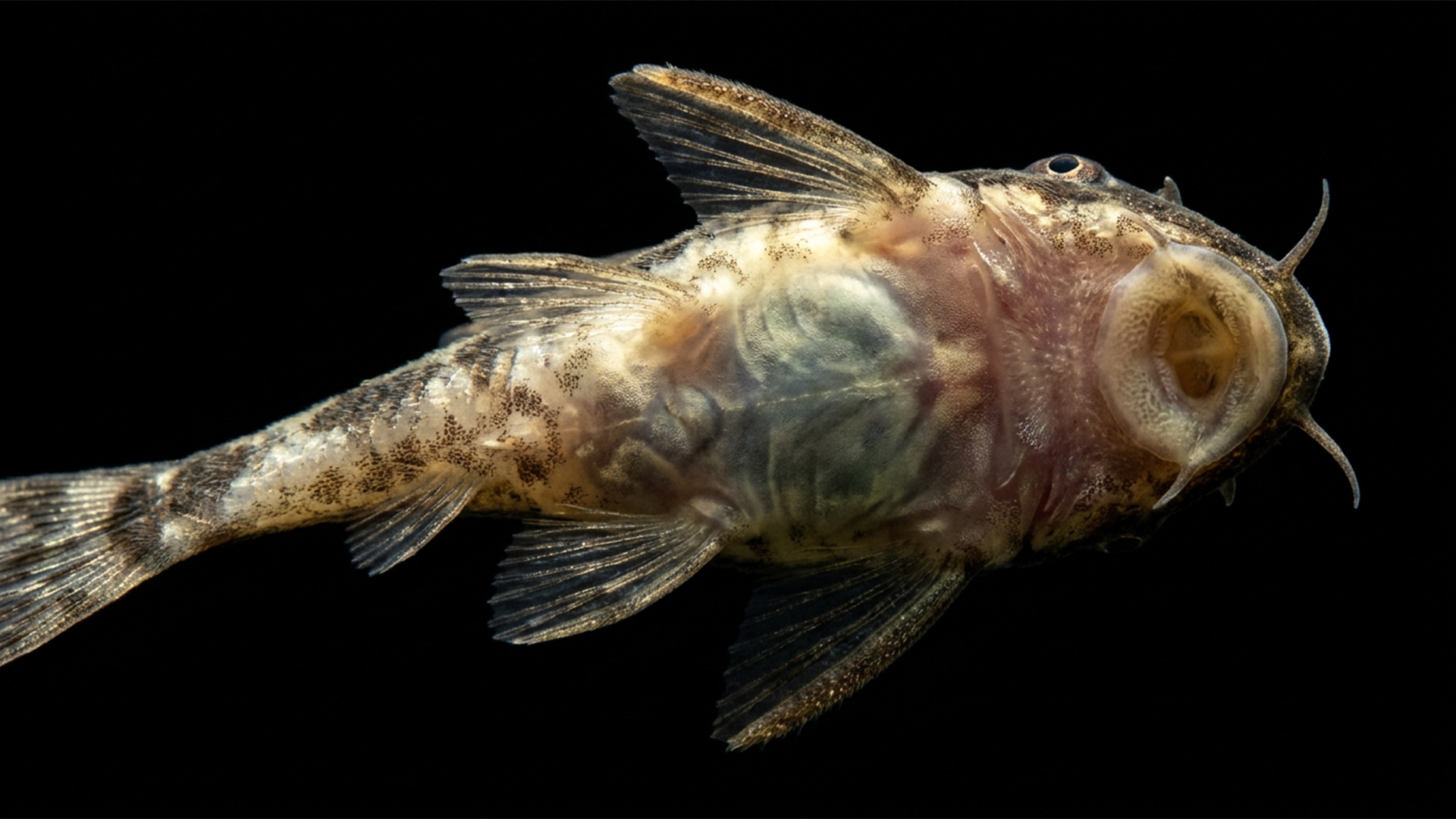
Otocinclus are specialized biofilm and diatom grazers. Their specialized gut microbiome relies almost entirely on the active ingestion of organic micro-flora and soft algae. Nearly all commercial Otocinclus are wild-harvested, arriving at retail stores starved and with depleted intestinal flora from weeks of transport. When dropped into a new, spotless aquarium that lacks mature, established biofilm layers, they cross an invisible starvation line, starving to death on clean glass while ignoring dry processed flakes.
4. Buenos Aires Tetra (Hyphessobrycon anisitsi) – Plant Destroyers in Disguise
Sold as active, hardy schooling tetras with attractive silver bodies and red fins, Buenos Aires Tetras possess an aggressive herbivorous dietary drive that pet store employees routinely omit. In planted aquascapes, they actively target delicate stem plants, tearing leaves and reducing lush aquascapes to floating debris within days. Their constant high-speed grazing and aggressive foraging behavior also create an environment of perpetual anxiety for timid bottom-dwellers.
5. Clown Loach (Chromobotia macracanthus) – The Delayed Bioload Bomb
The Clown Loach is universally loved across the aquarium hobby for its vibrant orange and active daytime scavenging. Pet shops routinely sell tiny two-inch juveniles to beginners operating 20 or 30-gallon setups, intentionally omitting two catastrophic facts: Clown Loaches reach over 12 inches in length and require massive, complex social groups.
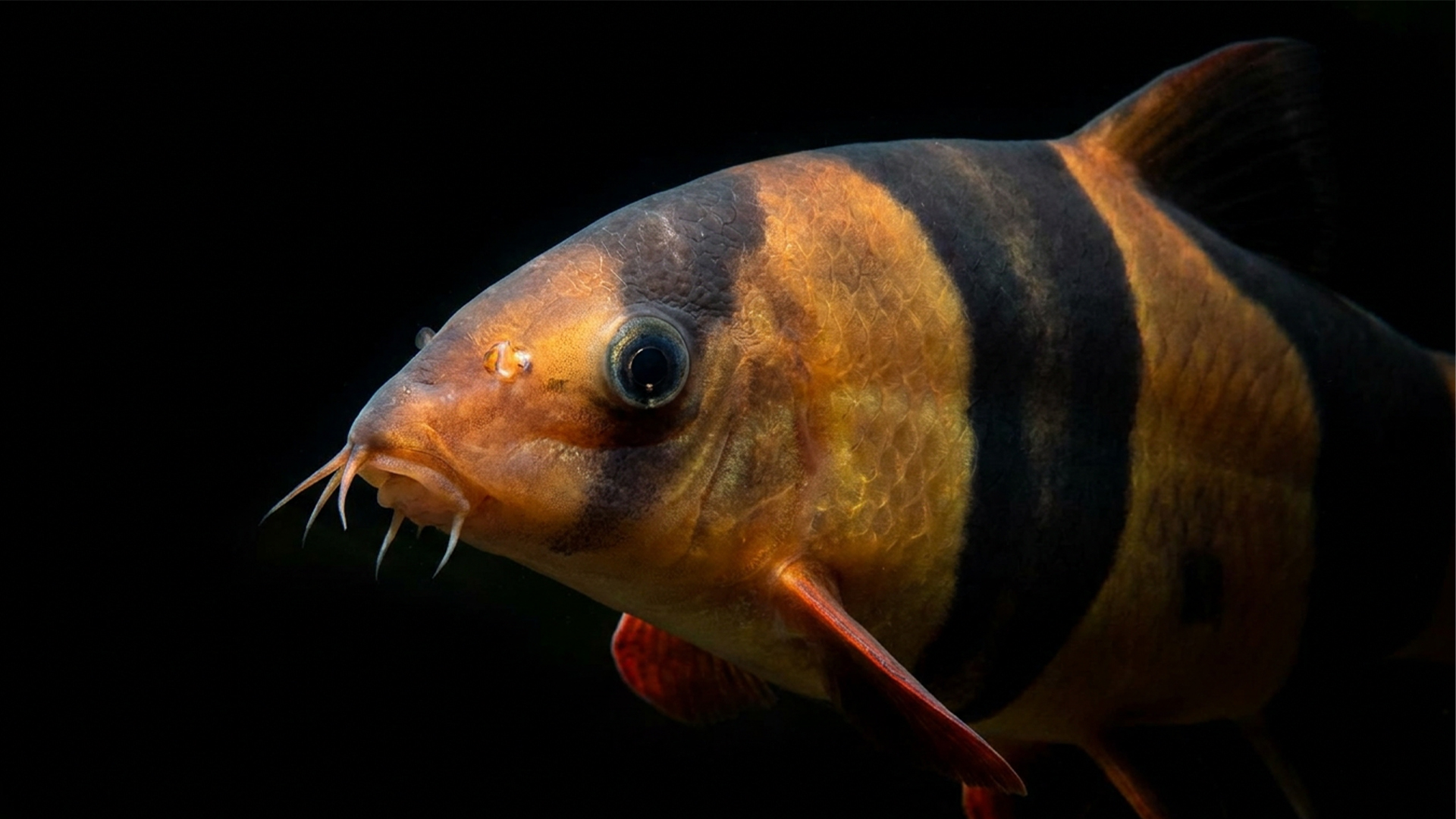
As these juveniles experience geometric allometric growth where mass scales proportionally to length cubed, their organic waste output scales exponentially. A small biological filter that easily handled a 2-inch fish becomes entirely saturated when that same animal reaches adolescent mass, triggering sudden nocturnal oxygen crashes and un-ionized ammonia spikes.
6. Silver Tip Tetra (Hasemania nana) – High-Speed Anxiety Triggers
Silver Tip Tetras are marketed as colorful, robust schooling fish that add movement to community aquariums. However, their high-velocity swimming dynamics and aggressive intra-species sparring create a constant state of sensory overload for slower tankmates. Their unceasing darting and fin-nipping behavior elevate ambient cortisol levels across the entire aquarium, causing timid species to hide permanently and suffer from chronic stress-induced immunosuppression.
7. Rainbow Shark (Epalzeorhynchos frenatus) – Benthic Territory Monopolization
Often sold as active, algae-eating bottom dwellers with striking red fins, juvenile Rainbow Sharks appear peaceful while crowded in retail holding vats. Once introduced to a home aquarium, their true nature emerges. They claim the entire lower third of the water column as exclusive sovereign territory, ruthlessly attacking bottom dwellers like Corydoras loaches and forcing peaceful schooling fish into the top inches of the water column.
8. German Blue Rams (Mikrogeophagus ramirezi) – Temperature and Chemical Landmines
German Blue Rams are celebrated for their breathtaking neon blue coloration and peaceful dwarf cichlid demeanor. However, decades of intensive commercial line-breeding in heated, medicated farm waters have made them exceptionally fragile. Requiring stable, pristine water parameters and temperatures above 82 degrees Fahrenheit, minor fluctuations in water chemistry or temperature drop instantly trigger fatal gastrointestinal stasis and secondary bacterial infections.
9. Fancy Guppies (Poecilia reticulata) – The Antibiotic Immunity Crash
Mass-bred Fancy Guppies are universally pushed as the ultimate introductory livebearer. Behind their colorful delta tails lies severe inbreeding depression and collapsed Major Histocompatibility Complex diversity. Raised in sterile, antibiotic-fortified commercial ponds, their natural mucosal immune barrier collapses the moment they are exposed to the unsterilized bacterial flora of a standard home aquarium, leading to rapid fin rot and mortality within days.
10. Golden Wonder Killifish (Aplocheilus lineatus) – Gape-Size Deception
Marketed as peaceful, surface-dwelling additions that help control floating insect pests, Golden Wonder Killifish are specialized ambush predators with upward-hinged jaws capable of swallowing prey up to forty percent of their own body mass. In community tanks, they treat nano tetras, juvenile livebearers, and expensive crystal shrimp as a midnight buffet, causing mysterious livestock disappearances.
The 72-Hour Crash Timeline & Biological Metrics
To prevent these commercial retail traps from destroying your home ecosystem, you must evaluate species through structural biomechanics, metabolic efficiency, and captive disease resistance rather than store-window aesthetics.
| Species & Retail Label | Hidden Biological Flaw | Result in Community Tank | FTM Safe Alternative |
|---|---|---|---|
| Commercial Mollies (Poecilia sphenops) | Stenohaline limits; demands hard alkaline water and mineral-rich buffers. | Rapid osmotic shock, body shimmies, kidney failure in soft tap water. | Endler Livebearers or Platies |
| Otocinclus Catfish (Otocinclus vittatus) | Obligate biofilm grazers with delicate, easily depleted gut microbiomes. | Starvation within 14 days when introduced to sterile unseasoned glass tanks. | Bristlenose Pleco or mature snail squads |
| Dwarf Pea Puffer (Carinotetraodon travancoricus) | Specialized micro-predator reacting to caudal fin motion vibrations. | Relentless fin-nipping and secondary Columnaris infections on tankmates. | Species-only planted nano setup |
| Clown Loach (Chromobotia macracanthus) | Exponential allometric mass scaling and massive waste production. | Biological filter saturation, un-ionized ammonia spikes, oxygen crashes. | Kuhli Loaches |
Stop Doing These Things (Behavioral Reflexes That Trigger Crashes)
- Why it feels right: Adding active algae eaters or colorful schooling fish immediately when a tank is newly filled gives an instant sense of completion.
- What it silently breaks: It introduces high metabolic waste into an unconditioned water column before autotrophic nitrifying colonies have anchored to surfaces.
- What to ask instead: “Is this organism joining a mature biological engine, or am I asking it to survive an active cycling phase?”
- Why it feels right: Trusting store display parameters ensures that fish look active and colorful under commercial lighting.
- What it silently breaks: It ignores the massive chemical and immunological gap between centralized UV holding vats and unsterilized home environments.
- What to ask instead: “Does this species possess native resilience, or is its survival entirely dependent on commercial medications and UV shields?”
Do This Instead: The 30-Day Biological Landing Protocol
To successfully integrate livestock without falling victim to retail supply chain shocks, execute this strict protocol:
- Establish Mature Biofilms: Allow hardscape and glass to accumulate natural micro-algae and diatoms for at least three weeks before introducing sensitive grazers like Otocinclus.
- Match Water Hardness: Test your tap water parameters and select species whose natural evolutionary history matches your liquid chemistry rather than forcing osmotic adaptations.
- Quarantine and Transition: Implement a gradual drip-acclimation process over 90 minutes to allow cellular osmoregulation systems to adjust to new mineral densities.
Watch the video above to see the exact behavioral shifts and physiological stress responses discussed throughout this breakdown. Real biological stability requires looking past store-window aesthetics and understanding the actual metabolic trajectory of your livestock.
Scientific Truths Behind Teleost Osmoregulation and Stress Physiology
Research published in the Journal of Experimental Biology evaluates the osmoregulatory cost of transferring stenohaline teleosts from hard, high-conductivity aquaculture ponds into soft, unbuffered home tap water. The data confirms that sudden ionic gradients force the chloride cells within the gill epithelium into hyper-active ion transport, exhausting cellular energy reserves and triggering systemic muscular spasms known in the hobby as the shimmies.
Furthermore, immunogenetic evaluations published in the Journal of Heredity demonstrate that commercial inbreeding protocols severely deplete Major Histocompatibility Complex diversity in mass-bred ornamental species. This genetic bottlenecking compromises the adaptive immune response, explaining why store-bought strains succumb rapidly to opportunistic ambient pathogens like Flavobacterium columnare once the retail UV safety net is removed.
People Also Ask (Google SERP PAA Deep-Dive)
Are mollies good for beginners in soft water?
No. While marketed as hardy beginner fish, commercial mollies originate from hard, brackish coastal waters. In soft, acidic tap water, their osmoregulatory system experiences severe stress, leading to muscle tremors, clamped fins, and high mortality rates.
Why do Otocinclus die so fast in new aquariums?
Otocinclus catfish are specialized biofilm grazers with fragile digestive tracts. When introduced to brand-new, sterile aquariums lacking mature micro-flora, wild-harvested specimens cross an invisible starvation threshold and perish despite zero ammonia readings.
Do pea puffers work in community tanks?
No. Dwarf pea puffers possess sharp beaks and high predatory instincts triggered by the movement of flowing fins. They will actively shred the fins of slow-moving community tankmates like guppies and bettas.
Frequently Asked Questions (FAQ)
Why did my new fish die within 72 hours despite zero ammonia?
Death within 72 hours is typically caused by transition shock, transport cortisol spikes, and the sudden loss of industrial UV protection rather than acute ammonia poisoning. Unsterilized home environments overwhelm fish whose immune barriers are already suppressed.
How can I prevent osmotic shock in livebearers?
Match your species to your local water chemistry or utilize minor mineral buffers to adjust general hardness to match the natural habitat parameters required by species like mollies and guppies.
What is the best way to feed wild-caught Otocinclus?
Supplement their diet with blanched zucchini, green beans, and dedicated sinking algae wafers while allowing natural diatom films to flourish on aquarium glass.
Hub & Spoke: Fix Your Entire Community Ecosystem
Replacing fragile genetic liabilities with robust wild-type alternatives is the critical first step toward maintaining an effortless aquarium, but true long-term stability requires system-wide balance. If you are establishing a new setup or recovering from sudden livestock losses, you must understand how biological hardware, parameter stability, and species temperaments intersect. Before purchasing new livestock, review our comprehensive analysis on the top 5 aquarium fish beginners regret buying to ensure you avoid oversized bioload polluters and predatory impostors. If your goal is selecting species that forgive water chemistry shifts while your biological filter establishes itself, explore our tested ranking of the top 3 beginner fish nearly impossible to kill alongside our master guide to 10 beginner aquarium fish you will not regret buying. For troubleshooting sudden water cloudiness during new livestock additions, read our breakdown on cloudy water mistakes that reset your cycle.
Scientific References & Further Reading
1. Ionic Regulation and Osmotic Stress in Teleost Fishes: Physiological evaluations published in the Journal of Experimental Biology examine the cellular energy demands of maintaining internal salt balance across varying environmental hardness levels. Read the study
2. Major Histocompatibility Complex Diversity in Commercial Aquaculture: Immunogenetic studies indexed in academic literature investigate how intense line-breeding impacts disease resistance and pathogen susceptibility in ornamental freshwater species. Read the research
3. Biofilm Dynamics and Grazing Efficiency in Freshwater Ecosystems: Research reviewed via ScienceDirect details the nutritional requirements of specialized periphyton grazers and the biological consequences of introducing them into sterile environments. Explore the records
Watch Next (Video Chain CTA)
If this guide hit a little too close to home, keep the momentum going. These are the fastest follow-ups for beginners who want stable water, fewer aggressive incidents, and fewer mystery fish losses:
- 10 MISLEADING Freshwater Fish in the Aquarium Hobby
- The Most OVERRATED Freshwater Fish (And Safer Swaps)
- 10 Best UNDERRATED Freshwater Clean Up Crew
- 10 IGNORED Aquarium Fish for 20-Gallon Tanks
Disclaimer: This content is based on real biological research, water chemistry parameters, and long-term trials. No sponsors, no free products, no brand influence. Just the raw data needed to keep an aquarium alive.