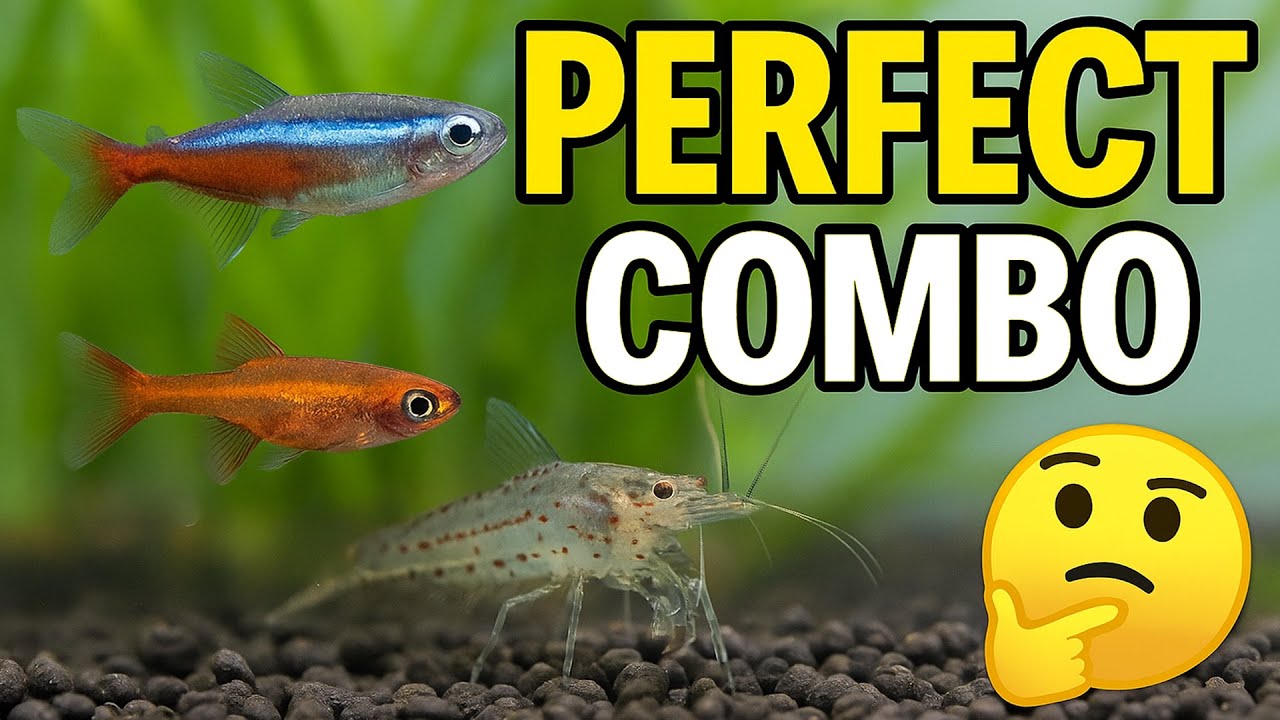

Most fish tank setup mistakes hide behind crystal-clear water, turning an exciting first aquarium build into an emotional Day-14 biological collapse. Retail chain stores market beginner setups as plug-and-play appliances, pushing instant-start bottled bacteria and disposable filter cartridge subscriptions that bypass fundamental aquatic microbiology. You stare through the pristine glass on Day 3 believing your new ecosystem is fully stable, completely unaware that visual clarity represents an empty biological vacancy rather than an established nitrogen cycle. When you introduce live fish into this unbuffered void, you trigger an invisible countdown of delayed physiological stress, cellular osmotic failure, and sudden respiratory collapse.
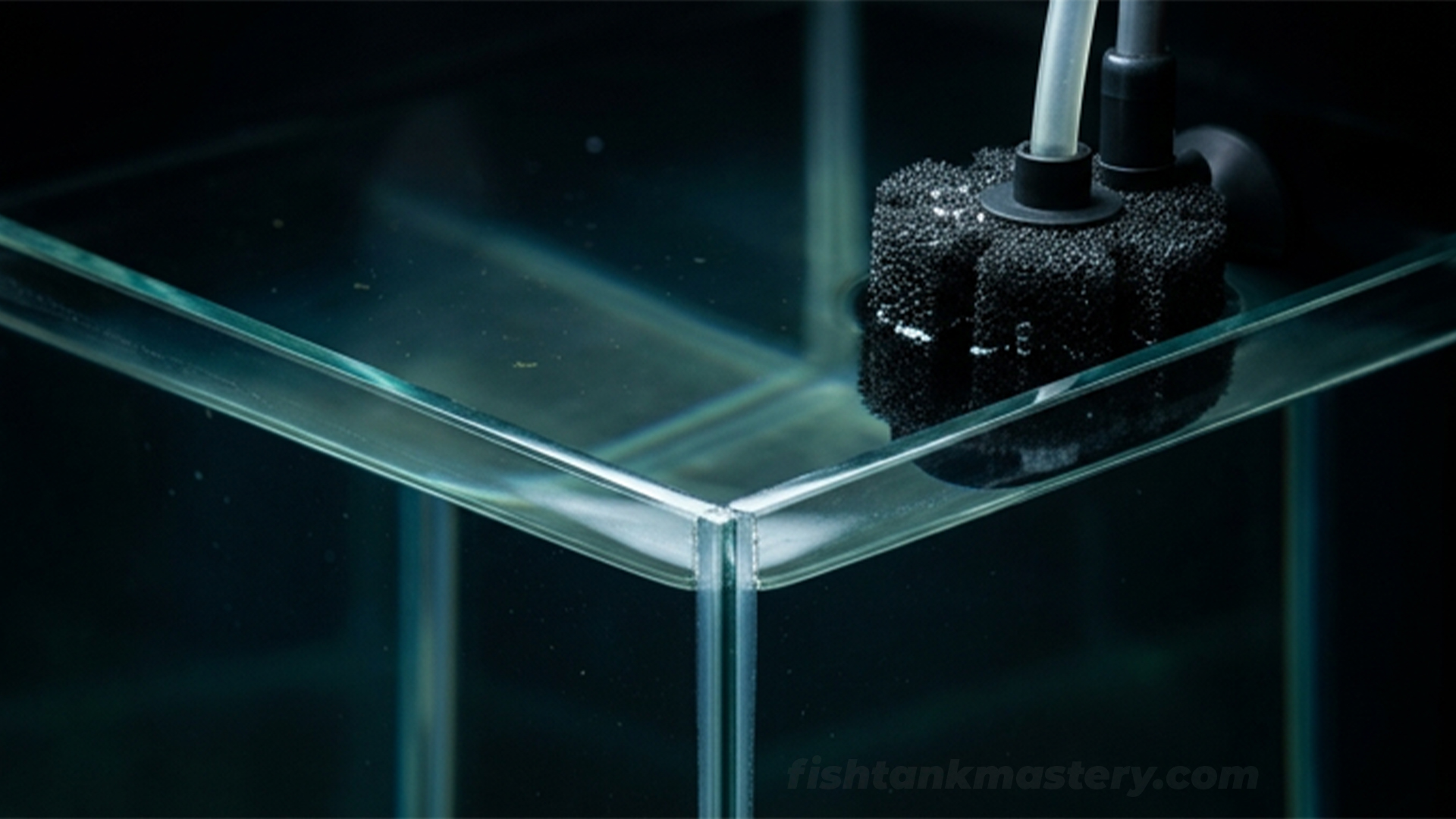
Before making frantic emergency water adjustments or dumping chemical clarifying agents into your tank, watch our complete video breakdown above. It reveals the exact behavioral drift and microscopic failure points that cause brand-new systems to fail. Once you observe how easily beginners mistake mechanical water polishing for true biological stability, use this comprehensive manual to diagnose your system and protect your livestock.
The 14-Day Setup Illusion (Why New Aquariums Crash Weeks Later)
The greatest psychological trap in the aquarium hobby is the assumption that clean water equals safe water. In reality, modern tap water run through fine mechanical filter floss looks impeccably transparent from the first hour. It has zero cloudiness, zero odor, and zero visible suspended detritus. However, dangerous nitrogenous compounds like un-ionized free ammonia (NH3) and toxic nitrite (NO2) possess no color or turbidity. They dissolve completely into the water column at molecular dimensions, creating a lethal chemical minefield beneath a visually spotless surface.
Aquariums operate on a distinct biological delay. When an uncycled or biologically fragile tank receives its first school of fish, the animals begin respiring and excreting nitrogenous waste immediately. Because the total water volume briefly dilutes this initial excretion, liquid reagent drop kits read negligible toxicity during the first 72 hours. Beginners declare victory, assuming their bottled additives worked overnight. But beneath that false honeymoon lies an accelerating microbial debt. Without an established pioneer matrix of chemolithoautotrophic bacteria, toxic ammonia accumulates silently until it breaches the physiological tolerance limit of your fish around Day 10 to Day 14. By the time you notice flared gills, lethargy, or surface gasping, the biological crisis has been compounding for two full weeks.
The 10 Fatal Fish Tank Setup Mistakes Quietly Killing Your Livestock
1. The Bottled Bacteria and Instant-Stocking Shortcut (Starving the Biofilter)
Big-box pet retailers routinely assure excited beginners that dumping an eight-ounce bottle of “instant-start” bacteria into a fresh tank allows for immediate fish stocking on Day One. This advice fundamentally misrepresents the physical nature of autotrophic nitrification kinetics. True beneficial nitrifiers—specifically ammonia-oxidizing Nitrosomonas and nitrite-oxidizing Nitrospira—are strictly sessile chemolithoautotrophs. They do not naturally thrive in suspended liquid suspension inside an airtight plastic bottle stored under uncontrolled warehouse temperatures for six months.
When you pour bottled bacteria into an aquarium devoid of an active ammonia source, these dormant or fragile microbial populations have zero metabolic fuel. They do not instantly anchor to your biological media; many undergo rapid cell death, adding to the dissolved organic carbon load. True nitrifying colonies require a continuous, calibrated ammonia source—such as ghost feeding or controlled pure ammonium chloride dosing—alongside weeks of constant water circulation to construct an anchor biofilm. Adding living fish on Day One forces delicate teleost gills to serve as the live testing ground while your biofilter struggles to wake up.
2. The Disposable Filter Cartridge Trap (Throwing Away Your Cycle)
The instructions stamped on commercial Hang-On-Back (HOB) filter packaging represent one of the most destructive subscription scams in modern pet care: replace the carbon cartridge every thirty days for optimal water clarity. Following this corporate advice guarantees recurring biological failure. In a typical aquarium filter, over 85 to 90 percent of your active nitrifying bacteria do not live in the open gravel or water; they colonize the fibrous matrix and porous channels of that exact filter cartridge.
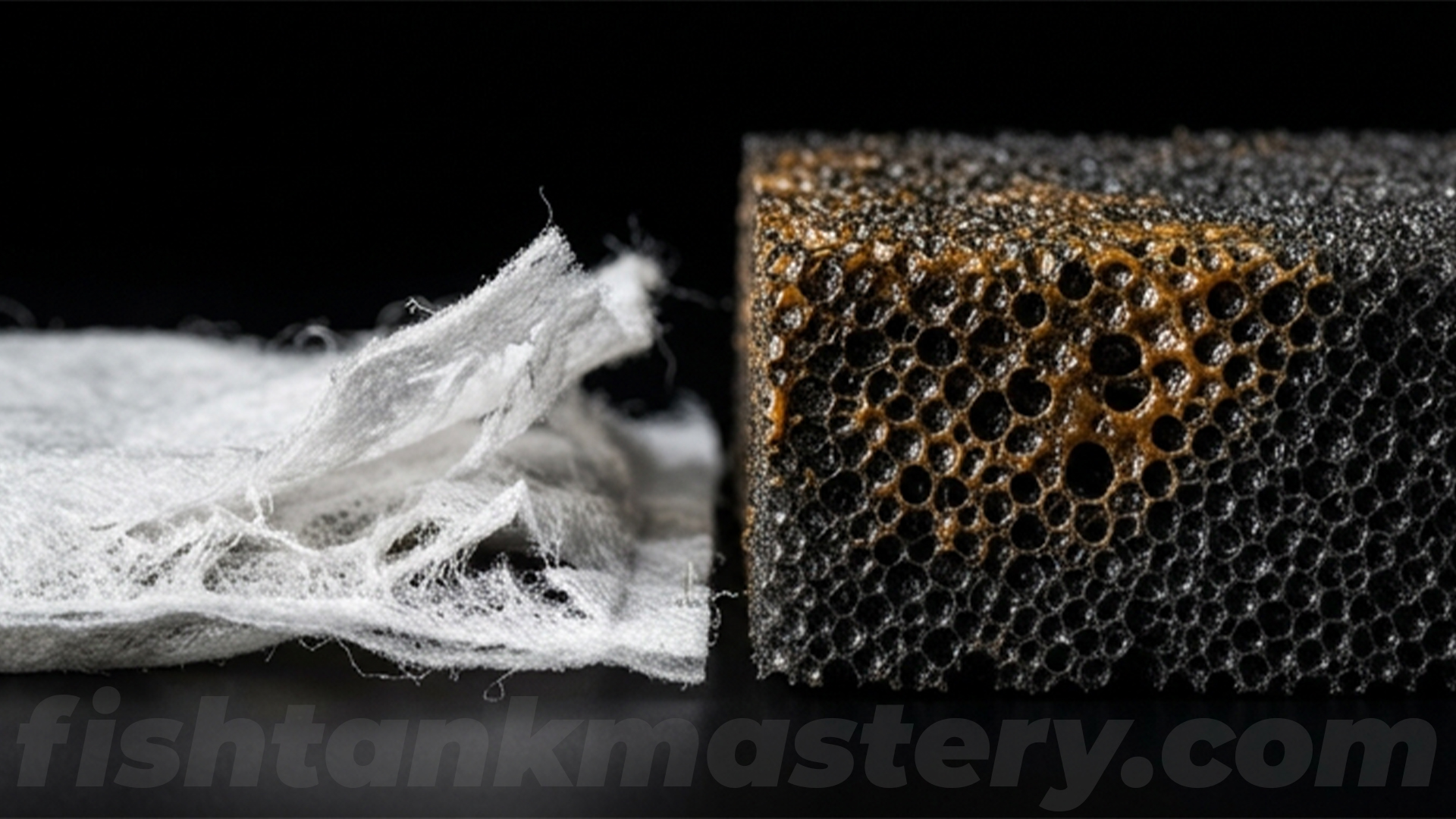
When you pull that slimy, brown-coated polyester cartridge out of the filter box and throw it into the trash, you are not performing routine maintenance—you are physically throwing away your aquarium’s biological immune system. That amber-brown mulm is not accumulated filth; it is a complex Extracellular Polymeric Substance (EPS) matrix housing billions of mature autotrophs. Sliding a sterile white cartridge into the empty filter resets your nitrogen cycle back to Day Zero. Within 48 hours, metabolic ammonia spikes uncontrollably, and opportunistic heterotrophic bacteria explode in the water column to feast on unoxidized waste, leaving you with cloudy water and dying fish. Replace disposable cartridges permanently with 20 to 30 PPI reticulated polyurethane foam and porous sintered glass rings that never need replacement.
3. Floating-Bag Acclimation and Osmotic Shock (The Cellular TDS/pH Rupture)
The standard retail instruction to float the sealed plastic transport bag for fifteen minutes before dumping your fish into the tank is a lethal oversimplification of teleost physiology. Floating a bag equalizes thermal temperature—and absolutely nothing else. Freshwater fish are continuous osmoregulators living in a hypotonic environment. Their blood and internal tissues maintain a concentrated ionic salinity around 300 mOsm/L, meaning water constantly diffuses inward through their permeable gill lamellae while essential electrolytes diffuse outward.
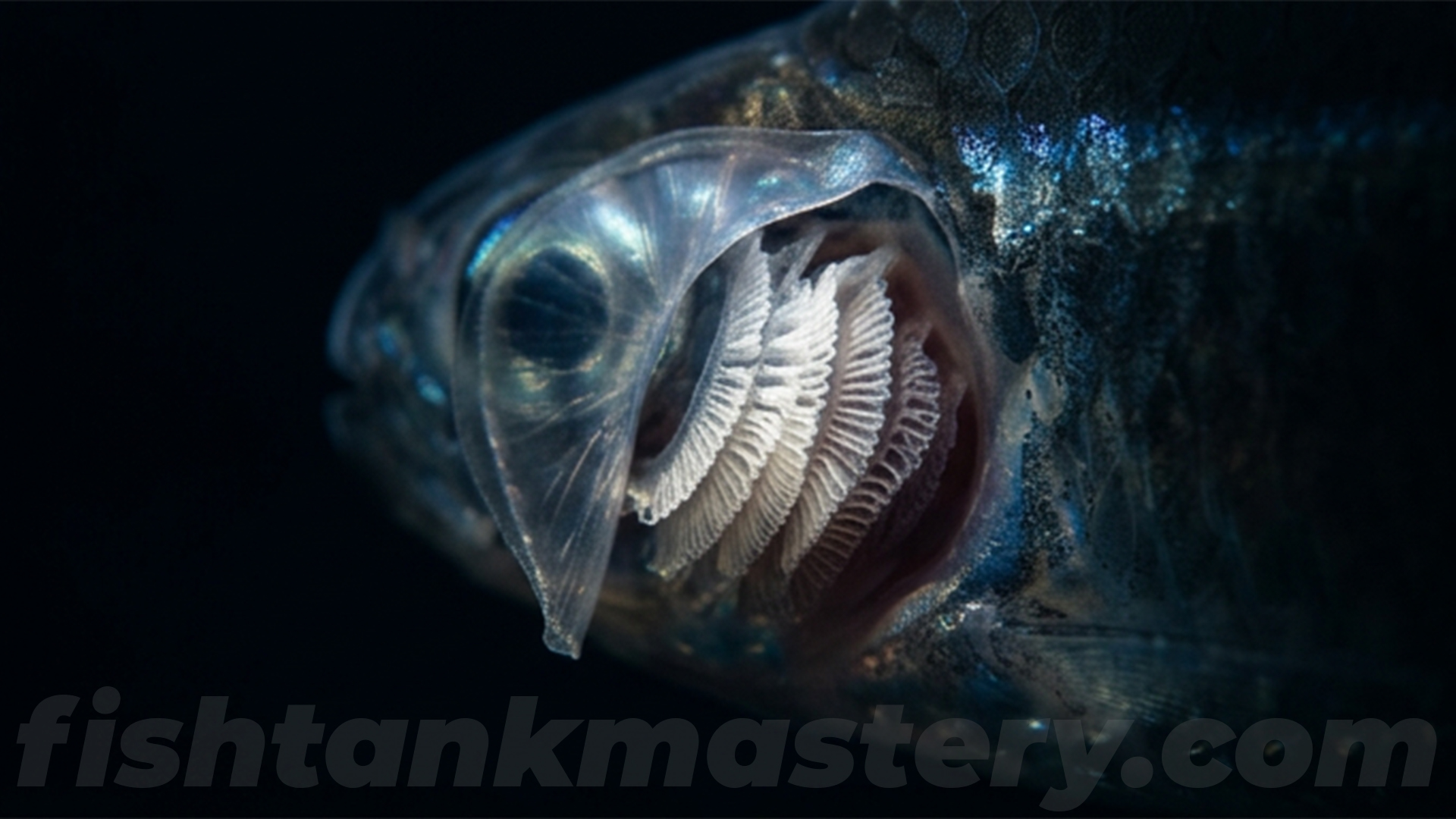
To survive, teleost fish rely on specialized mitochondrial-rich ionocytes (chloride cells) on their branchial epithelium to actively pump sodium and chloride back into their bloodstream. When you transfer a commercially mass-bred fish—such as an inbred Neon Tetra (Paracheirodon innesi)—from high-mineral retail water directly into different tap water without gradual ionic bridging, you induce catastrophic osmoregulatory whiplash. A sudden divergence in Total Dissolved Solids (TDS), General Hardness (GH), and pH causes water molecules to rush violently into epithelial cells faster than renal tubules can process them. The microscopic secondary lamellae of the gills swell and rupture (cytolysis). The fish does not die from poison; it dies hours or days later from cellular exhaustion and systemic electrolyte failure.
4. Hurricane Filter Flow and Current Shock (Hydrodynamic Exhaustion)
Beginners frequently assume that maximum filtration horsepower guarantees a healthier environment, installing massive hang-on-back units or oversized internal power filters in small setups. While high turnover is beneficial for waste processing, uncontrolled hydrodynamic velocity creates extreme physical trauma for slow-swimming, labyrinth, or broad-finned species. Fish like Betta splendens, fancy goldfish, and juvenile dwarf cichlids possess anatomy evolved for calm, vegetated backwaters, slow tributaries, or shallow margins.
When subjected to a high-velocity filter torrent without an adequate baffle or spray bar, these fish are forced into continuous swimming simply to remain stationary. Teleost muscle fibers rely on fast-twitch glycolytic pathways during burst swimming, which rapidly generates localized lactic acid. In an uninterrupted current, the fish cannot access a hydrodynamic refuge to enter resting metabolic homeostasis. Chronic swimming fatigue exhausts hepatic glycogen stores, elevates systemic plasma cortisol, and triggers fin rot as peripheral micro-capillaries collapse under continuous hydrodynamic drag. Filtration must emphasize generous biological media volume rather than turbulent linear velocity.
5. Uncalibrated Heaters in Dead Flow Zones (Henry’s Law and Dissolved Oxygen Collapse)
Placing an electric submersible heater in a stagnant corner of the aquarium violates fundamental fluid thermodynamics and creates acute respiratory distress. Aquarium heaters rely on internal mechanical bimetallic strips or electronic thermistors to monitor ambient water temperature. In a low-flow dead zone devoid of active circulation, the heating element rapidly warms the immediate micro-envelope of water surrounding its glass casing, falsely triggering its internal shutoff threshold while the opposite side of the tank remains dangerously cold.
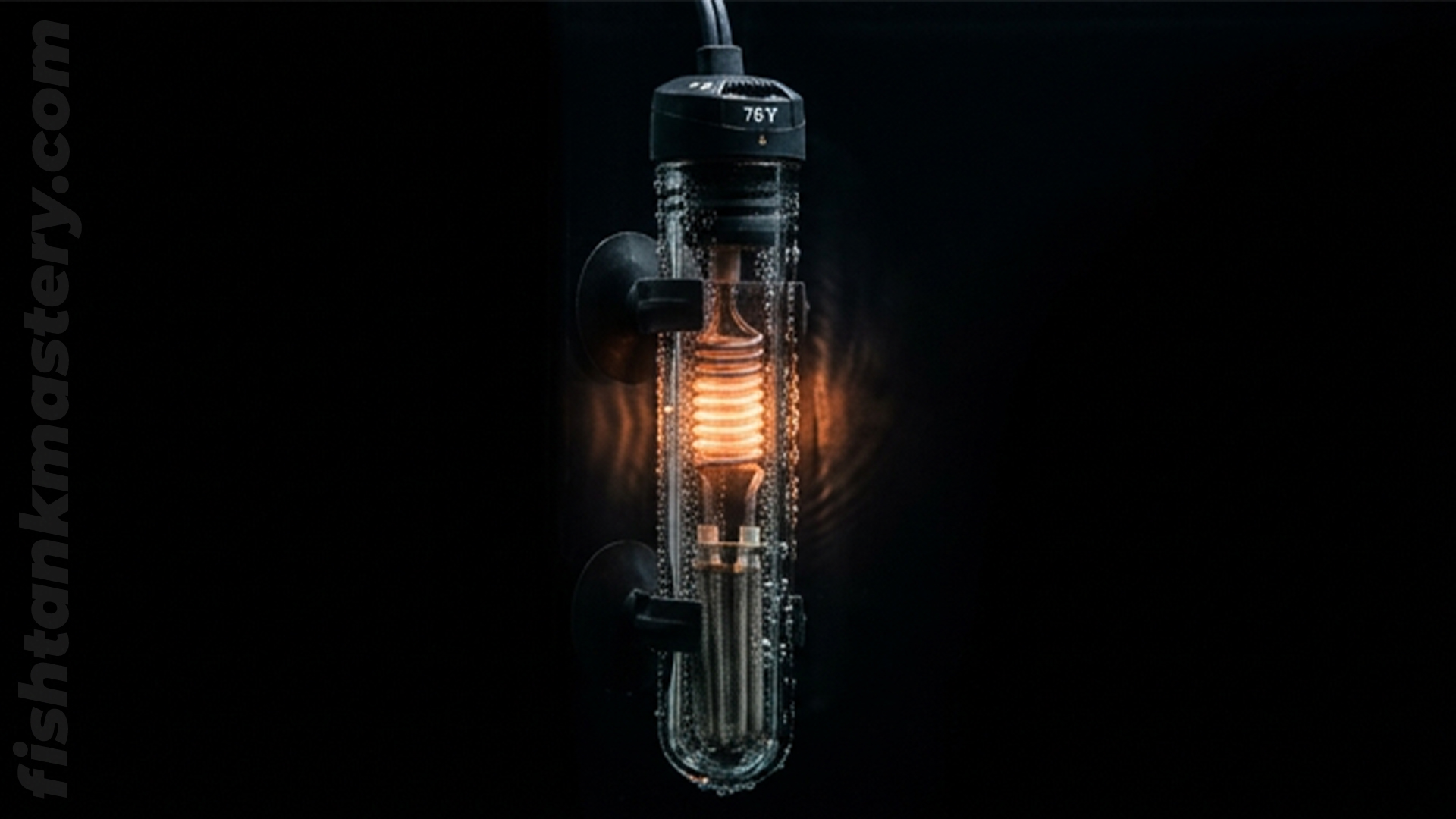
More dangerously, if an uncalibrated budget heater sticks in the “ON” position within an uncirculated zone, it triggers a catastrophic biological scissor effect governed by Henry’s Law of Gas Solubility. As water temperature increases, the kinetic energy of water molecules rises, weakening intermolecular bonds and driving dissolved gases out of solution. At 20°C (68°F), saturated freshwater holds roughly 9.1 mg/L of Dissolved Oxygen (DO); heat that same water to 28°C (82°F), and its physical oxygen-holding capacity drops below 7.8 mg/L. Concurrently, under the van ‘t Hoff metabolic rule (Q10 coefficient), the resting metabolic rate and cellular oxygen demand of ectothermic teleost fish roughly double for every 10°C rise in temperature. Trapping fish in warm, stagnant water forces their tissues to demand maximum oxygen at the exact thermodynamic moment the water holds the least.
6. First-Night Guilt Feeding and Heterotrophic Ammonia Spikes
Watching new fish tentatively explore their setup triggers a natural emotional instinct to drop commercial flakes or sinking pellets into the tank on the very first evening. Inexperienced keepers assume eating is proof of comfort and health. Biologically, first-night feeding is an ecological disaster. Newly transported fish are experiencing an acute transport cortisol surge, which suppresses gastrointestinal motility and reduces the secretion of pancreatic digestive enzymes like trypsin and lipase.
Unconsumed food flakes sink directly into substrate crevices, while poorly digested fecal pellets break apart rapidly in the water column. In an unestablished aquarium where autotrophic nitrifiers are not yet abundant, opportunistic heterotrophic bacteria seize this influx of dissolved organic carbon and protein. Heterotrophs possess an explosive generation doubling time of just 15 to 20 minutes (compared to 20 to 30 hours for nitrifiers). They multiply by billions, stripping dissolved oxygen from the water to fuel their cellular respiration and excreting massive pulses of un-ionized ammonia directly into a system incapable of processing it. New fish must be fasted for at least the first 24 to 48 hours to preserve water stability while their endocrine systems settle.
7. Household Aerosols, VOCs and Chemical Surface Drift
An aquarium does not exist in an ecological vacuum; it is an open liquid interface exposed directly to the ambient air chemistry of your living room or home office. One of the most overlooked causes of acute, unexplained fish mortality in brand-new setups is the aerial drift of common household chemicals, synthetic fragrances, and volatile organic compounds (VOCs). Spraying aerosol air fresheners, scented room mists, glass cleaners containing ammonia, or synthetic carpet powders near an operating aquarium introduces toxic airborne particulates directly across the air-water boundary layer.
Furthermore, standard vibrating diaphragm air pumps pull ambient room air through an unshielded intake and bubble it aggressively through your water column. If scented candles or aerosolized cleaning surfactants are present, the air pump actively injects these synthetic hydrocarbons directly into the water. Chemical surfactants disrupt the delicate lipid monolayer of teleost secondary gill lamellae, causing immediate epithelial swelling, loss of branchial gas exchange, and acute chemical suffocation. Keep all household sprays far from the aquarium, wash hands thoroughly in clean water before submerging them, and run activated carbon temporarily if aerial contamination occurs.
8. Airtight Canopies and The Oily Protein Biofilm Boundary
Many complete aquarium starter kits feature rigid, tightly sealed plastic hoods designed to eliminate evaporation and hide lighting fixtures. When paired with a submerged, silent filter outflow that generates zero physical turbulence, this enclosed environment creates a suffocating physical barrier. Without surface agitation, organic macromolecules—composed of insoluble food lipids, fish mucosal proteins, and decomposing plant exudates—rise to the surface meniscus and polymerize into an iridescent, oily surface slick.
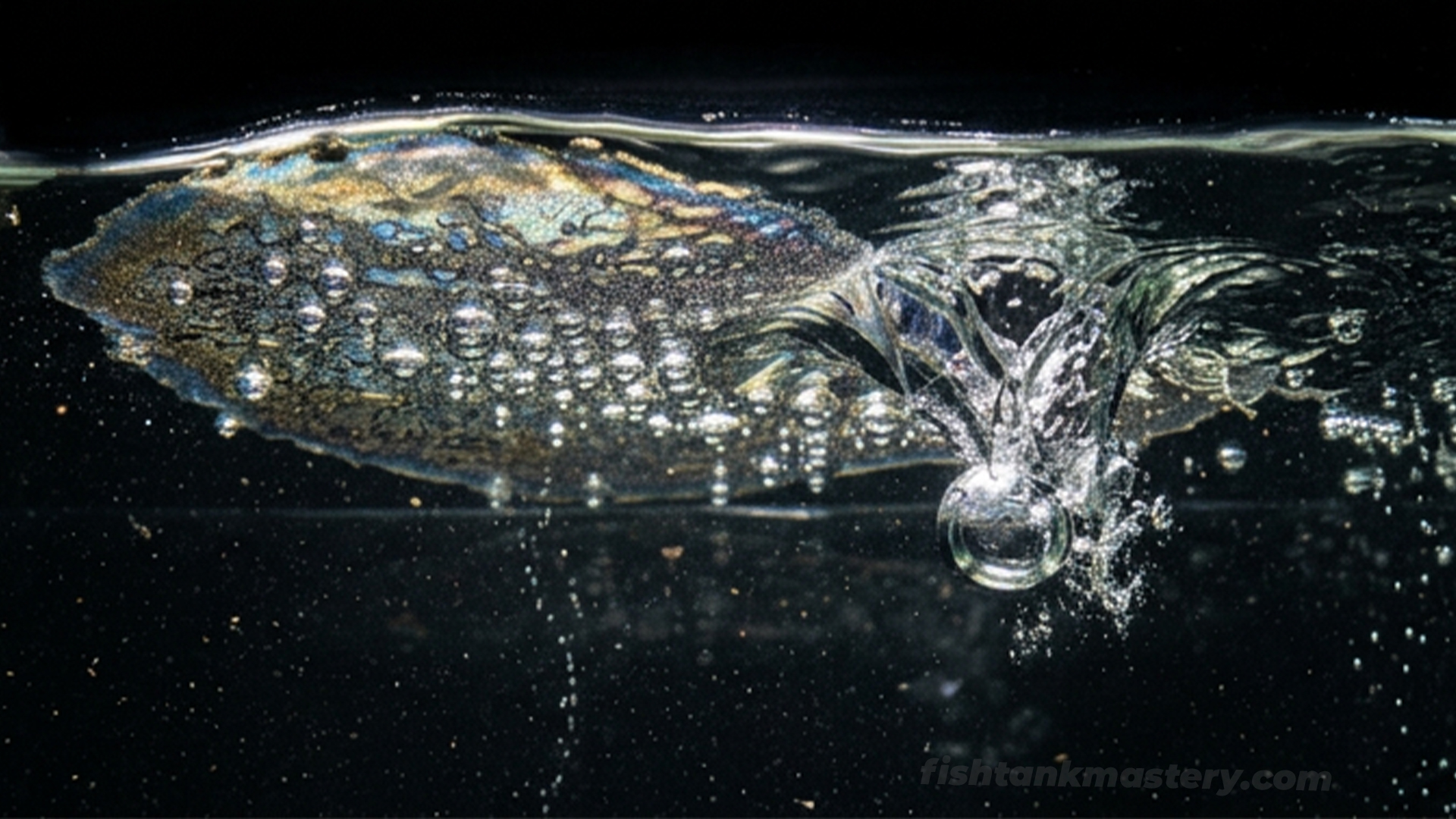
Under Fick’s Law of Diffusion, the passive diffusion of atmospheric oxygen into water is directly governed by the exposed surface area and the concentration gradient across the fluid boundary layer. A stagnant protein biofilm acts like a sheet of microscopic plastic wrap pulled tight across the water. It reduces atmospheric oxygen diffusion by up to 80 percent while trapping off-gassing carbon dioxide beneath the surface. At night, when aquatic plants and living biofilter bacteria switch exclusively to oxygen consumption, dissolved oxygen plummets into the lethal hypoxic zone. Beginners wake up to find fish piping desperately at the surface meniscus, attempting to siphon the hyper-thin oxygenated skin layer to avoid asphyxiation.
9. The Week-One Panic Chemical Cocktail and Flocculant Gill Occlusion
When the first signs of biological imbalance appear during week one—whether a faint haze, a slight ammonia reading on a dip strip, or a listless fish—the beginner reflex is chemical warfare. Hobbyists rush to the pet store and purchase multiple bottled remedies simultaneously: synthetic water clarifiers, ammonia-locking binders, broad-spectrum medications, and pH adjusters, pouring them into the display tank in rapid succession.
Commercial “rapid water clarifiers” are synthetic polymeric flocculants or metallic coagulants (such as aluminum salts). They function by imparting a positive electrical charge that binds negatively charged suspended particles into large, heavy aggregates so mechanical filter pads can trap them. However, in an uncycled system containing free-swimming fish, these sticky chemical flocs do not differentiate between organic debris and delicate gill tissue. The polymer aggregates coat the microscopic secondary lamellae of teleost gills, physically occluding the respiratory surface and causing severe branchial suffocation. Furthermore, pouring multiple unbuffered chemicals into young water causes violent ionic shocks that destabilize the carbonate buffering system (KH), sparking fatal pH crashes.
10. The Milky Water Panic-Clean (Resetting the Pioneer Biofilm Matrix)
Around Day 4 to Day 7 of a new setup, the water column frequently transforms into an opaque, milky white fog. To an untrained eye, this sudden cloudiness looks like accumulated physical dirt, prompting emergency 80 percent water changes, aggressive gravel vacuuming, and complete filter pad washings. This panic cleaning is the single most common reason young aquariums remain trapped in permanent biological instability.
That white fog is not dirt; it is a natural, free-floating heterotrophic bacterial bloom responding to the initial release of dissolved nutrients. Heterotrophs multiply exponentially in open water to consume organic carbon precursors, preparing the environmental matrix for slow-growing sessile nitrifiers. When you drain 80 percent of the water and refill with municipal tap water, you do not eradicate the bloom. You merely dilute the bacteria while supplying the survivors with fresh trace minerals and dissolved oxygen. More critically, aggressive gravel siphoning and filter scrubbing physically dissolves the delicate extracellular polymeric substance (EPS) matrix and pioneer biofilms that autotrophic Nitrosomonas require to anchor themselves. You reset the microbial succession clock back to Day Zero, guaranteeing that the tank will cloud over again 48 hours later.
Cause vs. Biological Reality vs. Corrective Action (The Delayed Setup Failure Timeline)
Aquarium failures do not occur overnight; they follow a predictable, cumulative timeline of environmental stress and microbial succession. When an aquarist makes early setup errors, the water column often appears crystal clear while invisible chemical debt compounds beneath the surface. The diagnostic timeline below deconstructs what the keeper observes through the glass versus the microscopic reality occurring within the biofilter and teleost tissues over the critical first thirty days.
| Timeline Phase | Visual Cue (What You See) | Biological Reality (Under the Hood) | Systemic Impact | FTM Corrective Protocol |
|---|---|---|---|---|
| Days 1 – 3 (The Shock Phase) | Pristine, sparkling water clarity. New fish school tightly near the substrate or glass surf nervously. | Biological vacancy. Zero autotrophic nitrifiers established on filter media. Transport cortisol levels peaking in fish. | Branchial ionocytes struggle with osmotic divergence; secondary gill lamellae swell from sudden TDS and pH shifts. | Execute a 60-minute airline drip acclimation; cease feeding completely for 48 hours; limit light cycle to 5 hours. |
| Days 4 – 9 (The Illusion Phase) | Water turns slightly hazy or milky white. Fish accept commercial flakes voraciously at the surface. | Heterotrophic bacterial bloom explodes in open water to consume dissolved organic carbon from first feedings. | Free-floating bacteria consume dissolved oxygen rapidly; slow-growing autotrophs (Nitrosomonas) begin fragile surface adhesion. | Do NOT change water or scrub filter pads; increase surface ripples for oxygen exchange; let heterotrophs starve naturally. |
| Days 10 – 18 (The Accumulation Window) | Water begins clearing again. Fish show subtle lethargy, slight fin clamping, or hover near filter returns. | Metabolic ammonia and intermediate nitrite peak in unbuffered pockets; Extracellular Polymeric Substance (EPS) matrix forms slowly. | Un-ionized free ammonia (NH3) enters branchial capillaries, inducing sub-lethal respiratory acidosis and vascular congestion. | Test parameters with liquid drop reagents (not strips); perform small, temperature-matched 15% water changes if ammonia exceeds 0.5 ppm. |
| Days 19 – 30+ (The Delayed Crash or Maturity) | Sudden “mystery” fish losses, cloudy eyes, frayed fin edges, or permanent crystal clarity with active foraging. | Fork in the road: System either collapses from biological bankruptcy (media swapped/tank scrubbed) or reaches nitrification equilibrium. | If disturbed, total biofilter reset triggers secondary Columnaris infections. If left undisturbed, Nitrospira oxidizes nitrite into harmless nitrate. | Maintain a strict hands-off maintenance freeze on filter media; siphon substrate surface lightly without deep disturbance; stabilize routines. |
Retail Myth vs. Biological Law (The Equipment & Chemistry Matrix)
Big-box retail stores thrive on commercial turnover, marketing products designed for convenience rather than closed-loop ecological stability. Understanding the biophysical laws behind aquarium hardware protects both your wallet and your livestock from avoidable system crashes.
| Retail Marketing Myth | The Cold Biological Law | Permanent FTM Solution |
|---|---|---|
| “Replace disposable filter cartridges monthly to maintain water freshness.” | Over 85% of your tank’s autotrophic nitrifiers reside within the filter cartridge. Discarding it throws away your biological biofilter. | Retrofit the filter box permanently with 20–30 PPI coarse polyurethane foam and sintered glass bio-rings that are never replaced. |
| “Float the bag for 15 minutes, then release your fish directly into the aquarium.” | Floating only balances thermal kinetic energy. It ignores pH, GH, KH, and TDS differences, rupturing delicate gill ionocyte cells. | Use a dedicated acclimation bucket with an airline control valve dripping 2 to 3 drops per second over 45 to 60 minutes. |
| “Use chemical water clarifiers to eliminate white milky cloudy water instantly.” | Polymeric flocculants bind suspended particles into sticky clumps that coat secondary gill lamellae, causing severe branchial suffocation. | Never dose clarifiers for bacterial blooms. Provide surface agitation, restrict feedings, and allow heterotrophs to starve naturally within 72 hours. |
| “Add bottled bacteria and stock your display tank with schooling fish on Day One.” | Autotrophic nitrifiers cannot colonize inert media without established attachment biofilms and steady, calibrated inorganic ammonia. | Execute a fishless cycle using ghost feeding or ammonium chloride. Introduce hardy translator species only after ammonia and nitrite read 0 ppm. |
What to Avoid: 4 Destructive Beginner Setup Habits
Building an unbreakable aquatic ecosystem is not just about what you install—it is about mastering restraint. The modern pet industry trains beginners to take immediate, frantic action whenever an aquarium displays visual flux. In closed-loop systems, reactionary intervention consistently multiplies stress. Purge these four destructive operational reflexes immediately:
1. Panic-Cleaning the Filter Sponge During Bacterial Blooms
- Why it feels right: When you wake up to a milky white aquarium, looking inside the filter and seeing brown, slimy mud convinces you that accumulated filth is polluting the water column.
- What it silently breaks: That brown mulm is not dirt; it is a mature Extracellular Polymeric Substance (EPS) matrix containing the living colonies of Nitrosomonas and Nitrospira. When you rinse that sponge under chlorinated tap water until it runs squeaky-clean, chlorine oxidizes the bacterial cell walls, wiping out your biological engine in seconds. The tank resets to Day Zero, guaranteeing an even worse bacterial bloom 48 hours later.
- What to ask instead: “Is physical water movement actually restricted by more than 30 percent, or am I destroying my biological filter purely for cosmetic satisfaction?”
2. Dumping Pet Store Transport Water into Your Display
- Why it feels right: Pouring the entire contents of the plastic shipping bag straight into the tank feels gentle, avoiding the need to net or handle delicate, stressed fish.
- What it silently breaks: Retail holding sumps operate on centralized, high-density filtration systems. That small transport bag contains an ultra-concentrated biological soup of excreted branchial ammonia, elevated teleost cortisol, shed parasitic dinospores (such as Ichthyophthirius multifiliis), and latent Columnaris bacteria. Dumping that water inoculates your clean setup with systemic pathogens.
- What to ask instead: “Why would I ever pour unsterilized, parasite-heavy water from a commercial holding sump directly into my new aquarium?”
3. Stacking Chemical “Quick-Fix” Additives in Week One
- Why it feels right: Spotting a slight trace of green on an ammonia test tube pushes beginners to dose ammonia binders, liquid clarifying polymers, and pH buffers simultaneously to “correct” the numbers.
- What it silently breaks: Stacking unbuffered liquid chemicals induces severe ionic instability. Rapid shifts in carbonate hardness (KH) destabilize water chemistry, while chemical clarifiers physically bind to branchial mucus, suffocating the secondary gill lamellae. Teleost fish cannot adapt their cellular osmoregulation to wildly fluctuating chemical gradients.
- What to ask instead: “Am I correcting a real, immediate life-or-death toxicity, or am I creating chemical turbulence that prevents natural microbial equilibrium?”
4. Placing Submersible Heaters in Flow Dead Zones
- Why it feels right: Tucking the glass heater into a back corner behind dense plastic ornaments or tall rocks hides unsightly cords and makes the aquascape look cleaner.
- What it silently breaks: In a stagnant pocket devoid of active water flow, heat cannot circulate. The heating element overheats the immediate water layer, triggering its internal mechanical thermostat to shut down prematurely while the rest of the tank drops below healthy metabolic thresholds. If the heater sticks on, it creates a localized hot zone that strips dissolved oxygen under Henry’s Law, suffocating sedentary bottom dwellers.
- What to ask instead: “Is continuous, active filter current washing directly across the entire heating element to ensure uniform thermal distribution?”
Do This Instead: The FTM Crash-Proof Setup & Acclimation Protocol
To eliminate early livestock mortalities and bypass the delayed setup crash, execute this step-by-step biological landing framework whenever establishing a new system.
Step 1: Install Permanent Non-Disposable Biological Media
Remove the flimsy slide-in carbon cartridges supplied with your Hang-On-Back or internal power filter before adding water. Cut a block of 20 to 30 PPI reticulated polyurethane foam to fit the intake chamber snugly, and fill the remaining reservoir with high-surface-area sintered glass or ceramic bio-rings. This mechanical and biological foundation will never be thrown away. It provides the permanent porous matrix required for autotrophic biofilm attachment.
Step 2: Position Equipment for Hydrodynamic and Thermal Uniformity
Mount your submersible heater horizontally or angled at 45 degrees along the lower third of the back glass, positioned directly beneath the primary filter outflow or adjacent to a circulating sponge filter. This guarantees that every cubic centimeter of heated water is driven across the substrate bed. Angle your filter return nozzle 15 to 20 degrees upward toward the surface meniscus to generate continuous rolling ripples, permanently breaking the oily protein biofilm boundary layer and maximizing atmospheric oxygen exchange.
Step 3: Execute the 60-Minute Airline Drip Landing
When bringing new fish home, never rely on floating the sealed plastic bag. Float the sealed container for exactly 15 minutes to equalize thermal temperature, then immediately empty the fish and shipping water into a dedicated 2-gallon acclimation container. Run a length of standard 4/6 mm airline tubing from your main aquarium into the bucket, tied with a loose knot or fitted with a plastic control valve. Calibrate the flow to 2 to 3 drops per second.
Allow the water volume in the bucket to triple over 45 to 60 minutes. This slow ionic bridging gives the teleost chloride cells (ionocytes) on the gill lamellae sufficient time to adjust cellular fluid pressures to your tank’s specific pH, GH, and TDS levels without osmotic rupture. Once complete, net the fish out gently with a soft mesh net, release them into the display, and pour the shipping water down the drain.
Step 4: Enforce the 48-Hour Fasting and Blackout Window
Immediately after releasing your fish, turn off the aquarium lighting and maintain a dark, low-stress environment for 48 hours. Do not drop a single flake, pellet, or frozen treat into the water column. Fasting newly introduced fish prevents unconsumed food from rotting into un-ionized ammonia and allows the fishes’ digestive tracts to recover from transport-induced cortisol suppression. Healthy freshwater teleost fish can easily fast for several days without discomfort, whereas early overfeeding during biological vacancy is the primary trigger of lethal Day-5 ammonia spikes.
Step 5: Maintain the 14-Day Hands-Off Maintenance Freeze
Once your fish are settled and lightly feeding on Day 3, enforce a strict two-week maintenance freeze. Do not wipe the interior side glass, do not vacuum the deep substrate, and under no circumstances should you rinse or inspect the filter media. Allow the pioneer autotrophic nitrifiers (Nitrosomonas and Nitrospira) to construct their permanent Extracellular Polymeric Substance (EPS) anchoring network without physical interruption. A stable, crash-proof aquarium is cultured through biological patience, not mechanical over-management.
Teleost Physiology and Nitrification Kinetics: 4 Scientific Realities Behind Early Tank Crashes
Aquarium stability is not governed by commercial marketing slogans, product labels, or forum folklore. A closed aquatic ecosystem is governed strictly by the biophysical laws of fluid dynamics, molecular chemistry, and teleost histology. When an inexperienced aquarist suffers unexpected livestock casualties within the first two weeks of setting up a new tank, it is almost never random bad luck. It is the predictable outcome of exceeding immutable biological thresholds. Understanding these four scientific mechanisms transforms you from an anxious pet owner into a confident ecosystem engineer.
Truth 1: Branchial Ionocyte Exhaustion and Osmotic Collapse
Freshwater teleost fish are obligate hyperosmotic regulators. Because the internal ionic concentration of teleost blood and tissue fluids (roughly 280 to 320 mOsm/kg) is dramatically higher than the surrounding freshwater column (typically under 50 mOsm/kg), water molecules constantly flood into the body across semi-permeable epithelial membranes via passive osmosis. Concurrently, essential electrolytes such as sodium, potassium, and chloride diffuse outward into the water. To counteract this relentless osmotic gradient, teleost gills are densely lined with specialized mitochondria-rich cells known as ionocytes (chloride cells).
These cellular engines consume up to 30 percent of the animal’s total basal metabolic energy budget simply driving branchial Na+/K+-ATPase molecular pumps to recover lost electrolytes against steep concentration gradients. When a fish is transferred between radically different water parameters—such as moving an inbred Neon Tetra from commercial hard holding water directly into soft tap water without slow drip acclimation—the osmotic gradient shifts violently. Water rushes into the epithelial cells faster than renal filtration tubules can process it. The microscopic secondary lamellae of the gills swell, experience cytolysis, and rupture. The fish does not perish from bad water; it collapses from systemic metabolic exhaustion and respiratory failure. Detailed findings on the bioenergetics of branchial osmoregulation can be reviewed in Oxford Academic’s Integrative and Comparative Biology.
Truth 2: Chemolithoautotrophic Growth Kinetics and Sessile Biofilm Architecture
The microbial colonies responsible for detoxifying nitrogenous teleost waste are not free-floating organisms. Decades of molecular 16S rRNA gene sequencing have conclusively proven that primary freshwater nitrifiers—specifically ammonia-oxidizing Nitrosomonas oligotropha and nitrite-oxidizing Nitrospira marina—are obligate chemolithoautotrophs. These bacteria do not ingest organic carbon; they extract minuscule amounts of energy by oxidizing inorganic nitrogen compounds while synthesizing their entire cellular structures from dissolved inorganic carbon.
Because this metabolic pathway yields exceptionally low biochemical energy, autotrophic nitrifiers exhibit agonizingly slow reproductive kinetics. While opportunistic heterotrophic bacteria double their populations every 15 to 20 minutes, a mature colony of Nitrospira requires 20 to 30 hours to complete a single cellular division. Furthermore, these organisms are strictly sessile; they require a solid physical surface to secrete a protective Extracellular Polymeric Substance (EPS) matrix that anchors them against hydrodynamic shear forces. Less than 0.1 percent of an aquarium’s nitrifying population lives suspended in open water. Dumping bottled bacteria into an unbuffered tank does not build an instant filter; true biological capacity requires time, consistent circulation, and undisturbed surface area. Landmark peer-reviewed research on autotrophic nitrifying biofilter dynamics is documented in PubMed Central (PMC).
Truth 3: Un-Ionized Free Ammonia (NH3) vs. Ionized Ammonium (NH4+) Equilibrium
Total Ammonia Nitrogen (TAN) measured by commercial liquid drop kits exists in aquatic solution in two distinct chemical states: toxic un-ionized free ammonia gas (NH3) and relatively benign ionized ammonium (NH4+). The stoichiometric ratio between these two molecules is governed entirely by ambient water temperature and pH. Un-ionized free ammonia is a lipid-soluble, uncharged molecule that diffuses rapidly across the lipophilic cell membranes of teleost gills. Once inside the vascular system, free ammonia strips away oxygen-binding affinities from hemoglobin, induces severe cellular acidosis, and causes widespread branchial lamellae hyperplasia.
At a low pH of 6.5 and a temperature of 24°C (75°F), over 99.8 percent of Total Ammonia Nitrogen exists as harmless ionized ammonium. However, if the pH shifts upward to 8.2 in an unbuffered beginner setup, the chemical equilibrium shifts violently, multiplying the concentration of toxic un-ionized NH3 by more than thirtyfold at the exact same total ammonia reading. This explains why hobbyists can observe zero distress in slightly acidic setups, yet experience total livestock wipeouts overnight when tap water adjustments push their pH upward into alkaline territory. Comprehensive toxicological criteria detailing un-ionized ammonia dynamics across variable pH gradients are published by the U.S. Environmental Protection Agency (EPA).
Truth 4: Henry’s Law, Temperature Scissoring, and Nocturnal Hypoxia
The dissolution of atmospheric gases into a closed liquid interface is dictated by Henry’s Law of Gas Solubility. Gas solubility is strictly inversely proportional to water temperature: as thermal kinetic energy increases, dissolved gas molecules overcome intermolecular attractions and escape into the atmosphere. Saturated freshwater at 20°C (68°F) holds roughly 9.1 milligrams per liter of Dissolved Oxygen (DO); heat that same volume to 28°C (82°F) using an uncalibrated heater, and its physical oxygen saturation capacity collapses to below 7.8 mg/L.
Simultaneously, teleost fish are poikilothermic ectotherms whose internal cellular metabolic rates are governed by the van ‘t Hoff metabolic rule (Q10 temperature coefficient). For every 10°C increase in ambient water temperature, a fish’s metabolic respiration and cellular oxygen demand roughly double. When an inexperienced aquarist traps fish in an overheated, poorly agitated aquarium, they create a deadly biological scissor effect: the physical water column holds dramatically less breathable oxygen at the precise physiological moment the fish’s tissues demand the most. At night, when living plants switch to oxygen consumption and heterotrophic bacterial blooms spike Biological Oxygen Demand (BOD), dissolved oxygen plummets into the lethal hypoxic zone under 3.0 mg/L, resulting in sudden overnight mortalities. Detailed environmental mechanics of aquatic respiration and gas exchange can be explored through the U.S. Geological Survey (USGS) Water Science Reviews.
Google People Also Ask (PAA Direct Answers)
Why did my fish die 3 days after setting up a new tank?
Fish mortality within 72 hours of introduction is almost always caused by acute osmotic shock, un-neutralized chloramine toxicity, or transport-induced cortisol collapse rather than starvation. Simply floating the pet store bag equalizes temperature but fails to equalize Total Dissolved Solids (TDS), pH, and General Hardness (GH). This abrupt mineral divergence ruptures the microscopic secondary lamellae of the gills, destroying cellular osmoregulation before the nitrogen cycle even begins.
Can you add fish immediately with quick-start bottled bacteria?
No. Commercial bottled bacteria products contain fragile or dormant microbial strains that cannot instantly synthesize an anchoring Extracellular Polymeric Substance (EPS) matrix across raw filter media. True autotrophic nitrifiers require weeks of continuous water circulation, mechanical oxygenation, and an established ammonia baseline to build functional colonies. Adding fish on Day One forces delicate gill tissues to endure fluctuating toxins while the biofilter slowly wakes up.
Why is clear aquarium water still killing my fish?
Visual water clarity indicates only the absence of suspended physical debris or free-floating algae; it has zero correlation with chemical water safety. Dissolved un-ionized ammonia (NH3) and toxic nitrite (NO2-) are completely colorless, odorless, and invisible to the naked human eye. A brand-new aquarium can feature optical transparency identical to polished glass while maintaining lethal chemical concentrations that burn gill epithelium from the inside out.
How do I fix milky cloudy water in a brand-new aquarium?
Do not perform panic water changes and never dose chemical clarifiers. Milky white water in a new tank is a harmless, free-floating heterotrophic bacterial bloom consuming initial dissolved organic compounds. Increase surface agitation to maximize atmospheric oxygen exchange, fast your fish completely for 48 hours to cut off the nutrient source, and leave the biofilter untouched. The bloom will starve and resolve naturally within 3 to 5 days as autotrophs establish dominance.
Is strong filter flow bad for small aquarium fish?
Yes. Excessive linear flow velocity forces small, long-finned, or labyrinth species (such as Bettas, Guppies, and juvenile Tetras) into continuous burst swimming using fast-twitch glycolytic muscle fibers. This continuous counter-swimming accelerates lactic acid accumulation, depletes liver glycogen reserves, and triggers chronic cortisol elevation that suppresses immune function and causes physical fin tearing.
Frequently Asked Questions (Aquarium Setup Diagnostics)
What is New Tank Syndrome and how do I prevent it permanently?
New Tank Syndrome (NTS) is an acute ecological failure where an aquarium’s biological waste production outpaces the processing capacity of its immature nitrifying bacteria. This causes free ammonia and intermediate nitrite to accumulate to lethal levels within the first 14 to 28 days. You prevent NTS by avoiding instant stocking, refusing to replace commercial filter cartridges, executing a proper fishless cycle with an ammonia challenge, and introducing hardy translator species slowly over several weeks.
Why shouldn’t I replace my disposable filter cartridge every month?
Corporate instructions to replace filter cartridges monthly represent a retail subscription model that actively harms your ecosystem. Over 85 percent of your aquarium’s beneficial nitrifying biofilm colonizes the porous matrix of that single cartridge pad. Throwing it in the trash physically evicts your biological biofilter, throwing the entire system into a mini-cycle reset that triggers immediate ammonia spikes and cloudy bacterial blooms within 48 hours.
What is the difference between chlorine and chloramine in municipal tap water?
Chlorine is a volatile dissolved gas that can be eliminated by letting water sit open with an airstone for 24 hours. Chloramine is a stable chemical bond of chlorine and ammonia utilized by most modern municipal water facilities. Chloramine will never evaporate out of standing water. It requires an advanced liquid water conditioner containing sodium hydroxymethanesulfonate to break the chemical bond, neutralize the free halogen, and chemically lock the released ammonia into non-toxic ammonium.
How long should I keep aquarium lights on during the first month?
Limit your lighting cycle to a maximum of 5 to 6 hours daily during the first thirty days. A young aquarium lacks both the mature microbial competition and the dense rooted plant mass needed to absorb excess light energy. Blasting high-intensity light for 10 to 12 hours into an immature water column rich in unoxidized organic nutrients triggers explosive green water or opportunistic hair algae blooms that destabilize oxygen levels.
Why do fish gasp at the surface even when the filter is running?
Fish piping atmospheric air at the surface meniscus are suffering from acute branchial hypoxia. This occurs either because an oily protein biofilm slick is blocking passive gas exchange at the surface, an uncalibrated heater has stripped dissolved oxygen under Henry’s Law, or un-ionized ammonia/nitrite has oxidized the blood’s hemoglobin into methemoglobin, permanently destroying its capacity to bind and transport oxygen to vital organs.
Building a Bulletproof Ecosystem: Internal Knowledge Base
Mastering a closed freshwater aquarium requires looking past isolated equipment purchases and managing your system as an integrated, living biological reactor. When beginners experience sudden casualties or recurring maintenance headaches, the failure is almost always systemic rather than accidental. To expand your operational knowledge and prevent biological debt from building within your tank, connect this guide to our complete diagnostic network across FishTank Mastery.
First, if you are currently staring at an unstable setup and trying to identify where your maintenance habits drifted off course, review our foundational breakdown on the top 5 beginner fish tank mistakes. This guide deconstructs why treating an aquarium like a sterile appliance undermines the living microbes that sustain aquatic life.
Second, if you purchased your hardware based on commercial showroom marketing, you must arm yourself against corporate obsolescence. Study our investigative report on pet store lies that kill beginner fish tanks. We expose the disposable media cartridge scam, deceptive tank size minimums, and why following box instructions guarantees recurring livestock loss.
Third, audit your routine maintenance habits to protect your sessile bacterial engine. The natural impulse to scrub filter media under the kitchen faucet is the primary cause of delayed biological collapses across the hobby. Review our operational guide on how incorrect filter cleaning triggers deadly ammonia spikes, and learn how to preserve your Nitrosomonas and Nitrospira colonies using simple tank-water rinses.
Fourth, if your livestock suffered sudden mortality within 24 to 48 hours of routine servicing, investigate our clinical forensic analysis on why fish die after water changes. This manual breaks down the precise cellular mechanics of osmotic whiplash, rapid pH shifts, and how un-neutralized chloramine destroys branchial epithelium.
Finally, understand that an aquarium that looks perfectly balanced on Day 5 can still be drifting toward catastrophe. Explore our masterclass on the false stability phase and why aquariums collapse weeks after looking fine to recognize subtle behavioral stress markers long before chemical test kits register a crisis.
Scientific References
Every physiological threshold, microbiological timeline, and diagnostic protocol detailed in this guide is grounded in established peer-reviewed literature across aquatic toxicology, veterinary microbiology, and teleost physiology:
1. Teleost Osmoregulation & Branchial Ionocyte Kinetics: Detailed comparative physiology research evaluating the energetic cost of branchial hyperosmotic regulation, cellular ATP consumption, and secondary lamellae cytolysis during rapid Total Dissolved Solids (TDS) and mineral shifts in freshwater teleosts. Read the study on Oxford Academic
2. Sessile Nitrifying Biofilms & EPS Matrix Architecture: Bartelme et al. – An extensive microbiological analysis documenting that autotrophic ammonia and nitrite-oxidizing bacteria (Nitrosomonas and Nitrospira) reside strictly within shear-resistant Extracellular Polymeric Substances on physical surfaces rather than in the water column, demonstrating their extreme susceptibility to halogen oxidation. Read the study on PubMed Central
3. Aquatic Toxicology & Un-Ionized Ammonia Equilibrium: Toxicological criteria established by the U.S. Environmental Protection Agency detailing the physical chemical equilibrium between toxic free ammonia (NH3) and non-toxic ionized ammonium (NH4+) across temperature and pH gradients, documenting branchial necrosis thresholds. Read the EPA Ammonia Criteria
4. Microbial Respiration & Dissolved Oxygen Solubility: Research compiled by the U.S. Geological Survey examining Henry’s Law of gas dissolution, thermal oxygen stratification, and the biological oxygen demand (BOD) exerted by heterotrophic bacterial blooms in closed aquatic interfaces. Read the study on USGS Water Science
5. Teleost Stress Endocrinology & Cortisol Immunosuppression: Comprehensive research published in Fish Physiology and Biochemistry analyzing the activation of the hypothalamic-pituitary-interrenal (HPI) axis during transport confinement and hydrodynamic fatigue, proving that sustained hypercortisolemia directly thins epidermal mucus and suppresses circulating lymphocytes. Read the study on SpringerLink
Watch Next: Complete Aquarium Setup & Survival Video Chain
Transitioning these written biological principles into long-term aquarium success requires seeing them operate in living, breathing systems. Continue your journey by connecting this guide to our visual laboratory breakdowns and real-tank demonstrations across the FishTank Mastery YouTube ecosystem:
- How to Set Up a Fish Tank? First Freshwater Aquarium Setup (18 Steps): The definitive step-by-step masterclass walking you through physical hardscaping, equipment calibration, and crash-proof biological initiation. Watch the 18-Step Setup Guide
- Setting Up Your First Fish Tank? Watch This First!: A rapid visual orientation deconstructing common beginner misconceptions before you add a single drop of water. Watch the Beginner Setup Orientation
- 10 Self-Sustaining Tank Mistakes Killing Your Ecosystem: Discover how to balance plant mass, substrate depth, and biological waste without relying on heavy machinery. Watch the Self-Sustaining Breakdown
- STOP Doing THIS if Your Aquarium Water Stays Cloudy!: A diagnostic deep-dive into resolving persistent heterotrophic bacterial blooms and mineral dust without destroying your biofilter. Watch the Cloudy Water Fix
- Beginner Aquarium Setup (Avoid Costly Mistakes Playlist): Binge our complete visual playlist to master water chemistry, safe stocking, and long-term ecosystem predictability. Explore the Full Masterclass Series