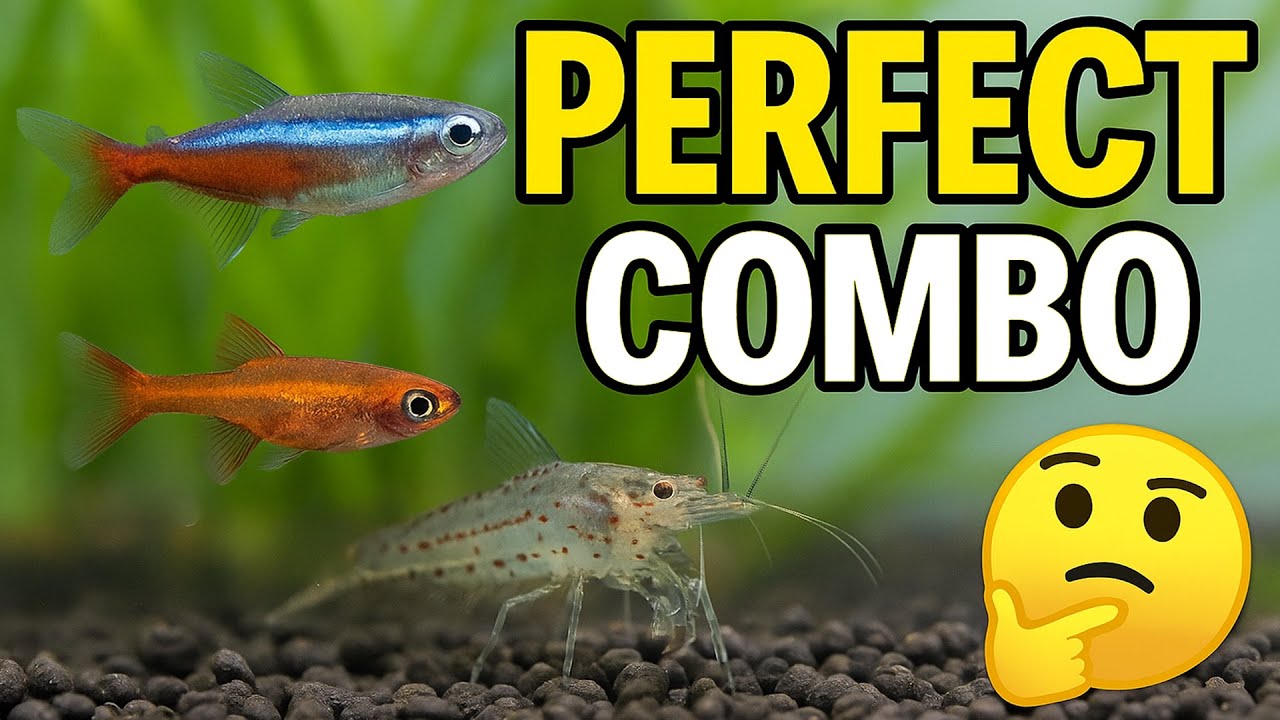

Woke up to milky, cloudy aquarium water? Stop changing the water! These cloudy water mistakes that reset your cycle turn a harmless bacterial bloom into a catastrophic biological collapse. When you see your brand-new fish tank transform into a glass of milk overnight, your natural instinct is visual panic. You want to grab a siphon bucket, dump in chemical water clarifiers, scrub every rock spotless, or rip out that dirty-looking filter pad. But here is the brutal microbiological truth: cloudy aquarium water is rarely physical dirt—it is living biology in motion.
Every time you aggressively attack that white foggy haze with tap water rinses, massive water changes, and chemical flocculants, you are not cleaning your aquarium.You are executing an unintentional chemical and mechanical purge on your beneficial nitrifying bacteria.You strip away the microscopic living architecture that keeps your fish alive, resetting your nitrogen cycle back to day zero and forcing your ecosystem into a state of permanent biological debt.
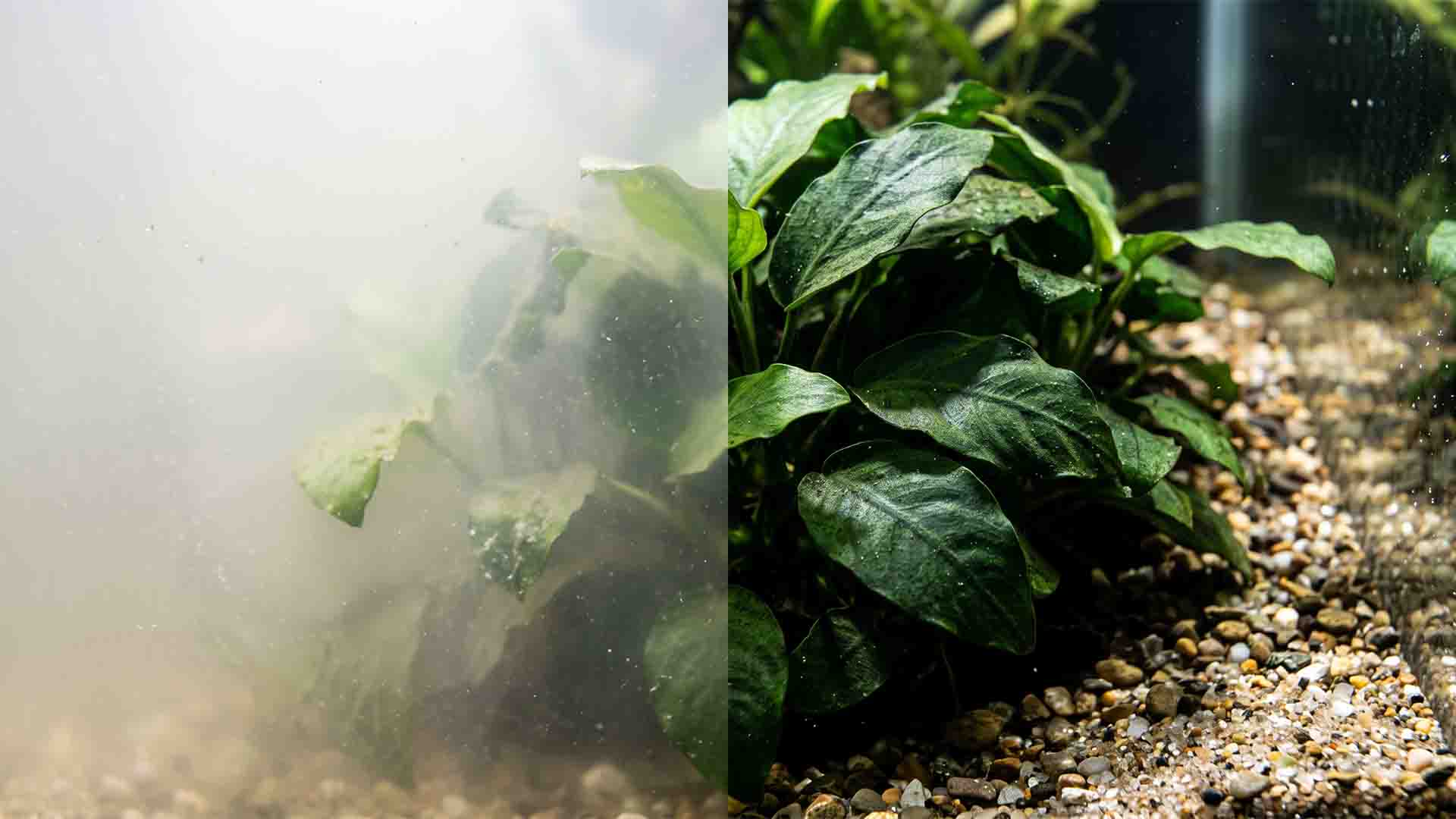
In our video breakdown above, we walk you through the exact failure points that beginner and intermediate hobbyists trigger when trying to force visual water clarity. Watch the full episode first to see how these mistakes play out in real setups, then use this comprehensive microbiological blueprint to understand what is happening at the cellular level, how to protect your biofilter, and how to achieve genuine, long-term crystal clear aquarium water without relying on endless bottled fixes.
What Is New Tank Syndrome? (The Biological Definition & Prevention)
If you wake up to a brand-new aquarium that looks like a glass of milk, you are witnessing the classic onset of New Tank Syndrome (NTS). In aquatic microbiology, New Tank Syndrome is defined as a temporary biological bottleneck where an aquarium’s waste production outpaces its immature autotrophic nitrifying capacity, causing toxic ammonia ($NH_3$) and nitrite ($NO_2^-$) to accumulate while opportunistic heterotrophic bacteria bloom in the water column.
Most hobbyists panic and search for rapid new tank syndrome treatment or commercial chemical fixes. However, true resolution is ecological, not bottled. To prevent new tank syndrome from triggering lethal fish loss, keepers must manage the delicate transition between rapid free-floating bacterial blooms and stable, surface-anchored biological filtration without executing destructive full-system resets.
The Hidden Microbiology of the Fog: Heterotrophic Dominance vs. Autotrophic Nitrifiers
To understand why cloudy aquarium water happens—and why your maintenance habits are likely making it ten times worse—you must understand the microscopic war currently taking place inside your water column. Most beginners assume that all bacteria in an aquarium are identical. In reality, your closed freshwater ecosystem is governed by two radically different microbial factions: planktonic heterotrophic bacteria and sessile autotrophic nitrifiers.
Division Rate Mismatch: 20 Minutes vs. 24 Hours
The fundamental cause of milky white cloudy aquarium water is an ecological event known as Heterotrophic Dominance. Heterotrophic bacteria are the primary decomposers of your tank. They consume organic carbon: uneaten fish flakes, fish waste, microscopic plant decay, and dissolved organic compounds (DOC). Because they process rich organic energy, their cellular division rate is explosive. Under optimal conditions with suspended nutrients, a population of heterotrophic bacteria can double every 15 to 20 minutes.
When you set up a new aquarium, disturb the substrate, or overfeed, dissolved organics spike into the open water column. Billions of free-swimming heterotrophs multiply simultaneously in the open water. When light passes through millions of these microscopic organisms floating in the water, it scatters via the Tyndall effect, creating that opaque, milky, foggy appearance we call a bacterial bloom.
Conversely, your true beneficial nitrifying bacteria—primarily Nitrosomonas (which oxidizes ammonia into nitrite) and Nitrospira (which oxidizes nitrite into nitrate)—are strict autotrophs. They do not eat organic waste; they extract energy from inorganic nitrogen molecules and fix inorganic carbon. Because this metabolic pathway yields very little energy, autotrophic nitrifiers are agonizingly slow growers. A colony of Nitrospira requires 20 to 30 hours just to complete a single cellular division.
When you panic and aggressively clean a cloudy tank, you wipe out the slow-growing autotrophs that took weeks to establish. The fast-growing heterotrophs instantly rebound in hours, permanently locking your aquarium into an immature, cloudy loop.
The Extracellular Polymeric Substance (EPS) Matrix: Your Living Biofilter Armor
True beneficial nitrifiers are sessile organisms—meaning they cannot survive long-term floating freely in open water. To survive hydrodynamic shear forces and process continuous streams of ammonia, they anchor themselves to physical surfaces: your coarse filter foam, ceramic bio-rings, porous lava rock, and substrate grains.
Once anchored, these bacteria secrete a sticky, protective microscopic shield made of polysaccharides, structural proteins, extracellular DNA, and lipids known as the Extracellular Polymeric Substance (EPS) Matrix. This EPS matrix is that light amber-brown “slime” or mulm you see coating mature filter media. It is not physical dirt; it is a microscopic biological metropolis. The EPS matrix provides three non-negotiable ecosystem functions:
- Mechanical Adhesion: It binds nitrifying bacteria permanently inside the porous micro-channels of your filter media so they are not washed away by the water pump.
- Chemical Trapping: The matrix carries a negative electrostatic charge that actively attracts positively charged ammonium ions (NH4) directly to bacterial cell walls.
- Environmental Buffering: It protects delicate nitrifiers from minor pH fluctuations, sudden temperature shifts, and transient chemical shocks.
When you aggressively clean your filter, wash media under the kitchen sink, or dose harsh chemical additives, you chemically dissolve and mechanically shear this EPS matrix. The living armor is destroyed, the nitrifiers undergo cell lysis, and your biofilter capacity instantly drops to zero.
The 10 Cloudy Water Mistakes That Reset Your Nitrogen Cycle
Now that you understand the cellular reality of your aquarium microbiome, let’s examine the 10 critical mistakes that turn a temporary, self-correcting bacterial bloom into a catastrophic, cycle-resetting disaster.
Mistake 1: The Panic Water Change (Feeding the Heterotrophic Bloom)
You wake up, look at your aquarium, and the water looks like skimmed milk. Your immediate reaction is to grab a gravel siphon and drain 50% to 80% of the water volume to “dilute the cloudiness.” This is the single most common and destructive reaction in the freshwater aquarium hobby.
Here is the biological trap: you cannot siphon out a bacterial bloom. Heterotrophic bacteria double their population every 20 minutes. When you drain 50% of the water and replace it with fresh municipal tap water, you remove a portion of the floating bacteria, but you simultaneously refill the aquarium with fresh trace minerals, dissolved organic precursors, and micro-nutrients. You have essentially dumped fresh fuel into an active biological fire./p>
Within 12 to 24 hours of a panic water change, the remaining heterotrophic bacteria consume the fresh influx of nutrients and multiply right back to maximum density—often leaving the water twice as cloudy as it was before you intervened. More dangerously, large, sudden volume changes alter the water’s osmotic pressure and carbonate hardness (kH), shocking the fragile autotrophic nitrifiers trying to establish on your filter media. If your liquid test kit reads 0 ppm Ammonia and 0 ppm Nitrite, doing large water changes to chase optical clarity directly sabotages your tank’s maturation.
Mistake 2: The Disposable Filter Cartridge Trap (Throwing the Cycle in the Trash)
Commercial aquarium filter packaging contains one of the most misleading claims in modern pet care: “Replace filter cartridge every 30 days for optimal water clarity.” Following this corporate marketing instruction is the fastest way to permanently crash an aquarium.
Over 85% to 90% of your aquarium’s active nitrifying bacteria live directly inside the porous mesh, polyester floss, and internal fibers of that filter cartridge. Nitrifiers do not live in the open water column; they require solid, oxygenated substrate. When you pull that brown, slimy cartridge out of your hang-on-back (HOB) filter and toss it into the garbage can, you are not performing routine maintenance—you are physically throwing your nitrogen cycle into the dumpster.
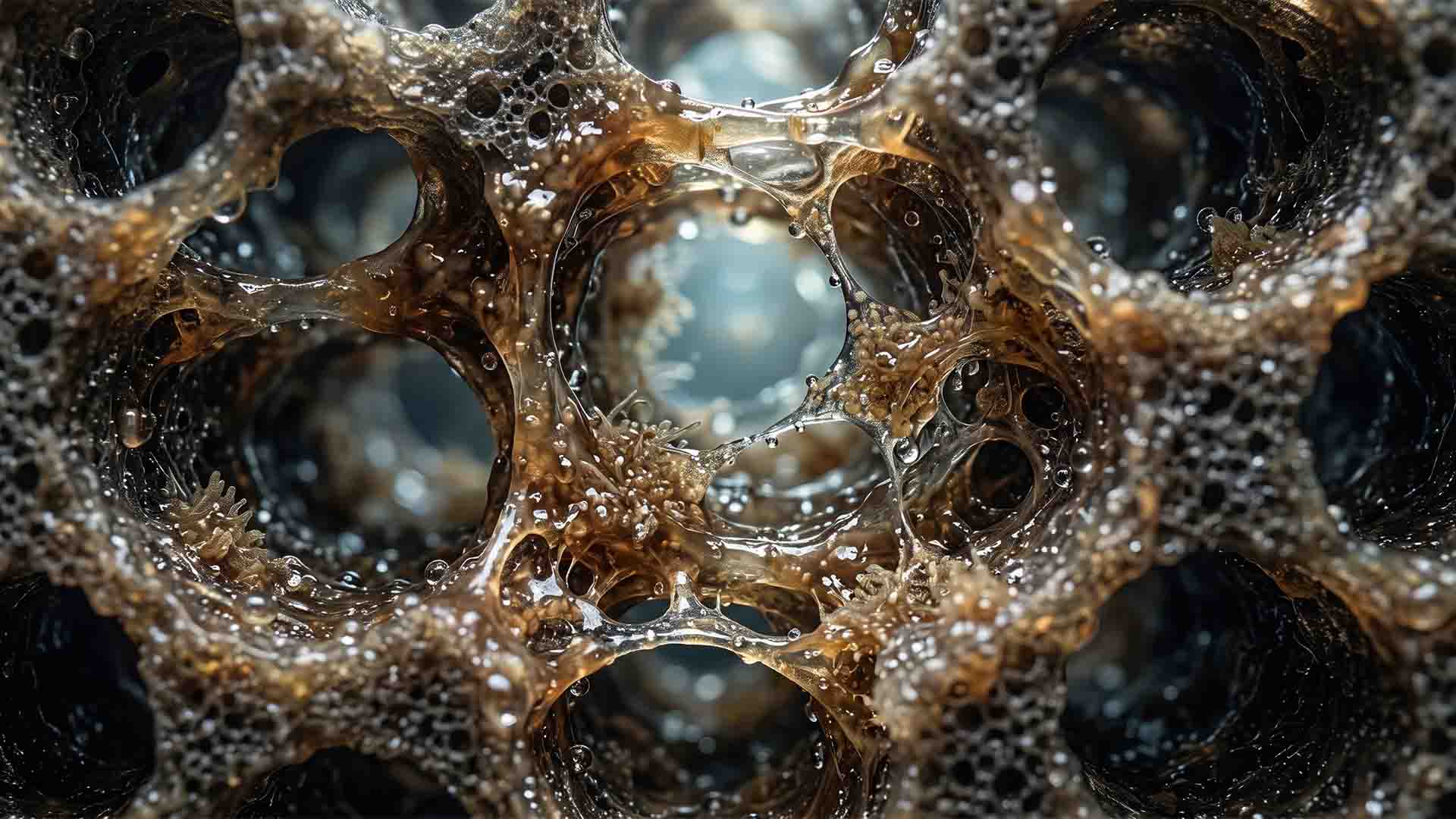
The moment you slide a brand-new, sterile white cartridge into the filter chamber, your aquarium experiences an immediate biological reset. With zero established bacteria left to process fish respiration and waste, ammonia begins to spike rapidly. In response to this sudden chemical spike, opportunistic heterotrophic bacteria explode in the water column to decompose the excess organic matter, turning your tank completely opaque white 48 hours later. For a permanent solution to this retail trap, read our guide on pet store lies that kill beginner fish tanks and switch to permanent, reusable biological sponge media.
Mistake 3: Washing Sponges Under Chlorinated Tap Water (Osmotic Lysis of the EPS Matrix)
Even aquarists who avoid throwing away cartridges frequently make an equally fatal mistake: taking their filter sponges, bio-rings, or foam pads directly to the bathroom or kitchen sink and blasting them clean under running tap water.
Municipal tap water is chemically treated with disinfectant oxidizers—specifically chlorine (Cl2) and chloramine (NH2Cl)—explicitly engineered to destroy bacterial cell walls and eliminate microbial pathogens. When you expose your established filter sponge to municipal tap water, three catastrophic biological reactions occur within seconds:
- Chemical Disinfection: Chlorine rapidly diffuses across the bacterial cell membrane, oxidizing cellular proteins and denaturing critical metabolic enzymes within 15 to 30 seconds of contact.
- Osmotic Lysis: Tap water lacks the dissolved organic and ionic balance of aged tank water, creating massive osmotic shock that ruptures the cellular walls of autotrophic nitrifiers.
- Dissolution of the EPS Matrix: High water velocity combined with chemical oxidizers strips the living biofilm matrix completely off the sponge pores, turning a mature biological engine into a sterile piece of plastic foam.
When you reinstall that sterilized sponge, your fish tank loses its ability to convert ammonia. If you need to restore water flow through a heavily clogged sponge, never use the sink. Always siphon old aquarium water into a dedicated bucket during a routine water change, gently submerge the sponge, and squeeze it 3 to 4 times to dislodge heavy physical sludge while keeping the microscopic EPS matrix alive and intact.
Mistake 4: Chemical Clarifiers & Flocculant Overdose (Gill Occlusion & Pore Blockage)
When beginners see cloudy aquarium water, they frequently reach for commercial “rapid water clarifiers” or “flocculant drops” promising diamond-like clarity within hours. While chemical clarifiers can temporarily clear inert mineral dust (such as unwashed sand haze), using them to treat a living bacterial bloom is a dangerous microbiological trap.
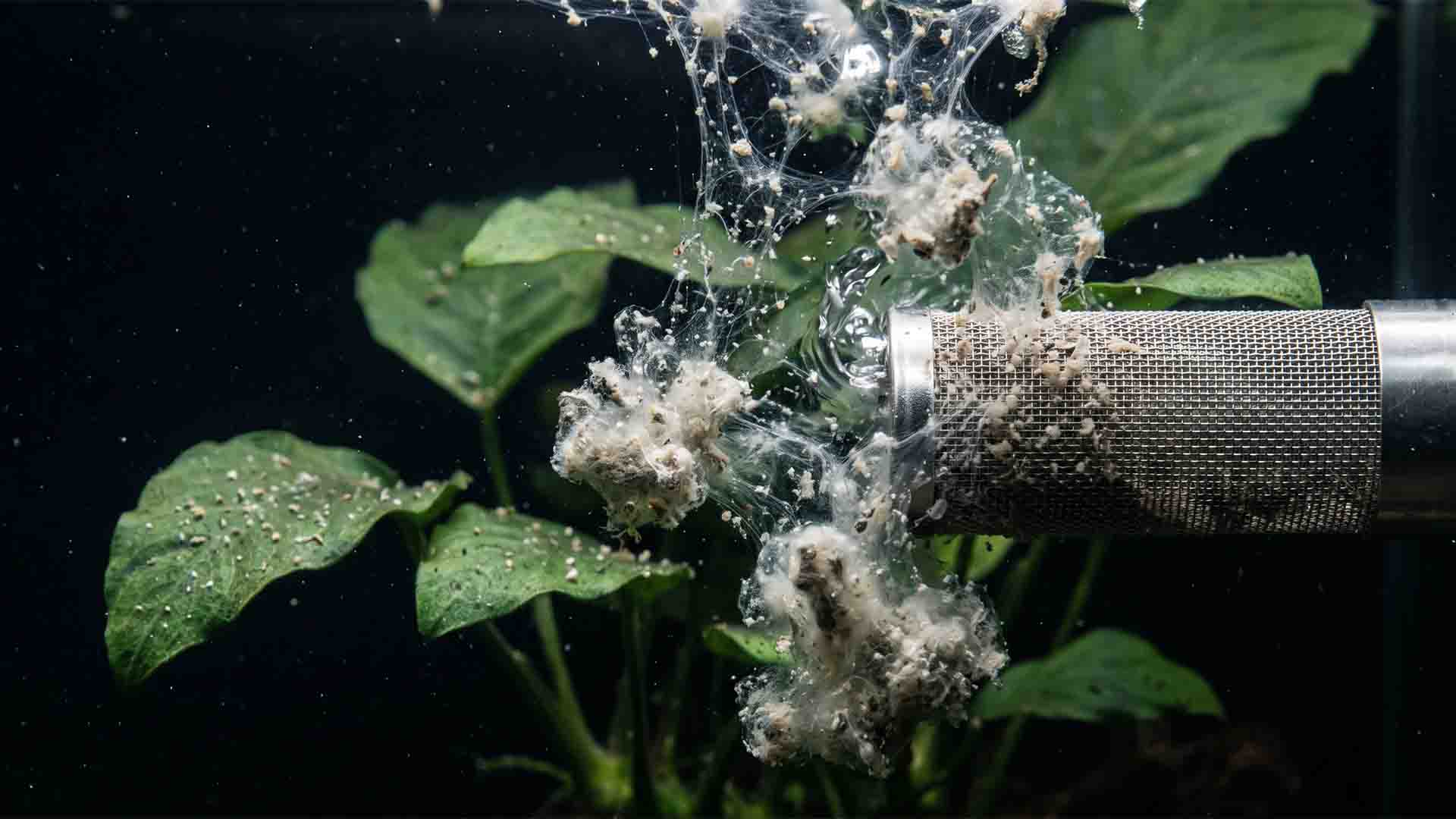
Chemical clarifiers typically contain high-molecular-weight synthetic polymers, polyacrylamides, or aluminum salts (such as alum). These compounds act as electrostatic coagulants. They bind to microscopic suspended particles, neutralizing their negative surface charges and forcing them to clump together into large, heavy masses called “flocs” so they can be captured by mechanical filter media.
However, when poured into a tank experiencing a massive bacterial bloom, flocculants bind millions of living bacterial cells into dense, gelatinous polymer sludge.This creates two severe biological hazards:
- Biofilter Pore Occlusion: The sticky polymer flocs get pulled directly into your biological filter media, physically sealing the microscopic pores of your ceramic rings and sintered glass. This cuts off oxygen-rich water flow to your sessile nitrifiers, suffocating the colony and causing massive localized biofilter die-off.
- Branchial Gill Occlusion: Suspended polymer clusters coat the delicate gill lamellae of your fish. This impairs respiratory gas exchange, forcing fish to gasp at the water surface even though the water may temporarily look clearer.
Chemical clarifiers never address the root cause of biological instability—they simply sweep the symptom under a synthetic rug while actively damaging the respiratory and biological infrastructure of your aquarium.
Mistake 5: Aggressive Substrate Vacuuming During Early Cycling (Boundary Layer Disruption)
There is a massive difference between hovering a siphon over the gravel to lift loose decaying food and ramming a plastic cylinder four inches deep into a newly established substrate bed. In an aquarium under six months old, aggressive gravel vacuuming is an ecological wrecking ball.
Your substrate is not just an aesthetic floor; it is a massive, porous biological reactor. In a new tank, early microbial pioneers colonize the interstitial spaces between sand grains and gravel pebbles, establishing a delicate micro-gradient. The uppermost layer (0 to 10 millimeters) is oxygen-rich, housing aerobic nitrifiers. Just beneath that lies the benthic boundary layer—a zone where micro-aerophilic and facultative anaerobic microbes begin breaking down complex organic molecules into bio-available compounds.
When you plunge a gravel vacuum deep into this unestablished bed, you mechanically shatter that boundary layer. You violently pull millions of unanchored nitrifiers out of their developing niches while simultaneously tossing buried, partially decomposed organic matter up into the open water column. The result? A double disaster: you just lowered your tank’s biological processing capacity while dumping an all-you-can-eat buffet of dissolved organic carbon directly into the water, triggering an explosive, milky heterotrophic bloom that can take weeks to settle.
The Aquasoil & Planted Tank Paradox: Why Active Substrates Create False Blooms
Managing cloudy water in a planted aquarium introduces unique chemical variables that inert gravel setups never experience. Modern active substrates (such as ADA Amazonia, Tropica Aquasoil, or Fluval Stratum) are engineered with high Cation Exchange Capacity (CEC) and rich organic ammonium reserves designed to nourish rooted aquatic plants.
During the first 14 to 21 days of establishing a planted tank, two simultaneous botanical dynamics create severe water column cloudiness:
- Humic Leaching & Ammonium Surges: Fresh active soils release humic and fulvic acids alongside free ammonium into the water column. In moderate-to-high pH water, this ammonium converts to un-ionized ammonia, providing endless fuel for explosive heterotrophic bacterial blooms.
- The Plant Melt Influx: Commercial aquatic plants cultivated emersed (above water) naturally shed their terrestrial leaves when submerged. This biological transition dumps decaying cellular matter into the substrate interface, triggering massive secondary bacterial blooms. If your plants are disintegrating while the water is foggy, read our complete guide on why aquarium plants melt and how to stabilize planted setups.
Never treat cloudy planted aquarium water by dosing harsh chemical flocculants or aggressively gravel-vacuuming fragile plant roots. Maintain gentle surface circulation, perform scheduled 30% weekly water changes using dechlorinated water to export excess initial humic load, and let plant roots anchor undisturbed.
Mistake 6: Running Activated Carbon 24/7 (Stripping Quorum Sensing Chemical Signals)
Activated carbon is marketed as the ultimate clarity cure. Beginners are told that keeping a fresh bag of carbon in their filter 24/7/365 is the only way to achieve polished, diamond-clear water. In reality, relying on chemical filtration during the cycling and stabilization phases actively sabotages your tank’s long-term biological intelligence.
Aquarium microbiology operates on a sophisticated intercellular communication system known as Quorum Sensing. Free-living and early-stage biofilm bacteria release small, specialized chemical signaling molecules (such as acyl-homoserine lactones) into the water column. As bacterial density increases, the concentration of these signal molecules rises. Once a critical threshold is reached, the bacteria collectively “switch on” specific genes responsible for building the structural Extracellular Polymeric Substance (EPS) Matrix and anchoring themselves into a permanent, mature biofilm.
High-grade activated carbon is a non-selective chemical sponge. It does not just absorb foul odors and medication residues; it actively strips dissolved organic carbon (DOC) and critical quorum-sensing signaling molecules right out of the water. By running carbon continuously in a young aquarium, you effectively blindfold and mute your beneficial bacteria, delaying the formation of a robust, protective biofilter. Use carbon for 5 to 7 days to remove specific toxins or heavy tannins, then pull it out and let biological communication run uninterrupted.
Mistake 7: Algicide Panic Dosing (Brown & Green Fog Heterotrophic Collapse)
During weeks two through four of a new setup, the water column frequently takes on a brownish or pale-green hazy cast. Beginners see this, panic, assume they are losing the war against algae, and dump commercial algicides or liquid carbon overdoses into the tank. This is one of the fastest ways to trigger a complete biological crash.
Brown fog in a young setup is almost always suspended diatoms (single-celled microalgae with silica cell walls), while green fog is a bloom of planktonic microalgae. These photosynthetic organisms multiply because lighting, silicates, and inorganic nutrients are momentarily out of balance. When you dose a harsh algicide, you introduce a chemical oxidizer that causes rapid, mass cell lysis of every single-celled organism in the water column.
Within hours, billions of dead algae cells rupture simultaneously, releasing an astronomical wave of dissolved organic protein, phosphate, and cellular cytoplasm into the water. The few remaining heterotrophic bacteria undergo an unprecedented population explosion to decompose this sudden mass graveyard. As billions of heterotrophs feed and respire, they consume massive volumes of dissolved oxygen. What started as a harmless greenish haze transforms overnight into a dense, milky-gray fog accompanied by fatal nocturnal hypoxia, leaving fish gasping desperately at the surface.
Mistake 8: The Bubble Storm (Over-Aeration, Microbubble Haze & CO2 Stripping)
When aquarium water turns cloudy, standard internet advice says: “Increase aeration immediately!” While maintaining adequate dissolved oxygen is crucial during a bacterial bloom, there is a distinct line between healthy gas exchange and creating a destructive, high-turbulence bubble storm.
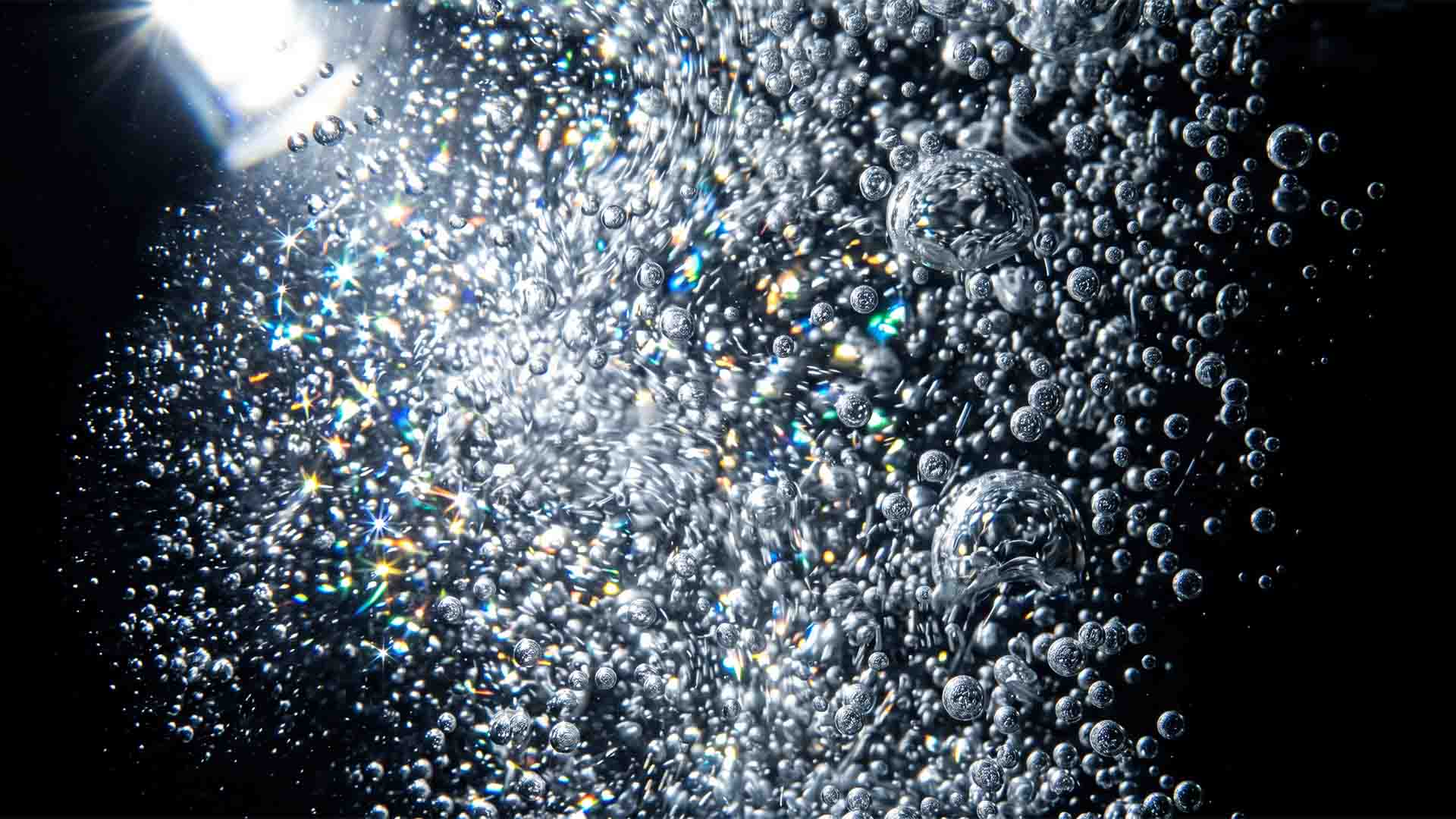
Vigorous, oversized air stones paired with high-output air pumps pulverize water into millions of sub-millimeter microscopic air bubbles. In a closed glass box, these microbubbles do not immediately rise and pop; instead, they become trapped in circular filter currents and remain indefinitely suspended in the water column. When light from your LED fixture hits this wall of suspended microbubbles, it scatters in every direction—creating an optical phenomenon known as Microbubble Haze. Hobbyists spend weeks changing water and dosing chemicals trying to clear a “bacterial bloom” that is nothing more than light refracting off trapped air.
Furthermore, violent bubbling creates excessive surface turbulence that aggressively strips dissolved carbon dioxide (CO2) out of the water. In planted setups, stripping CO2 spikes the pH, disrupts the carbonate buffer system, and halts plant nutrient absorption, leaving excess nutrients free to fuel actual secondary bacterial blooms. Your goal is gentle, laminar surface ripple—not an underwater jacuzzi.
Mistake 9: Feeding Directly Into the Fog (Hyper-Fueling Heterotrophic Respiration)
When fishkeepers see their aquarium water turning thick and cloudy, they often notice their fish acting slightly sluggish or reserved. Interpreting this behavior as hunger or weakness, the owner drops in an extra pinch of flakes or sinking pellets to “help them keep their strength up.” This emotional reaction dumps high-octane fuel directly into a biological fire.
Every single flake of fish food is a dense block of organic proteins, lipids, and carbohydrates. In a tank that is already experiencing a heterotrophic bacterial bloom, the fish are under physiological stress and rarely consume their normal ration. The uneaten food and the resulting excess fish waste dissolve directly into the water column. Planktonic heterotrophic bacteria thrive precisely on these dissolved organic compounds.
By feeding during an active bloom, you provide the exact chemical fuel heterotrophs need to sustain their exponential division cycle. Furthermore, the metabolic digestion of food by fish demands significant internal oxygen. Forcing fish to digest heavy protein meals inside an oxygen-depleted, cloudy environment accelerates gill stress and immune collapse. If your tank is foggy, implement a strict 48-hour feeding pause. Your fish can easily survive weeks without food; they cannot survive hours without oxygen and biological stability. To understand how excess food degrades water chemistry, explore our deep dive on overfeeding aquarium fish and preventing systemic tank failure.
Mistake 10: Scraping Off the Pioneer Biofilm (Destroying the Living Glass Armor)
During the first month of establishing an aquarium, you will notice a slick, slippery, slightly opaque film coating the interior glass, driftwood, and rocks. Many hobbyists view this pioneer biofilm as “unsightly grime” and take abrasive magnetic scrapers or razor blades to scour every square millimeter of glass spotless.
That pioneer biofilm is not dirt. It is your ecosystem’s frontline biological armor. Before nitrifying colonies fully establish inside your filter media, early-stage beneficial biofilms form across the massive surface area provided by your tank’s glass panels. These surface-attached microbial communities actively consume free-floating dissolved organics, sequester trace toxins, and compete directly against nuisance algae and pathogenic bacteria.
When you aggressively scrape every interior surface bare in a young setup, you physically dislodge this living workforce, shred the EPS matrix, and throw millions of stressed bacterial cells back into suspension. The water column instantly turns hazy, and the ecosystem is forced to restart its surface colonization process from scratch. Wipe only a small viewing window on the front panel; leave the side and back glass alone during the first six weeks of cycling.
The Biological Debt Mechanism: Why the Crash Is Delayed (Day 1 to Day 30 Timeline)
The single most dangerous illusion in the aquarium hobby is the Delayed Crash. Beginners assume that if their maintenance habits were destructive, the fish would die immediately. Because fish survive the initial cleaning day, the keeper assumes the intervention was successful. In reality, the tank has simply entered a state of accumulating Biological Debt.
Biological debt is the physiological and microbial deficit created when you repeatedly disrupt natural succession. Every time you rinse a sponge in tap water, deep-vacuum the substrate, or dose a chemical clarifier, your biological filter loses a percentage of its processing safety margin. The tank does not crash on day one because trace oxygen and chemical dilution temporarily mask the damage. But as days turn into weeks, invisible ammonia micro-spikes and elevated cortisol levels steadily erode your fish’s immune defenses until a minor fluctuation triggers a catastrophic collapse. For a comprehensive breakdown of this hidden vulnerability, read our guide on the false stability phase and why aquariums collapse weeks after looking fine.
| Timeline Phase | Visual Cue (What You See) | Microbiological Reality | Biological Debt & Margin Status |
|---|---|---|---|
| Days 1 – 3 (Shock Phase) | Water looks like skimmed milk. Thick white/gray haze. Glass feels slightly slippery. | Planktonic heterotrophs double every 20 mins, consuming dissolved carbon. Autotrophic nitrifiers begin slow attachment. | High Vulnerability: System has zero biological buffer. Large water changes now reset the colonization clock. |
| Days 4 – 10 (Illusion Phase) | Water begins clearing naturally. Tank looks crisp. Fish swim actively and eat greedily. | Free-floating heterotrophs starve and die off. Nitrosomonas and Nitrospira secrete early EPS matrix onto media. | False Stability: Colony is paper-thin. Swapping cartridges or scrubbing media now triggers an instant ammonia shockwave. |
| Days 11 – 20 (Make-or-Break Window) | Water clarity is 90%+. Brown diatom dusting appears on sand and rocks. | Nitrifiers expand cellular density. Nitrite-oxidizing bacteria catch up to ammonia production. Biofilm thickens. | Accumulating Resilience: If left completely undisturbed, the system establishes permanent self-regulating biological capacity. |
| Days 21 – 30+ (Biological Maturity) | Pristine, sparkling crystal clarity. Natural light shimmering on clean substrate. | Multi-layered, diverse biofilm with quorum sensing active. Autotrophic nitrification operating at peak efficiency. | Full Immunity: Ecosystem can easily absorb minor bioload increases and routine maintenance without clouding. |
Comparative Diagnostic: Symptom vs. Biological Reality vs. Permanent Fix
To eliminate guesswork and stop the cycle of destructive maintenance, use this comprehensive diagnostic matrix to identify what your cloudy water is actually telling you and apply the correct microbiological remedy.
| Visual Symptom | Common Beginner Mistake | Underlying Biological Reality | The Permanent FTM Fix |
|---|---|---|---|
| Milky White Fog (New Tank Weeks 1–3) | Performing 50%+ panic water changes daily to “flush the dirty water out.” | Heterotrophic bacterial bloom consuming initial nutrient spike. Nitrifiers still establishing. | Hands Off: Test ammonia/nitrite. If 0/0, pause water changes. Reduce lighting to 6 hrs. Allow 7–10 days to settle. |
| Dense Fog 48 Hours After Filter Cleaning | Rinsing sponges under sink tap or replacing disposable filter cartridges. | Chlorine lysed nitrifying bacteria; nitrogen cycle was reset to day zero, causing secondary bloom. | Dose dechlorinator/binder, install permanent coarse sponge media, and never clean filter media under tap water again. |
| Chalky Shimmering Haze (High Aeration) | Adding extra air stones or powerheads to “oxygenate the cloudiness away.” | Microbubble light refraction and extreme CO2 stripping destabilizing carbonic buffer. | Turn off auxiliary bubble wands; redirect filter outflow to produce smooth, laminar surface ripples. |
| Sticky, Gelatinous Cloudiness Post-Dosing | Pouring chemical flocculants/clarifiers into an active biological bloom. | Synthetic polymers binding living bacteria into sludge, sealing media pores and fish gills. | Stop all chemical additives. Add temporary fine polyfill to mechanical stage; rinse polyfill daily in aged tank water. |
| Brownish/Dull Haze After Substrate Siphoning | Deep vacuuming deep sand/aquasoil layers every weekend. | Shattering the benthic boundary layer and unearthing sequestered organic particulates. | Hover siphon 1 inch above substrate surface; let deep benthic biofilms process detritus undisturbed. |
What to Avoid: 4 Behavioral Reflexes That Destroy Water Clarity
True water clarity is achieved by mastering what you refrain from doing. The commercial pet industry conditions beginners to react aggressively to visual imperfection. To break the cycle of recurring cloudiness, eliminate these four behavioral habit loops immediately:
- Avoid the “Sterile Kitchen Counter” Mentality: An aquarium is a living, complex bio-reactor, not a sanitized operating room. The brown, slippery mulm coating your filter media and back glass is not dirt—it is the living biological architecture that keeps your fish alive. Scrubbing your tank until it sparkles is an ecological death sentence.
- Avoid “Clarifier Stacking” and Bottled Fixes: When cloudy water appears, resist the urge to buy chemical drops promising crystal clarity in six hours. These coagulants treat an optical symptom while creating severe respiratory stress on fish and suffocating beneficial media. Permanent clarity is grown through biological stability, not poured from a bottle.
- Avoid Daily Parameter Chasing: Testing your water three times a day and performing emergency water changes every time you see a 0.25 ppm test tube reading creates severe parameter whiplash. In established tanks, trace readings are often false color artifacts. If your fish are acting normal and breathing calmly, slow down and stop resetting the system.
- Avoid Replacing Filter Media on a Schedule: Ignore the packaging instructions telling you to replace biological pads every month. Reusable 20–30 PPI coarse foam sponges and sintered glass bio-rings should last for years. Only rinse them gently in old tank water when physical water flow is visibly restricted.
Do This Instead: The 5-Step Low-Intervention Clarity Protocol
If you are currently staring at an aquarium that looks like a glass of milk, take a deep breath, step away from the siphon bucket, and implement our proven 5-Step Low-Intervention Clarity Protocol. This framework stops the disturbance loop and allows natural microbiological succession to restore diamond-grade optical clarity.
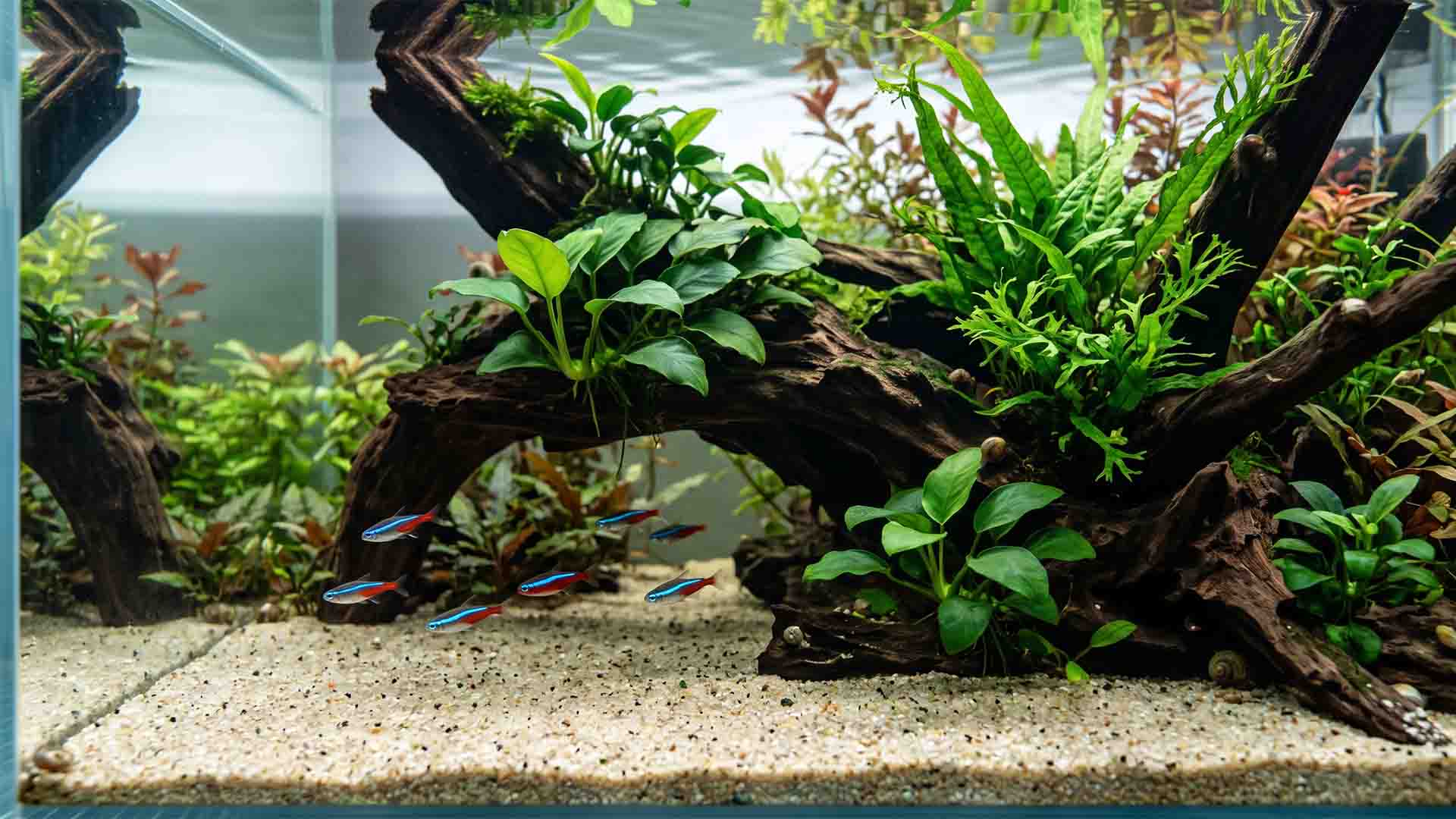
The 60-Minute Glass Jar Test: Substrate Dust (Sand) vs. Living Bacterial Bloom
Before making any maintenance decisions, you must accurately diagnose whether your haze is caused by physical mineral dust (such as unwashed cosmetic sand or aquasoil silt) or a living biological bloom. Execute the 60-Minute Glass Jar Diagnostic:
- Step 1: Submerge a clean, transparent drinking glass or glass jar into the middle of your aquarium and fill it completely with cloudy water.
- Step 2: Place the glass on a stable, dark surface away from filter vibration, air stones, and direct lighting. Leave it completely undisturbed for 60 minutes.
- Step 3: Analyze the Physical Sedimentation:
- Physical Mineral / Sand Dust: If a visible fine layer of silt settles on the bottom of the glass and the upper water column becomes noticeably clearer, your cloudiness is inert particulate matter (common after adding sand). The fix is purely mechanical: add dense polyester filter floss or temporary polishing pads to your mechanical filter stage.
- Living Bacterial Bloom: If the water inside the glass remains uniformly milky white and suspended with zero sediment settling at the bottom, you are dealing with living heterotrophic bacteria. Because single-celled bacteria possess biological motility and remain suspended via Brownian motion, mechanical filter pads cannot trap them. You must follow the biological stability protocol below.
Step 1: Test-Driven Diagnosis (Zero Ammonia vs. Active Spike)
Before touching anything, pull out a reliable liquid test kit and measure Ammonia (NH3/NH4) and Nitrite (NO2). If both parameters read 0 ppm, your cloudy water is a completely harmless, self-limiting heterotrophic bloom. Do not change the water. If you detect an active spike (Ammonia > 0.50 ppm), perform a gentle 20% water change using aged, temperature-matched water treated with a quality dechlorinator, and proceed to Step 2.
Step 2: Protect the Biological Core (The Old Tank Water Swish)
If your filter outflow has slowed to a trickle due to heavy mechanical detritus, do not go near the kitchen sink. Siphon 2 gallons of aquarium water into a dedicated bucket. Remove the mechanical sponge from your filter, submerge it in the bucket, and squeeze it gently 3 to 4 times to dislodge heavy sludge. Immediately reinstall the sponge. This restores physical water circulation while preserving 99% of your living EPS biofilm matrix.
Step 3: Implement a 48-Hour Biological Fast
Cut off all food inputs for 48 hours. Healthy freshwater fish have slow metabolic rates and can go several days without food with zero physiological stress. Halting food inputs cuts off the supply of dissolved organic carbon, effectively starving free-swimming heterotrophs and forcing the population to collapse naturally within 36 to 72 hours.
Step 4: Calibrate Surface Agitation (Laminar Flow vs. Bubble Storms)
Turn off all unnecessary air stones, bubbling ornaments, and powerheads that create microbubble clouds. Position your filter return or spray bar just below the water line to create a continuous, smooth surface ripple. This maximizes atmospheric oxygen diffusion without stripping vital CO2 or filling the water column with light-scattering microbubbles.
Step 5: The 14-Day Hands-Off Stability Window
Once steps 1 through 4 are executed, enforce a strict 14-day “hands-off” policy. Do not rearrange hardscape, do not vacuum gravel, do not wipe side glass, and do not add new fish. Give the slow-growing autotrophic nitrifiers (*Nitrospira*) the uninterrupted time they require to colonize your filter media. Permanent crystal clarity is the natural byproduct of an ecosystem that has been allowed to mature without interference. For a structured recovery schedule, follow our cloudy aquarium water timeline and recovery guide.
Scientific Truths: Aquatic Microbiology, Stress Physiology & Biofilm Ecology
At FishTank Mastery, we do not rely on retail sales scripts, pet store folklore, or outdated aquarium myths. Our water management protocols are anchored directly in peer-reviewed freshwater microbiology, teleost stress physiology, and ecological succession. Understanding the cellular mechanisms operating beneath the glass transforms you from an anxious pet owner into a confident ecosystem manager.
Truth 1: Nitrifiers are Sessile Surface Colonizers, Not Planktonic Floaters
One of the most persistent misconceptions in the aquarium hobby is that beneficial nitrifying bacteria float freely in the water column. Decades of microbial research confirm that autotrophic ammonia-oxidizing bacteria (Nitrosomonas) and nitrite-oxidizing bacteria (Nitrospira) are strictly sessile organisms. They require a solid, physical substrate to secrete their protective Extracellular Polymeric Substance (EPS) matrix and anchor themselves against hydrodynamic drag. When your aquarium water turns milky white, less than 0.1% of the floating microbes are nitrifiers—over 99.9% are planktonic heterotrophs. Performing massive water changes does not remove the true biofilter, but disturbing the filter media or washing sponges destroys the anchored colonies entirely. Research on recirculating aquaculture biofilters confirms that nitrifiers take weeks to construct mature, shear-resistant biofilms on porous media. Read the study on nitrifying biofilter dynamics.
Truth 2: Microbial Succession Governs Water Transparency
Water clarity in a closed aquatic ecosystem is governed by the laws of microbial succession. In early-stage or disturbed aquariums, dissolved organic carbon triggers an initial colonization wave of r-strategist heterotrophs—fast-growing bacteria capable of doubling in 20 minutes. As these opportunistic bacteria consume the bio-available nutrients, their food source diminishes, and predatory microfauna (such as ciliates and flagellates) begin grazing on them. Simultaneously, slower-growing K-strategist microbes (autotrophic nitrifiers and specialized biofilm builders) gradually establish dominance across filter media and substrate. When hobbyists intervene with chemical flocculants or panic water changes, they reset this natural biological succession back to the pioneer stage, creating permanent instability. Read the study on aquatic microbial succession.
Truth 3: Quorum Sensing Regulates Biofilm Formation and Defense
Bacteria in an aquarium do not act as isolated individuals; they operate as a coordinated superorganism through a chemical signaling mechanism known as Quorum Sensing. Microbial populations continuously synthesize and release signaling molecules into the water column. When the concentration of these signal molecules reaches a specific baseline, it triggers synchronous gene expression across the colony, directing bacteria to form dense, protective EPS matrices, exchange horizontal genetic defenses, and stabilize nitrification pathways. Constantly running chemical filtration media like activated carbon strips these vital signal molecules out of the water column, muting microbial communication and delaying biofilter maturation. Read the research on biofilm quorum sensing at FEMS Microbiology.
Truth 4: Dissolved Oxygen Depletion from Heterotrophic Respiration
The primary threat of a severe cloudy water bacterial bloom is not chemical toxicity, but acute nocturnal hypoxia. Planktonic heterotrophic bacteria are obligate aerobes that consume dissolved oxygen at an astronomical rate while breaking down organic waste. During a massive bloom, millions of suspended bacteria compete directly with your fish and beneficial nitrifiers for available oxygen in the water column. When lights turn off at night and aquatic plants cease photosynthesis to join in oxygen consumption, dissolved oxygen levels can plummet to critical thresholds below 3.0 mg/L. This biological oxygen demand (BOD) induces severe cortisol stress in teleost fish, suppresses immune function, and can cause sudden overnight mortality. Read the EPA aquatic life criteria documentation.
Truth 5: The Microbial Grazer Web: How Ciliates and Flagellates Restore Crystal Clarity
Beginners often wonder why a dense cloudy bacterial bloom suddenly vanishes overnight between days 4 and 7 without human intervention. The secret lies in the microscopic food web of bacterivorous protozoa. In natural freshwater microbial succession, free-floating heterotrophic bacteria represent the primary colonizing wave. As heterotrophs reach peak population density and consume available dissolved organic carbon, secondary microscopic predators—specifically planktonic ciliates, flagellates, and rotifers—experience a predatory population boom.
A single bacterivorous ciliate can ingest thousands of suspended bacterial cells per hour. Once the free-floating organic food supply dwindles and protozoan grazing accelerates, billions of suspended bacteria are cleared from the open water column in a matter of hours, depositing nutrients back into the benthic biofilm. Intervening with chemical algaecides or flocculants wipes out these delicate protozoan predators, short-circuiting nature’s built-in clearing engine. Read the peer-reviewed study on heterotrophic bacteria and protozoan dynamics in closed freshwater systems.
People Also Ask (Google SERP Snippet Direct Answers)
Will doing a water change fix cloudy aquarium water?
No. In most cases, performing large water changes makes cloudy water worse. Cloudy water in a new or disturbed aquarium is caused by free-swimming heterotrophic bacteria. Draining the water and refilling with tap water introduces fresh trace minerals and dissolved nutrients that fuel another population explosion, causing the water to turn milky again within 24 hours. Water changes should only be performed if liquid test kits indicate dangerous spikes in ammonia or nitrite.
How do I know if my aquarium nitrogen cycle reset?
You can verify a nitrogen cycle reset by testing your water daily with a liquid test kit. If a previously cycled aquarium suddenly shows measurable levels of ammonia (NH3/NH4) or nitrite (NO2) above 0 ppm, your biological filter has been compromised. Other common visual and physical indicators include persistent milky white cloudiness 24 to 48 hours after filter cleaning, fish gasping at the water surface, and clamped fins.
Can a heterotrophic bacterial bloom kill my fish?
The bacteria causing the cloudiness are generally harmless, but their respiration can be fatal. Billions of rapidly multiplying heterotrophs consume massive amounts of dissolved oxygen in the water column. If surface agitation is inadequate, this biological oxygen demand leads to severe oxygen depletion, suffocating sensitive fish—especially during the night when live plants also consume oxygen.
Why did my fish tank turn milky white after cleaning the filter?
Your tank turned milky white because aggressive filter cleaning destroyed your beneficial bacteria colonies. Rinsing filter media under chlorinated tap water or replacing disposable cartridges throws away the established nitrifying biofilm. With the biofilter destroyed, ammonia spikes and opportunistic heterotrophic bacteria explode in the open water column to decompose organic waste, creating an opaque white cloud.
How long does it take for cloudy aquarium water to clear on its own?
A natural heterotrophic bacterial bloom typically clears within 3 to 7 days if left completely undisturbed. As the bacteria consume the excess dissolved organic nutrients in the water, their population starves and crashes naturally, allowing your biological filter to establish dominance and restore crystal clarity. Disturbing the tank with water changes or filter cleanings prolongs the cloudiness for weeks.
Does activated carbon clear a bacterial bloom?
No. Activated carbon removes dissolved chemical tannins, medications, and specific heavy molecules through adsorption. It cannot trap microscopic, single-celled living bacteria floating in the water column. Relying on carbon to clear a bacterial bloom is ineffective and can delay biological maturity by stripping vital quorum-sensing signaling molecules.
Is cloudy water a sign that beneficial bacteria are working?
Cloudy water indicates that heterotrophic bacteria are actively decomposing dissolved organics, but it is also a signal that your autotrophic nitrifying biofilter is still immature or disrupted. It means the ecosystem is undergoing active colonization and has not yet reached biological equilibrium.
Frequently Asked Questions (Aquarium System Stability)
Why does my aquarium water get cloudy every time I vacuum the gravel?
Deep substrate vacuuming in an aquarium under six months old physically shatters the benthic boundary layer. It dislodges developing microbial colonies and releases buried organic detritus and dissolved carbon into the water column. This sudden nutrient influx hyper-fuels heterotrophic bacteria, triggering a rapid bacterial bloom. Only vacuum the top few millimeters of substrate, and never clean the entire gravel bed in a single session.
What is the difference between green water, brown haze, and milky white water?
The color of the haze reveals its biological origin. Milky white fog is a bloom of single-celled heterotrophic bacteria consuming dissolved organics. Green water is a bloom of suspended planktonic microalgae triggered by excessive lighting and unmanaged nitrates or phosphates. Brown haze consists of suspended silica-based diatoms or fine mineral dust from unrinsed sand substrates.
Can I add bottled beneficial bacteria to immediately clear cloudy water?
Bottled nitrifying bacteria contain autotrophic species designed to colonize filter media and convert ammonia into nitrate. While they help establish your biological filter over time, they do not act as an instant water clearing agent. Adding bottled bacteria will not instantly eliminate free-floating heterotrophs; true clarity requires organic depletion and surface biofilm stabilization.
How can I tell if my cloudy water is caused by microbubbles or bacteria?
Perform the Flashlight Test: turn off your tank lights and the room lights, then shine a focused flashlight beam through the side panel of your aquarium. If the cloudiness consists of microbubbles, you will see microscopic spheres swirling rapidly in the current that rise toward the surface and disappear when filtration and aeration are paused for 10 minutes. If the water remains uniformly foggy with no upward movement, you are dealing with a biological bacterial bloom.
Should I run a UV sterilizer to eliminate cloudy aquarium water?
A UV sterilizer will rapidly kill free-swimming heterotrophic bacteria and clear milky water within 24 to 48 hours. However, UV sterilizers treat the optical symptom, not the root cause. If your biofilter was wiped out by tap water rinsing or cartridge replacement, a UV sterilizer will not replace your missing sessile nitrifiers. You must still allow your biological filter media to mature naturally.
Hub & Spoke: Build the Complete FishTank Mastery Knowledge Network
Mastering aquarium clarity requires understanding that your tank is a fully integrated biological circuit. You cannot isolate water transparency from filter maintenance, feeding disciplines, or stocking choices. If you have been struggling with recurring cloudiness, use these essential FishTank Mastery reference guides to diagnose and protect every layer of your ecosystem:
If your cloudy water appeared shortly after routine maintenance, you likely committed the classic filter error. Read our complete breakdown on why cleaning your filter under tap water triggers deadly ammonia spikes and learn how to preserve your biological media correctly. If your aquarium has been running for weeks and the fog refuses to lift, explore our deep-dive analysis on why your aquarium water stays cloudy and how to break the disturbance loop.
Aquarium biology operates on strict timelines, not human impatience. To understand when your ecosystem will transition from the fragile pioneer stage to bulletproof resilience, consult our guide on how long cloudy aquarium water takes to clear naturally. If you want a structured, step-by-step checklist to restore pristine conditions, follow our 5-step natural water clarity protocol.
Never confuse visual clarity with biological safety. A tank can look like pure liquid glass while carrying lethal, invisible concentrations of ammonia. Learn why in our guide on why clear water is a trap and why stability matters more than appearance. If your tank seemed healthy for weeks before suddenly crashing, understand the hidden mechanism of biological debt by reading the false stability phase and why aquariums collapse weeks after looking fine.
Finally, protect yourself from commercial retail misinformation. Big-box pet stores are designed to sell temporary consumables rather than sustainable biological knowledge. Read our exposé on pet store lies that kill beginner fish tanks to avoid cartridge subscription traps, and review our framework on preventing overfeeding and organic waste buildup.
Scientific References & Peer-Reviewed Literature Review
Every biological protocol, microbiological timeline, and ecosystem principle in this guide is grounded in peer-reviewed scientific literature and environmental research:
1. Bartelme et al. – Nitrifying Bacteria and Biofilter Dynamics in Recirculating Systems: Published in Aquatic Microbial Ecology / PMC, this landmark study demonstrates that autotrophic nitrifying biofilms (dominated by Nitrospira and Nitrosomonas) are strictly sessile communities embedded in Extracellular Polymeric Substances. The researchers proved that mechanical disruption and chlorinated water exposure destroy this matrix, leading to immediate nitrification failure. Read the study on PMC.
2. U.S. Environmental Protection Agency (EPA) – Aquatic Life Criteria for Freshwater Ammonia: This comprehensive toxicology document details the biological mechanics of un-ionized ammonia (NH3) toxicity across varying pH and temperature gradients. It establishes how sudden biofilter collapse burns teleost gill lamellae and impairs cellular osmoregulation. Read the EPA Ammonia Criteria.
3. Microbial Succession in Closed Freshwater Systems (ScienceDirect): Explores how microbial community architecture shifts in response to organic loading in closed aquatic environments. The paper confirms that heterotrophic bacterial blooms are transient ecological events that resolve naturally as bio-available dissolved organic carbon is depleted. Read the ScienceDirect overview.
4. FEMS Microbiology Letters – Biofilm Architecture and Quorum Sensing: Documents the critical role of intercellular signaling molecules in coordinating bacterial adhesion, EPS production, and metabolic defense in aquatic biofilms. The research confirms that stripping dissolved compounds disrupts microbial synchronization. Read the research on Oxford Academic.
5. U.S. Geological Survey (USGS) – Dissolved Oxygen Dynamics in Aquatic Ecosystems: Details the kinetics of microbial respiration and biological oxygen demand (BOD). The data proves that dense bacterial populations rapidly deplete dissolved oxygen in low-flow, closed systems, highlighting the necessity of proper surface agitation during active blooms. Read the USGS Water Science Review.
Watch Next: Build the Complete Water Clarity Stability Chain
To see these microbiological principles demonstrated in real-world aquarium setups and master the practical skills required for permanent water clarity, continue your education with our dedicated YouTube video guides:
- STOP Doing THIS if Your Aquarium Water Stays Cloudy! Watch the visual breakdown of why repeated water changes keep tanks locked in permanent cloudiness: Watch on YouTube.
- How to Fix Cloudy Aquarium Water FAST (Don’t Wait): Discover the 5-step emergency toolkit for safely identifying and stabilizing foggy aquarium water: Watch on YouTube.
- You’re Cleaning Your Filter WRONG! (Stop Killing Your Fish): See the exact step-by-step method for servicing filter sponges in aged tank water without destroying your biofilter: Watch on YouTube.
- STOP Doing These 7 Aquarium Mistakes: Learn the seven critical habit traps that quietly destroy ecosystem stability in beginner and community tanks: Watch on YouTube.
- The Real Reason You Have Algae (Stop Doing This!): Connect water clarity to lighting schedules, nutrient export, and natural biofilm defense: Watch on YouTube.
Remember: A truly healthy aquarium is not built on chemical shortcuts or obsessive scrubbing—it is cultured through biological patience, minimal intervention, and respect for natural microbial succession. Keep your filters running, your hands dry, and your curiosity flowing.