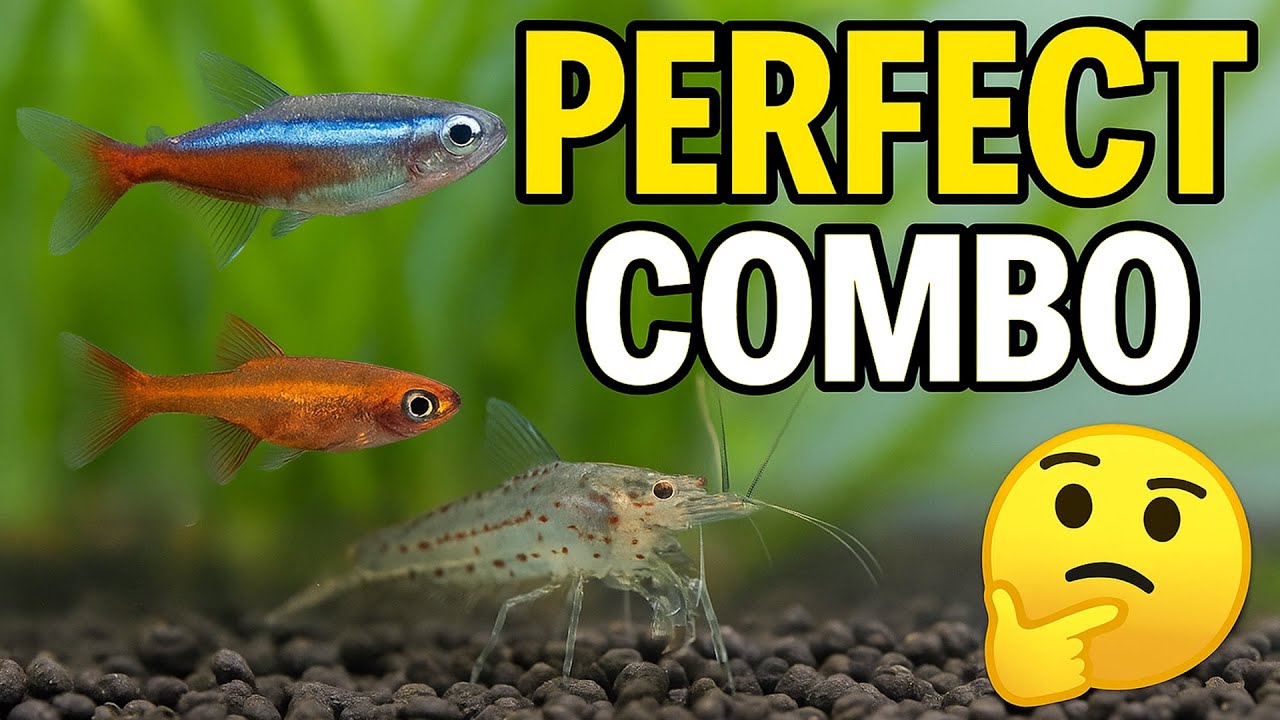

To learn how to cycle a new aquarium in 7 days without losing fish, you must replace slow shelf additives with a targeted fishless cycle protocol. By combining 25 percent established filter biomedia, 2 ppm pure liquid ammonium chloride, an 82°F (28°C) water temperature, carbonate hardness above 4 dKH, and heavy surface agitation, beneficial Nitrosomonas and Nitrospira bacteria colonize your filter within one week.
7-Day Fishless Cycle Protocol Summary (GEO Quick Reference):
- Biological Seed: Transfer 25% coarse sponge or sintered ceramic media from a healthy, established filter.
- Ammonia Fuel: Dose pure liquid ammonium chloride to exactly 2 parts per million (ppm) on Day 1.
- Thermal Accelerator: Set your submersible heater to 82°F (28°C) with zero fish in the tank for all 7 days.
- Mineral Buffer: Maintain carbonate hardness (KH) at or above 4 dKH so pH never drops below 6.5.
- Oxygen Drive: Maximize surface ripple or run an oversized air stone to fuel aerobic nitrification.
- Day-7 Verification: Confirm 2 ppm ammonia converts to 0 ppm ammonia and 0 ppm nitrite within 24 hours.
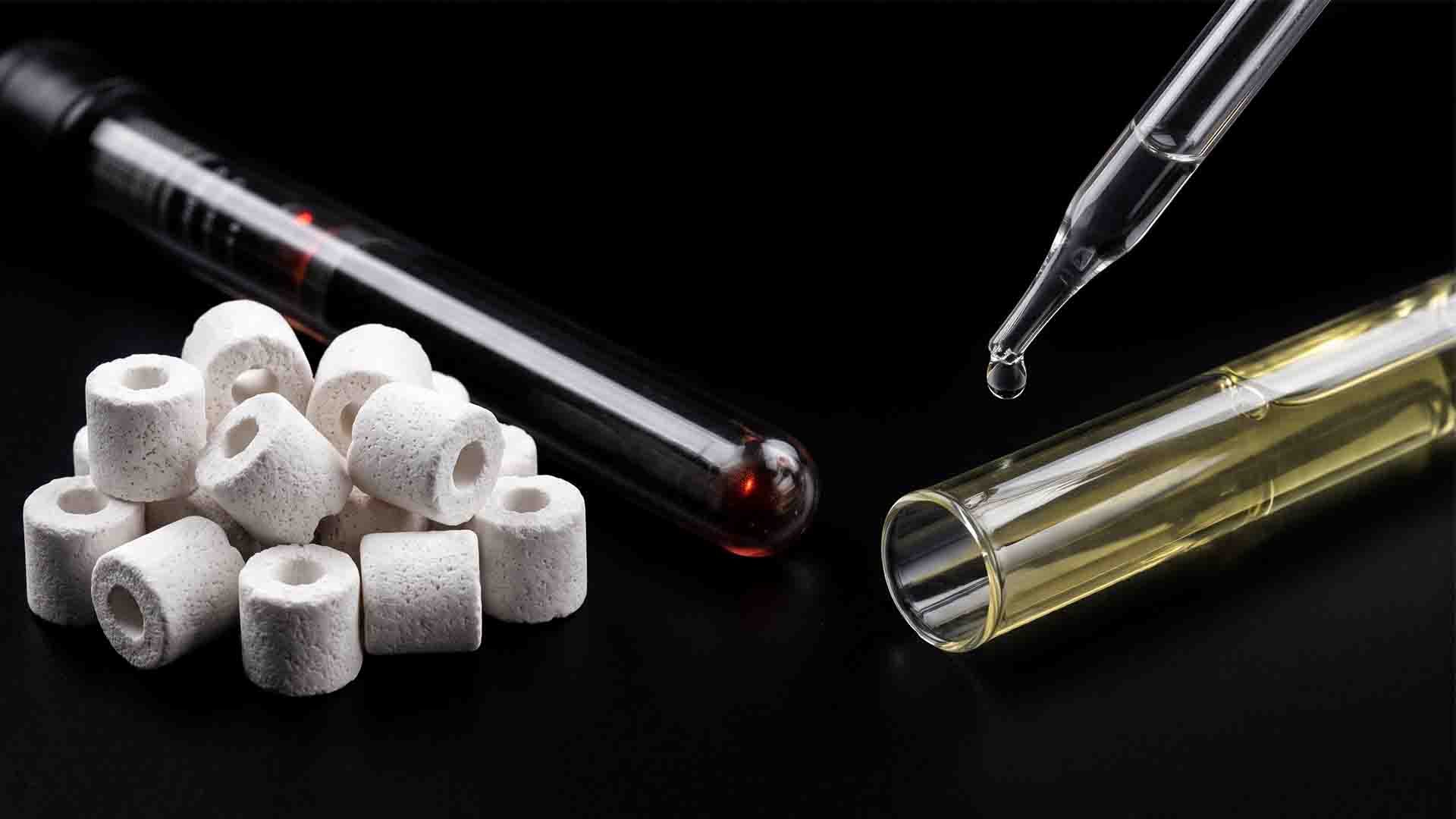
Why Traditional 6-Week Aquarium Cycling Advice Fails (The Month-Two Clear-Water Trap)
Waiting six weeks to cycle a new freshwater aquarium is outdated advice built around guesswork, rotting fish food, and blind patience. Worse, hobbyists who try to shortcut that six-week wait by dumping in old aquarium water or pouring commercial shelf bottles into a brand-new setup almost always end up with stalled nitrogen cycles and dead livestock.
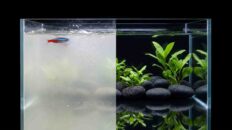
One viewer left a comment on our cloudy water breakdown that captures this exact failure pattern. They wrote that their new aquarium stayed crystal clear throughout the entire first month, only to turn toxic and unstable halfway through month two and into month three. That delayed collapse—known among experienced aquarists as the clear-water trap—happens whenever biological filtration is rushed without establishing true autotrophic bacterial colonies.
Crystal-Clear Water vs. True Biological Filtration (New Tank Syndrome Mechanics)
Optical clarity has zero correlation with biological safety. Tap water treated with dechlorinator looks pristine on day one, and it often stays visually clear for three to four weeks while an under-colonized filter struggles to process waste. During that window, fish continuously excrete ammonia across their gills and through solid waste.
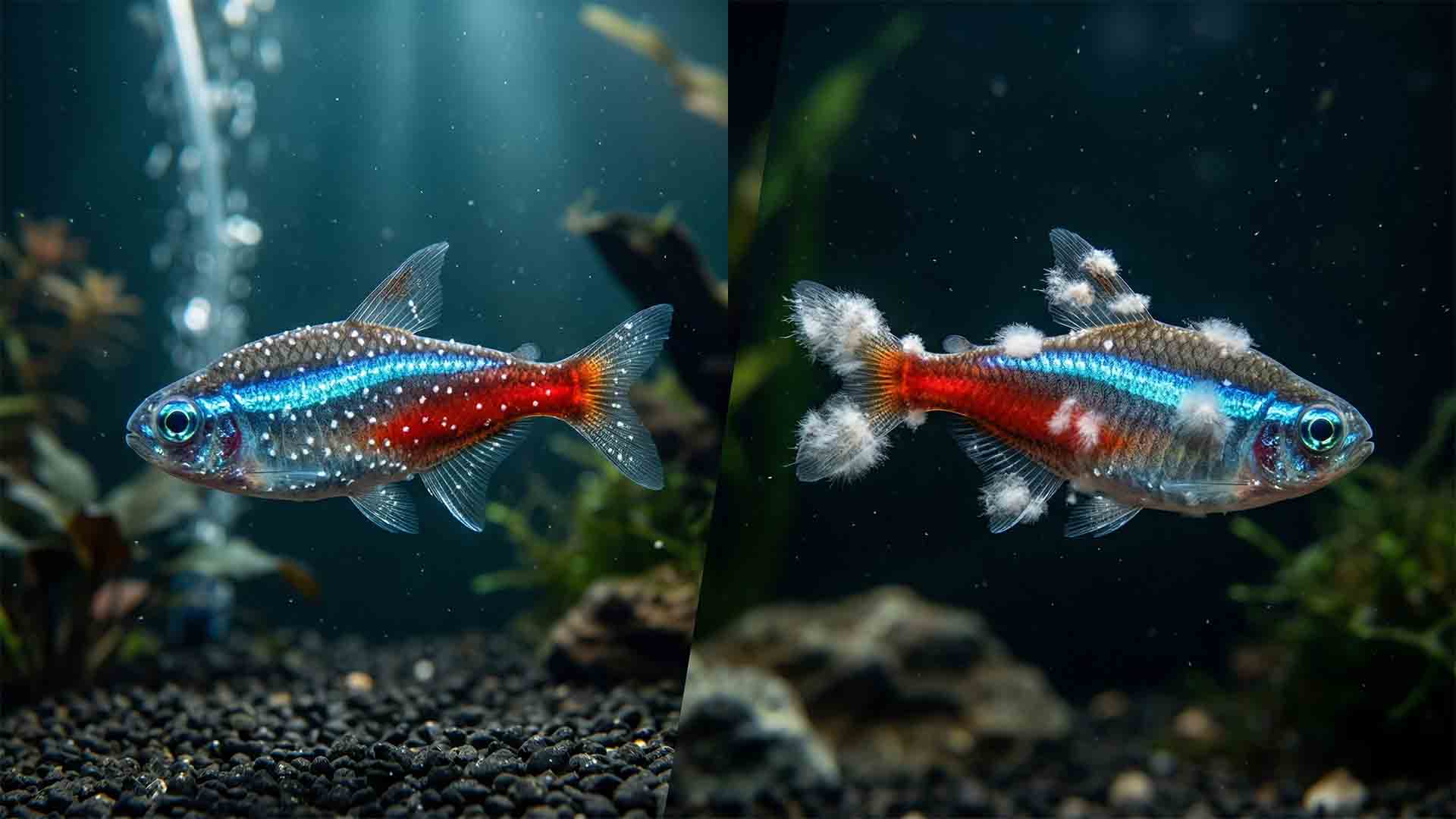
Because the filter lacks mature colonies of ammonia-oxidizing and nitrite-oxidizing bacteria, un-ionized ammonia builds up silently. Once ammonia reaches toxic levels, it burns gill lamellae, impairs oxygen uptake, and triggers secondary bacterial infections. Weeks later, as a weak, slow-growing population of ammonia oxidizers finally begins converting ammonia into nitrite, nitrite spikes and binds to fish hemoglobin, causing brown blood disease (methemoglobinemia). Avoiding this month-two crash requires building an industrial-strength biofilter before a single fish enters the glass, which is the foundation of our complete Aquarium Setup Masterclass Guide.
Step 1: Why Bottled Bacteria Products Fail and Cause Day-Three Cloudy Water
Walk into any pet store and you will see rows of plastic bottles promising an instant aquarium cycle in twenty-four hours. In reality, most commercial bacteria starters sit inside warm distribution warehouses, delivery trucks, and brightly lit store shelves for months before reaching your tank. True freshwater nitrifying bacteria—specifically Nitrosomonas and Nitrospira—are obligate chemolithoautotrophs. They cannot form protective spores, and they cannot survive long-term inside a sealed bottle without continuous dissolved oxygen and a steady inorganic nitrogen food source.
When you pour an expired or heat-stressed bottle into a warm, freshly filled aquarium, you are rarely adding viable nitrifiers. Instead, you are dosing dormant spores of fast-multiplying heterotrophic bacteria alongside organic preservatives.
Autotrophic Nitrifiers (Nitrosomonas and Nitrospira) vs. Heterotrophic Blooms
Understanding the biological difference between heterotrophic bacteria and autotrophic nitrifiers saves you weeks of frustration:
- Heterotrophic Bacteria: These organisms feed on organic carbon—such as dead bacterial sludge from a bottle, excess fish food, or decaying plant leaves. Under warm aquarium conditions, heterotrophs divide every 15 to 20 minutes. By day three, billions of suspended heterotrophic cells fill the water column, turning your brand-new, fishless tank milky white.
- Autotrophic Nitrifiers (Nitrosomonas and Nitrospira): These are the true biofilter workers. Nitrosomonas oxidizes toxic ammonia into nitrite, and Nitrospira oxidizes nitrite into far less toxic nitrate. Unlike heterotrophs, autotrophs divide slowly and live attached to solid surfaces rather than floating freely in open water.
Why Chemical Clarifiers Wipe Out Early Cycle Progress
When a fishless aquarium turns hazy on day three, most beginners panic and dump chemical water clarifiers or flocculants into the tank. Those chemicals bind microscopic particles into heavy clumps that drop into your substrate or clog mechanical filter pads, stripping out early microbial activity and starving developing colonies. If your tank develops a white haze during week one, leave it completely alone and skip commercial bacteria bottles as your primary starter. As detailed in our Cloudy Aquarium Water Fix Protocol, that bacterial bloom clears naturally within days once true nitrifying colonies outcompete free-floating heterotrophs.
Step 2: Does Old Tank Water Cycle a New Tank? (Sessile Biofilm Biology)
One of the most persistent myths in freshwater fishkeeping is that hauling buckets of dirty siphon water from an established aquarium will instantly cycle a new setup. It will not. Transferring old tank water moves dissolved nitrates, suspended detritus, and organic waste, but it transfers virtually zero functional biological filtration.
Why the Water Column Transfers Zero Cycle
Nitrosomonas and Nitrospira are sessile organisms. Rather than swimming or floating in the water column, they secrete a sticky matrix of extracellular polymeric substances (EPS) that anchors them tightly onto rough, porous surfaces inside your filter where oxygenated water flows continuously past them. Trying to start a nitrogen cycle with old aquarium water is like leaving a bowl of flour on your counter waiting for wild yeast to drift out of thin air when you could simply drop in an active sourdough starter.
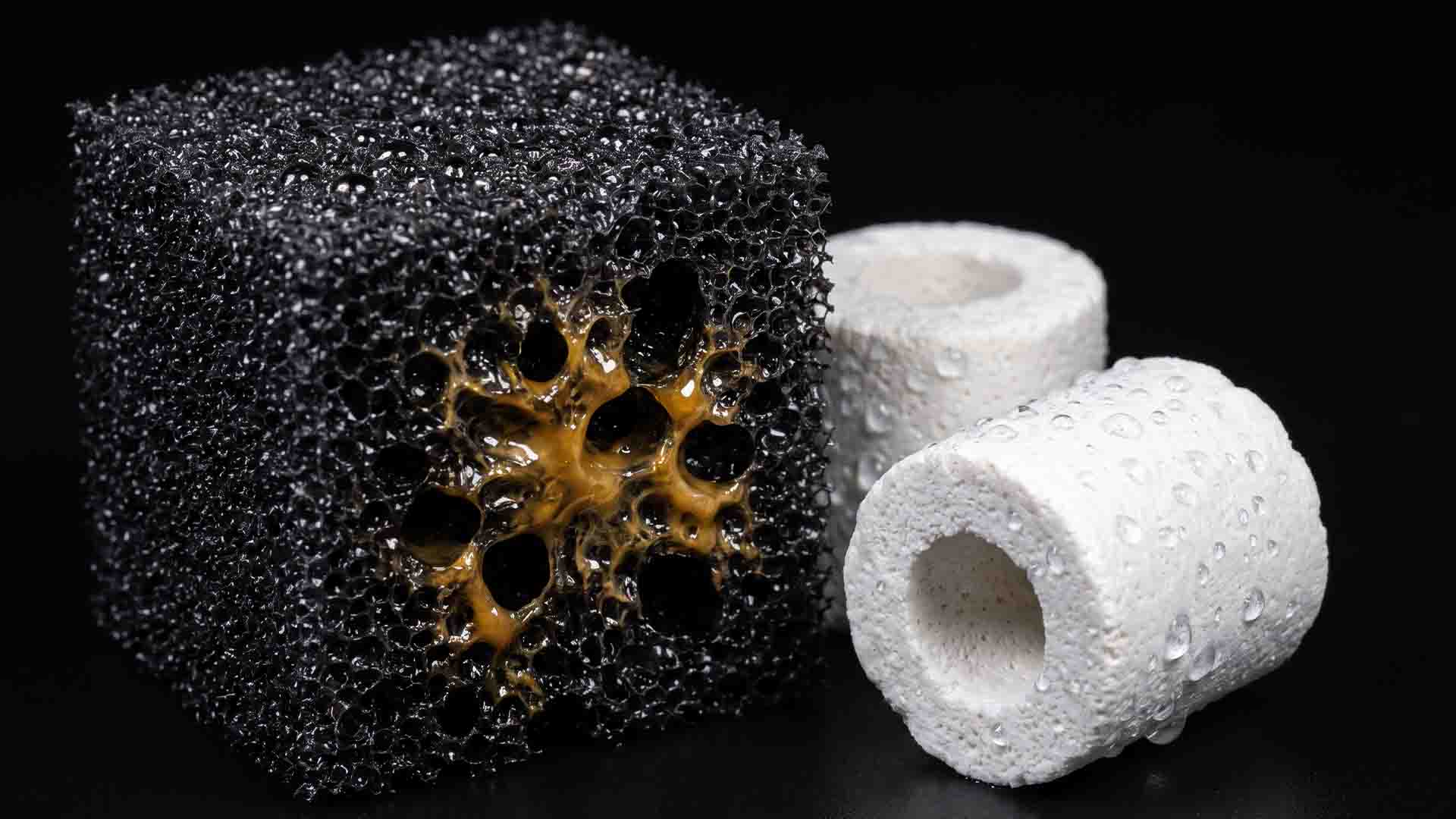
How to Seed a New Filter With 25% Established Biomedia
To launch a seven-day cycle, you must transfer live, surface-bound biofilm directly into the new filter chamber:
- Harvest 25% Active Media: Open a healthy, disease-free established filter and remove up to 25 percent of its coarse reticulated sponge or sintered ceramic rings. Never strip more than a quarter of a donor filter at once, or you risk destabilizing the original tank.
- Keep the Biofilm Submerged: Transport the harvested media inside a container filled with dechlorinated tank water. Exposing nitrifying biofilm to dry air or chlorinated tap water desiccates and kills the outer cell layers within minutes.
- Place Directly in the Flow Path: Pack the seeded media tightly against fresh porous sponge or ceramic rings inside your new filter so incoming water passes directly through the live colony.
- Use the Local Fish Store Squeeze Method: If you do not own an established aquarium, ask a reputable independent fish store for a squeeze from one of their mature sponge filters into a bag of tank water. Pour that dark, bacteria-rich brown slurry directly over your new filter media before turning the pump on.
Step 3: How Raising Water Temperature to 82°F (28°C) Cuts Cycling Time by 80%
Once live biofilm is seated inside your filter, temperature dictates how fast those bacteria multiply across your new media. Standard tropical room temperature keeps nitrifying enzymes running in slow motion.
Bacterial Doubling Rates at 72°F vs. 82°F
At a typical room temperature of 72°F (22°C), Nitrosomonas and Nitrospira require 30 to 36 hours just to complete a single cellular division. Starting from a small seed colony at 72°F stretches full colonization out across four to six weeks. Raising your aquarium water to 82°F (28°C) accelerates enzymatic metabolism and cellular division by up to 80 percent, compressing weeks of slow growth into a seven-day sprint.
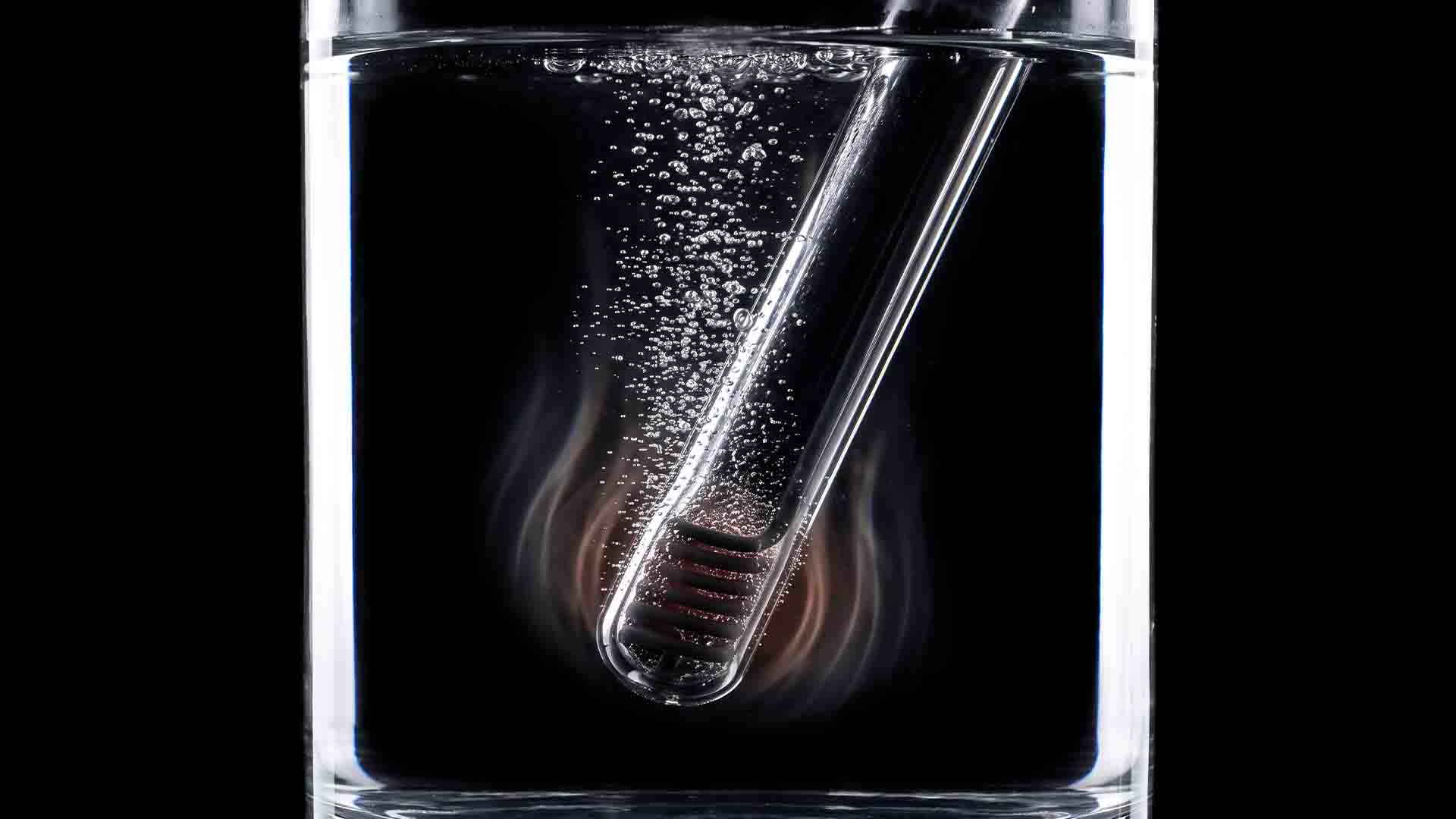
Dumping live bacteria into cold, sluggish water is like dropping a skilled construction crew onto a locked job site with the main power shut off—nothing moves until you turn on the energy. Because this is a fishless cycle protocol, you do not have to worry about thermal stress on livestock during week one. Set your submersible heater to 82°F (28°C) for the entire seven-day setup window, verify the reading with an independent glass or digital thermometer, and dial the heater back down to your target species range on day seven before introducing fish.
Step 4: The Day-Four Stall — How Hidden Carbonate Hardness (KH) Drops Crash Your pH
Even with established filter media and an 82°F heater, a large percentage of fast fishless cycles grind to a complete halt around day four. Hobbyists test their water, see ammonia or nitrite frozen at the exact same level for three straight days, and assume their seed bacteria died. In most cases, the bacteria are alive—they simply ran out of invisible mineral fuel.
Alkalinity Consumption During Nitrification and the pH 6.5 Dormancy Threshold
Biological nitrification is an acid-producing chemical reaction. Every time Nitrosomonas and Nitrospira oxidize one milligram of ammonia-nitrogen into nitrate, they consume roughly 7.14 milligrams of carbonate hardness (KH), also measured as total alkalinity. Carbonate hardness acts as the invisible shield that holds your aquarium pH steady.
If you start a seven-day cycle with soft tap water—or reverse osmosis water that has not been properly remineralized—your bacteria burn through the remaining carbonate buffer by day four. The moment KH drops near zero, nitric acid from bacterial waste causes your pH to plummet abruptly. Once aquarium pH dips below 6.5, autotrophic nitrifying enzymes lose efficiency; below 6.0, beneficial bacteria enter dormancy and your nitrogen cycle freezes completely.
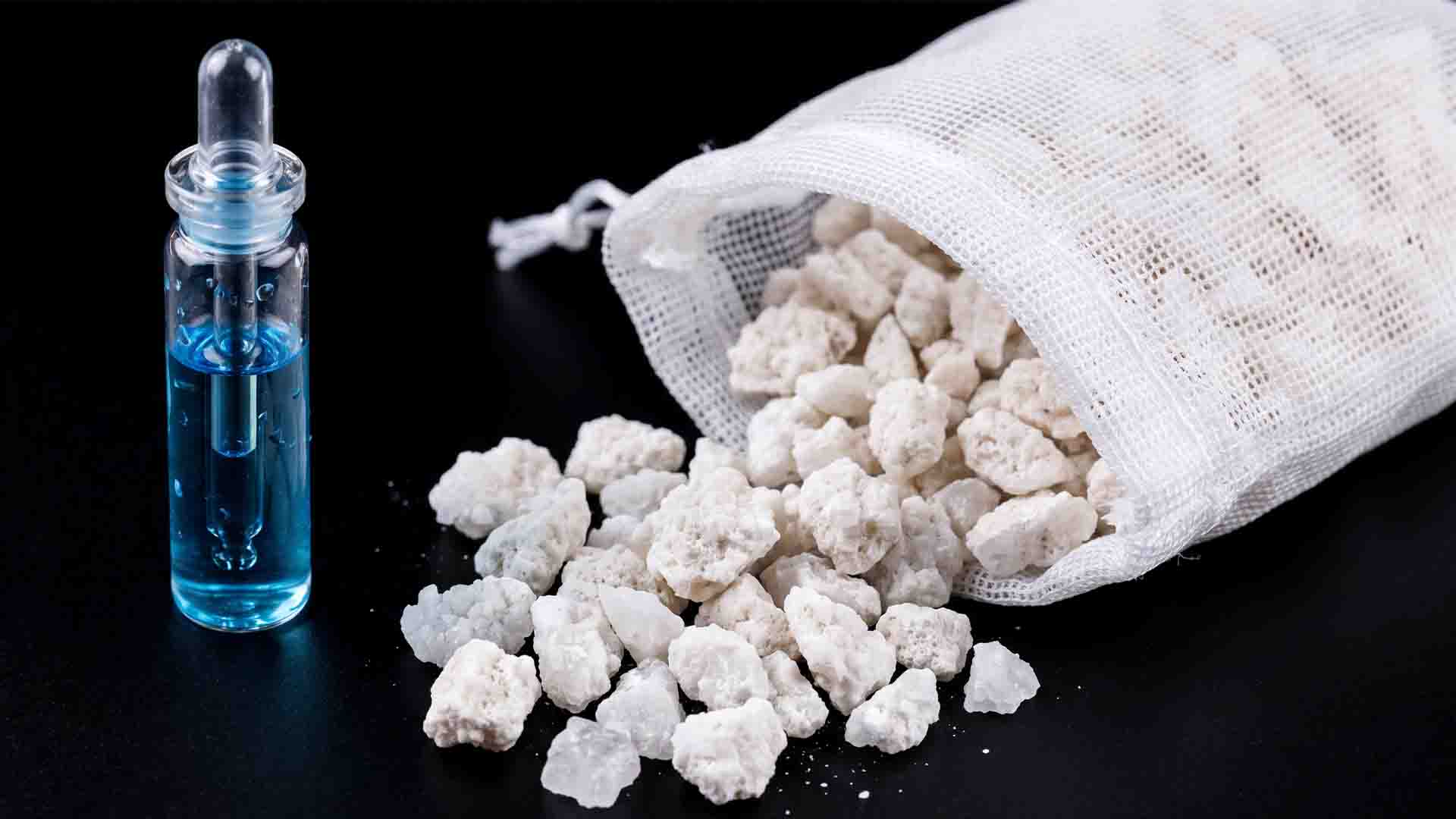
Buffering Soft Tap Water Above 4 dKH (Crushed Coral vs. Baking Soda)
To prevent a day-four pH crash, test your carbonate hardness alongside ammonia and nitrite throughout the setup week. Your target floor is at least 4 dKH (approximately 72 ppm KH). If your source water tests below 4 dKH, stabilize the system using one of two proven mineral buffers:
- Crushed Coral (Slow-Release Sustained Buffer): Place a small, rinsed nylon mesh bag of natural aragonite crushed coral inside your filter chamber. As nitrification lowers the local pH, calcium carbonate dissolves gradually, replenishing KH and keeping pH locked in a safe 7.2 to 7.6 range without manual guesswork.
- Plain Baking Soda (Immediate Emergency Correction): If your KH has already bottomed out on day four, pure sodium bicarbonate (unscented baking soda with zero additives) raises alkalinity rapidly. Dissolve roughly one-quarter teaspoon per 10 gallons of aquarium water in a cup of tank water first, pour it slowly into high filter flow, and retest KH and pH after two hours.
Step 5: Precision Ammonia Dosing (2 ppm) and Managing Live Plants During a Cycle
Beneficial bacteria cannot multiply without a continuous, measurable food source. For decades, beginners were told to drop a pinch of flake fish food or a raw shrimp into an empty tank to start a cycle. That method introduces random organic decay, fuels slimy heterotrophic fungus on heater suction cups, and creates erratic ammonia spikes that either starve colonies or poison them.
Why Rotting Fish Food Fails Compared to Liquid Ammonium Chloride
Rotting food must first be broken down by heterotrophic scavengers before any inorganic ammonia is released, costing you three to four wasted days before nitrifiers even begin feeding. Pure liquid ammonium chloride eliminates decomposition lag completely. Dose enough reagent-grade ammonium chloride (free of surfactants, perfumes, or dyes) to bring your total ammonia reading to exactly 2 parts per million (ppm). Always wait 24 hours after your initial dose before running your baseline test so the filter pump circulates and homogenizes the water column completely.
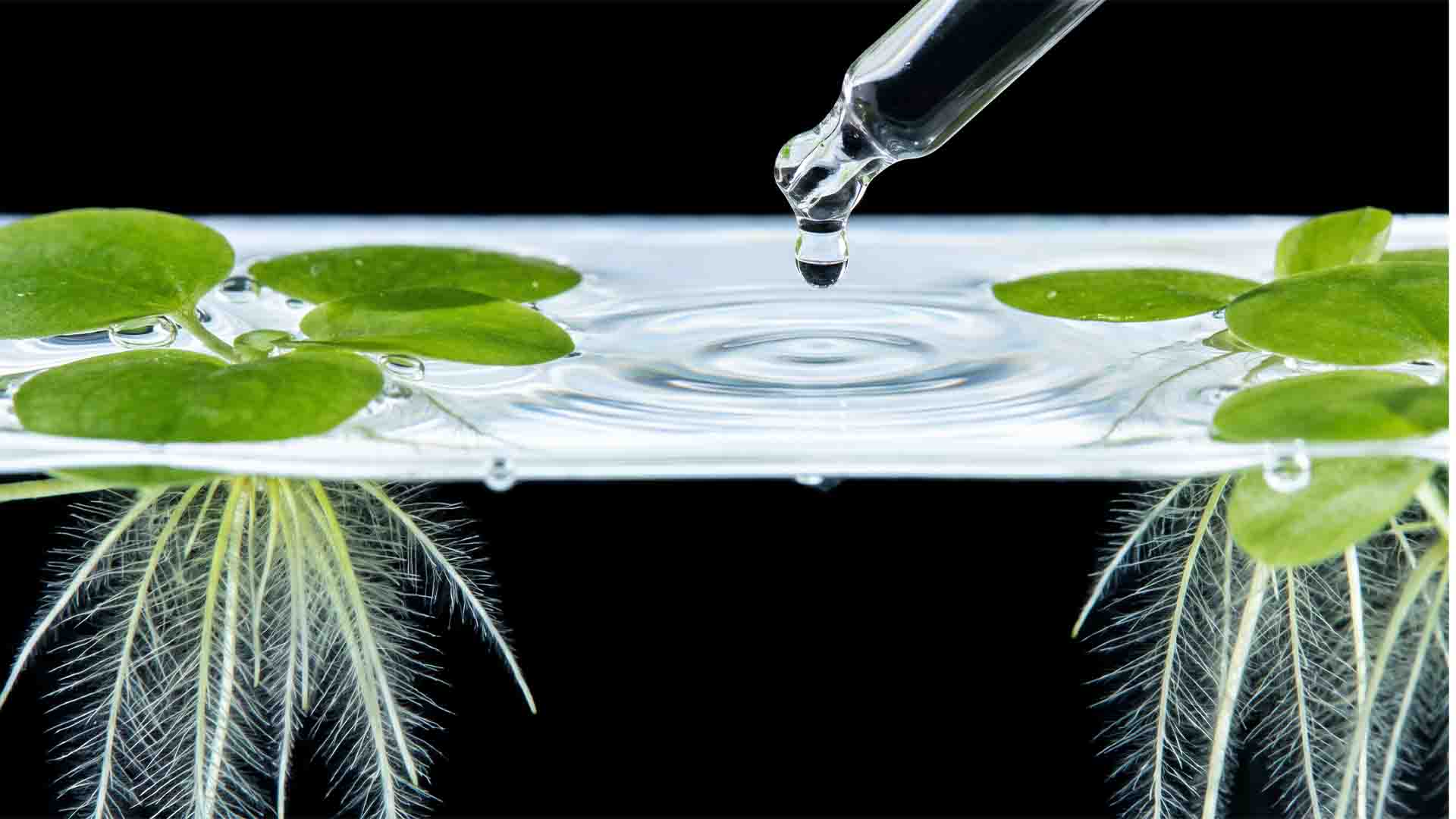
Using Floating Plants (Frogbit and Water Lettuce) as a Nitrogen Overflow Valve
Aquarists setting up planted tanks frequently sabotage week one by dosing heavy liquid fertilizers or burying nutrient-rich root tabs into an uncycled substrate, triggering massive ammonia leaching and algae blooms—a classic error we break down in our Planted Aquarium Setup Mistakes Guide. Instead of chemical fertilizers, introduce fast-growing floating plants such as Amazon frogbit (Limnobium laevigatum) or dwarf water lettuce (Pistia stratiotes) on day one.
Because floating plants draw carbon dioxide directly from the room air above the water surface, they grow aggressively without needing CO2 injection. Their dangling root systems act as a living biological overflow valve—absorbing excess ammonium and early nitrate spikes before concentrations climb high enough to inhibit bacterial growth, while still leaving plenty of bioavailable ammonia in the filter flow for Nitrosomonas to colonize.
Step 6: Why Heavy Surface Agitation Doubles Bacterial Colonization Speed
You can seed your filter with mature sponge, heat the water to 82°F, buffer your carbonate hardness above 4 dKH, and dose exact 2 ppm ammonia—and still watch your cycle stall at the nitrite stage if your water surface remains flat.
Dissolved Oxygen Demands of Aerobic Nitrospira Colonies
Nitrosomonas and Nitrospira are strictly aerobic bacteria. Chemically converting one molecule of ammonia into nitrite and then into nitrate consumes massive amounts of dissolved oxygen. In a stagnant aquarium with weak surface movement, dissolved oxygen drops rapidly inside densely packed filter media. When oxygen becomes scarce, ammonia oxidation may limp along while nitrite-oxidizing Nitrospira colonies suffocate, leaving you stuck with toxic purple nitrite readings.
Maximizing gas exchange across all seven days doubles the functional respiration rate inside your biofilter. Lower your aquarium water level by half an inch so your hang-on-back or canister spray bar creates a vigorous waterfall ripple across the surface, or drop an oversized air stone driven by a reliable air pump directly beneath your filter intake. Vigorous surface turbulence strips excess carbon dioxide out of the tank and drives oxygen-saturated water through every pore of your ceramic media.
Step 7: Day-Seven Verification and Silent Mistakes That Trigger Month-Two Crashes
Reaching day seven with clear water does not give you a green light to dump a full bag of fish into the aquarium. Many hobbyists complete a strong first week only to wipe out their newly formed biofilm through preventable maintenance errors right before or after adding livestock.
The 24-Hour 2 ppm Ammonia Stress Test
Never guess whether your biofilter is ready—prove it with a quantitative stress test on day seven:
- Dose the Challenge Load: Add pure liquid ammonium chloride to raise tank ammonia back up to 2 ppm.
- Wait Exactly 24 Hours: Keep your heater at 82°F and your air stone running at full output.
- Verify Zero-Zero Clearance: Test both ammonia and nitrite with a liquid reagent kit at the 24-hour mark. If your biofilter is truly mature, both vials will read 0 ppm ammonia and 0 ppm nitrite, accompanied by a measurable rise in nitrate.
- Reset Nitrates and Temperature: Perform a 50 to 75 percent water change using temperature-matched, dechlorinated water to bring accumulated nitrates below 20 ppm. Dial your heater down to your target fish species temperature (typically 74°F to 78°F for community tropicals) and allow the tank to stabilize for three hours before introducing your first small school.
Tap Water Rinsing, Zeolite/Carbon Traps, and Volume Buffer Rules
Protect your new biofilter from the three silent killers that cause month-two aquarium collapses:
- Never Rinse Biomedia Under Tap Water: During your first routine maintenance, squeeze sponges only inside a bucket of siphoned aquarium water. Even in municipalities that use free chlorine instead of chloramine, sudden temperature swings and residual disinfectant strip immature extracellular biofilm within seconds.
- Remove Zeolite and Activated Carbon During Week One: Chemical adsorption resins like zeolite bind ammonium ions directly out of the water column. While useful in emergencies, running zeolite during a fishless cycle starves Nitrosomonas of the exact fuel required to multiply. Run strictly coarse mechanical sponge and sintered ceramic biomedia during your seven-day build.
- Respect Volume Buffer Limits: A small five-gallon nano tank holds very little water volume to dilute sudden waste spikes. Stock gradually—start with 25 to 30 percent of your planned fish load in week two, wait fourteen days for bacterial colonies to scale up to the new bioload, and add remaining schooling fish in stages.
7-Day Fishless Cycle Master Timeline and Emergency Diagnostic Tables
Use the two reference tables below to track daily targets during your seven-day sprint and diagnose any unexpected parameter stalls immediately.
| Cycle Window | Water Temp | Ammonia & Nitrite Target | KH & pH Floor | Mandatory Protocol Action |
|---|---|---|---|---|
| Day 1 (Launch) | 82°F (28°C) | Dose 2 ppm Ammonia | 4+ dKH / pH 7.0+ | Seed 25% established biomedia, add floating plants, maximize surface agitation. |
| Day 2 (Circulation) | 82°F (28°C) | Test Baseline (~2 ppm NH3) | 4+ dKH / pH 7.0+ | Verify 2 ppm reading; check heater calibration and air stone output. |
| Day 3 (Bloom Phase) | 82°F (28°C) | Ammonia dropping; Nitrite rising | 4+ dKH / pH 6.8+ | Ignore milky heterotrophic haze; do not add clarifiers or perform water changes. |
| Day 4 (Alkalinity Check) | 82°F (28°C) | Nitrite peaking | 4+ dKH / pH 6.6+ | Test KH; add crushed coral bag or pure baking soda if KH drops below 4 dKH. |
| Day 5 (Redose Fuel) | 82°F (28°C) | Redose to 2 ppm if NH3 hits 0 | 4+ dKH / pH 6.8+ | Keep feeding Nitrosomonas while Nitrospira catches up on nitrite. |
| Day 6 (Oxidation Surge) | 82°F (28°C) | Ammonia 0 ppm; Nitrite falling | 4+ dKH / pH 6.8+ | Maintain maximum oxygen ripple; verify chemical media stays out of filter. |
| Day 7 (Stress Test) | 82°F → Fish Temp | 0 ppm NH3 & 0 ppm NO2 in 24h | 4+ dKH / pH 7.0+ | Pass 2 ppm 24-hour test, do 50–75% water change (NO3 < 20 ppm), add starter fish. |
| Observed Symptom | Biological Root Cause | Immediate Corrective Action |
|---|---|---|
| Water turns milky white on Day 3 with zero fish | Harmless heterotrophic bacteria bloom feeding on trace organics | Leave water completely alone; keep air stone running; never dose chemical clarifiers. |
| Ammonia and nitrite freeze completely on Day 4 or 5 | Carbonate hardness (KH) depleted; pH dropped below 6.5 dormancy threshold | Test KH; buffer water back above 4 dKH using crushed coral or dissolved baking soda. |
| Ammonia hits 0 ppm in 24 hours, but nitrite stays high | Low dissolved oxygen inside filter media starving aerobic Nitrospira | Lower water level for stronger filter waterfall and add an oversized air stone. |
| Ammonia never drops from 2 ppm after 5 full days | Chlorine/chloramine killed seed media, or zeolite/carbon is stripping ammonia | Remove zeolite/carbon, dose water conditioner, and re-seed with fresh mature sponge. |
Scientific Truths and Peer-Reviewed Nitrification Data
Every parameter in this seven-day fishless cycle protocol comes directly from peer-reviewed freshwater microbiology and commercial aquaculture engineering rather than pet store folklore:
- Nitrospira Dominance in Freshwater Biofilters: Research published by the American Society for Microbiology in Applied and Environmental Microbiology proved that Nitrospira species—not Nitrobacter—serve as the primary nitrite-oxidizing bacteria in freshwater aquaria, thriving at low substrate concentrations when supplied with high dissolved oxygen.
- Thermal Acceleration of Nitrifying Enzymes: Controlled kinetic trials indexed on ScienceDirect Nitrification Literature demonstrate that nitrification rates scale steeply between 68°F (20°C) and 86°F (30°C), with peak bacterial division occurring near 82°F (28°C) before thermal denaturation begins above 95°F (35°C).
- Alkalinity Consumption and Acidification: Engineering data documented in Aquacultural Engineering confirms that oxidizing one gram of ammonia-nitrogen consumes approximately 7.14 grams of alkalinity (as calcium carbonate), explaining why unbuffered soft-water aquariums suffer sudden pH crashes mid-cycle.
- Sessile Biofilm Attachment Mechanics: Microbial ecology studies in Water Research verify that over 95 percent of active nitrifying biomass remains bound inside porous surface biofilms rather than suspended in the water column, confirming why old tank water transfers negligible biological filtration capacity.
Frequently Asked Questions About 7-Day Aquarium Cycling
Can you really cycle a fish tank in 7 days without bottled bacteria?
Yes, you can cycle a freshwater aquarium in 7 days without commercial bottled bacteria by seeding your filter with 25 percent established sponge or ceramic media, dosing 2 ppm pure liquid ammonium chloride, heating the water to 82°F (28°C), maintaining carbonate hardness above 4 dKH, and running heavy surface agitation.
Why did my fish tank turn cloudy on day 3 with no fish?
Milky white water on day three of a fishless cycle is caused by a harmless bloom of fast-multiplying heterotrophic bacteria feeding on trace organic carbon in new tap water or shelf additives. Leave the water completely alone and avoid chemical clarifiers; the haze clears naturally once true nitrifying colonies establish.
Does pouring old aquarium water into a new tank speed up the cycle?
No, pouring old aquarium water into a new setup transfers virtually zero cycling progress. Beneficial Nitrosomonas and Nitrospira bacteria do not float freely in the water column; they anchor tightly as a sessile biofilm onto porous filter sponges and ceramic media inside an established filter.
Why did my ammonia and nitrite stop dropping halfway through cycling?
A sudden cycle stall around day four or five typically happens when nitrifying bacteria consume your water’s carbonate hardness (KH), causing pH to drop below 6.5. Below pH 6.5, nitrifying enzymes go dormant. Adding a mesh bag of crushed coral or a small dose of plain baking soda restores KH above 4 dKH and restarts the cycle.
What temperature should my heater be during a fishless cycle?
Set your submersible heater to 82°F (28°C) for the entire seven-day fishless cycling period. Compared to standard 72°F room temperature, heating water to 82°F accelerates nitrifying bacterial cell division by up to 80 percent. Always dial the heater back down to your target fish species temperature before adding livestock on day seven.
Should I run activated carbon or zeolite while cycling a new aquarium?
No, remove zeolite and activated carbon during your seven-day cycle. Zeolite binds ammonium ions directly out of the water column, starving beneficial Nitrosomonas bacteria of the inorganic nitrogen fuel they need to multiply. Run strictly coarse mechanical sponge and porous sintered ceramic biomedia during setup.
What Comes Next After Day Seven: Preventing Diatoms and New-Tank Algae
True aquarium stability is never bought in a plastic bottle; lasting peace of mind comes from building a biological filter that works with freshwater chemistry instead of fighting against it. Once your filter clears 2 ppm of ammonia to zero ammonia and zero nitrite within 24 hours and you turn your aquarium lights on for your first fish, brown diatoms and early green algae are the next natural biological stage as silicates and trace nutrients balance out.
Before algae takes over your glass and hardscape, review our step-by-step New Tank Diatoms and Brown Algae Prevention Guide and return to our central Aquarium Setup Masterclass Hub for stocking schedules and long-term maintenance ratios.
Continue the Video Masterclass (Official FTM Series):
Ready to dial in lighting, stocking order, and new-tank algae control right after your 7-day cycle finishes? Watch the complete Aquarium Setup Masterclass Series on FishTank Mastery YouTube.