
If you are struggling with common planted aquarium mistakes, you have likely experienced the heartbreak of watching lush green aquatic foliage dissolve into brown, translucent sludge within two weeks of purchase. Most beginners assume they bought a diseased batch of plants or lack an instinctive “green thumb,” but aquatic botany is governed by strict biological rules rather than luck. In this comprehensive masterclass, we dismantle retail shortcuts and expose the exact cellular mechanisms behind plant decay, nutrient lockouts, and environmental mismatches so you can build a resilient, balanced planted aquarium setup that actually thrives.
Watch the detailed visual breakdown above to see how these ten systemic mistakes manifest inside real aquariums. The standard commercial advice provided by big-box pet stores often accelerates the collapse of newly planted tanks. Retail employees frequently sell terrestrial bog plants as fully aquatic species, recommend aggressive liquid fertilizers to unrooted stems, or instruct hobbyists to bury epiphytic rhizomes deep into sterile gravel beds. To prevent recurring plant loss and permanently end the cycle of throwing money into the trash, we must analyze the invisible cellular transitions, rhizosphere dynamics, and hydrodynamic forces occurring beneath the surface.
The 14-Day Meltdown Illusion: Cellular Morphogenesis vs. Biological Death
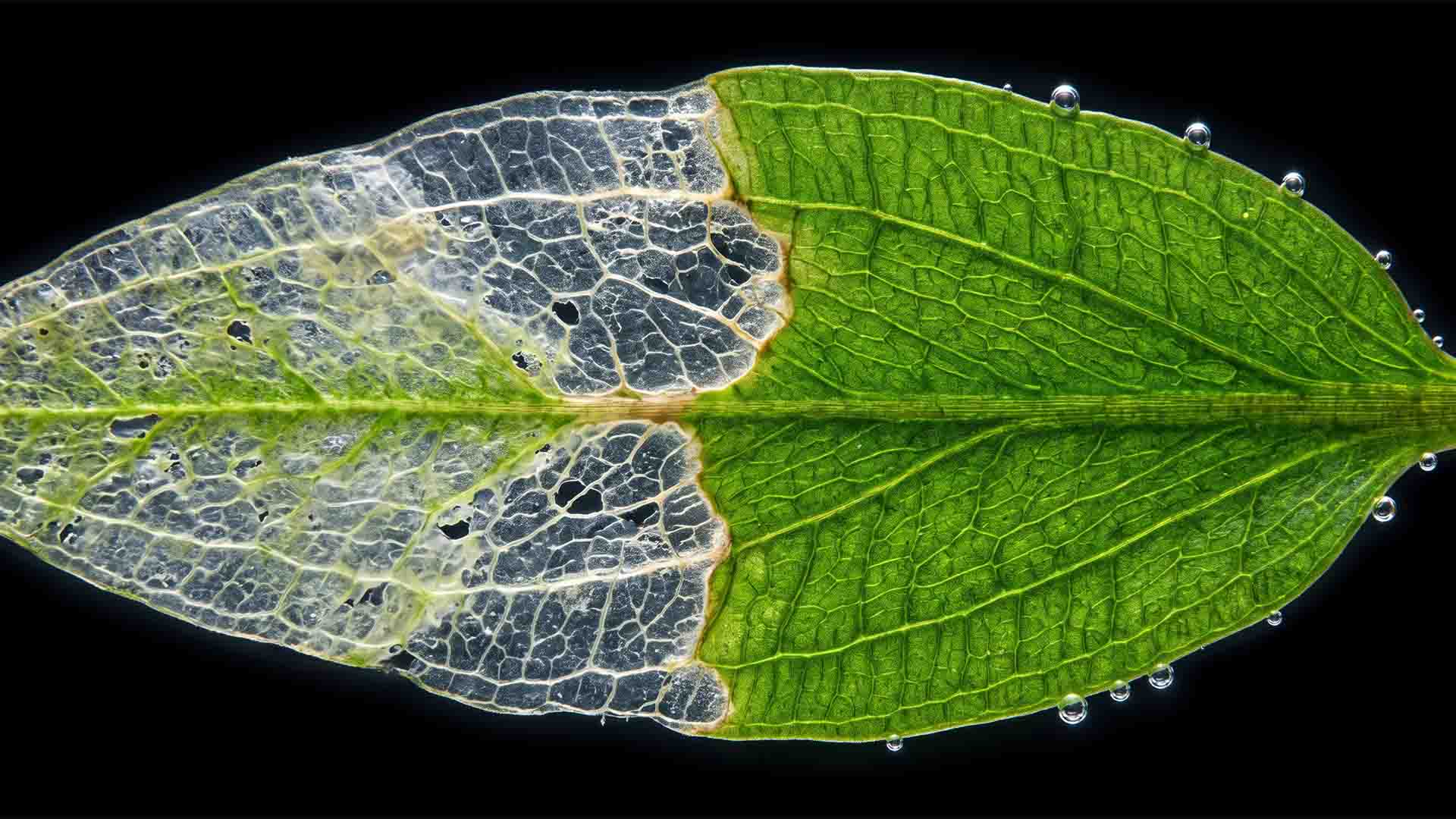
The single most destructive error beginners make during their first month is mistaking natural physiological adaptation for terminal biological death. When you introduce a newly purchased plant into your aquarium, its initial reaction is rarely explosive vegetative growth. Instead, the plant frequently drops leaves, curls its margins, and dissolves its outermost foliage into a gelatinous mush. This phenomenon—widely termed “plant melt”—is not a sign of failure; it is a vital morphological transformation that amphibious plants must undergo to survive underwater.
The Emersed-to-Submerged Transition: The False Funeral
Over ninety percent of commercially available aquarium plants—including popular species like Cryptocoryne, Echinodorus (Amazon Swords), Hygrophila, and Rotala—are not grown underwater at commercial nurseries. They are cultivated emersed (above the waterline in high-humidity commercial greenhouses). Emersed cultivation allows commercial nurseries to grow massive plant biomass rapidly, eliminate algae contamination, and utilize atmospheric carbon dioxide, which is roughly 200 to 300 times more accessible in air than in standard aquarium water.
However, an emersed leaf is structurally, anatomically, and biochemically incompatible with life underwater. Aerial foliage features a thick, hydrophobic waxy cuticle designed to prevent dehydration in dry air, rigid cell walls fortified with structural lignin to support vertical weight against gravity, and stomata optimized for open-air gas exchange. The moment that emersed leaf is submerged in an aquarium, its atmospheric stomata cannot extract dissolved inorganic carbon efficiently, and the thick waxy cuticle physically blocks passive nutrient absorption from the water column.
Recognizing that its aerial leaves are an unsustainable energetic liability underwater, the plant initiates a programmed process called cellular autolysis. It systematically breaks down the cellular structures of its old leaves, reclaims mobile macronutrients (nitrogen, phosphorus, and potassium) from the collapsing foliage, and redirects those internal energy reserves downward into the crown and root system. The old leaves turn transparent and dissolve into mush. The beginner panics, pulls the entire plant out of the substrate, and throws it into the trash—executing what is essentially a “false funeral” for an organism that was actively preparing to produce submerged-adapted leaves.
Cryptocoryne Specific Shock & Rhizosphere Destabilization
While stem plants often transition gradually, species in the genus Cryptocoryne are notorious for their violent and rapid adaptation response, commonly known as “Crypt Melt.” Cryptocorynes are evolutionary masters of stability. In their native Southeast Asian river systems, they thrive in shaded, slow-moving forest streams where water hardness, temperature, and organic acids remain remarkably consistent year-round.
When a Cryptocoryne is uprooted from a nursery tank and planted into a home aquarium with different General Hardness (GH), Carbonate Hardness (KH), pH, and lighting spectrums, the plant experiences acute osmotic and biochemical shock. Rather than attempting to maintain non-functional leaves that consume precious adenosine triphosphate (ATP), the plant’s hormonal signaling triggers an almost instantaneous dissolution of its entire leaf canopy within 48 to 72 hours.
The critical biological truth that every aquarist must understand is that the leaf is disposable, but the crown and root tuber are permanent. As long as the central crown at the base of the substrate remains firm and white or light brown, the plant is fully alive. If you leave the root system undisturbed and maintain stable water chemistry, new submerged-adapted leaf spikes—featuring thinner cellular membranes and higher chlorophyll density optimized for underwater light capture—will begin emerging within seven to twenty-one days.
Vascular Strangulation: The Epiphytic Planting Fallacy
One of the most destructive physical mistakes made in planted aquariums is treating every green aquatic organism as a traditional terrestrial plant that belongs buried beneath the dirt. Epiphytic species—most notably Anubias varieties (such as Anubias barteri and Anubias nana), Java Fern (Microsorum pteropus), and Bucephalandra species—have evolved entirely different anatomical structures that demand open water circulation rather than subterranean burial.
Anatomy of the Rhizome & Aerenchyma Tissue
An epiphyte does not possess a traditional root crown; it grows along a modified, horizontal, thickened stem called a rhizome. The rhizome serves as the vascular highway of the plant, housing vital xylem and phloem vessels that transport water, carbohydrates, and nutrients between the foliage and the root anchors. Furthermore, the rhizome contains specialized photosynthetic cells that actively capture light and gas exchange tissues called aerenchyma—internal porous channels that allow oxygen to diffuse throughout the plant’s vascular architecture.
The fine, stringy structures extending downward from the rhizome are adventitious roots whose primary evolutionary purpose is not deep nutrient harvesting from substrate, but mechanical anchoring. In their natural habitats along torrential riverbanks, these plants anchor themselves securely to granite boulders, submerged logs, and exposed tree roots where they are washed by continuous, oxygen-rich currents.
Why Substrate Burial Induces Vascular Necrosis
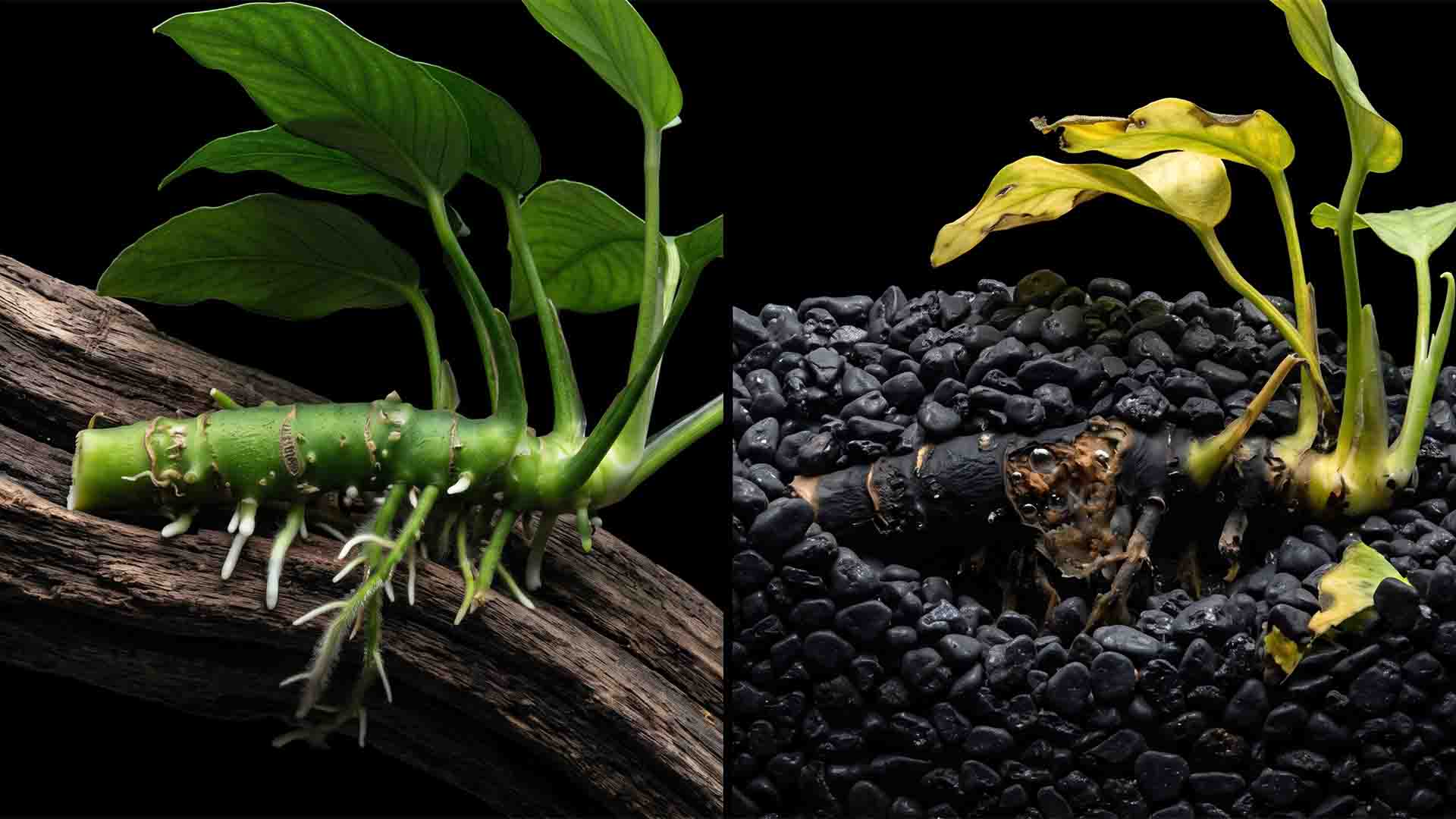
When an unsuspecting beginner pushes an Anubias or Java Fern rhizome beneath sand, gravel, or aqua soil, they create an immediate physiological death trap. Substrates—especially dense, fine silica sands or un-aerated gravel beds—naturally develop micro-anaerobic (oxygen-depleted) zones within millimeters of the surface. Beneath the substrate, interstitial water movement is virtually zero.
Deprived of interstitial dissolved oxygen and laminar water flow, the aerenchyma channels inside the buried rhizome collapse. The plant suffocates at a cellular level. The lack of oxygen inhibits cellular respiration, shutting down the production of natural defensive enzymes. Opportunistic saprophytic and anaerobic bacteria (such as Pectobacterium and Pseudomonas species) immediately exploit the stagnant, oxygen-starved tissue, invading the vascular bundles and triggering rapid, liquefying rhizome rot.
The visual symptom of this vascular strangulation is unmistakable: individual healthy-looking green leaves begin snapping off cleanly at the petiole base without any prior yellowing. If you excavate the buried plant, the rhizome will feel like a soft, hollow, foul-smelling sponge that dissolves between your fingertips. Once bacterial necrosis destroys the central vascular core, the plant is functionally dead and cannot be salvaged.
The Correct Epiphytic Anchoring Protocol
To ensure total epiphyte longevity, the rhizome must remain completely exposed to the open water column at all times:
- Cyanoacrylate Gel Attachment: Use standard aquarium-safe cyanoacrylate super glue gel (ethyl-2-cyanoacrylate). Apply a single micro-drop directly to the woody exterior of the rhizome or its adventitious anchor roots, and press it against porous hardscape—such as rough lava rock, Malaysian driftwood, or Mopani wood—for thirty seconds. Cyanoacrylate cures instantly upon contact with moisture and becomes completely inert and non-toxic underwater.
- Cotton Thread or Fishing Line: Bind the plant loosely to hardscape using dark cotton sewing thread or 4 lb monofilament fishing line. Within four to eight weeks, the adventitious roots will naturally grip the microscopic crevices of the rock or wood, after which biodegradable cotton thread will dissolve on its own.
- Hardscape Wedge: Gently slide the rhizome into a physical crack or crevice between two rocks or branches. As long as the rhizome is held securely by physical geometry without being compressed or buried in sediment, it will thrive.
Rhizosphere Starvation: The Inert Substrate & Cation Exchange (CEC) Trap
A staggering percentage of beginner planted tanks are built upon plain silica pool sand, decorative river pebbles, or synthetic epoxy-coated gravel. While these inert substrates are visually clean and mechanically stable, they provide exactly zero chemical nutrition to plant roots. Expecting a heavy root-feeding aquatic plant to thrive long-term in washed quartz sand is the biological equivalent of trying to grow an oak tree in crushed glass.
Heavy Root Feeders vs. Water Column Feeders
Aquatic macrophytes operate on two distinctly different nutritional strategies:
- Water Column Feeders: True stem plants (such as Ceratophyllum demersum/Hornwort, Egeria densa/Anacharis, and Hygrophila difformis/Water Wisteria) and floating plants (such as Limnobium laevigatum/Amazon Frogbit) possess thin epidermal cuticles engineered to absorb dissolved ions—such as nitrates, phosphates, and potassium—directly across their leaf surfaces. Their root systems are primarily designed for physical stabilization rather than major nutrient extraction.
- Heavy Root Feeders: Rosette plants (including Amazon Swords, Cryptocoryne species, Vallisneria, and Lotus species) possess extensive, complex root networks evolved specifically to harvest minerals directly from the subterranean substrate bed. In nature, these plants establish their root zones in rich alluvial muds and decaying riverbed sediments where nutrient densities are orders of magnitude higher than in open water.
Cation Exchange Capacity (CEC) & The 90-Day Starvation Horizon
The underlying scientific metric governing substrate performance is Cation Exchange Capacity (CEC). CEC measures a substrate’s electrical ability to hold onto positively charged nutrient ions (cations)—including Potassium, Calcium, Magnesium, Iron, and Ammonium—and release them slowly to plant root hairs in exchange for hydrogen ions.
Inert quartz sand, pool filter sand, and commercial gravel have a CEC near zero. They possess no electrical charge and no internal porous structure. When an Amazon Sword is placed into plain inert gravel, it may look healthy for the first 30 to 60 days because it is consuming the stored nutrient reserves locked within its thick nursery root tuber and emersed leaves. But once those internal reserves are fully depleted around Day 90, the plant hits an invisible biological wall.
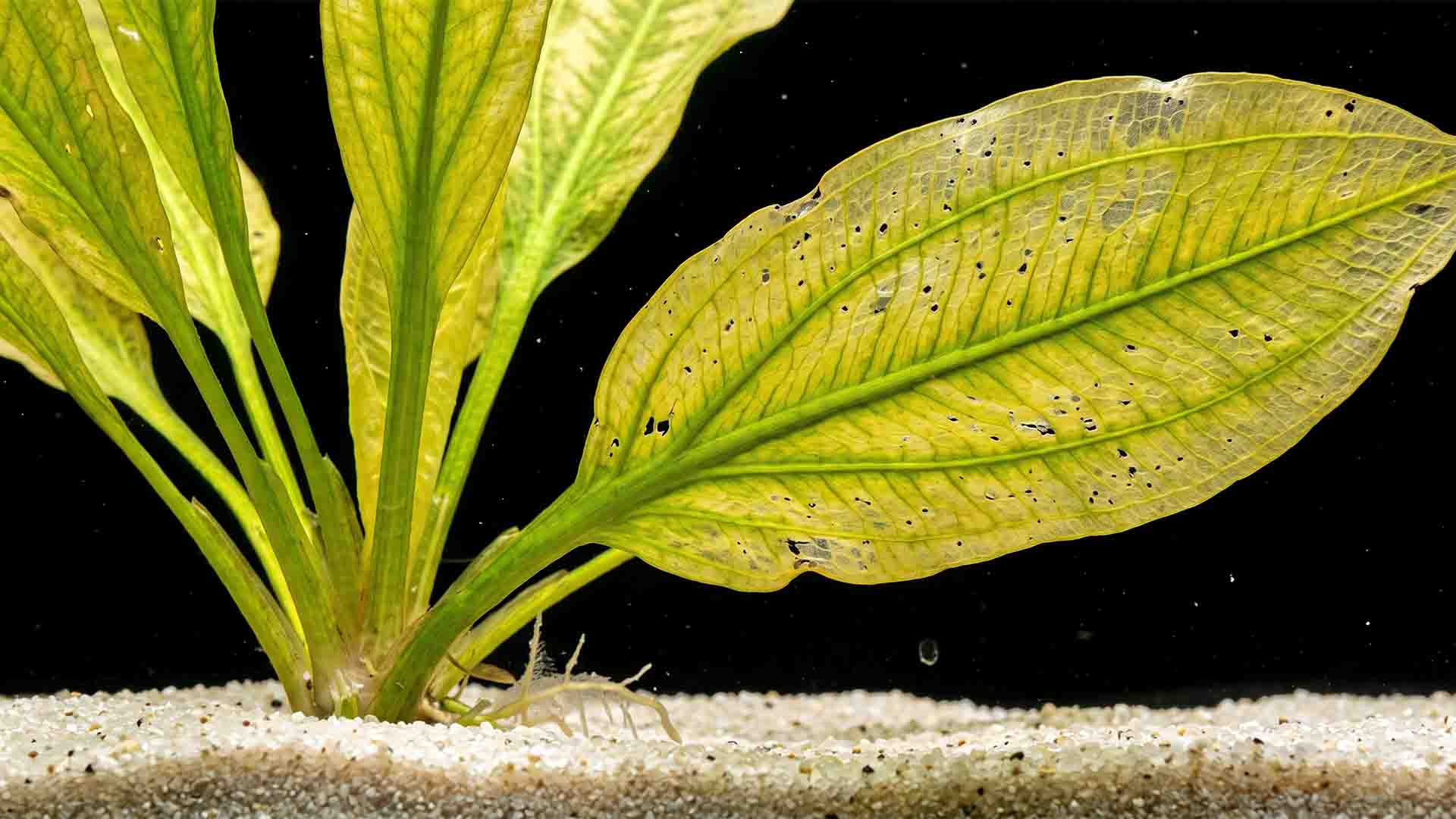
The leaves develop classic nutrient deficiency signatures: the broad blade tissue between veins turns paper-thin, transparent, and pale yellow (severe iron chlorosis), while older leaves develop ragged micro-perforations and pinholes that slowly expand until the leaf disintegrates (acute potassium deficiency). The beginner responds by dumping liquid fertilizers into the water column, but because heavy root feeders absorb the vast majority of their macro- and micronutrients through their root hairs, the dissolved liquid nutrients simply sit unconsumed in the water column—where they feed explosive blooms of opportunistic green hair algae and cyanobacteria.
Substrate Enrichment Protocols: Root Tabs vs. Active Soils
To sustain heavy root-feeding species without triggering catastrophic water column algae blooms, you must deliver nutrition directly to the rhizosphere:
- Targeted Root Tab Placement: In existing inert sand or gravel tanks, insert nutrient-rich, slow-release clay/mineral root tabs directly into the substrate. Push the capsule at least 2 inches deep, placing it roughly 1 to 2 inches away from the base of the plant crown. Never place root tabs directly beneath a brand-new, unrooted cutting during Week 1, as the concentrated salts can chemically burn fragile developing root hairs; introduce root tabs on Day 14 once early root anchors have formed.
- Active Complete Aqua Soils: High-CEC baked volcanic clay substrates naturally absorb dissolved nutrients from the water column and fish waste, locking them into the substrate matrix for continuous root access while buffering the root zone to an optimal slightly acidic pH (6.2–6.8).
Photonic Overdose: The PAR, Photoperiod, and Photo-Oxidative Stress Trap
When aquarium plants begin stalling or displaying pale foliage, the instinctual reaction of almost every hobbyist is to crank the light fixture to 100% intensity and leave it running for 12 to 14 hours a day. In terrestrial gardening, sunshine is rarely an enemy; in a closed aquatic ecosystem lacking pressurized carbon dioxide injection, excessive light is the most reliable method to destroy plant health and trigger an algae warzone.
The Metabolic Bottleneck: Photosynthetic Demand vs. Carbon Limitation
Photosynthesis is not a simple on/off switch; it is a complex, synchronized chemical equation. Light acts as the accelerator pedal of plant metabolism. The metric that actually matters is Photosynthetically Active Radiation (PAR)—the quantity of usable photons between 400 and 700 nanometers hitting the leaf surface per second.
When high-intensity light hits the chlorophyll pigments inside a plant cell, it demands three critical inputs to complete the Calvin Cycle: water, dissolved inorganic carbon (CO2), and macro/micronutrients. In a low-tech aquarium without pressurized gas injection, dissolved carbon dioxide is strictly limited by atmospheric equilibrium (rarely exceeding 2 to 3 ppm).
When you blast intense lighting (high PAR) into a low-tech tank, you press the metabolic accelerator to the floor, but the engine runs out of carbon fuel within minutes of the lights turning on. The plant’s primary photosynthetic enzyme, Rubisco (ribulose-1,5-bisphosphate carboxylase-oxygenase), cannot find carbon dioxide molecules. Instead, Rubisco begins binding to oxygen in an energetically wasteful process called photorespiration.
Reactive Oxygen Species (ROS) & Photo-Oxidative Bleaching
Unable to dissipate the massive influx of light energy through normal carbon fixation, the plant’s photosynthetic electron transport chain becomes overloaded. Excess photons excite molecular oxygen, generating highly toxic Reactive Oxygen Species (ROS)—including superoxide radicals, hydrogen peroxide, and singlet oxygen—inside the chloroplasts.
These reactive oxygen radicals physically destroy the thylakoid membranes, oxidize structural proteins, and bleach the green chlorophyll pigments. The leaf develops a bleached, scorched appearance (commonly called the “sunburn effect”), curls inward, and collapses into cellular necrosis. Meanwhile, single-celled algae and opportunistic filamentous cyanobacteria—which possess vastly lower resource thresholds and can metabolize light energy instantaneously—seize the unconsumed light and coat every leaf surface in green dust, hair algae, or Black Beard Algae (BBA).
The Low-Tech Lighting Protocol: Photoperiod & The “Siesta” Schedule
To eliminate photo-oxidative stress and permanently suppress algae opportunism in non-CO2 aquariums:
- Cap Daily Photoperiod at 6 to 7 Hours: A low-tech planted aquarium should never run full lighting for 10 to 12 hours. Restrict total illumination to a continuous 6-hour block using a digital timer.
- Calibrate PAR to Species Demand: Maintain 30 to 50 PAR at the substrate level for low-light species (Anubias, Crypts, Java Moss), and avoid high-powered spotlight LEDs that lack dimming control.
- Implement the “Siesta” Lighting Method: For tanks struggling with recurring algae blooms, split the daily photoperiod into two distinct 3.5-hour sessions separated by a 2 to 3-hour blackout period (e.g., 4 hours ON, 3 hours OFF, 3.5 hours ON). Aquatic plants possess complex cellular energy buffers and handle light interruptions smoothly, whereas single-celled algae rely on uninterrupted photon exposure to maintain cell division cycles.
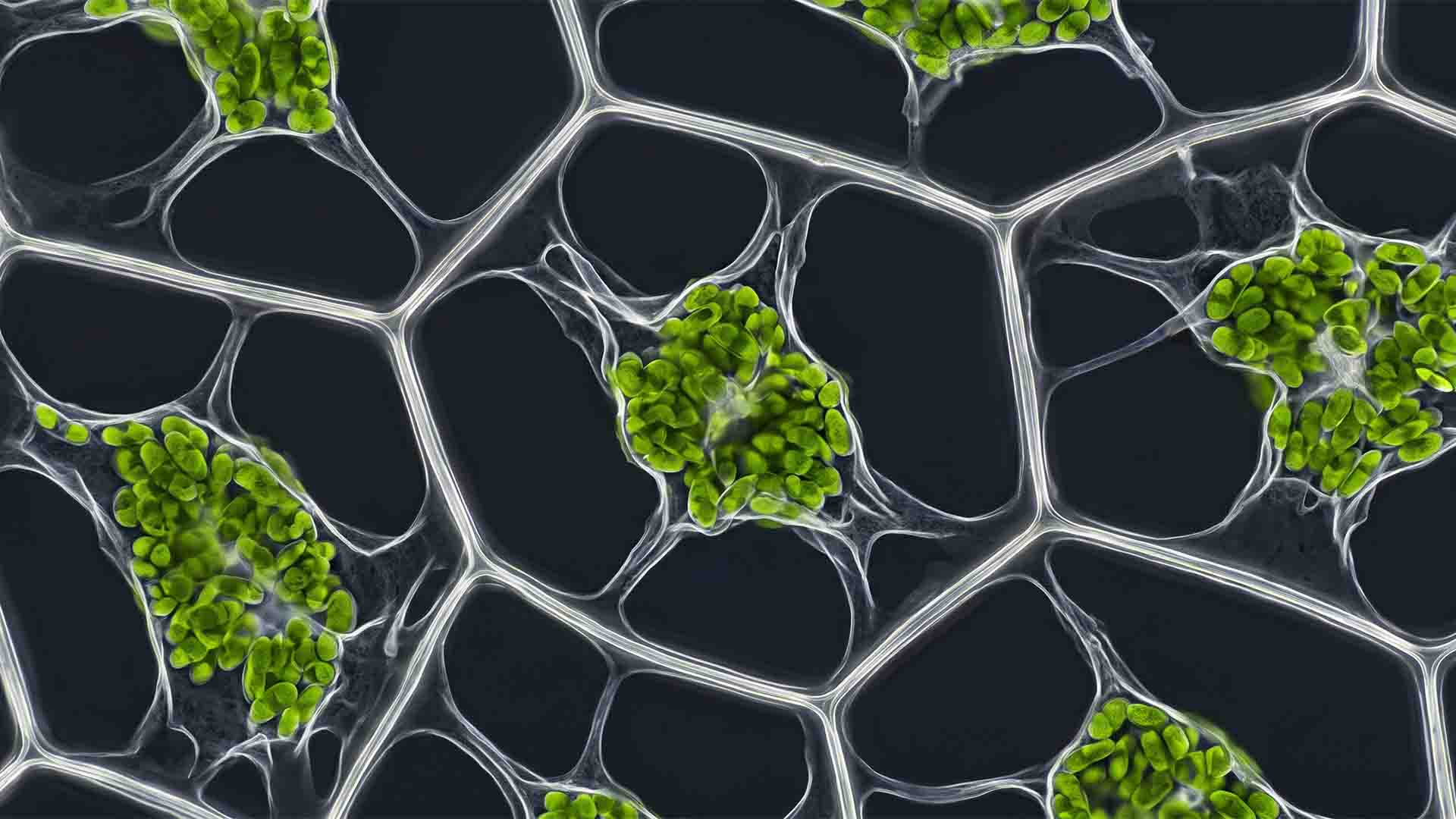
Chemical & Osmotic Shock Protocols: The Invisible Cell Destroyers
Aquatic plants do not possess the thick, keratinized barriers of land animals; their delicate epidermal cells interact directly with the dissolved chemical soup of your aquarium water. When beginners introduce sudden chemical shifts, aggressive fertilizers, or retail remedies into a young tank, they create violent osmotic gradients that dehydrate, poison, and rupture aquatic plant cells from the inside out.
Liquid Fertilizer Overdose in Immature Tanks: Root Hair Burn & EC Spikes
The moment a new hobbyist notices a yellowing leaf or slow growth, the immediate retail impulse is to dose heavy volumes of all-in-one liquid fertilizers, micro-nutrient cocktails, or concentrated liquid iron. In an established, heavily planted aquarium with dense submerged foliage, liquid fertilizers provide essential dissolved ions. But in a brand-new setup containing unrooted stems and transitioning emersed plants, aggressive liquid dosing creates a toxic chemical trap.
During the first three weeks post-planting, aquatic plants are not actively pulling large quantities of water-column nutrients. Their root hairs are still uncalloused, damaged from transport, and struggling to establish cellular transport proteins. Dosing liquid fertilizers into an immature tank causes a rapid spike in Electrical Conductivity (EC) and Total Dissolved Solids (TDS). This hypertonic water column creates an osmotic pull that draws moisture out of fragile developing root hairs.
The delicate apical root meristems suffer severe chemical salt burn, turning black and atrophying before they can anchor into the substrate. Furthermore, excess dissolved iron and unchelated trace minerals oxidize rapidly under aquarium lighting, precipitating onto leaf surfaces and feeding aggressive blooms of staghorn algae and black beard algae (BBA). Plants do not absorb nutrients through willpower; if their physiological machinery is not ready, excess fertilizer simply acts as liquid poison.
The Sodium Chloride Execution: Cellular Plasmolysis in Freshwater Flora
One of the most catastrophic chemical mistakes in the aquarium hobby is adding sodium chloride (aquarium salt or rock salt) to a planted tank to treat fish diseases such as Ich (Ichthyophthirius multifiliis) or external velvet. While mild salinity can help freshwater fish maintain gill osmoregulation during parasite stress, freshwater aquatic macrophytes have zero evolutionary adaptation to sodium ions.
When you dissolve sodium chloride into a planted aquarium, you dramatically raise the salinity of the external environment, creating a hypertonic solution. Water molecules naturally move across semi-permeable cell membranes from areas of low solute concentration to areas of high solute concentration. The salt in the water column literally sucks the internal fluid out of the plant’s central vacuoles via osmosis, triggering severe cellular plasmolysis.
As the vacuoles collapse, the plasma membrane tears away from the rigid cellulose cell wall. The plant loses all cellular turgor pressure, causing stems to go limp and foliage to turn into waterlogged, translucent jelly within forty-eight hours. Simultaneously, sodium ions Na+ competitively bind to and block the plant’s essential potassium K uptake channels, completely shutting down protein synthesis and stomatal regulation. Even after large water changes, sodium ions lock into substrate pores, ensuring that any replacement plants introduced weeks later will melt just as rapidly.
The Zero-Nitrate Starvation Fallacy: Rubisco Enzyme Synthesis Collapse
Decades of fish-only aquarium dogma have brainwashed hobbyists into believing that nitrate (NO3) is a toxic poison that must be eradicated to zero parts per million at all costs. Beginners spend hundreds of dollars on chemical resins, aggressive water changes, and nitrate-sponge filter media to achieve a “pristine” test kit reading of 0 ppm NO3. In a planted aquarium, maintaining zero nitrates is an absolute death sentence for your vegetation.
Nitrogen is the foundational building block of plant life. It is the core component of amino acids, nucleic acids, structural proteins, and green chlorophyll molecules. Most importantly, nitrogen is the primary constituent of Rubisco—the essential photosynthetic enzyme that captures carbon dioxide during the light-independent Calvin cycle. When a planted tank runs at 0 ppm nitrate, the plant cannot synthesize Rubisco enzymes, bringing photosynthesis to a complete grinding halt.
Starved of nitrogen, the plant enters an emergency survival mode: it mobilizes nitrogen reserves out of its oldest leaves to sustain the tiny growing tip. The older leaves turn pale yellow, develop translucent patches, and disintegrate. Because the vascular plants have completely stalled, they stop uptaking dissolved phosphates and micro-nutrients. Opportunistic green dust algae and blue-green cyanobacteria—which can fix atmospheric nitrogen or thrive on microscopic nutrient scraps—immediately colonize the decaying plant tissue. The beginner sees algae, assumes their water is “too dirty,” cleans the tank even harder, and locks the system into an endless starvation spiral.
Fluid Dynamics & Physical Environmental Stress
Water is not just a medium that holds plants; it is a physical fluid governed by hydrodynamics, gas diffusion physics, and mechanical forces. When water movement is improperly managed, or when physical human interventions constantly disrupt the rhizosphere, aquatic plants suffer severe metabolic starvation and energetic depletion.
Boundary Layer Physics: How Stagnant Water Pockets Choke Foliage
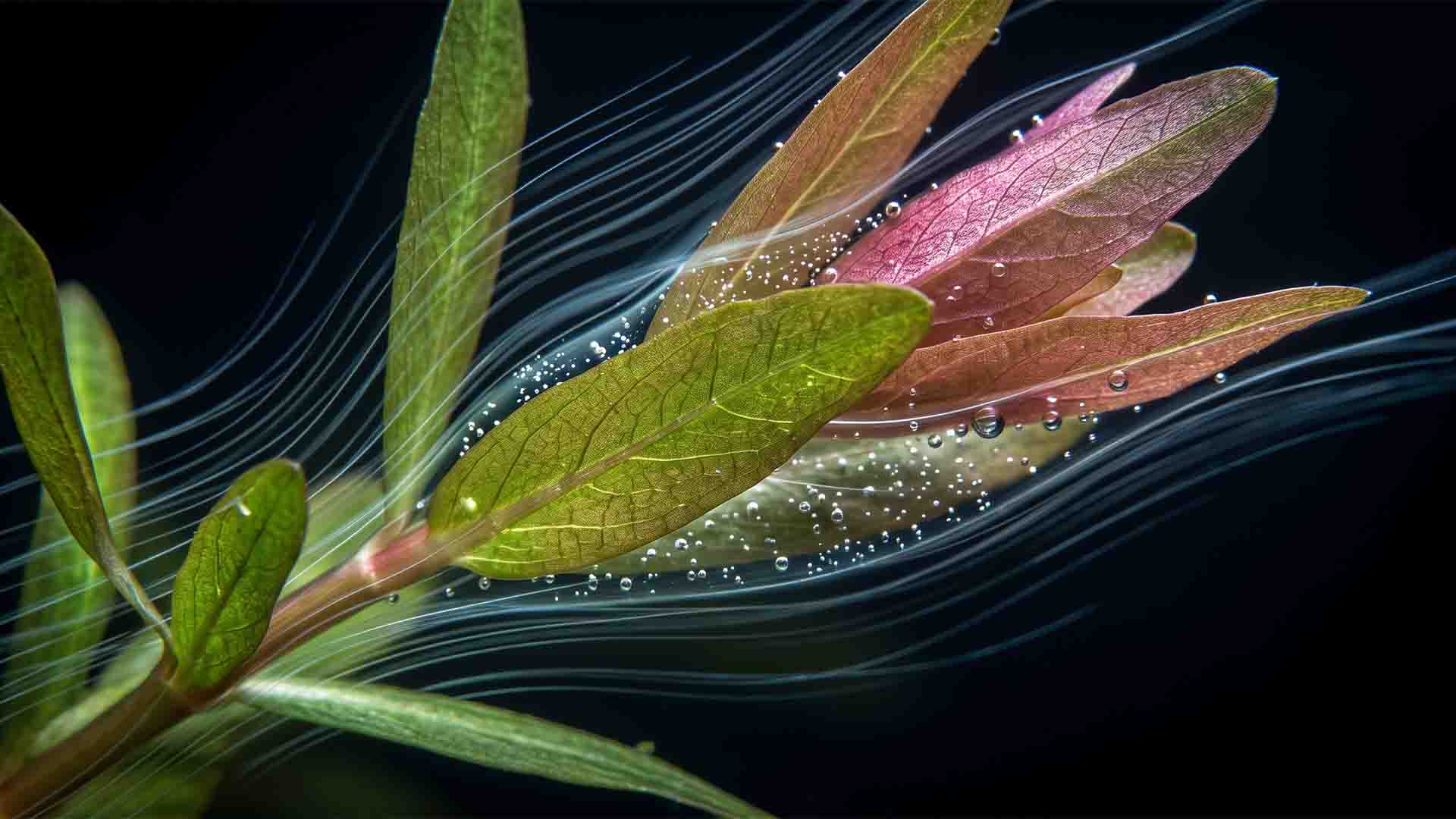
In terrestrial environments, wind constantly sweeps past leaves, replenishing carbon dioxide and oxygen instantaneously. Underwater, gas diffusion operates under vastly different physical constraints: carbon dioxide diffuses roughly 10,000 times slower in water than in air. To make matters worse, every submersed aquatic leaf is enveloped by a microscopic zone of motionless water known as the Diffusive Boundary Layer (DBL).
In stagnant aquarium zones—such as dead flow corners behind dense driftwood, underneath internal filters, or deep within tightly bunched stem plant thickets—the DBL expands significantly in thickness. Within this thick boundary layer, molecular movement relies purely on sluggish passive diffusion rather than bulk water flow. As the plant photosynthesizes, it exhausts all available dissolved CO2 and bicarbonate ions (HCO3) within its immediate boundary layer in a matter of minutes.
Without adequate laminar water movement to physically strip away this stagnant film, the plant becomes starved of inorganic carbon even if your water column is well-oxygenated. Simultaneously, metabolic waste products, organic exudates, and excess oxygen gas accumulate directly against the leaf cuticle, creating localized toxicity and suffocating the leaf in its own metabolic exhaust. Over time, foliage trapped in dead flow zones turns brown, gathers fine organic dust, and dissolves, while identical plants placed directly in gentle flow lanes grow vigorously.
Substrate Rearranging Syndrome: The Compounded Energetic Cost of Root Disturbance
Aquascaping is an artistic process, but an aquarium is a biological habitat, not a living room where furniture can be rearranged every weekend. Beginners routinely succumb to “Substrate Rearranging Syndrome”—uprooting plants every three to four days to test different layout positions, move a stem two inches to the left, or inspect the root system to see if it is growing.
Every time an aquatic plant is physically pulled from the substrate, catastrophe occurs at the microscopic level. The sub-microscopic root hairs—the specialized single-cell extensions that physically fuse with substrate particles to harvest nutrients and anchor the vascular core—are sheared off completely. The plant’s internal biological clock is instantly reset to Day Zero.
To repair this mechanical trauma, the plant must divert precious adenosine triphosphate (ATP) and stored carbohydrate reserves away from new leaf production and channel them entirely into emergency root regeneration. When this disturbance is repeated multiple times over a month, the plant’s internal energy bank account is completely drained. The plant enters an irreversible state of metabolic exhaustion, collapses from the crown upward, and melts into mush. Once an aquatic plant is placed into the substrate, it must remain undisturbed for a minimum of thirty to sixty days to establish permanent rhizosphere momentum.
Herbivore Trojan Horses: Covert Plant Eradicators
You can optimize lighting, master water chemistry, and enrich your substrate perfectly, but your planted tank will still fail if you introduce livestock genetically programmed to consume aquatic vegetation. Pet stores routinely market herbivorous and omnivorous species under generic “peaceful community fish” labels without disclosing their destructive dietary habits.
Species such as Buenos Aires Tetras (Hyphessobrycon anisitsi), Silver Dollars (Metynnis argenteus), Marbled Headstanders, and Colombian Ramshorn Snails (Marisa cornuarietis) view lush aquascapes as an all-you-can-eat salad bar. Buenos Aires Tetras will systematically shred delicate stem foliage, Anubias leaves, and soft rosette crowns overnight. Similarly, large omnivorous cichlids like Jack Dempseys and Convict Cichlids will aggressively bulldoze hardscapes and excavate substrate beds to establish breeding pits, tearing deep root systems out of the ground. Always research the specific herbivorous tendencies and adult foraging behaviors of livestock on independent databases before introducing them to a planted display.
Data-Driven Biological Timelines & Comparison Matrices
Understanding planted aquarium health requires viewing the ecosystem as a dynamic, time-delayed biological continuum rather than a static snapshot. The matrices below deconstruct how environmental stressors accumulate over 180 days and contrast typical beginner misconceptions against verified aquatic botany solutions.
Table 1: The 180-Day Planted Aquarium Evolution (Collapse vs. Stabilization Timeline)
| Timeline Window | Visual Indicator | Underlying Cellular & Biochemical Reality | Correct Long-Term Action |
|---|---|---|---|
| Days 1 – 7 (Shock & Shed Phase) | Emersed leaves turn translucent, curl at margins, or drop off. Crypts melt rapidly. | Cellular autolysis initiates; aerial waxy cuticles and stomata fail underwater; nutrients migrate to crowns. | Do NOT discard plants. Prune dissolving leaves gently; cap lighting at 6 hours; keep water parameters stable. |
| Days 8 – 21 (Rhizosphere Anchor Phase) | Tiny, narrow, vibrant green submerged leaf spikes emerge from the central crown. | Submerged morphology activates; microscopic root hairs fuse with substrate particles; early nutrient channels open. | Insert targeted clay root tabs 2 inches deep near heavy feeders; avoid liquid fertilizer overdoses; zero substrate moving. |
| Days 22 – 60 (The False Stability Gap) | Plant looks stable, but diatoms or green spot algae appear on older leaves; growth slows slightly. | Internal nursery nutrient reserves deplete; plant transitions to 100% ambient tank nutrient dependency. | Maintain steady 10–20 ppm nitrates; establish gentle laminar circulation to eliminate dead flow boundary zones. |
| Days 61 – 180 (Ecosystem Equilibrium) | Dense vegetative expansion, lush submerged canopy, zero algae on active growing tips. | Mature rhizosphere biofilm processes organic waste; plant biomass outcompetes algae for light and nutrients. | Perform routine crown thinning; replenish root tabs every 90 days; maintain consistent weekly water changes. |
Table 2: 10 Planted Tank Mistakes: Beginner Intuition vs. Biological Reality vs. Permanent Fix
| # | Mistake Name | Beginner Intuition (Why It Feels Right) | Biological Reality (Under the Hood) | The Permanent FTM Fix |
|---|---|---|---|---|
| 1 | Discarding Melting Plants | “The plant is turning brown and mushy; it must be dead and rotting.” | Emersed-to-submerged cellular autolysis. The root crown is reclaiming mobile nutrients to build underwater foliage. | Leave roots undisturbed. Prune melting outer leaves at the base and wait 14–21 days for submerged growth. |
| 2 | Burying Epiphyte Rhizomes | “All plants must have their base buried in dirt or gravel to live.” | Anoxic substrate conditions suffocate the rhizome’s aerenchyma tissue, triggering bacterial vascular necrosis. | Attach Anubias, Java Fern, and Bucephalandra to rocks or driftwood using cyanoacrylate gel or cotton thread. |
| 3 | Inert Substrate Starvation | “Gravel looks clean, and liquid fertilizers will feed all the plants.” | Inert sand has zero CEC. Heavy root feeders exhaust nursery reserves and starve of iron and potassium by Day 90. | Insert mineral-rich root tabs directly into inert sand/gravel beds every 3 months or use complete aqua soils. |
| 4 | Light Cannon Overdose | “More light equals faster growth and greener leaves.” | High PAR without pressurized CO2 creates photo-oxidative stress (ROS), bleaching chlorophyll and fueling algae. | Cap photoperiod at 6 hours daily on a digital timer. Maintain moderate PAR |
| 5 | Early Liquid Fert Overdose | “Dosing fertilizer on Day 1 will boost growth immediately.” | TDS/EC shock burns fragile, uncalloused root meristems while unconsumed minerals trigger massive algae blooms. | Hold off on liquid water-column dosing until Week 3–4 once active submerged growth tips are visibly expanding. |
| 6 | Substrate Rearranging | “I will just move this stem around until I find the best layout.” | Physical uprooting shears microscopic root hairs, draining cellular ATP reserves to rebuild anchors repeatedly. | Plant once and lock the layout. Allow a strict 30-day undisturbed window for root network development. |
| 7 | Aquarium Salt Execution | “Salt cures fish disease and will not hurt green plants.” | Hypertonic saline draws water out of plant vacuoles via osmosis, triggering catastrophic cellular plasmolysis. | Never use salt in a planted tank. Treat sick fish in a dedicated bare-bottom hospital tank with fresh water. |
| 8 | Zero-Nitrate Trap | “Nitrate is toxic waste; test kits must read exactly 0 ppm.” | Zero nitrate halts Rubisco enzyme synthesis. Plants stop photosynthesizing, decay, and leak sugars to algae. | Maintain a stable 10 to 20 ppm nitrate baseline in low-tech planted tanks to fuel continuous enzyme production. |
| 9 | Herbivorous Stocking | “All small fish and snails are safe for planted tanks.” | Species like Buenos Aires Tetras, Silver Dollars, and giant ramshorns actively defoliate live aquatic plants. | Stock plant-safe community fish: Ember Tetras, Harlequin Rasboras, Otocinclus, and Amano Shrimp. |
| 10 | Dead Zone Flow Failure | “Plants prefer stagnant, still water so they do not bend.” | The Diffusive Boundary Layer (DBL) thickens in stagnant water, blocking CO2 absorption and trapping wastes. | Ensure gentle, tank-wide laminar water circulation using lily pipes, spray bars, or low-flow sponge filters. |
What to Avoid: The Habit Loops That Kill Planted Tanks
Mastering planted aquariums is not about buying more products; it is about eliminating destructive management habits that disrupt natural biological cycles. Avoid these four high-risk operational traps:
- Avoid the “Panic Dosing” Reaction: When leaves show the slightest blemish or pinhole, beginners reflexively dump three different fertilizers into the water. Every chemical surge shocks establishing root systems. Stop chasing instant perfection; observe growth over two-week windows before adjusting single variables.
- Avoid Deep Gravel Vacuuming in Plant Beds: Shoving a gravel siphon deep into the root zone of established Amazon Swords or Crypts tears delicate root networks and strips out beneficial organic rhizosphere biofilms. Vacuum only the superficial open sand areas and let root zone organics feed your plants.
- Avoid Full-Spectrum Lighting Over 8 Hours: Leaving canopy lights running for 10 to 14 hours because “you enjoy viewing the tank” overloads plant electron transport chains without adding growth. If you want evening viewing, shift the 6-hour timer window to later in the day rather than extending the duration.
- Avoid Symmetrical Open Aquascapes: Designing a tank with completely open, bare sightlines creates massive light glare and poor hydrodynamic distribution. Cluster plants densely along background and midground zones to break flow dead zones and provide natural shelter for micro-grazers.
Do This Instead: The Systemic 5-Step Plant Recovery Protocol
If your planted aquarium is currently collapsing into transparent mush, hair algae, or yellowing leaves, executing this step-by-step biological reset will stabilize your ecosystem within fourteen to twenty-one days:
- Step 1: Execute the Triage Prune: Take sharp aquascaping scissors and cleanly snip off all completely melted, translucent, or rotting outer leaves at the base of the petiole. Removing decaying organic mass immediately lowers biological oxygen demand (BOD) and stops bacterial rotting cascades while preserving the healthy central crown.
- Step 2: Lock Daily Photoperiod to Exactly 6 Hours: Install a simple digital timer and set your light fixture to run for 6 continuous hours at moderate intensity (or implement the 3.5h ON / 2.5h OFF / 3.5h ON Siesta schedule). This instantly stops photo-oxidative cellular stress and starves opportunistic algae.
- Step 3: Establish Gentle Laminar Circulation: Position your filter output, spray bar, or circulation pump to create a gentle, rolling circular current across all plant beds. The leaves should gently sway without being blasted, stripping away the stagnant Diffusive Boundary Layer and restoring passive carbon dioxide uptake.
- Step 4: Deliver Targeted Substrate Nutrition: For all heavy root feeders (Amazon Swords, Crypts, Vallisneria), insert slow-release root tabs 2 inches into the substrate directly beside the root base. Cease all heavy liquid water-column fertilizers until new submerged leaves begin actively unfurling.
- Step 5: Enforce the 21-Day Hands-Off Rule: Stop rearranging plants, stop scrubbing filter bio-media in tap water, and stop adjusting water parameters. Perform a calm 20% weekly water change with temperature-matched, dechlorinated water and allow the biological momentum of the tank to complete its submerged transition.
Scientific Truths Behind Aquatic Plant Physiology
Aquatic plants do not operate on human intuition or retail marketing promises; their growth and survival are dictated by biophysics, enzymatic kinetics, and cellular morphology. Understanding these core biological truths transforms how you diagnose problems and eliminates the endless guesswork that causes beginners to quit.
Truth 1: Carbon diffusion in water is the ultimate metabolic bottleneck. In open air, terrestrial plants absorb carbon dioxide effortlessly because gas molecules move rapidly through the atmosphere. Underwater, carbon dioxide diffuses approximately 10,000 times slower through liquid than through air. Submersed macrophytes must constantly battle the stagnant Diffusive Boundary Layer (DBL) that wraps around their leaves. Without adequate laminar water movement to thin this microscopic layer, the plant exhausts all dissolved inorganic carbon within minutes of illumination, shutting down the Calvin cycle regardless of how many liquid fertilizers you pour into the tank. Read the study
Truth 2: Zero nitrates paralyze the primary photosynthetic engine. Decades of fish-only dogma have trained aquarists to treat nitrate as an enemy that must be driven to absolute zero. In a planted ecosystem, nitrogen is the primary component of Rubisco (ribulose-1,5-bisphosphate carboxylase-oxygenase)—the most abundant enzyme on Earth and the catalyst responsible for fixing carbon into sugars. When water tests read 0 ppm nitrate, the plant cannot synthesize Rubisco. Photosynthesis halts, electron transport chains overload, and opportunistic algae exploit the unconsumed light and trace elements. Read the study
Truth 3: Emersed leaves must undergo programmed autolysis to build aquatic cells. Terrestrial foliage produced in commercial greenhouses is anatomically incapable of submersed gas exchange due to heavy lignification and thick hydrophobic cuticles. When submerged, the plant initiates a deliberate self-cannibalization sequence called autolysis, dissolving the non-functional aerial leaves to reclaim nitrogen, phosphorus, and potassium. This nutrient migration fuels the construction of thin-walled, submerged-adapted cellular structures at the root crown. What beginners mistake for rotting death is actually the plant funding its own aquatic rebirth. Read the study
Truth 4: Sodium chloride induces irreversible cellular dehydration in freshwater plants. Adding aquarium salt to treat fish parasites creates a hypertonic external environment. Because freshwater macrophyte cells have high internal water potential, osmotic pressure forces water out of the central vacuoles through semi-permeable membranes. The resulting plasmolysis causes the plasma membrane to detach from the cell wall, collapsing structural turgor pressure and permanently damaging potassium ion transport channels. Salt treatments should always occur in dedicated bare-bottom quarantine tanks, never in planted displays. Read the study
People Also Ask (PAA)
Why are my new aquarium plants melting after one week?
Most commercially sold aquarium plants are grown emersed (above water) in high-humidity nurseries. When submerged, the plant sheds its thick, aerial leaves through cellular autolysis to redirect stored nutrients toward growing thin-walled, submerged-adapted aquatic leaves. As long as the root crown remains firm, this melt is a temporary transition phase rather than permanent death.
Can you bury Anubias and Java Fern roots in the substrate?
You can gently bury the fine adventitious feeder roots, but the thick horizontal rhizome must remain completely exposed to the open water column. Burying the rhizome deprives its internal aerenchyma tissue of oxygen, suffocating the vascular bundles and triggering rapid bacterial rhizome rot.
How many hours of light do low-tech aquarium plants need?
Low-tech planted aquariums without pressurized CO2 injection thrive best on 6 to 7 hours of consistent daily light. Running intense lighting for 10 to 12 hours causes photo-oxidative stress in plants and triggers massive outbreaks of green hair algae and cyanobacteria.
Do live aquarium plants need root tabs or liquid fertilizer?
It depends on the plant species. Heavy root feeders (like Amazon Swords, Cryptocoryne, and Vallisneria) absorb the vast majority of their nutrients through their root systems and require enriched substrate or clay root tabs. Water column feeders (like Java Fern, Anubias, Hornwort, and floating plants) absorb nutrients directly through their leaves and benefit from dilute liquid fertilizers.
Why are my Amazon Sword leaves turning transparent and yellow?
Transparent, yellowing leaves on Amazon Swords indicate severe nutrient starvation—most commonly iron chlorosis and potassium deficiency. Because Amazon Swords are heavy root feeders, planting them in plain inert sand or gravel without root tabs deprives them of essential cation nutrients once their internal nursery reserves run out.
Does aquarium salt kill live freshwater plants?
Yes. Sodium chloride creates a hypertonic solution that draws moisture out of plant cell vacuoles via osmosis, causing cellular plasmolysis and vascular collapse. Even low doses can melt sensitive species like Crypts, Vallisneria, and stem plants.
Frequently Asked Questions (FAQ)
How long does it take for melting aquarium plants to recover?
Under stable water parameters and proper lighting (6 hours daily), transitioning plants typically begin producing new submerged-adapted leaf spikes within 7 to 21 days. Full canopy recovery and root establishment usually take between 30 and 60 days. Avoid moving or fertilizing the plant during this sensitive recovery window.
Should I cut off melting aquarium plant leaves?
Yes. Pruning completely translucent or decaying leaves at the base of the petiole using sharp aquascaping scissors reduces biological oxygen demand (BOD) and prevents bacterial rotting cascades from spreading to healthy tissue. However, leave partially green leaves intact so the plant can finish reabsorbing mobile macronutrients.
Can I dose liquid fertilizer during the first week of a new planted tank?
No. Newly planted stems and transitioning root crowns have damaged, uncalloused root hairs and cannot efficiently absorb high concentrations of water-column nutrients. Dosing liquid fertilizers during the first two weeks spikes electrical conductivity (EC) and feeds opportunistic algae blooms. Delay water-column dosing until active submerged growth is visible around Week 3 or 4.
What is the easiest substrate setup for beginner planted tanks?
For beginners who want low maintenance without pressurized CO2, a nutrient-rich active aqua soil or a 1-inch layer of organic mineralized soil capped with 1.5 to 2 inches of coarse pool filter sand provides high Cation Exchange Capacity (CEC). If using plain inert gravel or sand, you must supplement heavy root feeders with quality slow-release root tabs placed 2 inches deep every 90 days.
How do I stop algae from growing on my slow-growing Anubias leaves?
Anubias naturally thrive in shaded, lower-light environments. Position them beneath floating plants, taller stem groups, or hardscape overhangs where PAR levels stay below 30 to 40 micromoles. Additionally, ensure gentle water circulation passes across the leaf surfaces to minimize the Diffusive Boundary Layer and prevent organic debris from settling.
Hub & Spoke: Fix Your Entire Planted Tank Ecosystem
Solving plant melt is only the first step in creating a thriving aquatic ecosystem. Plant health is intimately connected to lighting schedules, water chemistry stability, and biological filtration maturity. To build a balanced setup that stays algae-free and crystal clear for years, explore these foundational guides from our library:
If you are struggling to balance your photoperiod or want to calculate exact PAR requirements for low-tech setups, master our detailed breakdown on 11 Things I Wish I Knew About Planted Tank Lighting. Understanding spectrum, light penetration, and digital timers prevents the photo-oxidative stress that triggers algae blooms.
Choosing the right species for your specific water hardness and equipment level is critical. Before spending money at retail stores, check our curated ranking of the Best Beginner Aquarium Plants That Really Grow Without CO2 to select hardy, low-maintenance varieties that establish quickly.
Not every plant sold in commercial pet stores belongs in a home aquarium. Save your money and avoid catastrophic decay by reviewing our warning guide on the Top 5 Aquarium Plants You Will Regret Buying, which highlights terrestrial impostors and high-demand species marketed to beginners.
When plant growth stalls and green hair algae or black beard algae starts coating your hardscape, scrubbing the glass will never fix the underlying cause. Learn how to identify nutrient and lighting imbalances using our system guide on The Real Cause of Aquarium Algae Instability.
Establishing a brand-new planted setup requires a living biofilter that converts fish waste into plant-accessible nitrates without shocking livestock. If you are starting fresh, follow our step-by-step framework on How to Cycle a Planted Aquarium Without Fish to build permanent biological stability from day one.
For aquarists interested in zero-tech, low-maintenance setups that run without heavy mechanical filters or carbon injection, compare natural methodologies in our deep dive on the Walstad Method Aquarium: No Filter, Full Balance Guide.
If your planted tank experiences sudden bacterial hazes or persistent milky water following substrate planting, discover how microbial balance dictates water transparency in Why Your Aquarium Water Stays Cloudy & How to Fix It.
Finally, pair your thriving vegetation with biological janitors that control diatoms and surface films without damaging delicate leaves by consulting our tested rankings for the Best Freshwater Aquarium Clean-Up Crew Ranked by Real Results.
Scientific References & Literature Review
1. Diffusive Boundary Layer Constraints in Aquatic Macrophytes: Research published in Aquatic Botany demonstrates that submersed freshwater plants experience significant carbon limitation due to the physical thickness of the boundary layer in stagnant water. The study proves that gentle water velocity dramatically enhances photosynthetic rates by accelerating dissolved carbon dioxide diffusion across leaf surfaces. Read the study
2. Rubisco Allocation and Nitrogen Kinetics in Freshwater Plants: A landmark paper in Plant Ecology (Springer) examines the biochemical relationship between dissolved inorganic nitrogen availability and Rubisco enzyme synthesis. The authors show that nitrogen starvation halts carbon fixation and triggers chlorosis in older leaf tissues as mobile ions are scavenged for apical survival. Read the study
3. Cellular Morphogenesis in Amphibious Helophytes: Published in the Journal of Experimental Botany (Oxford Academic), this physiological investigation reveals the structural differences between aerial and submersed foliage. The research details how submerged conditions induce rapid cuticle degradation and internal autolysis to construct thinner, high-chlorophyll leaf structures optimized for aquatic light capture. Read the study
4. Cation Exchange Dynamics in Aquatic Rhizospheres: Research accessible through PMC / Microbial Ecology explores nutrient bioavailability and cation binding in closed substrate systems. The paper demonstrates that high-CEC substrate matrices retain essential ammonium and iron cations near root hairs, preventing water-column nutrient spikes and suppressing planktonic algal proliferation. Read the study
5. Osmotic Shock and Saline Plasmolysis in Freshwater Macrophytes: A comprehensive review in The Botanical Review (JSTOR) documents the toxicological and osmotic effects of sodium chloride on freshwater aquatic flora. The data confirms that elevated salinity collapses central cell vacuoles, inhibits potassium transport channels, and causes rapid structural necrosis in non-halophytic aquatic plants. Read the study
Watch Next: Build Your Complete Aquarium Mastery Chain
To see these biological recovery protocols demonstrated in real tanks and master the next stage of your ecosystem’s stability, extend your learning with these essential video masterclasses from the FishTank Mastery channel:
- Best Low-Tech Aquarium Plants (Ranked!): Discover the hardiest, zero-CO2 aquatic plants that naturally outcompete algae and establish thriving root networks in beginner setups. Watch the plant rankings on YouTube
- STOP Doing THIS if You Want Crystal Clear Water: Learn the exact balance between filtration flow, surface agitation, and bacterial biofilms to achieve permanent clarity without chemical clarifiers. Watch the water clarity guide on YouTube
- The Real Reason You Have Algae (Stop Doing This!): Dismantle common algae myths and discover how light schedules and nutrient stability starve nuisance algae naturally. Watch the algae stability masterclass on YouTube
- You’re Cleaning Your Filter WRONG! (Stop Killing Fish): Protect your beneficial bacteria colonies and discover how gentle filter maintenance preserves the biological engine of your tank. Watch the biofilter maintenance guide on YouTube
- 10 Cloudy Water Mistakes That Reset Your Cycle: Understand the difference between bacterial blooms, particulate haze, and true cycle crashes to avoid resetting your tank’s biology. Watch the cycle mistake breakdown on YouTube
A thriving planted aquarium is not the result of expensive gadgets, magic chemical potions, or retail luck; it is cultured through patience, gentle water circulation, and an understanding of underlying plant biology. When you eliminate the ten destructive beginner mistakes—giving transitioning leaves time to autolyze, keeping epiphytic rhizomes exposed, fueling the rhizosphere with targeted root tabs, and capping light schedules to natural biological limits—your plants will stop melting and begin building a resilient, self-sustaining underwater ecosystem that flourishes for years to come.