
Most aquarium disasters start at the retail counter with innocent-looking juveniles that grow into fish that never belong in a tank. Walk into any local pet shop on a Saturday afternoon, and you will see two-inch silver sharks, spotted catfish, and electric-colored cichlids swimming calmly in twenty-gallon display tanks with price tags under twenty dollars. At that size, every single one of them looks like a harmless community addition.
Twelve months later, that impulse buy has swallowed half your livestock, shattered a glass submersible heater, overloaded your biological filtration, or outgrown the width of your aquarium so severely that it can no longer turn around. Worse, several species still circulating in the aquarium trade carry strict federal and state wildlife bans that turn an innocent hobby purchase into a criminal liability. Below is the unfiltered biological breakdown of ten tank-busting river monsters and prohibited predators that have no business inside residential glass—paired with ten right-sized alternatives that thrive in standard thirty- to fifty-five-gallon living room setups.
Quick Answer — 10 Fish That Never Belong in a Home Tank: Avoid buying juvenile Bala Sharks, Clown Knife Fish, Giant Gouramis, Wolf Cichlids (Dovii), Tiger Shovelnose Catfish, Peacock Bass, Redtail Catfish, Snakeheads, Alligator Gar, and Arapaima. These worst aquarium fish to buy grow from two-inch juveniles into massive tank-busting predators, shatter glass heaters, crash residential biofilters, or violate federal US wildlife laws.
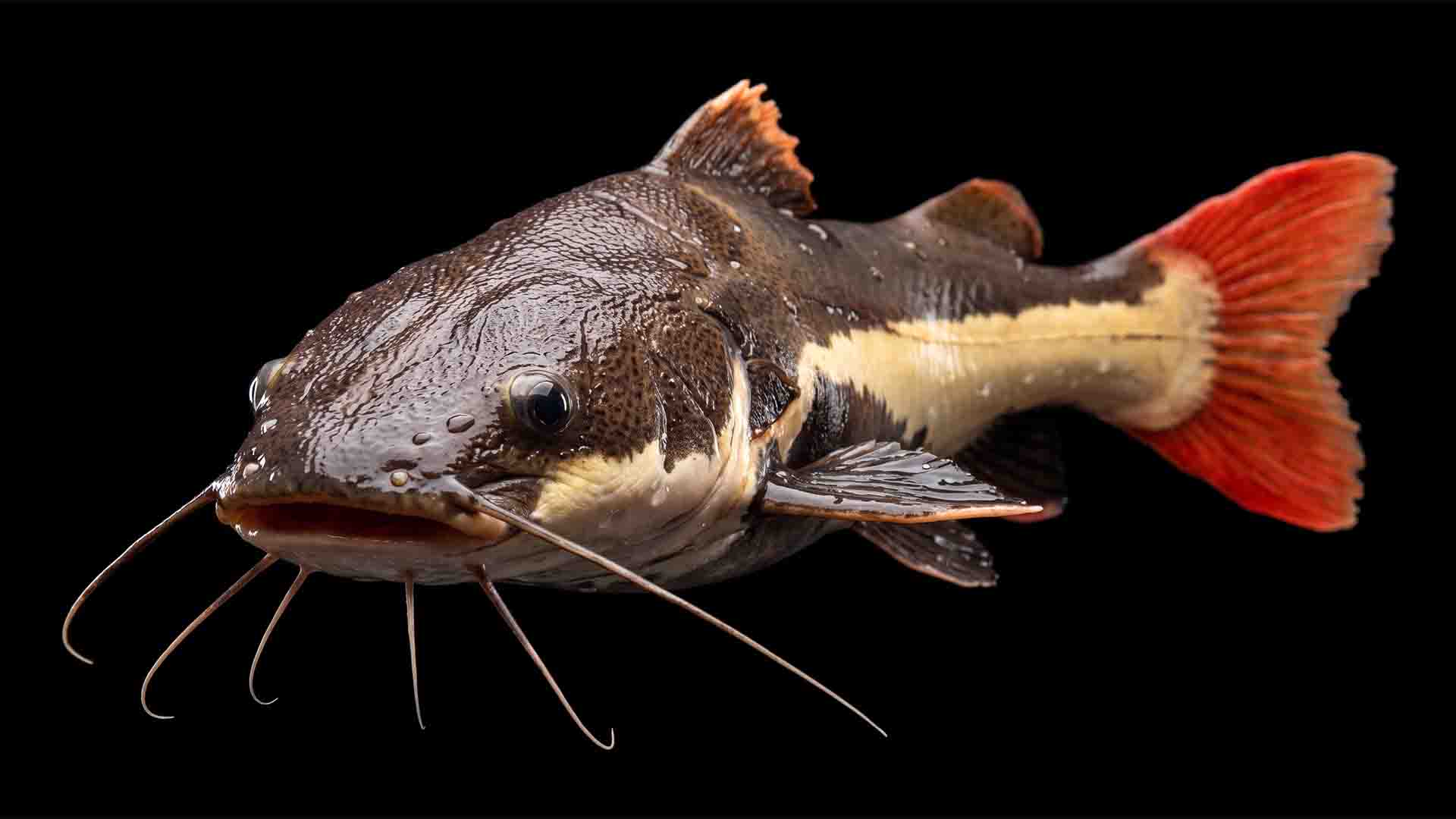
Sold at two inches for fifteen dollars, the Amazonian Redtail Catfish (Phractocephalus hemioliopterus) exceeds four feet and one hundred pounds, overwhelming residential filtration systems.
Why Pet Store Juveniles Trigger Delayed Aquarium Disasters
The fundamental flaw in retail ornamental fish sales is morphological deception. Commercial aquaculture farms across South America and Southeast Asia breed large food-fish species by the hundreds of thousands. Surplus fry enter the international aquarium supply chain for pennies per fish, arriving at retail stores long before their adult skull structure, dentition, or territorial aggression develops. Buyers evaluate the fish based on its two-inch retail footprint rather than its adult genetic blueprint, creating a predictable pattern of delayed systemic failure that characterizes the worst aquarium fish to keep in standard home tanks.
When a hobbyist tells themselves they will simply buy a larger aquarium once the fish grows, biology almost always wins the race against their budget. Many river predators add one to two inches of body length every single month during their first year of life. Upgrading from a fifty-five-gallon glass box to a custom five-hundred-gallon reinforced acrylic system—complete with commercial sump plumbing, structural floor reinforcement, and dedicated electrical circuits—costs thousands of dollars. Public aquariums and rescue facilities are already saturated with surrendered river monsters and cannot absorb private mistakes.
The Bioload and Nitrification Math Behind Massive Predators
Fish growth does not scale linearly; it follows cubic mass expansion. When a juvenile predator doubles in length from three inches to six inches, its body volume and metabolic mass increase roughly eightfold. By the time a catfish or cichlid stretches from three inches to thirty-six inches, its tissue mass has multiplied more than a thousand times over.
Large piscivorous and omnivorous river species require dense protein rations—whole fish, crustacean flesh, and high-protein sinking pellets—to fuel rapid skeletal growth. During protein catabolism, fish deaminate excess amino acids and excrete toxic total ammonia nitrogen directly across their gill lamellae into the surrounding water column. Even if you understand how a properly cycled biofilter processes ammonia spikes, residential hang-on-back units and standard canister filters simply lack the physical media volume and dissolved oxygen throughput required to oxidize the waste output of a fifty-pound carnivore. The result is chronic ammonia burn, depleted carbonate hardness, crashing pH levels, and persistent nitrate toxicity that degrades immune function across the entire system.
Hydrostatic Shock, Turning Radius, and Glass Panel Fatigue
Standard living room aquariums—ranging from forty-gallon breeders to one-hundred-twenty-five-gallon long tanks—measure between twelve and eighteen inches from front glass to back glass. Once an adult fish exceeds twenty-four inches in total length, basic locomotion becomes physically impossible without bending its spine against the viewing panes.
Confined river giants suffer from chronic spatial stress, making them hypersensitive to external shadows, footsteps, or sudden room lighting changes. When a three-foot benthic catfish or armored gar triggers an escape reflex inside glass walls, its broad caudal peduncle acts like a hydraulic piston. A single tail strike displaces gallons of water instantaneously, generating localized lateral pressure waves against annealed float glass and aged silicone seams. Over time, repeated startle impacts cause seam delamination, cracked side panels, and catastrophic living room floods.
10 River Monsters and Illegal Fish That Never Belong in a Tank
To prevent livestock loss, structural glass failure, and legal penalties, examine the adult biology of these ten notorious aquarium traps before spending a single dollar at the fish store.
10. Bala Shark (Balantiocheilos melanopterus) vs. Roseline Shark (Sahyadria denisonii)
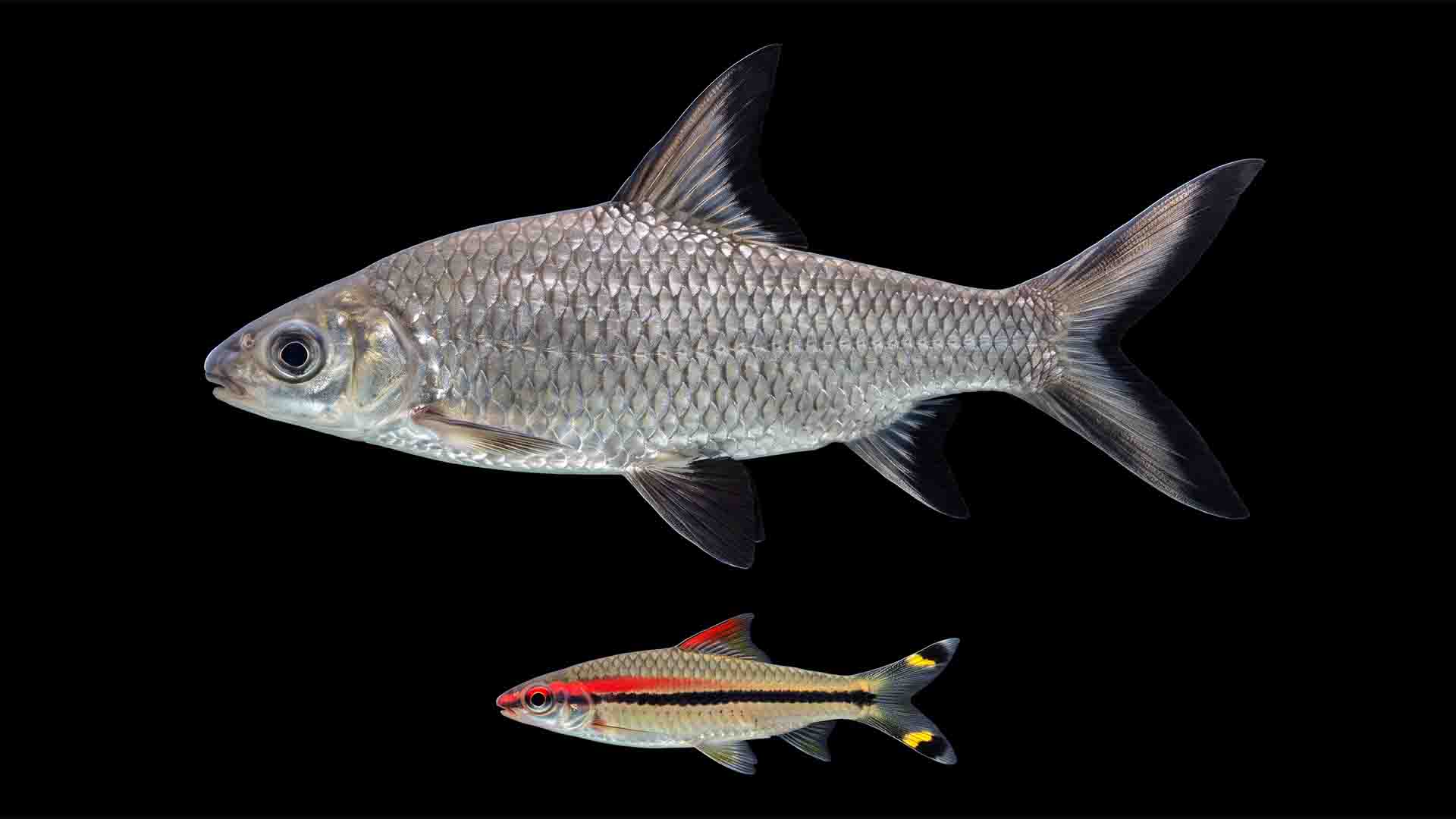
A schooling group of six fourteen-inch Bala Sharks requires at least one hundred eighty gallons of horizontal swimming space, whereas five-inch Roseline Sharks thrive in a standard fifty-five-gallon setup.
Stocked directly beside peaceful Neon Tetras and Platies, the juvenile Bala Shark traps thousands of beginners every year. Despite the misleading trade name, Balantiocheilos melanopterus is not a true shark; it is a fast-moving, open-water Southeast Asian cyprinid minnow engineered for continuous high-speed cruising in large river channels. Under proper water quality, healthy specimens reach fourteen inches in length within two to three years.
Size is only half the problem. Bala Sharks are obligate shoaling fish that experience severe psychological stress when kept singly or in pairs. To suppress panic responses, they must be maintained in a cohesive group of at least six individuals. Housing six fourteen-inch, torpedo-bodied swimmers demands a minimum of one hundred eighty gallons—and ideally an eight-foot-long footprint—with high dissolved oxygen and unobstructed horizontal swimming lanes. When cramped inside a standard fifty-five-gallon tank, anxious Bala Sharks bolt violently at the slightest movement outside the glass, smashing their snouts into canopies, breaking glass lids, and developing permanent cranial deformities.
- The Right-Sized Swap: Choose the Roseline Shark (Denison Barb, Sahyadria denisonii). Staying near five inches as an adult, this native Indian stream cyprinid delivers the exact same streamlined torpedo silhouette, metallic silver flanks, and bold black-and-yellow caudal markings, accented by a vivid crimson stripe running through the eye. A school of six to eight Roseline Sharks glides effortlessly through a well-oxygenated, planted fifty-five-gallon tank without ever threatening your glass lids.
9. Clown Knife Fish (Chitala ornata) vs. Upside-Down Catfish (Synodontis nigriventris)
Sold as a delicate three-inch sliver with iridescent silver ocelli spots along its undulating anal fin, the Clown Knife Fish looks like an exotic centerpiece suited for a medium community setup. In reality, Chitala ornata grows past thirty-six inches in length and develops a thick, muscular body built for nocturnal ambush predation.
During daylight hours, a Clown Knife Fish hides behind driftwood or hovers motionless in a dark corner, giving keepers a false impression of docility. Once room lights turn off, however, its specialized electroreceptive sensory pores lock onto sleeping tankmates. Anything small enough to fit inside its deeply cleft, expandable mouth—including full-grown Angelfish, Gouramis, and smaller cichlids—disappears before morning. Worse, adult Clown Knife Fish exhibit violent upward startle reflexes when startled by sudden vibrations or room lights flipping on at night, launching their three-foot frames into heavy glass lids with enough force to shatter canopies or fracture their own spines.
- The Right-Sized Swap: Pick the Upside-Down Catfish (Synodontis nigriventris). Reaching a maximum adult length of just four inches, this West African mochokid catfish brings genuine nocturnal fascination without predatory risk. Equipped with a counter-shaded belly designed for surface and underside grazing, it cruises inverted beneath driftwood arches and broad-leaved Anubias throughout the evening while remaining completely peaceful in a forty-gallon breeder aquarium.
8. Giant Gourami (Osphronemus goramy) vs. Pearl Gourami (Trichopodus leerii)
Sitting inside retail dividers alongside two-inch Dwarf Gouramis and Honey Gouramis, the juvenile Giant Gourami shares the exact same elongated pelvic feelers and inquisitive facial profile. Hobbyists assume it will grow slightly larger than a standard Three-Spot Gourami. Instead, Osphronemus goramy expands to twenty-eight inches in length with a towering, deep-bodied torso roughly the size of a checked suitcase.
Possessing a vascularized labyrinth organ that enables direct atmospheric air breathing, the Giant Gourami thrives even in warm, oxygen-poor waters and consumes massive quantities of aquatic plants, vegetables, and protein pellets. A single adult carries the metabolic waste burden of an entire community aquarium, pumping continuous streams of ammonia and solid waste into the water column. Maintaining safe nitrate levels requires at least three hundred gallons of water volume, oversized sump filtration, and disciplined weekly water changes. Furthermore, mature males develop a prominent nuchal hump and aggressive territorial dominance that shreds tankmates and uproots every piece of hardscape.
- The Right-Sized Swap: Choose the Pearl Gourami (Trichopodus leerii). Topping out at four and a half inches, the Pearl Gourami retains all the intelligent owner recognition, trailing tactile ventral fins, and surface-breathing behavior of its giant cousin in a calm, manageable package. Covered in shimmering mother-of-pearl spots with a rich burnt-orange throat on mature males, it serves as a peaceful, long-lived centerpiece for a forty-gallon planted aquarium.
7. Wolf Cichlid or Dovii (Parachromis dovii) vs. Electric Blue Acara (Andinoacara pulcher)
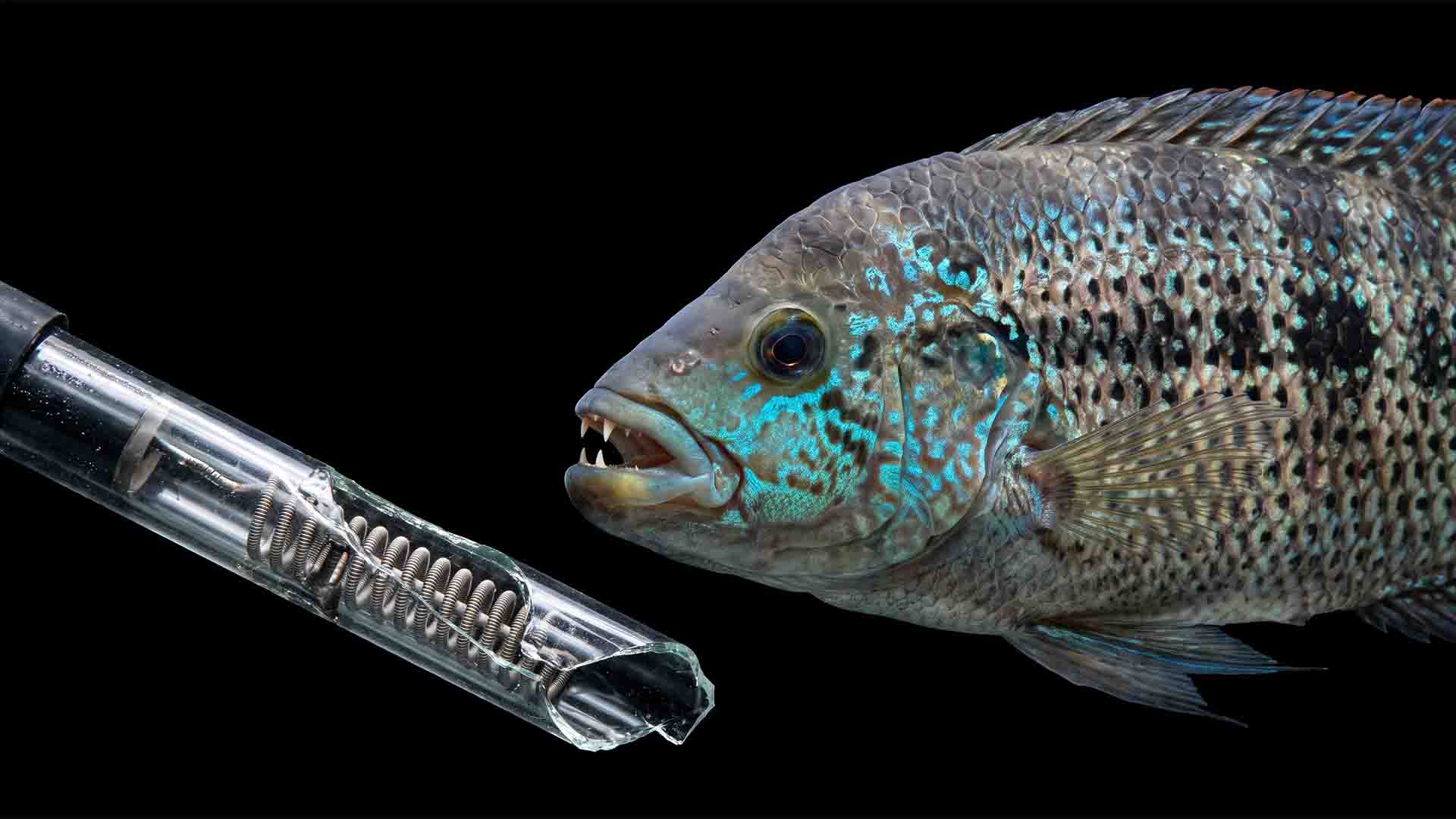
Reaching twenty-eight inches of pure muscle and canine teeth, Central America’s Wolf Cichlid (Parachromis dovii) routinely shatters glass heaters and rips filter intakes loose.
Sold as unassuming two-inch gray fry in specialty cichlid tanks, Parachromis dovii—widely known as the Wolf Cichlid or Dovii—is Central America’s undisputed apex freshwater predator. Adult males reach twenty-eight inches of dense muscle, reinforced jawbones, and prominent interlocking canine teeth engineered to seize and tear large prey.
Confining an adult Wolf Cichlid inside a home aquarium is functionally identical to locking a demolition crew inside a glass greenhouse. Driven by extreme hyper-territorial aggression, mature males attack anything that moves outside the glass, ramming viewing panels with audible thuds. Inside the tank, they routinely bite through glass submersible heaters—exposing live electrical elements to the water column—rip plastic filter intake strainers off bulkheads, smash thermometers, and kill every tankmate within minutes, including established breeding females. Even in custom multi-hundred-gallon enclosures, a single Dovii requires titanium-guarded equipment and solitary confinement.
- The Right-Sized Swap: Get an Electric Blue Acara (Andinoacara pulcher). Growing to a manageable six inches, this selectively bred South American cichlid delivers unmistakable cichlid personality, bold exploratory behavior, and intense metallic cobalt-blue coloration without destructive aggression. Unlike the Dovii, an Electric Blue Acara leaves live aquatic plants rooted, ignores heaters and filter plumbing, and coexists peacefully with medium tetras and Corydoras in a forty- to fifty-five-gallon living room setup.
6. Tiger Shovelnose Catfish (Pseudoplatystoma fasciatum) vs. Pictus Catfish (Pimelodus pictus)
With crisp tiger-like vertical stripes, a flattened duck-bill snout, and dramatic sensory barbels, the three-inch Tiger Shovelnose Catfish looks like a sleek, manageable bottom dweller in a retail display tank. In the river basins of South America, however, Pseudoplatystoma fasciatum is a relentless nocturnal ambush predator that routinely crosses forty-eight inches in length.
Juvenile Tiger Shovelnose Catfish exhibit explosive growth rates during their first eighteen months, easily outgrowing the eighteen-inch front-to-back width of a standard seventy-five- or one-hundred-twenty-five-gallon aquarium. Once the fish exceeds the width of its enclosure, it cannot turn around without folding its spine against the glass, leading to permanent skeletal curvature and open snout abrasions. Just as dangerous is its cavernous, expandable gape: a Tiger Shovelnose Catfish can swallow tankmates up to half its own body length in complete darkness, emptying an entire community or cichlid setup overnight. Like other giant benthic catfish, sudden nighttime startle responses send it rocketing across the tank, smashing heaters and glass lids.
- The Right-Sized Swap: Choose the Pictus Catfish (Pimelodus pictus). Staying near five inches as an adult, this active South American pimelodid delivers bold dark spotting, metallic silver flanks, and long sweeping barbels without predatory hazard to medium-sized community fish. Kept in a small group of three to five individuals inside a fifty-five-gallon aquarium with sand substrate and driftwood caves, Pictus Catfish patrol the bottom actively throughout the day.
5. Peacock Bass (Cichla ocellaris) vs. Keyhole Cichlid (Cleithracara maronii)
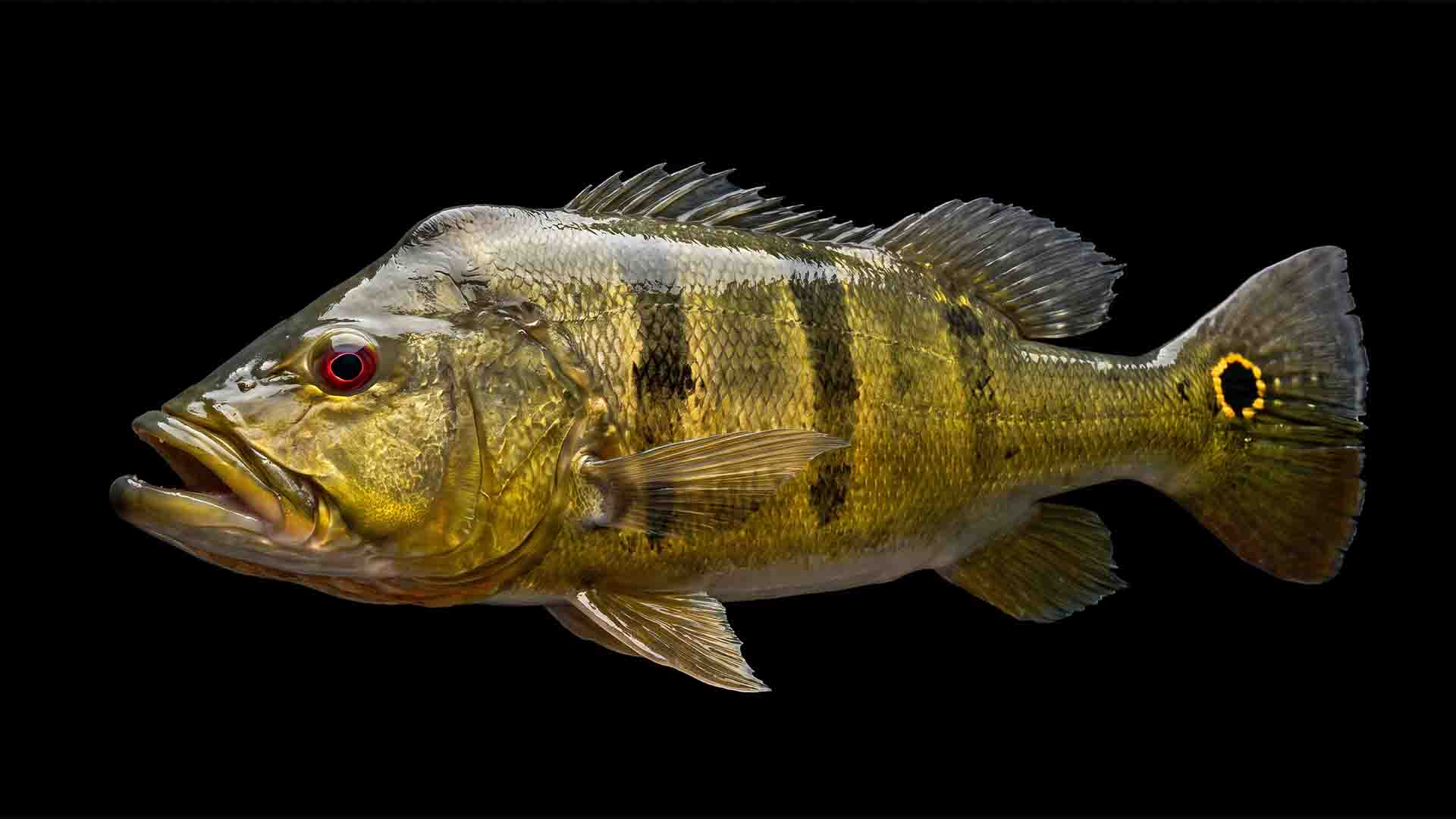
Contrary to viral seventy-gallon search myths, an adult Peacock Bass (Cichla ocellaris) exceeds three feet and twenty-five pounds, demanding hundreds of gallons for explosive strikes.
Peacock Bass are among the most common victims of bad online aquarium advice. If you search for Peacock Bass minimum tank size, automated search summaries frequently claim that a seventy-gallon aquarium can house an adult specimen. That recommendation is biologically absurd. Native to the Amazon and Orinoco basins, Cichla ocellaris and related Peacock Bass species grow past thirty-six inches in length and exceed twenty-five pounds of dense, fast-twitch muscle.
Bred globally as a premier freshwater sport fish, the Peacock Bass is engineered for high-velocity pursuit strikes across open water. Confining a three-foot predator inside a four-foot-long seventy-gallon glass box leaves zero room for acceleration, forcing the fish to slam its jaw into glass panes during feeding responses. Beyond spatial failure, their heavy live-fish and high-protein diet generates severe nitrate accumulation and dissolved organic waste that rapidly overwhelms standard residential filtration.
- The Right-Sized Swap: Choose the Keyhole Cichlid (Cleithracara maronii). Topping out at a compact four inches, this South American cichlid brings warm golden-tan coloration, dark vertical markings, and observant cichlid intelligence without aggression or massive tank demands. A pair or small group thrives peacefully inside a planted forty- or fifty-five-gallon community tank alongside tetras and dwarf catfish.
4. Redtail Catfish (Phractocephalus hemioliopterus) vs. Synodontis Petricola
Few species expose the disconnect between retail pricing and adult biological reality more starkly than the Amazonian Redtail Catfish. Sold at two inches for around fifteen dollars, juveniles tempt buyers with contrasting jet-black and creamy-white flanks accented by a bright crimson-orange tail fin. Within two to three years, Phractocephalus hemioliopterus grows past four feet in length and exceeds one hundred pounds.
Attempting to maintain an adult Redtail Catfish on standard residential aquarium filtration is like hooking an industrial fire hydrant up to a bathroom sink drain. Its massive digestive tract processes enormous rations of fish, shrimp, and pellets, excreting heavy solid waste and concentrated ammonia plumes that saturate mechanical sponges and exhaust biological media within days. Worse, their wide, bony skulls and indiscriminate feeding reflexes cause them to swallow aquarium heaters, intake strainers, and decorative rocks, resulting in fatal intestinal blockages or shattered glass equipment.
- The Right-Sized Swap: Get Synodontis petricola. Native to the rocky shorelines of Lake Tanganyika, this armored dwarf catfish reaches just four inches at full maturity. Featuring crisp leopard-like spotting, white-edged fins, and active daytime foraging behavior, a group of four to six Synodontis petricola keeps substrate surfaces clean in a fifty-five-gallon aquarium without stressing your biofilter or threatening tankmates.
3. Snakeheads (Channa spp.) vs. Peacock Gudgeon (Tateurndina ocellicauda)
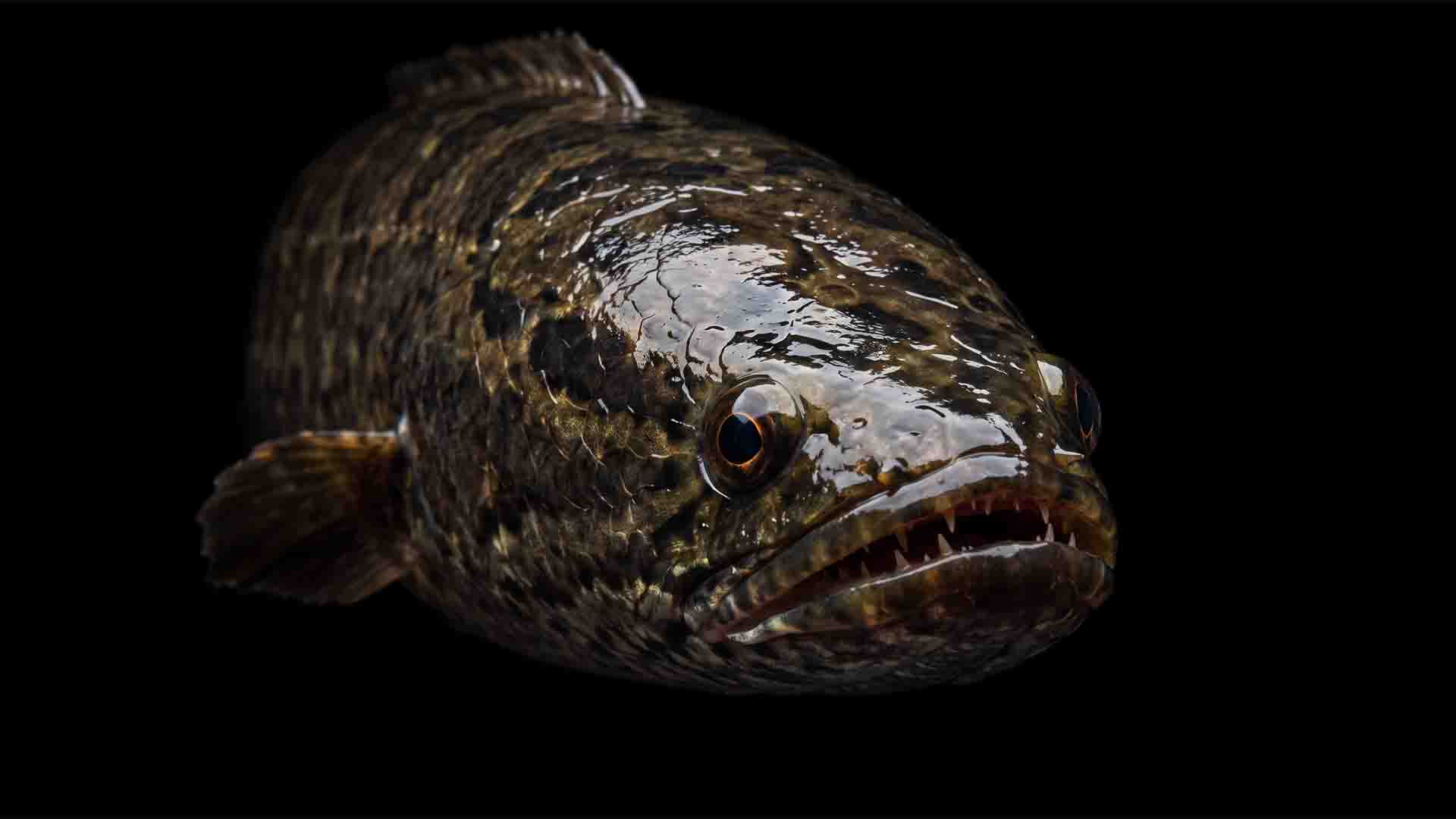
Equipped with a suprabranchial air-breathing organ that allows overland travel between waterways, Snakeheads (Channa spp.) are strictly illegal across the United States.
With Snakeheads, the barrier to home ownership moves beyond tank size and glass breakage directly into federal criminal law. Importing, possessing, or transporting live Snakeheads across state lines is strictly prohibited across the United States under federal injurious wildlife regulations, and the genus faces severe biosecurity bans across multiple European jurisdictions. Before purchasing any exotic predator online or through private importers, always verify the full schedule of illegal aquarium fish banned across the United States to avoid steep fines and wildlife confiscation.
Biologically, Snakeheads are built to survive environmental conditions that kill native freshwater fish. Equipped with a specialized suprabranchial organ behind the gills, species such as the Northern Snakehead (Channa argus) and Giant Snakehead (Channa micropeltes) breathe atmospheric air directly. When oxygen levels plummet or shallow ponds dry up, Snakeheads use their muscular cylindrical bodies and pectoral fins to wriggle across damp ground into neighboring rivers and lakes. Once established, these voracious apex predators decimate native bass, perch, amphibians, and crustaceans while surviving freezing winter temperatures.
- The Right-Sized Swap: Choose the Peacock Gudgeon (Tateurndina ocellicauda). Native to Papua New Guinea, this peaceful sleeper goby delivers electric blue sheen, vibrant crimson-orange spotting, and striking yellow fin margins in a compact, completely legal package under five inches. A small group thrives in a heavily planted thirty-gallon aquarium with zero permits and zero ecological risk.
2. Alligator Gar (Atractosteus spatula) vs. African Butterflyfish (Pantodon buchholzi)
Sold occasionally through specialty exotic dealers as a slender, four-inch pencil-thin juvenile, the Alligator Gar is a true living fossil whose lineage stretches back over one hundred million years. In North American river systems, Atractosteus spatula grows up to eight feet long and exceeds three hundred pounds, encased in interlocking diamond-shaped ganoid scales hard enough to deflect spear points.
Possessing a broad crocodilian snout armed with a dual row of needle-sharp conical teeth, the Alligator Gar is banned or tightly restricted in numerous states due to predation risks and illegal release concerns. Inside a residential glass aquarium, its greatest threat is raw kinetic energy. Using a vascularized swim bladder to gulp air at the water surface, an Alligator Gar generates immense lateral torque from its muscular tail during feeding strikes or startle responses. A single violent thrash inside living room glass creates enough localized pressure to fracture side panels and dump hundreds of gallons of water onto your floor.
- The Right-Sized Swap: Choose the African Butterflyfish (Pantodon buchholzi). Reaching just four inches in length, this ancient osteoglossiform surface predator gives you genuine prehistoric anatomy—complete with wing-like pectoral fins, trailing pelvic rays, and an upturned ambush mouth—inside a covered forty-gallon breeder tank. It hovers calmly just beneath floating plants without risking your glass panels.
1. Arapaima (Arapaima gigas) vs. Congo Tetra (Phenacogrammus interruptus)
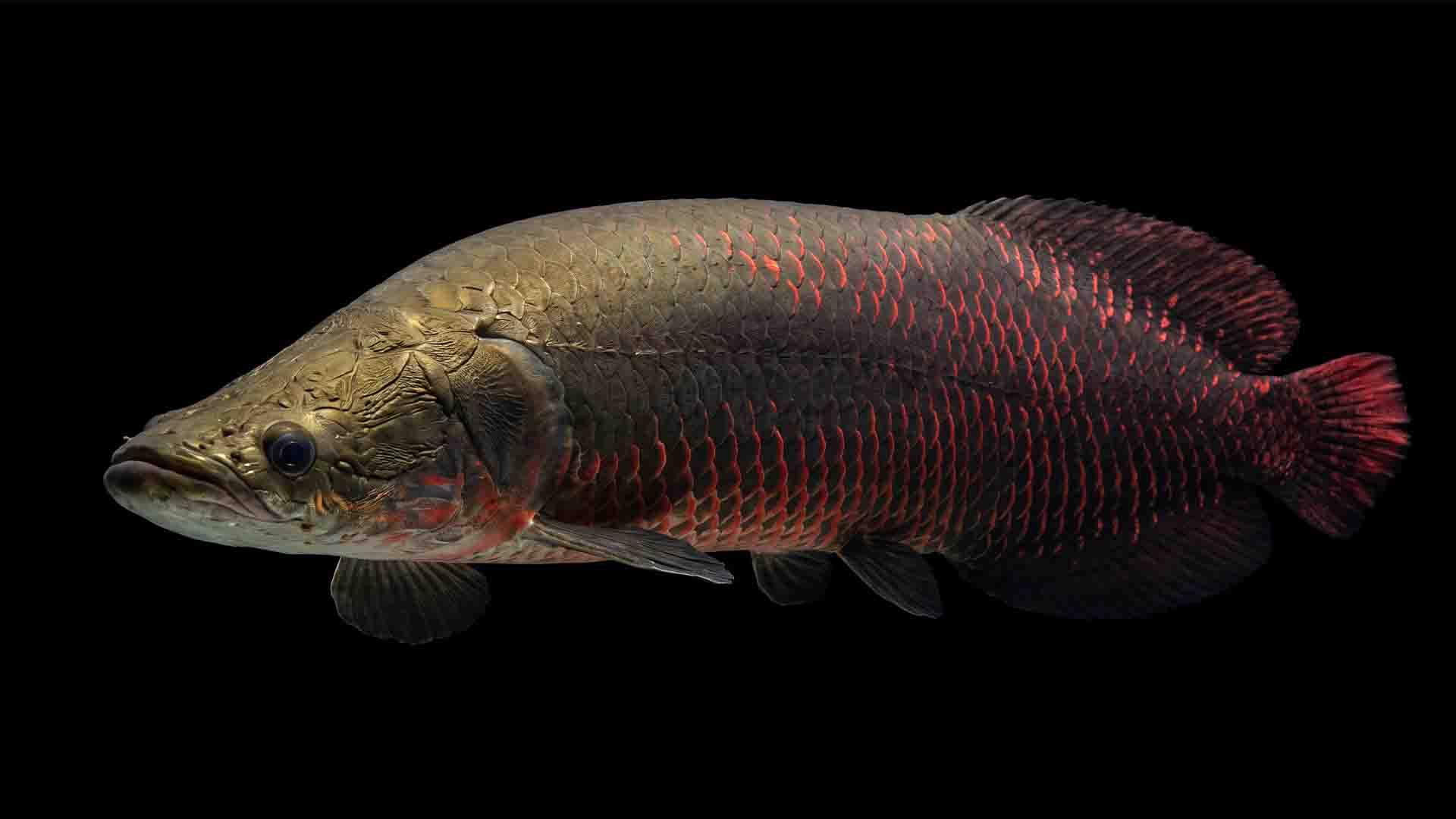
Growing to ten feet and four hundred pounds, the obligate air-breathing Arapaima (Arapaima gigas) generates enough hydraulic surge force to blow out residential aquarium seams.
At the top of the freshwater river monster hierarchy sits Arapaima gigas, one of the largest scaled freshwater fish on Earth. Imported into the exotic aquarium trade as a slender five-inch juvenile, the Arapaima grows at an astonishing pace, reaching ten feet in length and four hundred pounds at maturity. Attempting to house an Arapaima inside a residential glass aquarium is structurally equivalent to parking a full-sized river barge inside a studio apartment.
Unlike standard gill-breathing aquarium fish, the Arapaima is an obligate air breather whose modified, lung-like swim bladder supplies up to ninety percent of its oxygen intake. Every ten to fifteen minutes, the fish must surge upward to gulp atmospheric air at the surface. When a multi-hundred-pound fish launches upward inside an enclosed glass box, it displaces massive volumes of water in fractions of a second, generating hydraulic shockwaves capable of blowing out silicone aquarium seams and shattering heavy glass bracing. Only multi-thousand-gallon public exhibits and reinforced concrete ponds can safely contain this Amazonian titan.
- The Right-Sized Swap: Choose the Congo Tetra (Phenacogrammus interruptus). Growing to a graceful three and a half inches, a school of eight to ten Congo Tetras delivers broad, reflective scales that shimmer in iridescent hues of gold, emerald, and violet under living room LED lighting. They bring dynamic open-water movement to a fifty-five-gallon planted aquarium with zero structural danger.
Master Comparison Matrix: Adult Size, Structural Risk, and 30–55 Gallon Swaps
Use this reference table at the pet store counter to compare retail juvenile sizes against adult biological realities and verify safe community replacements.
| Monster Species | Retail Store Size | Adult Size and Weight | Primary Biological or Legal Risk | Safe 30–55 Gallon Swap |
|---|---|---|---|---|
| 10. Bala Shark (Balantiocheilos melanopterus) | 2 to 3 inches | 14 inches (School of 6: 180+ gal) | Panic bolting, glass lid collisions, severe spatial stress in small tanks | Roseline Shark (Sahyadria denisonii) — 5 in, 55 gal |
| 9. Clown Knife Fish (Chitala ornata) | 3 to 4 inches | 36+ inches (10 to 15+ lbs) | Nocturnal predation on tankmates, violent upward lid-smashing jumps | Upside-Down Catfish (Synodontis nigriventris) — 4 in, 40 gal |
| 8. Giant Gourami (Osphronemus goramy) | 2 to 3 inches | 28 inches (20+ lbs) | Extreme metabolic bioload, 300+ gal requirement, territorial aggression | Pearl Gourami (Trichopodus leerii) — 4.5 in, 40 gal |
| 7. Wolf Cichlid (Dovii) (Parachromis dovii) | 2 inches | 28 inches (15+ lbs) | Shatters glass heaters, destroys filter plumbing, kills all tankmates | Electric Blue Acara (Andinoacara pulcher) — 6 in, 40–55 gal |
| 6. Tiger Shovelnose Catfish (Pseudoplatystoma fasciatum) | 3 inches | 48+ inches (40+ lbs) | Outgrows standard tank widths, swallows fish half its length overnight | Pictus Catfish (Pimelodus pictus) — 5 in, 55 gal |
| 5. Peacock Bass (Cichla ocellaris) | 2 to 3 inches | 36+ inches (25+ lbs) | Debunked 70-gal search myth; explosive strikes require 300+ gallons | Keyhole Cichlid (Cleithracara maronii) — 4 in, 40 gal |
| 4. Redtail Catfish (Phractocephalus hemioliopterus) | 2 inches | 48+ inches (100+ lbs) | Overwhelms residential biofilters, swallows heaters and intake tubes | Synodontis Petricola (Synodontis petricola) — 4 in, 55 gal |
| 3. Snakeheads (Channa spp.) | 3 to 4 inches | 30 to 48+ inches (15 to 40+ lbs) | Federal US Lacey Act felony ban, air-breathing overland invasive spread | Peacock Gudgeon (Tateurndina ocellicauda) — under 5 in, 30 gal |
| 2. Alligator Gar (Atractosteus spatula) | 4 inches | 96 inches (8 ft) (300+ lbs) | State wildlife bans, lateral tail torque cracks residential glass panels | African Butterflyfish (Pantodon buchholzi) — 4 in, 40 gal |
| 1. Arapaima (Arapaima gigas) | 5 inches | 120 inches (10 ft) (400 lbs) | Obligate surface-gulping hydraulic surges blow out aquarium seams | Congo Tetra (Phenacogrammus interruptus) — 3.5 in, 55 gal |
What to Avoid vs. Do This Instead: Ethical Stocking Protocol
Preventing livestock loss and structural tank damage requires replacing retail impulse decisions with measurable engineering rules.
What to Avoid at the Retail Counter
- Buying Unidentified Juvenile Predators on Impulse: Never purchase a juvenile catfish, cichlid, or characin labeled simply as “assorted monster” or “exotic shark” without confirming its exact Latin binomial name and adult length.
- The “Future Tank Upgrade” Fallacy: Avoid buying a river monster under the assumption that you will build a five-hundred-gallon pond or custom acrylic tank next year. Fast-growing predators outpace household renovation budgets within months, and public aquariums rarely accept donated pet store giants.
- Trusting Generic Tank-Size Snippets: Ignore surface-level online charts claiming seventy-five or one hundred gallons can house adult Peacock Bass, Clown Knife Fish, or Redtail Catfish. Those figures reflect juvenile holding tanks, not lifelong biological habitats.
- Releasing Overgrown Fish Into Local Waterways: Never dump an unwanted giant or restricted fish into a neighborhood pond, canal, or river. Releasing non-native aquarium species is a serious environmental offense that introduces parasites and destroys native ecosystems.
Do This Instead: The Adult-Size-First Stocking Rule
- Apply the 6x Length and 1.5x Width Engineering Formula: Before purchasing any fish, confirm that your aquarium’s horizontal length is at least six times the species’ maximum adult length, and its front-to-back width is at least one and a half times that adult length so the fish can turn freely without spinal strain.
- Match Metabolic Bioload to Filter Media Volume: Size your biological filtration for the adult waste output of your livestock, prioritizing peaceful community species under six inches whose protein intake aligns with standard weekly twenty-five percent water changes.
- Verify Federal and State Wildlife Schedules First: Cross-check any predatory or air-breathing species against your state wildlife agency’s restricted species list before placing an order.
- Choose Functional Morphological Equivalents: Replicate the visual drama of river monsters—such as silver shark silhouettes, nocturnal catfish behavior, or electric blue cichlid coloration—using right-sized species bred to thrive in thirty- to fifty-five-gallon living room ecosystems.
Scientific Truths: Biological Data and Federal Wildlife Regulations
The warnings surrounding river monsters and invasive predators are not rooted in hobbyist exaggeration; they are documented across peer-reviewed ichthyological databases and federal biosecurity statutes. Retail labels frequently obscure adult growth curves, respiratory adaptations, and statutory prohibitions that govern these species.
- Obligate Air Breathing and Surge Kinetics: According to taxonomic records compiled on FishBase for Arapaima gigas, mature specimens reach lengths exceeding four hundred fifty centimeters (over fourteen feet) and weights up to two hundred kilograms (four hundred forty pounds). Because its modified swim bladder functions as a vascularized lung, the fish must ascend to gulp atmospheric air every ten to fifteen minutes, generating violent vertical water displacement that standard residential silicone seams cannot withstand.
- Benthic Catfish Growth and Omnivorous Consumption: Data documented on FishBase for Phractocephalus hemioliopterus confirms that the Redtail Catfish reaches up to one hundred eighty centimeters (nearly six feet) in South American river basins, consuming fish, crustaceans, and benthic organic matter in quantities that rapidly exhaust closed-loop residential biofilters.
- Suprabranchial Respiration and Overland Dispersal: The USGS Nonindigenous Aquatic Species database for Channa argus documents how the Northern Snakehead utilizes a specialized suprabranchial chamber above the gills to extract oxygen directly from air, allowing individuals to survive out of water for days in moist environments and migrate overland between isolated watersheds.
- Federal Injurious Wildlife Enforcement: Under the federal U.S. Fish and Wildlife Service Lacey Act framework, importing, transporting, or acquiring prohibited injurious species—including live Snakeheads (family Channidae)—across state lines carries severe federal fines, wildlife confiscation, and criminal prosecution.
- Peacock Bass Adult Dimensions vs. Search Myths: Taxonomic growth records on FishBase for Cichla ocellaris confirm adult lengths exceeding seventy-four centimeters (nearly three feet) in the wild, disproving misleading online charts that recommend seventy-gallon tanks for lifelong housing.
Ethical fishkeeping begins with matching adult biological mass and territorial behavior to the physical limits of your glass—never assuming a juvenile predator will pause its genetic growth curve to fit a living room aquarium.
Frequently Asked Questions About Monster and Illegal Aquarium Fish
What fish should never be kept in a home aquarium?
Fish that never belong in a home aquarium include river giants that exceed two feet at maturity, obligate air-breathing titans, hyper-aggressive equipment destroyers, and federally banned invasive species. The ten worst offenders sold as small juveniles are the Bala Shark, Clown Knife Fish, Giant Gourami, Wolf Cichlid (Dovii), Tiger Shovelnose Catfish, Peacock Bass, Redtail Catfish, Snakeheads, Alligator Gar, and Arapaima.
While pet stores routinely market these species at two to five inches long, every single one outgrows standard residential tank dimensions, overwhelms home nitrification capacity, or violates state and federal wildlife regulations. Hobbyists seeking dramatic silhouettes or predatory personality should select right-sized morphological equivalents under six inches that thrive in thirty- to fifty-five-gallon setups.
Can a Peacock Bass live in a 75-gallon tank for life?
No, a Peacock Bass cannot live in a seventy-five-gallon tank for life. Although misleading online search summaries frequently cite seventy gallons as a minimum requirement, adult Peacock Bass (Cichla ocellaris and related species) grow over three feet long and weigh more than twenty-five pounds, requiring at least three hundred to five hundred gallons of swimming space.
A standard seventy-five-gallon aquarium measures only forty-eight inches long and eighteen inches wide. Within twelve to eighteen months, a fast-growing Peacock Bass becomes nearly as long as the tank is wide, preventing normal turning movement and causing severe snout injuries during high-speed feeding strikes. For warm golden coloration and observant cichlid character in a standard tank, choose the four-inch Keyhole Cichlid instead.
Why are Snakeheads illegal to own in the United States?
Snakeheads (Channa spp.) are illegal to import, transport, or possess across the United States because they are aggressive apex predators capable of breathing atmospheric air and crawling across damp land between waterways. Once released into local lakes or rivers, they survive freezing winter temperatures, outcompete native game fish, and decimate local aquatic ecosystems.
Following destructive invasive establishments in states such as Maryland, Virginia, and Florida, federal authorities added the entire Snakehead family to the injurious wildlife list under the Lacey Act, backed by strict state-level possession bans. Keepers who want vibrant blue and orange patterning in a legal planted setup should choose the peaceful, five-inch Peacock Gudgeon.
What fish can actually break or crack aquarium glass?
Large, muscular freshwater predators with heavy skeletal armor or violent startle reflexes can crack standard glass panels and blow out silicone aquarium seams. The primary culprits in home tanks are the Arapaima, Alligator Gar, Wolf Cichlid (Dovii), Redtail Catfish, and adult Clown Knife Fish.
Unlike small community fish, three- to ten-foot river monsters generate immense lateral tail torque when spooked by room shadows or sudden overhead lighting. A single tail strike displaces gallons of water against annealed glass walls, while heavy-jawed cichlids like the Dovii routinely bite through glass submersible heaters and shatter thermometers. Even thick residential glass is engineered for static water weight rather than concentrated kinetic impacts from multi-hundred-pound fish.
How big do Redtail Catfish and Tiger Shovelnose Catfish get in captivity?
In well-filtered aquariums and indoor ponds, both the Redtail Catfish (Phractocephalus hemioliopterus) and the Tiger Shovelnose Catfish (Pseudoplatystoma fasciatum) routinely reach four feet (forty-eight inches) in length, with heavy adult Redtail Catfish exceeding one hundred pounds. Both species add up to two inches of length per month during their first year of life.
Because pet shops sell juveniles at two to three inches for under twenty dollars, owners rarely anticipate how quickly their cavernous mouths swallow tankmates half their own body length. Rather than risking a filter crash or overnight livestock loss, choose compact bottom dwellers such as the four-inch Synodontis petricola or the five-inch Pictus Catfish for a fifty-five-gallon display.
What should I do if a pet store fish outgrows my tank?
If a pet store fish outgrows your aquarium, never release it into a local pond, river, lake, or storm drain—dumping non-native fish is illegal and destroys native wildlife. Instead, contact reputable local fish stores that accept large trade-ins, reach out to verified private pond owners with multi-thousand-gallon heated enclosures, or apply to licensed aquatic rescue sanctuaries.
Keep in mind that public aquariums and zoos almost never accept surrendered pet store river monsters due to quarantine protocols and limited exhibit space. The only reliable way to avoid rehoming emergencies is verifying maximum adult length, adult gape width, and legal status before purchasing any juvenile fish.
Build a Balanced Ecosystem Instead of a Tank-Busting Liability
Every successful living room aquarium rests on a single foundational discipline: stocking for the fish’s adult biology rather than its two-inch retail price tag. Before bringing home any aggressive species, review our complete breakdown of the worst aquarium fish to keep in community tanks to spot hidden tank-destroyers early.
If you are considering exotic imports or air-breathing predators, always verify federal and state restrictions on illegal aquarium fish in the United States before ordering. Finally, make sure you understand how to cycle your aquarium biofilter properly so your nitrifying bacteria match your adult livestock load from day one.
Want to see more real-world breakdowns of oversized predators, tank-busting mistakes, and ethical alternatives in action? Watch the complete Monster Aquarium Fish Series on the FishTank Mastery YouTube channel to protect your livestock, your equipment, and your living room floor.
Until next time, keep your systems balanced, your hands dry, and your curiosity flowing.