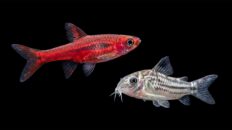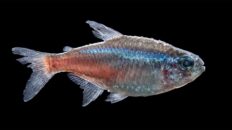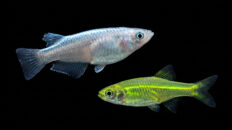
Finding the best schooling fish for a freshwater aquarium sounds simple until you bring a group home and watch them scatter into separate corners within forty-eight hours. Most small fish sold in retail stores huddle together under bright fluorescent lights out of acute stress, leaving your living room aquascape looking chaotic instead of calm once they feel safe. Here are the only ten tight-schooling freshwater species engineered by biology to hold genuine formation across nano, planted, unheated, hard-water, and large display tanks—including a top pick that adds near-zero bioload.
The Pet Store Illusion: Shoaling vs. True Schooling Biology
True schooling is a synchronized, polarized swimming behavior in which fish maintain uniform spacing and execute simultaneous turns using sensory mechanoreceptors along their lateral line. By contrast, shoaling is a loose social aggregation where fish merely stay in the same general vicinity for foraging or temporary safety, dispersing the moment perceived threats disappear.
When you walk past a row of bare-bottom retail aquariums, almost every small tetra, rasbora, or barb appears to move as a cohesive unit. That visual impression is a physiological illusion driven by cortisol. Retail tanks lack hardscape cover, feature intense overhead lighting, and subject fish to constant foot traffic and net disturbances. Under those conditions, nervous fish bunch together like strangers crowded inside a busy airport terminal.
Predator-Induced Aggregation Under Retail Lights
In evolutionary biology, temporary grouping under threat is called predator-induced aggregation. Facultative shoalers—species that only group when alarmed—rely on the confusion effect to lower individual predation odds. The moment you acclimate those same fish into a tranquil, heavily planted home aquarium with zero predators, their circulating stress hormones drop. Without an external threat forcing them together, facultative shoalers abandon group cohesion and claim individual micro-territories behind driftwood and stem plants.
Lateral Line Mechanoreceptors and Hydrodynamic Drafting
True obligate schooling species operate on entirely different neurobiology. Running down both flanks from the gill cover to the tail base is the lateral line system, a fluid-filled canal lined with specialized sensory hair cells called neuromasts. These mechanoreceptors detect microscopic water-pressure gradients and vortex shedding generated by the tail beats of neighboring fish.
By positioning themselves at precise diagonal angles behind a lead swimmer, true schooling fish ride the reverse Karman vortex street created in the water column. Hydrodynamic drafting reduces muscular swimming effort by up to fifteen to twenty percent while enabling split-second directional changes faster than visual processing alone allows. Because this behavior is wired into their metabolic efficiency and social hierarchy, obligate schoolers hold tight midwater formations even in a peaceful home tank.
The 10 Tight-Schooling Fish Ranked by Tank Scenario and Water Chemistry
Building a balanced freshwater community does not mean buying three fish from five different tanks. A single species housed in proper numerical density outperforms a mixed soup of stressed individuals every single time. The ten species below are ranked by formation tightness, bioload-to-body-mass efficiency, fin-nipping safety, and adaptability to real-world tap water parameters.
#10. Chili Rasbora (Boraras brigittae) — Best for Nano Tanks and Near-Zero Bioload
Stocking a ten-gallon nano aquarium with six standard two-inch tetras creates two immediate problems: visual overcrowding and rapid nitrate accumulation. Standard community characins carry far too much body mass for small water volumes, overwhelming biological filtration capacity between weekly water changes and compressing open swimming lanes.
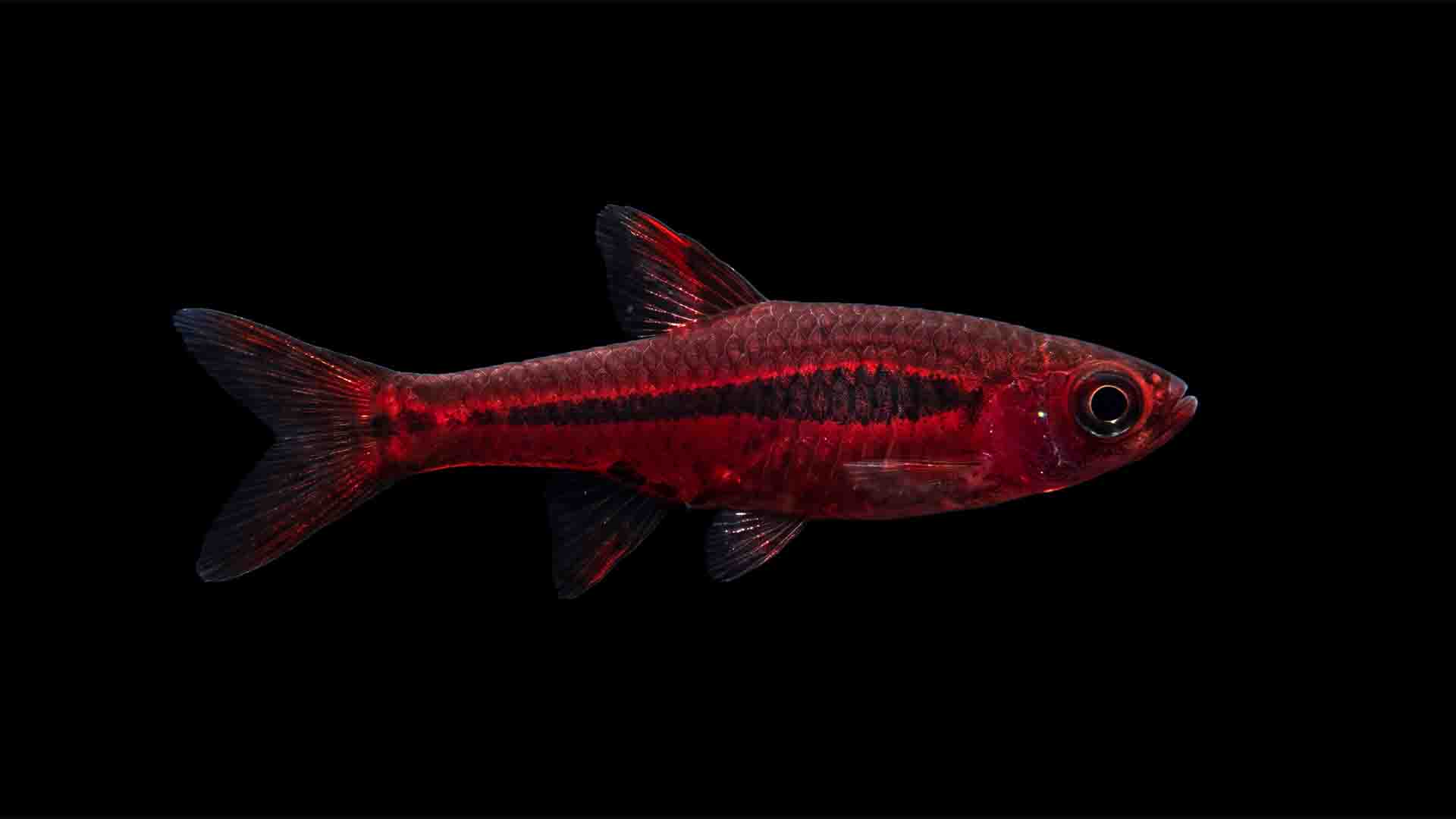
The smart biological swap is the Chili Rasbora (Boraras brigittae). Reaching a maximum adult length of roughly three-quarters of an inch, twelve Chili Rasboras generate less nitrogenous waste than three full-grown standard tetras. Because metabolic waste scales allometrically with body mass rather than body length, swapping bulky fish for micro-rasboras slashes ammonia spikes while preserving visual scale inside miniature aquascapes.
- Minimum Tank Size: 10 gallons (heavily planted with dark substrate)
- Ideal Temperature: 73 to 82 degrees Fahrenheit (23 to 28 degrees Celsius)
- Water Chemistry: pH 5.0 to 7.0; soft to moderately soft water (1 to 8 dGH)
- Schooling Behavior: Forms tight mid-to-upper water clusters when kept in groups of 10 to 15 individuals
Keep in mind that Boraras species originate from blackwater peat swamps in Borneo. While tank-bred specimens adapt well to neutral tap water once properly drip-acclimated, they still require stable tropical warmth and gentle sponge or baffled filtration so strong currents do not exhaust their tiny frames.
#9. White Cloud Mountain Minnow (Tanichthys albonubes) — Best for Unheated Aquariums
One of the most common stocking errors in the hobby occurs when aquarists place tropical schooling fish into an unheated living room aquarium. Many beginners assume small pet store fish tolerate room-temperature water, only to watch tropical tetras lose color, clamp their fins, and turn sluggish whenever overnight ambient temperatures drop below seventy degrees.
Tropical fish lack the enzymatic adaptability required to sustain immune function during seasonal temperature swings. Cold stress slows digestive motility and leaves tropical species vulnerable to opportunistic bacterial and protozoan infections. For an unheated setup, the White Cloud Mountain Minnow (Tanichthys albonubes) is the superior biological choice.
- Minimum Tank Size: 15 to 20 gallons (long footprint preferred)
- Ideal Temperature: 64 to 72 degrees Fahrenheit (18 to 22 degrees Celsius) with zero heater required
- Water Chemistry: pH 6.0 to 8.0; adaptable across soft and moderately hard tap water (5 to 15 dGH)
- Schooling Behavior: Active mid-to-upper level schooler with shimmering gold lateral stripes and crimson-tipped fins
Native to cool, clear mountain streams in southern China, White Cloud Mountain Minnows actually display deeper crimson fin coloration and tighter group coordination in cooler water than they do in heated tropical tanks. Males frequently engage in harmless lateral fin-flaring displays that add continuous kinetic energy without injuring tankmates.
#8. Ember Tetra (Hyphessobrycon amandae) — Best for Planted Aquascapes
When you invest months sculpting dark Malaysian driftwood, volcanic rock, and lush green stem plants, choosing bright silver schooling fish can flatten the entire visual composition. Silver scales are packed with reflective guanine crystals that bounce intense overhead aquascape LED light directly back toward the viewer, creating distracting glare that washes out botanical depth.
The Ember Tetra (Hyphessobrycon amandae) solves this optical problem effortlessly. Growing to roughly four-fifths of an inch, Ember Tetras feature translucent, warm copper-amber pigmentation that absorbs harsh overhead light rather than reflecting it. Against deep green mosses and dark hardscape, a school of twelve to twenty Ember Tetras glows like living embers drifting through the midwater column.
- Minimum Tank Size: 10 to 15 gallons
- Ideal Temperature: 73 to 84 degrees Fahrenheit (23 to 29 degrees Celsius)
- Water Chemistry: pH 5.5 to 7.2; soft to moderate hardness (2 to 10 dGH)
- Schooling Behavior: Cohesive, calm midwater schoolers that weave gracefully through stem plant thickets
Because their adult body mass remains minimal, Ember Tetras maintain a tiny biological footprint that will not fuel nuisance algae blooms in nutrient-balanced planted tanks.
#7. Cardinal Tetra (Paracheirodon axelrodi) — The Hardy Alternative to Neon Tetras
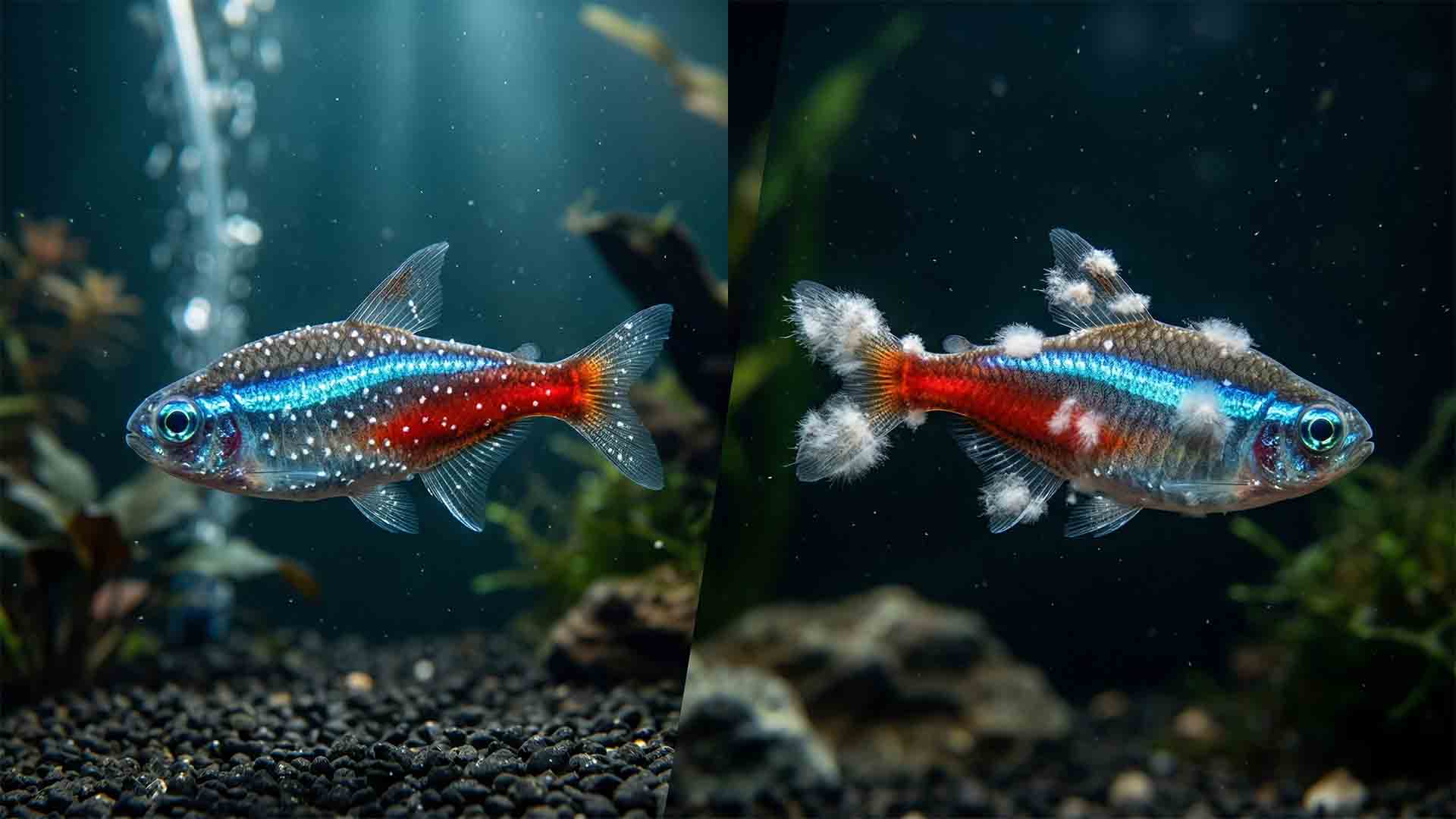
Neon Tetras are the first fish most newcomers buy, yet hobbyists repeatedly report watching a school of twelve slowly thin out to three or four survivors over the first six months. Decades of extreme commercial mass-breeding have compromised the genetic resilience of modern Neon Tetra strains, leaving them highly sensitive to minor osmotic shifts and chronically susceptible to Pleistophora hyphessobryconis (Neon Tetra Disease).
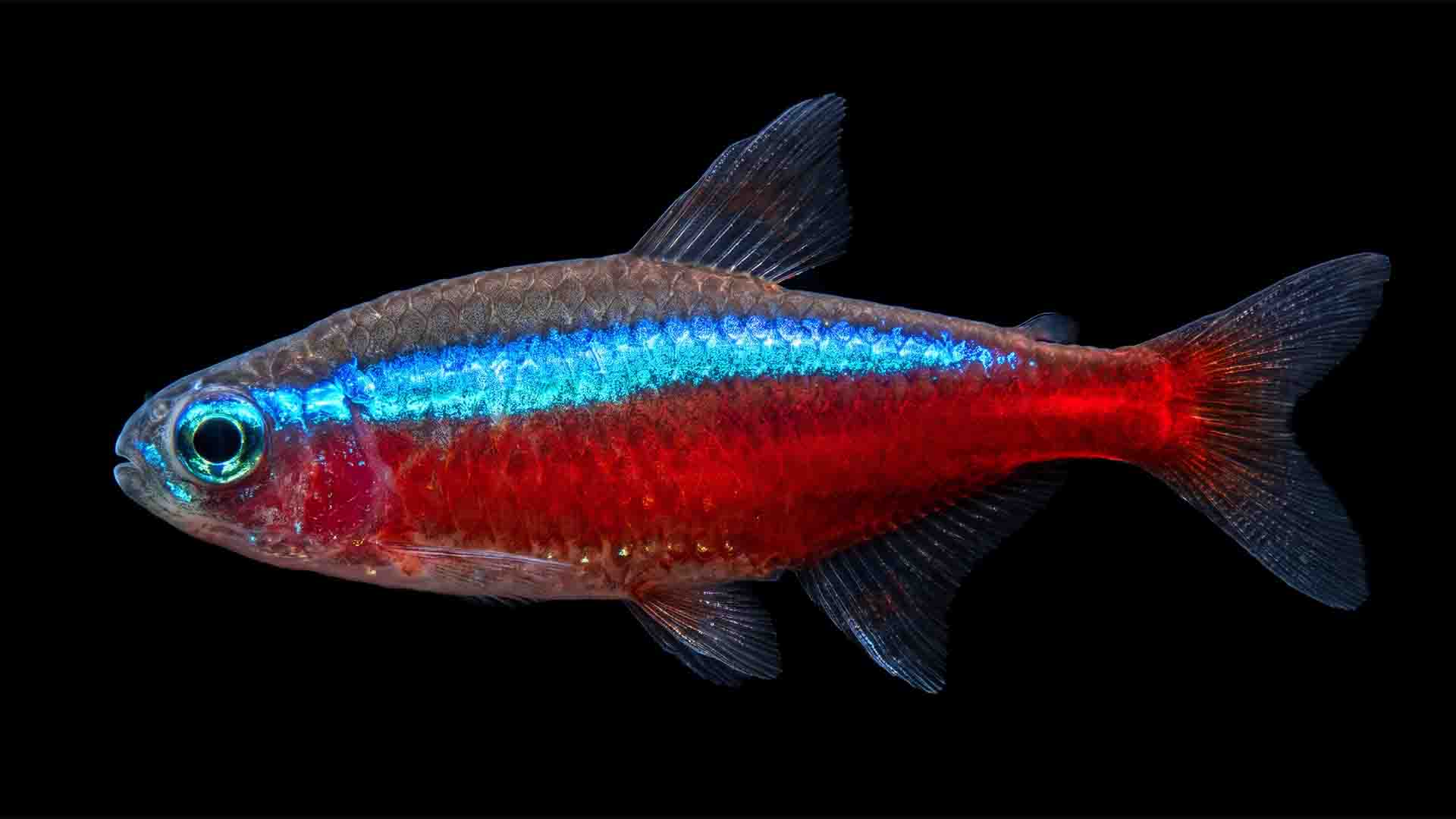
If you want electric neon-blue and crimson brilliance without unexplained attrition, choose the Cardinal Tetra (Paracheirodon axelrodi). Visually, you can separate the two species in one second: a Neon Tetra’s red stripe stops halfway along its belly, whereas a Cardinal Tetra displays an unbroken, glowing crimson band running from its gill plate all the way to the base of its tail.
- Minimum Tank Size: 20 gallons (24-inch or longer tank length for horizontal cruising)
- Ideal Temperature: 75 to 82 degrees Fahrenheit (24 to 28 degrees Celsius)
- Water Chemistry: pH 5.0 to 7.0; prefers soft, acidic to neutral water (1 to 8 dGH)
- Schooling Behavior: Tighter mid-to-lower level formation and stronger post-acclimation longevity than Neon Tetras
Once acclimated to a cycled aquarium, Cardinal Tetras grow slightly larger than Neons—reaching one-and-a-half to two inches—and demonstrate noticeably higher immune stability and group discipline.
#6. Cherry Barb (Puntius titteya) — Best Peaceful Midwater Schooler
Many retail associates sell Tiger Barbs or Serpae Tetras as lively community schooling fish while conveniently omitting their aggressive fin-nipping instincts. Within weeks of settling in, both species routinely shred the trailing fins of Angelfish, Bettas, Pearl Gouramis, and long-finned Guppies, turning a peaceful living room display into a stress ward.
The Cherry Barb (Puntius titteya) delivers vibrant red coloration and active midwater movement with zero fin-nipping aggression. Unlike their boisterous cousins, Cherry Barbs possess peaceful temperaments and adapt seamlessly to harder municipal tap water without chronic osmotic stress.
- Minimum Tank Size: 20 gallons
- Ideal Temperature: 73 to 81 degrees Fahrenheit (23 to 27 degrees Celsius)
- Water Chemistry: pH 6.0 to 7.8; thrives in soft to moderately hard tap water (4 to 15 dGH)
- Schooling Behavior: Loose-to-tight midwater cruising; keep a ratio of two females per male to minimize male-to-male sparring
When housed in a planted tank with stable water quality and fed a diet rich in natural carotenoids, dominant male Cherry Barbs develop an intense ruby-crimson sheen that rivals any saltwater reef fish.
#5. Zebra Danio (Danio rerio) — Best for Hard Tap Water and High Filter Flow
Hobbyists living in regions with hard, alkaline municipal tap water and high-output filtration often struggle to keep soft-water South American tetras alive. Soft-water characins burn excessive metabolic energy fighting brisk currents and regulating internal blood salinity against high dissolved mineral concentrations, resulting in faded colors and fish hiding motionless near the substrate.
The biological solution for hard water and brisk circulation is the Zebra Danio (Danio rerio). Native to fast-flowing streams and rivers across the Indian subcontinent, Zebra Danios possess streamlined, torpedo-shaped bodies built specifically to slice through strong filter outflow without muscular fatigue.
- Minimum Tank Size: 20 gallons (30-inch length recommended for high-speed horizontal bursts)
- Ideal Temperature: 64 to 77 degrees Fahrenheit (18 to 25 degrees Celsius)
- Water Chemistry: pH 6.5 to 8.2; thrives in moderately hard to very hard tap water (5 to 20 dGH)
- Schooling Behavior: Relentless upper-third swimmers that turn filter return currents into a synchronized exercise track
Because Zebra Danios patrol the upper third of the water column in crisp navy-blue and silver horizontal stripes, they add dynamic top-level motion while leaving the middle and lower zones completely open for calmer tankmates.
#4. Pygmy Corydoras (Corydoras pygmaeus) — Best Bottom-to-Midwater Schooling Bridge
Traditional armored catfish such as Bronze or Peppered Corydoras spend ninety percent of their daylight hours resting flat on the substrate behind rocks or driftwood. While they perform useful cleanup duties, standard bottom dwellers contribute very little active schooling movement to the open water column.
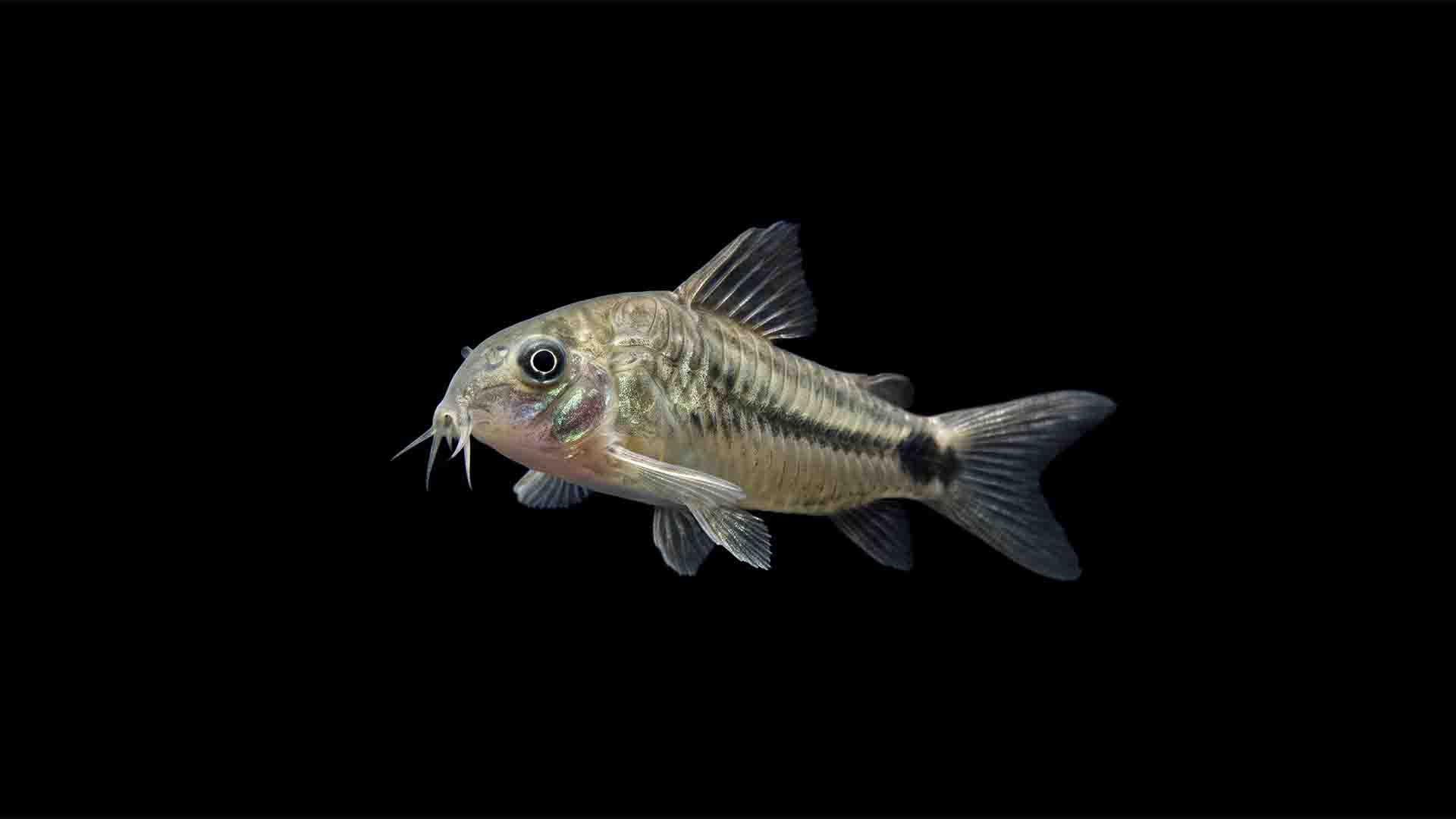
The Pygmy Corydoras (Corydoras pygmaeus) breaks every rule of conventional catfish behavior. Growing to roughly one inch in length, Pygmy Corydoras hover in tight, synchronized formations across the lower and middle water levels just like miniature tetras, bridging the visual gap between the substrate and midwater swimmers.
- Minimum Tank Size: 10 to 15 gallons (requires fine sand or smooth rounded substrate to protect sensory barbels)
- Ideal Temperature: 72 to 79 degrees Fahrenheit (22 to 26 degrees Celsius)
- Water Chemistry: pH 6.0 to 7.5; soft to moderately hard water (2 to 12 dGH)
- Schooling Behavior: True midwater-hovering catfish; keep in groups of at least 10 to 15 individuals to prevent shyness
When housed in a proper group size, Pygmy Corydoras forage across broad plant leaves, sift micro-particles from the substrate, and swim in cohesive platoons through open midwater lanes.
#3. Congo Tetra (Phenacogrammus interruptus) — Best Centerpiece Schooler for 55+ Gallon Tanks
Stocking a fifty-five-gallon or seventy-five-gallon living room centerpiece aquarium with tiny one-inch tetras often produces an underwhelming visual result. Across four feet of glass and heavy driftwood structures, micro-schoolers disappear visually, tempting hobbyists into buying oversized cichlids or Silver Dollars that uproot live plants and destroy aquascapes.
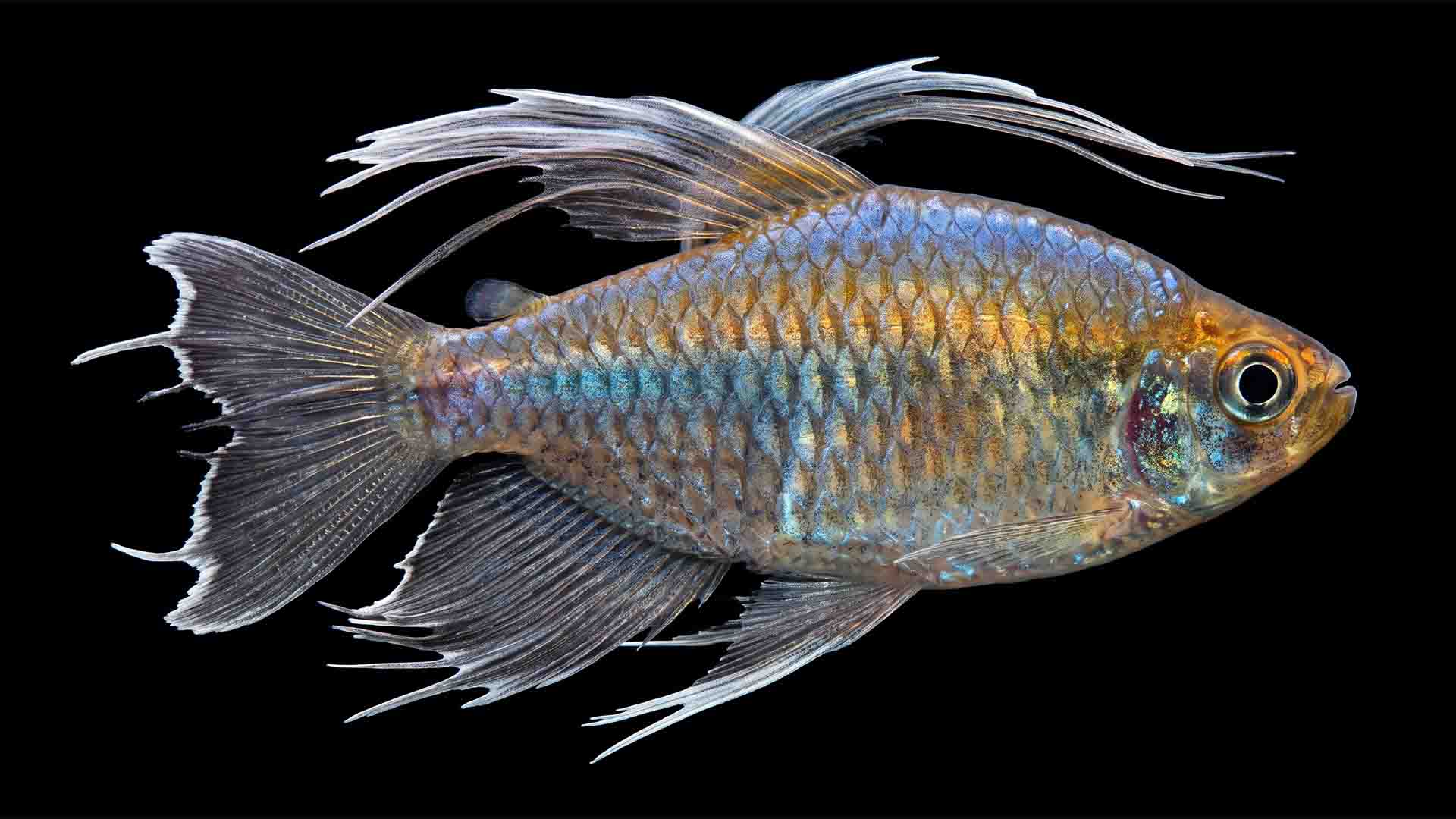
The Congo Tetra (Phenacogrammus interruptus) provides the ideal scale, elegance, and peaceful temperament for large planted displays. Reaching three to three-and-a-half inches at maturity, adult males develop flowing, feathery white-edged dorsal and caudal fin extensions paired with prismatic scales that shift from electric blue to warm gold under aquarium lighting.
- Minimum Tank Size: 55 gallons (minimum 48-inch horizontal swimming runway)
- Ideal Temperature: 73 to 82 degrees Fahrenheit (23 to 28 degrees Celsius)
- Water Chemistry: pH 6.0 to 7.5; soft to moderately hard water (3 to 15 dGH)
- Schooling Behavior: Graceful, commanding midwater formation; keep at least 8 to 12 individuals with a balanced male-to-female ratio
Despite their impressive adult size, Congo Tetras remain completely peaceful toward smaller tankmates and leave delicate aquatic stem plants untouched.
#2. Rummy Nose Tetra (Petitella bleheri) — Tightest Clockwork Formation and Living Water Gauge
Roughly ninety percent of schooling fish sold in the aquarium trade loosen their formation the moment they realize no predators exist inside your living room tank. Because most species school primarily as a defensive reflex, safe domestic conditions trigger casual dispersal.
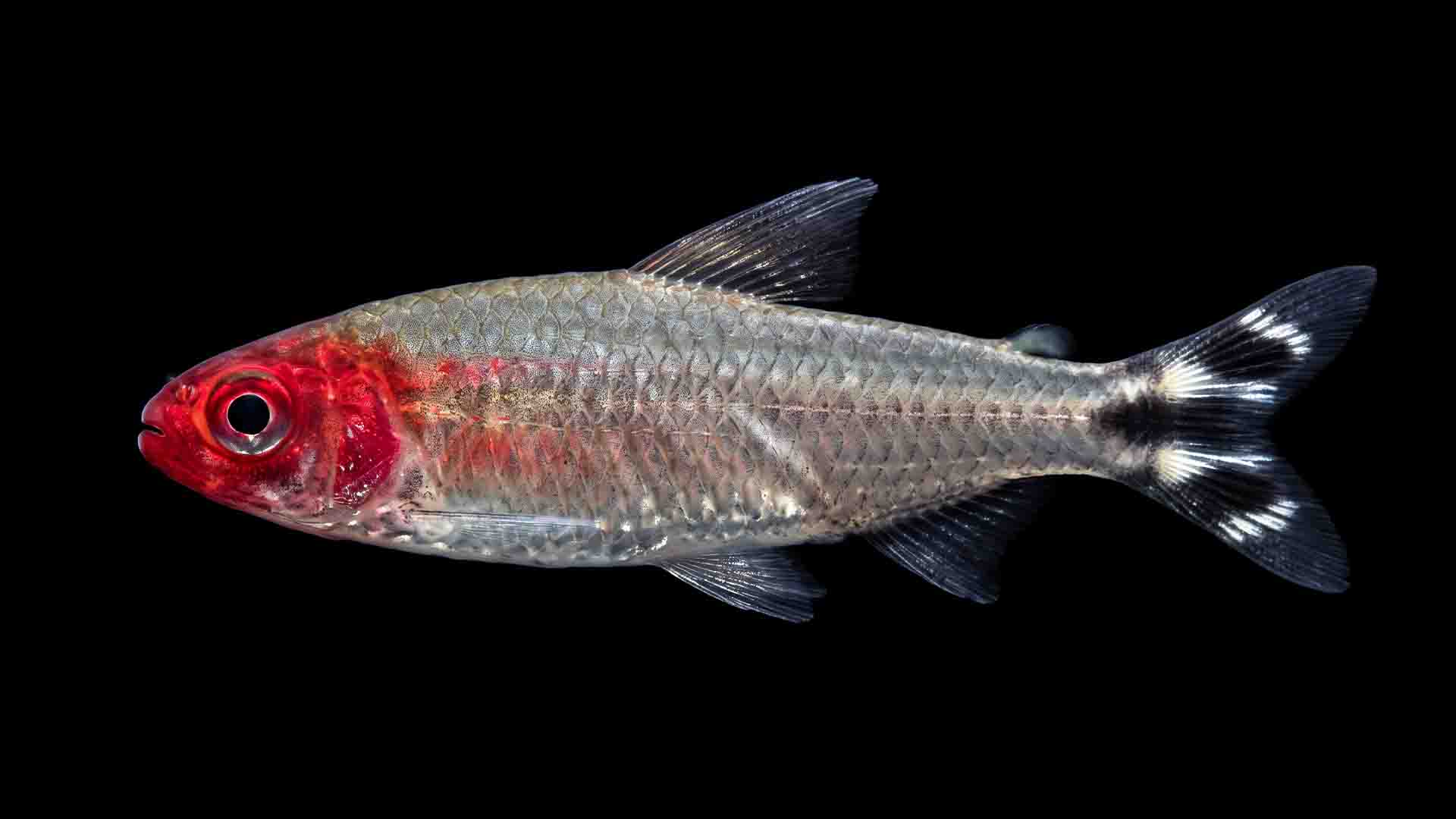
The Rummy Nose Tetra (Petitella bleheri) is the sharpest exception in freshwater fishkeeping. Even in a completely predator-free aquarium, Rummy Nose Tetras patrol the lower-to-middle water column in razor-sharp, nose-to-tail alignment, executing simultaneous turns like a precision clockwork mechanism.
- Minimum Tank Size: 20 gallons (30-inch length or longer preferred)
- Ideal Temperature: 75 to 82 degrees Fahrenheit (24 to 28 degrees Celsius)
- Water Chemistry: pH 5.5 to 7.0; soft, clean, low-nitrate water (1 to 8 dGH)
- Schooling Behavior: Holds the tightest synchronized formation of any commonly available freshwater aquarium fish
Beyond unmatched formation discipline, the Rummy Nose Tetra serves as a living water quality gauge. The intense ruby-red pigment on its head relies on healthy peripheral blood circulation; if dissolved oxygen drops, ammonia or nitrites spike, or nitrates climb too high, the crimson nose fades to pale pink within hours—alerting you to water chemistry drift before lethal damage occurs.
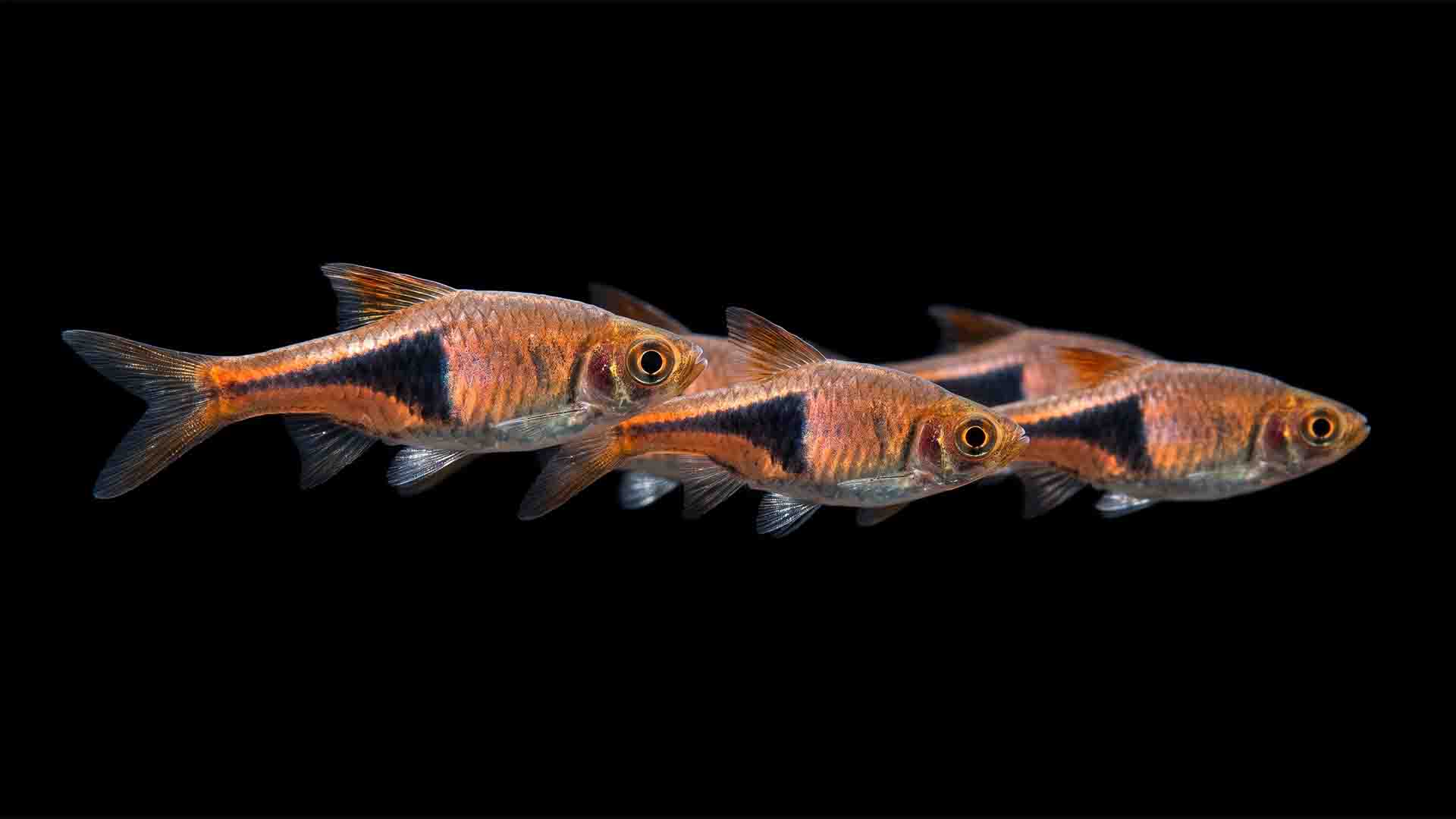
#1. Harlequin Rasbora (Trigonostigma heteromorpha) — The Undisputed All-Around Champion
Almost every elite schooling fish comes with a biological catch. Some demand soft, acidic blackwater conditions, others require cool unheated temperatures, and several need four-foot tanks to display natural behavior. If you want one single schooling species that excels across nearly any tank size, tap water profile, and peaceful community layout, the Harlequin Rasbora (Trigonostigma heteromorpha) takes the crown.
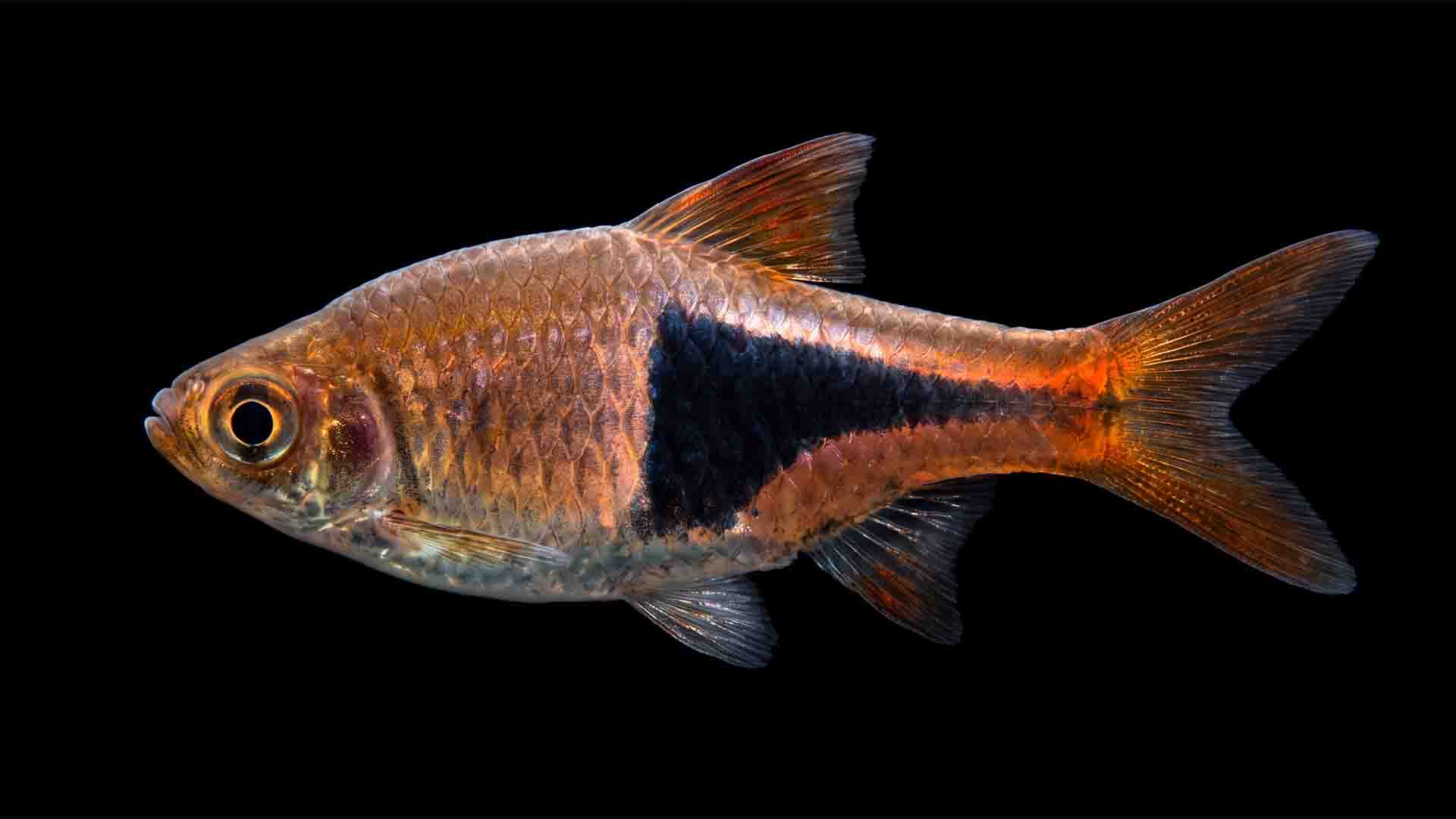
Comfortable in everything from a planted fifteen-gallon apartment tank to a seventy-five-gallon community centerpiece, Harlequin Rasboras tolerate wide pH and mineral hardness ranges without losing vibrancy. Their rich copper-orange bodies and velvety black triangular wedge markings create bold visual contrast against green plants while maintaining a disciplined, cohesive midwater school.
- Minimum Tank Size: 15 gallons
- Ideal Temperature: 72 to 81 degrees Fahrenheit (22 to 27 degrees Celsius)
- Water Chemistry: pH 6.0 to 7.8; adapts effortlessly across soft to moderately hard tap water (2 to 15 dGH)
- Schooling Behavior: Consistently holds tight midwater formation with zero fin-nipping and high disease resistance
Hardy, peaceful, compact at roughly one-and-three-quarter inches, and remarkably forgiving of minor municipal water fluctuations, the Harlequin Rasbora acts as an invisible insurance policy for long-term aquarium stability.
Master Comparison Matrix: Tank Size, Water Parameters, and Bioload Impact
Use the biological reference matrix below to match the right schooling species to your existing aquarium volume, heater setup, and source tap water hardness before purchasing livestock.
| Rank and Species | Minimum Tank | Temp Range | pH and Hardness | Primary Swim Zone | Bioload Impact |
|---|---|---|---|---|---|
| #1 Harlequin Rasbora | 15 Gallons | 72–81 °F | pH 6.0–7.8 (2–15 dGH) | Midwater | Low |
| #2 Rummy Nose Tetra | 20 Gallons | 75–82 °F | pH 5.5–7.0 (1–8 dGH) | Lower-Midwater | Low |
| #3 Congo Tetra | 55 Gallons | 73–82 °F | pH 6.0–7.5 (3–15 dGH) | Midwater | Moderate-High |
| #4 Pygmy Corydoras | 10 Gallons | 72–79 °F | pH 6.0–7.5 (2–12 dGH) | Bottom-to-Midwater | Near-Zero |
| #5 Zebra Danio | 20 Gallons | 64–77 °F | pH 6.5–8.2 (5–20 dGH) | Upper Third | Low-Moderate |
| #6 Cherry Barb | 20 Gallons | 73–81 °F | pH 6.0–7.8 (4–15 dGH) | Midwater | Low-Moderate |
| #7 Cardinal Tetra | 20 Gallons | 75–82 °F | pH 5.0–7.0 (1–8 dGH) | Lower-Midwater | Low |
| #8 Ember Tetra | 10 Gallons | 73–84 °F | pH 5.5–7.2 (2–10 dGH) | Midwater | Near-Zero |
| #9 White Cloud Minnow | 15 Gallons | 64–72 °F | pH 6.0–8.0 (5–15 dGH) | Mid-to-Upper | Low |
| #10 Chili Rasbora | 10 Gallons | 73–82 °F | pH 5.0–7.0 (1–8 dGH) | Mid-to-Upper | Near-Zero |
Common Schooling Fish Mistakes: What to Avoid vs. Do This Instead
Even when you select a genuine obligate schooling species, poor stocking ratios or mismatched water parameters can break group cohesion and destabilize your nitrogen cycle. Follow the operational rules below to prevent chronic fish stress.
What to Avoid: Stocking Errors That Destroy Formation
- The Six-Fish Minimum Trap: Six individuals is the bare survival threshold, not the optimal schooling number. In groups of six or fewer, subordinate fish experience elevated cortisol levels and spend their time hiding rather than swimming in open formation.
- Multi-Species Community Soup: Buying four Neon Tetras, four Harlequin Rasboras, four Zebra Danios, and four Cherry Barbs for a twenty-gallon tank creates visual chaos. Different species do not school together; instead, four undersized groups compete for space and scatter randomly.
- Ignoring Source Tap Water Hardness: Placing soft-water specialists like Rummy Nose Tetras or Chili Rasboras into liquid rock tap water above 15 dGH forces their kidneys into continuous osmoregulatory overdrive, shortening lifespans by years.
- Impulse-Buying Aggressive Barbs and Tetras: Confusing peaceful Cherry Barbs with Tiger Barbs or adding Serpae Tetras to tanks housing long-finned centerpiece fish inevitably leads to torn fins and secondary fungal infections.
Do This Instead: The Single-School Stability Protocol
- Measure Source Water Parameters First: Test your tap water for pH, general hardness (GH), and carbonate hardness (KH) before visiting a fish store. Let your existing water chemistry dictate your species choice rather than chasing unstable chemical pH buffers.
- Commit to One Dominant Midwater School: Dedicate seventy percent of your aquarium’s stocking budget to a single schooling species in numbers of twelve to twenty-five individuals. High conspecific density triggers natural lateral-line synchronization and eliminates shyness.
- Align Filter Outflow With Swimming Morphology: Position spray bars or baffle filter returns according to your chosen species. Provide brisk directional flow for Zebra Danios and White Cloud Mountain Minnows, while diffusing currents for Chili Rasboras and Ember Tetras.
- Drip-Acclimate Over Forty-Five Minutes: Equalize osmotic pressure gradually by dripping tank water into the transport container at two to three drops per second before netting fish into the display, preventing sudden gill shock.
Scientific Truths: Osmoregulation, Allometric Bioload, and Schooling Neurobiology
Most aquarium advice recycled across retail flyers ignores the underlying physiology that determines whether a school thrives for five years or collapses in five weeks. Understanding three core biological mechanisms—allometric waste scaling, gill osmoregulation, and lateral-line neurobiology—separates predictable long-term success from chronic livestock loss.
Allometric Bioload Scaling and Nitrogen Cycle Capacity
A common misconception in freshwater stocking is the outdated one-inch-of-fish-per-gallon rule. Fish metabolism does not scale linearly with body length; instead, oxygen consumption and ammonia excretion follow allometric mass scaling. Because body mass increases roughly with the cube of body length, a single two-inch standard tetra carries nearly eight times the tissue mass of a three-quarter-inch Chili Rasbora.
According to comparative teleost physiology research indexed on ScienceDirect, smaller-bodied cyprinids and characins exhibit lower total nitrogenous waste output per individual, allowing beneficial Nitrosomonas and Nitrobacter colonies inside your filter media to oxidize ammonia and nitrite without nitrate spikes. Stocking twelve micro-rasboras instead of six bulky tetras delivers double the visual schooling density while cutting total biological filter load by more than half.
Osmoregulatory Stress in Hard vs. Soft Water
Every freshwater fish lives in an internal state hypertonic to the surrounding water. Because the blood salinity of a tropical fish is substantially higher than the mineral content of river water, water continuously diffuses inward across the semi-permeable gill membranes while essential sodium and chloride ions diffuse outward.
To prevent cellular swelling, freshwater fish rely on specialized gill ionocytes—commonly called chloride cells—to actively pump ions back into the bloodstream while excreting dilute urine. Biological species databases such as FishBase document the narrow evolutionary water-hardness windows of wild species like the Rummy Nose Tetra (Petitella bleheri) and Chili Rasbora (Boraras brigittae). When soft-water specialists are forced into hard, alkaline tap water above fifteen degrees of general hardness, their ionocytes and kidneys burn excess metabolic energy around the clock. That chronic osmoregulatory strain suppresses immune function and leads to unexplained lethargy months after purchase.
Lateral Line Neuromasts and Commercial Inbreeding Bottlenecks
Tight, synchronized schooling depends on functional mechanosensory hair cells inside the lateral line canal working in tandem with hindbrain Mauthner neurons that coordinate rapid escape and turning reflexes. When commercial fish farms mass-produce species like the Neon Tetra (Paracheirodon innesi) across generations without introducing wild genetic stock, severe inbreeding depression occurs.
Ichthyological pathology studies cataloged through ScienceDirect Aquaculture Pathology demonstrate that commercially weakened Neon Tetra strains suffer heightened susceptibility to Pleistophora hyphessobryconis, an intracellular microsporidian parasite that invades skeletal muscle tissue. Once muscle fibers degrade, affected fish lose the neuromuscular precision needed to maintain lateral-line spacing, drifting away from the school to hide alone before dying. Selecting hardier species such as the Cardinal Tetra or Harlequin Rasbora bypasses this commercial genetic bottleneck entirely.
Real peace in an aquarium never comes from cramming more species behind the glass; it comes from choosing one cohesive school that naturally matches your tap water chemistry and lets your biological filter breathe.
People Also Ask: Essential Schooling Fish Questions Answered
Below are direct, biology-backed answers to the most frequent stocking and behavioral issues freshwater aquarists encounter after introducing schooling fish.
Why do my schooling fish scatter into corners in my home tank?
Most pet store fish huddle together out of acute stress caused by bright retail lights, bare glass, and constant foot traffic—a defensive behavior known as predator-induced shoaling. Once you place those fish into a calm, planted home aquarium with zero predators, their stress hormones drop and facultative shoalers disperse to claim individual territories. To maintain tight formation at home, choose obligate schooling species such as Rummy Nose Tetras or Harlequin Rasboras and keep at least twelve individuals of the same species.
Which freshwater schooling fish stay in the tightest group?
The Rummy Nose Tetra (Petitella bleheri) holds the tightest synchronized formation of any commonly kept freshwater aquarium fish, maintaining uniform nose-to-tail alignment even in predator-free living room tanks. For aquarists with harder tap water or mixed community setups, the Harlequin Rasbora (Trigonostigma heteromorpha) ranks second for consistent midwater cohesion without fin-nipping or strict soft-water requirements.
How many schooling fish should I put in a 10-gallon or 20-gallon aquarium?
In a standard ten-gallon nano aquarium, stock ten to twelve micro-species such as Chili Rasboras, Ember Tetras, or Pygmy Corydoras to preserve open swimming space and keep nitrate accumulation low. In a twenty-gallon long aquarium, commit to a single dominant school of twelve to eighteen medium-small fish—such as Harlequin Rasboras, Cardinal Tetras, or Cherry Barbs—rather than splitting your stocking budget across multiple undersized groups.
What is the best schooling fish for hard, alkaline tap water?
Zebra Danios (Danio rerio), White Cloud Mountain Minnows (Tanichthys albonubes), Cherry Barbs (Puntius titteya), and Harlequin Rasboras (Trigonostigma heteromorpha) adapt reliably to moderately hard and alkaline municipal tap water between pH 7.2 and 8.0. All four species regulate internal ion balance efficiently in mineral-rich water without requiring reverse-osmosis filtration or chemical pH buffers.
Why do Neon Tetras keep dying while Cardinal Tetras survive?
Decades of intensive commercial mass-breeding have left modern Neon Tetra strains with compromised immune systems and high sensitivity to minor osmotic fluctuations and Neon Tetra Disease (Pleistophora hyphessobryconis). Cardinal Tetras (Paracheirodon axelrodi) grow slightly larger, possess stronger genetic resilience once acclimated to a cycled tank, and display an unbroken crimson belly stripe that extends all the way to the tail base.
Which schooling fish will not nip Betta, Angelfish, or Gourami fins?
Harlequin Rasboras, Ember Tetras, Cardinal Tetras, Rummy Nose Tetras, Cherry Barbs, and Pygmy Corydoras are completely peaceful midwater and lower-level schoolers that ignore long trailing fins. Avoid Tiger Barbs, Serpae Tetras, and Black Skirt Tetras in tanks housing Bettas, Angelfish, or Pearl Gouramis, as those species frequently shred delicate fin rays.
Can you mix two different schooling fish species in a 20-gallon tank?
Mixing two different midwater schooling species inside a twenty-gallon aquarium usually produces visual clutter and fragmented behavior because distinct species do not school together. If you want multi-level movement in a twenty-gallon layout, pair one upper-to-midwater schooler like Harlequin Rasboras or Ember Tetras with a lower-level school of ten to twelve Pygmy Corydoras so both swimming zones remain distinct and harmonious.
Building a Self-Balancing Ecosystem: Next Steps in Your Setup
Selecting the right schooling species is only half of the biological equation; your filtration maturity, mineral stability, and aquascape layout determine how vibrantly those fish color up over time. Before adding any livestock to a new glass box, verify that your biofilter can convert two parts per million of ammonia into nitrate within twenty-four hours by following our complete fishless aquarium cycling guide.
If you are unsure whether your municipal tap water leans toward soft acidic parameters or hard alkaline mineral content, review our breakdown of GH, KH, and pH aquarium water chemistry so you never waste money chasing unstable pH-adjusting chemicals. For hobbyists working with compact footprints or heavily planted layouts, explore our technical guides on avoiding nano aquarium setup mistakes and balancing planted tank lighting and aquascape depth to eliminate glare and nuisance algae.
Continue the Masterclass: Watch the Official Video Series
Now that you know which ten schooling fish hold tight formation without overloading your biological filter, your next step is engineering an aquarium foundation that supports them effortlessly. Watch the next episode in our Full Aquarium Setup Masterclass Series on YouTube to dial in substrate layering, filter media sequencing, and cycle stability from day one.
Want to avoid the aggressive, oversized, and high-bioload traps pet stores push onto unsuspecting buyers? Dive into the complete Best and Worst Schooling Fish Series, and consider supporting 100% sponsor-free freshwater science by joining the FishTank Mastery Independent Research Membership. Until next time, keep your systems balanced, your hands dry, and your curiosity flowing.