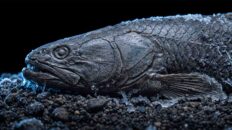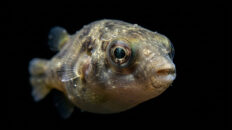

Knowing the worst fish to keep in a freshwater aquarium is the only line of defense between a tranquil living room ecosystem and an exhausting biological crime scene. Most hobbyists do not quit fishkeeping because they lack dedication; they quit because commercial chain stores sell juvenile time bombs engineered to clear holding vats rather than thrive in closed glass systems. When you drop a two-inch baby fish into a community tank, you are not looking at its permanent temperament or manageable waste output. You are looking at an organism in a temporary hormonal waiting room, waiting for its adult biology to activate and systematically dismantle your aquarium.
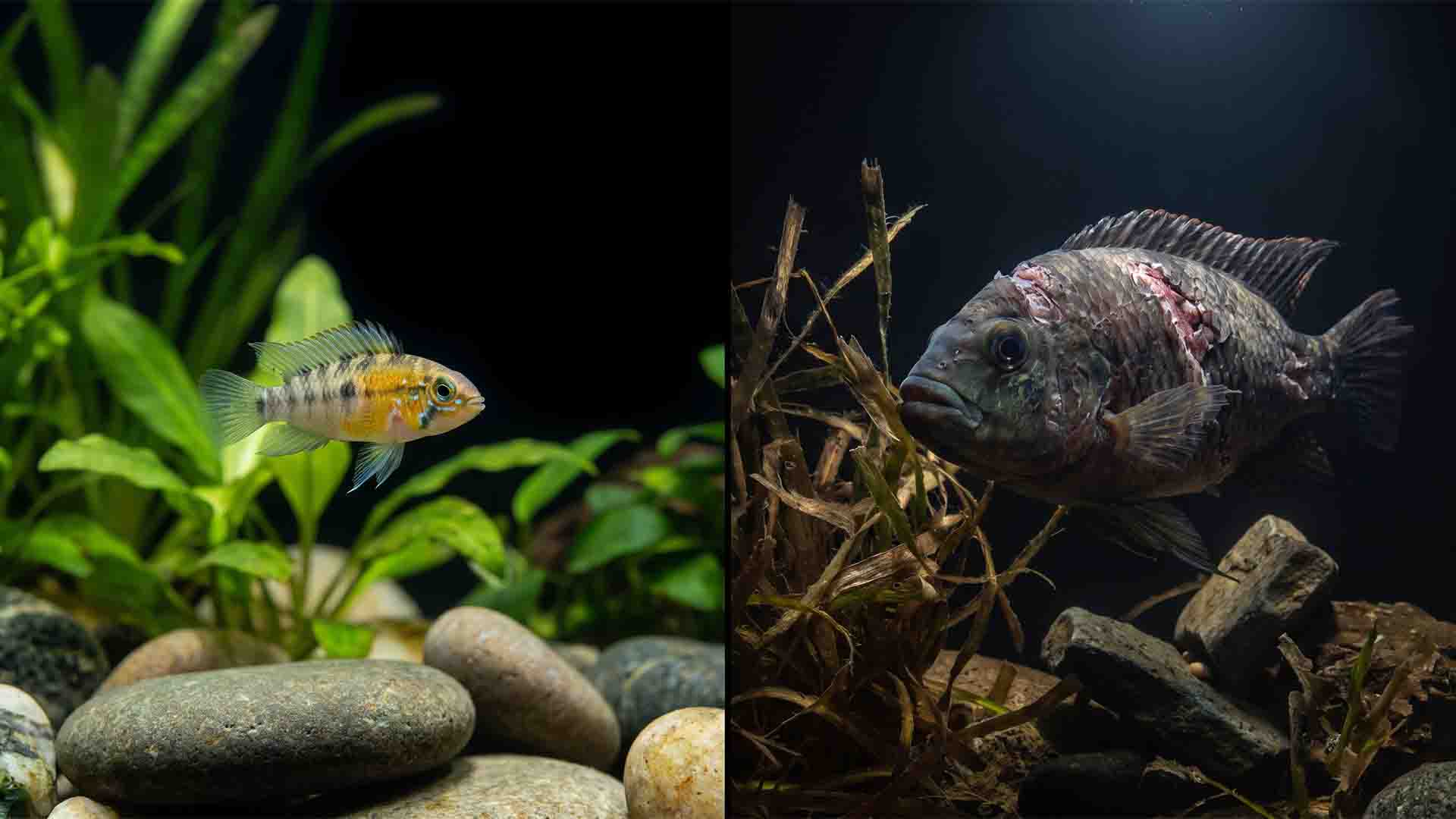
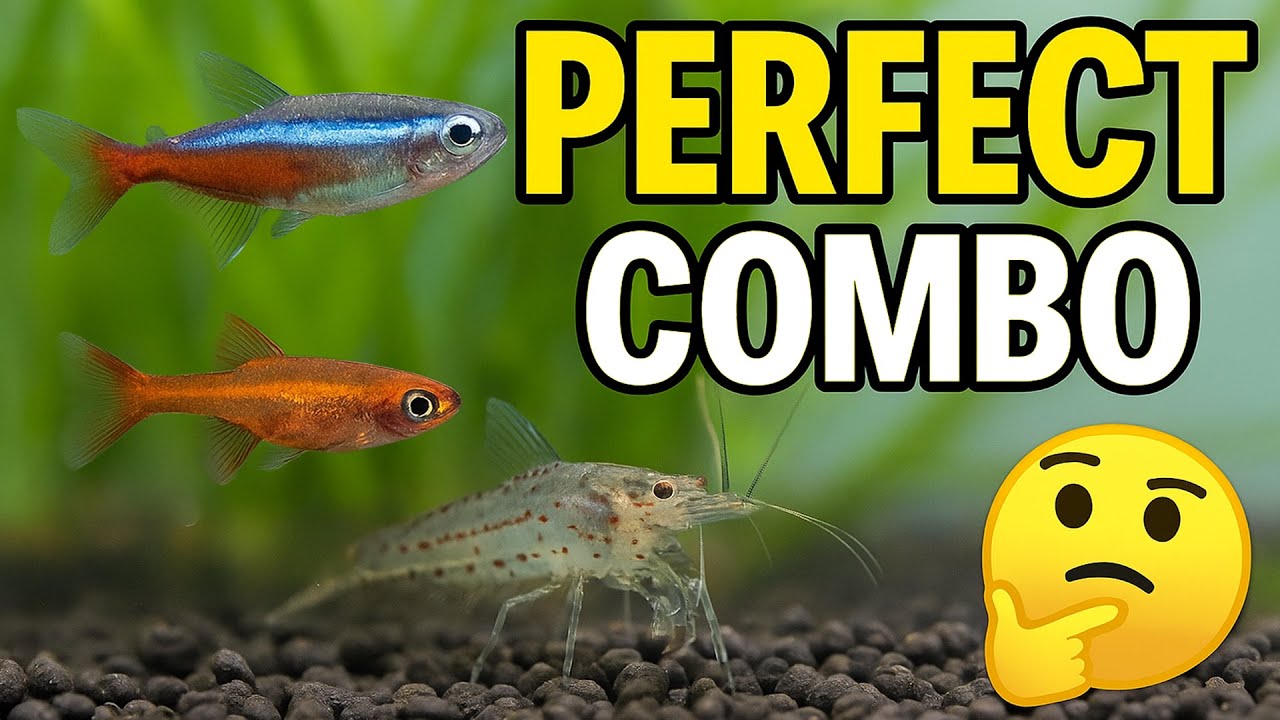
Before you buy another species based on an innocent pet shop label, watch our full breakdown below. We document the exact visual triggers and mechanical collisions that occur when these ten species outgrow their retail disguise:
Quick Summary: The 10 Worst Fish to Keep at a Glance
- Silver Dollar: Obligate herbivore with razor incisors that strips planted aquascapes bare.
- Giant Danio: High Reynolds number sprinter causing severe kinetic hydrodynamic stress to tankmates.
- Serpae Tetra: Scotopic predator that executes surgical nocturnal fin-nipping strikes.
- Tiger Barb: Social hierarchy collapse in groups under 12 triggers outward gang harassment.
- Jack Dempsey: High-mass benthic excavator that shatters unshielded glass heaters.
- Convict Cichlid: Hormonal reproductive warfare creating violent two-foot exclusion zones.
- Bucktooth Tetra: Evolved lepidophage that strips living scales directly off tankmates.
- Oscar Fish: Massive allometric bioload scaling (NH3 gill shedding) and structural tank wrecking.
- Common Pleco: 24-inch waste factory myth; strips slime coats off resting fish at night.
- Red-Bellied Pacu: 35-pound river megafauna that outgrows and physically cracks home glass boxes.
The Juvenile Masking Deception: Why Pet Stores Sell Biological Disasters
Every aquarium disaster begins with what feels like a sensible decision. You visit a local store, spot a clean holding tank packed with dozens of active, colorful two-inch fish, and assume that visual harmony represents long-term stability. That retail display is not an ecosystem. It is an artificial holding cell supported by massive central filtration loops, heavy ultraviolet sterilization, and extreme stocking densities. In those crowded retail vats, individual fish cannot claim physical territory, establish lines of sight, or express reproductive dominance. The aggressive traits hardwired into their DNA remain suppressed by sheer environmental compression.
The moment you bag that juvenile and introduce it into an uncrowded home tank, the artificial suppression breaks. As the fish settles in, feeds on protein-rich diets, and approaches sexual maturity, its behavioral programming activates. Territorial perimeters get drawn, feeding hierarchies form, and passive schooling dissolves into relentless intimidation. Retailers capitalize on this delay because the initial 30 to 60 days feel completely safe. When the tank eventually descends into frayed fins, dislodged hardscape, or sudden ammonia spikes, the store deflects the failure onto beginner husbandry rather than the biological trajectory of the animal they sold you.
Compounding this behavioral deception is the physiological reality of allometric mass scaling. Teleost fish do not scale their waste production linearly with body length; they scale by body volume, roughly calculated as mass cubed. A two-inch juvenile cichlid or catfish weighs only a fraction of an ounce and produces milligrams of waste that standard mechanical filters handle effortlessly. When that fish doubles in length to four inches, its wet living mass multiplies eightfold. By the time it reaches eight or ten inches, its metabolic waste output and oxygen consumption have surged by thousands of percent. If your system was planned around display size rather than adult biomass, your biological filter media faces a mathematical breaking point.
The 10 Worst Fish to Keep in Freshwater Aquariums (Biological Autopsy)
The following ten freshwater species represent the most pervasive impulse buys in the aquarium trade. Each one carries specialized feeding morphology, extreme kinetic swimming requirements, or unmanageable metabolic waste outputs that turn ordinary community aquariums into high-stress liability zones.
1. Silver Dollar (Metynnis argenteus) – The Planted Tank Defoliator
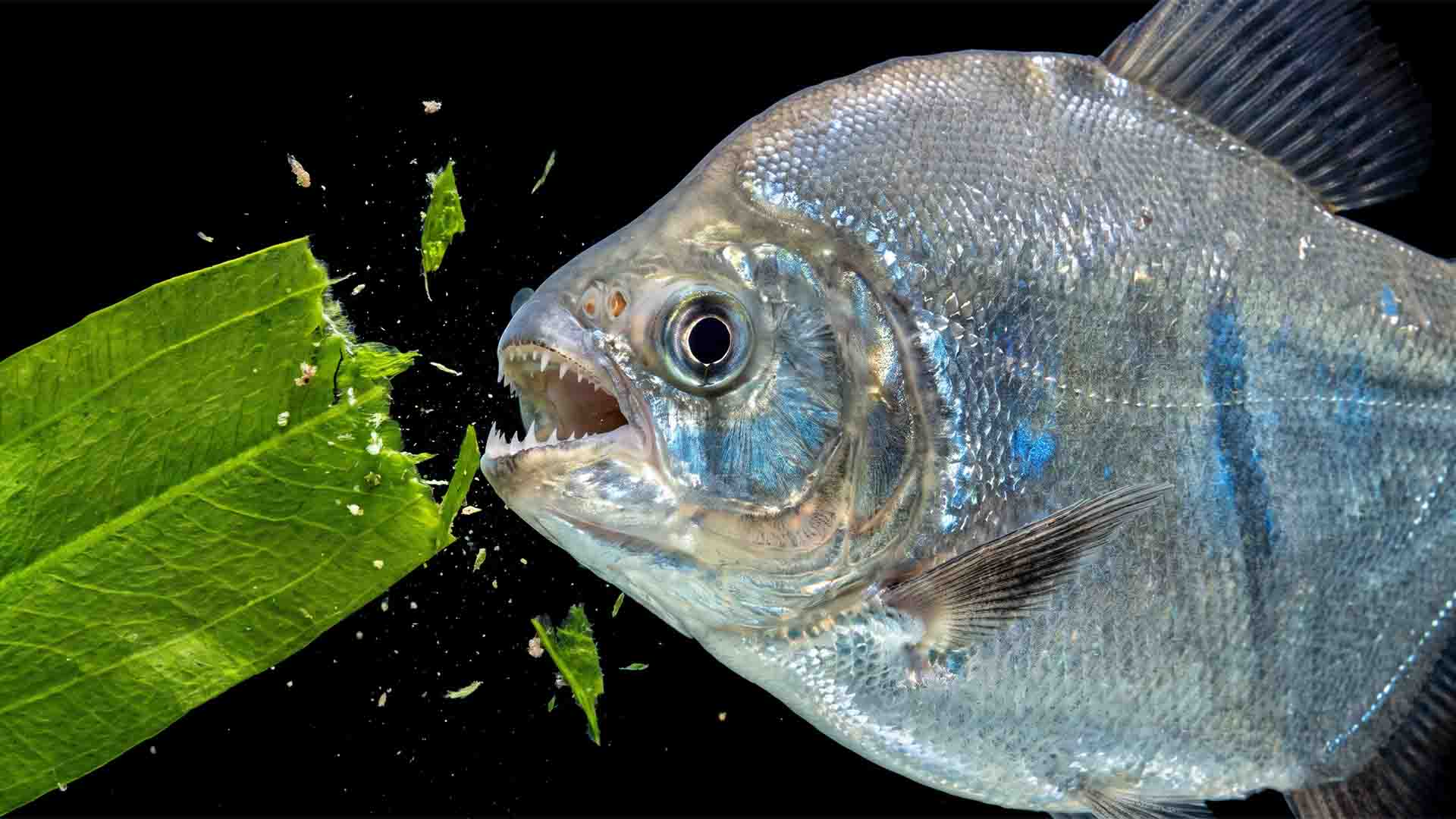
Silver Dollars are routinely displayed in pet shops as glittering, peaceful schooling additions for larger community aquariums. Beginners admire their rounded, mirror-like flanks and purchase a group of five or six juveniles to cruise among lush Amazon Swords and tall stem plants. What retail tags conveniently omit is that Metynnis argenteus belongs to the family Serrasalmidae, closely related to piranhas, but engineered by natural selection as obligate herbivores. Their jaws are equipped with specialized, razor-sharp incisiform dentition constructed specifically to shear fibrous aquatic macrophytes.
Introducing Silver Dollars to a planted aquarium is the functional equivalent of operating an underwater weed whacker inside your display. Within 48 hours, mature broad-leaved plants like Echinodorus, tender Vallisneria, and even tough rhizome species like Anubias are stripped down to naked, chewed stalks. They do not merely graze on surface algae; they consume the vascular tissue of live greenery until the aquascape is completely defoliated. As hundreds of severed plant leaves rot in hard-to-reach dead zones, the resulting organic decomposition fuels massive nitrate surges and cloudy heterotrophic blooms. If you want pristine greenery, evaluate our breakdown on aquarium plants melting and decaying to avoid stocking covert herbivores, or swap them for peaceful, iridescent characins that leave plants untouched.
2. Giant Danio (Devario aequipinnatus) – Hydrodynamic Pacing & Kinetic Stress
Marketed as a hardy, active schooling fish for intermediate setups, the Giant Danio looks sleek, energetic, and indestructible in store holding tanks. However, keeping this species in a standard four-foot home aquarium reveals a severe hydrodynamic mismatch. Native to fast-flowing, oxygen-saturated hill streams across India, Devario aequipinnatus is an open-water sprinter designed for high Reynolds number locomotion. They do not drift or hover; their physiology demands continuous, high-velocity cruising against steady laminar currents.
Confined within standard rectangular glass boxes, their natural sprinting translates into relentless, frantic perimeter pacing. This constant high-speed patrolling produces continuous lateral-line acoustic disturbance across the entire water column. Slower, deep-bodied tankmates such as Pearl Gouramis, Angelfish, or peaceful tetras cannot escape this mechanical pressure. They are forced into chronic stress postures, retreating behind equipment and refusing to forage. During nocturnal transitions, sudden room shadows trigger explosive panic bursts in Giant Danios, causing them to slam their rostral snouts directly into glass panes or leap through minor hood gaps. As detailed in our guide on community fish to avoid and peaceful alternatives, high-speed sprinters must never be paired with calm, slow-water species.
3. Serpae Tetra (Hyphessobrycon eques) – Scotopic Ambush & Fin Shredding
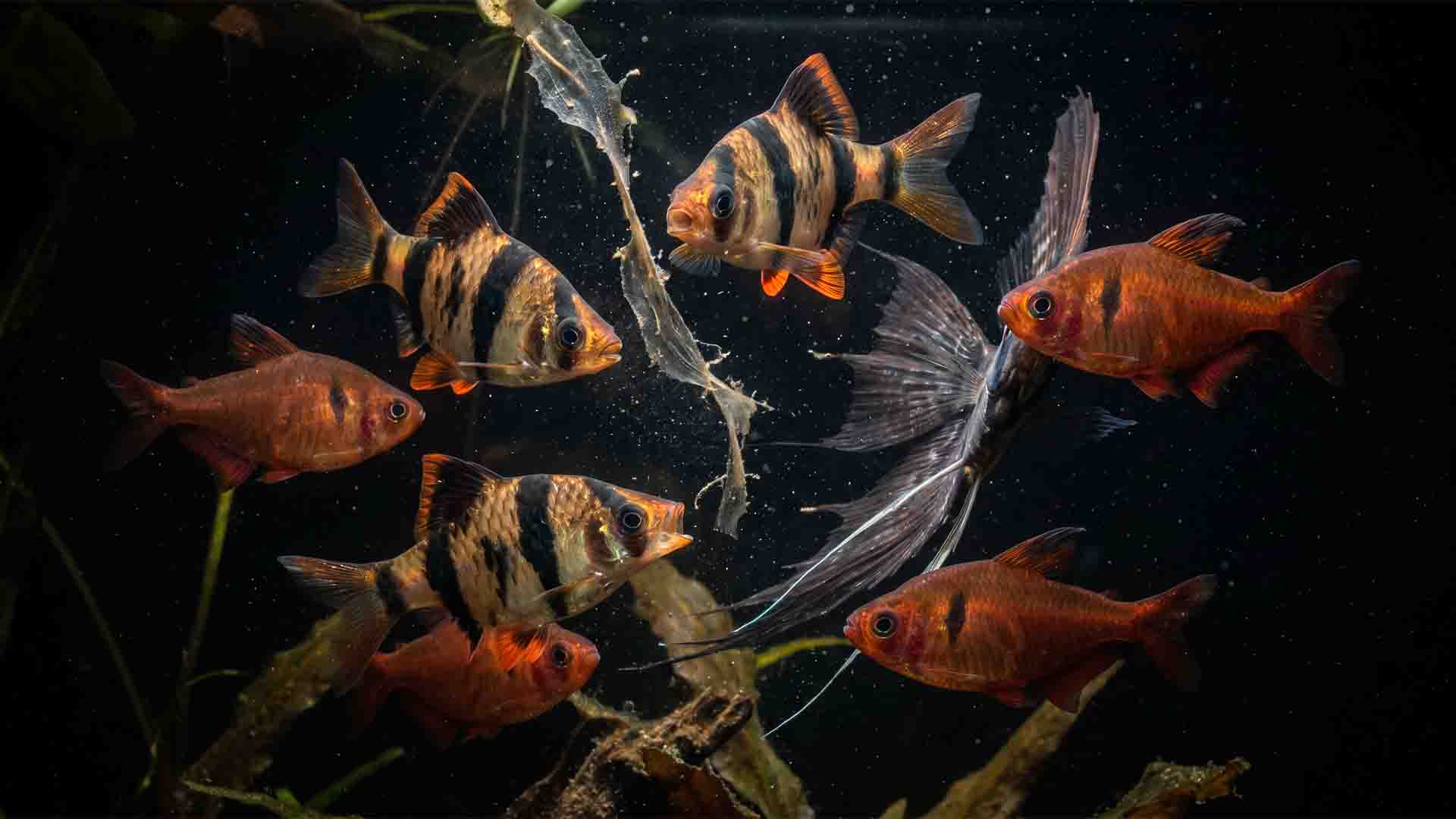
With their fiery red coloration, black shoulder patches, and compact size, Serpae Tetras are one of the most common impulse purchases for nano and community setups. Retail employees routinely bundle six of them into bags alongside fancy guppies or long-finned bettas. What unfolds over the following week is a textbook demonstration of predatory fin-nipping. Hyphessobrycon eques possesses specialized scotopic vision, providing them with heightened visual acuity in low-light and shaded blackwater habitats.
While slower, long-finned tankmates rest near the substrate or among plants after lights-out, Serpae Tetras utilize this optical advantage to launch targeted bite strikes on trailing fin tissue. They target dorsal and caudal rays with surgical precision, ripping delicate membrane margins down to the cartilage base. These physical bite wounds breach the fish’s protective epidermal mucus layer, creating open gateways for opportunistic ambient pathogens such as Flavobacterium columnare and water mold fungi. If your community tank is showing frayed fins without clear daytime combat, inspect our analysis of peaceful fish that bully tankmates to catch these covert midnight snipers.
4. Tiger Barb (Puntigrus tetrazona) – Hierarchy Breakdown & Gang Warfare
The Tiger Barb is an iconic cyprinid celebrated for its bold vertical bands and vibrant orange fin margins. In commercial stores, they are almost universally stamped with the ambiguous label “semi-aggressive.” Beginners assume this means they can hold their own in a mixed community. In reality, Tiger Barbs are social dominance machines that operate under strict linear pecking orders. In nature, they congregate in massive shoals exceeding thirty to fifty individuals, where aggressive sparring and dominance displays are dispersed across the entire group.
When an unsuspecting hobbyist purchases a standard retail group of three to five specimens, that internal social network breaks down completely. Lacking sufficient conspecific rivals to absorb the constant sparring, their pent-up dominance energy spills outward toward the rest of the aquarium. They coordinate into a relentless harassment cartel, chasing slower tankmates, cornering timid bottom dwellers, and shredding flowing fins until the target dies of metabolic exhaustion. Keeping Tiger Barbs safely requires a dedicated species-specific layout or shoals of twelve or more individuals in spacious tanks. To understand how social pressure triggers these attacks, review our field report on the most aggressive aquarium fish before bringing home small barb trios.
5. Jack Dempsey (Rocio octofasciata) – Substrate Demolition & Kinetic Heater Shattering
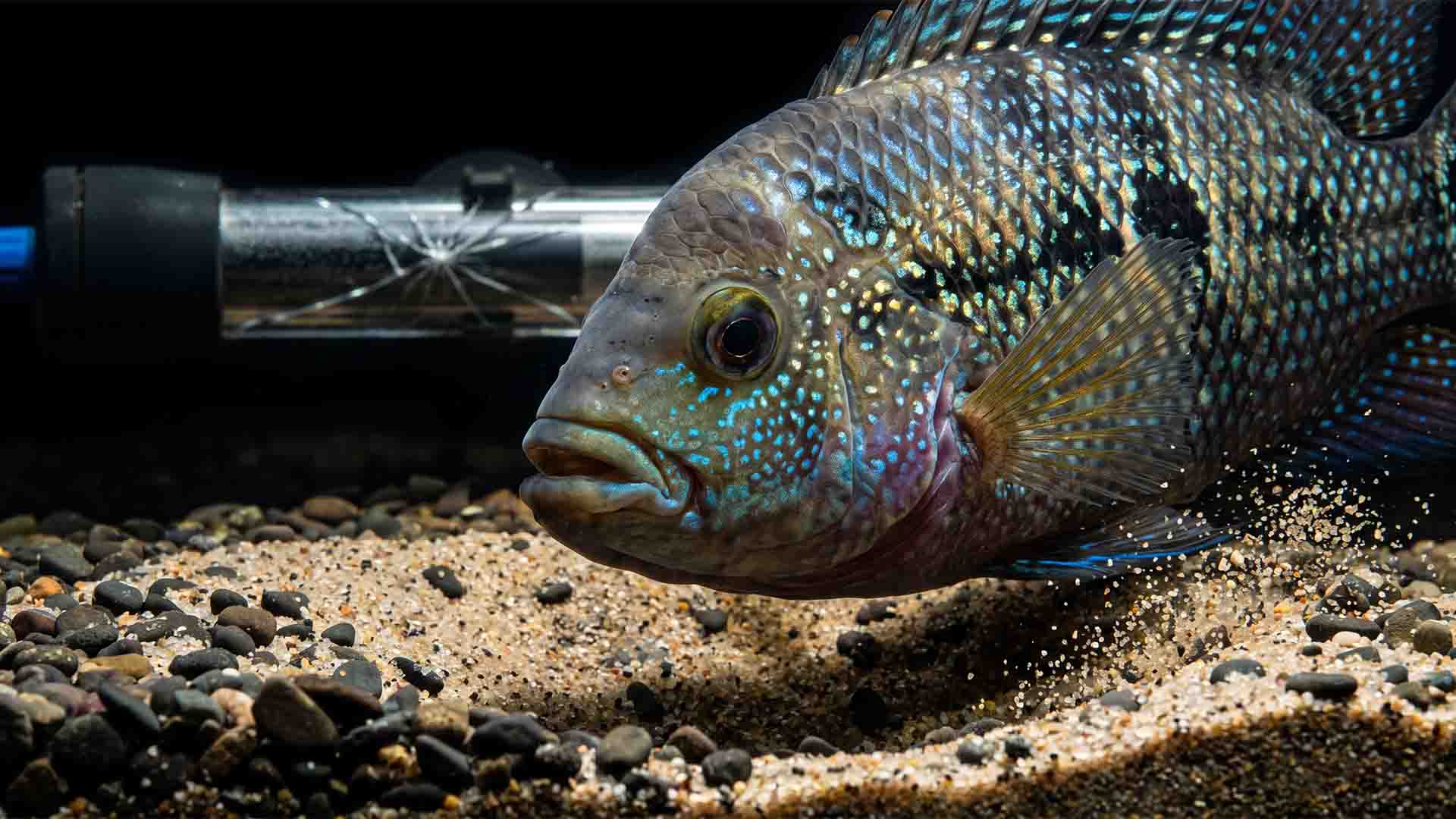
Named after the legendary heavyweight boxing champion, the Jack Dempsey lives up to its namesake in jaw strength and territorial violence. Juveniles are sold at two inches displaying stunning iridescent turquoise and gold spangles across a dark body, tempting aquarists to drop them into semi-aggressive cichlid collections. As Rocio octofasciata matures past six inches, its physical mass and territorial instincts expand exponentially. They do not simply coexist within a territory; they re-engineer the entire benthic architecture through raw kinetic force.
An adult Jack Dempsey uses its muscular buccal cavity and heavy jaw musculature to displace kilograms of gravel, excavating craters down to the bare bottom glass pane within hours. Unanchored rockwork stacked on top of the substrate gets undermined, creating structural landslides that can crack bottom panels. Even worse is their interaction with equipment. When establishing breeding pits or lunging during territorial disputes, an adult Dempsey delivers massive caudal thrust strikes. A single high-speed impact against an unshielded glass submersible heater will shatter the tube against the back wall. This causes instant thermal shock, toxic nichrome element leakage, and dangerous electrical discharges into the water column. As documented in our study on monster fish that destroy aquariums, large Central American cichlids require structurally locked scapes and armored titanium heating gear.
6. Convict Cichlid (Amatitlania nigrofasciata) – Reproductive Warfare & Fry Overload
Convict Cichlids are famous across the globe for three traits: extreme environmental hardiness, dirt-cheap price tags, and an unstoppable urge to reproduce. These fish will breed in virtually any water chemistry, from soft acidic tap water to liquid rock. Retail shops frequently recommend them as unbreakable starter fish for new cichlid enthusiasts. That hardiness is precisely what makes them an ecological nightmare in any mixed or community setup.
The moment a male and female Convict form a pair bond, they claim an invisible defensive perimeter spanning two to three feet in every direction. Driven by intense parental hormones, this bonded pair will attack and batter fish five times their size, driving Oscars, Severums, and catfish into the upper corners of the tank where they hover clamped and injured against filter intakes. Convicts do not spawn once; they produce clutches of two to three hundred viable fry every four weeks. Within six months, the aquarium becomes an overcrowded nursery that hobbyists cannot give away, driving biological waste accumulation to catastrophic levels. To avoid being trapped in this reproductive war zone, consult our breakdown of worst aquarium fish to avoid before introducing unvetted cichlid pairs.
7. Bucktooth Tetra (Exodon paradoxus) – Specialized Lepidophagy (Scale Eaters)
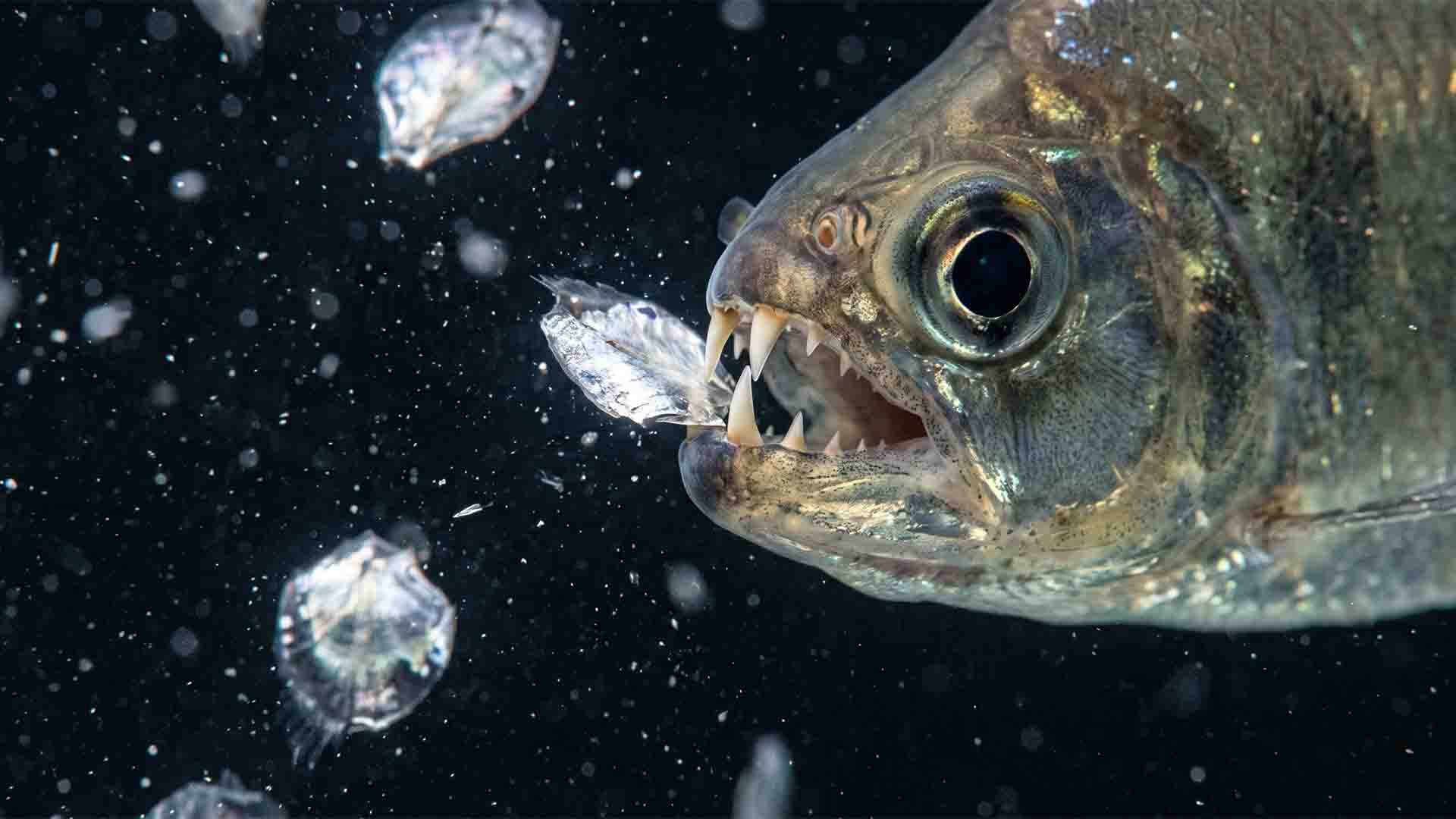
The Bucktooth Tetra, or Exodon, is visually stunning with its elongated silver body, vivid red fins, and striking black lateral blotches. Because the word “tetra” is universally associated with gentle community species like Neons or Cardinals, beginners frequently make the fatal mistake of adding a small group of Exodons to standard community displays. This is not a peaceful characin; it is an obligate micro-predator with a diet specialized around lepidophagy: the consumption of fish scales.
Exodons possess unique, outward-facing mammilliform conical teeth protruding from their upper and lower jaws. In nature, they school in turbulent South American riverways, launching coordinated, high-speed strikes against passing fish to wrench living scales directly from their dermal tissue. In the confines of an aquarium, an Exodon pack will systematically strip the scales off tankmates, flaying them alive within hours. The victim suffers profound osmotic collapse and massive secondary bacterial infections from hundreds of open circular puncture wounds. Exodons are magnificent, fascinating animals, but they must strictly be maintained in large, single-species colonies. Learn why small size never guarantees community safety by reviewing our guide on tiny fish you should never buy.
8. Oscar Fish (Astronotus ocellatus) – Cubic Bioload Spikes & Structural Wrecking
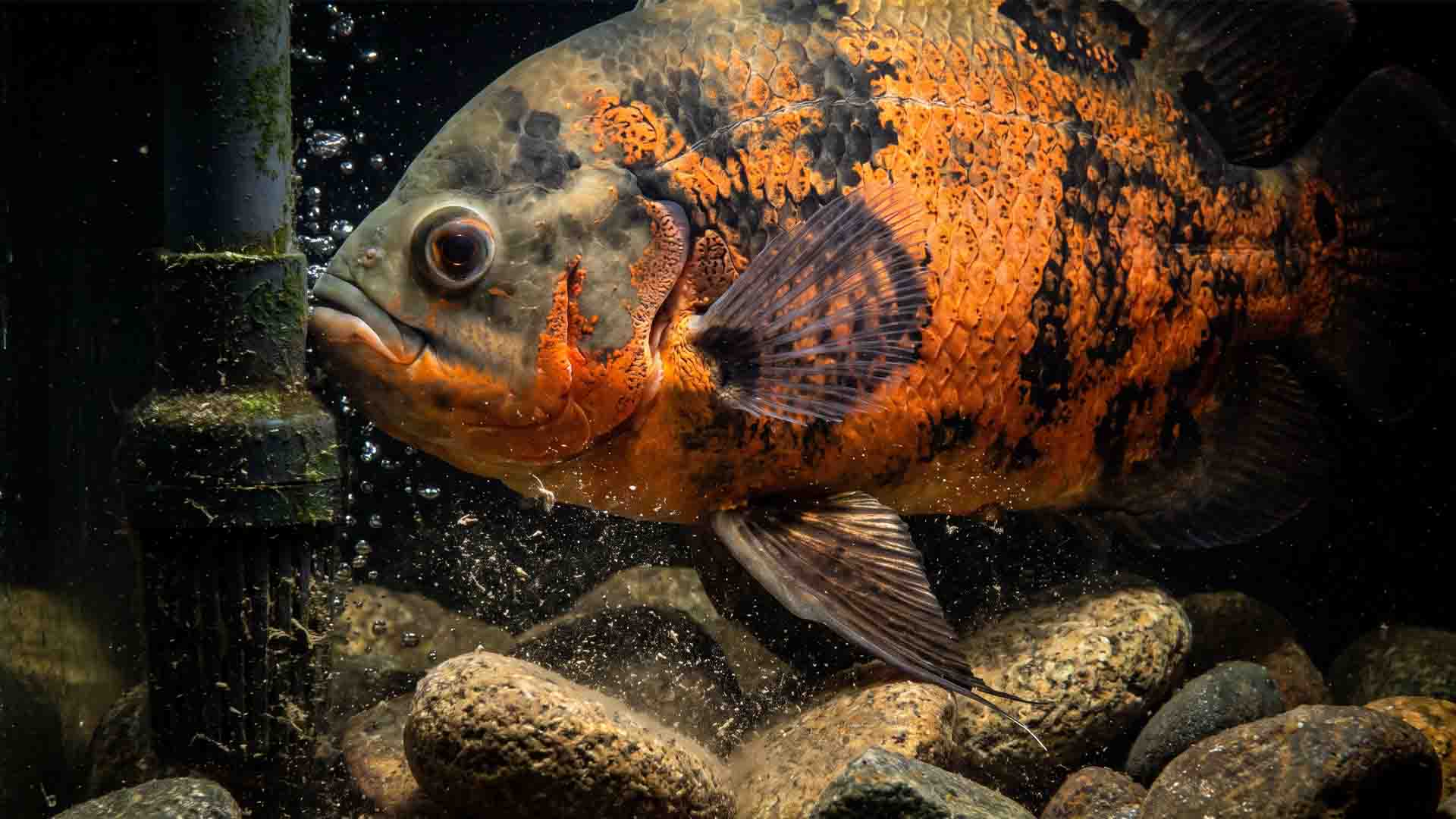
Oscars are often affectionately called the “river dogs” of the aquatic hobby due to their immense intelligence, eye contact, and begging routines. Store displays are filled with irresistible two-inch babies that wiggle frantically at the front glass. Beginners routinely buy one for a standard 20, 30, or 55-gallon tank, assuming they have plenty of time before size becomes an issue. This assumption ignores the aggressive juvenile growth velocity of Astronotus ocellatus, which easily clocks one inch of physical length per month when properly nourished.
An adult Oscar reaches twelve to fourteen inches and weighs well over two to three pounds. As high-mass ammonotelic carnivores, roughly 85 to 90 percent of their nitrogenous waste is excreted continuously across their branchial gill membranes as pure, un-ionized ammonia. Standard hang-on-back filters simply do not possess the specific surface area or media volume to process this massive biochemical flux. Nitrate levels creep past 40 to 80 ppm within days of a water change, triggering chronic immune suppression and sensory pore erosion known as Hole-in-the-Head (HITH) disease. Furthermore, their oral curiosity leads them to bite intake tubes, headbutt heaters, and displace hardscape. To manage these apex giants without crashing your system, master our comprehensive framework on 10 deadly Oscar fish mistakes before committing to one.
9. Common Pleco (Hypostomus plecostomus) – The 24-Inch Armored Waste Machine
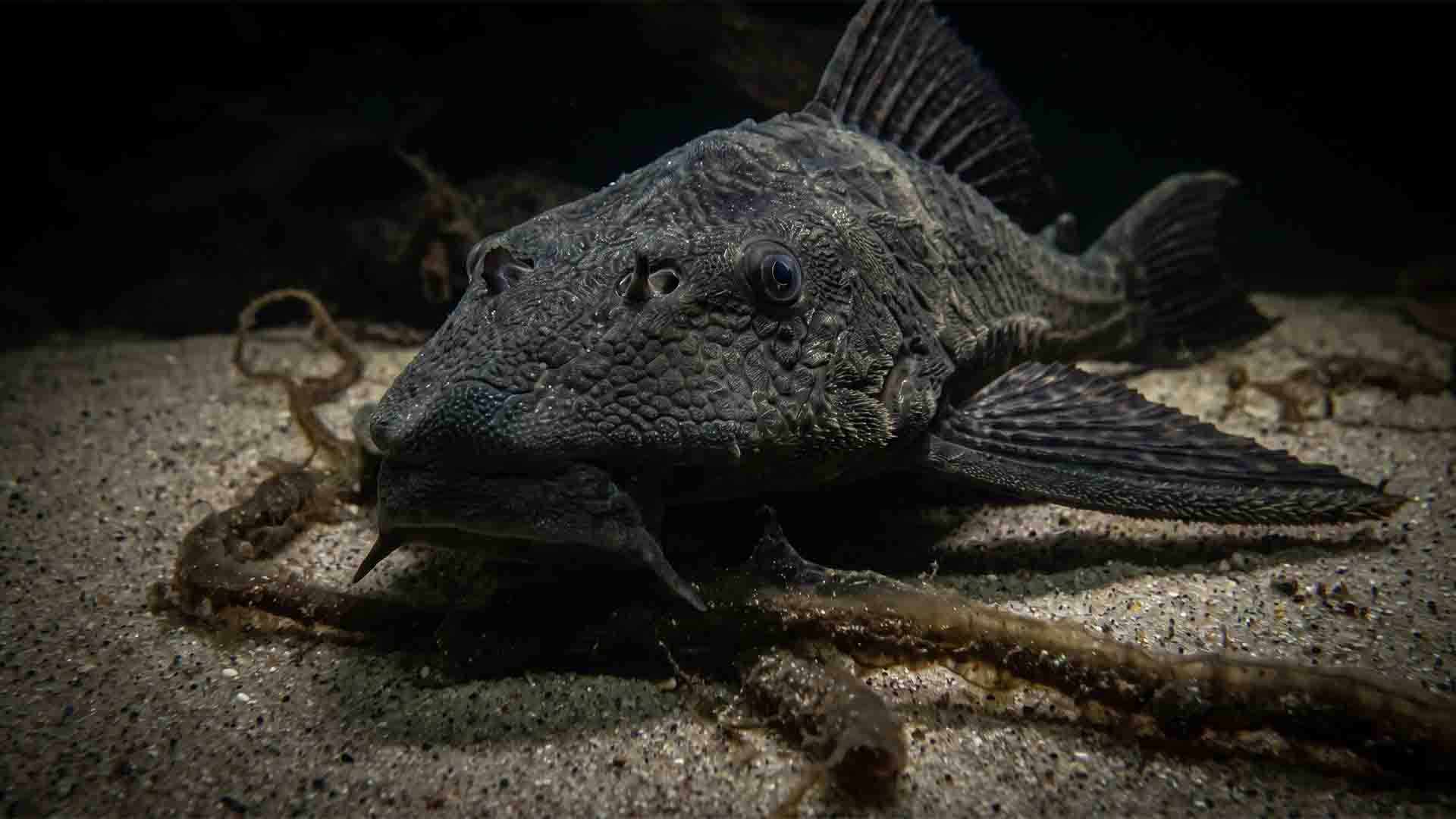
The Common Plecostomus is the foundation of the commercial pet trade’s biggest maintenance deception: the “janitor fish” myth. When brown diatoms coat the glass of a new tank, retailers hand the hobbyist a two-inch Pleco with the promise that it will eat waste and keep the glass clean. This premise is fundamentally flawed. An animal is an open biological engine, not an aquarium vacuum cleaner. Every calorie it consumes is converted into metabolic waste, consuming dissolved oxygen and straining biological filtration beds.
While a juvenile Pleco grazes soft diatoms, its digestive physiology undergoes a major ontogenetic shift as it grows. Mature specimens reaching eighteen to twenty-four inches require substantial structural fiber and protein, rasping driftwood and producing massive, continuous ropes of solid feces. This colossal physical waste load rapidly clogs mechanical sponges, overwhelms nitrifying biofilms, and triggers persistent milky heterotrophic bacterial blooms. In underfed or crowded setups, an adult Pleco will utilize its broad suction disc to latch onto the flanks of sleeping Discus, Angelfish, or Goldfish at night, feeding on their protective dermal mucus and causing systemic ulcerations. If you need dedicated benthic maintenance without biological collapse, review our ranking of the best and worst bottom dwellers to pick manageable four-inch alternatives.
10. Red-Bellied Pacu (Piaractus brachypomus) – The River Megafauna Tank Buster
Sold as cheap, two-inch silver novelties that look indistinguishable from baby Red-Bellied Piranhas, Pacus represent the most irresponsible livestock sale in the freshwater hobby. Unsuspecting hobbyists buy them out of curiosity, drop them into 55-gallon tanks, and marvel at their rapid feeding response. Within twelve to eighteen months, that silver coin transforms into an enormous thirty-inch river leviathan weighing over thirty-five pounds.
Piaractus brachypomus is native to the massive channels of the Amazon and Orinoco basins. In closed home aquariums, their physical bulk and swimming acceleration turn them into literal battering rams. Startled by room lights or vibrations, an adult Pacu can shatter 3/8-inch tempered glass panels, launch clean through heavy canopy lids, and completely obliterate heavy rockwork. Their vegetarian diet requires massive volumes of fresh greens and pellets, creating an astronomical organic waste output that demands commercial pond filtration. Keeping a Pacu in a residential aquarium is an impossible engineering battle that inevitably ends in structural failure or an emergency search for a public aquarium donation. To understand how predatory river giants outpace home ecosystems, explore our warning on the monster fish juvenile trap and delayed collapse.
High-Risk Species vs. FTM-Approved Safe Alternatives (The Biological Swap Matrix)
Fixing an aggressive or ecologically overloaded aquarium does not require abandoning striking colors, energetic schooling, or bold personalities. It requires substituting high-liability species with biologically stable counterparts that occupy the exact same aesthetic and spatial niche without the predatory dentition, explosive bioload, or relentless territorial neurosis. The data matrix below maps the biological traps of the ten worst aquarium fish against proven, FTM-approved replacements engineered by evolution for long-term community survival.
| High-Risk Species (Scientific Name) | Retail Sales Pitch | Real Biological Trap | Community Outcome | FTM Safe Swap | Systemic Advantage |
|---|---|---|---|---|---|
| Silver Dollar (Metynnis argenteus) | “Peaceful herbivorous silver schooling centerpiece.” | Obligate macrophyte shearers; serrasalmid incisiform dentition. | Total defoliation of planted scapes; severe organic debris decay. | Congo Tetra (Phenacogrammus interruptus) | Magnificent iridescent flanks and flowing fins; zero plant-tissue consumption. |
| Giant Danio (Devario aequipinnatus) | “Hardy, active mid-water community dither fish.” | High Reynolds number sprinters; kinetic hydro-acoustic pressure. | Severe pacing exhaustion in slow fish; nocturnal glass collision trauma. | Harlequin Rasbora (Trigonostigma heteromorpha) | Disciplined, tight schooling geometry; gentle water-column kinematics. |
| Serpae Tetra (Hyphessobrycon eques) | “Vibrant red nano fish for community setups.” | Scotopic low-light visual acuity; targeted micro-predation. | Midnight fin shredding; opportunistic Columnaris pathogen entry. | Pristella Tetra (Pristella maxillaris) | Over-engineered dermal scales; zero interest in tankmate fin tissue. |
| Tiger Barb (Puntigrus tetrazona) | “Playful, bold, semi-aggressive schooling classic.” | Small group hierarchy collapse; redirected dominance cartels. | Relentless daytime nipping; systemic metabolic exhaustion of tankmates. | Cherry Barb (Puntius titteya) | Deep crimson breeding coloration; entirely non-aggressive social structure. |
| Jack Dempsey (Rocio octofasciata) | “Stunning electric-spangled Central American cichlid.” | Muscular benthic excavation; high-mass caudal thrust impacts. | Substrate craters; knocked-over rockwork; shattered glass heaters. | Keyhole Cichlid (Cleithracara maronii) | Intelligent, pair-bonding cichlid presence; zero benthic re-engineering. |
| Convict Cichlid (Amatitlania nigrofasciata) | “Indestructible starter cichlid that spawns easily.” | Hyper-protective hormonal pair bonding; four-week breeding loop. | Violent two-foot exclusion zones; unmanageable fry populations. | Bolivian Ram (Mikrogeophagus altispinosus) | Peaceful dwarf cichlid interactions; completely community-compatible territory limits. |
| Bucktooth Tetra (Exodon paradoxus) | “Uniquely marked, predatory characin schooler.” | Obligate lepidophagy; external mammilliform striking teeth. | Live flaying of tankmates; acute osmotic shock and sepsis in victims. | Black Neon Tetra (Hyphessobrycon herbertaxelrodi) | Deep-bodied, energetic schooler with glowing lateral stripes; zero predatory habits. |
| Oscar Fish (Astronotus ocellatus) | “Interactive river dog that bonds with its keeper.” | Allometric mass cubed growth; high-rate branchial ammonia shedding. | Catastrophic canister filter overload; chronic Hole-in-the-Head (HITH) disease. | Banded Severum (Heros severus) | Large, majestic cichlid presence; gentle demeanor; vastly lower metabolic strain. |
| Common Pleco (Hypostomus plecostomus) | “Essential janitor fish that keeps glass and gravel clean.” | Ontogenetic diet shift to wood and protein; colossal fecal solid mass. | Massive filter clogging; nighttime slime coat predation on sleeping fish. | Bristlenose Pleco (Ancistrus sp.) | Caps out at 4 to 5 inches; obligate life-long grazer; minimal biofilter impact. |
| Red-Bellied Pacu (Piaractus brachypomus) | “Peaceful vegetarian alternative to piranhas.” | River basin megafauna; 35-pound adult mass; immense kinetic burst speed. | Shattered tank panels; crushed interior hardware; unmanageable waste output. | Denison Barb (Sahyadria denisonii) | Torpedo-shaped, high-energy red line swimmer; respects captive horizontal runways. |
The 90-Day Delayed Tank Failure Timeline: From Retail Honeymoon to Ecosystem Collapse
Aquarium ecosystems do not crash instantaneously. Closed aquatic environments operate on delayed biological timelines where early husbandry missteps and incompatible stocking decisions accumulate silently as biological debt. In the first weeks, clean municipal tap water, low juvenile mass, and temporary transport shock mask the true pressure building beneath the surface. By the time physical symptoms erupt, the ecosystem has completely exhausted its biological buffer. The timeline below illustrates the exact chronological progression from the retail sales floor to total biological collapse.
| Timeline Phase | Visual Illusion (What You See) | Internal Teleost & Microbial Reality | Ecosystem Impact | FTM Operational Protocol |
|---|---|---|---|---|
| Days 1 – 7 (The Retail Honeymoon) | Crystal-clear water; new fish explore cautiously; schooling fish cluster tightly; no active chasing observed. | Elevated plasma cortisol from netting and transport suppresses territorial drives; juvenile masking remains fully operational; retail UV shields wear off. | False stability. The aquarist assumes compatibility is proven, relaxes observation, and prematurely increases feeding amounts. | Halt further stocking completely. Restrict photoperiod to 6 hours. Conduct a 15-minute nocturnal behavioral check after dark. |
| Days 8 – 21 (The False Stability Window) | Water takes on a faint opalescent haze; fish display voracious appetites; minor micro-crescents appear on trailing fin margins. | Heterotrophic bacteria multiply rapidly in open water to process waste spikes; juvenile dominance hormones activate; scotopic nippers begin nighttime strikes. | Subordinate fish begin avoiding prime swimming zones; baseline corticosteroids rise in timid species; biofilter safety margins shrink by 40%. | Do not clean filter media. Increase surface agitation to safeguard dissolved oxygen. Verify free ammonia using liquid test reagents, not test strips. |
| Days 22 – 60 (The Accumulation Window) | Subordinate fish hover motionless near heater tubes or surface corners; thick organic waste accumulates on sand; live plants exhibit chewed stalks. | Chronic stress exhausts fish adrenal tissue; epidermal mucosal coatings thin drastically; allometric mass scaling multiplies daily nitrogenous output. | Autotrophic nitrifiers fall behind ammonia production; opportunistic bacteria (Columnaris) attach to torn epidermal margins; territorial lines become permanent. | Execute immediate triage. Rehome or isolate confirmed aggressors. Add physical driftwood baffles to break straight visual sightlines. |
| Days 61 – 90+ (Systemic Collapse) | Sudden unexplained mortalities; persistent milky bacterial fog; fish gasping heavily at the surface; broken hardware or cracked heaters. | Biological debt matures; un-ionized free ammonia causes branchial lamellae burns; nocturnal dissolved oxygen crashes to lethal thresholds. | Total ecosystem breakdown. The biofilter collapses under structural waste loads, leaving the aquarist facing a complete emergency tank reset. | Halt major cleaning resets. Perform small, temperature-matched 20% water changes. Upgrade biological filtration volume and transfer outsized megafauna. |
If your aquarium is currently exhibiting subtle fin erosion, surface lingering, or persistent water haziness, your system is drifting through the deceptive middle window. To learn how to read these critical warnings before irreversible livestock losses occur, study our complete diagnostic guide on identifying the false stability phase before your aquarium collapses.
What to Avoid: 4 Behavioral Traps That Wreck Community Tanks
Aquarium ecosystems are rarely dismantled by bad luck or defective equipment. They collapse because well-meaning aquarists get trapped in psychological feedback loops promoted by commercial retail marketing. When friction appears inside a glass box, human instinct pushes keepers to take actions that feel productive on the surface but directly accelerate the underlying biological breakdown. To maintain structural equilibrium, you must eliminate these four destructive habit loops immediately:
1. Shopping by Retail Display Size (The Allometric Scaling Blindspot)
- Why it feels right: You walk into a retail shop, spot a 1.5-inch juvenile Common Pleco, Oscar, or Silver Dollar swimming peacefully in a small glass compartment, and instinctively calculate your tank capacity around its current physical footprint.
- What it silently breaks: It ignores the physical laws of allometric mass scaling. Fish do not grow linearly; they expand volumetrically. When a juvenile fish quadruples in length from two inches to eight inches, its wet physical living mass multiplies by a factor of sixty-four (23 versus 83). That volumetric expansion drives an identical sixty-four-fold surge in dissolved oxygen consumption, solid fecal waste production, and branchial ammonia output. What fit effortlessly into your biological safety margin in month one completely crushes your biofilter beds by month four.
- What to ask instead: “What is the maximum adult mass, hydrodynamic swimming requirement, and dietary trajectory of this animal at thirty-six months, and does my physical glass footprint support that mature biomass?”
2. Hiring Live Animals as Subcontracted Cleaners (The Janitor Fallacy)
- Why it feels right: When brown diatom film blankets the glass or uneaten flake food settles into substrate crevices, buying a “cleaner fish” feels like implementing a natural, ecological solution to maintenance.
- What it silently breaks: It falls directly into the Subcontractor Debt Trap. No organism in known biology operates at 100% thermodynamic efficiency. Every single milligram of algae or detritus an animal consumes is metabolically transformed into un-ionized ammonia, dissolved organic carbon, and massive ropes of solid waste. Adding a Common Pleco or Chinese Algae Eater does not remove waste from your system; it converts microscopic surface film into massive organic pollution that strips dissolved oxygen and overwhelms nitrifying bacteria. Furthermore, as detailed in our guide on the best freshwater cleanup crew species, true benthic balance requires targeted micro-grazers, not massive retail scavengers.
- What to ask instead: “What environmental failure—photoperiod duration, organic overfeeding, or hydraulic dead zones—is driving this waste accumulation, and how do I correct the mechanical input rather than adding more living mass?”
3. Chasing Optical Sparkle Over Biological Buffering (The Sterile Tank Reflex)
- Why it feels right: Seeing slightly brown mulm on filter sponges or a thin layer of biofilm on decorative rocks triggers an urge to scrub the glass, blast filter pads under hot tap water, and siphon the substrate down to bare glass.
- What it silently breaks: It induces Sterile Tank Syndrome. True biological resilience does not exist in the open water column; over 90% of your autotrophic nitrifiers and heterotrophic decomposers reside within the porous biological slime, extracellular polymeric substances (EPS), and spongy biofilms coating interior surfaces. When you blast those pads under municipal chlorinated tap water or execute deep gravel extractions, you wash your aquarium’s living liver down the sewer. The water looks sparkling clean for twelve hours, followed immediately by milky heterotrophic blooms, respiratory distress, and delayed ammonia spikes.
- What to ask instead: “Am I cleaning this component to restore physical water circulation through mechanical media, or am I disrupting mature biological infrastructure simply to satisfy a cosmetic impulse?”
4. Reactive Chemical Dosing & Panic Water Dumps (Osmotic Whiplash)
- Why it feels right: Noticing slight behavioral sluggishness, minor fin clamping, or a 0.25 ppm reading on a test tube pushes the keeper to execute a panicked 80% water dump and pour three different bottled chemical conditioners into the tank simultaneously.
- What it silently breaks: It subjects aquatic livestock to catastrophic osmotic shock. Massive, erratic water replacements abruptly alter general hardness (GH), carbonate buffering (KH), dissolved gases, and total dissolved solids (TDS) faster than teleost branchial ionocytes can physiologically adjust. Flocculants and chemical clarifiers bind suspended organic particles into dense macroscopic masses that coat fragile secondary gill lamellae, crippling the fish’s oxygen diffusion efficiency. As outlined in our operational guide on why fish die following aquarium water changes, chemical stability always trumps rapid emergency resets.
- What to ask instead: “Does this test reading represent an acute lethal toxicity event demanding immediate dilution, or is it an operational signal requiring measured, low-intervention stabilization?”
Do This Instead: The FTM Resilient Stocking Protocol
Transforming a high-stress, incompatible fish tank into an unbreakable, self-regulating ecosystem requires shifting your mindset from commercial consumerism to biological systems engineering. Use the following five-step protocol to triage existing tension and build an ecosystem that thrives on natural stability:
Step 1: Execute a Nocturnal Behavioral Audit
Daytime behavior inside a brightly illuminated living room provides a completely deceptive picture of community compatibility. The real territorial wars, predatory ambushes, and targeted fin-nipping strikes occur during the scotopic transition. Turn off display lights, leave faint ambient room lighting active, and observe your aquarium undisturbed for twenty minutes. Track which fish are actively pacing perimeters, which specimens are hunting the substrate for sleeping tankmates, and which timid schoolers are forced to hover vertically against filter intakes. Identify the true behavioral instigators before daylight masks their actions.
Step 2: Calculate Adult Biomass Using Kleiber’s Volumetric Standard
Discard the obsolete “one inch of fish per gallon” rule completely. Instead, evaluate the full three-dimensional adult mass of every inhabitant. Ensure that for every high-mass cichlid or large benthic feeder, your system provides at least 0.5 to 1.0 liters of highly porous biological media (such as sintered glass rings or 20-30 PPI reticulated foam) subjected to consistent, oxygenated water flow. If your mature livestock volume exceeds the biological processing capacity of your filter sump or canister, no amount of chemical additives will prevent chronic nitrate accumulation and immune degradation.
Step 3: Architect Physical Sightline Baffles & Horizontal Zones
Open, minimalist aquascapes turn semi-aggressive community setups into relentless gladiatorial arenas. Fish establish dominance through continuous, uninterrupted lines of sight. Break your aquarium into distinct three-dimensional ecological zones using tall vertical driftwood branches, dense background stem clusters, and strategically placed river stones. When a subordinate fish can break direct eye contact with a dominant territorial cichlid by swimming twelve inches behind a hardscape barrier, baseline circulating cortisol levels drop by over 50%, completely eliminating pursuit cycles.
Step 4: Execute Asymmetrical Rehoming & Niche Triage
If your behavioral audit confirms that you are housing an obligate scale-eater (Exodon), an unstoppable plant defoliator (Silver Dollar), or a river giant (Common Pleco or Pacu), stop attempting to negotiate with evolutionary biology. No amount of extra feeding or water changing will rewrite an animal’s genetic code. Immediately contact local independent fish stores, specialized aquarium clubs, or regional aquatic societies to surrender or rehome the mismatched specimen. Removing a single biological wrecking ball instantly restores the entire system’s safety margin.
Step 5: Establish a Low-Intervention Maintenance & Feeding Rhythm
The hallmark of an expert aquarist is restraint. Settle your aquarium into a predictable, rhythmic routine. Feed high-quality, pre-soaked sinking foods only in quantities your community consumes completely within sixty seconds, incorporating one fasting day per week to allow digestive tracts to clear. Restrict maintenance to a scheduled, weekly 15% to 20% water change using temperature-matched, dechlorinated water, and never service biological filter media on the same day you lightly vacuum open substrate zones. For a complete blueprint on eliminating chronic husbandry errors, master our framework on stopping the 7 destructive aquarium mistakes that kill fish.
Scientific Truths Behind Aquarium Aggression & Metabolic Collapse
Aquarium failures are never random acts of bad luck. When an aquarium erupts into territorial warfare, when fish lose their scales overnight, or when a mature biological filter crashes, the system is simply obeying immutable laws of vertebrate physiology and aquatic microbiology. To build an ecosystem that endures for years rather than weeks, you must look past commercial retail myths and understand the four biological realities governing captive teleosts:
Truth 1: Ontogenetic Trophic Shifts and Dentition Maturation in Teleosts
One of the primary drivers of delayed aquarium failure is ontogenetic trophic divergence—the biological process where an animal’s dietary habits, jaw mechanics, and digestive enzyme profiles transform radically as it matures from a juvenile into an adult. Retail chain stores sell juvenile fish during their transitional nursery phase when their dentition is microscopic and their predatory instincts are dormant. As documented in global ichthyological surveys across FishBase, teleost species like the Silver Dollar (Metynnis argenteus) and Bucktooth Tetra (Exodon paradoxus) develop specialized oral morphology under the direction of adult thyroid and growth hormones. In Silver Dollars, microscopic fry teeth morph into razor-sharp, interlocking incisiform dentition engineered specifically to shear tough vascular aquatic foliage. In Exodons, specialized conical mammilliform teeth erupt directly through the jaw margins, transforming a seemingly harmless community characin into an obligate scale predator. You cannot train an animal to ignore its evolutionary jaw structure with store-bought flakes.
Truth 2: Confined Hydrodynamics and Reynolds Number Stress in Stream Dwellers
Active river fish confined to standard home aquariums experience severe physiological exhaustion governed by fluid kinematics. High-speed schooling species like the Giant Danio (Devario aequipinnatus) evolved in oxygen-saturated, turbulent Indian river torrents characterized by high Reynolds number hydrodynamics. In these wild lotic environments, continuous swimming against laminar flow is effortless due to hydrodynamic lift and school-drag reduction. When forced into a static four-foot glass rectangle with turbulent powerhead crosscurrents and rigid boundaries, their locomotive efficiency collapses. Research published in Integrative and Comparative Biology confirms that swimming against unbuffered physical barriers forces continuous anaerobic white-muscle recruitment. This chronic exertion leads to severe lactic acid accumulation, elevated baseline plasma cortisol levels, and permanent acoustic irritation across their lateral-line neuromasts. The frantic pacing observed by hobbyists is not healthy vigor; it is an active panic flight response triggered by kinematic boundary confinement.
Truth 3: Specialized Lepidophagy and Ectoparasitic Feeding Adaptations
Lepidophagy—the consumption of fish scales—is not an aggressive personality defect; it is one of the most specialized and efficient trophic niches in vertebrate ecology. In wild freshwater biomes, scales provide an extraordinarily concentrated source of calcium, keratin, proteinaceous mucus, and mineral phosphorus. As detailed in comparative morphological studies indexed on ScienceDirect, scale-eating characins like Exodon paradoxus have evolved high-velocity ambush mechanics. They use sensory lateral-line receptors to detect the hydrodynamic wake of passing fish, launch strikes in under 20 milliseconds, and twist their bodies to dislodge scales without consuming the host whole. When confined within the closed perimeter of a home aquarium, the prey fish cannot escape the visual search radius of the predator. The continuous removal of dermal armor destroys the prey’s osmotic barrier, leading to fatal systemic edema, secondary saprolegniasis, and acute bacterial sepsis.
Truth 4: Branchial Ammonia Excretion Kinetics Under Allometric Scaling Laws
The belief that biological waste scales linearly with a fish’s length is mathematically and physiologically false. In teleost biology, metabolic waste generation scales allometrically with body mass according to Kleiber’s volumetric principles. Because physical mass increases cubically relative to linear length, an eight-inch cichlid or catfish possesses roughly sixty-four times the living wet biomass of an identical two-inch juvenile. Furthermore, teleosts are ammonotelic organisms: over 85 to 90 percent of their total nitrogenous waste is not excreted as solid feces through the vent, but shed continuously as un-ionized, toxic free ammonia (NH3) directly across the branchial epithelial membranes of their secondary gill lamellae. According to toxicological criteria published by the U.S. Environmental Protection Agency (EPA), high branchial ammonia fluxes rapidly overwhelm the stoichiometric oxidation capacity of young or under-sized nitrifying biofilms. As ammonia accumulates in the boundary layer around the gills, internal blood ammonia rises, causing lamellar hyperplasia, branchial necrosis, and systemic asphyxiation even in water with high dissolved oxygen.
People Also Ask (PAA)
What is the single worst fish to keep for beginners?
The Common Plecostomus (Hypostomus plecostomus) is the single worst fish for beginners. Commercial retailers sell them at two inches as harmless “tank janitors,” but they rapidly reach eighteen to twenty-four inches in length. An adult Common Pleco produces colossal amounts of solid waste that overwhelms domestic filters, stops eating algae in favor of wood and protein, and frequently latches onto resting community fish at night to feed on their protective slime coats.
Can aggressive fish ever be safely kept in community aquariums?
No. True aggressive species—such as Jack Dempseys, Convict Cichlids, and Bucktooth Tetras—cannot be trained, disciplined, or negotiated into peaceful community coexistence. Their territorial boundaries, predatory dentition, and hormonal reproductive drives are hardwired into their genetics. Attempting to house them in peaceful community tanks guarantees chronic immune suppression, frayed fins, dislodged equipment, and preventable casualties.
Why do peaceful juvenile fish become aggressive as they grow?
Juvenile fish suppress their territorial and predatory behaviors due to evolutionary nursery survival strategies and artificial retail stocking compression. In high-density store holding tanks, establishing physical territories is impossible. Once brought home and provided with high-protein food, the fish reaches sexual maturity. Surging androgenic hormones, natural resource defense instincts, and adult spatial requirements permanently activate aggressive behaviors that were dormant in their youth.
Do Silver Dollars actually eat every live aquarium plant?
Yes. Silver Dollars belong to the family Serrasalmidae and are specialized obligate herbivores equipped with sharp, specialized incisiform teeth. They do not merely nibble on algae; they systematically consume the vascular fibrous tissue of live aquatic greenery. Within days, a small school of Silver Dollars will completely defoliate Amazon Swords, Anubias, Vallisneria, and stem plants down to bare, chewed roots.
How fast does an Oscar fish outgrow a 55-gallon tank?
An Oscar fish (Astronotus ocellatus) will outgrow a standard 55-gallon aquarium within eight to twelve months. A healthy juvenile Oscar grows at an average rate of one inch per month under proper nutrition. Because an adult reaches twelve to fourteen inches and standard 55-gallon tanks are only twelve inches wide from front to back, the fish cannot physically turn around without rubbing against the glass, creating severe chronic stress and organ stunting.
Why do Tiger Barbs nip fins when kept in small schools?
Tiger Barbs operate on a rigid linear social hierarchy. In nature, they live in large shoals exceeding thirty to fifty individuals, where dominance sparring is dispersed harmlessly across the group. When kept in small retail groups of three to five, that internal hierarchy breaks down, and their redirected dominance energy is channeled outward as relentless daytime fin-nipping against slow-moving, long-finned tankmates.
Frequently Asked Questions (FAQ)
How do you safely rehome an aggressive or oversized tank buster?
If you have inadvertently purchased a tank buster like a Pacu, Common Pleco, or aggressive cichlid, do not release it into local waterways, as this causes catastrophic ecological damage. Contact local independent aquarium shops, which frequently offer livestock surrender or credit programs. Alternatively, reach out to regional aquarium societies, specialized hobbyist clubs, or community adoption networks to place the specimen with an experienced keeper who operates dedicated, high-capacity ponds or mega-aquariums.
What should I do if an aggressive fish has already injured tankmates?
Immediately separate the injured fish using an external quarantine tank or a solid physical divider within the display. Do not dump broad-spectrum medications into your main tank, as this can destroy beneficial nitrifying bacteria. Ensure the injured fish is provided with pristine, warm, well-oxygenated water to facilitate natural healing. If epidermal tears or secondary fungal growths appear, treat the fish in the hospital system with directed antimicrobials while resolving the social conflict in the main display.
Can heavy biological filtration compensate for keeping high-bioload monster fish?
Heavy filtration expands your biological processing capacity, but it cannot solve behavioral space-math or kinetic swimming requirements. While an oversized canister filter or custom sump can convert massive ammonia surges into nitrates, it cannot prevent a thirty-inch Pacu or full-grown Oscar from headbutting heaters, cracking glass panels, or intimidating smaller tankmates into chronic cortisol exhaustion. Biological filtration manages chemistry; footprint and layout manage behavior.
Why do pet stores continue selling juvenile fish that get too large for home aquariums?
Commercial chain retailers operate on high inventory turnover and customer acquisition rather than long-term aquatic system stability. Wholesale breeding farms mass-produce juvenile Plecos, Oscars, and Pacus for pennies, making them cheap, eye-catching impulse items for store shelves. The commercial business model relies on the delayed failure timeline: by the time the fish outgrows the aquarium months later, the store has already finalized the sale and can sell corrective equipment or replacement livestock.
Which schooling fish provide bright coloration without fin-nipping behavior?
If you want vibrant visual impact without fin-nipping warfare, choose species with stable, non-aggressive social structures. Harlequin Rasboras (Trigonostigma heteromorpha), Cherry Barbs (Puntius titteya), Black Neon Tetras (Hyphessobrycon herbertaxelrodi), and Pristella Tetras (Pristella maxillaris) maintain disciplined, cohesive schooling geometry without harassing long-finned tankmates or displaying scotopic predatory habits.
Fix the Whole System: FishTank Mastery Knowledge Base (Hub & Spoke Architecture)
Eliminating destructive species from your stocking list is the first step toward long-term ecosystem equilibrium, but true mastery requires engineering every layer of your closed aquatic life support system. If you have been relying on retail guidelines to stock your aquarium, you must immediately abandon linear stocking rules. Discover how allometric body volume and oxygen kinetics dictate true carrying capacity by studying our scientific deconstruction of the overstocking aquarium myth and why the 1-inch-per-gallon rule fails.
Community harmony depends on understanding spatial territory and hydrodynamic behavior before purchasing livestock. If your aquarium is currently suffering from mysterious chasing, clamped fins, or territorial fighting among supposedly gentle fish, diagnose the behavioral pressure points using our guide to peaceful fish that bully tankmates. To understand the underlying evolutionary drives governing teleost social hierarchies, cross-reference your community roster with our field breakdown of the top 10 most aggressive aquarium fish.
Never rely on live animals as subcontracted janitors to fix structural maintenance errors. Adding large armored catfish to clean glass or scrape gravel merely accelerates biological debt. Instead of overloading your system with massive waste machines, select genuine utility grazers that match your bioload by reviewing our tested rankings for the best freshwater clean-up crew species.
If your aquarium appeared healthy and clear for weeks before suddenly descending into disease, cloudy water, or livestock casualties, your system has drifted through the classic retail honeymoon. Learn how to recognize subtle behavioral distress cues long before chemical parameters spike by reading our deep diagnostic on how to identify the false stability phase before your aquarium collapses. To identify the hidden husbandry routines that reset your biological media and trigger delayed crashes, audit your daily habits against our clinical guide on why fish keep dying in clean water.
Finally, protect your ecosystem from retail sales scripts that push high-turnover consumables over biological stability. Big-box stores optimize their inventory for today’s transaction, leaving the delayed biological consequences to the keeper. Shield your investment and your livestock by reading our full forensic investigation into the pet store lies that crash beginner fish tanks.
Scientific References & Literature Review
Every biological mechanism, ethological pattern, and water chemistry principle detailed in this guide is grounded in established, peer-reviewed aquatic veterinary literature and ecological field research:
1. Teleost Ontogeny and Life-History Parameters: The global ichthyological database provides comprehensive biological records detailing adult standard length, wild trophic ecology, and ontogenetic diet shifts across thousands of teleost species, confirming that juvenile holding behaviors routinely mask adult morphology and feeding requirements. Read the FishBase database.
2. Bioenergetics and Osmoregulatory Cellular Dynamics: Research published in Integrative and Comparative Biology examines how branchial ionocyte ATP pumps regulate cellular fluid balance, showing how environmental confinement and hydrodynamic stress induce chronic cortisol cascades that degrade immune function in freshwater fish. Read the study.
3. Ethology and Territorial Defense Kinetics in Cichlidae: Studies published in Environmental Biology of Fishes (Springer) analyze the behavioral endocrinology of pair bonding and territorial radius expansion in captive Central American cichlids, demonstrating that confined glass geometry amplifies conspecific aggression regardless of water volume. Read the study.
4. Functional Morphology and Lepidophagous Dentition: Morphological evaluations indexed across Aquaculture and Aquatic Sciences (ScienceDirect) illustrate the jaw kinematics and specialized outward dentition of scale-eating characins, confirming that lepidophagy is an obligate evolutionary feeding strategy rather than a behavioral anomaly. Read the study.
5. Aquatic Toxicology and Branchial Ammonia Kinetics: Water quality criteria established by the U.S. Environmental Protection Agency (EPA) document the kinetics of branchial un-ionized ammonia excretion (NH3) across fish gills, proving that allometric mass scaling creates rapid biological filter overload and secondary respiratory necrosis. Read the EPA reference.
Watch Next: FishTank Mastery Topic Authority Video Chain
Understanding which fish to avoid is only half of the equation; seeing these dynamic triggers in real ecosystems is what permanently locks the lesson into your fishkeeping intuition. To continue your journey toward total biological mastery, watch these essential deep-dive investigations from our official YouTube library:
- 10 Aquarium MONSTER Fish That DESTROY Tankmates: Watch the exact predatory scaling mechanisms that turn cute juveniles into lethal tank busters. Watch on YouTube.
- 7 “Peaceful” Beginner Fish You’ll REGRET Buying: Discover the covert fin-nippers and territorial bullies disguised as gentle community additions. Watch on YouTube.
- Why Your “Safe” Fish Just Turned Into Killers: Learn the environmental and hormonal triggers that flip peaceful community fish into aggressive predators. Watch on YouTube.
- Don’t Buy These Community Fish – Get These Instead: The complete visual blueprint for swapping high-risk retail traps with bulletproof, peaceful species. Watch on YouTube.
- STOP Doing These 7 Aquarium Mistakes (Do This Instead): Eliminate the core maintenance errors, overcleaning habits, and feeding traps that reset your biological filter. Watch on YouTube.
- Fish You’ll Regret Buying Master Playlist: Binge our complete, curated video series breaking down every deceptive species in the ornamental aquarium trade. Watch the Full Playlist.
Building a breathtaking, zero-conflict freshwater aquarium is never about buying cosmetic quick fixes, gambling on aggressive retail novelties, or constantly treating sick fish with chemical bottles. When you discard pet store myths, respect the physical laws of allometric mass scaling, and select species whose evolutionary biology naturally matches your living room glass box, your aquarium stops being an exhausting hospital ward and transforms into a stable, self-regulating biological masterpiece. Until next time, keep your tanks balanced, your glass spotless, and your curiosity flowing.