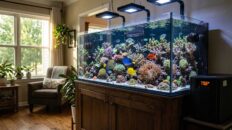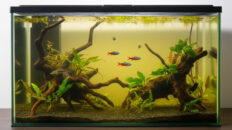

Ever wondered why your aquarium water stays cloudy—even after a full cleaning? 🐟 You’re not alone. Many fishkeepers—beginners and even experienced hobbyists—end up fighting cloudy aquarium water for months without realizing that their own maintenance habits are the real cause. The truth is, your fish tank will never be crystal clear until you stop doing a few common but destructive things.
This guide breaks down the science of water clarity, explains the real causes of cloudy water, and reveals how to fix your aquarium naturally—without chemical clarifiers or constant cleaning. Whether your water looks milky, hazy, or yellowish, these proven methods will help you restore crystal clear balance to your fish tank once and for all.
💧 The Science Behind Crystal Clear Aquarium Water
Crystal clear water doesn’t come from over-filtering or constant scrubbing—it comes from biological balance. In every healthy aquarium, billions of beneficial bacteria work silently to break down ammonia and nitrites into safer nitrates. This natural nitrogen cycle forms the foundation of water clarity. When that cycle is disrupted, waste builds up, and the water turns cloudy.
According to research summarized on ScienceDirect, bacterial colonies are sensitive to sudden changes in flow, oxygen, and surface area. This means that every time you clean your filter too thoroughly or replace media too often, you risk resetting the cycle—causing bacterial blooms that make the tank cloudy for days or even weeks.
⚠️ The Hidden Mistakes Keeping Your Tank Cloudy
1. The “New Filter Trap”
Many aquarists believe that cleaning their filters every week keeps the tank healthy. In reality, excessive cleaning destroys beneficial bacteria colonies. When you remove or rinse biological media in tap water, chlorine kills the microbes that maintain clarity. The result? A mini-cycle that causes a white bacterial bloom—the milky haze that makes your tank look dirty even after cleaning.
2. Running Carbon 24/7
Activated carbon can help remove odors and discoloration, but running it constantly may strip helpful organics and promote dependency on chemical media. As microbial ecology literature notes, stable dissolved organic carbon supports microbial equilibrium and long-term clarity.
3. Microbubbles & Gas Supersaturation
If your aquarium looks cloudy but feels clear, you might be dealing with microbubbles—tiny air particles that scatter light. They often appear after water changes, filter adjustments, or poor airline placement. While harmless, they can trick you into thinking your tank is dirty. Reducing aeration flow and improving surface agitation usually solves the problem within hours.
4. Biofilm Overgrowth – The Slimy Secret
Biofilm—the slimy layer on glass and decorations—is a natural part of any aquarium. Excessive biofilm buildup can make your tank appear hazy. It’s a combination of bacteria, algae, and organic waste. Instead of scrubbing everything off, focus on improving water flow and reducing leftover food. Biofilm is controlled by balance, not bleach.
5. Poor Water Flow & Hidden Waste Zones
Dead zones behind rocks, driftwood, or dense plants can trap waste, creating localized ammonia spikes that cloud your water. Proper circulation ensures oxygenation and nutrient distribution. Consider repositioning your filter output or adding a small circulation pump to prevent debris buildup. Remember: clarity comes from movement.
6. Over-Aeration and “Too Much Air”
Too much air can harm your aquarium balance. Over-aeration drives off dissolved CO₂, disrupting plant growth and bacterial efficiency. This imbalance can lead to cloudy water as bacteria struggle to process waste. Moderate air flow is healthy—turbulence is not.
7. The “Old Tank” Illusion
Even mature aquariums can look cloudy due to hidden organic decay. Over time, detritus accumulates deep within substrate layers or under decorations. These pockets slowly release nutrients and gases, feeding bacterial and algae blooms. Gentle substrate vacuuming and reduced feeding help restore clarity without disturbing the ecosystem too much.
🔬 Scientific Insight: Water Clarity & Microbial Balance
In a Springer study on aquatic microbiology, aquariums with stable biofilm formation and moderate nutrient flow showed significantly higher transparency compared to over-filtered systems. Over-cleaning or chemical dosing interferes with microbial colonization, causing recurring cloudy phases. Maintaining a balanced microbial population ensures long-term water clarity naturally.
Similarly, experiments reported by Oxford Academic (FEMS Letters) found that systems with consistent oxygen and nutrient gradients had fewer bacterial blooms and lower ammonia spikes. Conclusion: clarity isn’t about sterilization—it’s about ecological balance.
🧭 How to Clear Cloudy Aquarium Water Naturally (Step-by-Step Guide)
Cloudy aquarium water can make your tank look unhealthy, but fixing it doesn’t require chemicals or expensive products. The key is to restore your aquarium’s biological balance naturally. Follow these easy steps to get crystal clear aquarium water that stays clean for the long term.
Step 1: Diagnose the Type of Cloudiness
If the water looks milky white, it’s likely a bacterial bloom. A green tint points to floating algae, while dust-like haze is usually from unwashed substrate. Test ammonia, nitrite, and nitrate to confirm your nitrogen cycle. For green water issues, read: Fix Green Water in Your Aquarium (No Chemicals Needed).
Step 2: Stop Over-Cleaning Your Filter
Rinse sponges and bio-media in removed tank water—never under tap—to preserve beneficial bacteria. Avoid replacing all media at once; stagger changes weekly. Running activated carbon 24/7 can destabilize clarity; use it short-term when needed.
Step 3: Balance Feeding and Reduce Waste
Overfeeding is the fastest way to cloud water. Feed what fish finish in 1–2 minutes and remove leftovers. Use a gravel vacuum during water changes to lightly clean the substrate without fully disrupting the bed.
Step 4: Improve Water Flow and Eliminate Dead Zones
Adjust filter outlets to circulate water behind décor and across the front glass. Add a small circulation pump if debris collects in corners. Reduce excessive aeration that creates microbubbles.
Step 5: Perform a 25–30% Partial Water Change
Replace 25–30% weekly with dechlorinated, temperature-matched water. Gently wipe glass using an algae scraper or magnet—no soaps or detergents. This removes suspended particles and improves oxygen exchange.
Step 6: Support Beneficial Bacteria and Add Live Plants
Hardy plants like Anubias, Java Fern, and Hornwort absorb nutrients and stabilize ecosystems. Optionally dose bottled beneficial bacteria after filter maintenance to re-seed colonies.
Step 7: Stabilize Light Schedule and Monitor Water Parameters
Too much light can cause algae blooms, while inconsistent schedules stress fish. Keep lights on 6–8 hours/day using a timer. Re-test ammonia, nitrite, and nitrate weekly. If cloudiness was microbubbles, reduce air input or reposition diffusers—it usually clears in a few hours.
For a full walkthrough with visuals, watch the video:
👉 Why Your Aquarium Water Will NEVER Be Clear (Until You Stop THIS)
💡 Pro Tips for Maintaining Crystal Clear Aquarium Water
- Stabilize your lighting schedule: 6–8 hours per day prevents algae overgrowth.
- Test water weekly for ammonia, nitrite, nitrate—imbalance signals clarity issues.
- Clean glass gently using algae scrapers, not detergents.
- Add beneficial bacteria after filter maintenance to replenish colonies.
- Avoid overstocking: more fish = more waste = less clarity.
📽️ Watch the Full Video: Why Your Aquarium Water Will NEVER Be Clear
Get the step-by-step clarity restoration in action:
🎥 Why Your Aquarium Water Will NEVER Be Clear (Until You Stop THIS)
In the video, you’ll see real examples of cloudy tanks, learn how to identify microbubbles vs bacterial blooms, and get step-by-step clarity restoration tips—all designed for beginners and experienced fishkeepers alike.
🌍 Why Clarity = Balance, Not Chemicals
Clear water doesn’t mean sterile water. Every aquarium is a living ecosystem where bacteria, plants, and fish coexist. The goal is balance—not perfection. By avoiding over-cleaning, letting your filter bacteria thrive, and resisting chemical shortcuts, you’ll build a stable aquarium that stays crystal clear naturally.
📘 Further Reading & Scientific References
- Impact of Bacterial Dynamics on Aquatic Clarity – ScienceDirect
- Microbial Structure and Stability in Aquatic Systems – Oxford Academic
- Biofilm Formation and Water Transparency – Springer
💬 Final Thoughts
Cloudy water is frustrating, but it’s not a death sentence for your aquarium. By understanding the biology behind clarity, you can prevent it permanently. Patience, consistency, and smart habits always beat harsh chemicals or endless filter cleanings. Once you fix these hidden mistakes, your aquarium won’t just look better—it will thrive.
If you found this guide helpful, check out more clarity and maintenance tips on our channel @FishTankMastery. Subscribe for practical, no-nonsense aquarium advice based on real experience and science-backed solutions.
🌊 Related Guides to Keep Your Aquarium Water Crystal Clear
If your aquarium still looks cloudy even after following these steps, don’t worry — clarity comes with understanding and consistency. You can dive deeper into the topic with our dedicated guide, Cloudy Fish Tank? Fix It Fast Without Chemicals, which explains how to handle different types of cloudiness naturally. This post breaks down the difference between bacterial bloom, detritus buildup, and microbubbles — and how to fix each without harming your fish or biological filter.
Sometimes, cloudy aquarium water isn’t caused by over-cleaning but by small imbalances in your cycle or filtration flow. In that case, you’ll want to check out How to Clear Cloudy Aquarium Water – Quick Fix in 5 Steps!. It offers a structured approach to diagnosing the problem, rebalancing your nitrogen cycle, and restoring water clarity using natural, fish-safe methods. It’s especially useful for beginners setting up their first tank or reestablishing stability after a filter reset.
If your cloudy water has a green tint or you notice suspended algae, that’s a different story. Our guide Fix Green Water in Your Aquarium (No Chemicals Needed) covers this specific problem in detail. You’ll learn how to stop algae blooms caused by excess light and nutrients — and how to bring back crystal clear water naturally, without UV sterilizers or harsh treatments. It’s a must-read for those who want a balanced ecosystem instead of short-term fixes.
For ongoing maintenance and prevention, you can also explore 7 Easy Ways to Get Crystal Clear Aquarium Water. This guide focuses on long-term stability, filtration upgrades, substrate cleaning routines, and the power of beneficial bacteria in maintaining water clarity. It’s the perfect companion piece to this article, especially if you want to maintain that “glass-clear” look year-round.
Lastly, remember that even perfect maintenance won’t help if your tank’s temperature suddenly drops overnight. A heater malfunction can cause bacterial instability and cloudiness due to stress and low metabolism. To safeguard your aquarium, read our safety guide Aquarium Heater Fails Overnight? Don’t Let Your Fish DIE!. It explains how temperature swings affect bacterial colonies, fish health, and oxygen levels — and how to prevent disaster before it happens.
Together, these guides form a complete clarity roadmap: from cloudy water diagnosis to long-term balance and safety. Read them all to master water quality, understand the science behind aquarium clarity, and maintain a stable, thriving ecosystem for your fish. 🐠✨
❓ People Also Ask: Common Questions About Cloudy Aquarium Water
Is cloudy water bad for fish?
Yes, prolonged cloudiness can stress fish and signal poor water quality. While short-term bacterial blooms are harmless, chronic cloudiness often means excess waste or weak filtration. If your fish show stress—gasping, clamped fins, sluggishness—test ammonia and nitrite immediately.
How long does it take for cloudy aquarium water to clear?
In a new aquarium, bacterial cloudiness usually clears within 3–7 days once the nitrogen cycle stabilizes. If haze persists, review feeding, filtration flow, and substrate cleanliness. Over-cleaning filters can reset beneficial bacteria and prolong cloudiness.
Can cloudy water clear up on its own?
Often, yes. Cloudy water clears naturally once biological balance is restored. Avoid unnecessary chemicals—these mask problems. Let the filter run, do small water changes, and keep feeding consistent.
Why does my aquarium get cloudy after a water change?
Fine substrate particles may be stirred up, or chlorinated tap water can disrupt bacteria and trigger a short bloom. Always use a dechlorinator and pour new water gently. Cloudiness typically fades within 24 hours.
Can live plants help clear aquarium water?
Yes. Live plants like Anubias, Java Fern, and Hornwort absorb nutrients and reduce algae, supporting long-term clarity without chemicals.
Should I turn off the lights when my tank is cloudy?
If the water is green, reducing light or doing a 2–3 day blackout helps starve algae while filtration continues. For milky-white bacterial blooms, focus on water balance and proper filtration—lights aren’t the primary issue.
🗂 Frequently Asked Questions (FAQ)
- Q1: Why is my aquarium water still cloudy even after cleaning?
- Cloudy aquarium water after cleaning often indicates a bacterial bloom. In both new and established tanks, over-cleaning the filter, replacing all bio-media at once, or disturbing substrate can reduce beneficial bacteria, allowing heterotrophs to multiply and turn the water milky. Fix with gentle 20–30% water changes and let bacteria rebalance naturally. See: Cloudy Fish Tank? Fix It Fast Without Chemicals.
- Q2: What causes green cloudy water, and how can I clear it naturally?
- Green water is typically a floating algae bloom from excess nutrients and light. Reduce photoperiod, cut feeding/fertilizers, consider a short blackout, and maintain filtration. Full walk-through: Fix Green Water in Your Aquarium (No Chemicals Needed).
- Q3: Is cloudy water in a newly set up tank normal?
- Yes. In new tanks, cloudiness commonly occurs during the cycling process. As bacteria establish, temporary blooms are normal and usually clear within days to a couple of weeks if left undisturbed.
- Q4: Could substrate dust or gravel contribute to a cloudy aquarium?
- Absolutely. Unwashed sand or gravel releases fine particles that cause haze. Rinse substrate thoroughly before use. If cloudiness persists, lightly vacuum and allow your filter to capture remaining particulates.
- Q5: Do I need chemical clarifiers or medications to restore water clarity?
- Not necessarily. Clarifiers can mask the issue and disrupt biofilters. The sustainable approach is biological balance: stable filtration, measured feeding, consistent maintenance. Natural fixes: How to Clear Cloudy Aquarium Water – Quick Fix in 5 Steps!.