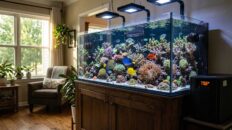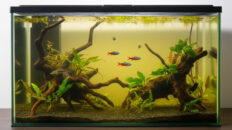

Hey there, aquarium warrior! Still dealing with murky water after cleaning your tank? Let’s fix that—fast. These 7 quick but pro-level tips will help you clean your fish tank properly without harming beneficial bacteria or disrupting your aquarium’s balance.
Why Basic Cleaning Doesn’t Work
Most guides suggest weekly water changes and glass wiping. But these routines often destroy beneficial bacteria or leave debris untouched. For example, rinsing your filter media under tap water kills the very bacteria keeping your tank stable. Over-cleaning gravel can also disrupt your biofilm—your tank’s microscopic army.
Tip #1: Gravel Vacuum—But Only Partially
Vacuum 25–30% of your substrate, not the whole thing. Focus on surface debris. This preserves the bacteria living in deeper layers while still removing waste.
Tip #2: Clean Glass Inside and Out
Use aquarium-safe pads and avoid household sponges that may contain soap residues. Clean both the inside and outside of your glass with a steady back-and-forth motion.
Tip #3: Rinse Filter Media in Tank Water
Never use tap water. Always rinse your filter sponges or bio media using water from the tank during a water change. This preserves beneficial bacteria crucial for your nitrogen cycle.
Tip #4: Don’t Forget the Lid
Wipe down your lid weekly to remove mineral deposits and dust. A light vinegar solution works great for transparent results.
Tip #5: Monthly Ornament Scrub
Take out decorations and give them a gentle rinse in tank water. Scrub off algae or waste build-up and let them dry before placing them back.
Tip #6: Don’t Overclean Everything
Too much cleaning can trigger a bacterial imbalance, causing cloudy water. Never clean your filter and vacuum your substrate on the same day—spread them out over a few days.
Tip #7: Always Dechlorinate Tap Water
Chlorine kills both fish and good bacteria. Use a dechlorinator or let water sit for 24–48 hours with an air stone to release chlorine.
Bonus: Wash Your Hands
Yep—your hands matter. Wash and rinse thoroughly before reaching into the tank. Oils and residues can cloud your water and harm fish.
Scientific Context
Beneficial bacteria like Nitrosomonas and Nitrospira help convert harmful ammonia into nitrite and then nitrate. This biological filtration mainly happens inside your filter media and gravel. Disturbing these bacteria through aggressive cleaning can collapse your tank’s cycle, resulting in cloudy water or worse.
Timestamps
- 0:00 – Your Tank Still Looks Dirty? Let’s Fix That
- 0:10 – Why Basic Cleaning Isn’t Enough
- 0:29 – Tip #1: Use a Gravel Vacuum Properly
- 0:45 – Tip #2: Clean Glass Inside and Out
- 1:00 – Tip #3: Rinse Filter Media the Right Way
- 1:15 – Tip #4: Don’t Forget the Lid!
- 1:30 – Tip #5: Monthly Ornament Scrub
- 1:43 – Tip #6: Don’t Overclean Everything
- 1:57 – Tip #7: Dechlorinate… or Let It Sit with Bubbles!
- 2:18 – Bonus: Yes, Your Hands Matter
- 2:36 – Cloudy Water After Cleaning? You’ll Want to Know Why
About FishTank Mastery
At FishTank Mastery, we deliver smart, science-backed aquarium care for hobbyists in the US, UK, and Europe. Our videos and blogs focus on real solutions—no fluff, just clear advice from experienced fishkeepers. Subscribe now and take your tank from cloudy to crystal-clear.
More Tips for Keeping Your Aquarium Crystal Clear
Want long-lasting clarity? Start with our 5 Natural Ways to Reduce Nitrates to keep water parameters stable. Prevent algae problems by checking our Top 5 Algae Eaters for Beginners. For stress-free cleaning without moving fish, read How to Clean Your Aquarium Without Removing Fish. And if cloudiness persists, follow our 5-Step Guide to Clear Cloudy Aquarium Water.