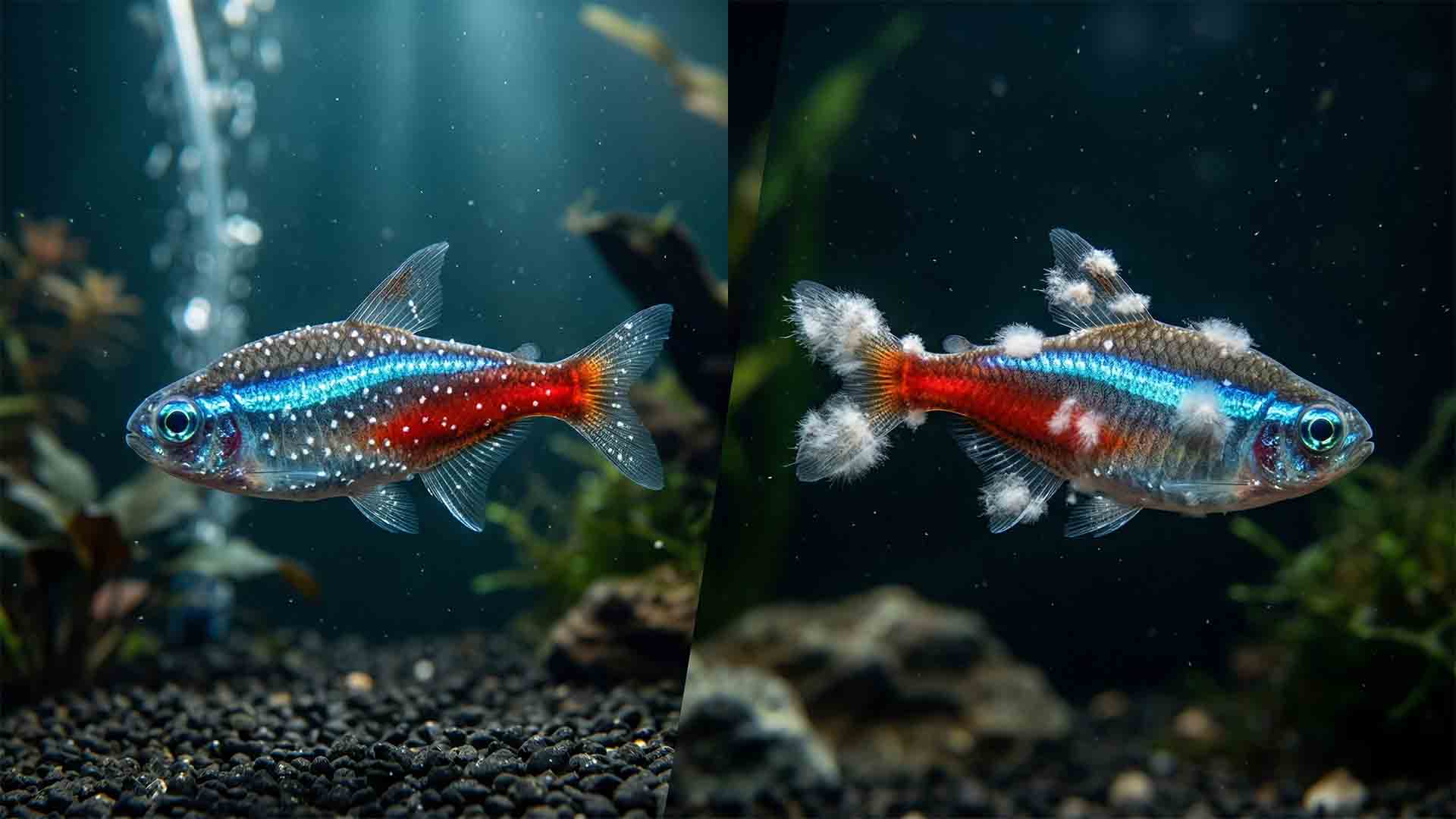

Finding genuine hardy beginner aquarium fish shouldn’t feel like playing Russian roulette with fragile retail livestock. If you have watched schools of mass-farmed neon tetras or delicate dwarf gouramis disintegrate within 72 hours despite zero ammonia and nitrite readings, your maintenance is not to blame. The commercial aquarium industry is selling showroom paint propped up by centralized sterilization, leaving home aquarists to absorb the fallout of collapsed wild genetics. This biological masterclass deconstructs the evolutionary armor of ten unstoppable freshwater teleosts engineered by nature to absorb routine beginner mistakes, stabilize water column dynamics, and thrive across years of captive life.
Showroom paint fades the moment it hits your living room; true evolutionary armor keeps freshwater ecosystems balanced for years.
Before introducing livestock to your display, observing how these species interact within physical boundary limits is essential. Watch our complete biological breakdown above to see how these ten resilient species behave, establish territory, and maintain biological equilibrium in closed glass environments.
The 72-Hour Retail Showroom Trap: Why Commercial “Beginner Fish” Melt in Home Aquariums
There is an exhausting cycle in the freshwater hobby that turns enthusiastic beginners into defeated hospital ward managers. You test your aquarium water with a liquid reagent drop kit, confirm zero parts per million of ammonia, zero nitrites, and a safe baseline of nitrates. You visit a big-box commercial pet chain, look at the brightest holding tanks under high-output actinic lighting, and purchase a school of neon tetras or a pair of powder blue dwarf gouramis. You float the bag for twenty minutes, release the fish, and within three to four days, the animals clamp their fins, develop cloudy skin patches, and drift dead across the substrate.
When beginners experience these sudden mortalities, retail employees and online forums immediately default to maintenance guilt: you must have shocked them during acclimation, your tank wasn’t properly cycled, or your pH was slightly out of range. That diagnosis completely ignores the underlying veterinary physiology of commercial ornamental aquaculture. The fish did not die because your home aquarium was toxic; they died because their cellular machinery was already running on biological borrowed time long before you ever tapped your credit card.
Centralized UV Shields vs. The Unsterilized Home Biome
Big-box commercial retail facilities operate on a high-density, centralized inventory model. When you inspect a retail fish rack, individual 10-gallon cubicles are rarely isolated systems. Water drains out of hundreds of holding boxes into a massive subterranean central sump running tens of thousands of gallons per hour. That commercial loop is continually supported by industrial-grade protein fractionation, constant prophylactic dosing of broad-spectrum antimicrobials, and massive high-output ultraviolet (UV) sterilization arrays.
This centralized industrial architecture acts as an artificial external immune system. Pathogenic waterborne protozoans, aquatic molds, and environmental bacteria like Flavobacterium columnare or Aeromonas hydrophila are aggressively irradiated and suppressed in the water column before they can colonize host tissue. Delicate, genetically exhausted juvenile fish appear vibrant, alert, and active in the showroom because commercial engineering is holding environmental pathogens at bay for them.
The instant an aquarist nets those fish, seals them into a transport bag, and introduces them to a home aquarium, that industrial safety net completely vanishes. A home tank is not a sterile laboratory; it is an open, unsterilized biological biome functioning on natural biofilms, organic botanicals, and living nitrifying bacteria. The physical handling of netting, atmospheric cooling during the drive home, and spatial confinement trigger a massive neuroendocrine surge, flooding the fish’s bloodstream with plasma cortisol. Sustained cortisol spikes directly suppress circulating lymphocytes, shut down antibody secretion, and erode the protective epidermal mucus barrier. Ambient, opportunist microbes that naturally inhabit every healthy aquarium instantly exploit this compromised mucosal shield, resulting in the notorious 72-hour transition crash.
Commercial Inbreeding Depression and Cellular Osmoregulatory Collapse
To supply global demand running in the tens of millions of specimens annually, retail staples are speed-bred in vast commercial concrete vats and open-air ponds across Southeast Asia. For decades, commercial breeders have selected breeders strictly for superficial market traits: radioactive coloration, deformed balloon bodies, and hyper-extended long-fin mutations that photograph well under shop lights. This commercial bottleneck has decimated the Major Histocompatibility Complex (MHC) across popular strains, stripping away the ancestral genetic diversity required for natural immune defense.
This genetic exhaustion directly cripples teleost osmoregulation. Freshwater fish are continuous hyperosmotic regulators: their internal blood and cellular fluids maintain an electrolyte concentration approximately five to ten times higher than the surrounding water column. Water constantly rushes across their semi-permeable gill membranes via passive osmosis, while vital salts diffuse outward. Maintaining this systemic balance requires specialized mitochondrial-rich cells in their gill epithelium—known as branchial ionocytes or chloride cells—which actively burn cellular adenosine triphosphate (ATP) to pump sodium, calcium, and chloride back into the bloodstream against steep concentration gradients.
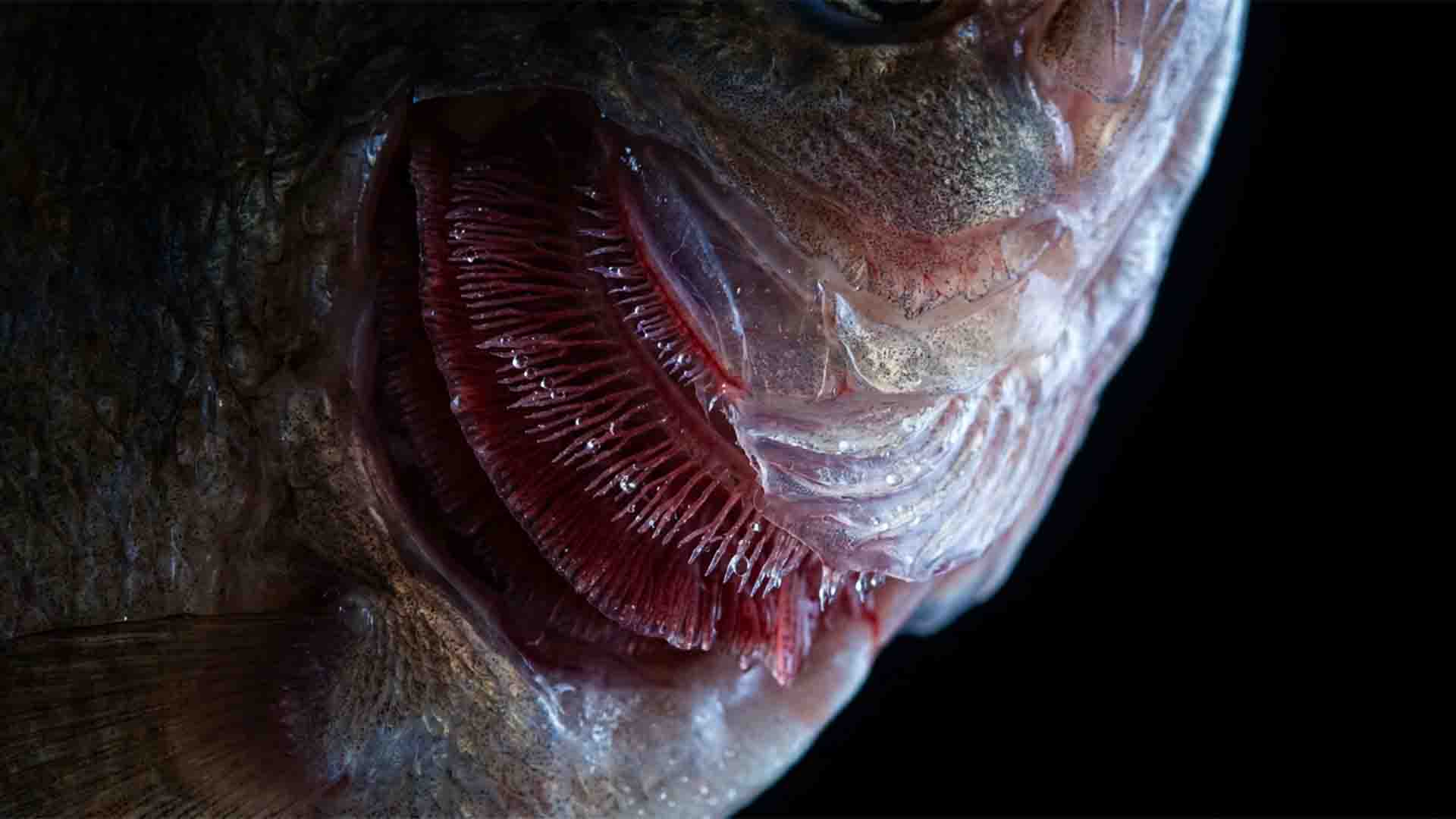
In genetically compromised commercial strains, these branchial ion pumps possess razor-thin operational thresholds. When exposed to minor differences in Total Dissolved Solids (TDS), general hardness (GH), or municipal tap water mineral drift, their cellular pumps fail under the energetic load. Water floods internal tissues unchecked, leading to acute branchial lamellae edema, internal renal shutdown, and systemic organ blowout. The test kit sitting on your cabinet reads clean water, but the fish inside the tank is suffering from catastrophic cellular lysis. If you have been baffled by livestock dying in pristine water, understand that you are fighting genetic bankruptcy rather than chemical pollution.
Biological Armor: The Evolutionary Mechanics of a Truly “Unstoppable” Teleost
If you want to construct an aquarium that holds biological equilibrium for years without constant pharmaceutical intervention, you must pivot away from showroom paint and select species that carry authentic biological armor. What separates an indestructible freshwater teleost from a fragile retail casualty is not good luck; it is evolutionary physiology hardwired into the animal’s genome through millions of years of natural environmental selection.
Osmoregulatory ATP Efficiency and Hard Water Plasticity
A biologically armored fish features branchial ionocytes engineered for wide-range phenotypic plasticity. In species that evolved in coastal river deltas, tidal estuaries, or seasonal floodplain basins, water chemistry changes drastically between wet and dry seasons. During monsoon floods, river systems turn into soft, acidic blackwater; during dry seasons, evaporation concentrates dissolved mineral salts into hard, alkaline environments.
Teleosts adapted to these habitats possess over-engineered sodium-potassium ATPase (Na+/K+-ATPase) molecular pumps. When moved between divergent water chemistry profiles, their gill epithelium upregulates or downregulates ionocyte surface density within hours without exhausting the animal’s basal metabolic energy budget. Instead of consuming 30% to 40% of their daily caloric intake simply fighting osmotic water influx, biologically armored species allocate their energy reserves toward muscle maintenance, intestinal digestion, and active immune surveillance.
Eurythermal Enzyme Stability: Eliminating Equipment Dependency
The single most fragile link in modern aquarium keeping is the mechanical submersible glass heater. Standard bimetallic thermostat switches inside retail heaters are notoriously prone to mechanical failure: their contact points weld shut, boiling community tanks past 90°F (32°C), or their heating coils fail during winter cold snaps, causing overnight water temperatures to plummet into the low 60s. For delicate tropical species whose metabolic enzymes operate only within a rigid two-degree window, thermal instability triggers enzymatic arrest, gastrointestinal fermentation, and rapid immune collapse.
Biologically armored species frequently exhibit eurythermal adaptation. Their physiological systems utilize multiple enzyme isoforms that maintain kinetic catalytic velocity across wide thermal spectra. Whether room temperatures drift downward during seasonal transitions or an electrical outage disables mechanical heating, their respiration rates adjust smoothly, dissolved oxygen uptake remains steady, and cellular metabolism does not stall. By selecting species that naturally tolerate wide temperature ranges, you eliminate equipment failure as a lethal variable in your home aquarium.
Top 10 Biologically Armored Freshwater Fish (Ranked by Evolutionary Resilience)
These ten species have earned their place in the FishTank Mastery doctrine not through retail marketing promises, but through proven physiological durability, intact ancestral genetics, and decades of survival data across varied municipal water conditions. Here are the true survivors of the freshwater world.
#10 True Honey Gourami (Trichogaster chuna) — Natural DGIV Immunity & Labyrinth Stability
Biological Armor Snapshot: Adult Size: 2.0 inches | Minimum Tank Size: 15–20 Gallons | Water Chemistry: pH 6.0–7.8, GH 4–15 dGH | Thermal Threshold: 72°F–82°F (22°C–28°C) | Water Column Zone: Upper Surface Browser | Core Resilience: Natural genetic immunity to the Megalocytivirus DGIV epidemic; zero territorial surface tyranny.
Almost every beginner setting up a 20-gallon community tank seeks an intelligent, colorful, slow-moving centerpiece fish that occupies the upper third of the water column without terrorizing peaceful schooling tetras. Commercial retail employees almost universally direct them toward the Neon Dwarf Gourami (Trichogaster lalius). What pet stores never disclose is that commercial Dwarf Gourami breeding facilities across Southeast Asia have been decimated by an incurable, terminal viral epidemic known as Dwarf Gourami Iridovirus (DGIV), a distinct species within the genus Megalocytivirus.
Peer-reviewed epidemiological studies have documented infection rates exceeding 22% across commercial wholesale shipments of Trichogaster lalius. The virus infects endothelial tissue, causing progressive organ necrosis throughout the spleen and anterior kidneys. A juvenile Dwarf Gourami will appear active under store lights, only to develop abdominal dropsy, bloody cutaneous ulcers, and total renal failure three weeks after arriving home. There is zero known pharmaceutical cure, zero vaccine, and zero medical treatment for DGIV. Furthermore, male Dwarf Gouramis are notoriously aggressive surface despots, using their labyrinth breathing instinct to stake out proprietary territories and brutally harass peaceful tankmates.
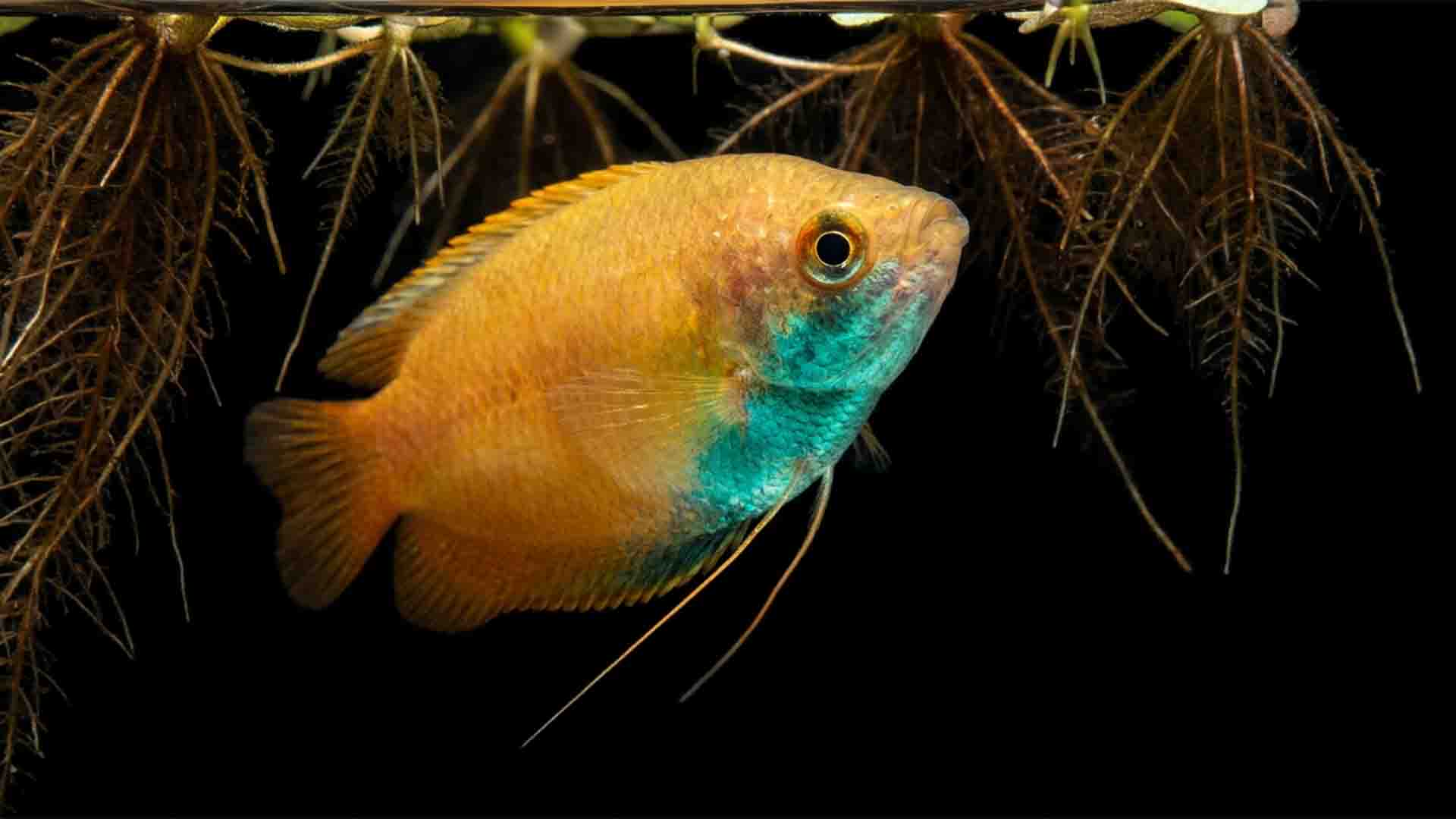
The authentic, biologically sound alternative sitting ignored on retail shelves is the true Honey Gourami (Trichogaster chuna). Crucially, Trichogaster chuna represents a completely separate taxonomic and phylogenetic lineage that is scientifically documented to be refractory to the DGIV megalocytivirus. By choosing a true Honey Gourami, you bypass the viral heartbreak of commercial morphs entirely.
Beyond their disease resistance, Honey Gouramis display an exceptionally mellow temperament. Males exhibit a warm amber-sunset glow contrasted against a deep charcoal-blue throat during breeding condition, while females carry a soft, pearlescent honey hue. Instead of weaponizing the surface, they utilize their modified thread-like pelvic fins (feelers) as delicate tactile sensory organs, gently tapping plants, hardscape, and tankmates to explore their physical environment. They weave gracefully through surface floaters like Salvinia, coexist peacefully with even the most timid nano species, and never initiate territorial wars at feeding time.
Observe the live behavioral comparison and anatomical feeler navigation of the True Honey Gourami at [00:18] in our companion masterclass video above.
#9 Zebra Danio (Danio rerio) — Relentless Cellular Stamina & High-Velocity Tolerance
Biological Armor Snapshot: Adult Size: 2.0 inches | Minimum Tank Size: 10–15 Gallons (School of 6+) | Water Chemistry: pH 6.0–8.0, GH 5–20 dGH | Thermal Threshold: 64°F–78°F (18°C–25°C) | Water Column Zone: Upper-to-Midwater Sprinter | Core Resilience: Extreme cellular hypoxia tolerance; high-flow hydrodynamic frame resistant to parameter shock.
If an ichthyologist were tasked with engineering an indestructible starter teleost, the result would be the Zebra Danio (Danio rerio). Widely utilized in global biomedical and genetic research due to its fully sequenced genome and cellular regenerative capacity, the Zebra Danio carries an evolutionary engine designed to absorb chaotic aquatic environments. Native to the floodplains, rice paddies, and fast-flowing streams of South Asia, Danio rerio experiences seasonal transitions from torrential, oxygen-saturated monsoons to stagnant, muddy seasonal pools.
Their physical geometry is built for relentless hydrodynamic efficiency. Featuring a sleek, torpedo-shaped body with minimal drag and powerful muscular caudal peduncles, Zebra Danios easily navigate heavy filter outputs that would exhaust long-finned commercial tetras. Their branchial architecture maintains highly efficient oxygen extraction even when surface agitation is restricted, while their broad osmoregulatory tolerance allows them to transition smoothly from soft rainwater to hard, mineral-dense municipal tap water without skipping a beat.
In community setups, a school of six or more Zebra Danios provides continuous kinetic energy across the upper water layer. They act as natural biological “dithers”: their fearless, active swimming signals to shy midwater species that open water is safe and free of ambush predators. If your new aquarium’s biofilter takes an extra week to mature or your temperature swings slightly while adjusting equipment, the Zebra Danio simply cruises through the transition without showing biological stress.
#8 Cherry Barb (Puntius titteya) — Peaceful Biofilm Grazing Without Fin Nipping
Biological Armor Snapshot: Adult Size: 1.75–2.0 inches | Minimum Tank Size: 15 Gallons (Group of 6–8+) | Water Chemistry: pH 6.0–7.8, GH 4–15 dGH | Thermal Threshold: 72°F–80°F (22°C–27°C) | Water Column Zone: Lower-to-Midwater Browser | Core Resilience: Natural stress-downshifting behavior; active biofilm foraging that preserves gut microflora during transport shock.
The word “barb” immediately triggers anxiety for experienced aquarists. Most people visualize the notorious Tiger Barb (Puntigrus tetrazona)—an aggressive, hierarchy-driven nipping cartel that shreds the flowing fins of bettas, guppies, and angelfish the moment a school drops below ten individuals. The Cherry Barb (Puntius titteya), however, completely shatters that family reputation, offering vibrant coloration with absolute community diplomacy.
What makes the Cherry Barb biologically superior during home acclimation is their behavioral adaptation mechanism. When fragile characins are introduced into an unfamiliar aquarium, they panic, pacing the front glass in frantic sprint-and-stop cycles that deplete their glycogen reserves and invite opportunistic bacterial infections. Cherry Barbs execute the exact opposite strategy: they immediately downshift. They calmly dive into the lower third of the aquarium, settle among live plant roots and lower rock crevices, and immediately begin rasping naturally occurring biofilm and micro-algae.
This continuous grazing behavior is brilliant biological survival. By ingesting organic micro-flora and natural roughage from day one, Cherry Barbs maintain continuous gastrointestinal motility, preventing the stress-induced enteric stagnation that kills delicate retail fish. Mature males develop a glowing, crimson-ruby hue that intensifies against green foliage, while females display an understated, elegant fawn-bronze coloration with a dark lateral stripe. They respect the physical space of tankmates, never chew plant leaves, and integrate seamlessly into planted community ecosystems.
Jump to [01:48] in our companion video above to see how Cherry Barbs use low-level plant navigation to neutralize transport stress.
#7 White Cloud Mountain Minnow (Tanichthys albonubes) — Mountain Stream Coldwater Armor
Biological Armor Snapshot: Adult Size: 1.5 inches | Minimum Tank Size: 10 Gallons (School of 6–8+) | Water Chemistry: pH 6.0–8.0, GH 5–20 dGH | Thermal Threshold: 58°F–74°F (14°C–23°C) | Water Column Zone: Disciplined Mid-to-Upper Schooler | Core Resilience: Extreme cold tolerance eliminating mechanical heater risks; hyper-efficient branchial gas exchange.
Discovered in the pristine, fast-flowing mountain streams of White Cloud Mountain in Guangdong, China, Tanichthys albonubes represents the ultimate answer to equipment-free aquarium stability. In an era where modern fishkeeping pushes complex controllers, titanium heating elements, and secondary safety relays, the White Cloud Mountain Minnow thrives by completely discarding the need for an artificial heater.
Because their evolutionary lineage is rooted in high-altitude, spring-fed mountain creeks, White Clouds are adapted to cool, oxygen-saturated water holding strong seasonal temperature drops. They comfortably tolerate ambient room temperatures ranging from 58°F up to 74°F (14°C to 23°C), shrugging off cold drafts that would freeze the metabolic machinery of tropical characins. In cool water, the physics of gas solubility work heavily in your favor: cold water physically holds substantially higher concentrations of dissolved oxygen (O2) than warm tropical water, significantly reducing respiratory effort and lowering baseline physiological stress.
Aesthetically, White Cloud Mountain Minnows are often called the “working man’s neon tetra,” yet they vastly outshine commercial neons in structural vigor. Their sleek, streamlined bodies carry a luminous golden-pink horizontal stripe, punctuated by deep red pigmentation on their caudal and dorsal fin bases. Males regularly engage in spectacular, non-injurious sparring displays, fully flaring their dorsal and anal fins like miniature banners to impress conspecific females. They do not jump during maintenance, do not nip fins, and offer multi-year lifespans in simple, unheated setups.
#6 Kuhli Loach (Pangio semicincta) — Subsurface Bioturbation Without Aggression
Biological Armor Snapshot: Adult Size: 3.5–4.0 inches | Minimum Tank Size: 20 Gallons (Group of 6+) | Water Chemistry: pH 5.5–7.5, GH 3–12 dGH | Thermal Threshold: 73°F–82°F (23°C–28°C) | Water Column Zone: Benthic Subsurface Sifter | Core Resilience: Anguilliform burrowing anatomy that oxygenates substrate pore water, preventing toxic hydrogen sulfide accumulation.
Managing the substrate bed of a community aquarium is one of the most critical biological challenges in the hobby. When uneaten fish food, plant debris, and solid waste settle into the lower gravel strata, dense compaction can form anaerobic micro-pockets. In zero-oxygen sediment zones, heterotrophic sulfate-reducing bacteria proliferate, converting sulfur compounds into lethal hydrogen sulfide (H2S) gas. Beginners frequently attempt to solve this by purchasing aggressive bottom dwellers or large catfish that dig up live plants and kick up massive clouds of detritus.
The Kuhli Loach (Pangio semicincta) is the precision biological antidote to substrate stagnation. Possessing an elongated, anguilliform (eel-like) morphology, a highly flexible spine, and a scale-reduced epidermis shielded by a heavy antimicrobial mucus coating, the Kuhli Loach is engineered to navigate subterranean sand networks that no Corydoras or Pleco could ever penetrate.
As nocturnal benthic foragers, schools of Kuhli Loaches weave through dense root systems and under heavy hardscape stones. They take in mouthfuls of fine cosmetic sand, filter out microscopic organic detritus and micro-invertebrates, and smoothly expel the clean sand grains directly through their opercular gill openings. This continuous, gentle bioturbation injects oxygenated pore water into the upper substrate layer, stabilizing sediment redox potential and breaking down waste without uprooting delicate carpet plants. Kept on smooth sand in groups of six or more, they transform from elusive shadows into confident, playful bottom dwellers that demand virtually zero maintenance overhead.
Check out [03:35] in the companion video above to inspect microscopic footage of Kuhli Loaches venting clean sand through their opercular slits.
#5 Bristlenose Pleco (Ancistrus cirrhosus) — Lignin Digestion Kinetics vs. Common Pleco Bioload Debt
Biological Armor Snapshot: Adult Size: 4.0–5.0 inches | Minimum Tank Size: 20–30 Gallons | Water Chemistry: pH 6.0–7.8, GH 4–18 dGH | Thermal Threshold: 72°F–80°F (22°C–27°C) | Water Column Zone: Benthic Hardscape Grazer | Core Resilience: Specialized gastrointestinal tract capable of processing wood lignin; compact 4-inch adult footprint that will never overwhelm home biofilters.
The single greatest stocking crime committed in commercial retail pet stores is selling the Common Pleco (Hypostomus plecostomus) as a “starter tank cleaner.” Unsuspecting hobbyists see a cute, two-inch armored juvenile clinging to the glass, pay five dollars, and drop it into a standard 10 or 20-gallon aquarium. Within 18 months, that two-inch juvenile undergoes explosive allometric growth, expanding into an 18-inch, heavily armored river titan that generates twenty times the solid waste it consumes, pushes over rockwork, rips up plants, and collapses domestic biological filtration.
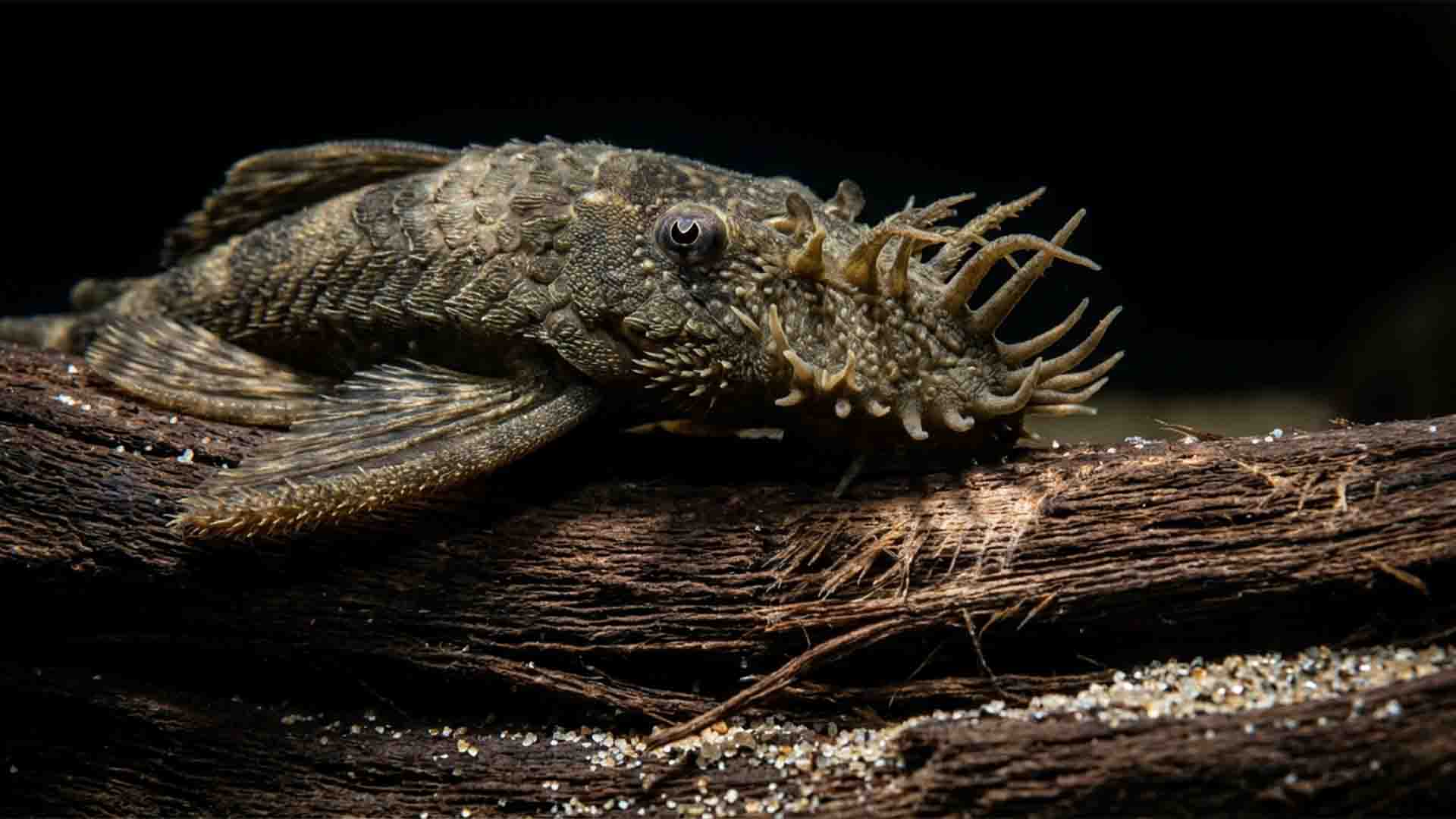
The professional, ecologically sustainable answer is the Bristlenose Pleco (Ancistrus cirrhosus). Unlike its monster cousin, the Bristlenose maxes out at a manageable four to five inches in total adult length, maintaining a biological waste footprint perfectly scaled to standard home canister and hang-on-back filtration.
More importantly, their digestive physiology is a masterclass in biological maintenance. Ancistrus species possess an elongated, highly coiled gastrointestinal tract populated by specialized endosymbiotic heterotrophic gut microbes capable of breaking down organic lignin and structural cellulose. When provided with natural driftwood (such as Malaysian bogwood or Mopani), they continuously rasp the outer fibrous layers alongside diatoms and green biofilm. This dietary roughage regulates intestinal motility and prevents bloat. Adult males develop an intricate, alien-like crown of fleshy tentacles across their snout that aids in tactile navigation and sensory foraging. Give an Ancistrus a piece of natural driftwood, sinking spirulina wafers, and a shaded ceramic cave, and you secure years of relentless algae rasping without ever risking an ecosystem crash.
#4 Japanese Medaka Ricefish (Oryzias latipes) — The Zero-Heater Eurythermal Shield (40°F–86°F)
Biological Armor Snapshot: Adult Size: 1.5 inches | Minimum Tank Size: 5–10 Gallons (Group of 6+) | Water Chemistry: pH 6.5–8.5, GH 5–25 dGH | Thermal Threshold: 40°F–86°F (4°C–30°C) (Zero Heater Required) | Water Column Zone: Surface Boundary Cruiser | Core Resilience: Massive eurythermal enzyme architecture; complete immunity to municipal tap water hardness shifts.
For over half a century, the Fancy Guppy (Poecilia reticulata) has been crowned the default livebearer for beginner aquariums. Today, however, commercial fancy guppies are genetic tissue paper. Decades of intensive inbreeding for billowing delta tails have crippled their hydrodynamic propulsion, while closed-pond aquaculture relying on continuous prophylactic antibiotics has completely gutted their innate mucosal immune response. Drop a commercial fancy guppy into soft tap water, and its chloride cells experience osmotic burnout, leading to rapid Columnaris saddleback lesions and swim bladder collapse within 48 hours.
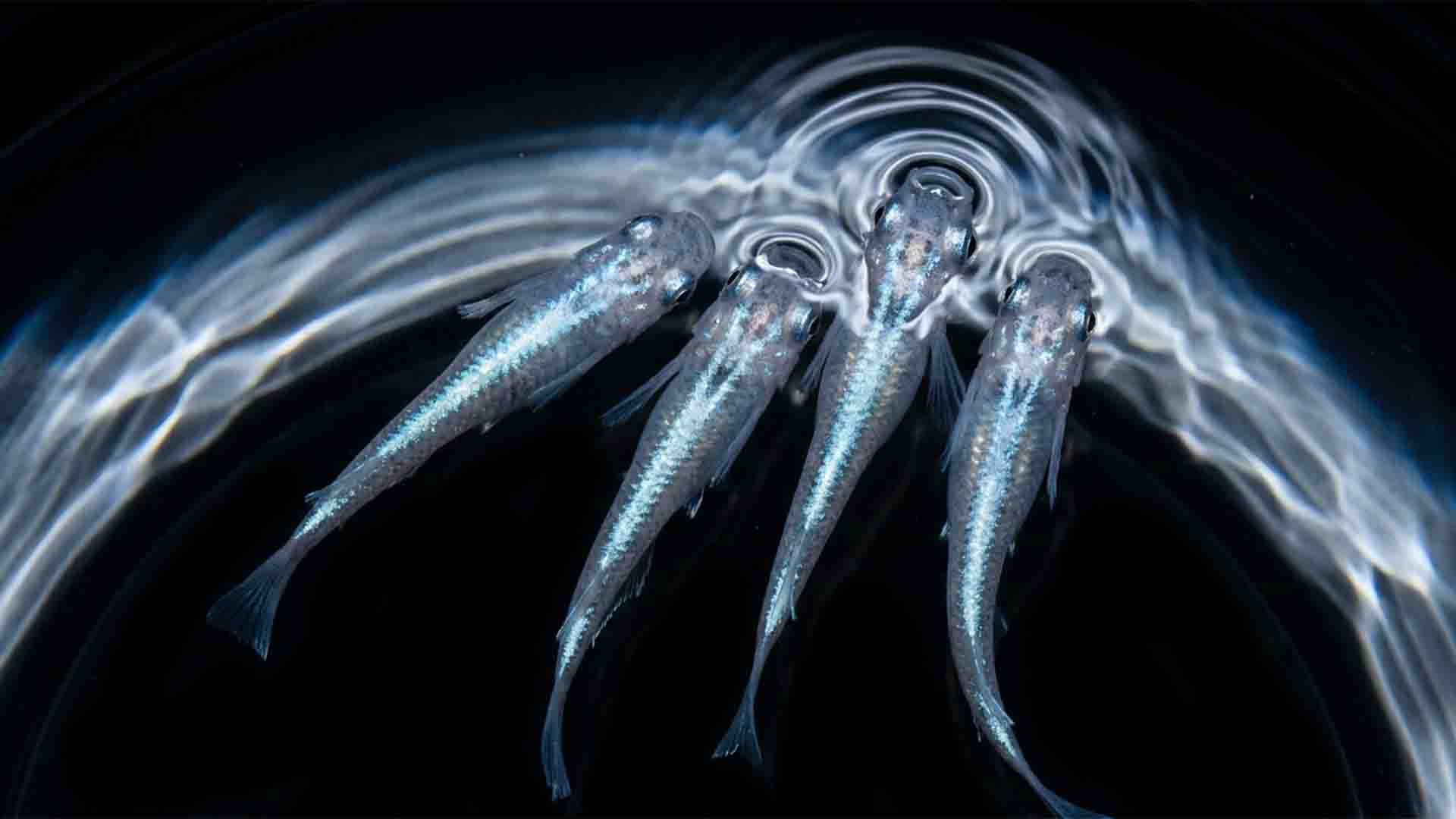
The true, unbreakable livebearer alternative is the Japanese Medaka Ricefish (Oryzias latipes). Having thrived for centuries across Japanese wetlands, rice paddies, and tidal irrigation canals, the Medaka carries an extraordinary biological thermal shield. They comfortably survive in water temperatures ranging from a near-freezing 40°F up to 86°F (4°C to 30°C) without showing metabolic depression or respiratory stress. When maintained in an unheated indoor aquarium at standard room temperature, they operate in total physiological comfort, rendering the single most failure-prone piece of hardware in the hobby—the submersible heater—completely obsolete.
Medakas are dedicated surface boundary cruisers with upward-angled mouths, actively patrolling the water meniscus to consume surface biofilm slicks, micro-pests, and dry flakes. Modern selectively bred domestic morphs—such as Miyuki (displaying an incandescent, metallic platinum-blue ridge along the spine) and Youkihi (vibrant persimmon-orange)—provide all the visual brilliance of commercial guppies with none of the metabolic frailty. Their cellular ion-transport pumps adapt seamlessly from soft planted water to liquid-rock alkaline municipal tap water, making them the ultimate crash-proof candidate for nano displays and desktop aquariums.
Observe the zero-heater surface skimming dynamics of Medaka Ricefish at [05:12] in the companion video above.
#3 Harlequin Rasbora (Trigonostigma heteromorpha) — Retail Shock Resistance & Stress Downshifting
Biological Armor Snapshot: Adult Size: 1.75 inches | Minimum Tank Size: 15 Gallons (School of 8–10+) | Water Chemistry: pH 5.8–7.5, GH 3–12 dGH | Thermal Threshold: 72°F–80°F (22°C–27°C) | Water Column Zone: Disciplined Midwater Schooler | Core Resilience: Natural neuroendocrine downshifting during transport; deep-bodied pork-chop morphology that stabilizes community rhythm.
When you walk into a crowded retail aquarium store, the frantic energy inside retail holding tanks is palpable. Hundreds of juvenile fish pace the glass, chase each other frantically, and react violently to every passing net. When an aquarist introduces high-strung schooling species into a new home display, that frantic behavior often persists, creating an underlying current of social friction that prevents the entire ecosystem from settling into a calm rhythm.
The Harlequin Rasbora (Trigonostigma heteromorpha) is the ultimate behavioral stabilizer. Known among advanced fishkeepers as the “golden retriever” of the freshwater world, this species possesses a remarkable neuroendocrine response to transition: they do not panic. Instead of racing the glass, a newly introduced school of Harlequins immediately coalesces into a tight, synchronized formation in the midwater column, matches swimming velocity, and quietly assesses their surroundings.
Their physical anatomy provides massive biological advantages over slender, needle-bodied schooling fish. Featuring a deep, diamond-shaped torso accented by an iconic velvety black triangular patch against a shimmering copper-orange flank, Harlequin Rasboras hold substantial muscle mass and glycogen reserves. This structural bulk allows them to absorb the caloric and osmotic costs of retail transition without entering cellular burnout. Within days of entering a stable planted aquarium, their colors deepen dramatically, transitioning from pale retail orange into rich, glowing metallic copper. They never nip fins, ignore long-finned tankmates completely, and provide an immovable anchor of visual calm in community setups.
#2 Pristella Tetra (Pristella maxillaris) — Estuarine Osmotic Armor & Extreme Mineral Range
Biological Armor Snapshot: Adult Size: 1.75 inches | Minimum Tank Size: 10–15 Gallons (School of 8+) | Water Chemistry: pH 5.8–8.2, GH 4–25 dGH, TDS 50–500 ppm | Thermal Threshold: 72°F–82°F (22°C–28°C) | Water Column Zone: Tight Midwater Synchronizer | Core Resilience: Coastal estuarine ionocytes capable of absorbing massive shifts in general hardness and mineral conductivity.
Also known to hobbyists as the X-Ray Tetra, the Pristella Tetra (Pristella maxillaris) is arguably the most osmoregulatorily durable schooling characin in the freshwater ornamental trade. While millions of beginners purchase standard neon tetras only to watch their kidneys collapse under routine tap water mineral fluctuations, the Pristella handles volatile water parameters like an armored tank.
Their biological superpower stems from their natural evolutionary habitat across coastal South America. In nature, Pristella maxillaris inhabits seasonal floodplains, coastal rivers, and slightly brackish estuarine marshes where coastal tides and torrential rains cause continuous, violent swings in mineral density and electrical conductivity. To survive in this fluctuating environment, the species evolved hyper-resilient branchial ionocytes equipped with high-density sodium and chloride transport enzymes. Whether your municipal tap water sits at an ultra-soft pH of 6.0 with virtually zero minerals, or comes out of the faucet as liquid rock at pH 8.2 and 400 ppm TDS, the Pristella’s cellular pumps regulate internal blood osmolarity without metabolic exhaustion.
Visually, they are masterpieces of subtle evolutionary design. Their transparent, glass-like body reveals their internal vertebral column and silvery swim bladder casing, while their dorsal and anal fins feature stark, contrasting bands of bright yellow, jet black, and crisp enamel white, capped by a vibrant red caudal fin. Kept in a disciplined school of eight or more against a dark substrate, their schooling geometry is extraordinarily tight and deliberate. They do not pace frantically, do not harass surface dwellers, and represent the absolute gold standard for stress-free midwater schooling.
Examine the real-time osmotic cell adaptation of Pristella Tetras at [07:04] in our masterclass video above.
#1 Black Neon Tetra (Hyphessobrycon herbertaxelrodi) — Deep-Bodied Muscle Reserves vs. Inbred Fragility
Biological Armor Snapshot: Adult Size: 1.5 inches | Minimum Tank Size: 15 Gallons (School of 8–10+) | Water Chemistry: pH 5.5–7.8, GH 3–15 dGH, TDS 80–350 ppm | Thermal Threshold: 72°F–81°F (22°C–27°C) | Water Column Zone: Disciplined Mid-to-Lower Column Schooler | Core Resilience: Intact wild-type genomic heterosis; deep dorso-ventral core storing massive glycogen reserves; natural immunity to classic Neon Tetra Disease.
The standard Neon Tetra (Paracheirodon innesi) is the undisputed king of retail impulse buying. Every year, millions of beginners buy schools of ten or twelve, take them home, and watch their numbers mysteriously dwindle down to two or three survivors within 72 hours. Decades of ruthless commercial mass-breeding in overseas aquaculture ponds have completely depleted the genetic vigor of the standard neon. Modern commercial neons suffer from profound inbreeding depression, deformed skeletal morphology, and endemic susceptibility to Pleistophora hyphessobryconis—the lethal, untreatable microsporidian parasite known as Neon Tetra Disease.
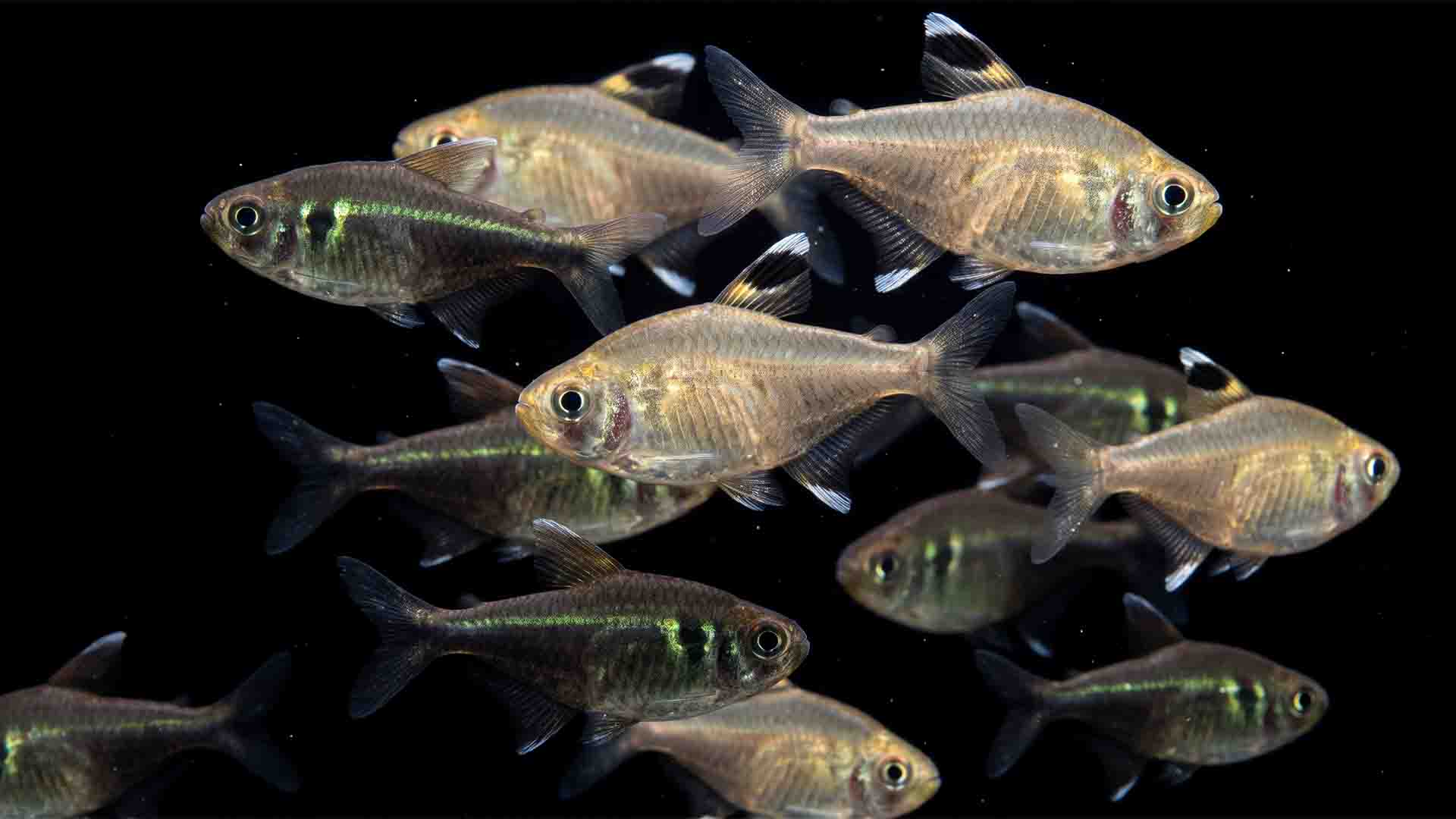
If you want the breathtaking visual effect of a synchronized, glowing midwater school without the genetic fragility and inevitable die-offs, the undisputed apex champion is the Black Neon Tetra (Hyphessobrycon herbertaxelrodi). Despite sharing the common name “neon,” the Black Neon does not even belong to the genus Paracheirodon. It is a true Hyphessobrycon, sharing the rugged, deep-bodied morphology of legendary resilient characins like the Lemon Tetra and Rosy Tetra.
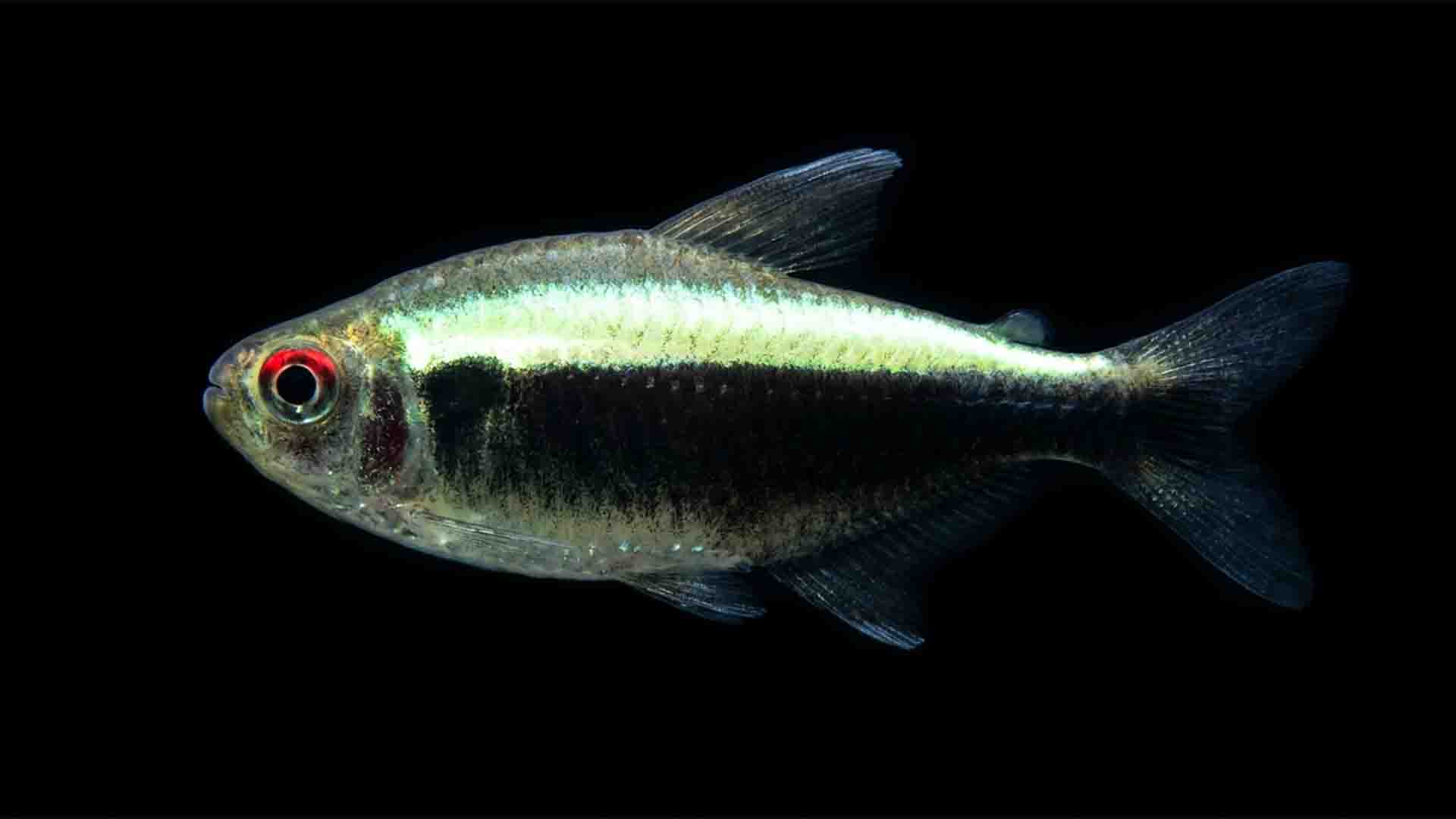
Look closely at the anatomical structure of a Black Neon compared to a standard neon. Instead of a fragile, needle-thin profile with an exposed vertebral margin, the Black Neon features a thick, muscular caudal peduncle and a 40% deeper dorso-ventral core. This physical mass provides a substantially larger reservoir of structural muscle tissue, vascular volume, and metabolic glycogen storage, allowing them to absorb shipping fatigue, netting stress, and water chemistry shifts that would induce lethal shock in a standard neon.
Their visual presence in a planted display is strikingly elegant. An iridescent, enamel-white to neon-green horizontal pinstripe runs from the opercular plate straight through to the base of the caudal fin, underscored by a velvety, deep black longitudinal band that creates intense contrast against aquatic plants like Cryptocoryne and Vallisneria. Their eyes feature a brilliant dual-color iris: glowing crimson on the upper half and emerald green below. Kept in a disciplined school of ten or more, Black Neons maintain a tight, relaxed formation in the mid-to-lower water column. They do not pace the glass frantically, never nip fins, and shrug off parameter fluctuations with virtually zero casualties.
Watch the definitive schooling geometry comparison between Black Neons and commercial neons at [08:00] in our companion video above.
Retail Showroom Traps vs. Evolutionary Armor (Comparative Performance Matrix)
When selecting freshwater livestock, relying on big-box pet store tank labels that read “hardy” or “beginner-friendly” is the fastest way to invite chronic disease into your ecosystem. Retail stores classify fish based on wholesale purchase cost and juvenile sales velocity rather than physiological longevity, osmoregulatory capacity, or adult metabolic bioload. To make informed stocking choices that protect your biological filter, evaluate candidate species through empirical biological metrics.
The comparative matrix below directly contrasts the fragile commercial staples pushed by retail chains against the ten biologically armored alternatives featured in the FishTank Mastery doctrine:
| Species & Evolutionary Status | Target Ecological Zone | Osmotic & Chemical Plasticity | Disease Vulnerability & Farm Pathology | Real-World Home Longevity |
|---|---|---|---|---|
| True Honey Gourami (Trichogaster chuna) [Armored] | Upper Third / Surface Meniscus | Broad: pH 6.0–7.8, GH 4–15 dGH. Highly tolerant of organic botanicals. | Zero affinity for DGIV Megalocytivirus. Strong wild-line mucosal barrier. | 5 to 8 Years |
| Neon Dwarf Gourami (Trichogaster lalius) [Retail Trap] | Surface / Upper Column | Narrow: Highly sensitive to dissolved organic carbon fluctuations. | Over 22% latent commercial infection rate with terminal DGIV iridovirus. | < 6 Months (Often 30 Days) |
| Zebra Danio (Danio rerio) [Armored] | Upper-to-Midwater Sprinter | Extreme: pH 6.0–8.0, GH 5–20 dGH. Thrives in high-velocity dissolved oxygen lanes. | Exceptional cellular hypoxia resistance; robust somatic cell regeneration. | 4 to 6 Years |
| Longfin Balloon Molly (Poecilia latipinna hybrid) [Retail Trap] | Mid-to-Surface Column | Requires liquid-rock hardness. Osmoregulatory collapse in soft water. | Severe spinal lordosis; acute swim bladder compaction and chronic bloat. | 3 to 6 Months |
| Cherry Barb (Puntius titteya) [Armored] | Lower-to-Midwater Browser | Moderate-High: pH 6.0–7.8. Stable across wide municipal water chemistries. | Gastrointestinal motility preserved through active, low-stress biofilm browsing. | 5 to 7 Years |
| Tiger Barb (Puntigrus tetrazona) [Retail Trap] | Midwater Hierarchy Sprinter | Moderate: Highly volatile schooling stress spikes in groups under 10. | Severe social cortisol elevation leading to systemic immunosuppression and fin-rot. | 12 to 24 Months |
| White Cloud Minnow (Tanichthys albonubes) [Armored] | Mid-to-Upper Disciplined Schooler | Extreme Eurythermal: 58°F–74°F (14°C–23°C). Shrugs off cold drafts. | Coldwater cellular stability; hyper-efficient branchial oxygen diffusion. | 5 to 7 Years |
| Fancy Guppy (Poecilia reticulata commercial) [Retail Trap] | Surface Water Column | Narrow: Requires specific mineral salts. Cellular edema in neutral tap water. | Endemic Asian farm Columnaris, extreme inbreeding depression, torn delta fins. | 2 to 5 Months |
| Kuhli Loach (Pangio semicincta) [Armored] | Benthic Substrate Layer | Broad: pH 5.5–7.5. Adapts smoothly to soft leaf-litter or inert sand setups. | Antimicrobial dermis; zero territorial nipping; prevents hydrogen sulfide spikes. | 8 to 12 Years |
| Chinese Algae Eater (Gyrinocheilus aymonieri) [Retail Trap] | Benthic to Glass Stripper | Broad, but metabolic shift flips diet from biofilm to living tankmate slime coats. | Causes physical body trauma, open dermal ulcerations, and high metabolic waste. | Rehomed or Crashes Tank |
| Bristlenose Pleco (Ancistrus cirrhosus) [Armored] | Benthic Hardscape Grazer | Broad: pH 6.0–7.8, GH 4–18 dGH. Thrives with natural Malaysian driftwood. | Specialized gut microbiota digest wood lignin; capped adult length of 4.5 inches. | 10 to 15 Years |
| Common Pleco (Hypostomus plecostomus) [Retail Trap] | Benthic Destroyer | Wide tolerance, but allometric scaling creates an unmanageable biological footprint. | Explosive growth to 18 inches; produces massive solid feces that overwhelm biofilters. | Ecosystem Collapse |
| Japanese Medaka (Oryzias latipes) [Armored] | Surface Boundary Cruiser | Extreme: 40°F–86°F (4°C–30°C), pH 6.5–8.5, TDS 50–500 ppm. Zero heater required. | Immune to heater failure disasters; ancestral wild-line mucosal defense. | 4 to 5 Years |
| Commercial Betta (Betta splendens Rosetail/Dragon) [Retail Trap] | Surface Labyrinth Browser | Moderate: Requires strict 78°F–80°F warmth to prevent metabolic cold-lock. | Corneal scale blinding in Dragonscales; hydrodynamic exhaustion in heavy rosetails. | 6 to 12 Months |
| Harlequin Rasbora (Trigonostigma heteromorpha) [Armored] | Midwater Disciplined Schooler | Moderate-High: pH 5.8–7.5. Deep-bodied reserves buffer shipping exhaustion. | Natural neuroendocrine downshifting; zero panic swimming or glass-surfing. | 6 to 8 Years |
| Standard Neon Tetra (Paracheirodon innesi) [Retail Trap] | Midwater Shoaler | Narrow: Collapses under slight tap water TDS or hardness drift. | Universal vector for Pleistophora hyphessobryconis (Neon Tetra Disease). | < 12 Months (Often 72h) |
| Pristella Tetra (Pristella maxillaris) [Armored] | Midwater Tight Schooler | Extreme: pH 5.8–8.2, GH 4–25 dGH, TDS 50–500 ppm. Coastal estuarine pumps. | Near-zero susceptibility to common commercial farm pathogens and soft-water shock. | 6 to 8 Years |
| Black Neon Tetra (Hyphessobrycon herbertaxelrodi) [Armored] | Mid-to-Lower Column Schooler | Broad: pH 5.5–7.8, GH 3–15 dGH. Thick caudal peduncle storing dense glycogen. | Completely refractory to classic Neon Tetra Disease; ancestral genetic heterosis. | 5 to 7 Years |
The 4-Week Delayed Transition Shock Timeline (Why Clean Tanks Still Fail)
The single most dangerous misconception in fishkeeping is assuming that if your aquarium water is visually transparent and reads zero parts per million for ammonia and nitrite, your livestock is biologically safe. Living teleosts do not experience environmental stress as an instantaneous on-off switch. Instead, they operate along an invisible timeline of accumulating physiological debt.
When mass-bred, genetically compromised fish are transferred from an industrial retail distribution rack into an unsterilized home display, the biological collapse unfolds in four distinct phases. By tracking the contrast between external visual cues and internal cellular mechanics, you can diagnose system failure weeks before visible mortalities appear:
| Timeline Phase | What You See (Visual Surface Illusion) | Internal Cellular & System Reality | Biological Margin & System Diagnostic |
|---|---|---|---|
| Day 1 to Day 3: The Retail Honeymoon | Water is crystal clear. Newly introduced fish school tightly along the glass and eat commercial dry flakes voraciously. The hobbyist declares the tank completely stable. | Extreme transport-induced cortisol surge floods the bloodstream. Industrial UV protection from the store is abruptly removed. Adrenaline artificially drives frantic feeding behavior while epidermal mucus coats begin thinning under osmotic whiplash. | Severe System Vulnerability: The aquarist mistakes emergency flight-or-fight kinetics for domestic comfort. Biological debt begins quietly compounding in kidney tissues. |
| Day 4 to Day 7: The Branchial Breakdown | Slight loss of lateral color saturation. Schooling cohesion loosens. Subordinate fish hover motionless near the filter outflow or tuck their dorsal fins against their bodies. | Branchial epithelial ionocytes fail under the energetic strain of regulating internal electrolytes against home tap water TDS. Microscopic gill lamellae swelling reduces oxygen uptake by up to 35%. Opportunistic waterborne bacteria make initial contact with bare skin cells. | Early Clinical Onset: The first mysterious death occurs. The hobbyist tests water parameters with drop kits, sees zero ammonia, assumes a random defect, and takes no protective action. |
| Week 2 to Week 3: The Pathogen Explosion | Visible white patches (Columnaris), frayed caudal fin margins, or rapid gill pumping appear. Stressed fish dart erratically or clamp their fins permanently against hardscape. | Interrenal adrenal tissue completely exhausts its cortisol synthesis reserves. Cellular immunosuppression allows dormant systemic pathogens to penetrate deep vascular networks. Nephric tubules in the kidneys suffer acute necrosis, halting waste filtration. | Active Crisis Phase: The aquarist panics and dumps broad-spectrum commercial medications into the display, lysing the beneficial nitrifying autotrophs colonizing the filter media. |
| Week 4+: The Systemic Reset | Water turns cloudy with a greyish-white bacterial haze. Established resident fish begin showing clamped fins and rapid respiration. Mortality cascades across multiple species. | Medication cocktails combined with dead organic matter reset the biological biofilter. Unmeasured spikes of un-ionized free ammonia and nitrite trigger secondary cellular methemoglobinemia (suffocation at the cellular level). | Total Ecosystem Collapse: The biological safety margin hits zero. The defeated hobbyist blames their water chemistry, drains the aquarium, and considers abandoning the hobby entirely. |
What to Avoid: 4 Stocking Habits That Silently Exhaust Biological Margins
Building a self-regulating, bulletproof freshwater community is not merely a matter of buying resilient species; it requires eliminating the subconscious consumer habits that undermine closed aquatic environments. The ornamental pet trade trains beginners to make purchasing choices using retail shopping psychology rather than the biological laws of closed biomes. If you want your aquarium to thrive for years without hospital tanks or emergency water treatments, purge these four destructive behaviors immediately:
1. Shopping Under Actinic Showroom Illumination (The Pigment Trap)
Why it feels right: You walk through a darkened commercial retail store and see holding tanks illuminated by specialized high-output pink and actinic-blue fluorescent tubes. Under this spectrum, pale juvenile fish like standard Neon Tetras, GloFish, and albino morphs glow like irradiated gemstones. It triggers an immediate emotional impulse to buy living color for your living room.
What it silently breaks: Actinic showroom illumination is an optical trick designed to mask physiological emaciation. Under standard 6500K daylight home LEDs, that radiant showroom paint vanishes entirely. You are left looking at a paper-thin, genetically bottlenecked teleost with an exposed spine, zero muscular depth across the caudal peduncle, and severely suppressed vital organs. When you evaluate candidate fish at a retailer, insist on viewing them under neutral white light. Inspect their physical dorso-ventral thickness, look for steady opercular breathing rhythms, and verify that the animal holds its position against filter flow without displaying physical exhaustion.
What to evaluate instead: Never ask, “How bright are these scales right now?” Ask: “Does this animal possess the structural muscle mass, intact dorsal scales, and clear corneal tissue required to survive an unsterilized home biome?”
2. The “Three-Fish” Token Shoal (The Neurological Cortisol Loop)
Why it feels right: A beginner walks into an aquarium shop with a 20-gallon tank at home. Wanting visual variety, they purchase two neon tetras, two zebra danios, two cherry barbs, and a single corydoras. It feels responsible because the total bioload remains low, leaving plenty of physical space inside the glass box.
What it silently breaks: Obligate shoaling teleosts rely on shoaling geometry as their primary evolutionary shield against predation. Their central nervous system is hardwired to process continuous visual confirmation and lateral-line acoustic vibrations from a surrounding school of conspecifics. When you isolate an obligate schooling fish in a tiny group of two or three, its brain perceives that it has been separated from the safety of the herd and left exposed in an open kill zone.
This dynamic locks the fish’s hypothalamic-pituitary-interrenal (HPI) axis into permanent emergency alert mode. Chronic systemic cortisol elevation suppresses circulating T-lymphocytes, inhibits digestive enzyme synthesis, and leads to frantic glass-pacing or hyper-aggressive fin-nipping outbursts. If you cannot allocate the volumetric bioload to house a minimum of eight to ten individuals of a single schooling species, do not buy that species at all.
What to evaluate instead: Stop asking, “How many different colorful species can I squeeze into this tank?” Ask: “Does my aquarium provide enough swimming length to support a full, neurologically secure school of at least eight individuals?”
3. Subcontracting Husbandry to “Janitor Fish” (The Biological Debt Fallacy)
Why it feels right: The moment brown diatom algae coats the glass or organic debris settles into substrate crevices, the standard beginner reaction is to drive to the local fish store and hire a “cleaner fish”—typically an armored Common Pleco, a Chinese Algae Eater, or an ornamental loach. It feels like implementing an organic, self-cleaning biological solution.
What it silently breaks: A living teleost is not a mechanical vacuum cleaner; it is a complex metabolic engine that consumes fuel, burns oxygen, and produces nitrogenous exhaust. Adding a live animal never reduces the total mass inside a closed aquatic loop. Every gram of algae or leftover flake food consumed is metabolically converted into un-ionized free ammonia, dissolved organic carbon, and heavy solid feces.
Furthermore, species commercially marketed as cleaners undergo radical metabolic dietary shifts upon reaching maturity. The Chinese Algae Eater (Gyrinocheilus aymonieri) stops grazing biofilm as it reaches adulthood, developing an aggressive predatory habit of latching onto the flat flanks of slow-moving tankmates to consume their protective mucosal slime coats. Similarly, a juvenile Common Pleco outgrows home filtration within twelve months, transforming into an 18-inch feces factory that collapses domestic biological cycles.
What to evaluate instead: Stop asking, “What animal can I drop into this water to scrub my glass?” Ask: “What systemic imbalance in photoperiod duration, nutrient import, or water circulation dead spots is driving this organic accumulation?”
4. Chemical Clarifier Stacking Post-Introduction (Osmotic Whiplash)
Why it feels right: Within 48 hours of introducing new livestock, the aquarium water develops a faint cloudy haze, or the new fish show mild fin clamping. The keeper panics, assumes a catastrophic emergency, and pours in three bottled additives simultaneously: an artificial chemical water clarifier, a dose of synthetic slime-coat protector, and an over-the-counter herbal antimicrobial.
What it silently breaks: Every chemical compound introduced into an aquarium alters the total dissolved solids (TDS), electrical conductivity, and surface tension of the water column. When you dump chemical additives into a system holding newly introduced fish, you subject an organism that is already battling acute transport exhaustion to violent swings in cellular osmotic pressure.
Synthetic chemical flocculants function by binding suspended particles and living bacterial cells together using high-molecular-weight polymers. While this creates optical clarity within hours, those same sticky polymers coat the delicate secondary branchial lamellae of your fish’s gills, physically obstructing dissolved oxygen diffusion and suffocating beneficial nitrifiers colonizing your filter media. Stop pouring bottled promises into your tank. Stabilize the mechanical environment, reduce the lighting intensity, and allow the animals’ biological shock absorbers to adapt naturally.
What to evaluate instead: Stop asking, “What chemical can I pour into this tank to instantly clear the water?” Ask: “How can I minimize physical disturbances so the ecosystem’s living biology can restore its own equilibrium?”
Do This Instead: The FTM Resilient Landing & Acclimation Protocol
To guarantee that your newly acquired, biologically armored teleosts transition from commercial holding tanks into your home ecosystem with zero mortalities, discard obsolete floating-bag habits. Execute the FishTank Mastery Resilient Landing Protocol. This systematic, five-step operational workflow completely neutralizes osmotic whiplash, suppresses neuroendocrine stress spikes, and protects early biological equilibrium:
Step 1: The 45-Minute Dual-Parameter Drip Landing
Floating a sealed plastic bag in your display tank for fifteen minutes only equalizes water temperature; it does absolutely nothing to bridge the gap between two radically different chemical operating systems. If the retail store holds livestock in hard municipal tap water sitting at 450 ppm TDS and your home aquarium operates at 150 ppm TDS, releasing that fish causes immediate cellular edema and osmotic lysis.
Transfer the new fish and their transport water into a dedicated, clean two-gallon acclimation container. Using standard 4/6 mm airline tubing equipped with an adjustable plastic control valve, start a gravity siphon from your display tank into the container. Calibrate the valve to deliver a steady two to three drops per second. Over a 45-minute window, the water volume inside the container will triple, slowly matching temperature, pH, general hardness, and electrical conductivity at a gradual pace that allows the fish’s branchial sodium-potassium ATPase pumps to recalibrate without organ damage.
Step 2: The Darkness Landing Buffer
Once acclimation is complete, gently net the fish out of the container and release them into the display aquarium—never allow retail transport water to enter your home system. The instant the fish enter the tank, immediately extinguish all aquarium lighting fixtures. Keep the display in complete darkness for the first twenty-four hours.
Photons stimulate retinal stress pathways in teleosts, accelerating the release of adrenocorticotropic hormone (ACTH) and prolonging elevated plasma cortisol levels. Total darkness dramatically reduces metabolic oxygen demand, calms erratic swimming behaviors, and prevents territorial resident fish from visually targeting new arrivals while their protective epidermal slime coats are actively regenerating.
Step 3: The 48-Hour Enteric Fasting Window
Your new fish will appear hungry. They will pace the front glass, inspect the surface, and appear to beg for food. Do not feed them a single morsel. Transport friction, netting, and handling temporarily shut down digestive peristalsis and suppress the secretion of gastric enzymes in tropical teleosts. The animal shunts all available metabolic energy away from digestion and channels it entirely toward respiratory gill function and cellular osmoregulation.
Dropping dry commercial flakes or heavy pellets into the tank during the first 48 hours causes two catastrophic failures: the stressed fish ignores the food, allowing it to rot inside substrate crevices and trigger an ammonia micro-spike, or the fish consumes the dry food, which then expands inside a paralyzed digestive tract, causing acute gastrointestinal impaction and fatal swim bladder disorder. Withhold food completely for 48 hours. When you initiate feeding on Day Three, offer only twenty-five percent of a standard meal using highly digestible frozen baby brine shrimp or pre-soaked micro-pellets.
Step 4: Volumetric Tri-Layer Ecological Zoning
Design your aquarium layout based on distinct volumetric vertical zones. A balanced, zero-conflict community aquarium must distribute biological biomass across three independent layers so that no two dominant species are forced to negotiate the exact same physical cubic inches of water column:
- Upper Surface Layer: True Honey Gouramis (Trichogaster chuna) or Japanese Medaka Ricefish (Oryzias latipes) patrolling floating botanicals and surface tension without territorial friction.
- Midwater Cruising Corridor: Disciplined schools of Black Neon Tetras (Hyphessobrycon herbertaxelrodi), Pristella Tetras (Pristella maxillaris), or Harlequin Rasboras (Trigonostigma heteromorpha) maintaining cohesive, synchronized swimming patterns that signal safety to shy bottom species.
- Benthic Substrate Layer: Peaceful substrate sifters like Kuhli Loaches (Pangio semicincta) aerating sand beds alongside a single Bristlenose Pleco (Ancistrus cirrhosus) rasping driftwood biofilm without claiming sovereign bottom territory.
Step 5: The 14-Day Maintenance Freeze
The established nitrifying biofilm and pioneer microbial matrix inside a newly stocked aquarium are microscopically thin and structurally fragile. During the first two weeks following livestock introduction, enforce an absolute maintenance freeze across the entire system:
- DO NOT scrub interior glass panels or wipe away pioneer biofilms.
- DO NOT deep-vacuum the substrate or disturb plant root zones.
- DO NOT open, clean, or rinse biological filter media.
Limit your maintenance actions exclusively to daily behavioral observation and a single, gentle fifteen percent partial water change on Day Seven using temperature-matched, dechlorinated water. True ecological stability is not manufactured through constant human intervention; it is cultured through predictable routines and biological patience.
Scientific Truths: Teleost Osmoregulation, Viral Tropism & Metabolic Scaling
When you strip away commercial retail marketing and anecdotal forum theories, an aquarium is a closed biochemical reactor governed by immutable laws of organic chemistry, fluid dynamics, and evolutionary biology. To build a community tank that holds permanent biological equilibrium, you must understand the four cellular mechanisms dictating teleost survival beneath the water surface.
Truth 1: The Bioenergetic ATP Tax of Gill Ion Regulation
Freshwater teleosts are obligate hyperosmotic regulators. Because the internal ionic concentration of their blood plasma (roughly 280 to 320 mOsm/kg) is significantly higher than ambient aquarium freshwater (typically under 20 mOsm/kg), water constantly floods into their vascular system via passive osmosis across the semi-permeable membranes of the gills. Concurrently, essential blood electrolytes—primarily sodium, potassium, and chloride—diffuse outward into the dilute water column.
To prevent internal cellular swelling and systemic fluid overload, the branchial epithelium of the gill lamellae is packed with specialized, mitochondria-rich cells known as branchial ionocytes (chloride cells). These microscopic cellular engines run continuous sodium-potassium ATPase molecular pumps, actively pulling sodium and chloride ions out of dilute water and driving them back into the bloodstream against massive concentration gradients. In wild-type or estuarine-adapted fish like the Pristella Tetra and Black Neon, these molecular pumps operate with extreme bioenergetic efficiency. Conversely, in mass-inbred commercial strains, managing sudden shifts in municipal tap water Total Dissolved Solids (TDS) or general hardness can consume upwards of 30% to 40% of the animal’s basal metabolic ATP budget. When physical handling, shipping fatigue, and osmotic pressure overlap, branchial ionocyte failure triggers acute cellular edema, renal shutdown, and systemic organ collapse. Read the study on osmoregulatory energetics.
Truth 2: Megalocytivirus Pathogenesis and Host-Lineage Specificity (DGIV)
The rampant mortality rate documented in commercially exported Dwarf Gouramis (Trichogaster lalius) is driven by an endemic viral pathogen known as Dwarf Gourami Iridovirus (DGIV), a lethal species belonging to the genus Megalocytivirus (family Iridoviridae). Epidemiological surveys of commercial ornamental aquaculture facilities across Southeast Asia demonstrate that wholesale stocks of Trichogaster lalius carry latent endemic infection rates ranging from 20% to over 35%.
Upon activation by shipping stress or environmental translation, the virus targets endothelial cells, fibroblasts, and hematopoietic cells throughout the spleen and anterior kidneys. Histopathological sections reveal massive, hypertrophied basophilic intracytoplasmic inclusion bodies accompanied by extensive necrosis of the splenic parenchyma and renal tubules. Because Megalocytivirus replicates intracellularly within the reticuloendothelial system, chemical dips, antibiotics, and commercial water treatments are entirely useless. Crucially, veterinary virology demonstrates that megalocytiviruses require specific host surface cellular receptors to initiate attachment and intracellular penetration. The True Honey Gourami (Trichogaster chuna) belongs to a distinct phylogenetic lineage that lacks affinity for DGIV viral attachment, rendering the species refractory to the pathogen and completely immune to the commercial epidemic. Read the study on megalocytivirus pathology.
Truth 3: Loricariidae Allometric Growth and Lignin Digestive Kinetics
The belief that fish waste scales linearly with physical length is one of the most destructive mathematical errors in fishkeeping. Teleost metabolic bioload is dictated by allometric mass scaling, governed by the geometric relationship where body mass scales cubically relative to standard length: body mass increases proportionally to the cube of length. When a juvenile Common Pleco (Hypostomus plecostomus) grows from an unassuming 2-inch retail novelty into a 10-inch adolescent, its physical mass, muscle volume, and biological waste excretion multiply by more than one hundredfold. This massive surge in biological oxygen demand and dissolved organic carbon easily overwhelms the surface area kinetics of domestic autotrophic nitrifying biofilms.
In stark contrast, the Bristlenose Pleco (Ancistrus cirrhosus) maintains a biologically sustainable adult size ceiling of 4.5 inches while utilizing specialized digestive biochemistry. The alimentary tract of Ancistrus species is exceptionally long and densely populated with endosymbiotic cellulolytic and lignin-degrading bacteria. When provided with natural driftwood, the Bristlenose rasps outer structural fibers, extracting trace bio-minerals, structural cellulose, and fungal mycelium. The resulting lignin roughage acts as a mechanical bulk agent that accelerates intestinal transit time, preventing chronic bacterial impaction and enteric bloat. By replacing an exponential bioload monster with a compact, lignin-adapted grazer, you maintain clean hardscape without generating insurmountable filtration debt. Explore the species life-history on FishBase.
Truth 4: Sensory Barbel Histology and Benthic Mechanical Integrity
The benthic substrate plane is not an inert decorative stage; it is a dense micro-ecological interface where organic detritus undergoes continuous microbial degradation. Bottom-dwelling foragers like the Kuhli Loach (Pangio semicincta) rely on specialized sensory cephalic barbels to locate concealed micro-crustaceans and benthic prey. Histological examination reveals that these barbels are delicate epidermal structures packed with external taste buds, sensory tactile corpuscles, and a fragile network of superficial capillaries protected by a thin mucosal layer.
When benthic loaches are maintained on artificial, sharp-edged quartz gravel or crushed synthetic substrates, continuous burrowing induces severe mechanical micro-lacerations along the barbel epithelium. Ubiquitous, opportunistic waterborne bacteria—most notably Flavobacterium columnare and Aeromonas hydrophila—rapidly colonize these mechanical wounds. The resulting localized histopathology, known as barbel erosion or necrosis, quickly progresses along cranial nerve pathways and enters the vascular bloodstream, causing delayed systemic septicemia. Housing subterranean loaches exclusively on fine, smooth cosmetic sand completely eliminates mechanical shearing forces, preserving sensory barbel integrity and removing the primary entry vector for opportunistic infections. Read the study on benthic teleost morphology.
Google People Also Ask (PAA Direct Answers)
What is the absolute hardiest freshwater aquarium fish for a beginner?
The Zebra Danio (Danio rerio) and Black Neon Tetra (Hyphessobrycon herbertaxelrodi) are the hardiest freshwater community fish. Zebra Danios possess extreme hypoxia tolerance and robust cellular regeneration, easily tolerating wide pH and temperature swings. Black Neon Tetras retain deep-bodied wild-type genetics that make them immune to classic Neon Tetra Disease and highly resistant to osmotic shock from routine water changes.
Why do newly purchased fish die even if water parameters read zero?
Newly purchased fish often die in clean water due to osmotic shock and transport cortisol exhaustion, not chemical toxicity. Commercial stores maintain stock under centralized ultraviolet sterilization arrays. When transferred to an unsterilized home aquarium, transport stress floods the fish’s bloodstream with cortisol, suppressing mucosal immunity. Minor differences in water hardness (GH/TDS) overwhelm compromised gill ionocyte pumps, causing acute kidney failure despite zero ammonia and nitrite.
Are Honey Gouramis immune to Dwarf Gourami Disease (DGIV)?
Yes. The True Honey Gourami (Trichogaster chuna) is phylogenetically distinct from the Dwarf Gourami (Trichogaster lalius) and does not possess the cellular receptors required for Dwarf Gourami Iridovirus (DGIV) replication. While commercial Dwarf Gourami shipments carry latent infection rates exceeding 22%, True Honey Gouramis are naturally refractory to the virus and thrive without developing dropsy or ulcerative lesions.
Can you keep Medaka Ricefish and White Cloud Minnows without a heater?
Yes. Both Japanese Medaka Ricefish (Oryzias latipes) and White Cloud Mountain Minnows (Tanichthys albonubes) are eurythermal species that do not require an artificial heater. Medaka ricefish thrive across an extreme temperature range of 40°F to 86°F (4°C to 30°C), while White Clouds prefer cool water between 58°F and 74°F (14°C to 23°C). Keeping them at ambient room temperature eliminates the risk of heater failure.
Why are Black Neon Tetras hardier than regular Neon Tetras?
Black Neon Tetras (Hyphessobrycon herbertaxelrodi) are genetically separated from standard Neons (Paracheirodon innesi). They feature a 40% deeper muscular core, a thicker caudal peduncle, and intact wild-type heterosis. Unlike standard neons, which suffer from severe inbreeding depression and endemic Pleistophora microsporidian parasites, Black Neons possess durable branchial ion pumps that easily absorb water chemistry fluctuations.
Do Bristlenose Plecos produce less waste than Common Plecos?
Yes, significantly less. A Bristlenose Pleco (Ancistrus cirrhosus) caps out at an adult length of 4.5 inches, maintaining a compact biological footprint compatible with standard biological filtration. A Common Pleco (Hypostomus plecostomus) grows to 18 inches, producing over one hundred times more solid feces and rapidly overwhelming aquarium biofilters through allometric mass scaling.
Frequently Asked Questions (FAQ)
How long does it take for a newly introduced fish to recover from transport cortisol spikes?
In genetically robust teleosts, plasma cortisol levels peak within 30 to 60 minutes of physical handling and transport netting, gradually clearing the bloodstream over 24 to 48 hours if maintained in total darkness with zero feeding. In mass-inbred or genetically exhausted strains, the hypothalamic-pituitary-interrenal (HPI) axis can remain locked in hypercortisolemia for up to two weeks, permanently depleting epidermal mucus antibody reserves and leaving the animal vulnerable to opportunistic fungal and bacterial pathogens.
Will a simple sponge filter provide enough biological filtration for these 10 hardy species?
Yes. A coarse 30-PPI sponge filter powered by an air pump or powerhead provides exceptional surface area for sessile autotrophic nitrifying bacteria (Nitrosomonas and Nitrospira). Because these ten species maintain low individual metabolic bioloads and do not produce massive solid waste ropes, a properly sized sponge filter easily maintains zero ammonia and nitrite while creating safe, low-velocity currents ideal for surface and labyrinth breathers.
Can I mix coldwater Medakas and White Clouds with tropical species like Gouramis?
While Japanese Medakas can tolerate standard tropical temperatures (72°F to 78°F / 22°C to 25°C) alongside Honey Gouramis and Black Neon Tetras, White Cloud Mountain Minnows should not be kept long-term above 74°F (23°C). Sustained high temperatures increase the minnow’s basal metabolic rate, shorten their captive lifespan, and lower dissolved oxygen concentrations. For permanent ecosystem health, house White Clouds in dedicated unheated coldwater community layouts.
Why do commercial pet stores continue selling fragile fish like standard Neons and Dwarf Gouramis?
Commercial retail operations prioritize aesthetic impulse buying, low wholesale acquisition costs, and rapid stock turnover over captive longevity. High-output showroom lighting showcases bright iridescent blues and neon reds, driving instant retail sales. When mass-inbred fish collapse days later, beginners assume personal maintenance error and return to the store to purchase replacement stock, medications, or chemical additives, generating recurring retail profit.
What should I do if my municipal tap water has high general hardness (GH) and pH?
Do not attempt to alter your water chemistry using commercial liquid pH buffers or chemical down-adjusters. Chemical dosing creates unstable carbonate hardness swings that induce osmotic shock. Instead, select species with estuarine and hard-water evolutionary roots—such as Pristella Tetras, Zebra Danios, and Medaka Ricefish—which feature dense branchial ion pumps engineered to thrive in mineral-rich, alkaline environments without metabolic strain.
Hub & Spoke: Engineer a Crash-Proof Community Ecosystem
Selecting biologically armored livestock is the foundational first step toward an effortless aquarium, but true ecosystem stability requires understanding how biological filtration, municipal water chemistry, and teleost behavior intersect. If you have experienced sudden livestock losses in an aquarium where drop kits showed safe numbers, read our forensic diagnosis on why fish keep dying even when water tests are perfect to uncover the hidden physiological stressors that standard tests cannot measure.
Hobbyists who struggle with fragile schooling species should review our complete analysis on why you should stop buying neon tetras for community tanks, which details the exact genetic bottlenecks compromising modern commercial characins. If your goal is to eliminate mechanical heater failures entirely, explore our comprehensive guide to the top coldwater aquarium fish that thrive without a heater.
To keep your substrate and hardscape immaculate without creating an unmanageable biological load, audit your maintenance team against our empirical breakdown of the best freshwater clean-up crew species ranked by real results. If you are stocking a standard home aquarium footprint, combine these armored species using our spatial math framework inside our guide to the best fish for a 20-gallon tank. Finally, protect your established nitrifying bacteria from routine maintenance errors by following our visual protocol on how to clean your filter without triggering lethal ammonia spikes.
Scientific References & Peer-Reviewed Literature Review
Every physiological threshold, disease resistance mechanism, and husbandry parameter detailed in this masterclass is grounded in peer-reviewed teleost physiology, aquatic veterinary medicine, and environmental toxicology:
1. Teleost Osmoregulation & Branchial Ionocyte Energetics: Landmark research investigating the energetic requirements of sodium-potassium ATPase molecular pumps in euryhaline and freshwater teleost gill lamellae. The study details how rapid shifts in ambient total dissolved solids force fish to consume excessive cellular ATP, triggering metabolic exhaustion and kidney failure during osmotic transition. Read the study on PMC.
2. Megalocytivirus Pathogenesis & Epidemiological Screening in Aquaculture: Comprehensive veterinary pathology surveys published in the Journal of Fish Diseases evaluating systemic Dwarf Gourami Iridovirus (DGIV) prevalence across commercial export channels. The data confirms systemic splenic and renal necrosis rates exceeding 22% in commercial Trichogaster lalius stocks, while establishing the complete phylogenetic resistance of Trichogaster chuna. Read the study on Wiley Online Library.
3. Neuroendocrine Stress Cascades & Teleost Immunosuppression: Exhaustive research published in fish physiology literature demonstrating that handling friction, transport confinement, and water chemistry whiplash activate the hypothalamic-pituitary-interrenal axis. The empirical data proves that sustained plasma cortisol elevation reduces epidermal goblet cell density and thins the protective mucosal barrier, inviting opportunistic bacterial infections. Read the study on PubMed.
4. Benthic Substrate Morphology & Teleost Barbel Histology: Ecophysiological investigations published in environmental biology literature analyzing the physical interactions between sediment grain geometry and benthic sensory structures. The findings demonstrate that angular, artificial gravel substrates induce continuous mechanical micro-abrasions along sensory barbels, establishing immediate entry vectors for Flavobacterium columnare. Read the study on SpringerLink.
5. Aquatic Toxicology and Bioload Kinetics (U.S. EPA): Scientific criteria from the Environmental Protection Agency establishing the kinetics of un-ionized ammonia toxicity and biological filtration thresholds in closed recirculating systems. The criteria illustrate why allometric mass scaling in rapid-growth teleosts rapidly exceeds biological filter oxidation capacity. Read the study on U.S. EPA.
Watch Next: FishTank Mastery Topic Authority Video Chain
Transforming these biological realities into an active, long-term community aquarium requires observing real-world behavioral kinetics and physical setup dynamics. Continue your education across the FishTank Mastery video library to bulletproof your system against hidden retail traps:
- Don’t Buy These Community Fish – Get These Instead!: Discover which popular community classics create hidden social friction and learn the calm alternatives that maintain total group harmony. Watch on YouTube.
- Stop Buying Cleanup Crew Fish: The Truth About Algae Eaters: Uncover why buying live animals to solve maintenance issues backfires and learn how to deploy functional cleaners without overloading your filter. Watch on YouTube.
- Water Tests are Lying to You: Why Your Fish are Still Dying: A deep-dive investigation into the invisible osmotic, cortisol, and biological stressors that kill newly introduced fish even when reagent drop tests read zero. Watch on YouTube.
- Beginner Fish That WON’T Ruin Your First Tank: Learn how to spot deceptive retail labels and build your initial stocking list around species engineered by evolution to handle beginner learning curves. Watch on YouTube.
- Freshwater Fish Compatibility Guide (Full Series): Master the vertical tri-layer stocking doctrine and engineer a peaceful, zero-conflict freshwater community from day one. Explore the Full Playlist on YouTube.
True fishkeeping mastery is never achieved by continually fighting your water with chemical additives or endlessly replacing fragile, inbred commercial stock. When you build an aquarium around species equipped with genuine evolutionary armor, you stop acting as an anxious hospital ward technician and become the confident architect of a balanced, self-regulating living ecosystem. Choose species shaped by nature rather than commercial marketing, respect biological timelines, and let your aquarium thrive for years to come.