
Finding the best fish for 20 gallon tank setups shouldn’t feel like playing Russian roulette with fragile retail pets. Most commercial community tanks collapse not from poor keeper dedication, but from genetic tissue paper sold under misleading marketing labels. Commercial neon tetras that disintegrate during routine water temperature shifts, mass-bred dwarf gouramis carrying incurable iridovirus, and destructive “algae eaters” that outgrow your filter while stripping the protective slime coat off sleeping tankmates are standard retail fare. If you want a thriving, balanced 20-gallon ecosystem, you must stop buying corporate inventory clearance labels and start stocking for biological stability.
A standard 20-gallon aquarium—whether you run a classic 20-gallon high (24 x 12 x 16 inches) or a 20-gallon long (30 x 12 x 12 inches)—represents a critical ecological threshold. It is spacious enough to establish distinct micro-territories and stratified water column zones, yet compact enough that a single bioload miscalculation or behavioural incompatibility triggers a cascading system crash. Instead of filling your glass box with mass-farmed species suffering from severe inbreeding depression, looking toward neglected, biologically rugged alternatives establishes an ironclad buffer against unexpected parameter swings.
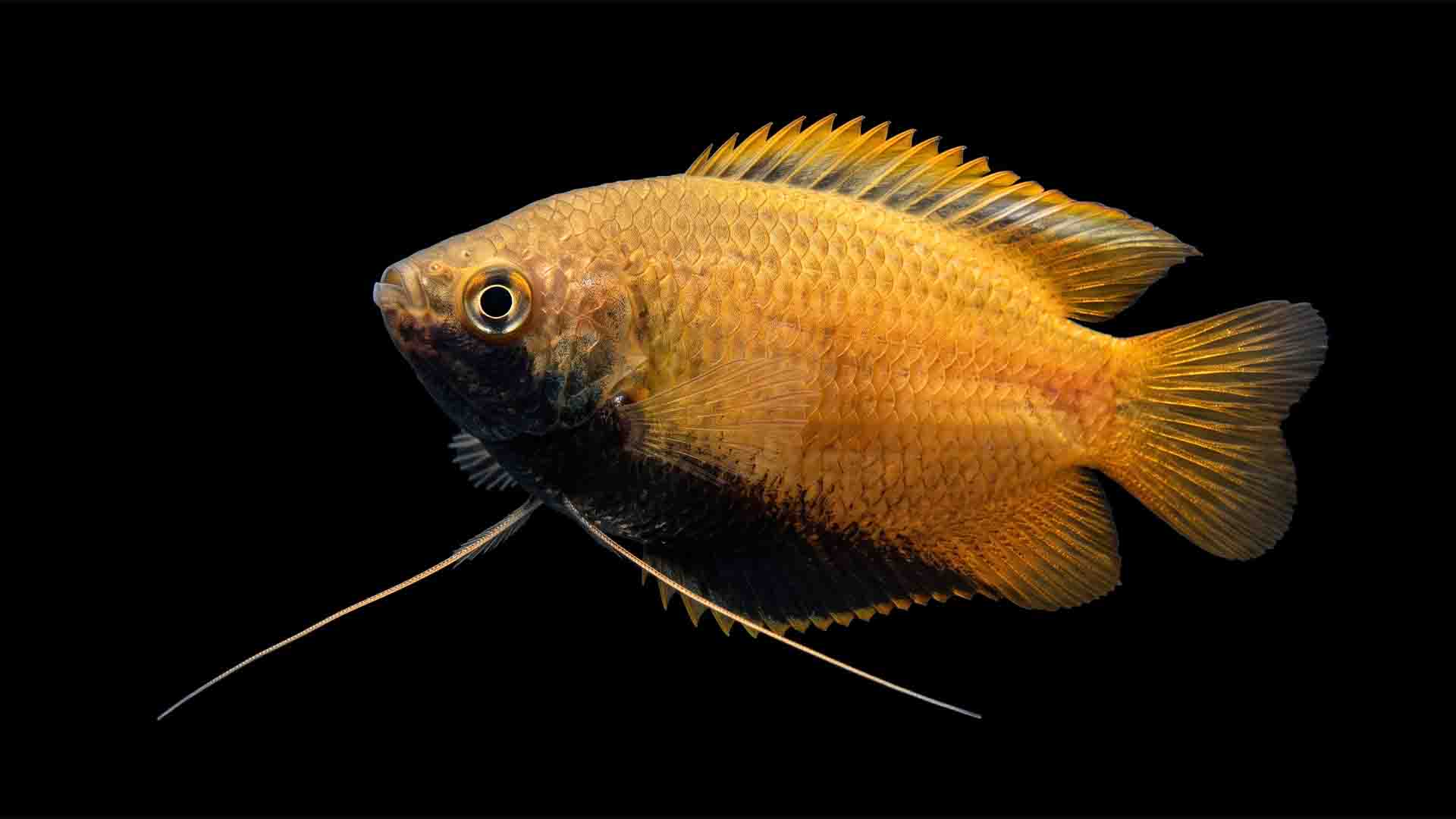
The authentic Honey Gourami (Trichogaster chuna): naturally immune to DGIV and the ultimate peaceful centerpiece for a 20-gallon ecosystem.
Before introducing livestock to your water, observing how these species interact within physical boundary limits is essential. Watch our complete biological breakdown below to see how these 10 ignored species behave, establish territory, and maintain biological equilibrium in closed glass environments:
The 20-Gallon Retail Trap: Why Standard Stocking Collapses Biology
Big-box commercial pet chains operate on a logistics model prioritizing visual inventory turnover over long-term ecological survivability. When you step into a retail store, the fish swimming inside bare 10-gallon holding cubicles are supported by massive commercial centralized sumps running tens of thousands of gallons of continuous turnover, heavy ultraviolet sterilization, and industrial protein fractionation. That temporary, artificial safety net masks severe underlying physiological fatigue. When a hobbyist purchases these fish and introduces them into an unsterilized home aquarium, the sudden removal of that industrial buffer results in what aquatic veterinary literature defines as delayed systemic collapse.
The standard species recommended to beginners are the very fish suffering the greatest genetic deterioration. Decades of commercial speed-breeding across Southeast Asian fish farms have stripped foundational resilience from hobby classics. If you have ever experienced mysterious school wipeouts despite zero ammonia and nitrite readings, you fell into a corporate distribution trap rather than making an amateur maintenance mistake. Building a resilient tank requires understanding the genetic and chemical boundaries governing smaller aquatic environments.
Mass-Bred Genetic Bottlenecks vs. Native Resilience
Artificial selection in commercial facilities prioritizes two variables: rapid growth velocity and hyper-pigmentation. To achieve vibrant electric blues in tetras or hyper-saturated reds in livebearers within weeks of hatching, commercial operations rely on intense brother-sister inbreeding protocols. This genetic bottlenecking induces severe inbreeding depression, dramatically reducing the animal’s natural polymorphism and compromising its major histocompatibility complex (MHC)—the genetic engine driving the adaptive immune response.
When a genetically compromised teleost experiences routine shipping, netting, and environmental changes, its interrenal tissue releases massive surges of cortisol. In a genetically diverse wild-type fish, cortisol mobilizes energy to cope with environmental stressors. In an inbred specimen, chronic elevated cortisol levels permanently shut down circulating lymphocytes, leaving the animal completely defenseless against ubiquitous waterborne opportunists such as Flavobacterium columnare or Aeromonas hydrophila. By bypassing over-commercialized showroom staples and selecting species retaining near-wild genetic diversity, you introduce specimens equipped with functional immune pathways capable of handling routine biological fluctuations. If you find yourself constantly battling unexplainable losses, audit your livestock choices against our diagnostic analysis of overrated aquarium fish beginners regret buying before altering your chemical dosing.
The Chemical Buffer Illusion: Why 20 Gallons Punishes Small Mistakes
A common myth in the aquarium trade claims that a 20-gallon tank is large enough to absorb significant keeper errors. While a 20-gallon volume provides significantly greater stability than a 5-gallon nano cube, it remains a confined closed system subject to rapid chemical shifts. In approximately 75 liters of net water volume, dissolved organic compounds (DOC), un-ionized ammonia (NH3), and organic phosphates accumulate with surprising speed once carrying capacities are reached.
The danger lies in the logarithmic nature of water chemistry. If a single large fish dies unnoticed inside a heavily decorated 20-gallon aquarium, the decaying protein mass rapidly consumes available dissolved oxygen while delivering a massive spike of ammonium. If your carbonate hardness (KH) is depleted by nitrifying autotrophic bacteria, the resulting nitrification drop can trigger a catastrophic pH crash, collapsing biological filter beds within hours. Understanding the volumetric physics of closed setups is the reason we emphasize biological zoning in our step-by-step masterclass on how to set up a fish tank correctly. Avoid falling for the retail lie that physical filtration horsepower can replace responsible stocking density; when biological capacity is exceeded, even high-end canister filters cannot prevent metabolic self-poisoning. For a deeper breakdown of these systemic failure triggers, review our complete breakdown of aquarium mistakes that collapse biological stability.
10 Ignored Aquarium Fish for 20-Gallon Tanks (Biological Anchors)
Achieving true community peace and biological longevity in a 20-gallon footprint requires selecting species that serve functional ecological roles rather than merely providing background color. The following 10 ignored freshwater species replace fragile retail clichés with authentic physiological durability, calm behavioral zoning, and exceptional adaptability.
1. Pristella Tetra (Pristella maxillaris) — The Ironclad Neon Alternative
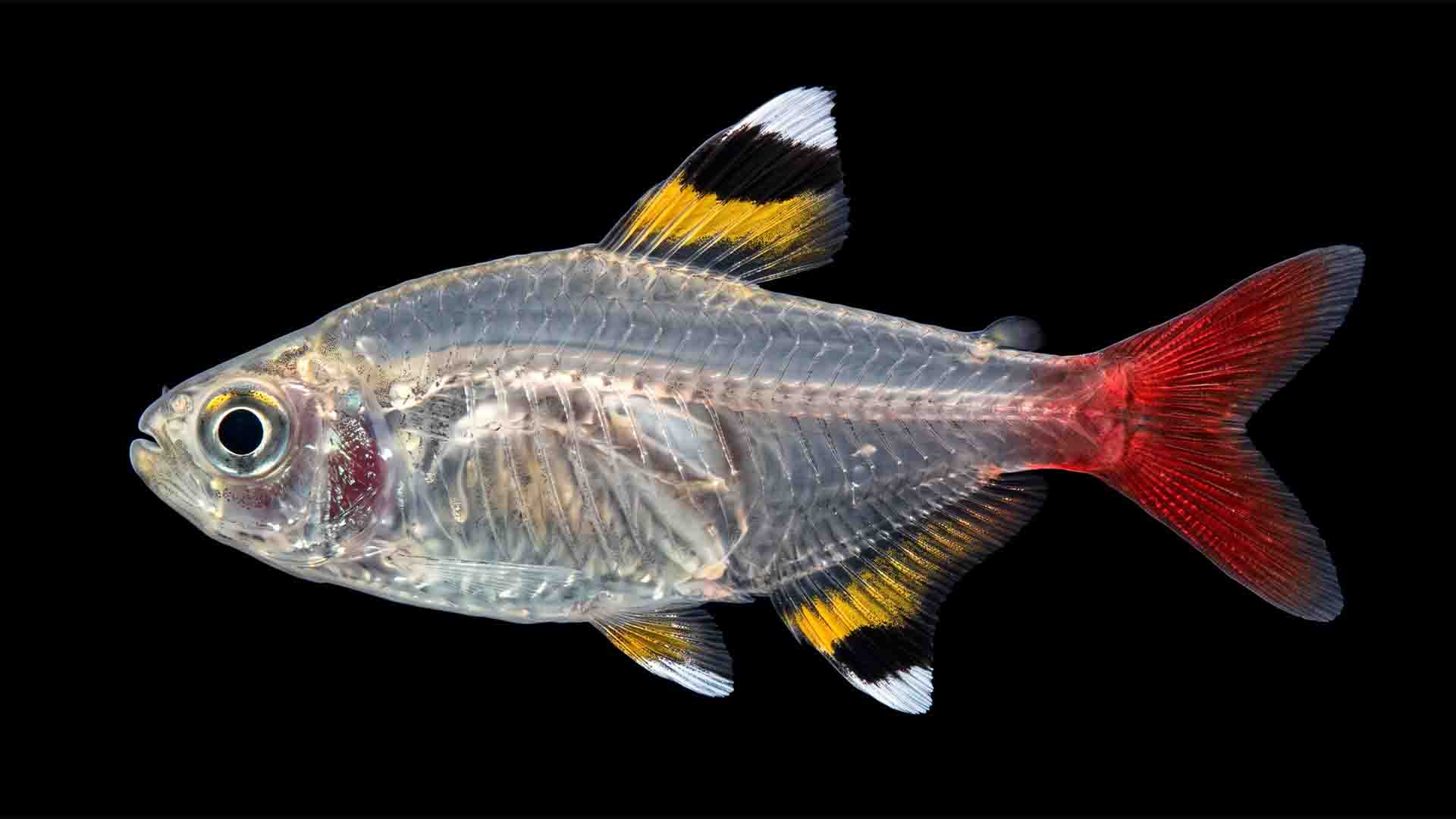
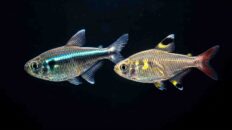
Pristella maxillaris (X-Ray Tetra): Built like armor. Wide osmoregulatory range and zero mass-breeding spinal deformities.
The standard retail recommendation for mid-water schooling in a 20-gallon tank is almost universally the Neon Tetra (Paracheirodon innesi). Yet, modern commercial neons are genetic tissue paper. Subject to severe commercial inbreeding, they possess an extraordinarily fragile osmoregulatory system and represent the primary vector for Pleistophora hyphessobryconis—an incurable microsporidian parasite known as Neon Tetra Disease that encysts within skeletal muscle tissue, destroying cellular integrity and triggering systemic organ failure.
The Pristella Tetra (Pristella maxillaris), frequently sold under the trade name X-Ray Tetra, is the definitive biological replacement. Native to coastal river basins and brackish-influenced floodplains across Venezuela and the Guianas, Pristella maxillaris evolved an extraordinarily broad osmoregulatory tolerance. Its gill epithelium features dense, resilient chloride cells capable of maintaining internal electrolyte equilibrium across a vast chemical gradient, thriving in pH values ranging from 6.0 to 8.0 and water hardness levels from 2 to 20 dGH.
Beyond its physiological durability, the Pristella displays a striking translucent, glass-like body revealing its internal vertebral column and swim bladder anatomy, punctuated by bold tri-color dorsal and anal fins bearing stark bands of yellow, jet black, and pure white. Unlike hyperactive schooling species that dart relentlessly and induce visual stress across the community, Pristellas form loose, calm shoals that navigate the mid-water zone with graceful, deliberate pacing. When sudden municipal water changes induce minor mineral shifts, Pristellas absorb the shock without displaying the immune depression that wipes out fragile characins. To understand how delicate schooling fish fail during transport and introduction, reference our protocol on avoiding transition shock in schooling fish.
2. Honey Gourami (Trichogaster chuna) — The Authentic, DGIV-Free Centerpiece
Beginners searching for a centerpiece fish for a 20-gallon community aquarium are routinely steered toward the Dwarf Gourami (Trichogaster lalius). What pet store employees never reveal is that the commercial Dwarf Gourami trade is severely compromised by Dwarf Gourami Iridovirus (DGIV)—a lethal, highly infectious megalocytivirus with an infection rate exceeding 22% in wholesale supply chains. DGIV causes rapid spleen and kidney necrosis, abdominal distension, severe cutaneous lesions, and 100% mortality, with zero known medical treatments.
The authentic Honey Gourami (Trichogaster chuna) is taxonomically and biologically distinct. It exhibits complete natural immunity to DGIV, providing the elegant labyrinth-organ anatomy hobbyists desire without the impending heartbreak of viral breakdown. Maxing out at a modest 2 inches (5 cm), Trichogaster chuna is far smaller, gentler, and more ecologically stable than its larger, territorial relatives. While male Dwarf Gouramis frequently turn aggressive, staking out the entire surface layer and brutally harassing any tankmate venturing into their territory, Honey Gouramis display an exceptionally mellow, inquisitive temperament.
Equipped with specialized filiform pelvic fins packed with chemical and tactile receptors, Honey Gouramis methodically explore submerged botanical structures, grazing softly on surface micro-fauna without showing aggression toward schooling fish or dwarf bottom dwellers. A true male Honey Gourami displays a glowing amber-gold coloration contrasted against a deep velvet-black throat and belly during breeding conditions. They are capable of utilizing atmospheric oxygen through their vascularized suprabranchial labyrinth organ, yet they do not establish hostile surface monopolies. For hobbyists seeking a centerpiece fish that eliminates territorial warfare, replacing aggressive species with gentle labyrinths is detailed in our guide on peaceful community fish alternatives.
3. Panda Garra (Garra flavatra) — Biofilm Grazing Without the Slime-Coat Trap
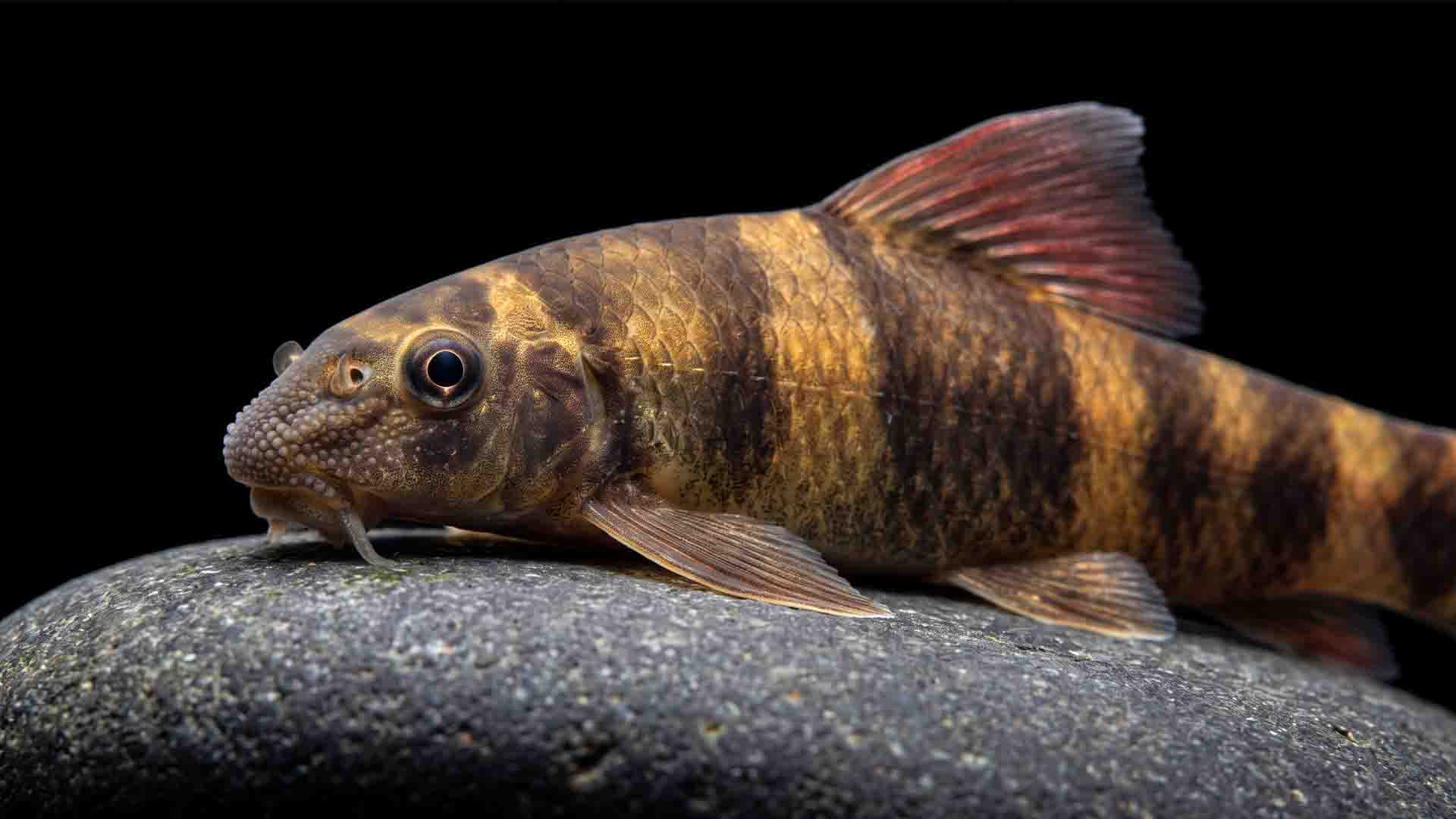
Panda Garra (Garra flavatra): Specialized oral disc rasps diatoms and biofilm without stripping plant leaves or attacking sleeping tankmates.
The retail industry has long propagated the myth of the “cleaner fish,” selling destructive species like the Chinese Algae Eater (Gyrinocheilus aymonieri) or juvenile Common Plecos (Hypostomus plecostomus) under the guise of tank maintenance helpers. As Gyrinocheilus aymonieri matures past 3 inches, its digestive morphology undergoes an ontogenetic shift: its metabolic requirement for dietary protein spikes, its appetite for filamentous algae vanishes, and its modified suctorial mouthparts are redirected toward rasping the mucosal slime coat off broad-bodied, sleeping tankmates, creating open ulcerations and lethal systemic septicemia.
The Panda Garra (Garra flavatra), endemic to the rapid, oxygen-saturated hillstreams of the Rakhine Yoma mountains in western Myanmar, represents the definitive functional solution. Maxing out at a compact 3 to 3.5 inches, Garra flavatra possesses a specialized crescentic suctorial disc on its lower jaw, formed by the modification of the labial fold. This specialized morphological structure allows the fish to anchor securely against stones in high-flow environments while methodically rasping diatoms, biofilm, and nuisance black beard algae (BBA) without damaging delicate aquatic foliage.
Unlike nocturnal bottom scavengers that hide beneath driftwood during daylight hours, Panda Garras are hyperactive, diurnal grazers displaying intricate bronze and espresso-brown banding with vibrant red accents on their dorsal and caudal fins. They exhibit fascinating, harmless social curiosity, frequently perching on broad plant leaves or rock surfaces and engaging in playful hierarchy posturing that never results in physical injury. If you have been burned by aggressive algae eaters that turned into nighttime predators, examine our ranked field analysis of the best freshwater clean-up crew species to understand why functional biofilm grazers outperform retail gimmick fish.
4. Kuhli Loach (Pangio kuhlii) — Substrate Aeration Preventing Toxic Gas Pockets
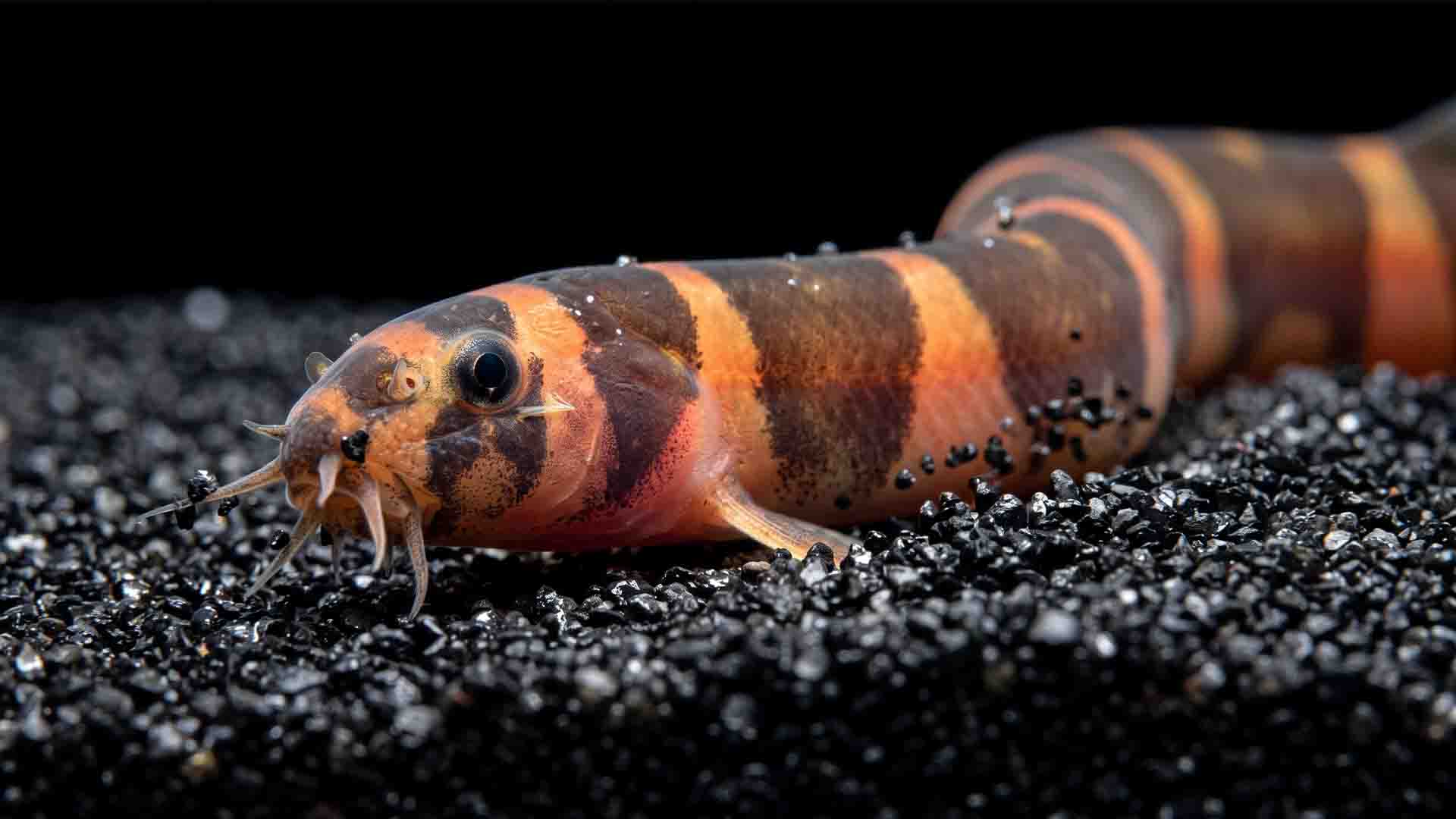
Pangio kuhlii: The nocturnal mechanic. Burrowing through fine sand to break compaction and stop hydrogen sulfide (H2S) accumulation.
A silent killer lurking within mature 20-gallon planted tanks featuring fine sand substrates is the formation of dead, compacted benthic zones. When uneaten organic debris, plant fragments, and fecal particulates penetrate deep into stagnant sand beds devoid of water movement, oxygen is rapidly exhausted. Under these anoxic conditions, obligate anaerobic, sulfate-reducing bacteria (such as Desulfovibrio) metabolize sulfates, releasing dissolved hydrogen sulfide (H2S). When a heavy hardscape stone shifts or an aquarist drives a siphon deep into an untreated sand bed, pockets of H2S are liberated into the water column, binding irreversibly to cytochrome c oxidase within fish gill lamellae and causing acute respiratory paralysis.
The Kuhli Loach (Pangio kuhlii) is the biological antidote to substrate compaction. Possessing an elongated, anguilliform (eel-like) morphology, a flexible spine, and a smooth, scale-reduced epidermis protected by a dense mucus layer, Pangio kuhlii is engineered to burrow continuously through fine sand substrates. As schools of Kuhli Loaches dive beneath the surface to forage for interstitial micro-invertebrates and detrital waste, their mechanical movements actively aerate the upper substrate strata. This natural bioturbation breaks up sediment compaction, promotes gentle oxygen transfer through pore water, and neutralizes anaerobic pockets before toxic sulfide compounds can accumulate.
Unlike Corydoras catfish whose sensitive rostral barbels can suffer severe mechanical abrasions and subsequent bacterial necrosis when forced onto sharp, unwashed gravel, Kuhli Loaches weave gracefully through fine silica sand without injury. They generate an exceptionally low metabolic bioload, completely disregard mid-water tankmates, and turn the lower footprint of your aquarium into a functional biological engine. To prevent catastrophic lower-stratum failures, always maintain a minimum group of 6 to 8 individuals to encourage active daytime foraging, and cross-reference our diagnostic manual on ranking the best bottom dwellers for freshwater tanks.
5. Japanese Ricefish / Medaka (Oryzias latipes) — The Unbreakable Guppy Replacement
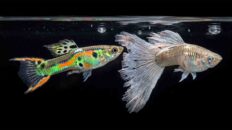
For generations, the Fancy Guppy (Poecilia reticulata) has been celebrated as the ideal livebearer for modest aquariums. However, modern commercial guppies have been line-bred to the point of structural collapse. Generations of artificial selection for oversized, billowing caudal fins have crippled their hydrodynamic efficiency, leaving them exhausted by standard filter currents. Furthermore, excessive inbreeding has made commercial guppy strains hyper-susceptible to osmotic shock, flexibacter infections, and viral columnaris outbreaks whenever moved into clean, soft water.
The Japanese Ricefish, or Medaka (Oryzias latipes), represents an evolutionary masterclass in hardiness. Having inhabited rice paddies, tidal wetlands, and slow-moving streams across Japan and East Asia for centuries, Oryzias latipes possesses exceptional eurythermal and euryhaline adaptations. Medaka can comfortably tolerate temperatures ranging from 4°C to over 30°C (39°F to 86°F), rendering aquarium heater failures completely irrelevant to their survival. Their cellular ion-transport mechanisms adjust effortlessly to soft, acidic aquascapes as well as hard, alkaline tap water.
Medaka inhabit the uppermost layer of the water column, constantly patrolling the surface tension for insect larvae, floating flake micro-particles, and biofilm scum. With short, streamlined fins and resilient, wild-type genetic foundations, they glide through moderate filter currents without fatigue. Modern color morphs—such as Youkihi (vibrant persimmon orange), Miyuki (metallic iridescent blue running along the dorsal ridge), and pure Platinum White—provide all the visual brilliance of commercial fancy guppies with none of the metabolic fragility. If you are designing an energy-efficient or room-temperature aquarium, integrating Medaka is fully explored in our comprehensive breakdown of coldwater fish that thrive without a heater.
6. Keyhole Cichlid (Cleithracara maronii) — True Cichlid Intelligence, Zero Civil War
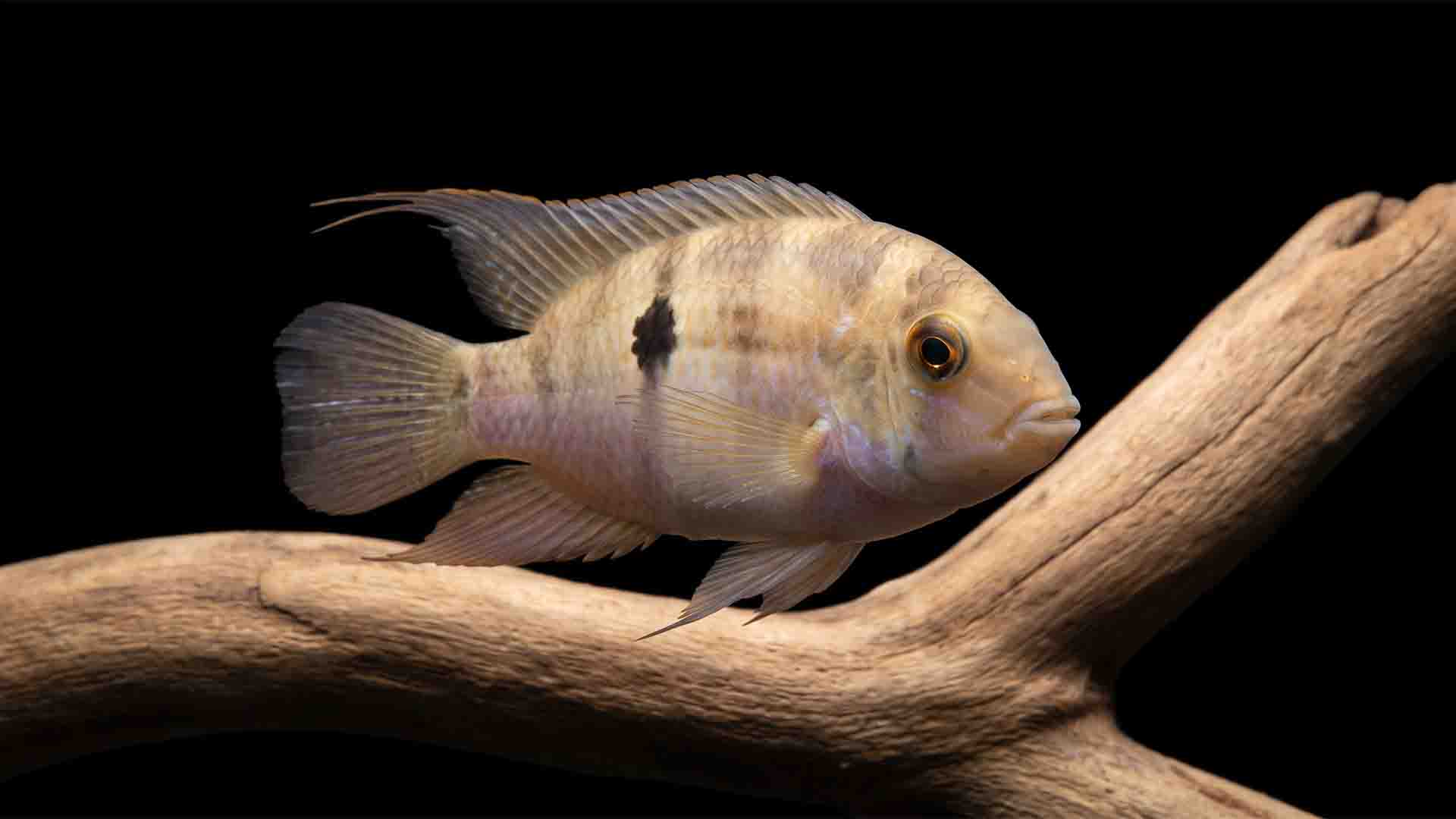
Cleithracara maronii: High cichlid cognitive awareness with none of the territorial slaughter common to aggressive dwarf varieties.
Every aquarist eventually craves the cognitive depth, complex social awareness, and interactive personality characteristic of the family Cichlidae. However, introducing popular dwarf cichlids into a 20-gallon aquarium frequently leads to systemic community disaster. German Blue Rams (Mikrogeophagus ramirezi) demand scalding, pristine water temperatures exceeding 82°F (28°C) that slowly accelerate the metabolic burnout of cool-water schooling tetras. Conversely, territorial dwarf varieties like male Apistogramma or pelvicachromis (Kribensis) claim the entire lower half of a 20-gallon footprint as private breeding territory, relentlessly assaulting bottom-dwellers, severing corydoras fins, and forcing community fish into stressed surface huddles.
The Keyhole Cichlid (Cleithracara maronii), native to slow-flowing, leaf-littered forest streams and coastal floodplains across the Orinoco basin and the Guianas, is the gentle giant of the cichlid realm. Reaching a mature size of 3 to 4 inches (7.5 to 10 cm), Cleithracara maronii embodies high-order cichlid cognition without an ounce of territorial malice. When confronted by boisterous schooling species, Keyholes do not retaliate with lethal jaw-locking or violent flank-ramming; instead, their neural chromatophores instantly shift their body coloration, camouflaging their soft tan and lavender hues into mottled earthen tones that blend seamlessly into surrounding driftwood and aquatic plants.
Keyholes are exceptionally respectful of planted aquascapes, never uprooting delicate stems or bulldozing substrate beds like larger neotropical cichlids. They form dedicated, monogamous pairs that establish small, discrete breeding territories without terrorizing the remaining water column. Their presence anchors the emotional tone of the entire aquarium, signaling safety to timid schooling species and encouraging shy dither fish to venture into open water. For an extensive examination of cichlid temperament pitfalls, read our detailed analysis on tropical fish to avoid and their peaceful alternatives.
7. Gold Barb (Barbodes semifasciolatus) — Breaking the Fin-Nipping Stereotype
Mention the word “barb” to a novice fishkeeper, and visions of ragged, shredded angelfish fins and chaotic community warfare immediately come to mind. This negative reputation is driven almost entirely by the Tiger Barb (Puntigrus tetrazona), an obligate, hyper-aggressive schooling cyprinid that establishes strict social dominance hierarchies through relentless fin-nipping. When kept in inadequate numbers or confined within tanks under 30 gallons, Tiger Barbs direct their pent-up schooling friction outward, systematically dismantling passive, slow-moving tankmates.
The Gold Barb (Barbodes semifasciolatus) completely dismantles this family stereotype. A naturally occurring, golden-yellow chromatic variant native to the Red River basin of northern Vietnam and southern China, the Gold Barb is a model community citizen. Maxing out at 2.5 to 3 inches, this species retains the legendary physical toughness of the family Cyprinidae while possessing an exceptionally docile, non-combative temperament. They show absolute zero interest in the flowing sensory feelers of Honey Gouramis or the trailing fins of decorative community species.
Biologically, Gold Barbs are virtual tanks. They possess robust, thick scale morphology, a thick protective mucosal barrier, and a metabolic rate that adapts seamlessly to temperatures between 64°F and 78°F (18°C to 26°C). In a 20-gallon long setup, a school of 6 to 8 Gold Barbs provides an active, shimmering golden-amber mid-water presence, methodically foraging across plant surfaces and hardscape for detrital scraps and soft algae. They absorb minor beginner parameter swings with complete indifference, making them one of the most reliable, confidence-restoring schooling fish in the hobby.
8. Blue Badis (Badis badis) — Micro-Predator Precision Over Generic Centerpieces
While many hobbyists obsess over large, flashy centerpiece fish that ultimately outgrow modest water volumes, the Blue Badis (Badis badis) delivers high-level behavioral complexity in a compact, 2.5-inch predatory package. Often confused with its diminutive cousin, the Scarlet Badis (Dario dario)—which maxes out at less than an inch and often starves in community setups due to intense food competition—the true Blue Badis is a substantial, highly capable micro-predator capable of thriving in structured 20-gallon environments.
Native to standing waters, sluggish rivers, and densely vegetated streams across India, Bangladesh, and Nepal, Badis badis behaves like a miniature freshwater chameleon. Possessing acute binocular vision, independently mobile eyes, and remarkable control over its dermal melanophores, the Blue Badis actively shifts its coloration from deep, moody indigo blues and metallic sapphires to mottled earthen browns depending on environmental lighting, substrate tone, and mood. Instead of rushing frantically for floating flakes, it stalks through submerged stem plants and moss patches with slow, calculated precision, hunting down pest planaria, hydra, and nuisance micro-crustaceans.
The Blue Badis establishes a small, highly localized territory centered around a preferred rock cave or hollow coconut shell, defending its immediate resting zone through impressive lateral gill-flaring displays that completely avoid physical bloodshed. They occupy the lower-to-middle transitional zone of the aquarium, filling an ecological niche that generic schooling fish leave entirely vacant. By integrating a dedicated micro-predator like Badis badis, you establish natural biological control over micro-parasite populations while introducing an intelligent, calculating focal point into your 20-gallon scape.
9. Pygmy Sunfish (Elassoma evergladei) — The Unheated Native Nano Powerhouse
Modern aquarium literature is overwhelmingly skewed toward imported tropical specimens originating from the Amazon or Southeast Asian basins, completely overlooking the extraordinary native diversity of North American freshwater ecosystems. The Everglades Pygmy Sunfish (Elassoma evergladei), native to heavily vegetated swamps, sluggish ditches, and blackwater backwaters of the southeastern United States, is one of the most remarkable, low-impact species an aquarist can introduce into a planted 20-gallon tank.
Reaching an adult length of barely 1 to 1.2 inches (2.5 to 3 cm), Elassoma evergladei is not a true centrarchid sunfish, but rather belongs to its own distinct family, Elassomatidae. Despite their diminutive size, dominant males during breeding condition undergo a breathtaking transformation, shifting from an inconspicuous olive-brown into a mesmerizing, pitch-black velvet skin overlaid with shimmering, electric cerulean-blue iridescent spots that rival the coloration of high-end saltwater reef fish. Their courtship ritual—known as the “shimmy dance”—involves the male spreading his oversized dorsal and anal fins like delicate fans, hovering in place and undulating gracefully to guide females toward dense clumps of Java Moss or Hornwort.
Because they hail from temperate southeastern waterways, Pygmy Sunfish are naturally adapted to wide seasonal temperature fluctuations, thriving in unheated indoor tanks between 60°F and 74°F (15°C to 23°C). Their biological waste output is practically negligible, meaning a healthy colony of 6 to 8 individuals places virtually zero stress on a 20-gallon nitrogen cycle. For hobbyists committed to naturalistic, low-tech planted tanks with gentle water movement, Elassoma evergladei offers a masterclass in quiet ecological elegance. Discover more peaceful compact species in our field manual on the top colorful nano fish for small setups.
10. Asian Stone Catfish (Hara jerdoni) — Zero-Bioload Nocturnal Cleanup
The quest for a functional bottom scavenger in a 20-gallon aquarium usually leads hobbyists to purchase generic Corydoras or small Plecos. However, even a modest group of larger Corydoras or a single Bristlenose Pleco contributes a substantial, ongoing organic load to the substrate bed, demanding heavy mechanical turnover and routine deep gravel vacuuming to prevent nitrate accumulation. In specialized planted tanks or aquascapes featuring delicate foreground carpets of Micranthemum ‘Monte Carlo’ or Eleocharis, bulky catfish act like blunt bulldozers, constantly dislodging root systems and throwing fine substrate into suspension.
The Asian Stone Catfish (Hara jerdoni, also classified as Erethistes jerdoni), native to slow-moving hillstreams and silty forest waters of the Sylhet district in Bangladesh and northeastern India, solves the bottom-dwelling equation through radical miniaturization. Maxing out at an astonishingly small 1 to 1.25 inches (3 cm), this miniature siluriform features an intricate, prehistoric bodily architecture: an armored cephalic plate, heavily tuberculate skin, cryptic mottled-brown camouflage, and extraordinary, elongated pectoral fin spines bearing distinct serrations that resemble dried leaves or river stones.
Hara jerdoni is an exceptionally gentle, nocturnal detritivore and micro-carnivore. While daytime hours find them nestled motionlessly against driftwood crevices or beneath broad cryptocoryne leaves, the extinction of aquarium lights triggers their active scavenging phase. They glide weightlessly across delicate carpet plants without disturbing a single root hair, utilizing their sensitive rostral barbels to extract micro-worms, fallen pellet particles, and organic sediment from the tightest crevices where larger scavengers cannot reach. Their metabolic bioload is so minuscule that it barely registers on standard chemical test kits, making them the ultimate zero-impact janitorial anchor for discerning aquarists.
Data-Driven Performance & Compatibility Matrix
Most commercial aquarium advice relies on visual aesthetics rather than ecological carrying capacity. In a 20-gallon ecosystem, biological stability is governed by metabolic waste ratios, swimming velocity, and spatial territorial footprints. When you select species that cross boundary lines or demand excessive filtration horsepower, your aquarium ceases to function as a self-regulating biome and transforms into a high-maintenance liability.
The comparative matrix below evaluates the 10 ignored biological anchors featured in our breakdown against standard big-box retail staples. Each metric reflects long-term survival data, osmoregulatory flexibility, and systemic bioload impact under real-world home aquarium conditions.
| Species Name | Water Zone | Bioload Score (1-10) | Osmotic Range (dGH / pH) | Disease / DGIV Risk | Behavioral Profile | Core Ecosystem Function |
|---|---|---|---|---|---|---|
| Pristella Tetra (P. maxillaris) | Mid-Water | 2 / 10 | 2–20 dGH | 6.0–8.0 pH | Ultra-Low (Resistant) | Calm, structured schooling | Non-demanding mid-water dither |
| Commercial Neon Tetra (P. innesi) | Mid-Water | 4 / 10 | 4–8 dGH | 6.2–7.0 pH | High (NTD & Inbred Dropsy) | Erratic, stress-driven darting | High-mortality aesthetic placeholder |
| Honey Gourami (T. chuna) | Top / Mid | 3 / 10 | 4–15 dGH | 6.0–7.5 pH | Zero DGIV Susceptibility | Gentle, tactile micro-explorer | Non-aggressive visual centerpiece |
| Dwarf Gourami (T. lalius) | Top / Surface | 5 / 10 | 6–12 dGH | 6.5–7.2 pH | Extreme (22%+ DGIV Carrier) | Hostile, territorial monopolizer | Surface territory suppressor |
| Panda Garra (G. flavatra) | Substrate / Rocks | 4 / 10 | 5–12 dGH | 6.5–7.5 pH | Low (Wild-Type Resilience) | Curious, diurnal grazer | Biofilm & BBA mechanical eradication |
| Chinese Algae Eater (G. aymonieri) | Substrate / Glass | 8 / 10 | 8–20 dGH | 6.8–8.0 pH | Moderate (High Parasite Load) | Aggressive slime-coat parasite | Juvenile cleaner turned adult predator |
| Kuhli Loach (P. kuhlii) | Deep Benthic Sand | 2 / 10 | 3–10 dGH | 6.0–7.2 pH | Low (Mucus Shielded) | Secretive, peaceful excavator | Substrate de-compaction & H2S prevention |
| Japanese Ricefish (O. latipes) | Surface Boundary | 2 / 10 | 5–25 dGH | 6.5–8.5 pH | Ultra-Low (Cold-Tolerant) | Steady, surface-skimming cruiser | Zero-heater surface tension patrol |
| Fancy Guppy (P. reticulata) | Surface Boundary | 5 / 10 | 10–25 dGH | 7.0–8.2 pH | High (Columnaris & Osmotic Shock) | Hyperactive, persistent harassment | High-waste, inbred genetic gamble |
| Keyhole Cichlid (C. maronii) | Lower / Middle | 5 / 10 | 3–12 dGH | 6.0–7.4 pH | Low (Disease Hardy) | Shy, cognitive, pair-bonding | Community confidence stabilizer |
| German Blue Ram (M. ramirezi) | Substrate Bound | 6 / 10 | 1–5 dGH | 5.0–6.5 pH | Very High (Hexamita / Temperature Stress) | Hyper-sensitive, territory defender | High-temperature metabolic burner |
| Gold Barb (B. semifasciolatus) | Mid-Water / Bottom | 4 / 10 | 5–18 dGH | 6.5–7.8 pH | Ultra-Low (Cyprinid Armor) | Playful, shoaling non-nipper | Resilient, cold-hardy mid-column active |
| Tiger Barb (P. tetrazona) | Mid-Water | 6 / 10 | 5–15 dGH | 6.0–7.5 pH | Moderate (Ich / Fin Rot) | Dominance hierarchy nipping cartel | Fin-shredding community stress engine |
| Blue Badis (Badis badis) | Lower Transition | 2 / 10 | 5–15 dGH | 6.5–7.5 pH | Low (Wild Micro-Predator) | Calculating, ambush stalker | Planaria & micro-crustacean control |
| Pygmy Sunfish (E. evergladei) | Planted Shallows | 1 / 10 | 4–12 dGH | 6.5–7.5 pH | Low (Temperate Native) | Gentle, hovering display dancer | Zero-impact planted nano centerpiece |
| Asian Stone Catfish (H. jerdoni) | Benthic Floor | 1 / 10 | 4–12 dGH | 6.0–7.2 pH | Low (Specialized Micro-Feeder) | Cryptic, nocturnal scavenger | Zero-bioload carpet plant maintenance |
Understanding stocking density in a closed system requires abandoning outdated linear metrics. If you are still relying on the retail rule of thumb that prescribes arbitrary lengths of fish per unit of volume, review our scientific deconstruction of the overstocking aquarium myth and the 1-inch-per-gallon rule to see how metabolic scaling radically alters bioload calculations.
20-Gallon Water Column Stratification & Space-Math Architecture
Community harmony in a 20-gallon footprint is an exercise in behavioural spatial mathematics. Fish do not view an aquarium as a collective volume; they navigate it through distinct environmental strata. When multiple species compete for the same physical layer, territorial friction triggers physiological stress responses that suppress immune function long before physical aggression manifests.
By engineering your stocking plan to occupy all three vertical zones with complementary metabolic requirements, you maximize visual activity while reducing competitive pressure to absolute zero. The table below maps out the precise biological zoning required for a balanced 20-gallon aquarium:
| Vertical Water Zone | Primary Environmental Stressor | FTM Biological Anchor | Safe Stocking Capacity | Ecological Niche & Flow Requirements |
|---|---|---|---|---|
| Surface Boundary (Upper 0–4 Inches) | Dissolved oxygen drops at night; light exposure stress | Japanese Ricefish (Oryzias latipes) | 6 to 8 Individuals | Calm to moderate surface current; feeds on surface bio-scum and insect larvae. |
| Mid-Water Column (Core 4–12 Inches) | Open-water line of sight; continuous swim exhaustion | Pristella Tetra or Gold Barb | 8 to 10 Pristellas OR 6 Gold Barbs | Gentle circular laminar current; loose shoaling behavior; zero fin-directed aggression. |
| Mid-Water Centerpiece (Focal Territory) | Monopolization of physical hardscape hideouts | Honey Gourami or Keyhole Cichlid | 1 Centerpiece Pair (or Solo Male) | Diffused lighting; dense floating vegetation or bogwood cover; non-hostile territorial boundaries. |
| Benthic Transition (Lower 2–4 Inches) | Substrate competition and feeding territory wars | Blue Badis (Badis badis) | 1 Male + 1–2 Females | Low flow; dense moss patches and micro-caves; predatory control over micro-parasites. |
| Substrate Floor (Benthic Sediment) | Sediment compaction; mechanical barbel erosion | Kuhli Loach & Asian Stone Catfish | 6 Kuhli Loaches + 3–4 Stone Cats | Fine quartz sand substrate; nocturnal detrital foraging; continuous mechanical substrate aeration. |
The 90-Day Delayed System Failure Timeline
Aquarium crashes rarely happen overnight. They unfold along a predictable, biological timeline where early, well-intentioned interventions compound into irreversible system failure. When an aquarist introduces aggressive species or genetically degraded livestock, the tank passes through distinct phases of artificial stability before collapsing.
The timeline below illustrates how commercial stocking errors develop inside a 20-gallon setup and outlines the diagnostic markers every hobbyist must track:
| Timeline Phase | Visual Cue (What You See) | Biological Reality (Under the Hood) | Systemic Impact | FTM Corrective Protocol |
|---|---|---|---|---|
| Day 1 – 7: The Shock Phase | Water is crystal clear; new fish school tightly; appetite appears voracious. | Transport stress spikes cortisol; gill membranes struggle with osmotic mineral variance. | Suppressed lymphocyte activity; initial vulnerability to opportunistic pathogens. | Cease feeding for 48 hours; run lights for max 6 hours; introduce zero chemical additives. |
| Day 8 – 21: The Illusion Phase | Fish swim actively; water develops a faint haze; test strips read zero ammonia. | Heterotrophic bacteria multiply rapidly in the water column to process initial waste loads. | Autotrophic nitrifiers colonize slowly; dissolved oxygen swings occur overnight. | Do not replace filter media; add surface agitation; verify ammonia via liquid reagents. |
| Day 22 – 45: The Accumulation Window | Faint patches of brown diatoms; subordinate fish hover near corners or filter intakes. | Micro-territories consolidate; social friction elevates baseline corticosteroids. | Substrate compaction begins in dead spots; organic detritus accumulates in deep sand. | Deploy Panda Garras or Kuhli Loaches; adjust flow direction; maintain consistent feeding amounts. |
| Day 46 – 90: Systemic Collapse | Sudden “mystery” deaths; fish show clamped fins; mysterious bacterial blooms persist. | Biological debt matures; immune barriers fail; anaerobic pockets release toxic compounds. | Acute branchial toxicity; total breakdown of community behavioural zoning. | Halt major resets; perform small, temperature-matched water changes; stabilize routines. |
If your aquarium is currently drifting through the deceptive middle phases of this timeline, you are likely witnessing what we classify as the false stability trap. To prevent silent biological drift from wiping out your community, read our comprehensive diagnostic guide on how to identify the false stability phase before your aquarium collapses.
The Hidden Biology: Why “Beginner” Commercial Fish Keep Dying
When community fish perish within weeks of purchase, hobbyists almost universally assume they failed an invisible chemistry test. They test their water, observe zero parts per million of ammonia and nitrite, and descend into deep frustration. The reality is that standard hobby test kits measure dissolved inorganic nitrogen compounds; they reveal nothing about osmotic exhaustion, viral pathogenesis, or cellular hypoxia.
Osmotic Shock & Gill Membrane Failure
Every freshwater teleost is an osmoregulator living in a hypotonic environment. Because the internal fluids of a fish contain a vastly higher concentration of salts and electrolytes than the surrounding freshwater, water continuously diffuses into the fish’s body through the semi-permeable membranes of its gill lamellae. Concurrently, vital internal electrolytes diffuse outward into the aquarium water.
To survive this relentless physical process, the fish relies on specialized mitochondrial-rich cells located within its branchial epithelium, known as chloride cells or ionocytes. These microscopic molecular pumps continuously extract sodium (Na+) and chloride (Cl–) ions from the surrounding water, pumping them back into the bloodstream against steep concentration gradients, while the kidneys work overtime to expel vast quantities of dilute urine.
When commercial operations mass-breed fish in high-salinity or chemically manipulated farm waters, the fish calibrate their enzyme synthesis to specific mineral pressures. When an aquarist floats a retail bag for 15 minutes to match temperature and dumps the animal into soft, unmineralized tap water, the temperature matches perfectly—but the osmotic pressure gradient shifts violently. Water rushes uncontrollably into the animal’s epithelial cells, causing cellular edema, gill lamellae swelling, and catastrophic renal failure. The fish dies days later not from toxic water, but from cellular exhaustion caused by catastrophic osmoregulatory collapse. If you have experienced sudden mortalities following routine maintenance, review our operational protocol on why fish die after water changes and how to stop osmotic shock.
Dwarf Gourami Iridovirus (DGIV) & Inbreeding Depression
The tragedy of the modern Dwarf Gourami (Trichogaster lalius) is an indictment of commercial aquaculture shortcuts. Dwarf Gourami Iridovirus (DGIV), a distinct species within the genus Megalocytivirus, has become endemic across industrial breeding export facilities. Megalocytiviruses are large, double-stranded DNA viruses that target the vascular endothelium and hematopoietic tissues of teleost fishes.
Once infected, the virus replicates within the animal’s spleen, head kidney, and liver. As the viral load escalates, it induces systemic necrosis of the blood-forming organs. The outward symptoms follow a heartbreakingly predictable progression: loss of appetite, lethargy, abdominal distension (dropsy) resulting from total renal failure, and large, bloody cutaneous ulcerations along the flanks. Because retail chains run intense UV sterilization on central loops, free-floating viral particles are deactivated in the store display, temporarily suppressing symptom development.
The moment the fish lands in a home aquarium, the absence of industrial UV and the metabolic stress of transport trigger viral reactivation. Because line-breeding has decimated the genetic polymorphism of Trichogaster lalius, the animal possesses zero adaptive immunological defense. It is biologically incapable of synthesizing neutralizing antibodies against the virus. DGIV carries a 100% case fatality rate. No antibiotic, antiparasitic, or herbal remedy can arrest its replication. Recommending this species to beginners as an “easy centerpiece” is an operational failure of the commercial pet industry.
Substrate Compaction & Anaerobic Hydrogen Sulfide (H2S) Buildup
In a 20-gallon aquarium, the floor constitutes the biological reactor of the entire ecosystem. When hobbyists install deep beds of fine silica sand without biological aeration, mechanical compaction occurs within 30 to 60 days. As gravity and water pressure pull microscopic sand particles tightly together, the pore water velocity through the interstitial spaces drops to zero.
Deprived of circulating dissolved oxygen, these compacted zones turn into obligate anoxic zones. In the presence of accumulated organic detritus—decaying fish feces, discarded flakes, and plant matter—specialized sulfate-reducing bacteria, primarily from the genus Desulfovibrio, take over metabolic processing. Because oxygen is absent, these heterotrophs utilize sulfate ions (SO42-) as terminal electron acceptors in their respiratory chains, reducing sulfur and generating dissolved hydrogen sulfide gas (H2S) as a metabolic byproduct.
Hydrogen sulfide is a lethal neurotoxin. At concentrations as low as 0.05 ppm, dissolved H2S diffuses rapidly across gill membranes and binds irreversibly to the iron atoms within cytochrome c oxidase—the terminal enzyme complex of the mitochondrial electron transport chain. This action completely blocks cellular respiration, paralyzing the animal’s ability to utilize oxygen at a mitochondrial level. The fish suffocates in a water column saturated with dissolved oxygen. By integrating benthic bioturbators like the Kuhli Loach, you mechanically aerate these interstitial pore spaces, keeping oxygenated water flowing through the sand and ensuring that obligate anaerobic sulfate reducers can never establish metabolic colonies.
What to Avoid: 4 Stocking Habits That Ruin a 20-Gallon Tank
Achieving absolute stability inside a 20-gallon aquarium requires eliminating common behavioural maintenance traps. These habits feel intuitive and responsible on the surface, but they introduce systemic instability into closed aquatic environments.
1. Stocking by Retail Display Size (The Juvenile Illusion)
- Why it feels right: You walk into a retail store, see a 1.5-inch juvenile Common Pleco or Bala Shark swimming peacefully, and assume its current size reflects its biological burden on your glass box.
- What it silently breaks: It ignores the immutable physiological law of metabolic scaling. As an organism doubles in length, its mass and metabolic waste output scale exponentially by a factor of eight. A juvenile fish that appears manageable today transforms into a biological freight train within months, producing enough physical feces and un-ionized ammonia to overwhelm biological filter beds. Furthermore, juveniles mask adult territorial aggression; as they approach sexual maturity, their behavioural space-math collapses, turning peaceful community setups into violent enclosures.
- What to ask instead: “What is this animal’s adult mass, adult dietary requirement, and minimum linear swimming footprint at full maturity?”
To avoid introducing species that will systematically outgrow and destabilize your setup, consult our comprehensive field analysis of the 10 worst aquarium fish that make beginners quit the hobby.
2. Hiring “Janitor Fish” to Fix Husbandry & Organic Overload
- Why it feels right: When brown diatom algae coats the front glass or uneaten flake food sinks into substrate crevices, purchasing a “cleaner fish” feels like a natural biological solution.
- What it silently breaks: It falls directly into the Subcontractor Debt Trap. Adding a live animal never reduces the total mass inside a closed ecosystem; every gram of food or algae consumed is metabolically converted into un-ionized ammonia, dissolved organic carbon, and solid waste. The new animal increases overall biological demand and consumes dissolved oxygen, compounding the root cause of the initial maintenance imbalance. Furthermore, many commercially promoted cleaners (such as the Chinese Algae Eater) undergo dietary shifts upon reaching maturity, abandoning algae altogether to feed on the protective mucus coats of resting tankmates.
- What to ask instead: “What environmental imbalance—photoperiod duration, nutrient import, or water circulation dead spots—is driving this organic accumulation?”
For a detailed breakdown of which utility species actually assist tank biology without adding excessive bioload, examine our tested rankings of the best freshwater clean-up crew species.
3. Chasing “Sterile Glass” Over Healthy Microbial Biofilm
- Why it feels right: A pristine, spotless aquarium with zero surface films looks surgically clean and visually reassuring to the inexperienced keeper.
- What it silently breaks: It triggers Sterile Tank Syndrome. Real biological stability relies on a complex, structured matrix of autotrophic bacteria, heterotrophic decomposers, and extracellular polymeric substances (EPS) coating hardscape, substrate grains, and filter media. When an aquarist aggressively scrubs every rock, washes filter sponges under hot chlorinated tap water, and replaces biological media monthly, they execute a systemic wipeout of the tank’s microbial engine. The resulting loss of processing capacity sparks violent heterotrophic bacterial blooms, cloudy water, and delayed ammonia spikes.
- What to ask instead: “Am I cleaning this surface to maintain functional water flow, or am I disrupting mature biological infrastructure for cosmetic reasons?”
If your aquarium water frequently turns milky white following maintenance, audit your cleaning technique against our diagnostic guide on how incorrect filter cleaning triggers deadly ammonia spikes.
4. Panic Water Changes & Emergency Chemical Tweaks
- Why it feels right: Spotting a slight trace of green on a test tube or noticing minor cloudiness pushes hobbyists to execute massive 80% water changes and dose liquid chemical clarifiers.
- What it silently breaks: It subjects aquatic livestock to severe osmotic whiplash. Massive, erratic water replacements alter general hardness (gH), carbonate buffering (kH), and total dissolved solids (TDS) faster than teleost chloride cells can adapt. Furthermore, dosing chemical coagulants and clarifiers binds microscopic suspended solids into dense flocs that coat and irritate fragile gill lamellae, reducing the fish’s oxygen diffusion efficiency. When water chemistry fluctuates constantly, fish enter a state of chronic endocrine stress, elevating circulating cortisol levels and accelerating systemic breakdown.
- What to ask instead: “Is this measurement representing a genuine, immediate acute crisis, or is it an operational signal requiring slow, measured stabilization?”
If you find yourself constantly chasing confusing test tube colors, read our analysis on why test kits show false 0.25 ppm ammonia readings to stop unnecessary maintenance panic.
Do This Instead: The 5-Step Biological Zoning Protocol
To establish a bulletproof 20-gallon community tank that remains stable for years, abandon reactive maintenance and implement the FTM Biological Zoning Protocol. This systematic approach engineers environmental stability directly into the physical layout of your aquarium.
Step 1: Map Physical & Behavioral Stratification (The Elevator Space-Math)
Treat your 20-gallon tank not as an open container, but as a structured elevator. If all passengers stand in the center or crowd the doorway, friction is inevitable. Distribute your livestock strictly across three distinct operational layers:
- Surface Zone: Stock 6 to 8 Japanese Ricefish (Medaka). Their streamlined morphology and upturned mouthparts keep them anchored within the upper two inches, feeding exclusively on surface scum and floating particles.
- Mid-Water Column: Introduce a cohesive shoal of 8 to 10 Pristella Tetras. Their compact, translucent geometry and non-aggressive schooling behavior provide continuous movement without triggering panic in timid neighbors.
- Benthic Zone: Anchor the substrate with a colony of 6 to 8 Kuhli Loaches and 3 Asian Stone Catfish. They claim the lowest stratum, sifting sand and maintaining interstitial hygiene without competing with upper-level residents.
To explore how spatial friction triggers aggression in otherwise calm species, consult our behavioral breakdown on why peaceful community fish turn aggressive under improper zoning.
Step 2: Engineer Directional Flow to Eliminate Anaerobic Substrate Pockets
Dead zones inside a 20-gallon tank are the primary incubation chambers for toxic hydrogen sulfide and nuisance cyanobacteria. Position your filtration outflow to create a gentle, uninterrupted circular current that sweeps across the entire footprint.
Angle the filter return stream 15 to 20 degrees upward toward the front glass. This creates surface ripples essential for gas exchange while directing the return undertow down and across the substrate bed. The gentle current moves organic detritus toward the filter intake sponge without creating high-velocity turbulence that exhausts long-finned species or nano predators like the Blue Badis.
Step 3: Stagger Introductions to Match Autotrophic Bacterial Doubling Times
The nitrifying bacteria responsible for oxidising ammonia into nitrite (primarily Nitrosomonas) and nitrite into nitrate (such as Nitrospira) are slow-growing lithoautotrophic organisms. Under typical aquarium conditions (pH 7.2–7.8, temp 75°F), these autotrophic populations require approximately 18 to 24 hours to double their cellular biomass.
Never introduce all livestock into a 20-gallon setup in a single session. Follow a strict, staggered stocking rhythm:
- Phase 1: Introduce the primary schooling core (Pristella Tetras or Medaka). Monitor liquid parameter tests for 14 days, allowing the established biofilter to expand its enzymatic capacity to match the baseline waste load.
- Phase 2: Introduce the benthic utility team (Kuhli Loaches or Panda Garras). The incremental increase in organic waste will be absorbed smoothly without triggering a secondary ammonia spike.
- Phase 3: Introduce your focal centerpiece (Honey Gourami or Keyhole Cichlid) last. Adding dominant or focal species last ensures they enter an established social structure, preventing them from claiming the entire tank as exclusive personal territory.
Step 4: Establish Visual Barriers & Line-of-Sight Interruptions
Open, minimalist aquascapes look clean on social media, but they generate persistent territorial stress in community fish. In nature, prey and small predators navigate dense mazes of submerged root structures, fallen branches, and dense plant thickets.
Divide your 20-gallon layout into three distinct visual compartments using dense hardscape:
- Position a primary piece of natural driftwood or stone hardscape slightly off-center (adhering to the rule of thirds) to disrupt continuous sightlines from one end of the aquarium to the other.
- Anchor hardy, broad-leaved plants like Anubias barteri or Microsorum pteropus (Java Fern) around the hardscape. These provide secure perches for Panda Garras and resting zones for Honey Gouramis.
- Utilize dense background stem groupings (such as Vallisneria or Rotala) to create private micro-territories, allowing subordinate fish to retreat instantly from view, resetting chase behavior before physical injuries occur.
Step 5: Adopt a Low-Intervention Feeding & Maintenance Rhythm
The single most potent tool in the master aquarist’s arsenal is restraint. Over-intervention resets biological progress and keeps living systems in permanent recovery mode.
Commit to a predictable, low-impact maintenance schedule:
- Feeding: Feed small, highly digestible portions once daily, providing only what the community can consume completely in 60 seconds. Dedicate one day per week as a fasting day to allow the fishes’ digestive tracts to clear and encourage active biofilm grazing. For comprehensive feeding strategies, read our guide on how to stop overfeeding aquarium fish and eliminate cloudy water.
- Filter Care: Never clean your filter on the same day you perform substrate maintenance. Clean mechanical media only when physical flow drops by more than 30%. Gently swish sponge media in a bucket of removed aquarium water—never under tap water.
- Water Changes: Perform a consistent, weekly 15% to 20% water change using temperature-matched, dechlorinated water. Avoid massive, erratic emergency water dumps that destabilize your system’s osmotic foundation.
Scientific Truths Behind 20-Gallon Community Stability
Hobbyist forums are filled with anecdotal rules of thumb, but closed aquatic biomes operate strictly under biochemical and physiological laws. When a 20-gallon community aquarium succeeds or fails, it is the direct consequence of cellular energetics, viral pathogenesis, and benthic microbiology. Understanding these four peer-reviewed biological mechanisms separates reactionary fishkeeping from true ecosystem mastery.
1. Endocrine Exhaustion & Cortisol-Mediated Immunosuppression
When teleost fish endure industrial commercial netting, transport confinement, and retail holding, their neuroendocrine hypothalamic-pituitary-interrenal (HPI) axis triggers a massive, sustained cascade of corticosteroids into the bloodstream. In wild environments, this primary stress response elevates plasma cortisol to mobilize glucose stores, providing rapid metabolic energy for acute flight-or-fight events. However, in retail supply chains, chronic cortisol elevation suppresses the transcription of pro-inflammatory cytokines, reduces the phagocytic activity of circulating macrophages, and inhibits the synthesis of mucosal immunoglobulin M (IgM) antibodies across the epidermis and branchial epithelium.
When an aquarist purchases an inbred showroom species whose immune barrier has been chemically compromised by chronic stress, introducing that fish to a new closed system exposes it to ubiquitous environmental opportunists. Without functional lymphocyte proliferation, pathogens like Flavobacterium columnare and Aeromonas penetrate gill tissue unchecked. Selecting species with near-wild genetic diversity and high physiological stamina—such as Pristella maxillaris or Oryzias latipes—ensures your community possesses robust HPI-axis recovery kinetics, allowing them to clear transport cortisol within 48 hours and re-establish intact epidermal mucus shields. Detailed findings on corticosteroid kinetics in captive teleosts can be explored in fish stress research documented by PubMed Central.
2. Suprabranchial Pathogenesis & Megalocytivirus Endemicity in Anabantoidei
The catastrophic collapse of commercially mass-bred Dwarf Gouramis (Trichogaster lalius) is rooted in viral pathology rather than water chemistry errors. Dwarf Gourami Iridovirus (DGIV), an unassigned species belonging to the genus Megalocytivirus (family Iridoviridae), targets the vascular endothelium and hematopoietic tissue within the anterior kidney and spleen of anabantoids. Histopathological tissue sections of infected specimens reveal severe cell hypertrophy, characteristic basophilic intracytoplasmic inclusion bodies, and widespread tissue necrosis that cripples systemic blood filtration.
Because retail central filtration setups rely on continuous high-output ultraviolet sterilizers that destroy free-floating virions in the water column, infected fish remain visually asymptomatic in store cubicles. Once relocated to a home aquarium lacking industrial UV irradiation, transport stress accelerates viral replication, leading to dropsy, organ blowout, and 100% mortality with zero therapeutic cures. Conversely, the Honey Gourami (Trichogaster chuna) features distinct genetic diverging lineages that lack specific cell-surface receptor affinities required for DGIV attachment and viral entry, making it an authentic, naturally disease-resistant labyrinth centerpiece. Comprehensive data on the distribution and viral morphology of ornamental fish iridoviruses are cataloged in aquatic pathogen databases like ScienceDirect.
3. Benthic Bioturbation Kinetics & Sediment Redox Potential (Eh)
In mature 20-gallon aquariums featuring fine quartz sand, the physical boundary layer between oxygenated water and the substrate bed is surprisingly narrow—often measuring less than 5 millimeters. Below this threshold, bacterial respiration outpaces molecular oxygen diffusion, creating a steep negative oxidation-reduction potential (redox potential, Eh < 0 mV). In undisturbed sand beds, obligate anaerobic sulfate-reducing bacteria utilize sulfate ions (SO42-) as terminal electron acceptors, generating un-ionized dissolved hydrogen sulfide gas (H2S), which binds irreversibly to mitochondrial cytochrome c oxidase and paralyzes cellular respiration in bottom-dwelling organisms.
Integrating benthic bioturbators like the Kuhli Loach (Pangio kuhlii) completely alters sediment thermodynamics. As Kuhli Loaches mechanically sift through the upper 2 to 3 inches of substrate in search of interstitial microfauna, their physical burrowing actions actively inject oxygenated pore water into the benthic matrix. This continuous mechanical mixing elevates the sediment redox potential into positive territory (Eh > +100 mV), suppressing obligate sulfate reducers while supporting aerobic heterotrophic decomposers that process organic waste without producing lethal neurotoxic gases. The ecological mechanics of sediment turnover and pore water exchange are extensively analyzed in benthic biology literature through SpringerLink.
4. Osmoregulatory Energetics & Branchial Ionocyte Adaptability
Freshwater teleosts are constant hyper-osmoregulators: their internal osmotic concentration (approximately 280–320 mOsm/kg) is dramatically higher than the surrounding water column (typically < 50 mOsm/kg). Maintaining this systemic electrolyte gradient requires continuous energetic expenditure, with up to 30% of a fish’s total daily metabolic budget dedicated purely to driving branchial Na+/K+-ATPase molecular pumps located on specialized chloride cells (ionocytes) within gill lamellae.
Commercial livebearers and delicate characins that have undergone extreme line-breeding exhibit severe phenotypic degradation of these branchial ionocytes. When exposed to minor fluctuations in general hardness (gH) or total dissolved solids (TDS), their degraded cellular pumps fail, allowing systemic water influx and fatal electrolyte dilution. In contrast, wild-derived or genetically uncorrupted species—such as the Japanese Ricefish (Oryzias latipes) and Pristella Tetra (Pristella maxillaris)—possess evolutionary adaptations enabling rapid phenotypic plasticity. Their branchial epithelium can upregulate or downregulate ionocyte density within hours, stabilizing internal blood chemistry across massive mineral gradients without triggering metabolic exhaustion. Detailed species distributions and osmoregulatory tolerances can be verified through the global taxonomic records at FishBase.
Google People Also Ask (PAA)
What is the best centerpiece fish for a 20-gallon community tank?
The authentic Honey Gourami (Trichogaster chuna) is the best centerpiece fish for a 20-gallon tank. Unlike the mass-bred Dwarf Gourami (Trichogaster lalius), which carries fatal Dwarf Gourami Iridovirus (DGIV) and displays territorial aggression, the Honey Gourami remains under 2 inches, displays vibrant amber coloration, possesses complete immunity to DGIV, and peacefully explores mid-to-surface water without harassing tankmates.
How many fish can comfortably live in a 20-gallon aquarium?
A standard 20-gallon community tank can comfortably house 15 to 20 small fish if stocked using vertical water column zoning. A biologically balanced layout consists of 6 to 8 surface swimmers (such as Medaka Ricefish), 8 to 10 mid-water schooling fish (such as Pristella Tetras), 1 focal centerpiece pair (such as Honey Gouramis), and 6 bottom dwellers (such as Kuhli Loaches) to maintain substrate hygiene without causing bioload spikes.
Why do my neon tetras keep dying while my water tests are perfect?
Commercial Neon Tetras (Paracheirodon innesi) frequently die in clean water due to severe genetic inbreeding depression, transport-induced osmotic shock, and Neon Tetra Disease (Pleistophora hyphessobryconis). Standard hobby test kits only measure dissolved nitrogen (ammonia, nitrite, nitrate); they cannot detect cellular osmoregulatory collapse, organ failure, or microsporidian muscle encystment caused by compromised retail breeding stock.
Are Chinese Algae Eaters good for a 20-gallon planted tank?
No. Chinese Algae Eaters (Gyrinocheilus aymonieri) should never be stocked in a 20-gallon community aquarium. While juveniles graze on soft diatoms, adult specimens grow up to 11 inches, stop eating algae entirely, and utilize their powerful suctorial mouthparts to strip the protective mucosal slime coat off broad-bodied, sleeping tankmates, creating open ulcerations and lethal bacterial infections.
What bottom dweller prevents toxic gas pockets in aquarium sand?
The Kuhli Loach (Pangio kuhlii) is the most effective bottom dweller for preventing toxic anaerobic gas pockets. Their elongated, eel-like bodies burrow continuously through fine sand substrates, mechanically aerating deep sediment layers, breaking compaction, and preventing sulfate-reducing bacteria from generating lethal dissolved hydrogen sulfide (H2S) gas.
Do I need a heater for a 20-gallon community aquarium?
A heater is not mandatory if you stock temperate and eurythermal species. A room-temperature 20-gallon setup stocked with Japanese Ricefish (Oryzias latipes), Gold Barbs (Barbodes semifasciolatus), and Pygmy Sunfish (Elassoma evergladei) thrives comfortably between 64°F and 74°F (18°C–23°C), eliminating the risk of catastrophic overnight heater thermostat failures.
Frequently Asked Questions (FAQ)
What is the difference between a 20-gallon High and a 20-gallon Long for community fish?
A 20-gallon long (30 x 12 x 12 inches) provides 30 inches of continuous horizontal swimming runway and 360 square inches of surface area, maximizing atmospheric gas exchange and territorial spacing. A 20-gallon high (24 x 12 x 16 inches) offers only 24 inches of linear swimming space, which restricts active schooling species like Gold Barbs but accommodates deep-bodied, slow-swimming centerpiece fish like Keyhole Cichlids and Honey Gouramis.
How can I tell an authentic Honey Gourami from a color-dyed Dwarf Gourami at the store?
An authentic Honey Gourami (Trichogaster chuna) has a slender, elongated snout, a narrower body profile, and maxes out at exactly 2 inches. True males feature warm amber-orange bodies with dark charcoal-to-black pelvic throats during breeding condition. Commercial stores frequently mislabel “Sunset” or “Red Honey” morphs of the Dwarf Gourami (Trichogaster lalius) as true honey gouramis; look closely at body depth and facial geometry—Dwarf Gouramis are noticeably stockier, deeper-bodied, and feature blunt snouts.
Will Panda Garras attack other fish or eat live aquarium plants?
No. Panda Garras (Garra flavatra) possess specialized, disc-like lower labial mouthparts adapted specifically for rasping microbial biofilms, diatoms, and soft algae from stones and wood. They lack the jaw structure required to chew vascular plant leaves, and unlike mature Chinese Algae Eaters, they exhibit zero predatory interest in stripping mucus from sleeping community tankmates.
How do I introduce these 10 ignored fish without triggering transition shock?
Never dump store water into your tank. Float the sealed transport bag for 15 minutes to equalize water temperature, then transfer the fish into a clean container and perform drip acclimation over 45 to 60 minutes using airline tubing tied in a loose knot. This gradual mixing slowly calibrates the animal’s branchial chloride cells to your home aquarium’s specific pH, total dissolved solids (TDS), and mineral hardness before release.
Can I keep Blue Badis in a community tank with standard flake food?
Blue Badis (Badis badis) are obligate micro-predators that rarely accept commercial dry flakes or compressed pellets. To maintain their health and vibrant indigo pigmentation in a 20-gallon tank, you must provide micro-live or frozen foods such as frozen bloodworms, baby brine shrimp (Artemia), daphnia, or maintain an active population of microfauna within dense moss beds.
Hub & Spoke — Fix the Whole System
Building an unbreakable 20-gallon ecosystem requires connecting stocking choices with sound biological management routines. Choosing disease-resistant species is your first line of defense, but their long-term health depends entirely on how effectively your nitrogen cycle processes daily metabolic inputs. If you are launching a new setup from scratch, establish your biological foundation using our proven protocols in the first aquarium setup beginner guide before adding livestock.
Even hardy community anchors like Pristella Tetras and Kuhli Loaches will struggle if underlying water chemistry fluctuates wildly. When you see unexplainable casualties occurring days after maintenance, your tank is almost certainly suffering from invisible osmotic shock rather than acute biological failure. Learn the precise physiological mechanisms driving these post-maintenance mortalities by reviewing our guide on why fish die after water changes.
Furthermore, avoid falling into the retail trap of purchasing “cleaner fish” whenever brown diatoms or organic waste accumulate on your substrate. Adding animals to solve organic overload compounds biological oxygen demand and accelerates nutrient build-up. Instead of chasing cosmetic shortcuts, audit your maintenance habits against our diagnostic breakdown in common aquarium mistakes that collapse biological stability, and discover which utility organisms actually pull their weight in our field guide to the best freshwater clean-up crew species.
Finally, if your community layout begins showing signs of subtle behavioral friction—such as schooling fish darting erratically or timid centerpieces retreating behind heater casings—you are likely witnessing social space-math collapse. To permanently restore balance and prevent fin-nipping before physical damage occurs, apply the environmental enrichment strategies outlined in our manual on why peaceful community fish turn aggressive under improper zoning.
Scientific References & Literature Review
1. Teleost Stress Endocrinology & Immune Suppression: Research published in Fish Physiology and Biochemistry demonstrates how transportation confinement, abrupt water chemistry shifts, and handling elevate plasma cortisol in freshwater teleost species. Sustained corticosteroid output directly suppresses antibody production and degrades the epidermal mucus barrier, predisposing fish to opportunistic bacterial septicemia. Read the study on PubMed Central.
2. Megalocytivirus Pathogenesis in Commercial Aquaculture: Comprehensive veterinary studies documented in Aquaculture investigate the systematic spread and tissue tropism of Dwarf Gourami Iridovirus (DGIV) across commercial breeding export networks. The research confirms DGIV’s targeting of splenic and renal hematopoietic structures, resulting in complete organ failure and highlighting the necessity of selecting naturally immune species like Trichogaster chuna. Read the research on ScienceDirect.
3. Sediment Bioturbation & Hydrogen Sulfide Mitigation: Research indexed in SpringerLink analyzes how benthic bioturbators influence interstitial pore water oxygenation and sediment redox potential (Eh). The data proves that mechanical sediment sifting disrupts anoxic stratification, preventing the metabolic reduction of sulfate ions into lethal un-ionized hydrogen sulfide (H2S) gas. Read the study on SpringerLink.
4. Global Fish Biology & Osmoregulatory Records: The primary taxonomic, ecological, and physiological database FishBase provides verified life-history metrics, environmental parameter boundaries, and natural habitat hydrodynamics for freshwater species worldwide. This data provides the baseline parameters for our 20-gallon stratification and space-math models. Explore the records on FishBase.
Watch Next: Continue Your Aquarium Mastery
True aquarium confidence comes from understanding how your system functions behind the glass. Continue expanding your practical fishkeeping knowledge through these dedicated FishTank Mastery video masterclasses:
- Don’t Buy These Schooling Fish (Get These Instead): Discover which popular schooling classics collapse in new setups and learn the hardy, synchronized alternatives that handle water changes effortlessly. Watch on YouTube
- Best Tank Cleaners That REALLY Help (Clean Up Crew Guide): Stop buying retail “janitor fish” that turn into heavy-waste liabilities and deploy the functional cleaners that actually manage biofilm and algae. Watch on YouTube
- Stop Buying Cleanup Crew Fish (The Algae Eater Truth): Uncover the Subcontractor Debt Trap and learn why physical maintenance and nutrient control outperform commercial algae eaters every time. Watch on YouTube
- Don’t Buy These Community Fish (Better Alternatives): Learn how to spot hidden bullies and avoid aggressive livebearer traps before introducing them into your community layout. Watch on YouTube
- Ultimate Community Aquarium Guide (Full YouTube Series): Dive deep into the complete zero-conflict framework and engineer a calm, balanced freshwater community from day one. Explore the Full Series on YouTube
Building a successful aquarium is never about chasing retail promises or stocking fragile genetic experiments. When you respect the biological boundaries of your glass box, choose species engineered for resilience, and allow your microbial engine time to mature, nature takes care of the rest. Keep your water steady, your transitions slow, and your curiosity flowing.