
Learning how to set up a fish tank for the first time is often marketed as a simple weekend project, but millions of beginner aquariums silently collapse within 30 days due to hidden biological, chemical, and physical traps. Most generic retail guides tell you to fill the glass with water, plug in a filter, and drop fish in two days later. That exact bad advice is why tanks look crystal clear on day three, only to turn into a floating crime scene by week four.
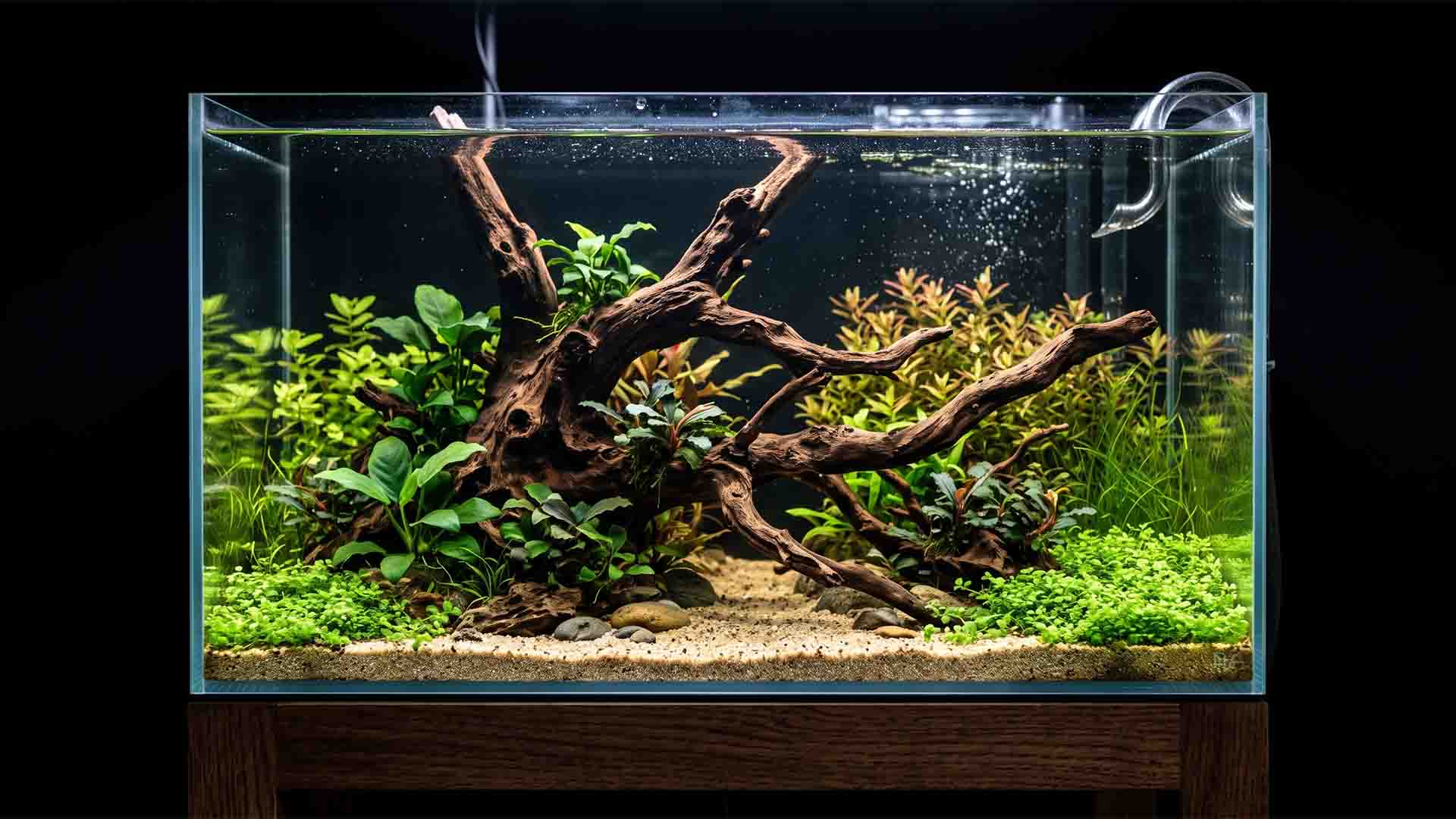
Setting up a sustainable freshwater aquarium is not about maintaining a sterile glass box; it is about engineering a self-sustaining ecosystem from the substrate up. In this 18-step science-backed masterclass, we break down the exact physical forces, water chemistry protocols, and benthic microbiology required to build an aquarium that survives long past the critical 30-day window.
Phase 1: Location Physics, Structural Mechanics & Substrate Science (Steps 1–5)
Step 1: The Pet Store Trap
Before you purchase a single piece of hardware or a single drop of water, you must navigate the commercial minefield of the retail pet store. Big-chain retail stores are structurally designed around impulse purchases, bright synthetic toys, and fast inventory turnover. They sell you temporary hardware, neon plastic castles, undersized filters, and fragile fish species—all on the same afternoon.
When you ask an untrained retail employee how to build an ecosystem, they sell you a “quick setup kit” that ignores the nitrogen cycle completely. The result? You walk out with a neon pink plastic nightmare, an underpowered filter cartridge, and a bag of stressed fish destined to die within a fortnight. Research your equipment independently and build a strategic stocking plan long before you step foot near a shopping cart. To understand the commercial retail traps that destroy beginner setups, explore our detailed breakdown on Pet Store Lies That Kill Beginner Fish Tanks or watch our video analysis on 7 Pet Store Lies That Cost You Money & Fish.
Step 2: Location Physics & Weight Math
Positioning your glass tank is a static engineering calculation, not an interior design choice. Water is heavy. Fresh water weighs precisely 8.34 pounds per gallon (1.0 kg per liter). When you factor in the mass of heavy glass, dense sand substrate, and hardscape rocks, a standard 20-gallon aquarium easily exceeds 220 pounds (100 kg).
Placing a 200+ pound dynamic load on a cheap particle-board office desk or an unreinforced dresser will cause the wood to bow slowly in the center over 14 to 30 days. This structural sagging creates severe torsional stress and unequal point pressure along the bottom silicone seams of the glass. Eventually, the glass cracks or the silicone fails, flooding your floor overnight. Furthermore, placing your tank directly opposite a window exposes the water column to unregulated solar radiation. Direct sunlight triggers rapid thermal spikes and fuels explosive unicellular green algae blooms, turning your tank into opaque green soup within 48 hours.
- Weight Calculation: (Gallons x 8.34 lbs) + Substrate Mass + Glass Tare Weight = Total Structural Load.
- Placement Rule: Position the aquarium on a load-bearing, leveled aquarium stand, away from direct sunlight, drafty doors, and HVAC heating vents.
Step 3: Substrate Selection Science
The bottom layer of your tank is not merely decorative ground cover; it is the biological engine room of your entire ecosystem. This is where pet stores attempt to sell beginners artificially dyed neon pink, blue, or green painted gravel. Synthetic painted gravel is a biological dead zone that silently destroys water chemistry over time.
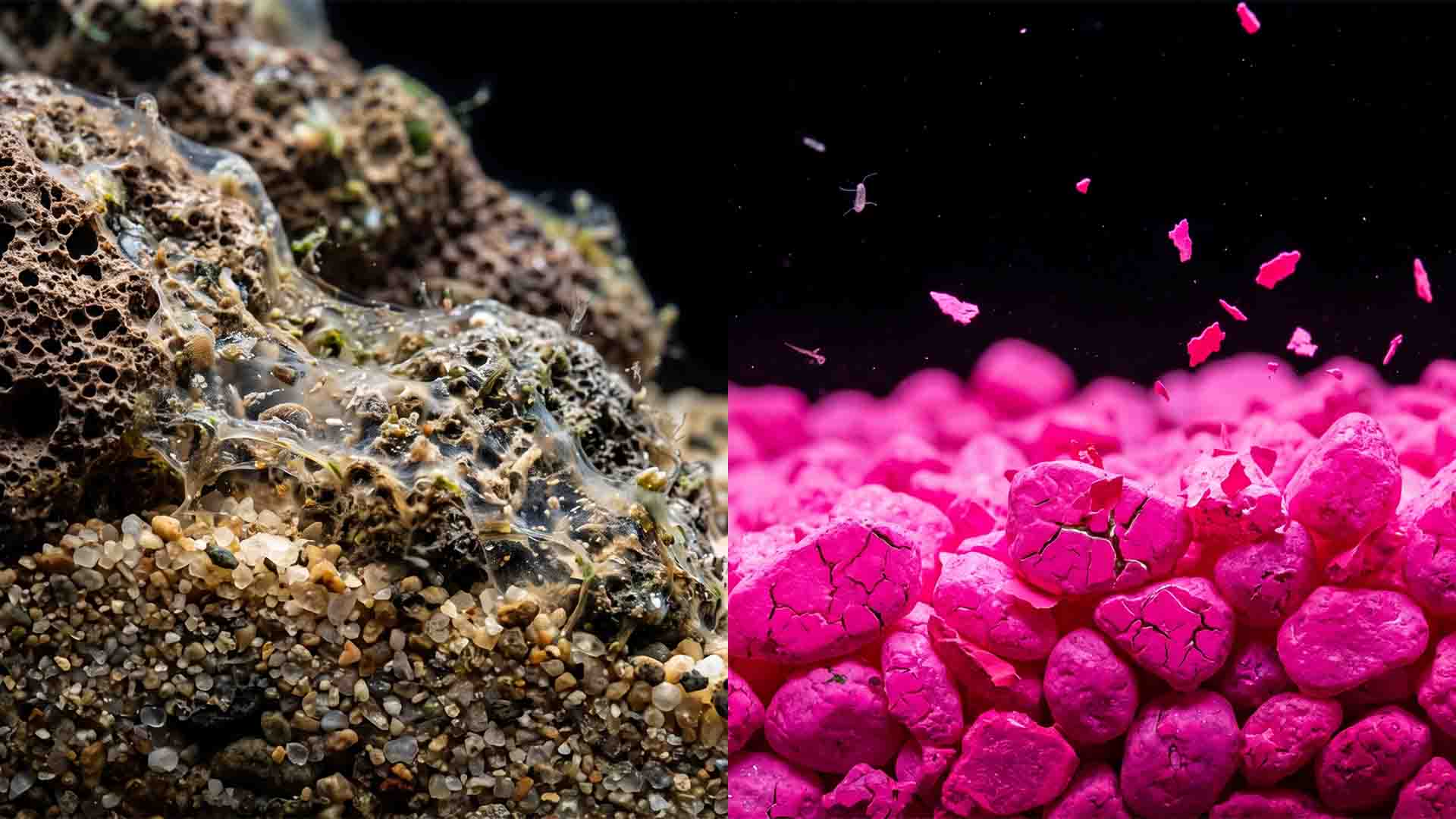
Synthetic epoxy paint coatings seal the rock surface, creating a smooth, non-porous barrier that offers zero microscopic surface area for beneficial nitrifying biofilm to colonize. Worse yet, under constant water pressure, submerged friction, and aquarium lighting, synthetic paints form microscopic fractures. These cracks flake off underwater, leaching heavy metals, synthetic resins, and toxic chemical compounds directly into the water column. Conversely, natural coarse river sand or porous volcanic gravel provides hundreds of square meters of microscopic surface area, acting as a massive secondary filter bed. For low-maintenance aquascaping layouts that support natural substrates, read our complete guide to Easy Aquascaping for Beginners (No CO2 Needed).
Step 4: The Soap Poisoning Rule
Rinsing new substrate is mandatory to eliminate manufacturing dust, silt, and shipping particulates that cause persistent mechanical cloudiness. However, there is an absolute biosecurity rule that must never be broken: Never allow soap, dish detergent, or chemical household cleaners anywhere near your aquarium equipment.
Surfactants in household soaps are designed to break water surface tension and bind to lipids. Even a microscopic residue left on substrate grains or glass walls dissolves the lipid membranes of fish gills upon contact. This induces catastrophic respiratory failure, gill tissue necrosis, and instant chemical burns. Always rinse sand and gravel in a clean 5-gallon bucket using high-pressure municipal tap water only. Swish the substrate vigorously until the runoff water transitions from milky brown to crystal clear.
Step 5: Hardscape Dynamics & Stress Biology
Decorating your tank with cheap hollow plastic castles or sharp resin ornaments introduces significant physical hazards and zero chemical benefits. Cheap painted resin decorations frequently leach microplastics into the system while their sharp, unfinished mold lines rip delicate fish fins, creating open wounds that invite bacterial fin rot and fungal infections.
Natural hardscape materials—such as real driftwoods (Mopani, Malaysian, or Spiderwood) and inert natural stones (Seiryu, Slate, or Lava Rock)—actively work to stabilize your ecosystem. Natural driftwood slowly releases beneficial tannic and humic acids into the water column. These organic tannins slightly lower excess pH, buffer the water, and exert mild anti-bacterial and anti-fungal properties. In fish stress physiology, dark, tannin-stained water mimics natural blackwater habitats, significantly lowering blood cortisol levels in timid species. A calm, unstressed fish maintains a robust immune mucosa layer, allowing it to naturally fight off environmental pathogens.
Phase 2: Hardware Positioning & Water Chemistry Mechanics (Steps 6–11)
Step 6: Filter Placement Dynamics
Installing your filtration hardware requires an understanding of fluid dynamics. Placing your filter directly in the physical center of a rectangular tank creates a localized whirlpool right around the intake while leaving the far corners completely stagnant. These stagnant areas are known as aquarium dead zones.
In dead zones, dissolved oxygen drops to zero, organic detritus and uneaten food accumulate on the sandbed, and localized anaerobic decay releases toxic hydrogen sulfide gas and ammonia pockets. To eliminate dead zones, position your filter output at one far end of the tank, angling the flow along the longest uninterrupted horizontal glass axis. This establishes a clean, circular laminar flow pattern that sweeps organic particulate waste across the substrate directly toward the filter intake grid. To select the right filter architecture for your tank size, read our comparison on Top 3 Aquarium Filters Compared for Beginners.
Step 7: The Media Cartridge Subscription Lie
Inside most commercial hang-on-back (HOB) filters lies a disposable plastic cartridge filled with activated carbon and thin polyester floss. Manufacturers instruct beginners to throw this cartridge away and replace it with a fresh one every 30 days. This is a brilliant recurring subscription business model for filter manufacturers, but it is an absolute catastrophe for aquarium biology.
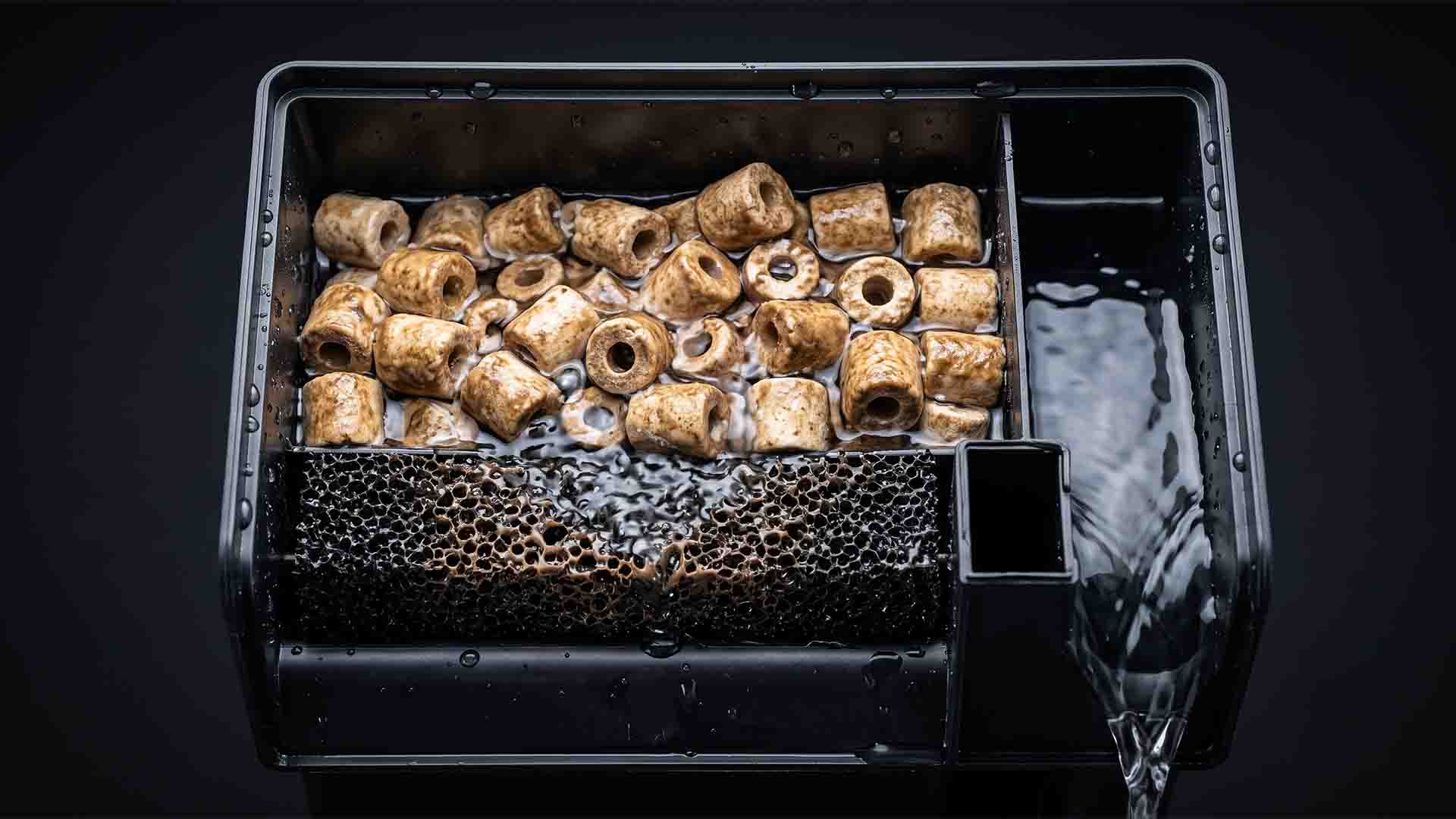
Over 90% of your tank’s beneficial nitrifying bacteria colony (Nitrosomonas and Nitrospira) resides inside the porous fibers of that filter media. When you throw the cartridge away every month, you literally throw away your aquarium’s entire biological immune system. The tank instantly experiences a full biological reset, triggering a massive ammonia spike that kills your fish. Throw away the disposable carbon cartridge on day one. Replace it permanently with a block of coarse 20 to 30 PPI reticulated biological foam and porous ceramic bio-rings. This permanent media stack will last for years—simply swish it gently in removed tank water during maintenance. To fix existing filter maintenance mistakes, review our guide on Stop Cleaning Filter Media This Way (Ammonia Spikes) or watch our video tutorial You’re Cleaning Your Filter WRONG!.
Step 8: Heater Distribution Physics
Aquarium heaters rely on internal mechanical bimetallic thermostats or digital sensors to monitor water temperature. If you install your heater in a stagnant corner of the tank with low water circulation, it creates a localized thermal pocket. The heater rapidly warms the stationary water immediately surrounding its glass heating element, assumes the entire tank has reached 78°F (25.5°C), and shuts off prematurely.
Meanwhile, fish swimming at the far end of the glass are shivering in stagnant 68°F (20°C) water. Thermal fluctuations induce severe physiological shock, suppressing white blood cell production in tropical fish. Always mount your heater horizontally or at a 45-degree angle directly adjacent to the filter intake or outflow stream. Forced convection currents push hot water rapidly across the entire aquarium, ensuring thermal equilibrium within ±0.5°F.
Step 9: The Substrate Dispersal Plate Trick
When you are ready to fill the aquarium with water, dumping buckets directly onto bare sand triggers immediate physical erosion. The kinetic impact blasts a massive crater into your carefully sloped substrate, uprooting hardscape and driving fine silt particles high into the water column, causing severe physical turbidity that takes days to settle.
To preserve your substrate architecture, execute the Ceramic Plate Trick. Place a small, heavy ceramic dinner plate or shallow bowl flat on top of the sand bed in the center of the tank. Pour your water slowly directly onto the center of the plate. The flat ceramic surface absorbs the kinetic impact, dispersing the concentrated downward water pressure outward horizontally across the surface. The water level rises gently without disturbing a single grain of sand. Additionally, ensure the incoming tap water closely matches your room temperature to prevent thermal glass stress and avoid coating the interior glass walls in microscopic dissolved gas bubbles.
Step 10: Chlorine vs. Chloramine Chemistry
Decades ago, aquarists could simply leave tap water standing in open buckets for 24 hours to let dissolved chlorine gas (Cl2) off-gas naturally into the atmosphere. Relying on that outdated technique today will kill your aquarium. Modern municipal water treatment facilities across the United States and Europe no longer rely solely on volatile chlorine; they treat tap water with chloramine (NH2Cl)—a chemical compound formed by bonding free chlorine with ammonia.
Chloramine is highly stable, non-volatile, and will never evaporate out of a bucket, regardless of how many days it sits. If added to an aquarium, chloramine diffuses across fish gill membranes, oxidizing hemoglobin into methemoglobin, which destroys the blood’s ability to transport oxygen, suffocating the fish internally. Furthermore, chloramine sanitizes and exterminates beneficial bacterial biofilm. You must utilize a high-grade chemical water conditioner containing sodium hydroxymethanesulfonate or sodium thiosulfate (such as Seachem Prime). These conditioners break the chemical chlorine-ammonia bond, neutralizing the chlorine component and safely converting the released free ammonia into non-toxic ammonium ions (NH4+) for up to 48 hours.
Step 11: The Clarity Illusion
You have filled the tank, treated the tap water, turned on the filter, and turned on the bright canopy light. By day two, the water looks impossibly, brilliantly crystal clear. This is the most dangerous psychological phase for a beginner: The Clarity Illusion.
Crystal clear water on day two is not a sign of a healthy, mature aquarium; it is simply proof that you are looking at a sterile glass box full of tap water. The system contains zero nitrifying biology, zero established biofilm, and zero waste-processing capacity. Dropping living animals into this sterile environment triggers immediate ammonia toxicity within 72 hours. Furthermore, running intense aquarium LED lights for 12 hours a day on a young, empty, nutrient-unbalanced tank is an open invitation for an explosive outbreak of diatoms (brown algae) or green water. Keep lighting limited to a strict maximum of 6 hours per day using an inexpensive mechanical wall timer. If your tank experiences post-setup cloudiness, diagnose the biological root cause with our complete guides on Cloudy Fish Tank? Fix It Fast Without Chemicals and How Long Does Cloudy Aquarium Water Take to Clear?.
Phase 3: Benthic Microbiology & Nitrogen Cycle Realities (Steps 12–13)
Step 12: Nitrogen Cycle Mechanics & Ghost Feeding
To transform a sterile glass box into a thriving aquatic ecosystem, you must establish a living biological filtration network known as the nitrogen cycle. Fish produce metabolic waste in the form of highly toxic un-ionized ammonia (NH3). In an established aquarium, autotrophic nitrifying bacteria convert toxic ammonia first into toxic nitrite (NO2-), and subsequently into relatively harmless nitrate (NO3-).
Pouring a bottle of commercial starter bacteria into your water column introduces dormant bacterial spores, but bacteria cannot survive or colonize porous surfaces without a constant food source. If you add bottled bacteria to an empty tank without providing ammonia, the bacterial population starves to death within 48 hours. Execute the Ghost Feeding Protocol: sprinkle a tiny pinch of flake fish food into the empty aquarium every two days, or dose pure liquid ammonium chloride to reach 2.0 ppm. As the organic matter decays, it releases free ammonia, nourishing the nitrifying bacteria and allowing colonies of Nitrosomonas and Nitrospira to build robust biofilms across your substrate and filter sponge. To master fishless cycling, explore our comprehensive guide on How to Cycle a Planted Aquarium (No Fish Needed).
Step 13: Parameter Testing Reality
Never rely on visual water clarity or arbitrary calendar countdowns to determine if an aquarium is safe for living animals. You must measure water chemistry using a precise liquid master test kit (such as the API Freshwater Master Test Kit) rather than inaccurate paper test strips that degrade when exposed to humidity.
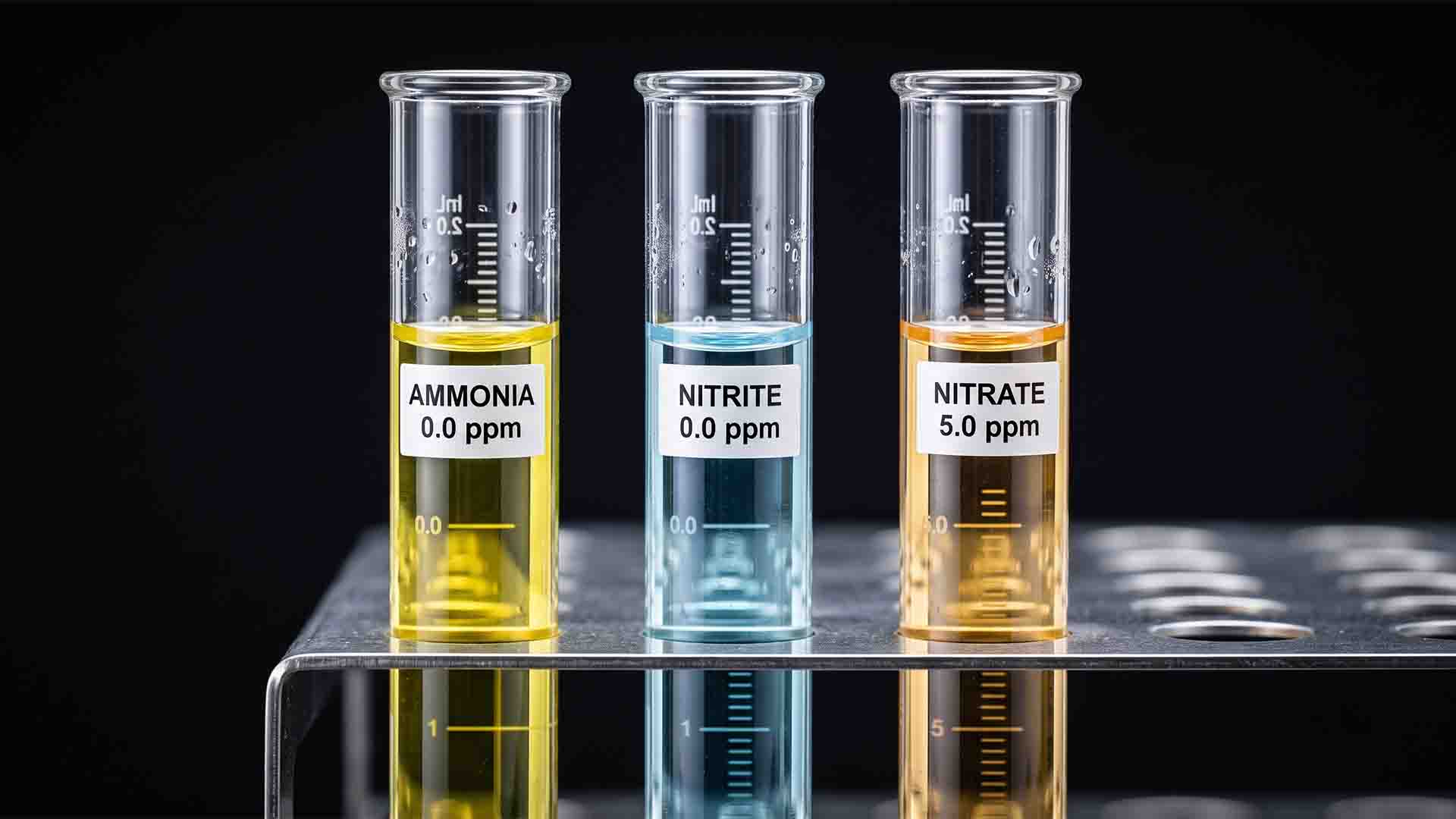
During the cycling process, you will observe a predictable chemical sequence: free ammonia rises to a peak and begins to drop, followed by a dramatic spike in nitrites. Eventually, nitrites drop to zero as nitrate concentrations begin to accumulate. A tank is biologically cycled only when liquid testing yields absolute zero ammonia (0 ppm) and absolute zero nitrite (0 ppm) within 24 hours of an ammonia dose. If your testing kit shows persistent low-level readings, read our diagnostic breakdown on False Ammonia Reading? Why It Always Shows 0.25 or review Why Fish Keep Dying Even When Water Tests Are Perfect.
Phase 4: Biosecurity, Stocking & Acclimation Frameworks (Steps 14–17)
Step 14: Bulletproof First Species Selection
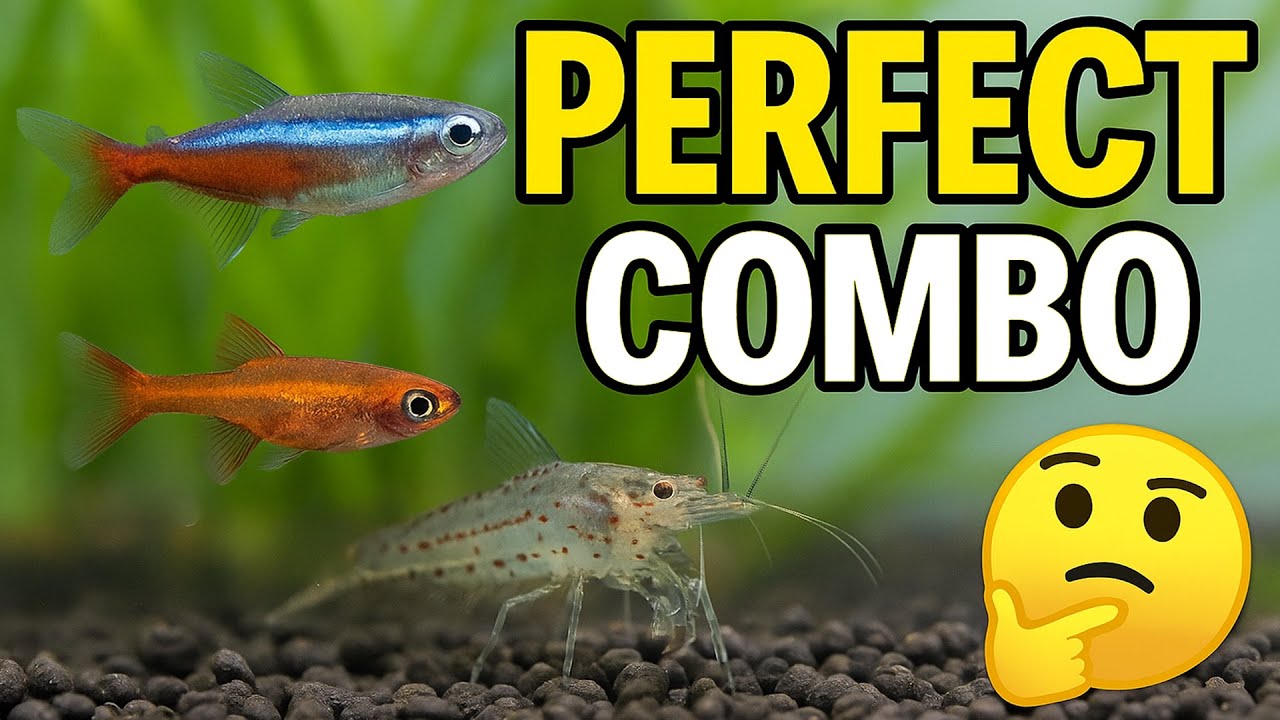
When liquid test results confirm zero ammonia and zero nitrites, the aquarium is ready for its first living inhabitants. Retail pet store employees frequently push fragile species like Neon Tetras or fancy guppies as “starter fish.” Modern commercially mass-bred Neon Tetras are genetically weakened and highly susceptible to osmotic stress, making them terrible choices for a young, maturing ecosystem.
Select bulletproof, resilient beginner species that easily forgive minor parameter fluctuations. Highly adaptable first inhabitants include Cherry Barbs, Zebra Danios, Platies, or a single male Betta. These hardy species possess robust metabolic pathways that tolerate minor environmental shifts as the young biofilter stabilizes under its first living waste load. To choose the safest starter species, check our detailed list of Top 3 Aquarium Beginner Fish That Are Nearly Impossible to Kill and explore 10 Beginner Aquarium Fish You Won’t Regret Buying.
Step 15: Acclimation Biology & Osmotic Shock
Bringing new fish home in a plastic transport bag requires a scientifically sound acclimation protocol. Simply floating the sealed plastic bag on the water surface for 15 minutes only equalizes water temperature; it does absolutely nothing to bridge the gap in total dissolved solids (TDS), mineral hardness (GH/KH), and pH between the retail store water and your home tank.
Plunging a fish directly into water with significantly different pH or osmotic pressure induces catastrophic osmotic shock. The sudden osmotic gradient forces water rapidly into or out of the fish’s cellular membranes, causing red blood cells to burst or shrink, damaging internal organs and killing the animal days later. After floating the bag for 15 minutes to equalize temperature, slowly add half a cup of your aquarium water into the transport bag every 5 minutes over a 30-minute period. This gradual drip or cup acclimation allows the fish’s cellular ion-exchange pumps to adjust safely to your specific water chemistry.
Step 16: Biosecurity & Store Water Pathogen Soup
When transferring acclimated fish into your aquarium, execute strict biosecurity: Never allow a single drop of retail pet store water to enter your main tank.
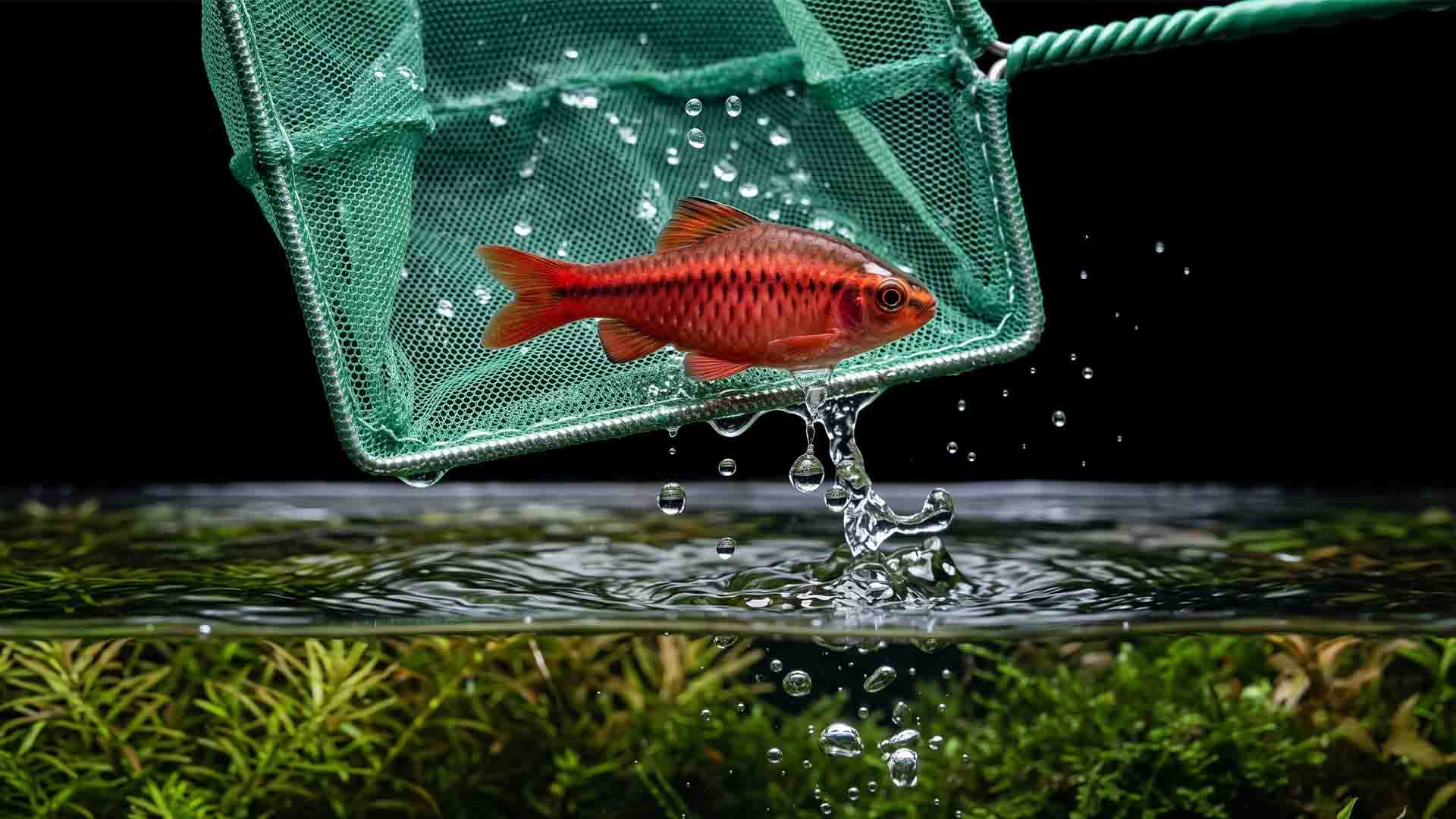
Retail store holding tanks operate on continuous centralized filtration loops connecting dozens of aquariums. Store water is a biological soup concentrated with microscopic parasites (such as Ichthyophthirius multifiliis or Velvet), fungal spores, Columnaris bacterial strains, and elevated fish cortisol stress hormones. Pouring bag water into your display tank instantly inoculates your pristine setup with external diseases. Place a soft mesh net over a bucket, pour the transport bag through the net to catch the fish, gently submerge the net into your aquarium to release the fish, and pour the contaminated store water down the household drain.
Step 17: First Feeding Discipline
The moment new fish enter your aquarium, resist the urge to feed them immediately. Transport, netting, and environmental changes elevate fish stress hormones, shutting down active digestive enzyme production. Feeding stressed fish results in uneaten food sinking directly into the substrate, where it rots and triggers an immediate post-stocking ammonia spike.
Turn off the canopy lights and allow new fish to rest undisturbed in the dark for the first 24 hours. When you introduce food on day two, offer exactly 50% of what you think they need. Healthy fish do not starve from 24 to 48 hours of fasting, but hundreds of young aquariums collapse every week from rotting, uneaten food decomposing in the gravel bed. Ensure every flake or pellet is completely consumed within 60 seconds.
Phase 5: The Post-Setup Maintenance Window (Step 18)
Step 18: The 14-Day Maintenance Freeze Window
Once your aquarium is filled, cycled, and stocked with its initial fish, you enter the critical 14-day post-setup window. The newly established bacterial biofilm coating your gravel, rocks, and filter media is paper-thin and structurally fragile. Any aggressive human intervention during these first two weeks will disrupt biological establishment.
Enforce a strict 14-Day Maintenance Freeze: Do not scrub the interior glass walls, do not move driftwood or rocks around, do not vacuum deep into the substrate, and under no circumstances should you open or rinse the filter media. Your sole job during the first fortnight is to monitor fish swimming behavior, conduct small 10% to 15% weekly water changes using temperature-matched dechlorinated tap water, and let biological nature establish system equilibrium. To avoid ruining your new setup through over-maintenance, read our guide on STOP Doing These 7 Aquarium Mistakes.
The 30-Day Aquarium Evolution Timeline
Understanding the invisible biological shifts taking place inside your tank prevents panic reactions. The table below illustrates the stark contrast between what beginners visually observe and the underlying microbiological reality during the first 30 days.
| Timeline Phase | What Beginners See (Visual Surface) | Biological Reality (Water Chemistry) | Required FTM Action |
|---|---|---|---|
| Day 1 – Day 3 | Crystal clear water, clean glass, silent equipment. The tank looks perfect. | Sterile tap water environment. Zero nitrifying biofilm. Chloramine neutralized if conditioned. | Keep canopy lights restricted to 6 hours max. Add an ammonia source (ghost feed) to start cycle. |
| Day 4 – Day 10 | Milky white haze appears. Water looks cloudy and “dirty.” | Heterotrophic bacterial bloom multiplying in open water column. Ammonia levels spiking. | Do NOT do a 100% water change. Let the bloom consume free nutrients and settle into media. |
| Day 11 – Day 20 | Water begins clearing up visually. Brown dust (diatoms) appears on glass and sand. | Nitrosomonas converting ammonia to toxic nitrite (NO2-). Nitrites peak at dangerous levels. | Test water daily with liquid kit. Do NOT add fish yet. Wipe brown diatoms off glass gently. |
| Day 21 – Day 30+ | Crystal clear water returns naturally. Diatoms recede. System looks settled. | Nitrospira established. Ammonia = 0 ppm, Nitrite = 0 ppm, Nitrates accumulating. Biofilm established. | Perform 20% water change to lower nitrates. Slowly introduce bulletproof starter fish species. |
What to Avoid: 5 Lethal Setup Habits That Silently Destroy Water Chemistry
Avoid these five destructive setup habits that collect as delayed biological failure and ruin young freshwater systems:
- Rinsing Filter Media Under Tap Water: Untreated municipal tap water contains chlorine and chloramine specifically designed to kill bacteria. Rinsing a bio-sponge under the sink tap instantly exterminates your nitrifying bacterial colony, resetting your cycle to day zero. Always rinse media in a bucket of removed aquarium water.
- Trusting the “24-Hour Wait” Retail Myth: Pet store labels often claim that running a filter for 24 hours makes a tank safe for fish. Water circulation does not build nitrifying bacteria. Adding fish on day two causes severe ammonia toxicity.
- Using Household Cleaners or Dish Soap: Surfactants in soaps bind to glass and substrate, dissolving fish gill membranes and causing instant fatal chemical burns upon contact. Clean equipment with clean tap water and dedicated new sponges only.
- Leaving Canopy Lights Running 12+ Hours Daily: Intense lighting on an unestablished tank with zero plant mass or biological competition fuels explosive green water or black beard algae blooms within week two. Limit photoperiods to 6 hours using a timer.
- Dumping Pet Store Bag Water into the Display Tank: Store transport water contains disease pathogens, parasitic spores, and concentrated stress hormones. Always net fish out of acclimation containers and discard store water into the sink.
Do This Instead: The 18-Step Ecosystem Action Framework
Use this operational decision matrix to replace common beginner setup mistakes with science-backed ecosystem engineering solutions:
| Setup Focus | Common Beginner Mistake | Biological / Physical Hazard | FTM Ecosystem Solution |
|---|---|---|---|
| Tank Stand | Placing tank on cheap particle-board desks. | 8.34 lbs/gal water weight bows wood, cracking glass seams. | Use a leveled, load-bearing stand engineered for dynamic water weight. |
| Substrate | Buying artificially painted neon gravel. | Non-porous surface blocks bacteria; flaking paint leaches toxins. | Select natural coarse river sand or porous volcanic gravel for bio-surface area. |
| Filter Media | Replacing carbon cartridges every 30 days. | Throws away 90% of established beneficial bacteria, causing crashes. | Upgrade to permanent 20-30 PPI biological sponge blocks and ceramic bio-rings. |
| Heater Position | Placing heater in stagnant dead zones. | Creates localized hot/cold pockets, causing fish thermal shock. | Mount heater adjacent to filter outflow stream for forced thermal circulation. |
| Tap Water Prep | Letting tap water sit in a bucket for 24 hours. | Chloramine does not evaporate, burning fish gills and killing biofilter. | Dose liquid water conditioner (e.g., Seachem Prime) to break chloramine bonds. |
| Fish Acclimation | Floating sealed transport bag for 15 min and dumping. | pH/TDS shock ruptures cells; store water introduces parasites. | Drip or cup acclimate over 30 minutes; net fish out and discard store water. |
Scientific Truths: Aquatic Microbiology, Stress Physiology & Osmotic Shock
Building a stable freshwater aquarium relies on fundamental biological principles rather than commercial shortcuts. Understanding the cellular and microbiological processes occurring underwater empowers you to prevent systemic crashes before they manifest.
1. Biofilm EPS Matrix Formation & Biofilter Maturation
Autotrophic nitrifying bacteria (such as Nitrosomonas and Nitrospira) do not swim freely in open water; they are sessile organisms that require physical solid surfaces to construct an Extracellular Polymeric Substance (EPS) matrix. This gelatinous biofilm protects bacterial cells from hydrodynamic shear forces and allows continuous conversion of toxic ammonia into nitrites and nitrates. Aggressive filter cleaning or frequent water resets destroy this fragile EPS matrix, forcing the biofilter back into day-zero instability. Read the study on nitrifying biofilters.
2. Teleost Osmoregulation & Cellular Osmotic Shock
Freshwater fish are hyperosmotic to their surrounding environment, meaning their body fluids contain higher salt concentrations than the external water. Fish continually excrete excess water through their kidneys while actively absorbing essential electrolytes through specialized ionocytes (chloride cells) in their gill membranes. When transferred into water with drastically different pH, mineral hardness, or Total Dissolved Solids (TDS) without gradual acclimation, the osmotic gradient shifts violently. Water rapidly rushes into or out of cellular tissue, causing gill epithelial swelling, cell lysis, and delayed physiological collapse. Read the study on fish stress physiology.
3. Cortisol Activation & Sublethal Disease Susceptibility
Sublethal environmental stressors—such as trace chloramines, sudden temperature fluctuations, or transport netting—trigger the Hypothalamic-Pituitary-Interrenal (HPI) axis in teleost fish, releasing blood cortisol. Elevated plasma cortisol levels severely suppress mucin secretion and lysozyme activity within the protective epidermal slime coat. This hormonal suppression opens a biosecurity vacuum, allowing ubiquitous fungal spores (Saprolegnia) and opportunistic bacteria (Columnaris) to colonize fish skin weeks after the initial stress event. Read the study on cortisol regulation in freshwater fish.
People Also Ask (Google SERP Hijack)
How long does it actually take to set up and cycle a fish tank?
Biologically cycling a new freshwater fish tank typically takes 3 to 6 weeks. This timeline allows autotrophic nitrifying bacteria to establish sufficient biofilm colonies across your substrate and filter sponge to process daily ammonia waste into safe nitrates.
Can I add fish to my new tank on day one if I use bottled bacteria?
No. Bottled bacteria spores require a decaying organic ammonia source (such as fish food or ammonium chloride) and time to colonize porous filter surfaces. Adding fish on day one creates an immediate waste load that exceeds the unestablished bacterial capacity, leading to lethal ammonia spikes.
Why did my fish die two weeks after setting up a crystal clear aquarium?
Visual water clarity is not an indicator of biological safety. Ammonia and nitrites are completely invisible and odorless. Without a cycled biofilter, metabolic fish waste accumulates silently over 10 to 14 days until it reaches toxic levels, causing delayed physiological failure.
How do I fill a fish tank with water without messing up the sand substrate?
Execute the Ceramic Plate Trick: place a small ceramic dinner plate flat on top of the substrate in the center of the aquarium. Slowly pour tap water directly onto the plate, which absorbs kinetic impact and disperses water horizontally without disrupting your sand or hardscape layout.
Why shouldn’t I pour pet store bag water into my aquarium?
Pet store transport water originates from centralized multi-tank filtration systems. It is concentrated with microscopic parasites (such as Ich or Velvet), bacterial pathogens, fungal spores, and elevated fish cortisol stress hormones that can infect your main aquarium.
Is chloramine worse for aquarium fish than chlorine?
Yes. Chlorine gas evaporates out of standing water over 24 hours, but chloramine is a stable compound of chlorine and ammonia that never evaporates. Chloramine diffuses across fish gills, oxidizing hemoglobin and suffocating fish internally unless neutralized with a liquid water conditioner.
Watch the complete 18-step video breakdown above to see these exact physical setups, hardware hacks, and biological protocols in real-time before filling your glass tank.
Frequently Asked Questions (FAQ)
What size fish tank is best for absolute beginners?
A 20-gallon long glass aquarium is the optimal starter size. Larger water volumes dilute accidental parameter shifts, temperature fluctuations, and metabolic waste spikes much better than fragile nano tanks, giving beginners a critical margin for error.
Should I clean my new aquarium filter media during the first month?
No. Never touch or rinse your filter media during the first 30 days of setting up a new aquarium. Rinsing new bio-sponges or ceramic rings disrupts fragile bacterial biofilm adhesion and resets your biological cycle back to day zero.
How many hours a day should I run my aquarium lights on a new setup?
Limit aquarium lighting to a maximum of 6 hours per day using a mechanical plug-in wall timer. Running intense LED lights for 10 to 12 hours on an unestablished tank triggers explosive outbreaks of diatoms and unicellular green algae.
What is the difference between natural sand and synthetic painted gravel?
Natural porous sand provides microscopic surface area for beneficial bio-sponges and biofilm growth while mimicking natural habitats. Synthetic painted gravel features non-porous epoxy coatings that block bacterial attachment and micro-crack over time, leaching chemical toxins into the water column.
How do I know if my fish tank is experiencing osmotic shock or disease?
Osmotic shock occurs immediately to 48 hours after introducing new fish, causing rapid gill pumping, lethargy, or erratic swimming without visible physical spots. Disease outbreaks (such as Ich or Columnaris) usually manifest 5 to 14 days later as physical white spots, cottony growths, or fin erosion.
Internal Topic Cluster: Complete Ecosystem Guidance
Mastering a new aquarium setup requires connecting physical assembly with ongoing biological maintenance. If you are preparing your initial gear list, start with our foundational walkthrough on Setting Up Your First Fish Tank Guide to ensure your hardware architecture is correctly aligned. Avoid costly commercial setups by reading our exposing review on Pet Store Lies That Kill Beginner Fish Tanks before finalizing your shopping cart.
If your newly filled glass is experiencing persistent white haze, diagnose the biological cause using our step-by-step tutorial on Cloudy Fish Tank? Fix It Fast Without Chemicals and track your expected timeline with How Long Does Cloudy Aquarium Water Take to Clear?. To protect your mature livestock from recurring parameter swings, review STOP Doing These 7 Aquarium Mistakes and explore Why Your Fish Keep Dying: 5 Hidden Mistakes.
Scientific References & Peer-Reviewed Proof
Every setup protocol and biological guideline in this masterclass is supported by peer-reviewed aquatic research and environmental microbiology:
- 1) Nitrifying Biofilter Dynamics: Research on biofiltration kinetics confirms that nitrifying bacteria rely on permanent porous substrate attachment to maintain complete nitrification. Read the study on PMC.
- 2) Stress Physiology & Cortisol Effects: Studies on aquatic environmental stress demonstrate how transport and parameter shifts suppress immune mucosa in freshwater teleost species. Read the study on PubMed.
- 3) Environmental Chloramine Criteria: Water quality criteria documentation details the toxicological effects of un-neutralized chloramine on teleost gill tissue. Read the EPA Reference.
- 4) Plant & Microbe Biofilm Interactions: Research in microbial ecology highlights how stable benthic biofilm communities protect closed aquatic systems from opportunistic algae blooms. Read the study on Taylor & Francis.
Watch Next: Complete Beginner Masterclass Series
Continue your aquarium education by following our structured video masterclass series. These video walkthroughs provide visual real-tank breakdowns to reinforce your setup habits:
- 🚀 Start Your First Aquarium The Right Way (Full Playlist): Watch the Full Masterclass Series
- • STOP Doing These 7 Beginner Aquarium Mistakes: Watch the Video Guide
- • How to Fix Cloudy Aquarium Water FAST: Watch the Video Guide
- • You’re Cleaning Your Filter WRONG! Watch the Video Guide
What was the biggest rookie mistake you made when setting up your very first fish tank? Leave your story and questions in the comments below—let’s help new fishkeepers avoid early setup crashes!