Stocking truly underrated colorful freshwater fish is the single most effective way to prevent the chronic biological collapses that plague modern planted aquariums. Most hobbyists set up a community tank with the best intentions, only to watch their livestock drop dead within weeks. The retail chain stores push mass-bred showroom novelties that have traded fundamental physiological immunity for temporary, hyper-saturated retail display colors. When you stock fish bred under industrial conditions, you are not buying pets; you are buying delayed failure tickets.
Every commercial holding system runs on a treadmill of preventative dosing, UV sterilization, and artificial lighting calibrated to mask failing health. The moment those fish hit average tap water in a home aquarium, the illusion evaporates. Fin-nipping begins, latent pathogens activate, and heater malfunctions turn entire tanks into soup. Achieving vibrant aquatic coloration does not require fragile ornamental strains or delicate laboratory freaks. Real biological resilience exists in rugged wild-type species that offer marine-grade iridescence while easily handling real-world water chemistry swings.
The Retail Illusion: Why Mass-Bred Community Tanks Suffer Delayed Failure
The modern ornamental fish trade operates on high turnover, not long-term survival. Commercial hatcheries across Southeast Asia and Eastern Europe breed millions of fish inside crowded mud ponds and concrete vats. To survive packing densities that would wipe out a home aquarium, these fish live on continuous antibiotic cocktails and antifungal flushes. By the time a school of Neon Tetras or Dwarf Gouramis lands in a retail glass cubicle, their natural immune system is practically dormant.
The Inbreeding Penalty and Latent Pathogens in Commercial Hatcheries
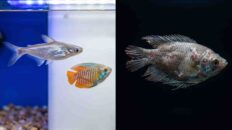
Selective inbreeding for color intensity strips away genetic diversity within the major histocompatibility complex, the genetic engine governing pathogen defense. The Dwarf Gourami (Trichogaster lalius) is the most glaring victim of this industrial pipeline. Over seventy percent of mass-farmed dwarf gouramis carry Dwarf Gourami Iridovirus (DGIV). This systemic viral pathogen attacks the liver, kidneys, and spleen. It lies dormant during the retail phase, only to manifest weeks later as abdominal dropsy, open body ulcers, and total organ failure once home stress triggers viral replication. No antibiotic, salt dip, or botanical extract can reverse an active DGIV infection.
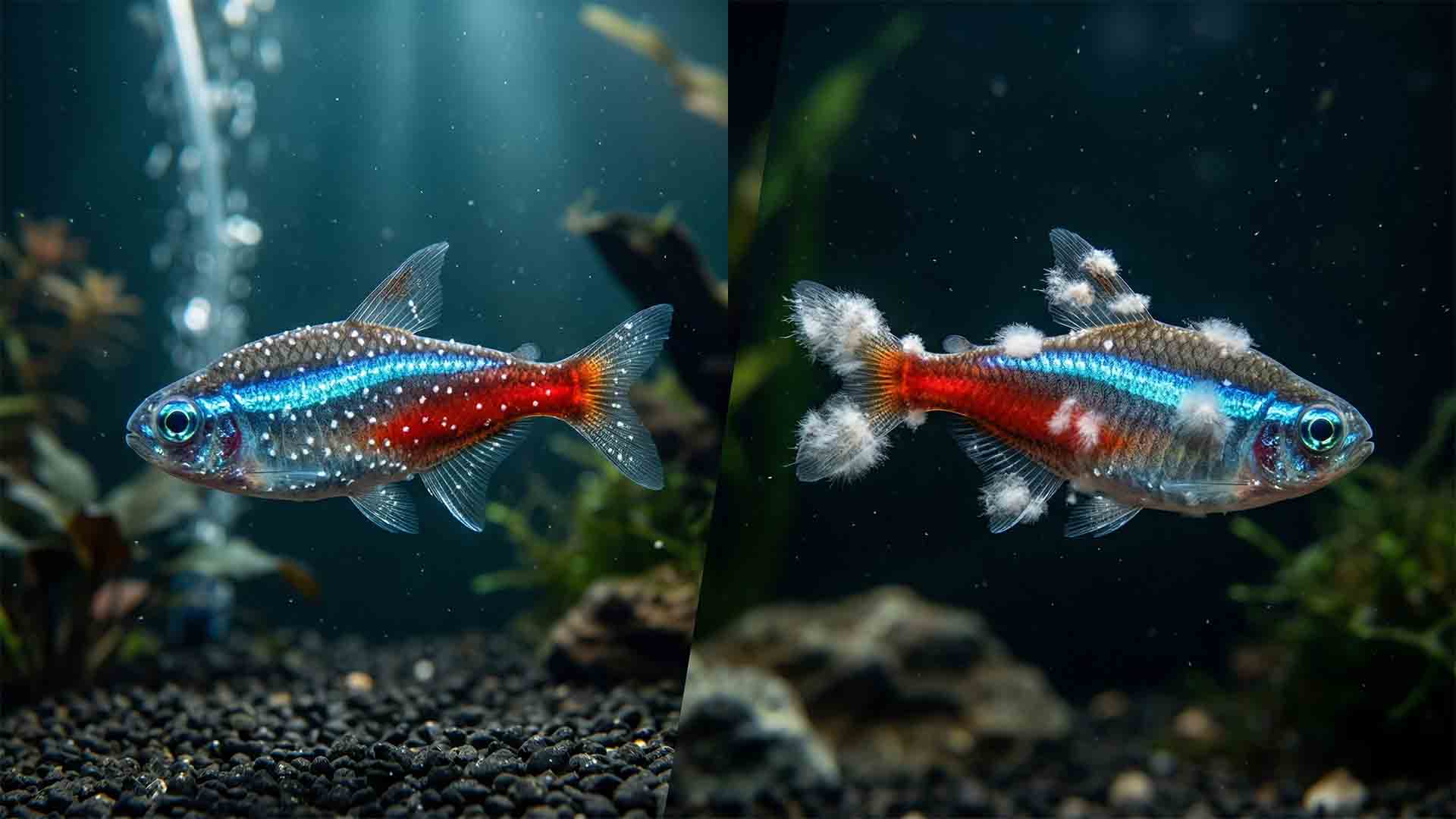
Standard Neon Tetras (Paracheirodon innesi) tell the exact same story with microsporidian infections like Pleistophora hyphessobryconis, commonly known as Neon Tetra Disease. The commercial supply chain conceals these issues behind heavy retail sales volume. Beginners assume they made a water testing mistake, return to the pet shop, and buy another bag of the exact same fragile genetics. This vicious cycle keeps retail cash registers ringing while quietly destroying a hobbyist’s confidence.
The Osmoregulation Tax: High-Metabolism Commercial Fish vs. Biological Reality
Osmoregulation is the internal cellular mechanism fish use to balance internal fluid pressure against external water chemistry. Freshwater fish are hyperosmotic; their bodies are saltier than the surrounding water. As a result, water constantly diffuses into their tissues through the gills and skin, while essential electrolytes rush outward. Maintaining this equilibrium consumes up to thirty percent of a healthy fish’s daily metabolic energy budget.
Mass-market ornamental fish are culled in ultra-soft, artificially managed water. When dropped into moderately hard municipal tap water, their cellular ion pumps work overtime to prevent internal swelling and electrolyte depletion. In genetically compromised fish, this osmoregulatory stress drives a surge in systemic cortisol. Elevated cortisol suppresses leukocyte activity, reduces digestive enzyme secretion, and degrades the mucous skin barrier. Pathogens like Columnaris and Aeromonas, which exist naturally in every healthy tank, quickly overwhelm the depleted host. Resilient fish species carry evolutionary genetics forged in fluctuating natural river basins, allowing them to redirect their metabolic energy toward schooling vigor, deep scale coloration, and active foraging instead of fighting water chemistry.
Top 10 Underrated Colorful Freshwater Fish for Resilient Planted Systems
10. Neon Green Rasbora (Microdevario kubotai) – The Wild Emerald Alternative to Lab GloFish
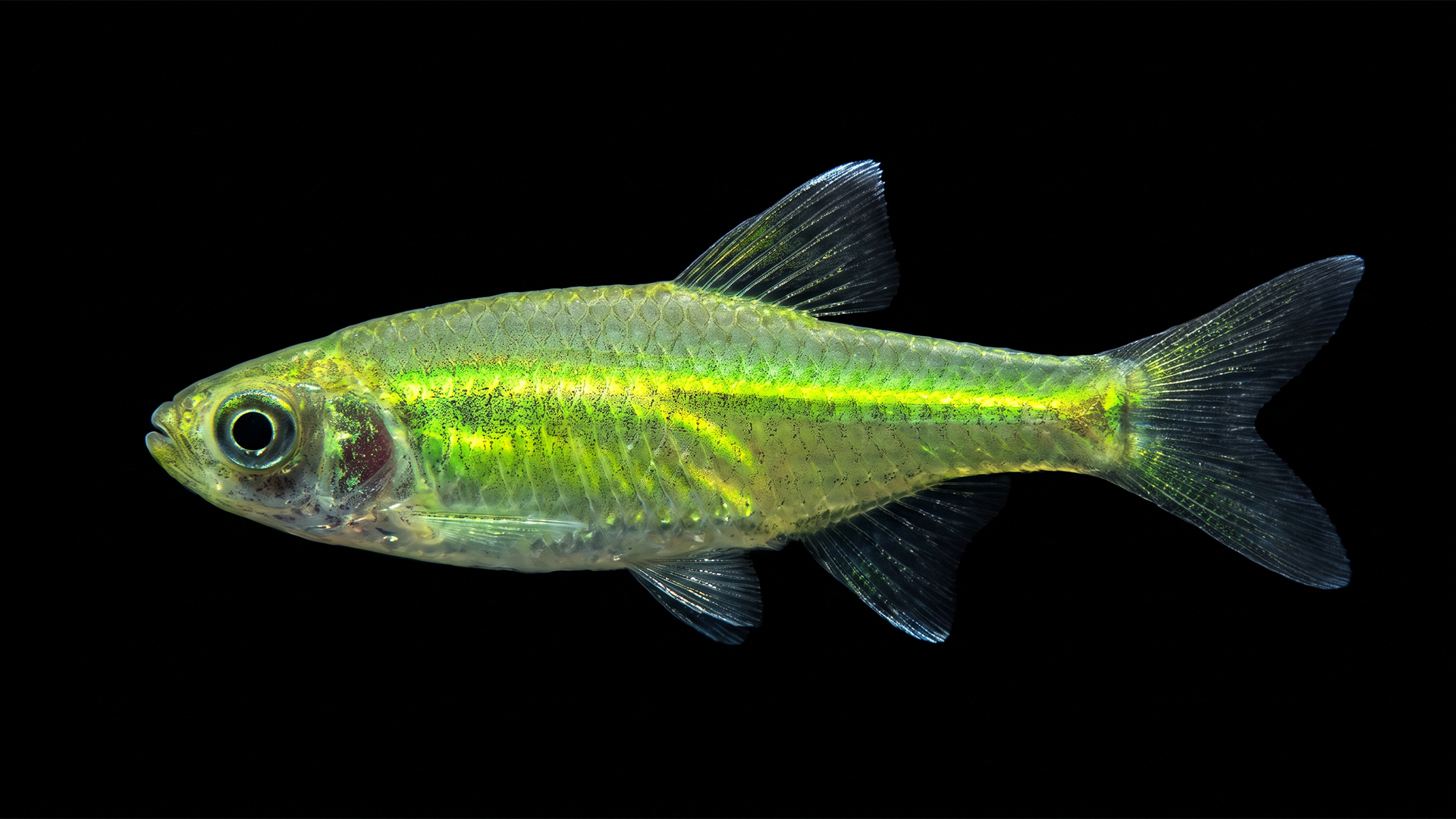
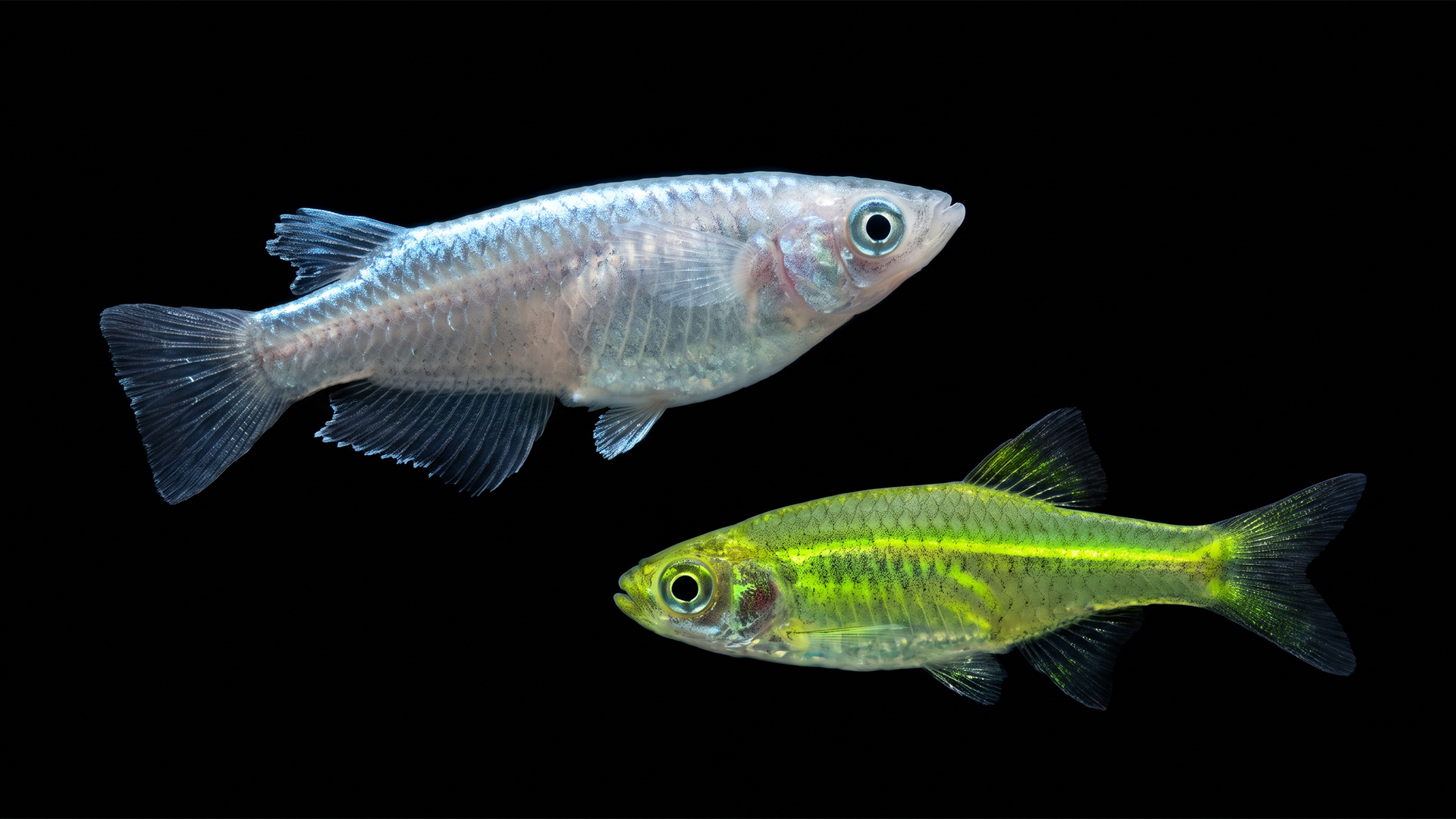
The Neon Green Rasbora (Microdevario kubotai) requires a temperature range of 68°F to 78°F, a pH between 6.0 and 7.2, and clean, oxygen-rich water. Reaching barely 0.8 inches, this micro-schooler provides intense natural electric lime coloration without laboratory genetic modification.
Walking through a retail aquarium shop, you will find entire shelving units filled with genetically modified fluorescent fish. Commercial distributors rely on artificial gene insertion to manufacture bright colors. Yet, natural evolution already perfected an electric lime-green swimmer in the clear, fast-flowing forest streams of Thailand and Myanmar. In an empty distributor holding tank, the Neon Green Rasbora looks like an invisible glass sliver. Novices pass them by because clear glass washes out their reflective scales.
Once introduced to a planted system featuring dark substrate, botanicals, and moderate flow, their iridophores fire up. The lateral line reflects a vivid neon lime-green sheen that mimics a tiny laser moving through the vegetation. Because they evolved in shaded jungle streams under heavy canopy cover, they school tightly to mitigate predation risk. Unlike lab-modified species with elevated metabolic rates and weak immune systems, Microdevario kubotai maintains wild genetic vigor. They glide through delicate hairgrass, never nip at ornamental shrimp, and create an emerald contrast that artificial fish cannot match.
9. Peacock Gudgeon (Tateurndina ocellicauda) – Saltwater Reef Saturation Without the Aggression
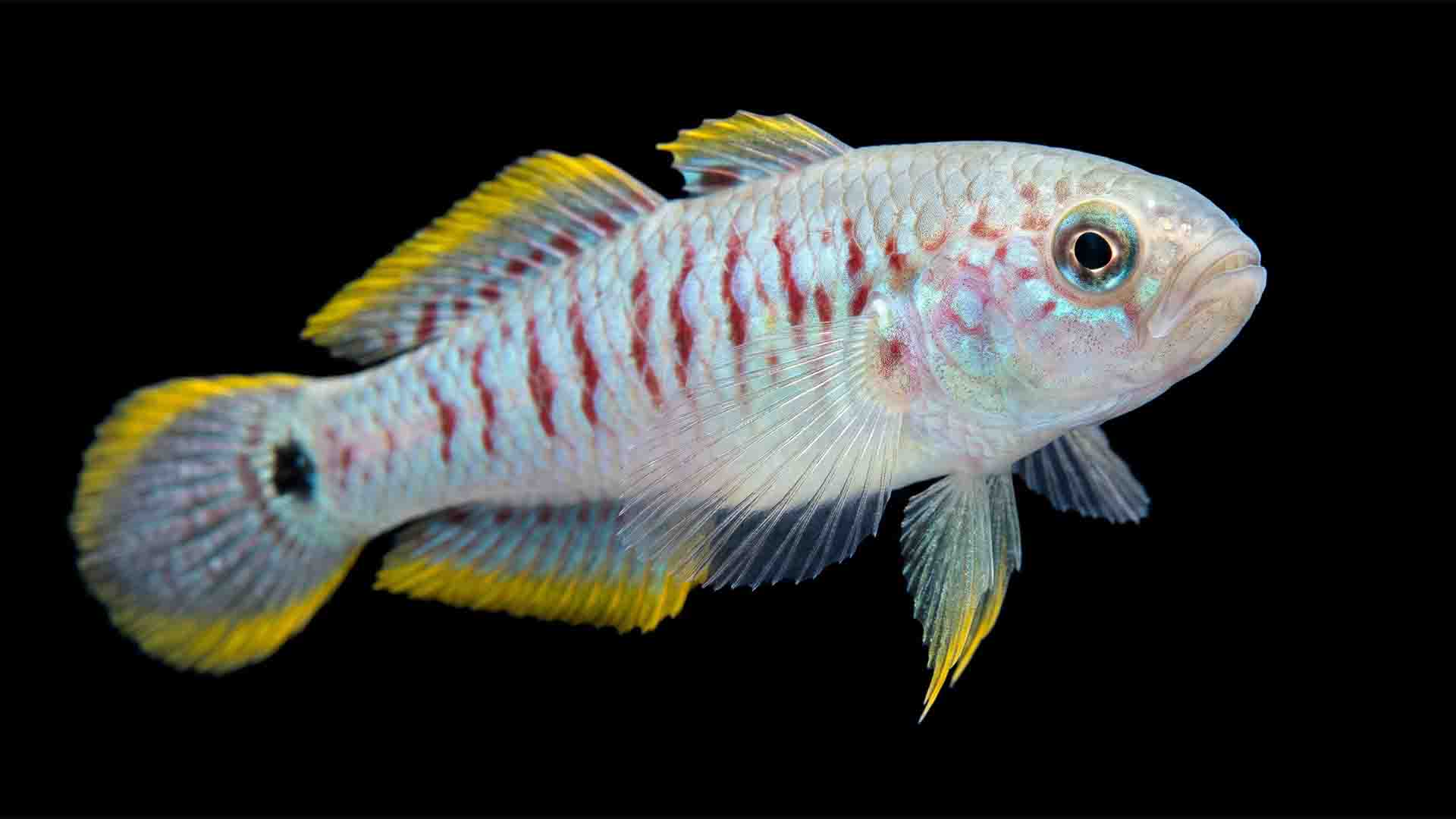
The Peacock Gudgeon (Tateurndina ocellicauda) thrives in water temperatures of 72°F to 79°F with a pH range of 6.5 to 7.5. Reaching a maximum length of 2.5 inches, this bottom-to-midwater sleeper goby delivers marine reef coloration while remaining peaceful toward dwarf shrimp and live plants.
Hobbyists hunting for dramatic turquoise, pastel pink, and yellow markings often believe they must set up a high-maintenance marine reef or deal with territorial dwarf cichlids. The Peacock Gudgeon disproves that assumption entirely. Originating from the lowland streams, swamps, and rainforest ponds of eastern Papua New Guinea, this diminutive fish displays pastel cyan flanks marked by vertical claret bars, edged with bright canary-yellow fin trim.
Unlike South American dwarf cichlids that dig up carpets, spit sand into filter impellers, and claim territorial quadrants, the Peacock Gudgeon is remarkably placid. They spend their days hovering over moss patches, inspecting leaf crevices for micro-crustaceans, and perching near driftwoods like polite house guests. At the base of the caudal fin sits a dark, ringed ocellus spot. In nature, this false eye confuses predators; in an aquarium, it adds an exotic visual signature. Males develop a slight cranial hump as they mature, engaging in bloodless fin-flaring displays that look stunning without tearing fin tissue.
8. Vietnamese White Cloud (Tanichthys micagemmae) – The Cold-Water Neon Tetra Killer
The Vietnamese White Cloud Mountain Minnow (Tanichthys micagemmae) handles an expansive thermal range of 60°F to 75°F and a broad pH range of 6.0 to 8.0. Outperforming standard neon tetras in resilience, this active schooler completely eliminates the need for an electric aquarium heater.
The standard aquarium retail model insists that colorful community tanks require tropical conditions maintained at eighty degrees Fahrenheit. This mandate creates an unnecessary point of biological failure: the submersible glass heater. Heater thermostats fail routinely, either sticking in the off position during winter or locking on and boiling the livestock. The Vietnamese White Cloud eliminates this risk entirely through cold-adapted physiology.
Hailing from the cool, montane river systems of the Quang Binh province in Vietnam, Tanichthys micagemmae possesses a shimmering lateral line that glows with electric-cyan and silver iridescence, bordered directly by deep ruby-red dorsal and caudal fin lobes. Unlike its common relative (Tanichthys albonubes), the Vietnamese species exhibits multiple intricate horizontal markings and a significantly tighter schooling formation. Because they handle room temperatures dipping down to sixty degrees Fahrenheit, they are immune to power outages and heater failures. Their metabolic rate remains stable across broad temperature curves, granting them an extended lifespan and unmatched hardiness in tap water.
7. Red Neon Blue-Eye Rainbowfish (Pseudomugil luminatus) – Iridescent Display Without Fin-Nipping
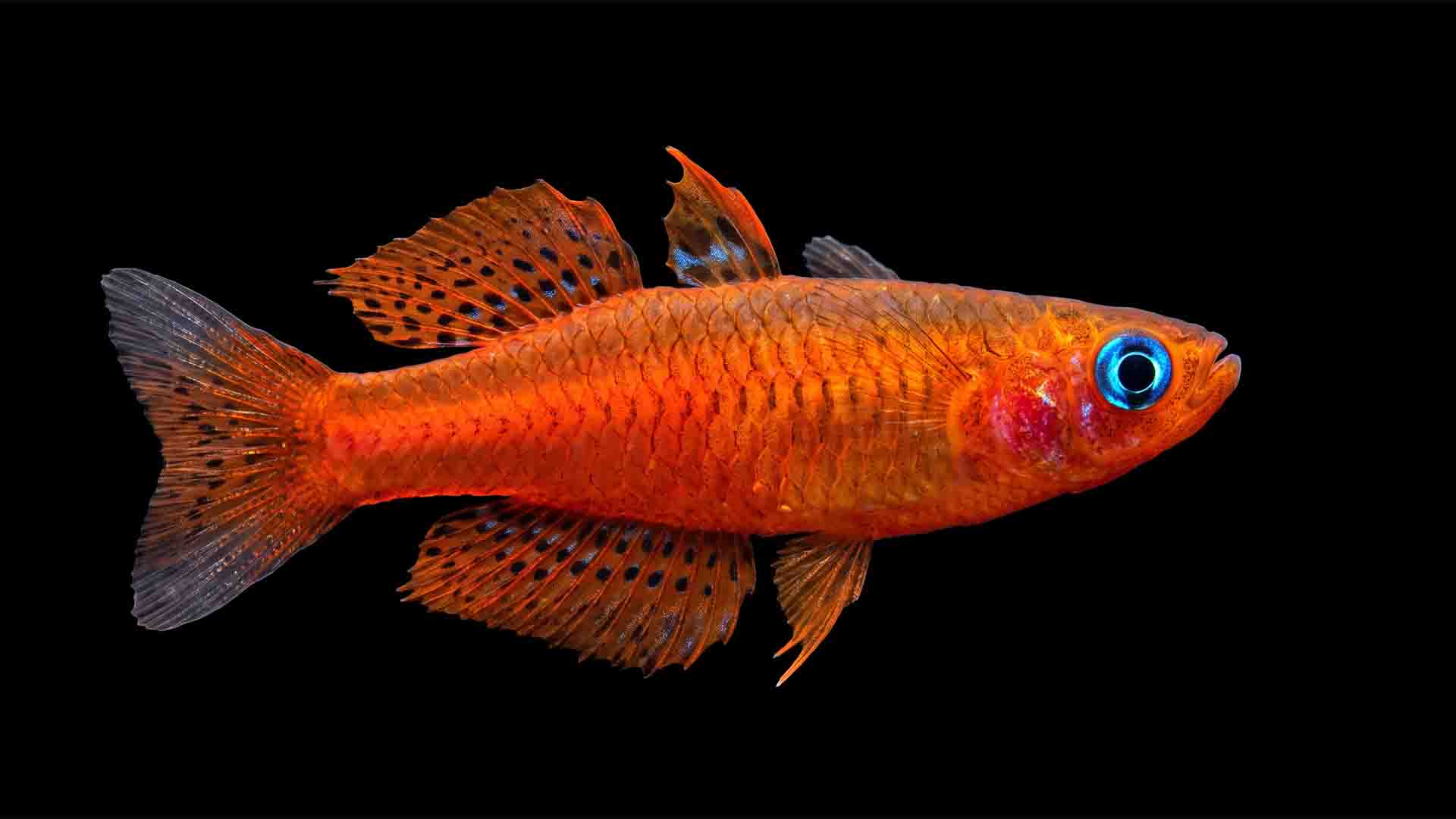
The Red Neon Blue-Eye Rainbowfish (Pseudomugil luminatus) prospers at temperatures of 68°F to 78°F and a neutral-to-soft pH of 6.2 to 7.4. Growing to only 1.2 inches, this upper-column schooling jewel features glowing sapphire-blue eyes and wing-like pectoral displays without any fin-nipping tendencies.
Pet stores frequently sell aggressive schooling tetras to beginners seeking red or orange colors. Species like Serpae Tetras and Tiger Barbs quickly turn peaceful community tanks into chaotic battle zones, systematically chewing the flowing finnage off slower companions. Pseudomugil luminatus delivers fiery orange and crimson tones while completely eliminating territorial violence.
Native to the tannin-rich jungle swamps of southern West Papua, the males of this species act like miniature mechanical hummingbirds. Their twin dorsal fins fan upward like delicate feathered wings, patterned with micro-dots. Above their fiery orange-red flanks sit eyes that radiate an impossibly vivid cobalt blue. When dominant males spar for rank, they hold parallel positions across the open water column, spreading their fins in synchronized, fluttering postures. They never bite, ram, or chase tankmates to exhaustion. Their small terminal mouths target biofilm micro-organisms and floating flakes, leaving mosses, stem plants, and baby ornamental shrimp untouched.
6. Blue Badis (Badis badis) – The Drab Store Pebble That Unlocks Royal Velvet
The Blue Badis (Badis badis) thrives in water conditions ranging from 60°F to 77°F with a pH of 6.5 to 7.8. Reaching 2.5 inches in size, this stealthy micro-predator functions as an intelligent, snail-hunting centerpiece that shifts from washed-out gray to royal sapphire velvet.
If you encounter a Blue Badis inside a sterile, bare-bottom retail tank, you will likely dismiss it as junk fish. Under harsh distributor lights and stressed by the lack of cover, Badis badis contracts its chromatophores, turning an unassuming shade of mud gray. Big-box shoppers ignore them, assuming the fish is sickly or naturally dull. This retail stress response makes the Blue Badis one of the most closely guarded secrets in natural aquascaping.
Settle this fish into a mature, densely planted aquarium with dark hardscape, and its biological camouflage reverses. Within forty-eight hours, the melanophores and erythrophores across its scales expand, drenching the fish in deep indigo, electric sapphire, and dark wine-red banding. The Blue Badis behaves like a miniature freshwater stalking submarine. Its eyes swivel independently on distinct axes, tracking small pest snails, amphipods, and hydra through thick foliage. It does not sprint around aimlessly. It hovers, calculates its angle of approach, and eliminates nuisance pests with predatory efficiency, all while maintaining perfect decorum toward other midwater community fish.
5. Cherry Barb (Puntius titteya) – Plant-Safe Scarlet Embers for Calm Midwaters
The Cherry Barb (Puntius titteya) maintains excellent health in temperatures of 73°F to 81°F and a versatile pH range of 6.0 to 8.0. Topping out at 2 inches, this peaceful cyprinid provides deep scarlet-red coloration without destroying delicate aquatic plants or harassing long-finned tankmates.
Mention the word “barb” to an experienced aquarist, and they immediately picture stripped-down stem plants and shredded angelfish fins. The Cherry Barb is the evolutionary exception to the rowdy reputation of the Cyprinidae family. Endemic to the shaded, heavily vegetated rainforest streams of southwestern Sri Lanka, Puntius titteya developed a peaceful, browsing lifestyle that favors plant stability.
While females showcase a subtle fawn-bronze hue marked by an espresso lateral stripe, mature males develop an unbroken, glowing cherry-red hue. This scarlet coloration intensifies significantly in the presence of live aquatic plants and natural humic substances. Unlike Tiger Barbs that form frantic, abrasive schooling mobs, Cherry Barbs drift lazily in loose social groups. They spend their afternoons picking green microalgae and biofilm off plant leaves, leaving even the most delicate Rotala tips and moss fronds undamaged. They are biologically sturdy, easily tolerating the wide water hardness parameters found across municipal tap supplies.
4. Umbrella Cichlid (Apistogramma borellii) – The Hard-Water Tolerant, Low-Thermal Centerpiece
The Umbrella Cichlid (Apistogramma borellii) adapts comfortably to temperatures between 64°F to 79°F and handles a pH range of 6.0 to 7.8. Growing to 2.8 inches, this resilient dwarf cichlid delivers bright pastel blues and yellows without demanding the hyper-pure reverse osmosis water required by delicate rams.
The German Blue Ram (Mikrogeophagus ramirezi) is responsible for endless heartbreak in the aquarium hobby. Beginners buy them for their neon-speckled beauty, only to watch them waste away within thirty days because their home water is not eighty-four degrees Fahrenheit, chemically sterile, and depleted of all mineral hardness. The Umbrella Cichlid solves the dwarf cichlid dilemma through sheer evolutionary adaptability.
Hailing from the southern Pantanal and Paraguay River basins, Apistogramma borellii experiences radical seasonal shifts. In the southern range of its habitat, winter temperatures drop into the low sixties, and water mineralization swings violently depending on seasonal flood pulses. Because of this background, the Umbrella Cichlid handles moderate carbonate hardness that would cause renal failure in fragile Amazonian species. Fully mature males display enormous, sail-like dorsal fins, electric powder-blue scale edges, and bright lemon-yellow facial masks. They provide the captivating intelligence and parental brooding behaviors of a master dwarf cichlid, but without demanding a dedicated reverse osmosis filtration system.
3. Honey Gourami (Trichogaster chuna) – Genetic Immunity Against Dwarf Gourami Iridovirus (DGIV)
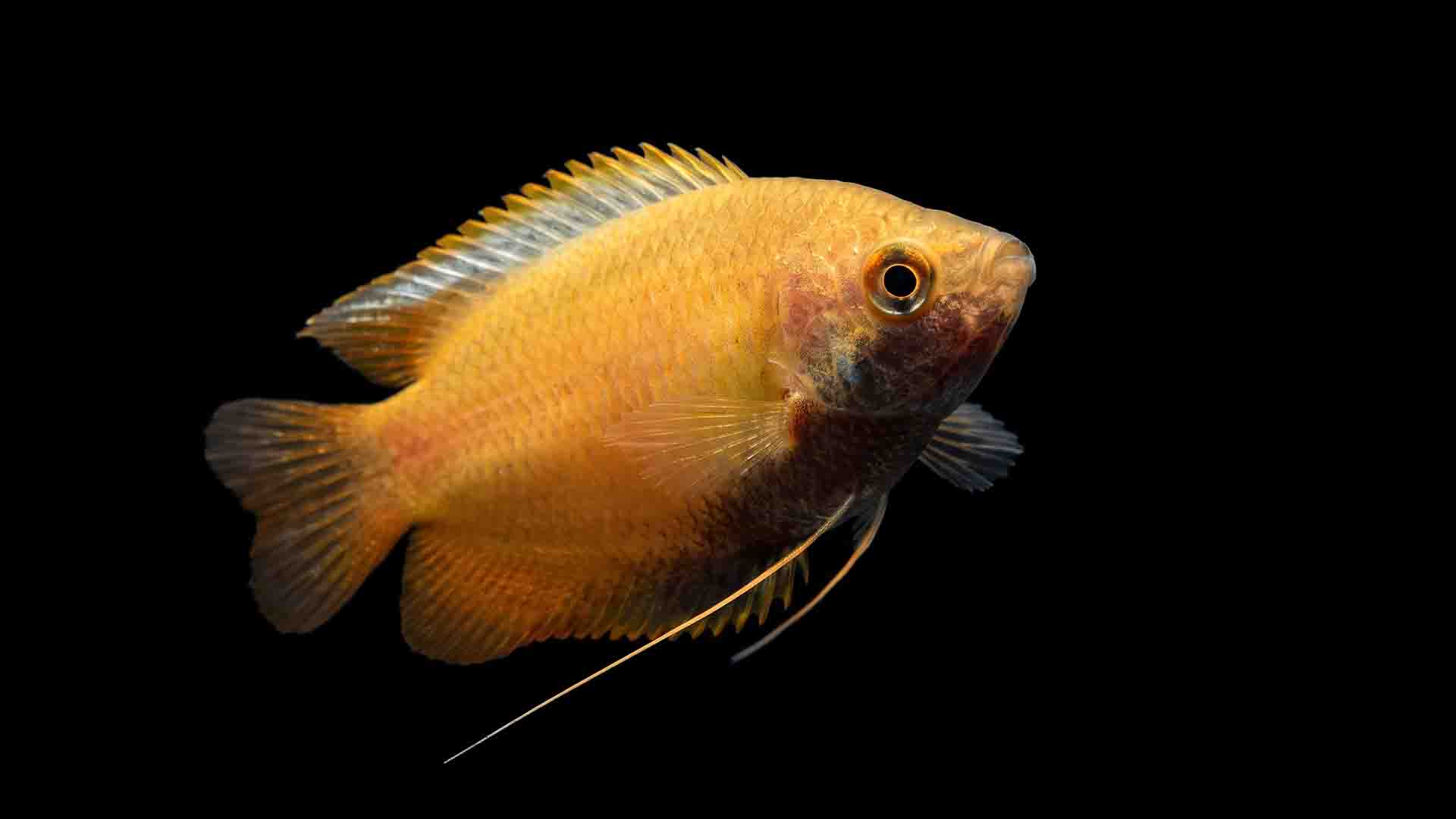
The Honey Gourami (Trichogaster chuna) thrives across temperatures of 72°F to 82°F with a pH tolerance of 6.0 to 7.5. Reaching a compact 2 inches, this peaceful labyrinth fish is naturally insusceptible to the lethal Dwarf Gourami Iridovirus that plagues mass-market dwarf gouramis.
The standard Dwarf Gourami (Trichogaster lalius) is an industry time bomb. Because industrial fish farms mass-clone them under poor biosecurity conditions, systemic DGIV infections are running rampant through commercial holding facilities. When looking for a centerpiece labyrinth fish with warm, glowing tones, the Honey Gourami stands alone as the biologically sane choice. Trichogaster chuna is a completely distinct species that exhibits complete natural resistance to the specific iridovirus strains wiping out commercial dwarf gouramis.
Originating from the river networks and floodplains of India and Bangladesh, Honey Gouramis display an amber-gold body color. Breeding males develop a rich, dark espresso throat band and an intense electric-yellow dorsal margin. Their modified pelvic fins act as delicate sensory feelers, which they use to touch and explore their environment in a slow, methodical fashion. They possess zero intraspecific aggression, making it possible to keep them in bonded pairs or small groups without territorial warfare. They breathe atmospheric air directly using their labyrinth organ, giving them an extra layer of physiological safety in lower-oxygen situations.
2. Green Fire Tetra (Aphyocharax rathbuni) – The Hardness-Proof Emerald Cruising Missile
The Green Fire Tetra (Aphyocharax rathbuni) thrives within temperatures of 68°F to 80°F and an adaptable pH range of 6.5 to 8.0. Growing to 1.8 inches, this high-velocity schooling tetra combines shimmering emerald-green body scales with blood-red tail accents and exceptional osmoregulatory flexibility.
The standard tetra family is saturated with over-commercialized species that scatter aimlessly the moment they adapt to an aquarium. The Green Fire Tetra breaks this mold by delivering coordinated group-swimming dynamics alongside a striking color combination. Native to the Paraguay River basin, this species lives in clear, mineralized river branches that encounter fluctuating currents and seasonal chemical shifts.
Their front half reflects a metallic, emerald-green iridescence that catches ambient light, while the ventral area, anal fin, and caudal peduncle explode into deep blood red. The tips of their dorsal, anal, and pelvic fins are tipped with stark, clean white points. Unlike delicate wild-caught cardinals that demand ultra-low TDS and acidic water, the Green Fire Tetra possesses robust gill lamellae capable of managing hard municipal tap water without osmotic distress. They form a tight, organized cruising missile formation in the open midwater zone, creating dynamic lateral movement that pulls the entire layout together.
1. Japanese Ricefish / Medaka (Oryzias latipes) – The Sub-Freezing Platinum Armor King
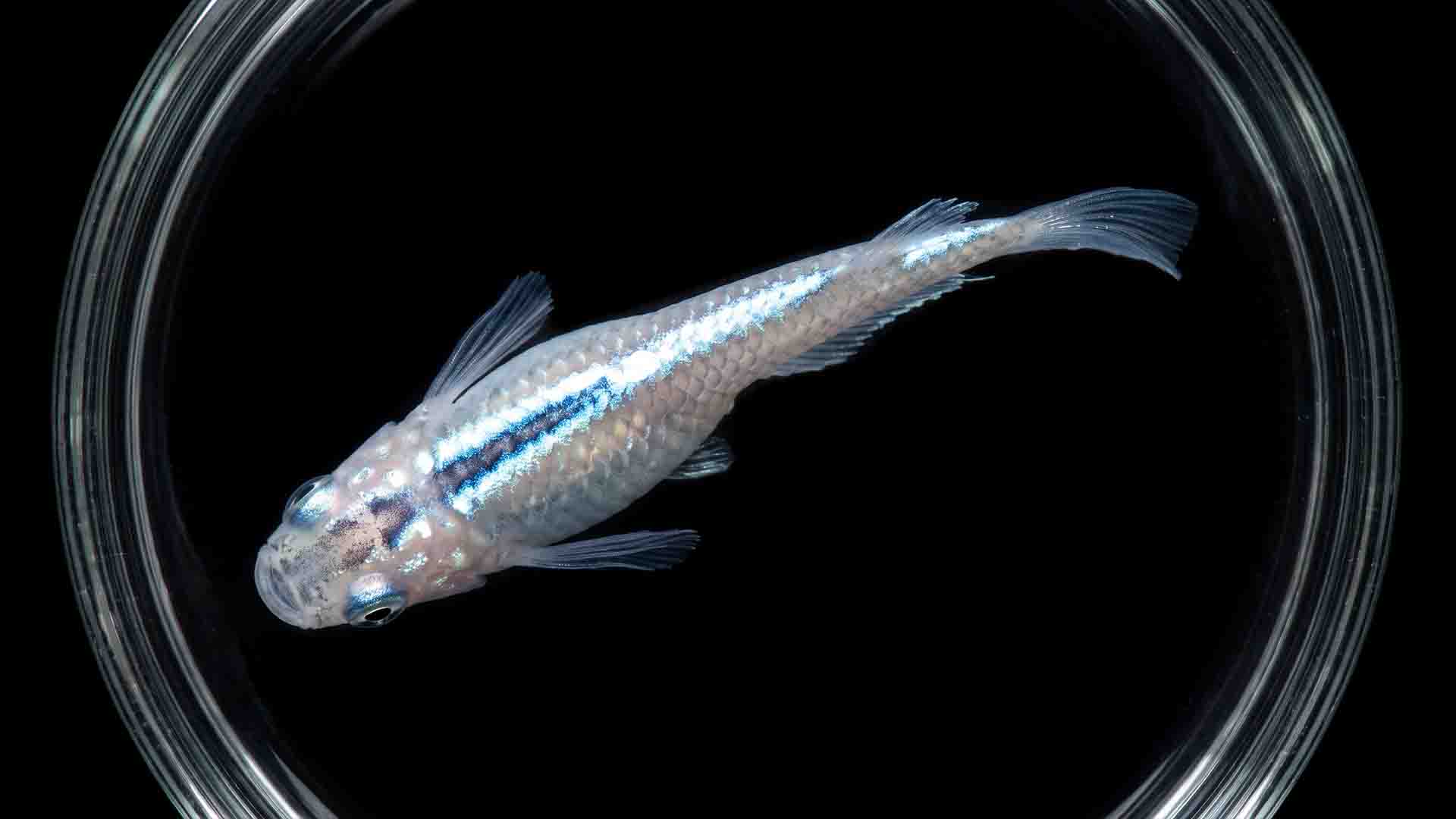
The Japanese Ricefish (Oryzias latipes) survives an extraordinary temperature range of 40°F to 86°F and handles a pH range between 6.5 and 8.5. Maxing out at 1.5 inches, this legendary cold-water survivor provides metallic platinum-blue saturation while easily surviving winter power outages and unheated setups.
Pet stores frequently keep plain wild-type ricefish in bottom holding tanks, marketing them as disposable live feeder stock. Walking past this fish is the biggest strategic mistake a planted tank keeper can make. In Japan, Medaka breeding is treated with the same reverence as high-grade Nishikigoi keeping, resulting in stable genetic lines that combine bulletproof survival armor with jaw-dropping visual appeal.
The premier strain for indoor aquariums is the Miyuki Medaka. Rather than relying on standard side coloration, the Miyuki carries dense crystalline iridophores that run along the entire dorsal ridge. When viewed from above or under standard aquarium lighting, the top of the fish glows like a molten platinum-blue bar. Their true biological miracle, however, lies in their eurythermal genetics. Oryzias latipes can live outdoors in freezing conditions, safely resting near bottom substrates when surface water turns to ice, and thrive equally well during eighty-degree summer heatwaves.
They consume standard dry foods, ignore live plants, reproduce readily without parental egg predation, and show complete immunity to common tropical waterborne pathogens. If a winter blizzard knocks out your home’s electrical grid, every standard tropical fish in your house is on a terminal countdown. The Medaka will simply adjust its respiration rate, idle calmly in the plants, and wait out the storm completely unharmed. It is the definitive king of resilient, colorful aquarium fish.
Commercial Traps vs. Resilient Swaps: The Hard Biological Breakdown
Every commercial fish retailer organizes holding systems around cosmetic shelf appeal rather than long-term metabolic health. The table below breaks down the stark physiological differences between over-commercialized showroom species and their rugged, biologically superior alternatives.
| Commercial Retail Standard | Primary Biological Point of Failure | Resilient FTM Alternative | Thermal Tolerance | Hardness Tolerance | Key Biological Advantage |
|---|---|---|---|---|---|
| Dwarf Gourami (Trichogaster lalius) | High prevalence of Dwarf Gourami Iridovirus (DGIV); systemic organ failure. | Honey Gourami (Trichogaster chuna) | 72°F – 82°F | 4 – 15 dGH | Genetically insusceptible to DGIV; placid labyrinth breathing; peaceful paired behavior. |
| Neon Tetra (Paracheirodon innesi) | Microsporidian infections (Pleistophora); spinal deformities from inbreeding. | Vietnamese White Cloud (Tanichthys micagemmae) | 60°F – 75°F | 5 – 20 dGH | Thrives without a heater; tight schooling formation; impervious to common water molds. |
| German Blue Ram (Mikrogeophagus ramirezi) | Severe osmoregulatory failure in tap water; requires hyper-pure 84°F conditions. | Umbrella Cichlid (Apistogramma borellii) | 64°F – 79°F | 2 – 14 dGH | Tolerates seasonal cold snaps and liquid tap water; non-destructive to plant roots. |
| Tiger Barb (Puntigrus tetrazona) | Rampant fin-nipping; predatory aggression toward long-finned fish; plant destruction. | Cherry Barb (Puntius titteya) | 73°F – 81°F | 4 – 18 dGH | Non-aggressive social structure; biofilm grazer; zero plant damage. |
| Fluorescent GloFish (Lab modified strains) | Elevated resting metabolic rate; compromised cellular immune defense. | Neon Green Rasbora (Microdevario kubotai) | 68°F – 78°F | 3 – 12 dGH | Natural reflective lime-green iridophores; wild genetic vigor; dwarf shrimp safe. |
| Commercial Fancy Guppy (Poecilia reticulata) | Inbreeding depression; bacterial fin rot; osmotic collapse in soft water. | Japanese Ricefish / Medaka (Oryzias latipes) | 40°F – 86°F | 6 – 25 dGH | Survives sub-freezing surface ice; platinum dorsal ridge; broad tap water resilience. |
| Serpae Tetra (Hyphessobrycon eques) | Relentless territorial nipping; attacks slower midwater centerpiece species. | Red Neon Blue-Eye (Pseudomugil luminatus) | 68°F – 78°F | 5 – 12 dGH | Cobalt iridescent eyes; bloodless fin-flaring courtship; zero fin-biting. |
| Cardinal Tetra (Mass-farmed strains) | Osmotic exhaustion in high mineral tap water; skittish and prone to ich. | Green Fire Tetra (Aphyocharax rathbuni) | 68°F – 80°F | 4 – 20 dGH | Metallic emerald scales; tight cruising formation; robust gill membranes. |
| Blue Ram / Apisto (Delicate Amazonian morphs) | Substrate digging; territorial carpet destruction; high aggression during breeding. | Peacock Gudgeon (Tateurndina ocellicauda) | 72°F – 79°F | 5 – 14 dGH | Reef-grade cyan and yellow color; non-territorial bottom dweller; plant friendly. |
| Scarlet Badis (Dario dario) | Extreme food pickiness; starves on dry food; easily outcompeted in community tanks. | Blue Badis (Badis badis) | 60°F – 77°F | 6 – 16 dGH | Dynamic chromatophore color shifting; active pest snail predator; robust appetite. |
Fatal Stocking Blunders: What to Avoid When Engineering a Bulletproof Tank
Most community aquariums do not collapse due to lack of effort. They collapse because hobbyists execute standard retail advice that contradicts fundamental aquatic biology. Avoiding these four fatal stocking errors is the prerequisite for keeping hardy species alive for years instead of months.
1. The Thermal Trap: Running Tropical Saunas for Eurythermal Species
The pet shop myth that all freshwater fish demand constant 78°F to 82°F water causes widespread physiological burnout. Maintaining eurythermal species—fish naturally adapted to wide seasonal temperature curves—in high-temperature environments artificially forces their metabolic engines into overdrive. Elevated temperatures accelerate cellular respiration, drastically driving up oxygen demand while simultaneously lowering the saturation capacity of dissolved oxygen in the water column.
When cold-adapted species like Oryzias latipes or Tanichthys micagemmae are subjected to continuous high temperatures, their bodies consume caloric reserves faster than their digestive systems can process nutrients. Their resting heart rates skyrocket, gill lamellae degenerate under chronic respiratory stress, and their biological lifespan is cut in half. High heat also accelerates the replication rate of virulent aquatic bacteria such as Flavobacterium columnare, transforming minor fin scrapes into lethal systemic infections overnight.
2. The Chemical Whiplash: Chasing Magic pH Numbers with Chemical Buffers
Inexperienced aquarists frequently panic over municipal tap water parameters. Reading that a wild river fish originated from a pH 6.2 blackwater creek, they purchase liquid acid buffers, pH adjusters, and chemical additives to force their tap water to conform to textbook specifications. This practice introduces chemical instability, which is far deadlier to aquatic life than hard water.
Chemical acids deplete carbonate hardness (KH), destroying the water’s natural buffering capacity. The resulting instability causes severe diurnal pH swings driven by plant photosynthesis and respiration. During the day, plants consume dissolved carbon dioxide, driving pH up; at night, respiratory CO2 release sends pH plummeting. This chemical whiplash destroys the epithelial cells of fish gills, ruptures mucous membranes, and creates osmotic shock. Resilient fish species do not require chemically altered rainwater; they require unwavering chemical consistency. Hard tap water with a stable 7.6 pH is vastly superior to unstable, chemically modified water fluctuating between 6.2 and 7.4.
3. Ignoring Inbreeding Indicators in Retail Display Cubicles
Hobbyists frequently select fish based exclusively on color saturation in the retail store, completely overlooking structural physical abnormalities. Commercial fish hatcheries prioritize coloration traits while ignoring morphological integrity. Selecting livestock without a clinical structural assessment guarantees premature die-offs.
When selecting livestock, immediately disqualify specimens displaying subtle spinal curvatures (lordosis or scoliosis), sunken ventral lines behind the pelvic fins, or clamped fin rays. Rapid, asynchronous gill movement indicates gill parasites (Dactylogyrus) or severe branchial swelling from shipping ammonia burns. A fish that remains stationary in an upper corner of a retail tank with its dorsal fin clamped is already suffering from advanced osmotic failure. Adding that specimen to your display tank introduces systemic pathogens directly into your ecosystem.
4. The Secondary Biocollapse: Stocking Ineffective “Cleaner” Fish
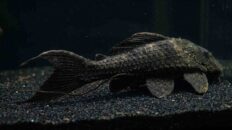
When hobbyists experience biological instability or algae blooms, their default response is purchasing retail “cleaner” fish. Big-box chains push Common Plecos (Hypostomus plecostomus) or Chinese Algae Eaters (Gyrinocheilus aymonieri) under the guise of tank maintenance. This choice triggers an immediate biological collapse.
These commercial cleanup animals do not remove waste; they produce massive amounts of waste. A single juvenile pleco generates tremendous biological waste, overwhelming immature nitrifying bacteria and spiking dissolved organic carbon (DOC). As dissolved organics rise, water clarity degrades, biological oxygen demand increases, and pathogenic bacterial counts spike in the water column. The delicate micro-schoolers and dwarf cichlids swimming in the midwater are poisoned by the very animal purchased to clean their environment.
The Resilient Stocking Protocol: Step-by-Step Acclimation and Long-Term Setup
Transforming an aquarium from a fragile glass box into an unbreakable ecosystem requires a methodical biological protocol. Follow this sequential blueprint to ensure your underrated colorful fish transition seamlessly into their new environment.
Step 1: Establishing the Microbial and Botanical Foundation
- Deposit Mineral-Dense Substrate: Lay down an inert, dark substrate or a capped volcanic aquasoil base. Species like Microdevario kubotai and Badis badis instantly contract their color cells on light, reflective substrates. Dark bottoms signal biological safety, triggering immediate expansion of reflective iridophores and deep melanophores.
- Introduce Labile Carbon Buffers: Add natural botanicals, including Indian Almond leaves (Terminalia cappa), Alder cones, and wild oak leaves. As these botanicals decompose, they release humic and tannic acids into the water column. These humic substances bind directly to toxic heavy metals, precipitate suspended proteins, and form an antimicrobial film over vulnerable fish gill membranes.
- Seed the Epilithic Biofilm: Run your filtration system with seasoned biological media for at least twenty-one days prior to adding livestock. Cultivate a living layer of green biofilm and microscopic algae on hardscape surfaces to provide immediate supplemental graze for peaceful foragers like Puntius titteya.
Step 2: Thermal and Osmotic Drip Acclimation
- Empty Transport Bags into an Acclimation Vessel: Pour the newly acquired fish along with their transport water into a dedicated, clean two-gallon bucket. Never float retail transport bags in your aquarium display tank; external plastic bags carry dirty retail holding water and external fungal cysts directly into your system.
- Initiate Controlled Siphon Drip: Run a length of standard airline tubing fitted with a plastic control valve from your display tank into the bucket. Adjust the valve to achieve a precise drip rate of two to four drops per second.
- Target Volume Doubling Over Sixty Minutes: Allow the display tank water to gradually double the volume of the transport water over a one-hour period. This slow gradient allows the fish’s cellular ion pumps to adjust their membrane permeability, preventing sudden osmotic lysis or shock.
- Net and Transfer with Zero Water Transfer: Net the acclimated fish carefully out of the vessel and release them into the darkened display tank. Discard all blended transport water down the drain.
Step 3: Photoperiod Suppression and Feeding Synchronization
- Enforce a 24-Hour Blackout: Keep all primary aquarium LED lighting completely turned off for the first twenty-four hours after introduction. Ambient room lighting provides sufficient orientation. Complete darkness suppresses physiological cortisol production, allowing nervous systems to settle without defensive flight triggers.
- Delay First Feeding: Do not drop commercial flake or pellet food into the tank on day one. Stressed fish experience temporary gut paralysis, causing undigested commercial food to rot internally and trigger bacterial enteritis.
- Initiate First Feed with Live Micro-Prey: On day two, introduce freshly hatched baby brine shrimp (Artemia salina nauplii) or live daphnia. The active movement of live food stimulates ancestral predatory hunting responses, overcoming shipping depression and rapidly restoring glycogen reserves.
Step 4: Energy-Efficient Unheated Layout Architecture
- Position Away from Thermal Drafts: If you are running an unheated system utilizing cold-hardy champions like Oryzias latipes or Tanichthys micagemmae, position the aquarium along an interior wall away from uninsulated windows or exterior heating vents.
- Maximize Surface Gas Exchange: Without a heater driving internal convection currents, rely on gentle surface agitation. Position your filter outflow or lily pipe to create a steady surface ripple. This maximizes oxygen transfer across the air-water interface, fueling both biological nitrification and active midwater schooling energy.
- Allow Natural Seasonal Temperature Swings: Embrace a natural room temperature variance between 64°F in winter and 76°F in summer. This natural thermal fluctuation mirrors wild seasonal rhythms, triggering robust spawning behavior, strengthening the immune system, and extending the operational lifespan of your fish.
Scientific Truths and Evolutionary Adaptations in Resilient Teleosts
The biological supremacy of wild-type and cold-hardy freshwater teleosts over mass-farmed ornamental varieties is rooted in evolutionary genetics and bioenergetics. Understanding the peer-reviewed research behind these ten species explains why they easily shrug off water chemistry swings that prove fatal to showroom fish.
1. Eurythermal Plasticity and Cryoprotective Mechanisms in Oryzias latipes
Field data documented in FishBase records for Oryzias latipes confirm an unprecedented thermal survival range spanning from 40°F (4°C) to 104°F (40°C). Unlike stenothermal tropical fish that require tight temperature stability, the Japanese Ricefish synthesizes cold-inducible RNA-binding proteins (CIRPs) and heat shock proteins (HSP70) in response to environmental thermal swings. Research published in comparative biochemistry journals demonstrates that cold-acclimated Medaka maintain liver lipid unsaturation, preserving cellular membrane fluidity when water temperatures approach freezing. When surface water freezes over, their basal metabolic rate drops into metabolic depression, reducing cardiac output and cellular oxygen consumption without incurring branchial tissue necrosis.
2. Pathogenic Resistance and Phylogenetic Isolation of Trichogaster chuna
Epidemiological research on Osphronemidae species published via ScienceDirect fish pathology studies highlights the catastrophic spread of Dwarf Gourami Iridovirus (DGIV), a Megalocytivirus variant endemic to commercial Asian hatcheries. Studies confirm that while Trichogaster lalius exhibits morbidity and mortality rates exceeding seventy percent due to systemic necrosis of the spleen and head kidney, Trichogaster chuna (the Honey Gourami) exhibits phylogenetic resistance to viral replication. Divergent major histocompatibility complex (MHC) gene lineages prevent the viral capsid proteins from binding efficiently to host cell surface receptors, completely sparing the Honey Gourami from systemic dropsy and cutaneous ulcerative lesions.
3. Guanine Crystal Nanostructures in Microdevario kubotai and Pseudomugil luminatus
The intense metallic coloration of Microdevario kubotai and the cobalt eye shine of Pseudomugil luminatus are not chemical pigments; they are structural colors generated by dermal iridophores. Biophysical examinations show these iridophores house multi-layered, regularly spaced guanine crystal platelets. In Microdevario kubotai, the spacing of these intracellular platelets causes constructive light interference in the 500 to 550 nanometer spectrum, reflecting coherent electric lime-green wavelengths. Because this coloration depends entirely on crystal lattice architecture rather than dietary carotenoid uptake, the fish maintains its vivid coloration under standard community feeding regimens without requiring chemical color-enhancing flakes.
4. Osmoregulatory Energetics Across Mineralization Gradients in Apistogramma borellii
Ichthyological surveys conducted in the Gran Chaco and Lower Paraná drainage systems reveal that Apistogramma borellii occupies floodplains subject to extreme seasonal evaporation. During dry periods, electrical conductivity and carbonate hardness rise substantially. To cope with these shifts, Apistogramma borellii possesses adaptable mitochondrial-rich chloride cells within its gill epithelium. These cells rapidly upregulate or downregulate branchial Na+/K+-ATPase and H+-ATPase ion pumps depending on external ambient ion concentrations. This evolutionary plasticity allows the Umbrella Cichlid to navigate liquid tap water without suffering the renal calcification or fatal cellular dehydration that strikes Amazonian softwater specialists like Mikrogeophagus ramirezi.
People Also Ask: Field-Tested Community Tank Answers
Can colorful freshwater fish live in an aquarium without a heater?
Yes. Species like the Japanese Ricefish (Oryzias latipes) and Vietnamese White Cloud (Tanichthys micagemmae) naturally thrive without an electric aquarium heater. Oryzias latipes comfortably tolerates temperatures from 40°F to 86°F, while Tanichthys micagemmae thrives between 60°F and 75°F. Keeping these eurythermal species at stable room temperature eliminates the risk of thermostat failure, reduces electrical power consumption, and increases dissolved oxygen levels throughout the water column.
Why do commercial dwarf gouramis die suddenly after a few weeks?
Commercial Dwarf Gouramis (Trichogaster lalius) frequently die from Dwarf Gourami Iridovirus (DGIV), an incurable systemic pathogen carrying an exceptionally high mortality rate. Mass breeding in industrial hatcheries has allowed this viral disease to spread through wholesale distribution networks. The virus targets the liver, spleen, and kidney, remaining latent during shipping before manifesting as abdominal swelling, open ulcers, and organ collapse. Switching to the genetically distinct Honey Gourami (Trichogaster chuna) avoids this fatal pathogen entirely.
What is the most colorful peaceful schooling fish for a 10-gallon tank?
The Neon Green Rasbora (Microdevario kubotai) is the premier colorful schooling fish for a 10-gallon planted aquarium. Reaching a maximum size of 0.8 inches, a school of eight to ten individuals displays brilliant, reflective lime-green iridescence under planted tank lighting. They possess zero fin-nipping tendencies, maintain tight midwater schooling formations, and are completely safe to house alongside ornamental dwarf shrimp.
Are standard neon tetras hard to keep alive in tap water?
Standard Neon Tetras (Paracheirodon innesi) have suffered severe genetic degradation from decades of mass commercial inbreeding. They are highly susceptible to Neon Tetra Disease (caused by the microsporidian parasite Pleistophora hyphessobryconis) and experience acute osmotic distress in municipal tap water with moderate mineral content. The Vietnamese White Cloud (Tanichthys micagemmae) and Green Fire Tetra (Aphyocharax rathbuni) serve as far hardier alternatives, providing electric cyan and emerald coloration with significantly stronger immune systems.
Which colorful dwarf cichlid does not require reverse osmosis water?
The Umbrella Cichlid (Apistogramma borellii) is the hardiest dwarf cichlid for municipal tap water. Originating from southern South American river basins with fluctuating mineral levels, it easily tolerates general hardness up to 14 dGH and a pH range of 6.0 to 7.8. Unlike German Blue Rams, which require 84°F water and near-zero mineral hardness, Apistogramma borellii thrives in cooler water (64°F to 79°F) and standard home tap water conditions.
Frequently Asked Questions
Will Peacock Gudgeons attack or eat adult Neocaridina shrimp?
Adult Peacock Gudgeons (Tateurndina ocellicauda) have small mouths and cannot consume adult dwarf shrimp. However, opportunistic predation on freshly hatched shrimp shrimplets can occur if moss cover is sparse. Providing dense patches of Taxiphyllum (Java Moss) or subwassertang gives shrimplets complete refuge, allowing sustainable breeding colonies to thrive alongside adult gudgeons.
How long does it take for a Blue Badis to show its full color?
A Blue Badis (Badis badis) typically requires forty-eight hours to seven days to shift from stressed retail gray to deep royal blue. This color transformation requires three specific environmental conditions: a dark substrate, dense live vegetation to provide territorial security, and the absence of hyperactive surface fish that outcompete them for territory. Live or frozen micro-foods will dramatically accelerate their chromatophore pigment expansion.
Do Cherry Barbs damage delicate planted aquarium aquascapes?
No. Unlike aggressive relatives like the Tiger Barb, the Cherry Barb (Puntius titteya) is completely safe for planted tanks. They lack the jaw anatomy required to tear plant leaves. Their interaction with plants is limited to harmless grazing on green biofilm, diatoms, and microscopic algae growing on leaf surfaces, leaving delicate stems like Rotala and Hemianthus completely unharmed.
Can Green Fire Tetras jump out of an open-top rimless aquarium?
Green Fire Tetras (Aphyocharax rathbuni) are high-velocity midwater cruisers that can jump if startled by sudden light transitions or aggressive tankmates. While they do not routinely jump like hatchetfish, maintaining floating plants like Salvinia or Phyllanthus fluitans creates a visual canopy that suppresses flight responses. Alternatively, utilizing a lowered waterline or transparent mesh lid provides complete safety.
Integrating Resilient Species into the Broader Biological Ecosystem
Stocking bulletproof livestock is only the first phase of building a permanent, self-sustaining aquarium. To maintain crystal-clear water and stable biological parameters over multiple years, your livestock choices must integrate seamlessly with water chemistry maintenance and biological balance.
For detailed parameters on maintaining mineral stability and matching carbonate buffers to your municipal supply, reference our foundational guide on Water Chemistry and Osmoregulation Protocols. If you are converting an existing high-maintenance setup into an unheated layout powered by Medaka or Vietnamese White Clouds, follow our step-by-step engineering principles outlined in the Unheated Planted Nano Tank Blueprint. Finally, to ensure new arrivals never introduce latent fungal or protozoan infections into your primary system, master the clinical quarantine techniques detailed in our Quarantine and Pathogen Elimination Protocol.
The Clean Squad Trap: Halting the Secondary Filtration Collapse
Once you stock rugged, colorful species that shrug off disease and temperature swings, the single remaining point of failure is your tank maintenance philosophy. Beginners routinely follow bad retail advice by adding so-called “cleaner fish” to scrub algae and remove detritus. They introduce Common Plecos, Chinese Algae Eaters, or large groups of unquarantined snails, assuming these animals function like biological vacuum cleaners.
In reality, commercial clean-up animals are often the primary cause of biological tank crashes. They do not consume organic waste; they produce massive amounts of high-nitrogen solid waste. That waste accumulates in dead zones, spikes dissolved organic carbon, and triggers severe bacterial blooms that strip oxygen from the water column. The rugged midwater schoolers and dwarf centerpieces you stocked are then forced to breathe water saturated with metabolic waste produced by the very animals bought to clean the system.
Stop Sabotaging Your Ecosystem With Fake Janitor Fish
Do not let retail marketing deceive you into stocking high-waste fish that poison your water quality. True mechanical and biological balance comes from dedicated detritivores, balanced microbial bio-media, and targeted micro-grazers that consume algae without overwhelming your nitrogen cycle.
Watch our comprehensive YouTube investigation breaking down the deceptive myths surrounding retail cleanup crews: Watch the Clean Squad Series: Real Aquarium Cleaners vs. Tank Saboteurs. Learn which species actually process organic detritus and which popular bottom dwellers are silently destroying your water parameters.
Building a vibrant, stress-free aquarium is never about chasing hyper-inbred showroom novelties or purchasing chemical band-aids. It is about understanding the evolutionary biology of your livestock, stocking species that thrive within real-world water conditions, and allowing natural biological balance to do the heavy lifting.