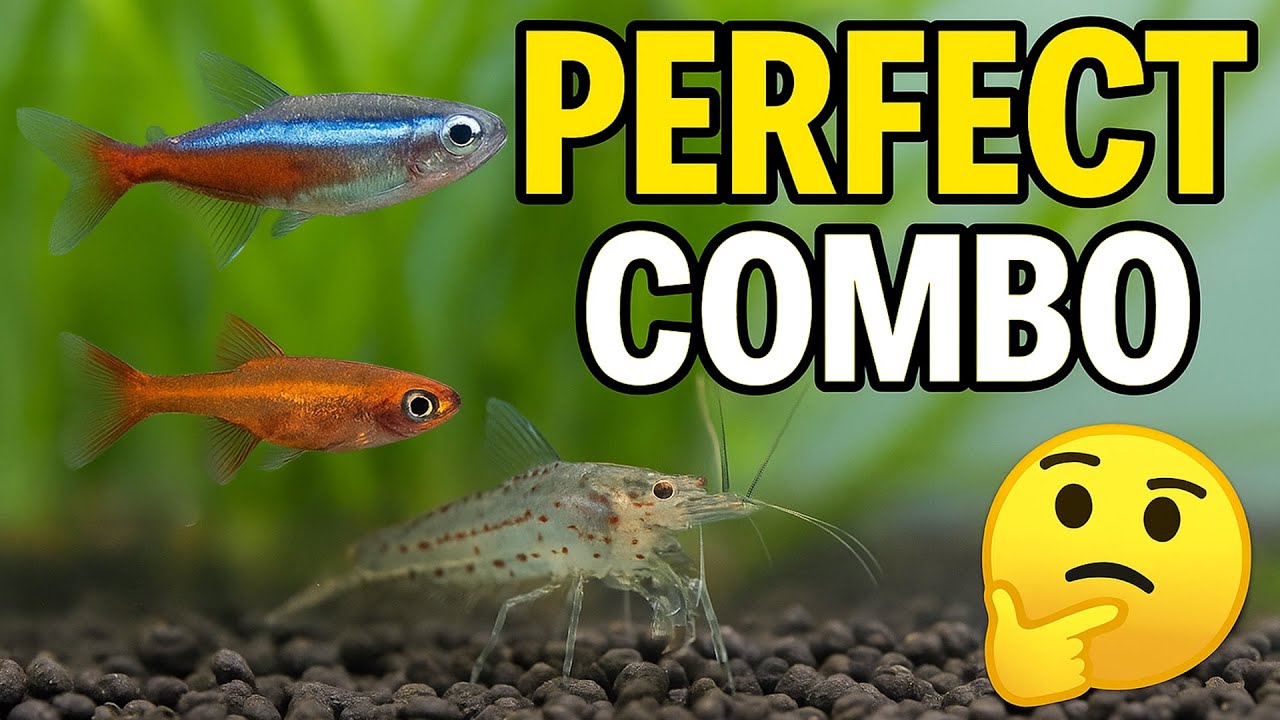

Knowing the PetSmart fish you should never buy is the single line between running a balanced living room ecosystem and operating an underwater triage hospital. Walk past the commercial livestock racks on any given Saturday, and the display cubicles look like harmless, color-coordinated perfection. Small torpedoes cruise under high-output actinic LEDs, juvenile bottom dwellers scrape sterile acrylic panels, and two-dollar price tags promise easy community harmony. You swipe your card, float the plastic bag for twenty minutes, release the fish into clean, cycled water, and within three to thirty days, your community descends into torn fin tissue, dropsical bloat, and total biofilter exhaustion. This is not beginner bad luck. This is the delayed biological bill for buying corporate inventory clearance species engineered for showroom sales rather than closed-loop survival.
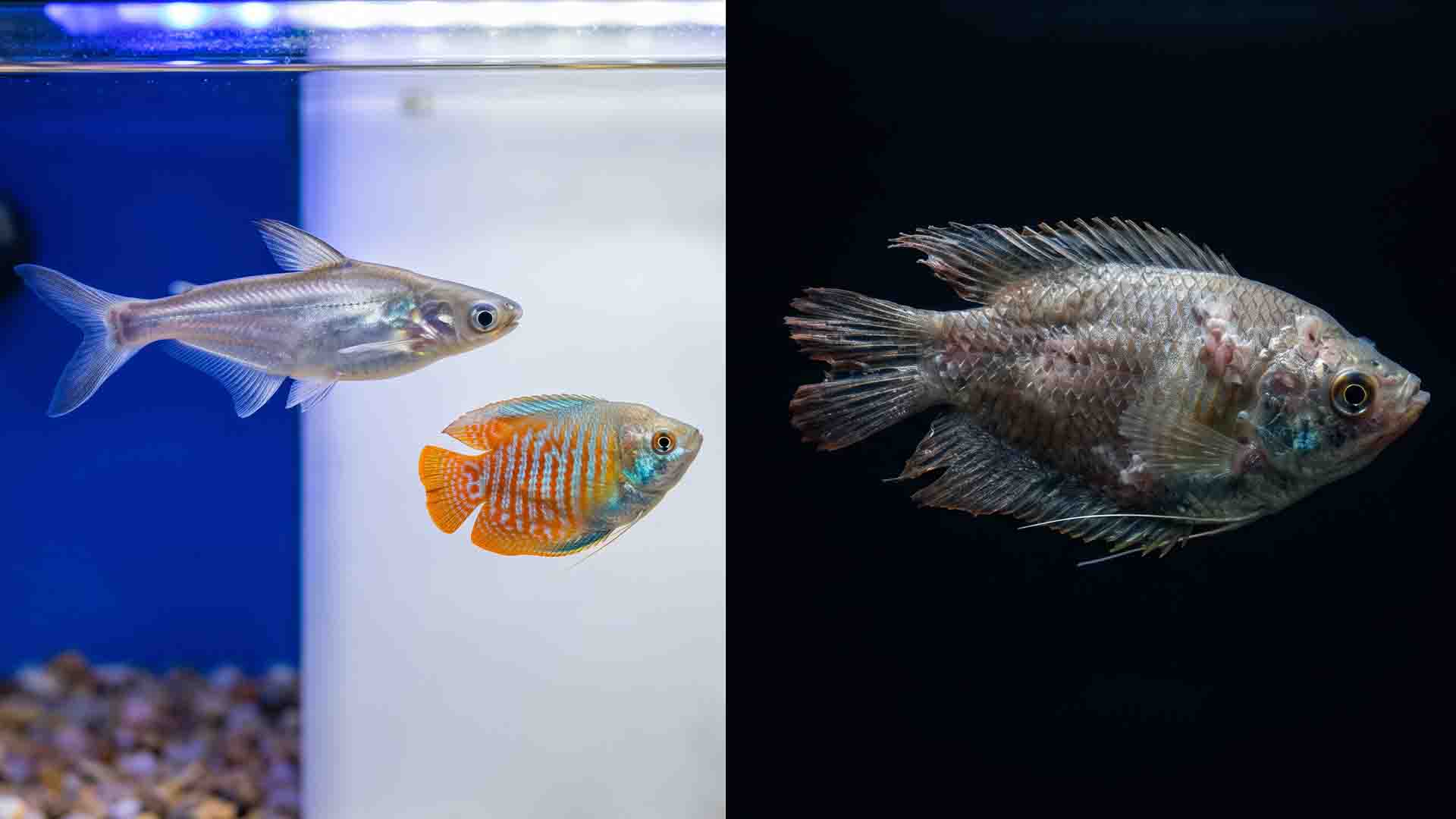
Before stocking your tank based on plastic shelf tags, watch the complete retail investigation below. In this breakdown, we expose the exact behavioral and metabolic triggers that cause these fifteen species to dismantle home aquariums:
The Retail Central Filter Illusion (Why Chain-Store Fish Look Healthy)
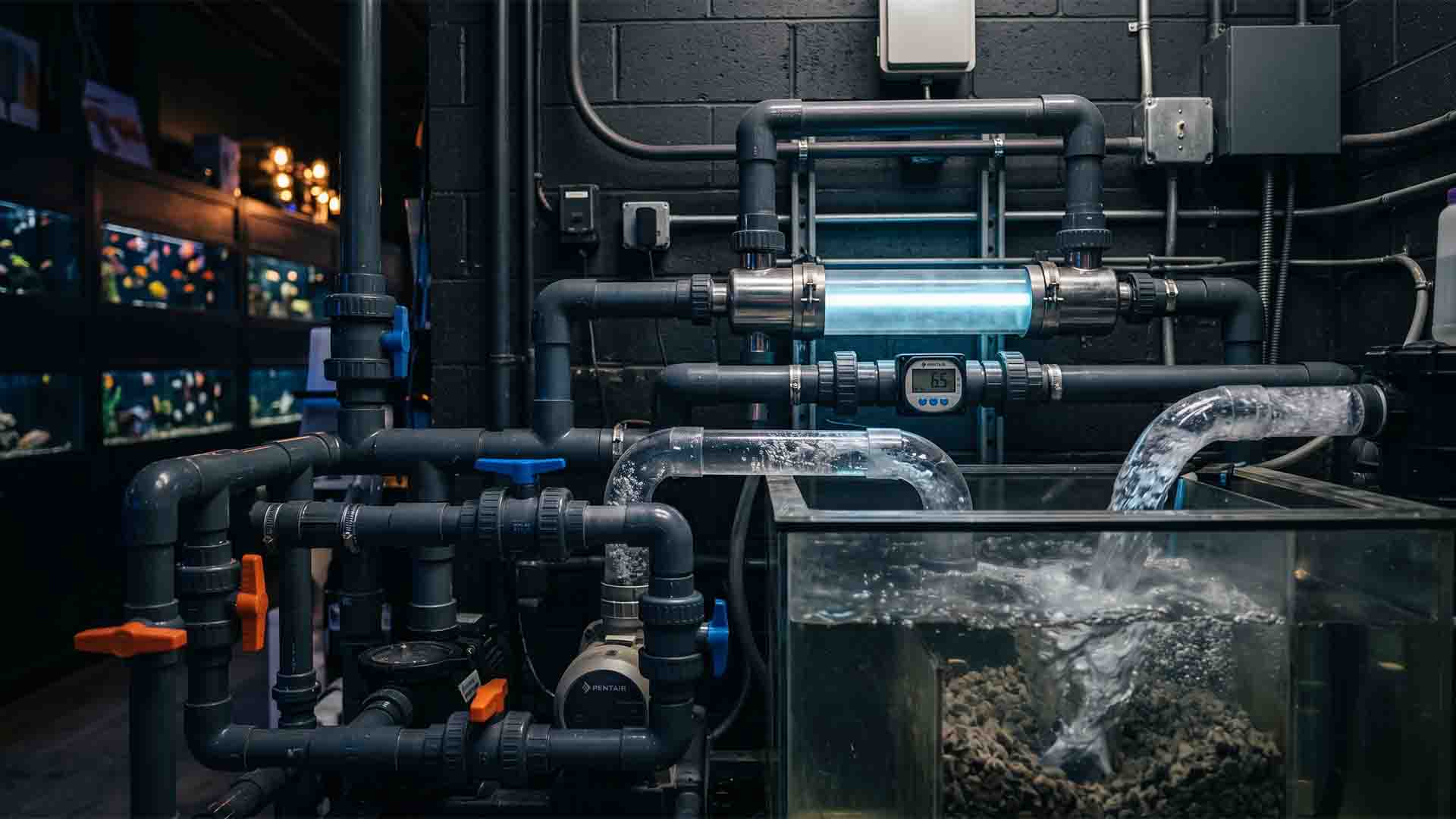
Every commercial big-box livestock section runs on an invisible life-support loop that never transfers to your home. When you inspect a retail fish wall, you are not looking at forty independent aquariums; you are looking at hundreds of gallons of interconnected water tied to a massive, centralized commercial sump hidden behind industrial drywall. That centralized architecture relies on heavy commercial ultraviolet sterilizers, automated continuous water exchange, and systemic prophylactic chemical dosing that artificially suppresses waterborne pathogens. To understand the mechanics of this commercial setup, study our diagnostic breakdown of the PetSmart central filtration system translation.
Industrial UV Shields vs. Developing Home Biofilms
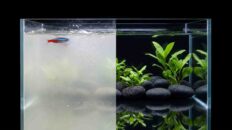
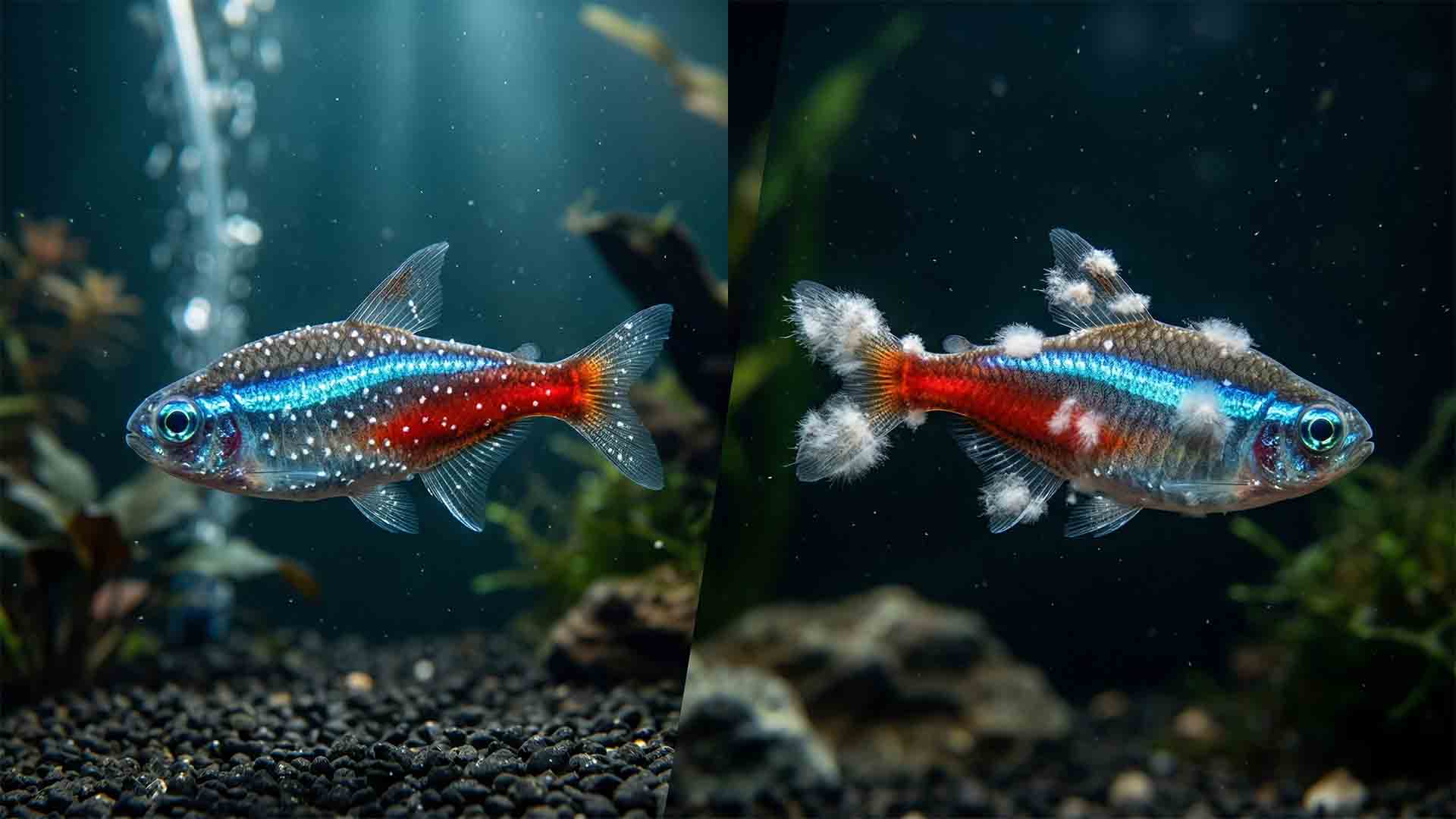
Inside the retail holding loop, free-floating bacteria, flagellates, and fungal spores are constantly blasted by industrial-wattage UV quartz sleeves. A fish carrying high viral titers or latent parasitic cysts can swim upright, flash bright colors, and accept processed flakes because the ambient microbial pressure in the water column is forced to near zero. The moment you net that fish, bag it, and drop it into an established, unsterilized home biome, the artificial shield vanishes. Your aquarium does not run on industrial UV clarifiers; it runs on living, complex biofilms and ambient heterotrophic bacteria. Under the physical stress of transport and osmotic transition, the animal’s immune suppression collides with natural home microbes, triggering sudden bacterial fin melt and organ collapse in water that reads zero ammonia.
The 30-Day Delayed Mortality Curve (Allometric Scaling & Cortisol Debt)
Big-box retailers rely on the delayed feedback loop of teleost physiology. When a freshwater fish experiences shipping trauma, rough retail netting, and mineral shifts, its interrenal tissue floods the bloodstream with cortisol. In the short term, cortisol mobilizes glucose and masks physical pain, tricking the hobbyist into believing the fish adapted seamlessly on Day One. But elevated cortisol suppresses circulating lymphocytes and exhausts cellular ATP. Concurrently, as juvenile fish feed, their biological burden expands not by length, but by body mass cubed. By Day 30, the metabolic waste of fast-growing specimens outpaces the surface area of domestic biological filter media. The aquarist assumes they did something wrong during a weekend maintenance routine, when in reality, the biological debt was contracted at the cash register.
15 PetSmart Fish You Should Never Buy (Anatomical & Biological Breakdown)
The retail pet industry routinely markets fish based on juvenile display length and docile holding behavior, entirely ignoring adult dentition, ontogenetic dietary shifts, and mature territorial footprints. Here is the ranked biological breakdown of the fifteen worst offenders sitting on retail shelves today.
#15 Tiger Barbs (Puntigrus tetrazona) – The Fin-Nipping Dominance Cartel
PetSmart clerks frequently recommend Tiger Barbs to beginners looking for bright, active schooling fish. The trap snaps shut because of the “token trio” sales habit. In the wild, Puntigrus tetrazona relies on strict, aggressive shoaling geometry. When kept in small groups of three to six in a cramped community tank, their internal hierarchy collapses outward. Lacking a sufficient conspecific group (twelve or more individuals) to diffuse social sparring, their high-velocity nipping behavior redirects toward long-finned or slow-moving tankmates. Bettas, Angelfish, and Fancy Guppies have their trailing fin rays systematically stripped down to the caudal peduncle, opening raw entry points for opportunistic Flavobacterium columnare.
#14 Pea Puffers (Carinotetraodon travancoricus) – The Micro-Predator Snail Scam
Marketed as a cute, miniature cleanup tool to eradicate pest snails, the Dwarf Pea Puffer is an obligate micro-predator equipped with a specialized chitin-crushing beak and binocular eyesight. Beginners buy them as janitorial additions for planted community displays, only to discover that the puffer treats community fish fins like live insect wings. The continuous undulation of tetra and rasbora tails overstimulates the puffer’s lateral line and visual hunting reflex. Within forty-eight hours of clearing bladder snails, the puffer stalks sleeping tankmates, carving clean circular chunks out of dorsal fins and causing systemic exhaustion across the tank.
#13 Balloon Morphs (Mollies, Rams & Gouramis) – Engineered Spinal Lordosis & Buoyancy Failure
Balloon fish are not healthy, chubby species; they are commercially propagated skeletal deformities. Through continuous selective breeding, commercial facilities lock in extreme vertebral lordosis and kyphosis, compressing a standard four-inch teleost frame into a shortened spherical torso. The internal skeletal cavity is reduced by over fifty percent, yet the vital organs retain their full adult mass. The stomach, intestines, and double-chambered swim bladder are crushed against the peritoneal wall. The moment a balloon molly consumes standard dry flakes, the expanding food mechanically pinches the pneumatic duct. The fish loses hydrostatic equilibrium, flips upside down, and burns its metabolic reserves struggling to reach the bottom substrate.
#12 Mass-Bred Fancy Guppies (Poecilia reticulata) – Collapsed MHC & Osmotic Shock
Decades ago, guppies were nearly indestructible. Today, commercial mass breeding in sterile overseas holding facilities has reduced fancy guppy genetics to tissue paper. Intensive inbreeding for oversized delta tails and radioactive coloration has obliterated their Major Histocompatibility Complex (MHC) gene diversity. Furthermore, wholesale suppliers rear these livebearers in warm, medicated brackish pools. When you drop them into typical soft or neutral municipal tap water, their branchial ionocytes fail to regulate electrolyte diffusion. The fish suffer rapid osmotic collapse and disintegrate from endemic Columnaris within seventy-two hours, a tragedy detailed in our guide on why store guppies die in cycled tanks.
#11 Chinese Algae Eaters (Gyrinocheilus aymonieri) – Ontogenetic Mucophagy (Slime-Coat Vampires)
Sold as a two-inch, three-dollar solution for diatom-covered glass, the Chinese Algae Eater is one of the most deceptive retail impostors in the hobby. As juveniles, their ventral suctorial disc rasps soft biofilm. But as Gyrinocheilus aymonieri exceeds three inches, its digestive system undergoes a complete ontogenetic trophic shift: internal cellulase production halts, and its metabolic demand for dense animal proteins explodes. The adult fish ceases grazing glass and transitions to nocturnal mucophagy. Under darkness, it latches onto broad-bodied, slow-moving tankmates like Discus, Angelfish, and Goldfish, physically stripping away their protective dermal glycoprotein mucus shield and leaving necrotic ulcerations that lead to fatal osmotic collapse.
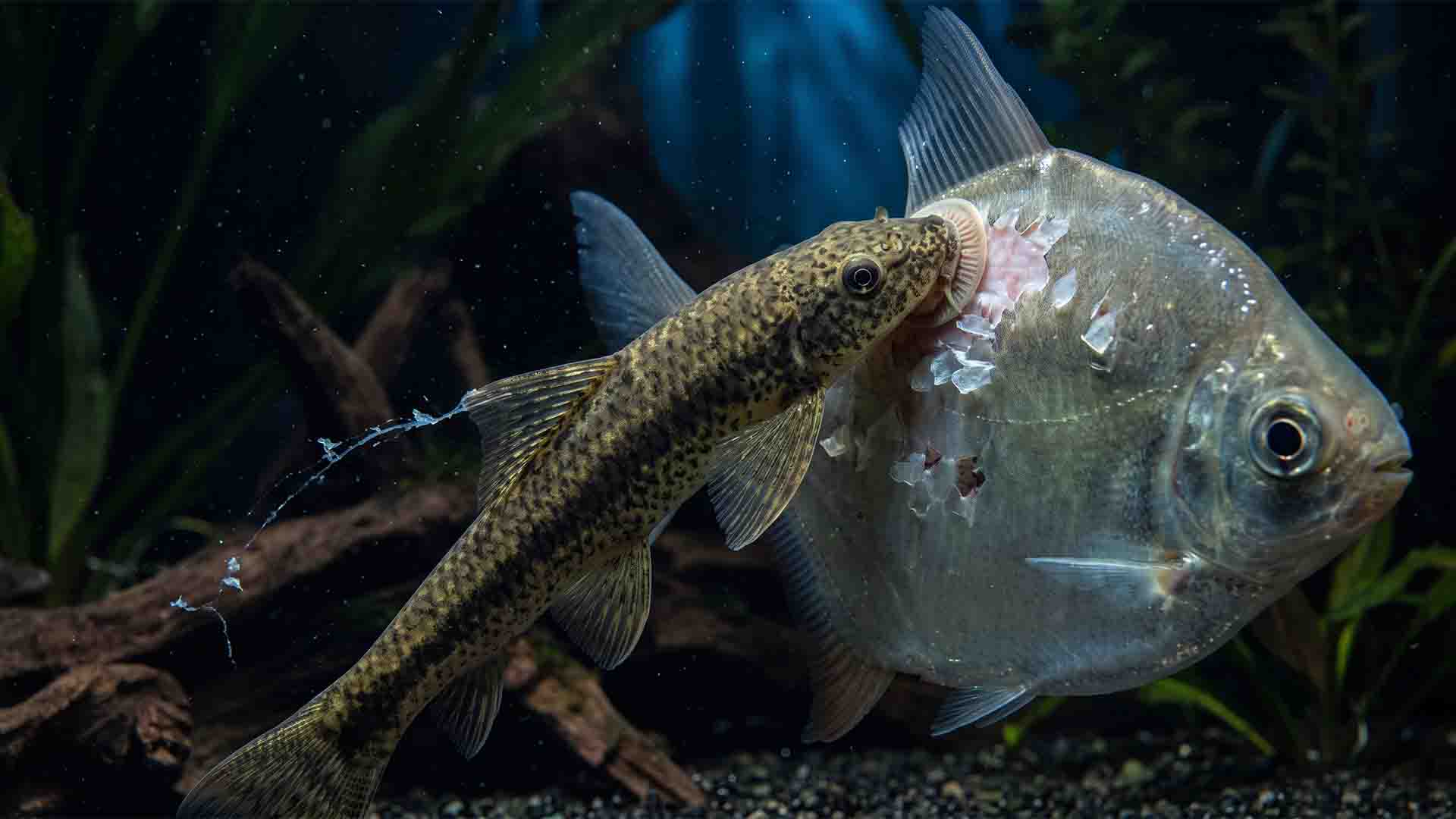
#10 Pictus Catfish (Pimelodus pictus) – Nocturnal Whisker Stress & Dorsal Spines
With their silver chrome flanks, bold leopard spots, and elongated maxillary barbels, juvenile Pictus Catfish are prime impulse buys. The problem is kinetic mismatch. Pimelodus pictus is a hyperactive, predatory riverine catfish with electro-receptive barbels and rigid, serrated pectoral spines. At night, while diurnal community fish drop into torpor to sleep, the Pictus sprints relentlessly across the substrate and midwater zones. Their sweeping whiskers constantly collide with resting tetras, keeping stress cortisol chronically elevated. Furthermore, any nano fish small enough to cross their oral gape vanishes overnight, while their locking venomous fin spines turn basic netting into severe physical trauma.
#09 Red Tail Sharks (Epalzeorhynchos bicolor) – Benthic Sightline Dictators
Confined to crowded, bare-bottom PetSmart cubicles, juvenile Red Tail Sharks look like active, peaceful accent fish. But drop a single specimen into an established community tank, and its biological imperative takes over. Epalzeorhynchos bicolor claims the entire two-dimensional benthic plane as its sovereign grazing territory. As it matures past three inches, its tolerance for similarly shaped or bottom-dwelling tankmates hits zero. Corydoras, loaches, and small plecos are subjected to relentless, high-speed ramming. The shark patrols hardscape caves with military territorial precision, pinning other benthic fish into upper corners until they die of metabolic exhaustion, a classic pattern we analyze in our investigation of why peaceful fish turn aggressive.
#08 Kissing Gouramis (Helostoma temminckii) – Agonistic Craniofacial Combat
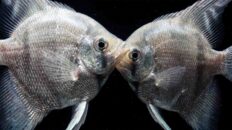
Retail stores market Kissing Gouramis as affectionate social novelties based on their iconic mouth-to-mouth “kissing” posture. In the biological reality of Helostoma temminckii, that behavior is ritualized agonistic combat between rival specimens testing muscular endurance and jaw strength. As these fish rapidly outgrow beginner aquariums—reaching up to twelve inches in length—their specialized, fleshy lips lined with micro-denticles redirect toward broad-bodied tankmates. They stalk sleeping fish and aggressively rasp their lateral scales to consume the protective slime layer, inflicting chronic skin lesions and permanent immune destruction.
#07 Convict Cichlids (Amatitlania nigrofasciata) – Spawning Aggression Apocalypses
Convicts are often sold for two or three dollars as hardy starter cichlids. While they are indestructible, their reproductive biology makes them lethal in general community setups. A male and female Convict Cichlid will pair off and spawn in virtually any water chemistry, under any conditions. The second eggs are deposited on a flat rock or flowerpot, their parental defensive radius expands to seize eighty percent of the aquarium’s floor space. Tankmates three times their size are driven into the filter return pipes with shattered fin rays and missing eye tissue as the breeding pair enforces an absolute death zone around their fry.
#06 Freshwater Angelfish (Pterophyllum scalare) – The 55-Gallon Trap & Midnight Gape Hunting
The standard 55-gallon aquarium (forty-eight inches long by twelve inches wide) is an architectural trap for Pterophyllum scalare. Beginners buy dime-sized juveniles, not realizing an adult Angelfish develops a vertical fin span exceeding eight to ten inches. A twelve-inch-wide tank gives a full-grown Angelfish virtually zero lateral turning radius, inducing chronic spatial confinement stress. Worse, their protractile mouth kinematics function as a rapid-negative-pressure vacuum. While hobbyists assume Angelfish are peaceful midwater ornaments, mature adults hunt during the nocturnal transition, methodically consuming entire schools of resting Neon Tetras and nano livebearers once prey depth matches their expanding oral gape.
#05 Clown Loaches (Chromobotia macracanthus) – Stunted Snail Fixes Demanding 100-Gallon Shoals
Selling a two-inch juvenile Clown Loach to clean snails out of a ten or twenty-gallon tank is one of the most persistent retail malpractice routines in the hobby. Chromobotia macracanthus is a massive, riverine, schooling botia that naturally reaches twelve to sixteen inches in length and lives for over twenty years. Confining them to small aquariums deprives them of essential shoaling numbers (minimum five to six individuals), inducing chronic immune failure and turning them into latent Ich vectors. Furthermore, their compressed growth in cramped footprints causes severe spinal stunting and irreversible organ compaction.
#04 Bala Sharks (Balantiocheilos melanopterus) – Kinetic Runway Deprivation
Bala Sharks are sleek, silver, docile cyprinids with contrasting black margins on their fins. They look majestic in retail displays. But biology dictated that Balantiocheilos melanopterus is an open-water migratory sprinter that naturally grows to fourteen inches in length. Placing a school of these hyper-kinetic fish into a standard four-foot domestic glass box violates their basic hydrodynamic requirements. When startled by room vibrations or sudden light cycles, their flight reflex launches them forward like silver missiles. They smash repeatedly into glass panels, shattering their jaws, fracturing rostral cartilage, or leaping entirely out of loose aquarium canopies.
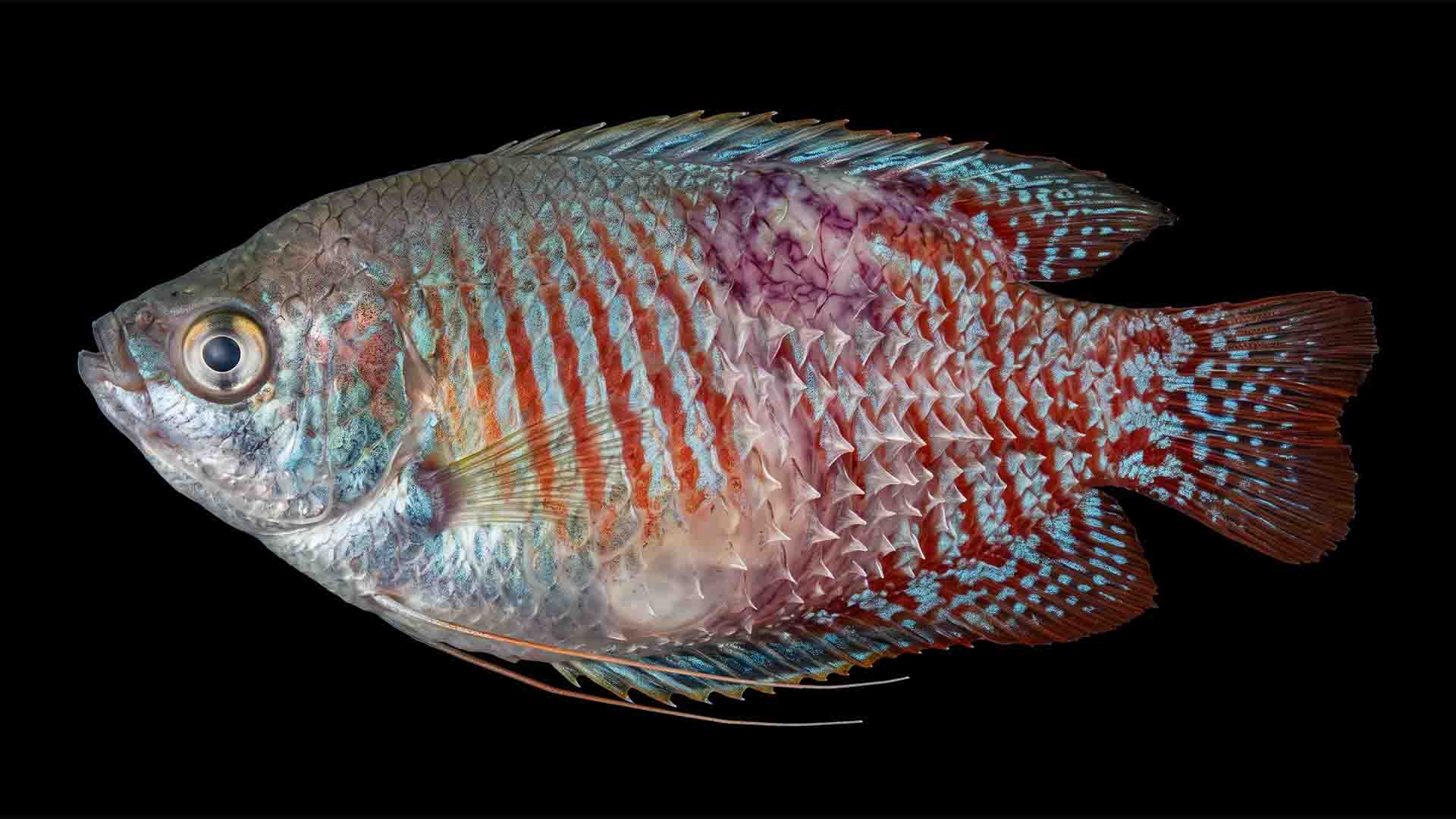
#03 Commercial Dwarf Gouramis (Trichogaster lalius) – Endemic Megalocytivirus (DGIV)
The Powder Blue and Neon Dwarf Gourami are among the most heavily purchased centerpiece fish in retail history, and they represent the single biggest viral gamble in modern fishkeeping. Commercial breeding farms across Southeast Asia are plagued by an endemic, incurable pathogen known as Dwarf Gourami Iridovirus (DGIV). This systemic megalocytivirus targets the splenic and renal endothelium, inducing total organ necrosis. A newly purchased specimen will appear flawless under store lighting for fourteen to twenty-one days. Then, without warning, the fish develops acute abdominal dropsy, pineconed scales, and bloody ulcerations. There is zero cure, zero antibiotic efficacy, and a near-one-hundred-percent mortality rate once the viral sequence activates.
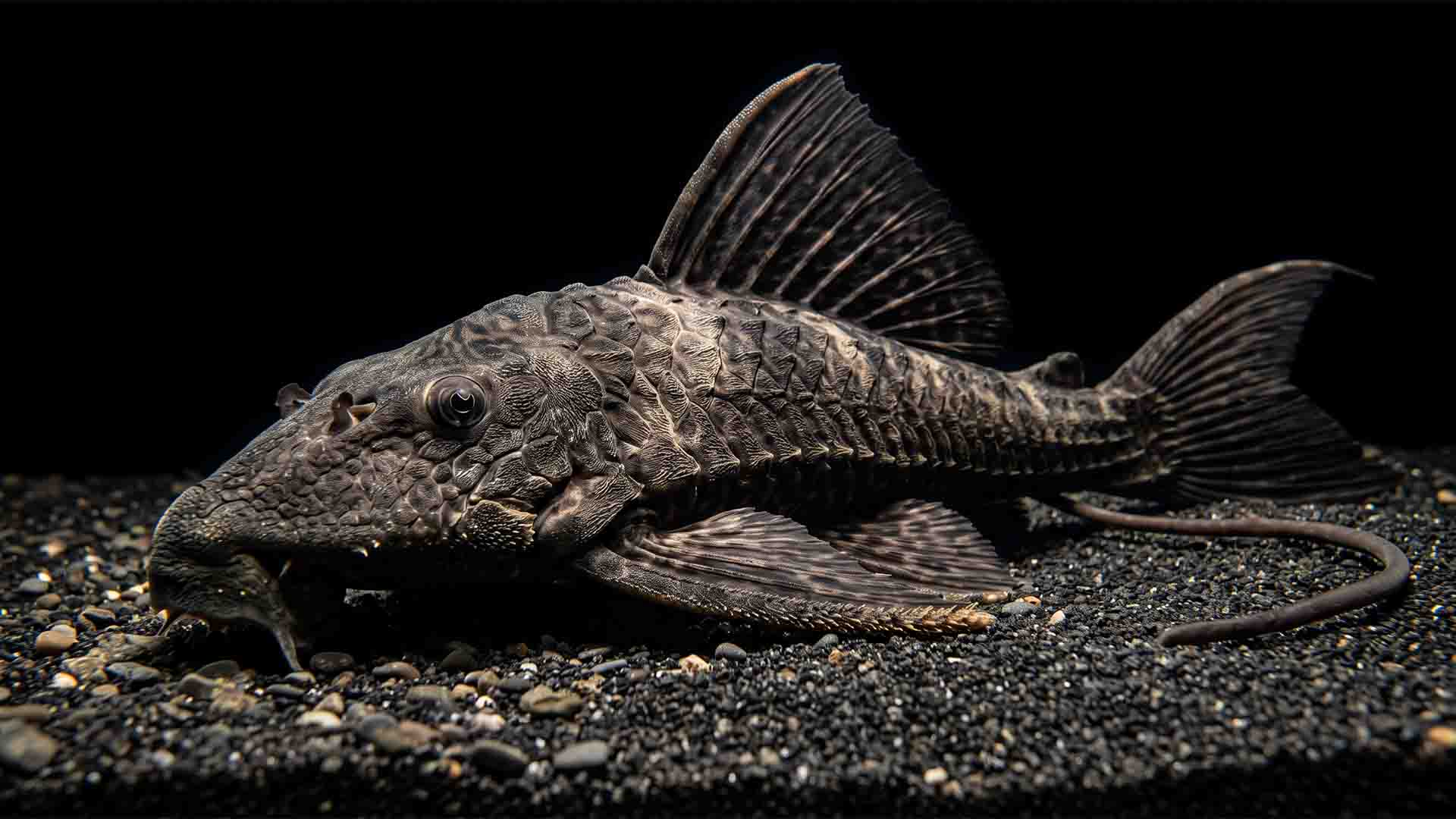
#02 Common Plecos (Hypostomus plecostomus) – The Subcontractor Debt Trap
The Common Pleco is sold under the universal lie of the “algae-eating cleaner fish.” In a home aquarium, buying a two-inch juvenile Hypostomus plecostomus is like hiring a subcontractor to paint your living room, only for him to show up in an industrial bulldozer and dump wet trash on your floor. Under allometric growth kinetics, a juvenile pleco scales rapidly into a twenty-four-inch armored waste factory. As it grows, its appetite shifts away from diatoms toward heavy proteins, wood lignins, and commercial sinking wafers. Its dense feces foul the substrate, generate massive biochemical oxygen demand, and rapidly exhaust biofilter capacity. For sustainable cleaners that actually support closed systems, examine the subcontractor debt trap of retail cleaner fish before swiping your card.
#01 Iridescent Sharks (Pangasianodon hypophthalmus) – The Mekong Megafauna Disaster
The single greatest biological crime sitting on retail shelves today is the two-inch juvenile Iridescent Shark. PetSmart sells these active silver fingerlings for under five dollars, often without a single warning label regarding their adult trajectory. Native to the deep river channels of the Mekong basin, Pangasianodon hypophthalmus is an apex migratory river catfish that naturally grows to four feet (one hundred and thirty centimeters) in length and weighs up to ninety-five pounds. Confining an open-water migratory leviathan to domestic home glass is biological absurdity. Confined specimens suffer from chronic sensory trauma, batter themselves bloody against the glass, and produce enough daily ammonia to crash even advanced domestic filtration systems within months, representing the ultimate PetSmart monster fish juvenile trap.
Retail Marketing vs. Biological Reality (The 15-Species Failure Matrix)
Most community tank disasters are not triggered by reckless neglect; they are engineered at the retail checkout counter. Chain pet stores categorize livestock by juvenile holding size and temporary showroom behavior rather than adult metabolic scaling, jaw mechanics, and territorial ontogeny. When you buy a fish based on a plastic store tag, you are betting against evolutionary biology. To protect your investment and prevent catastrophic community crashes, cross-reference your stocking list against the empirical biological failure matrix below before swiping your card.
| Species & Retail Tag | Anatomical / Biological Bottleneck | 6-Month Tank Reality | FTM Resilient Alternative |
|---|---|---|---|
| #15 Tiger Barb (Puntigrus tetrazona) “Active Schooler” | Hierarchical social sparers. Small retail groups (under 12) break conspecific focus, redirecting aggressive nipping outward. | Shredded fins on Bettas, Angelfish, and Guppies; secondary Columnaris outbreaks from open epidermal wounds. | Cherry Barb or Pentazona Barb (Five-Banded Barb: identical visual striping, zero fin-nipping drive). |
| #14 Pea Puffer (Carinotetraodon travancoricus) “Snail Cleaner” | Obligate micro-predator with binocular vision and specialized beak. Hunting drive is triggered by fin undulation. | Depletes pest snails in 72 hours, then methodically carves circular chunks out of slow community tankmates. | Assassin Snails (Clea helena) paired with manual feeding audits to eradicate snails biologically. |
| #13 Balloon Morphs (Mollies, Rams, Gouramis) “Cute Community Fish” | Engineered spinal lordosis/kyphosis. 50% reduced abdominal cavity crushes pneumatic duct and visceral organs. | Permanent buoyancy loss post-feeding; swim bladder compression; chronic digestive impaction and early organ failure. | Wild-Type Shortfin Platies or standard morphology Bolivian Rams (intact spinal biomechanics). |
| #12 Store Fancy Guppies (Poecilia reticulata) “Hardy Beginner Fish” | Mass commercial inbreeding collapses MHC gene diversity; reared in medicated, high-salinity industrial holding raceways. | Osmotic shock in domestic soft/neutral tap water; rapid bacterial tail rot and sudden mass die-offs within 14 days. | Pure Endler’s Livebearers (Poecilia wingei) or locally bred colony strains adapted to municipal tap water. |
| #11 Chinese Algae Eater (Gyrinocheilus aymonieri) “Algae Cleaner ($3)” | Ontogenetic trophic diet shift. Halts cellulase enzyme production at 3 inches and transitions to nocturnal mucophagy. | Stops eating algae entirely; attacks broad-bodied fish at night, stripping protective slime coats and causing fatal ulcers. | Bristlenose Pleco (Ancistrus sp.) or true Otocinclus in mature setups with established biofilm. |
| #10 Pictus Catfish (Pimelodus pictus) “Peaceful Scavenger” | Hyper-kinetic nocturnal river predator with sensory barbels, wide oral gape, and rigid serrated pectoral spines. | Demolishes sleeping nano tetras after dark; continuous nocturnal sprinting induces chronic stress in diurnal tankmates. | Pygmy Corydoras or Kuhli Loaches (docile benthic scavengers that sleep synchronously with the community). |
| #09 Red Tail Shark (Epalzeorhynchos bicolor) “Semi-Aggressive Accent” | Solitary benthic territorial dictator. Matures to claim entire 36-inch linear bottom footprint as private foraging zone. | Relentlessly batters Corydoras, loaches, and bottom dwellers; corners tankmates against surface glass until exhaustion sets in. | Panda Garra (Garra flavatra: active benthic grazer with zero cross-species territorial malice). |
| #08 Kissing Gourami (Helostoma temminckii) “Affectionate Oddity” | Lip-locking is ritualized craniofacial combat. Matures to 12 inches with rasping denticles engineered for surface scraping. | Massive physical bulk overpowers community setups; persistently rasps lateral scales of tankmates to harvest dermic mucus. | Pearl Gourami (Trichopodus leerii: exceptionally peaceful, lace-patterned midwater centerpiece). |
| #07 Convict Cichlid (Amatitlania nigrofasciata) “Hardy Starter Cichlid” | Hyper-fecund substrate spawners. Spawning cycle triggers extreme territorial neurochemistry and perimeter enforcement. | Single pair claims 80% of tank volume; systematically fractures fin rays and blinds tankmates to protect unmanageable broods. | Keyhole Cichlid (Cleithracara maronii) or Bolivian Ram (mild-mannered, non-destructive dwarf cichlids). |
| #06 Freshwater Angelfish (Pterophyllum scalare) “Community Centerpiece” | Vertical fin span exceeds 10 inches; protractile jaw acts as a high-speed negative pressure vacuum during darkness. | Narrow 55-gallon tanks prevent natural turning; mature adults hunt down and swallow entire schools of sleeping Neon Tetras. | Wild-Type Silver Angels in 75+ gallon tall displays, or Marbled Hatchetfish for safe top-water drama. |
| #05 Clown Loach (Chromobotia macracanthus) “Snail Destroyer” | Riverine schooling giant reaching 12-16 inches. Requires social shoals of 5+ and massive hydraulic water turnover. | Spinal stunting in standard tanks; chronic immune suppression turns them into perpetual Ich vectors for the entire system. | Zebra Loach (Botia striata: caps at 3.5 inches, controls pest snails effortlessly, respects small tanks). |
| #04 Bala Shark (Balantiocheilos melanopterus) “Peaceful Torpedo” | Pelagic open-water sprinter reaching 14 inches. Natural flight response demands continuous linear swimming velocity. | Smashes rostral bone and jaws against glass panels during startle events; fractures heater casings; leaps out of canopies. | Denison Barb (Sahyadria denisonii: brilliant red-line torpedo sprinter that caps safely at 6 inches). |
| #03 Dwarf Gourami (Trichogaster lalius) “Bright Centerpiece” | Carries endemic, incurable Megalocytivirus (DGIV) contracted in overseas commercial breeding pools. | Sudden abdominal swelling, renal necrosis, scale pineconing, and systemic mortality within 3 to 6 weeks of purchase. | Honey Gourami (Trichogaster chuna: naturally immune to DGIV, docile, vibrant amber-gold coloration). |
| #02 Common Pleco (Hypostomus plecostomus) “Algae Janitor ($5)” | Allometric growth kinetics: mass scales by length cubed. Matures into 24-inch armored, wood-rasping waste engine. | Exhausts biological filter media; blankets substrate in heavy solid waste; strips slime coat from flat-bodied fish. | Clown Pleco (Panaqolus maccus, 3.5 inches) or Horned Nerite Snails (zero bioload, spotless glass). |
| #01 Iridescent Shark (Pangasianodon hypophthalmus) “Miniature Shark ($4)” | Mekong migratory megafauna growing to 4 feet and 95 pounds. Hydrodynamic panic sprinter with extreme oxygen demand. | Shatters aquarium glass during panic bursts; blinds itself from blunt cranial impact; overwhelms all domestic filtration. | Colombian Tetra (Hyphessobrycon colombianus: silver body, electric blue sheen, dynamic shark-like swimming). |
The 90-Day Delayed Tank Collapse Timeline
When community aquariums crash weeks after stocking, hobbyists almost universally assume they committed an immediate maintenance error. They perform panic water changes, swap out filter cartridges, and dump chemical clarifiers into the water column. The harsh reality of teleost biology is that aquatic systems fail along a predictable, time-delayed continuum. Stress in fish behaves like compounding interest on toxic biological debt: environmental pressure induces an initial endocrine response, mobilizing cortisol to maintain homeostasis while masking pain. The fish continues swimming and accepting flakes, leading the keeper into a false sense of security while cellular organ damage quietly accelerates behind crystal-clear glass.
| Timeline Phase | Visual Surface Cues | Internal Biological & Chemical Reality | System Diagnostic Warning | FTM Intervention Protocol |
|---|---|---|---|---|
| Days 1 – 7 (The Retail Honeymoon) | Water is diamond-clear. Fish school tightly near the front glass. Appetite appears aggressive; juvenile sharks ignore tankmates. | Transport trauma triggers acute cortisol surge. Industrial retail UV shield is abruptly removed. Gill ionocytes struggle with municipal TDS variance. | Do NOT mistake adrenaline-driven tight schooling for social harmony; this is a pure survival fear response. | Cap photoperiod at 6 hours. Zero chemical dosing. Feed 50% normal rations. Never dump store transport water into the tank. |
| Days 8 – 21 (The Micro-Stress Window) | Slight fin clamping during lights-out. Subordinate tetras hover near the filter intake. Faint brown diatom film settles on rocks. | Endocrine cortisol reserves deplete, crashing circulating lymphocytes. Latent pathogens (DGIV, Ich) initiate active replication inside host tissue. | Standard liquid test kits show 0 ppm ammonia, giving false reassurance while cellular hypoxia and viral load expand. | Audit physical lines of sight. Install vertical driftwood breaks. Check nighttime dissolved oxygen levels. Verify parameters with liquid reagents. |
| Days 22 – 45 (The Metabolic Shift) | Chinese Algae Eater latches onto sleeping angels; Tiger Barbs shred guppy tails; Balloon Mollies float head-down post-feeding. | Juvenile cellulase synthesis halts in CAEs; dry flake hydro-expansion pinches compressed molly swim bladders; territorial boundaries harden. | Subordinate fish enter chronic metabolic exhaustion; dermal glycoprotein mucus barriers are breached, exposing bare scales. | Immediately rehome aggressive misfits. Switch fancy livebearers to pre-soaked sinking spirulina. Never treat display tank with broad-spectrum antibiotics. |
| Days 46 – 90+ (Systemic Collapse) | Dwarf gouramis display pineconed scales and abdominal dropsy; Bala Sharks dash into glass; persistent milky water haze appears. | Bioload from fast-growing Plecos and Sharks scales exponentially by mass cubed, overwhelming the autotrophic biofilter; systemic viral sepsis occurs. | The biological debt matures. Total collapse of biological carrying capacity. The aquarist assumes they “caught a random disease.” | Execute 20% gentle, temperature-matched water changes. Add heavy surface agitation. Halt all chemical resets and upgrade biological sponge volume. |
If your community tank is showing subtle behavior changes or unexplained casualties, understand how hidden biological debt operates by reading our complete analysis on how stable-looking aquariums quietly collapse before attempting drastic maintenance resets.
Behavioral Traps to Avoid (What Beginners Do vs. What It Breaks)
Sustainable fishkeeping is defined entirely by what you choose not to do. The commercial pet store model conditions beginners to manage aquariums through visual impulse and reactive spending, trapping hobbyists in costly maintenance loops. If you want a peaceful, self-regulating ecosystem, purge these four destructive retail habits from your routine immediately.
1. Shopping by Juvenile Display Size (The Allometric Scaling Illusion)
- Why it feels right: A two-inch juvenile Common Pleco, Bala Shark, or Iridescent Shark looks tiny, harmless, and perfectly proportioned inside a 20-gallon or 55-gallon retail tank. You assume its small size represents its long-term biological footprint.
- What it silently breaks: It ignores the physical law of allometric growth kinetics. As a teleost doubles in linear length, its physical volume and metabolic waste output scale exponentially by a factor of eight (mass is proportional to length cubed). A two-inch fingerling that produces negligible waste today transforms into a twelve-inch waste machine within months, exhausting dissolved oxygen and suffocating autotrophic nitrifying colonies. Furthermore, juvenile shoaling fish mask predatory dentition and mature territorial dominance until sexual maturity triggers sudden, violent aggression.
- What to ask instead: “What is this animal’s adult body mass, adult dietary requirement, and minimum linear swimming footprint at full sexual maturity?” Before bringing home juvenile giants, review our field guide on the worst aquarium fish that make beginners quit.
2. Hiring Live Animals to Solve Maintenance Failures (The Subcontractor Debt Trap)
- Why it feels right: When brown diatom algae coats the viewing panels or leftover food accumulates in gravel crevices, buying a “cleaner fish” feels like an organic, eco-friendly solution.
- What it silently breaks: It falls squarely into the Subcontractor Debt Trap. A live fish is a biological consumer and ammonia producer, not a mechanical filter. Adding an animal never subtracts organic mass from a closed aquatic system; every gram of biofilm or sinking wafer consumed is converted directly into dissolved organic carbon, un-ionized ammonia, and solid feces. Commercially sold “cleaners” like the Chinese Algae Eater rapidly outgrow their juvenile vegetarian habits, abandon algae, and begin rasping the protective dermal slime layers off sleeping community tankmates.
- What to ask instead: “What environmental imbalance—excessive photoperiod, un-baffled flow, or overfeeding—is driving this organic accumulation?” Build a sustainable cleanup crew by consulting our verified ranking of a functional freshwater clean-up crew.
3. Chasing Surgical Glass Cleanliness Over Microbial Biofilms (Sterile Tank Syndrome)
- Why it feels right: A sparkling, squeaky-clean glass box with zero brown algae or biological film feels reassuring, orderly, and hygienic to the human eye.
- What it silently breaks: It induces Sterile Tank Syndrome. True ecological stability does not exist in sterile water; it lives in the complex, structured matrix of autotrophic bacteria, heterotrophic decomposers, and extracellular polymeric substances (EPS) coating rocks, driftwood, and filter media. Scrubbing every surface with abrasive pads, bleaching ornaments, and replacing filter cartridges monthly wipes out the system’s biological shock absorbers. Without surface biofilms to process dissolved organics, the tank experiences recurring heterotrophic bacterial blooms, cloudy water, and sudden ammonia spikes.
- What to ask instead: “Am I cleaning this surface to maintain essential mechanical water flow, or am I disrupting mature biological infrastructure for purely cosmetic reasons?” Learn why over-sanitizing causes cycle collapse in our guide on how incorrect filter cleaning triggers deadly ammonia spikes.
4. Panic Resets and Liquid Chemical Stacking (Osmotic Whiplash)
- Why it feels right: Spotting a torn fin or observing slight water haziness sends owners into a medical panic, driving them to dump chemical clarifiers, pH buffers, and broad-spectrum medications into the tank all at once.
- What it silently breaks: It subjects delicate freshwater teleosts to catastrophic osmotic whiplash. Synthetic flocculants bind suspended organic particles into dense polymer chains that coat fragile gill lamellae, causing acute respiratory distress. Furthermore, aggressive daily water changes alter General Hardness (GH), Carbonate Hardness (KH), and Total Dissolved Solids (TDS) faster than teleost chloride cells can adjust their ion-exchange pumps. This severe osmotic stress exhausts the fish’s cellular energy reserves, accelerating bacterial invasion.
- What to ask instead: “Does this visual symptom represent an acute life-threatening emergency, or is it an operational warning sign requiring calm, consistent routine stabilization?” Stop falling for retail marketing pet store lies that push bottled chemical band-aids over biological patience.
The FTM Resilient Stocking Protocol: Indestructible Biological Swaps
Building an unbreakable community aquarium does not require sacrificing dynamic colors, schooling geometry, or captivating centerpiece fish. You do not need high-liability retail species to run a breathtaking living room display. By replacing fragile, genetically compromised retail traps with evolutionary robust species, you eliminate social friction and build an ecosystem engineered to thrive for years without medical intervention.
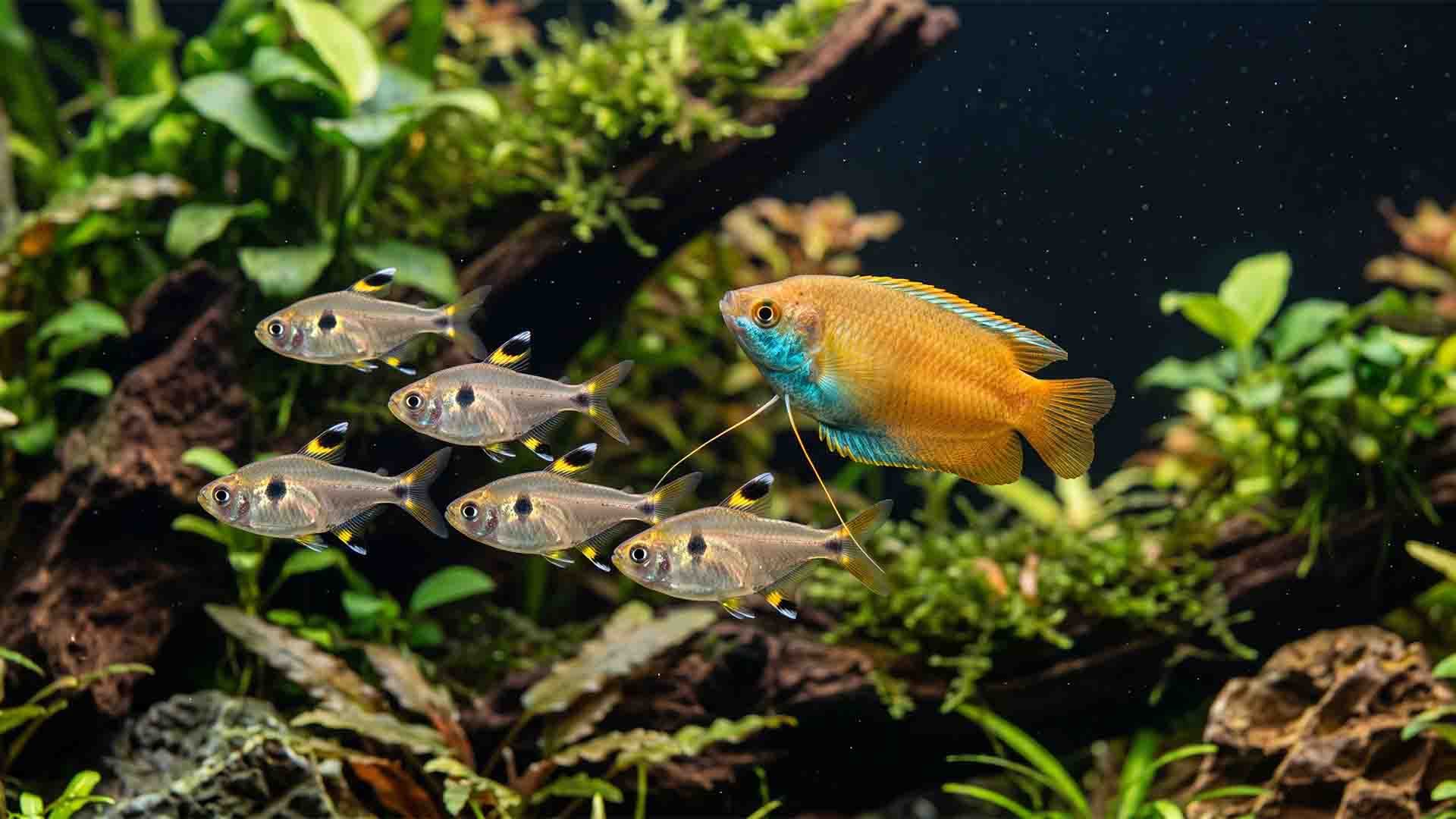
Swap 1: Centerpiece Architecture – Wild-Type Honey Gouramis Over Commercial Dwarf Gouramis
Ditch the pathogen-plagued Powder Blue and Neon Dwarf Gourami (Trichogaster lalius). Replace them with wild-type Honey Gouramis (Trichogaster chuna). Unlike commercial dwarf gouramis, Honey Gouramis possess natural evolutionary immunity to the lethal Dwarf Gourami Iridovirus (DGIV). They top out at a modest two to two-and-a-half inches, display radiant amber-gold coloration accented by vivid turquoise ventral markings in mature males, and interact with the environment using delicate tactile pelvic feelers. They never exhibit the territorial craniofacial aggression seen in Kissing Gouramis or the fin-shredding habits of large anabantoids, making them the ultimate safe centerpiece for planted community aquariums.
Swap 2: Benthic Utility – Bristlenose Plecos & Nerite Snails Over Common Plecos & CAEs
Never buy a Common Pleco or Chinese Algae Eater under the false promise of glass cleaning. Deploy an elite, non-destructive clean-up crew that respects your biofilter: a single captive-bred Bristlenose Pleco (Ancistrus sp.) paired with two to three Horned Nerite Snails (Clithon corona). Bristlenose plecos cap out at an easily manageable four to five inches, spend their entire lives consuming soft biofilms and diatoms, and require only a fraction of the biological filter surface area demanded by a 24-inch Common Pleco. Horned Nerite Snails cannot reproduce in freshwater, meaning they will never overrun your tank, and their specialized radula polishes diatom-covered glass without disturbing delicate rooted plants or shifting your aquascape substrate.
Swap 3: Schooling Geometry – Pristella & Cardinal Tetras Over Tiger Barbs & Mass-Bred Neons
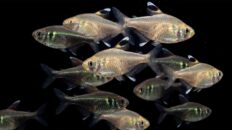
If you crave dynamic midwater movement, walk past the fin-nipping Tiger Barbs and fragile, inbred commercial Neon Tetras. Stock robust schools of Pristella Tetras (Pristella maxillaris, also known as X-Ray Tetras) or wild-sourced Cardinal Tetras (Paracheirodon axelrodi). Pristella Tetras are practically bulletproof: they possess broad osmotic thresholds, easily adapt to municipal tap water, display crisp yellow, black, and white dorsal accents with translucent bodies, and maintain tight schooling dynamics without directing predatory sparring toward long-finned tankmates. If you demand electric neon striping, Cardinal Tetras offer complete, uninterrupted red lateral pigmentation paired with significantly higher wild genetic diversity and natural resistance against microsporidian parasites.
Swap 4: Snail Control – Assassin Snails & Feeding Audits Over Clown Loaches & Pea Puffers
When pest bladder or ramshorn snails multiply across your plants, do not bring home a twelve-inch Clown Loach or an aggressive Pea Puffer. Pest snail population explosions are an environmental symptom of excessive organic input; they feed on uneaten fish food, dying plant foliage, and excess detritus. First, cut your daily feeding volume in half to eliminate their primary food source. Second, introduce two to three Assassin Snails (Clea helena). Assassin snails burrow quietly into the substrate, systematically hunting nuisance snails from below without nipping community fish fins, outgrowing small glass footprints, or requiring massive shoaling volumes. If you want an active, snail-eating bottom fish that stays small, select the peaceful Zebra Loach (Botia striata), which caps safely at three-and-a-half inches.
Swap 5: The 14-Day Biological Landing Discipline
Acquiring hardy species is only half the battle; how you land them inside your aquarium determines their long-term survival. Never float a store bag for fifteen minutes and dump retail transport water into your established display. Implement the FTM Biological Landing Protocol:
- Step 1: Dim the Canopy: Turn off high-output aquarium lights for the first twenty-four hours to suppress teleost optic nerve stimulation and drop circulating cortisol levels.
- Step 2: Drip Acclimate: Place new arrivals into a clean plastic bucket and use airline tubing fitted with a control valve to drip display tank water into the container over 30 to 45 minutes, allowing branchial gill cells to adapt gradually to home osmotic pressure.
- Step 3: Discard Store Water: Net the fish out of the acclimation container and release them into the display. Pour every drop of retail transport water down the household drain to intercept free-swimming parasites and viral sheddings.
- Step 4: Fast on Day One: Do not feed new fish on their first day. Their gastrointestinal enzymes are suppressed by transport stress; undigested food in a stressed gut ferments rapidly, leading to swim bladder impaction and sudden bacterial bloat. Begin feeding lightly on Day Two with pre-soaked, easily digestible rations.
For more details on avoiding commercial retail traps and identifying high-risk species before you stock your system, explore our breakdown of misleading pet store fish traps and audit your hardware budget against the hidden costs behind PetSmart starter aquarium setups.
Scientific Truths Behind Teleost Osmoregulation, Pathogens & Stress
When you strip away store merchandising and colorful marketing tags, an aquarium is a closed biochemical reactor governed by thermodynamics, microbiology, and cellular biology. Fish do not fail in home aquariums due to mystery curses; they fail because their evolutionary physiological limits are breached by corporate retail supply chains. To break the cycle of recurring casualties, you must understand the four immutable scientific mechanisms dictating teleost survival.
Truth 1: Branchial Ionocyte Exhaustion & Osmotic Collapse Under Mineral Disparity
Freshwater teleosts are continuous hyperosmotic regulators maintaining an internal blood plasma osmolality of approximately 300 mOsm/L against dilute external environments often measuring below 10 mOsm/L. This biological barrier is sustained across the fragile, semi-permeable secondary lamellae of the gills. Specialized mitochondrial-rich cells, known as ionocytes or chloride cells, utilize adenosine triphosphate (ATP) to drive sodium-potassium ATPase enzymatic pumps, actively pulling sodium and chloride ions out of dilute freshwater back into the bloodstream against massive concentration gradients. When commercially bred fish—farmed in hard, medicated, or brackish raceways—are dropped into soft domestic municipal tap water, the sudden osmotic gradient steepens exponentially. The fish is forced to divert up to thirty percent of its total metabolic energy strictly toward cellular osmoregulation. When cellular ATP is exhausted, osmoregulatory failure triggers systemic cellular lysis, respiratory suffocation, and sudden mortality in water where test kits read zero ammonia. Review the biophysical mechanisms of branchial ion regulation documented in Integrative and Comparative Biology.
Truth 2: Allometric Metabolic Scaling ($Mass \propto Length^3$) and Stoichiometric Biofilter Saturation
The single greatest biological deception perpetuated on retail shelves is evaluating fish bioload by linear inches rather than cubic wet mass. In teleost biology, growth is governed by allometric scaling kinetics: physical body mass expands as the cube of linear length. A two-inch juvenile Common Pleco or Iridescent Shark weighing 8 grams does not produce double the waste when it reaches four inches; its body volume and organic waste output increase eightfold, reaching approximately 64 grams. As that same specimen approaches twelve inches, its mass scales over two hundred times its juvenile baseline. This exponential expansion outpaces domestic filtration because autotrophic nitrifying bacteria (Nitrosomonas and Nitrospira) colonize media surfaces strictly in stoichiometric proportion to available surface area and dissolved oxygen. The massive biochemical oxygen demand (BOD) created by digesting predatory teleosts starves the biofilter of dissolved oxygen, collapsing nitrification kinetics and releasing toxic un-ionized ammonia into the system. Study the metabolic scaling laws of aquatic organisms in ScienceDirect environmental databases.
Truth 3: Megalocytivirus Pathogenesis & Incurable Endothelial Necrosis in Trichogaster lalius
The commercial Dwarf Gourami trade operates under an endemic veterinary crisis known as Dwarf Gourami Iridovirus (DGIV), a systemic pathogen belonging to the genus Megalocytivirus. This large, double-stranded DNA virus exhibits strict tropism for endothelial and hematopoietic tissues within the anterior kidney and spleen. Once acquired in commercial Southeast Asian holding farms, the virus remains latent while the fish is sustained in retail facilities under continuous ultraviolet water sterilization. When the animal experiences transport stress and enters an unsterilized home aquarium, viral replication initiates rapidly. The virus causes hypertrophy of vascular endothelial cells, obstructing capillary blood flow and causing total renal ischemia. As the kidney tubules necrotize, the fish loses the ability to excrete water, resulting in catastrophic abdominal fluid accumulation (ascites or dropsy), hemorrhaging at the fin bases, and scale protrusion. Because viral replication destroys internal organ architecture at the cellular level, zero pharmacological interventions or antibiotic treatments can halt the disease once clinical symptoms manifest. Examine the veterinary pathology of iridoviruses on the National Center for Biotechnology Information (NCBI).
Truth 4: Ontogenetic Trophic Inversion & Mucophagy in Gyrinocheilus aymonieri
The Chinese Algae Eater is commercially marketed as a lifetime herbivore, yet its digestive physiology is evolutionary wired for ontogenetic trophic shifting. In juvenile specimens under three inches, the intestinal tract is elongated and secretes high concentrations of endogenous cellulase and amylase enzymes to digest benthic epilithic biofilms and diatoms. However, as the fish surpasses eighty millimeters in total length, physiological maturation halts intestinal cellulase synthesis, dramatically shrinking its digestive tract and driving a metabolic demand for dense animal lipids and proteins. Concurrently, its modified suctorial disc—lined with specialized cornified labial papillae and rasping unculi—evolves into an abrasive attachment tool. Under nocturnal conditions when community tankmates enter quiescent metabolic torpor, the adult algae eater attaches to broad-bodied species, mechanically scraping away the protective dermal glycoprotein mucus barrier. This stripping exposes bare scales and dermis to ambient waterborne pathogens, triggering lethal osmotic shock and secondary Aeromonas ulcers in fish that were completely healthy the previous afternoon. Cross-reference the anatomical life-history metrics of this species on FishBase.
People Also Ask (PAA)
What is the number one worst fish to buy at PetSmart?
The Iridescent Shark (Pangasianodon hypophthalmus) is the single worst fish sold at PetSmart. Sold as a cute two-inch fingerling for under five dollars, it is an apex migratory river catfish from the Mekong basin that grows to four feet (130 cm) in length and weighs up to 95 pounds. It quickly outgrows virtually every home aquarium, smashes into glass panels at high velocity when startled, and generates enough metabolic waste to crash domestic biological filters within months.
Why do fish from PetSmart die in cycled tanks within days?
PetSmart fish often collapse in cycled tanks because of the sudden removal of retail life support. Commercial stores keep livestock in interconnected holding sumps running heavy ultraviolet (UV) sterilizers, automated water exchange, and preventative chemical treatments that artificially suppress ambient pathogens. When a stressed, cortisol-depleted fish is transferred from that sterile loop into an unsterilized home aquarium with active natural biofilms, latent pathogens like DGIV or osmotic shock destroy its exhausted immune defenses.
Can a Common Pleco live in a 10 or 20-gallon tank temporarily?
No. Keeping a juvenile Common Pleco in a 10 or 20-gallon aquarium causes severe biological damage from month one. Due to allometric growth scaling, a pleco’s body mass and waste output expand exponentially by length cubed. Within six months, its solid waste and dissolved ammonia output will overwhelm the biological capacity of a small filter, while physical confinement severely stunts its skeletal frame and compresses its visceral organs.
Why are Chinese Algae Eaters bad for community aquariums?
Chinese Algae Eaters undergo an ontogenetic dietary shift as they mature past three inches. They stop digesting algae and develop a predatory habit known as mucophagy. Under darkness, adult specimens latch onto broad-bodied, sleeping tankmates (such as Angelfish, Discus, and Goldfish) with their suctorial discs, stripping away the fish’s protective dermal mucus layer and leaving open necrotic ulcers that lead to fatal osmotic collapse.
How do you know if a Dwarf Gourami has iridovirus (DGIV)?
Clinical symptoms of Dwarf Gourami Iridovirus include sudden abdominal swelling (dropsy), pineconed scales standing out from the body, dark blotches or open bleeding sores along the dorsal flank, chronic lethargy, and complete loss of appetite. DGIV is an incurable systemic megalocytivirus contracted during overseas commercial breeding; infected fish typically die within two to four weeks of displaying symptoms.
Why do Tiger Barbs nip fins even when they are fed properly?
Fin-nipping in Tiger Barbs is an ethological social dominance behavior, not a predatory feeding response. In the wild, Tiger Barbs establish tight social hierarchies through constant conspecific sparring. When kept in small retail groups of three to six individuals, their internal sparring structure breaks down, redirecting their fast, aggressive nipping behavior outward toward long-finned tankmates like Bettas, Angelfish, and Guppies.
Do Bala Sharks really need an 8-foot aquarium?
Yes. Bala Sharks naturally grow to fourteen inches in length and are pelagic, open-water migratory sprinters that must be kept in schools of five or more. Confining them to four-foot or five-foot home aquariums deprives them of the linear runway required for their high-speed swimming kinetics. When startled by vibrations or shadows, their panic flight response causes them to collide violently with glass panels, fracturing their rostral bones and shattering equipment.
Frequently Asked Questions (FAQ)
Are PetSmart fish quarantined before being placed on the sales floor?
No. Commercial big-box retailers operate on high-volume, rapid-turnover logistics models. Livestock arrives in bulk from commercial trans-shipping facilities and is unpacked directly into the centralized sales display tanks within hours of delivery. Any pathogen suppression that occurs on-site is strictly the result of continuous industrial UV sterilization and centralized filtration loops, not an independent biological quarantine protocol.
What should I do if I already bought one of these 15 high-risk fish?
If you currently house one of these species, you must intervene before delayed failure occurs. For oversized megafauna like Iridescent Sharks, Common Plecos, or Bala Sharks, contact an independent local fish store, a specialized public aquarium, or a regional rescue network to surrender the specimen before physical stunting sets in. For territorial bullies like adult Chinese Algae Eaters or aggressive barbs, separate them into an isolated species-only aquarium or rehome them to prevent community casualties.
Why do major pet chains continue selling four-foot sharks and monster plecos?
Retail livestock catalogs are driven entirely by wholesale production costs and visual impulse sales. Juvenile Iridescent Sharks and Common Plecos are commercially mass-produced in overseas food-fish farms for pennies per unit. Their active swimming and tiny retail size trigger immediate customer purchases, while big-box chains rely on customer turnover rather than the long-term biological survival of individual animals in closed home ecosystems.
How do I acclimate store-bought fish without introducing store pathogens?
Never dump pet store transport water into your aquarium. Place the new arrivals in a clean plastic container and use a control valve on an airline tube to drip display tank water into the container over 30 to 45 minutes. Once the water volume has tripled and temperature and minerals match, gently net the fish into your quarantine tank or display, and pour every drop of commercial transport water down the household drain.
Which gourami species is completely safe from the Dwarf Gourami Iridovirus?
The authentic Honey Gourami (Trichogaster chuna) is completely immune to Dwarf Gourami Iridovirus (DGIV). Unlike the commercial varieties of Trichogaster lalius (Powder Blue, Flame, and Neon Dwarf Gouramis), Honey Gouramis belong to a distinct genetic lineage that does not contract or harbor DGIV. They remain peaceful, reach only two inches in length, and thrive in planted community tanks without territorial friction.
Hub & Spoke: Stabilize Your Entire Aquarium Ecosystem
Eliminating high-risk retail species is the single most effective way to protect your livestock investment, but true aquatic longevity requires looking at your aquarium as an interconnected biophysical machine. When you remove aggressive or high-bioload liabilities from your tank, you create an open ecological margin that allows your biofilter, plants, and water chemistry to stabilize without constant human intervention.
If your aquarium is currently suffering from unexplained casualties even though your chemical tests show zero ammonia and zero nitrite, your system may be struggling with invisible osmoregulatory shock or parameter swings. Diagnose the hidden physiological bottlenecks destroying your livestock by reading our full investigation into why fish die even when water tests read perfect.
If you added an aggressive bottom dweller or an oversized pleco that has saturated your substrate with solid organic waste, resist the urge to strip down the aquarium or wash your filter sponges under tap water. Aggressive cleaning simply annihilates the slow-growing autotrophic nitrifiers living on your filter media, causing catastrophic secondary blooms. Instead, follow our step-by-step restoration framework on how incorrect filter cleaning triggers deadly ammonia spikes.
Finally, if you are planning a clean-up crew that controls diatoms and nuisance green spot algae without attacking sleeping tankmates or overwhelming your biological media, examine our verified selection of the best freshwater algae eaters that really work to build an indestructible, self-regulating janitorial biome.
Scientific Literature Review
Every biological parameter, anatomical diagnostic, and physiological failure mechanism detailed across this investigation is grounded in peer-reviewed ichthyological literature, aquatic veterinary medicine, and environmental science:
1. Megalocytivirus Pathogenesis & Systemic Endothelial Necrosis: Peer-reviewed research investigating viral infections in ornamental aquaculture documents the epidemiology and tissue tropism of Dwarf Gourami Iridovirus (DGIV) within Trichogaster lalius. The data confirms high mortality rates, splenic necrosis, and complete absence of therapeutic cure in commercial breeding stocks. Read the study on PubMed.
2. Teleost Osmoregulation & Gill Ionocyte Bioenergetics: Comparative physiological evaluations detail how fluctuating ambient total dissolved solids (TDS) and mineral variances force freshwater teleost gill chloride cells into metabolic ATP exhaustion, compromising internal homeostasis and opening pathways for opportunistic bacterial infections. Read the study on Oxford Academic.
3. Allometric Scaling of Metabolic Waste and Biofilter Capacity: Environmental engineering criteria published by the U.S. Environmental Protection Agency establish the stoichiometric limits of autotrophic nitrification under rapid organic mass expansion in recirculating aquatic systems, proving why linear-inch rules cause biological filter collapse. Read the EPA Reference.
4. Ontogenetic Trophic Inversion in Gyrinocheilidae: Morphological and biological species records document the dietary shifts, labial papillae development, and cessation of cellulase synthesis in maturing Gyrinocheilus aymonieri, establishing the evolutionary drivers behind adult mucophagy. Explore the records on FishBase.
Watch Next: The FTM Ecosystem Chain (YouTube Traffic Bridge)
Transforming written biology into permanent living room stability requires seeing these behavioral triggers, growth kinetics, and hardware setups demonstrated in real tanks. Continue your aquatic education through the dedicated video masterclasses across our YouTube channel:
- WORST to BEST Ranked Aquarium Fish to Buy at PetSmart & Petco: Discover which common chain-store species actually possess the biological armor to survive home aquarium transitions and which ones are guaranteed failures. Watch on YouTube.
- 7 Pet Store Lies That CRASH New Fish Tanks: Expose the commercial retail sales scripts that push premature livestock purchases, undersized filters, and recurring replacement cycles. Watch on YouTube.
- Don’t Buy These Bottom Dwellers: Learn how to spot hidden substrate bullies, bioload monsters, and predatory slime-coat rasping species before they destroy your floor plan. Watch on YouTube.
- 10 Aquarium MONSTER Fish That DESTROY Tankmates: Uncover how juvenile masking hides massive adult sizes, structural equipment damage, and territorial massacres in home aquariums. Watch on YouTube.
- Fish Ranked Worst to Best (Full Video Playlist):** Dive deep into our complete evidence-based livestock ranking index to build a zero-conflict, low-maintenance aquatic masterpiece. Explore the Full Series on YouTube.
Aquariums do not fail from a lack of care; they fail when retail marketing takes the place of authentic aquatic biology. When you stop shopping by colorful labels and start designing your ecosystem around the adult anatomy, metabolic momentum, and social geometry of your fish, your tank stays peaceful, the water stays crystalline, and you can finally sit back and enjoy a thriving community that runs itself. Until next time, keep your systems balanced, your filters patient, and your curiosity flowing.