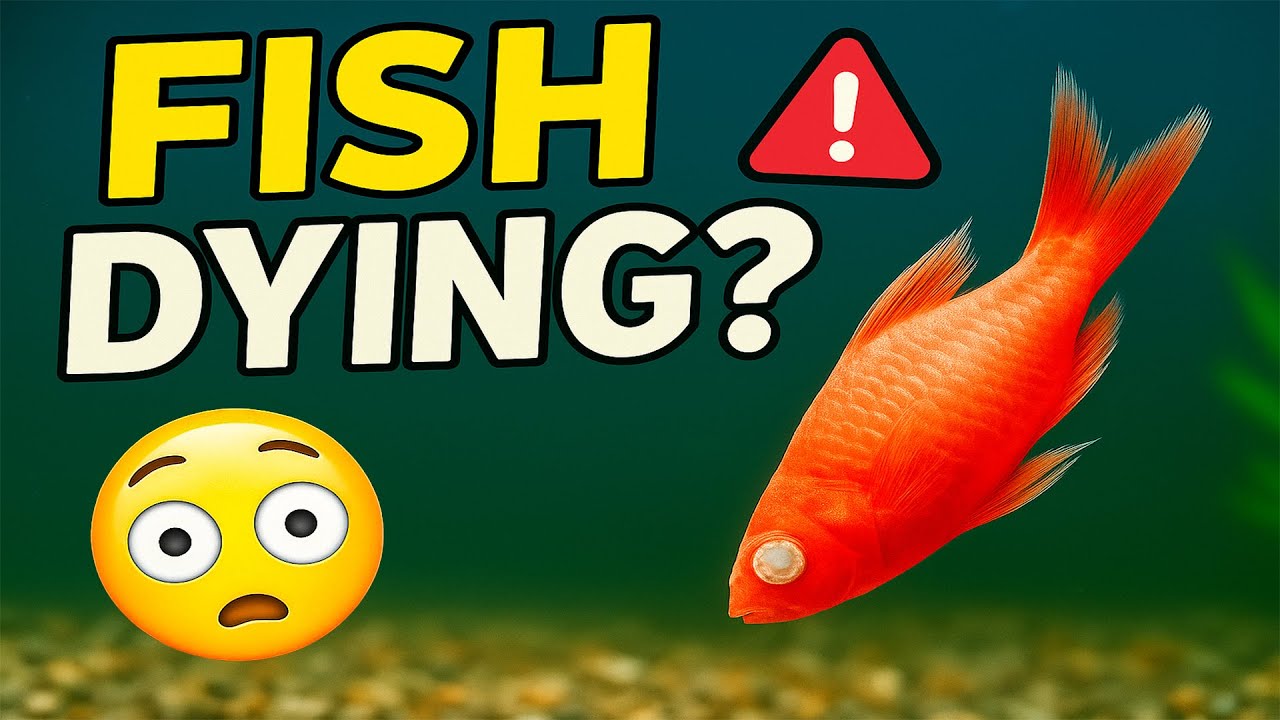

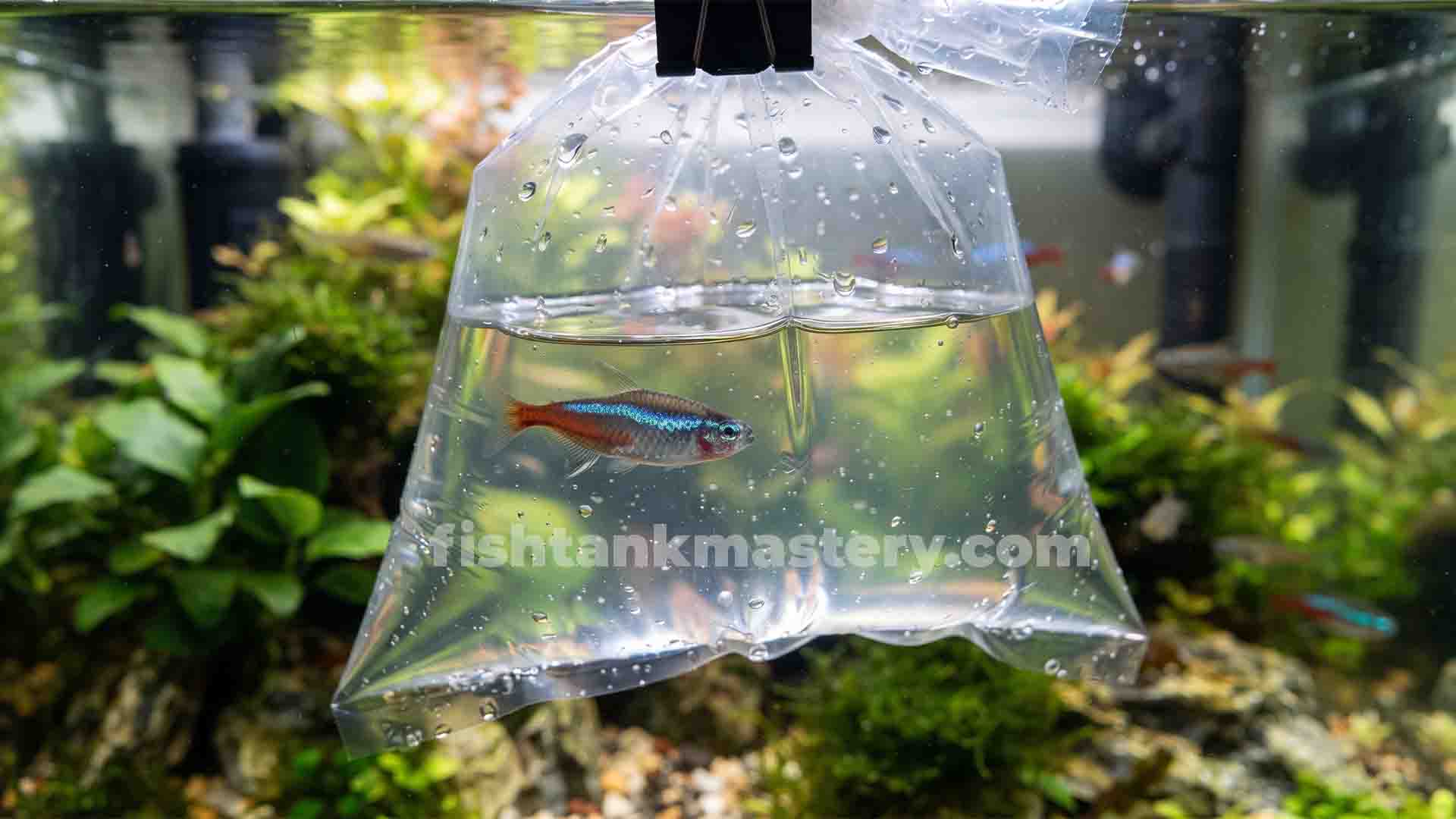
Planning to buy the best and worst schooling fish at PetSmart or PetCo? If your water parameters are perfect but your new fish keep dying, you need to understand Transition Shock. You do everything right. You bring the plastic bag home, you float it in the tank for twenty minutes to match the temperature, and you carefully drip acclimate them for an hour. You release them into the tank, and for the first forty-eight hours, they school tightly together. You exhale. It looks like a complete success.
But three days later, the school is completely broken. Two are missing. One is hiding behind the filter. And the rest are slowly losing their color, fading away right in front of you. Welcome to the invisible reality of the freshwater aquarium hobby. Today, we aren’t talking about which fish is the prettiest. We are talking about survival, delayed biological collapse, and the objective truth about why your new fish are failing. And let me be very clear right up front: we have zero sponsors. We just give you the objective biological truth.
The “Parameters Are Fine” Illusion
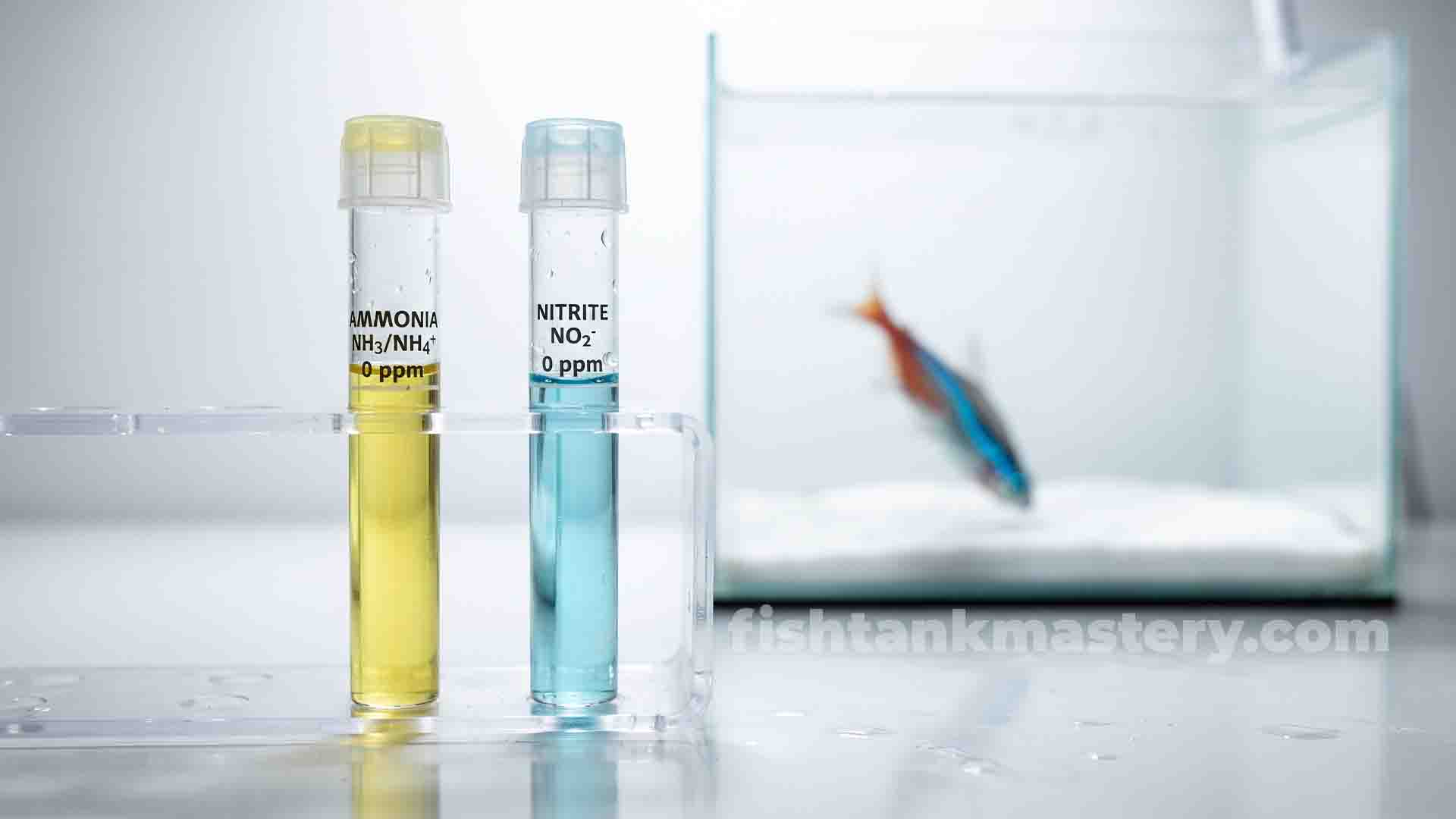
If you go on any aquarium forum right now, like Reddit, you will see the exact same post published every single day. Someone writes: “My water parameters are perfect… why are my schooling fish dying?” They post their API master test kit results. Zero ammonia. Zero nitrite. Perfect pH. Yet, the fish are dropping one by one. This creates immense guilt. You feel like a failure, assuming you missed a crucial step in the setup process.
Here is the part most beginners completely miss: That tight schooling behavior you see on day one is usually just a fear response. And that careful drip acclimation process you spent an hour on? It only matches the water chemistry. It completely ignores the biological shock. Fish do not just require the right temperature; they require biological momentum.
If you have watched our previous guides, you already know that big chain pet stores rely on massive, centralized filtration systems. They blast the water with UV sterilizers and run oversized industrial pumps to keep the water artificially pristine. That creates an invisible safety net. The second you pull a fish out of that net and drop it into a standard home aquarium, that net vanishes. Today, we are looking at exactly what happens to the biology of a schooling fish the second that net disappears.
The Transition Crash Timeline (Store vs. Home)
To fully understand this delayed failure, we need to look at the timeline of a biological crash. This is why you think everything is fine on day one, only to face disaster on day four. Tanks rarely collapse suddenly; they drift quietly during a false stability phase.
| Timeline | The Store Illusion (Centralized System) | The Home Reality (Transition Shock) |
|---|---|---|
| 0-12 Hours | Massive UV sterilizers suppress all external bacteria. Fish appear clean, active, and vibrant. | Fish school tightly in your tank. The owner assumes this means they are happy and bonded. It is actually a severe trauma and fear response. |
| 24-48 Hours | Constant dilution via auto-water changes masks the severe overstocking in the retail vats. | Osmotic pressure shifts begin to take a toll. Fish like Rummy Nose Tetras lose their signature color. GloFish begin burning through their final cellular energy reserves. |
| 72 Hours | Cheap, lightweight flake food keeps their digestive tracts empty and highly competitive. | Dietary momentum causes aggressive eaters like Tiger Barbs to gorge on heavy pellets. Swim bladders fail. Sensory shock causes Giant Danios to crash into the glass overnight. |
| 1 Week | The safety net resets daily, keeping the illusion alive for the next customer. | The “Parameters Are Fine” illusion shatters. Fish drop off one by one due to biological exhaustion, not ammonia poisoning. You blame yourself for a structural failure. |
The Avoid List: The 4 Worst Aquarium Fish for Transition
Let’s start with the four worst translators. The ones that crash the hardest when they hit your tank. These are not inherently bad species, but they are the absolute most vulnerable to the removal of the retail safety net.
Worst Number 4: GloFish Tetras (Genetic Exhaustion)
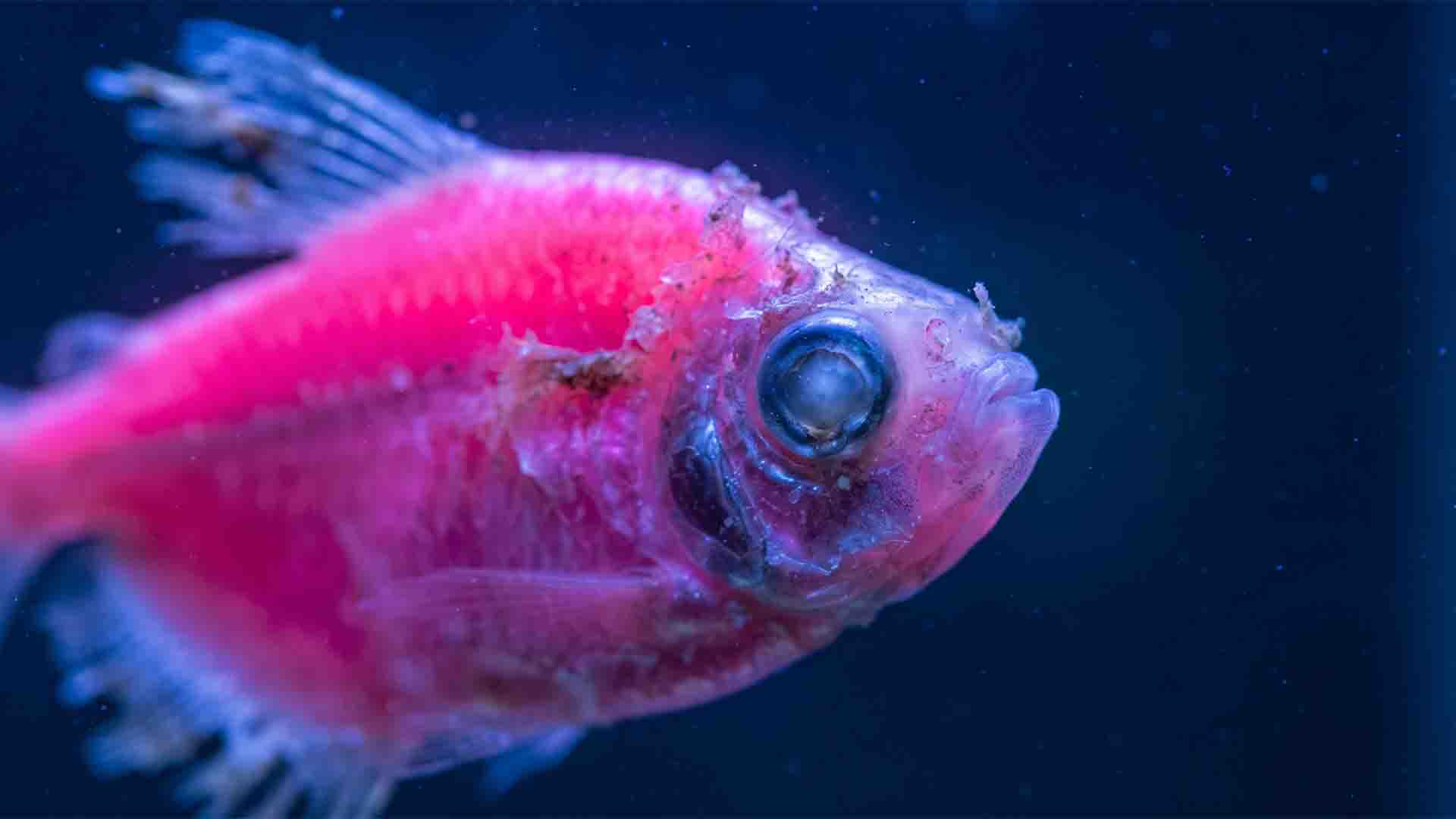
Number four is the GloFish Tetra, or the genetically modified Black Skirt Tetra. These are the absolute biggest impulse buys in the hobby. People grab them because the neon colors look incredible under blue LED lights. But those artificial colors come with a hidden biological tax: Genetic exhaustion.
These fish are mass-produced strictly for their glowing pigment, not for their immune response. In the store’s UV-blasted, highly sterile water, they look perfectly fine. But your home tank relies on natural, living bacteria to function. When these tetras hit your unsterilized water, their artificial immunity collapses. They don’t adapt. They just slowly waste away, refusing to eat, while you sit there wondering what you did wrong.
If you have ever bought a GloFish thinking it would be a fun, easy starter fish only to watch it fade away in a week, you fell into an exact retail trap. You didn’t fail the fish; the fish was biologically engineered to fail outside of a sterile laboratory environment.
Worst Number 3: Giant Danio (Sensory Shock)
If the GloFish fails at the microbial level, number three fails at the physical level. The Giant Danio. We aren’t talking about water parameters here. We are talking about sensory shock. Giant Danios are open-water sprinters. In a massive pet store vat, they have room to move, accelerate, and dart without consequence.
When you drop them into a standard twenty or thirty-gallon home tank, they completely lose their spatial awareness. The first night your tank lights turn off, they panic. They sprint blindly in the dark, physically crashing into the glass, damaging their snouts, or jumping out of the smallest gaps in your lid. The physical trauma of a confined space destroys them before the biology even has a chance to catch up. They do not just need clean water; they need lateral swimming distance that beginner aquariums simply cannot provide.
Worst Number 2: Tiger Barb (Dietary Momentum)
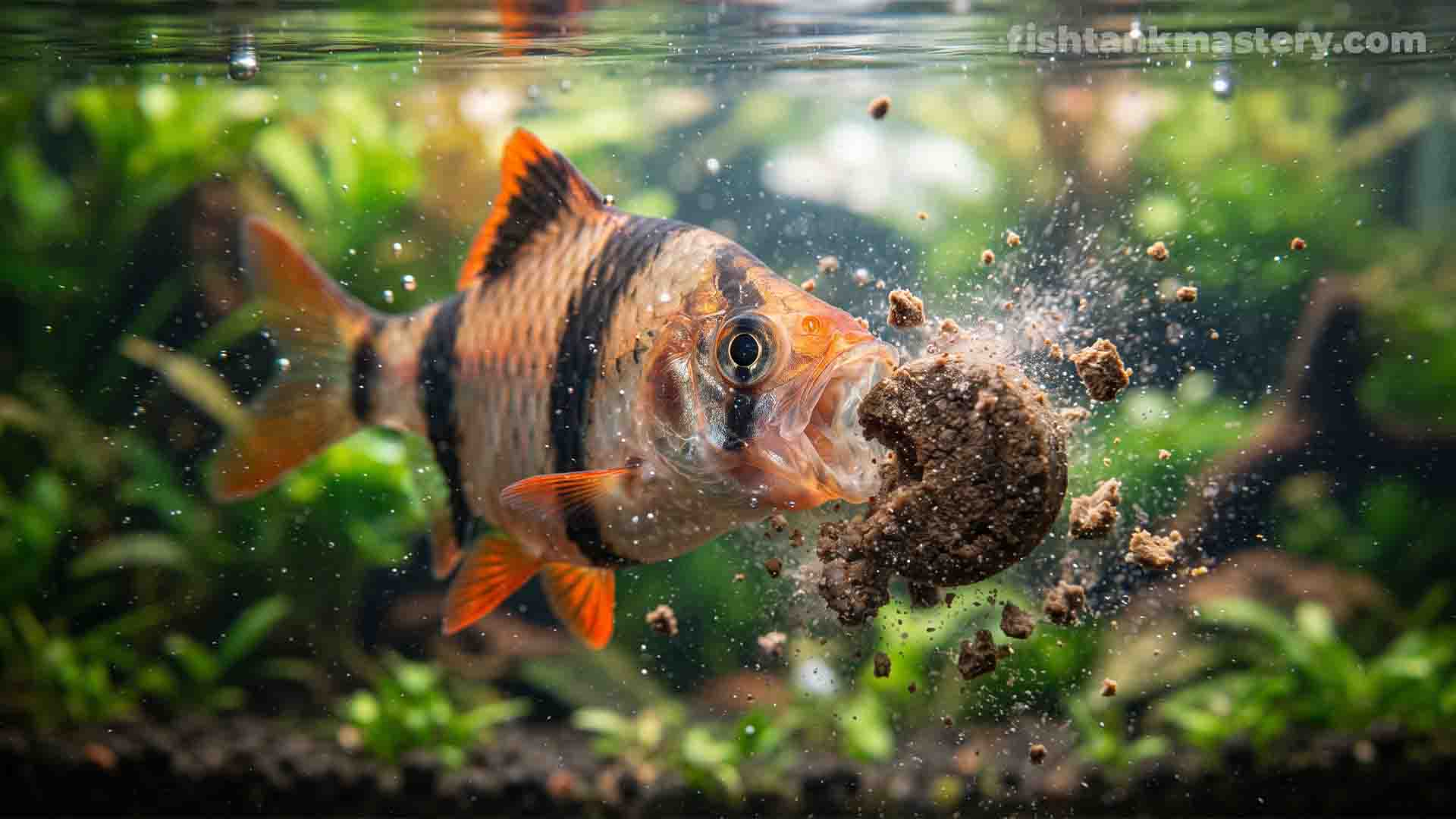
Moving from physical shock to internal shock, we have number two: The Tiger Barb. Most channels warn you about their fin-nipping behavior. In small groups, tiger barbs don’t feel safe, and that stress turns into fin nipping. But the real reason they fail beginners during the transition is dietary momentum. In the pet store, they are trapped in a frantic survival mode, fiercely competing for whatever cheap, lightweight flakes hit the surface.
You bring them home, and because you want to treat them well, you drop in heavy, nutrient-dense sinking pellets or frozen bloodworms. Because they are still running on that highly aggressive, competitive instinct, they gorge themselves on the rich food. Within hours, they suffer severe internal bloat, lose their swim bladder control, and end up floating upside down. The transition completely breaks their digestion before they ever settle down into a normal rhythm.
Worst Number 1: Rummy Nose Tetra (Osmotic Crash)
Which brings us to the number one worst transition fish: The Rummy Nose Tetra. If precision had fins, it’d look like a Rummy Nose Tetra. These are stunning fish, but they are the ultimate victims of osmotic crash. Rummy Nose Tetras strictly demand mature, aged water with established stability and a rich microbial ecosystem. The retail store forces them to survive through brute-force water changes and massive dilution.
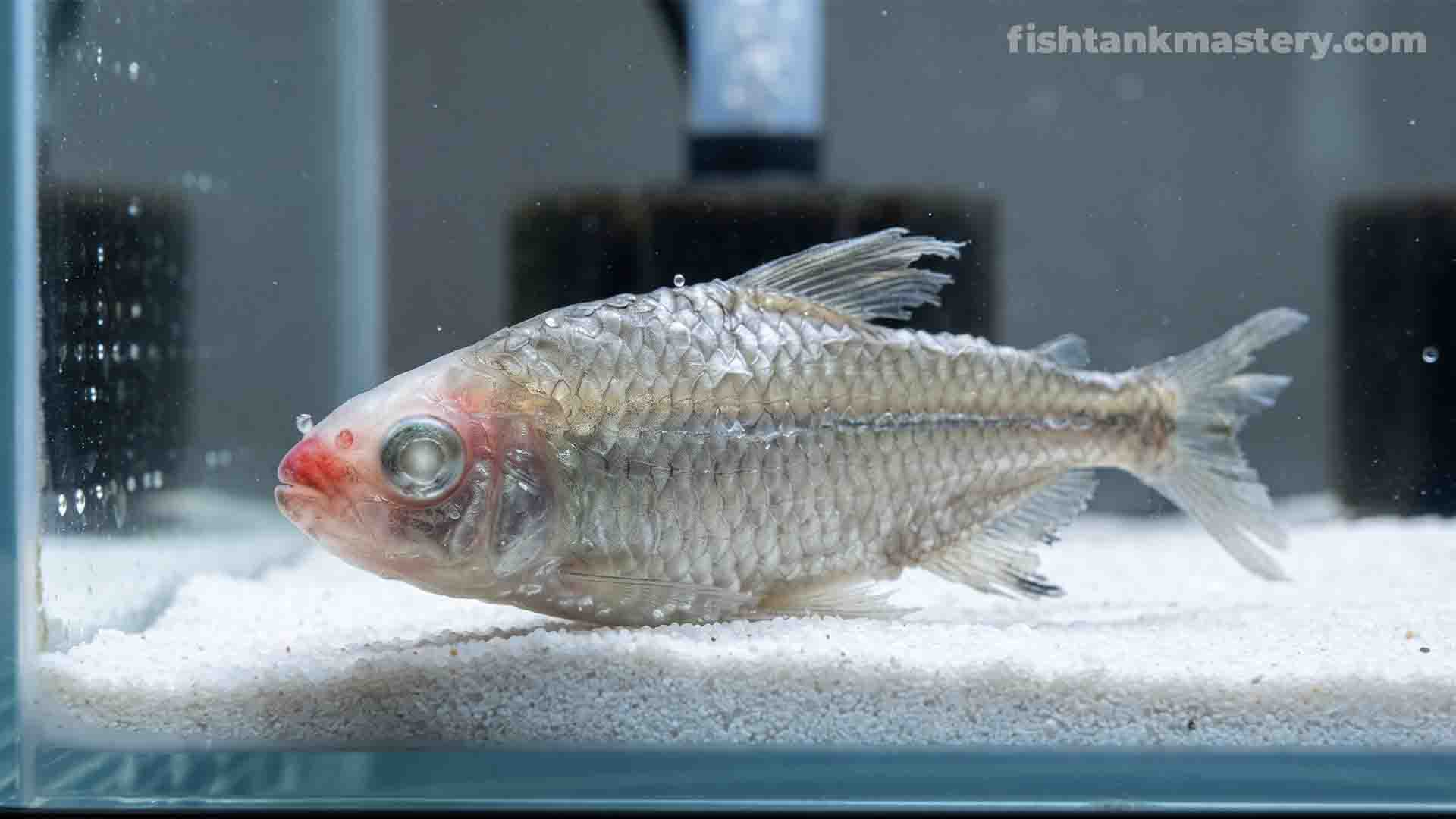
Dropping them into a tap-water home tank that is only two months old is like pulling them out of a rainforest and dropping them into a desert. The dissolved solids, mineral pressures, and lack of mature humic substances are just too completely different. Their signature red noses turn pale white instantly, their bodies go rigid, and they drop off one by one. You didn’t poison them. You didn’t fail to cycle your tank. You just gave them osmotic whiplash. That red nose is a built-in water quality alarm—if it fades, your tank’s out of balance.
The Biological Landing: Why Fish Really Die
Before we move on to the fish that actually survive, let’s pause and look at the pattern here. Genetic exhaustion. Sensory shock. Dietary momentum. Osmotic crash. Notice how absolutely none of those have anything to do with your ammonia or nitrate levels?
That is the exact trap most beginners fall into. You aren’t doing anything wrong to the water. You are just buying fish that cannot handle the biological landing. Listen to me carefully: If half your school dropped off one by one in the first week, it was not your fault. You didn’t do anything crazy. The invisible safety net simply disappeared, and the fish didn’t know how to catch itself. Choosing the right fish means finding the ones that actually survive the landing because they bring their own biological resilience.
Do This Instead: The 4 Best Schooling Fish for Beginners
You don’t have to give up on having a beautiful school. You just need fish that don’t rely on the pet store’s safety net because they bring their own. Let’s look at the absolute best options for a new aquarium.
Best Number 4: White Cloud Mountain Minnow (Low-Gear)
Number four is the White Cloud Mountain Minnow. During the first few weeks of setting up a new tank, you are going to make mistakes. You will probably experience slight temperature swings while you figure out your heater placement. A two-degree drop overnight can completely paralyze a tropical tetra’s metabolism, leaving them vulnerable to pathogens.
The White Cloud is biologically armored against this. They shrug off cold drafts and temperature dips like they don’t even exist. They are the ultimate low-gear survivors. They absorb your beginner mistakes without punishing you for them. If your heater fails, they keep swimming. If you miss a water change, they keep eating.
Best Number 3: Cherry Barb (Smart Transition)
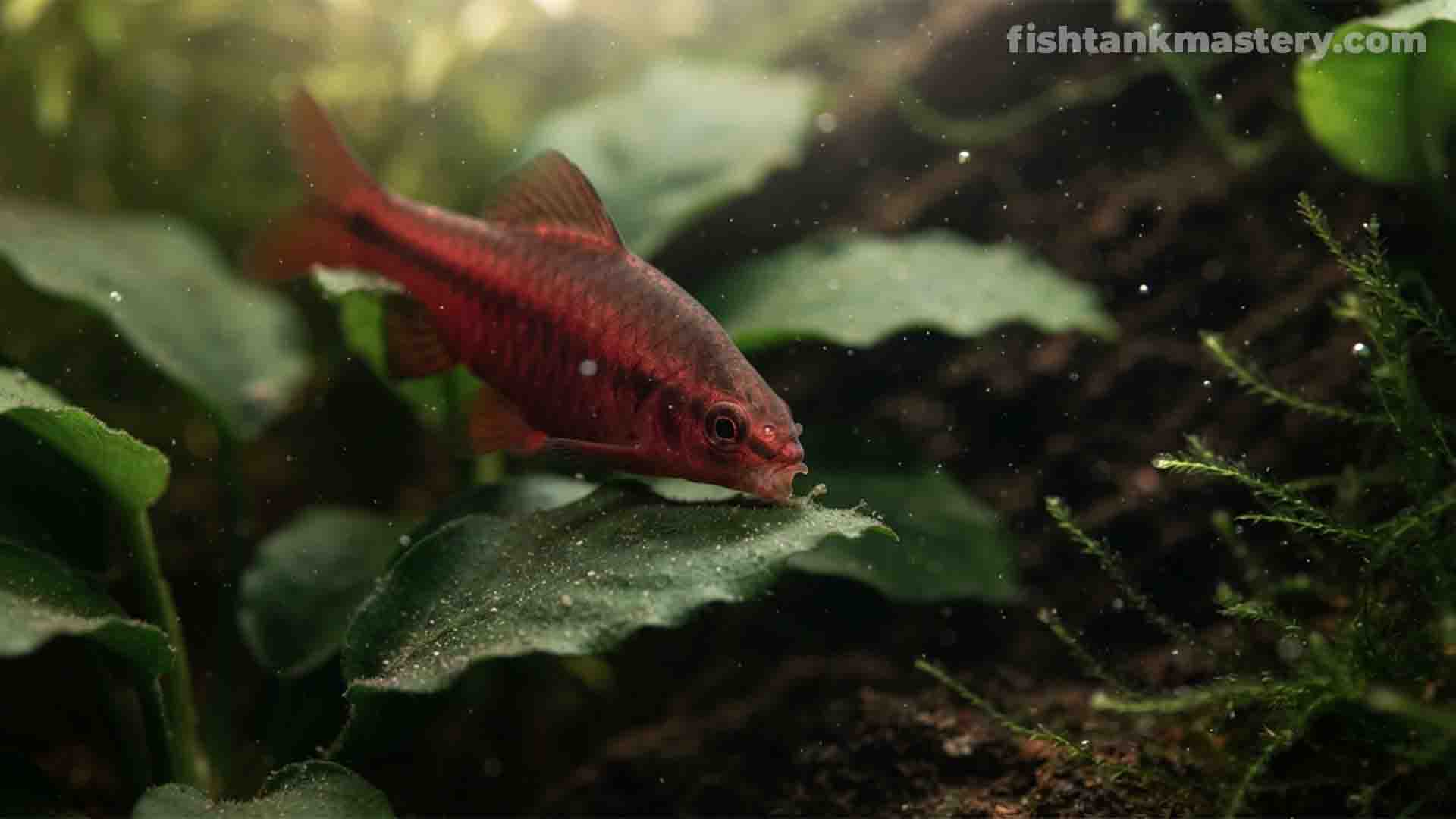
While the open water sprinters panic, number three plays it incredibly smart: The Cherry Barb. Meet “The Calm Flame”. When you dump them into a new environment, they don’t frantically pace the glass looking for an exit. They dive straight into the lower half of your tank. They hide among the plant leaves and immediately start grazing on microscopic biofilm.
This is brilliant biological behavior. They actively feed while they adapt, which keeps their immune system running perfectly while they quietly learn the layout of your new ecosystem. They don’t waste energy being afraid; they use their energy to build localized immunity through grazing. Cherry Barbs or Harlequin Rasboras are perfect.
Best Number 2: Harlequin Rasbora (The Downshifter)
If you want a fish that completely masters the middle of the water column, you want number two: The Harlequin Rasbora. These are the golden retrievers of the fish world—friendly, loyal, and never start drama. Moving from the chaotic, highly stressful environment of a retail display into your quiet living room tank usually causes severe shock for most species.
But Harlequin Rasboras actually do the exact opposite. They downshift. They relax. Their colors deepen from a pale orange to a rich, metallic copper within days because they instantly recognize they are finally out of the industrial machine. They do not demand mature, aged water like the Rummy Nose Tetra. They reward your stable, quiet tank with absolute peace and synchronized movement.
Best Number 1: Zebra Danio (The Unbreakable Engine)
But the absolute best schooling fish to survive the pet store transition is number one: The Zebra Danio. This fish is the unbreakable engine. They do not need a massive centralized filter to hold their hand. If your young bacterial colony takes an extra week to catch up to the new bioload, they wait it out without succumbing to immediate stress.
If the filter current is a little too strong while you adjust your spray bar, they swim right through it like an aerodynamic torpedo. Stability beats speed, and the Zebra Danio gives you the one thing you need most when setting up a new tank: Time. Time to learn the system without staring at a casualty list. They are the ultimate confidence-builders in the freshwater hobby.
The Science of Transition Crash: Osmoregulation
To truly master your aquarium, you must look beyond the water test kits and understand the physiological systems operating inside your fish. Transition shock is a measurable biological event.
Fish constantly regulate the flow of water and minerals across their cell membranes. When a fish like the Rummy Nose Tetra is moved from a highly diluted pet store system into a home aquarium with a different mineral profile, their osmoregulatory system experiences sudden, intense pressure. This requires massive cellular ATP (energy) to correct. If the fish is already stressed from transport, it lacks the energy to maintain homeostasis, leading to sudden osmotic collapse. Read the study on Osmoregulation.
Fix the Whole System (Hub Integration)
Understanding transition shock is only the first step in building an unbreakable ecosystem. The mistakes we make during the fish selection phase are often mirrored in how we treat the rest of the tank’s inhabitants. For example, just as beginners buy fragile schooling fish expecting them to survive anything, they often buy utility fish for the wrong reasons. If you are struggling with algae and thinking about adding a bottom-feeder to “fix” the problem, you are setting up another biological collapse. You must understand the truth about why you should Stop Buying Cleanup Crew Fish before you add more bioload to an unstable system. Algae eaters respond to balance; they do not create it.
Because algae eaters respond to balance; they do not create it. If you are struggling with algae and thinking about adding a pleco to “fix” the problem, you are setting up another biological collapse. You must understand the truth about why you should Stop Buying Cleanup Crew Fish: The Truth About Algae Eater Fish before you add more bioload to an unstable system.
Furthermore, the mistakes we make during the fish selection phase are often mirrored in how we treat the rest of the tank’s biological foundation. Many beginners see their new fish struggling and immediately assume the filter is dirty. They pull out the media, scrub it clean, and unknowingly wipe out the biofilm that was just starting to mature. This triggers a delayed ammonia spike that finishes off the surviving fish. If you want to break this cycle, you have to read our guide explaining why you must STOP Cleaning Your Filter Like This. Most tanks aren’t ruined by the wrong fish; they are ruined by the wrong cleaning response.
Finally, stop chasing perfect water numbers while ignoring fish behavior. Perfect parameters can give you a false sense of security while a biological crash is actively happening. Numbers describe water, but systems raise fish. To understand why your API test kit isn’t telling you the whole truth, watch our breakdown on why Water Tests are Lying to You: Why Your Fish are Still Dying (Even with Perfect Water). Stability is survival.
Watch the video first to see these exact biological transitions in real tanks before we break down the science behind the collapse below.
Scientific Truths Behind Transition Shock
To truly master your aquarium, you must look beyond the water test kits and understand the physiological systems operating inside your fish. Transition shock is not a myth; it is a measurable biological event governed by energy and genetics.
Genomic Instability in Modified Species: Genetically modified fish, such as GloFish, carry inserted fluorescent protein genes. While visually striking, the continuous expression of these artificial proteins requires immense metabolic energy. This energy would normally be allocated to the fish’s immune system defense and stress response mechanisms. Studies in transgenic aquatic species often show a significantly reduced tolerance to environmental fluctuations because their biological energy is constantly diverted to protein expression. When the sterile, UV-blasted safety net of the pet store is removed, their compromised immunity simply cannot fight off natural, ambient pathogens in a home aquarium. Read the study on Genomic Instability.
The Microbial Defense of Biofilm Grazing: When smart adapters like Cherry Barbs graze on biofilm upon entering a new tank, they are doing more than just looking for a meal. Biofilm is a complex matrix of bacteria, microalgae, and protozoa. By ingesting this, the fish naturally populates its gut microbiome with the local microbial signature of your specific tank. A robust, locally adapted gut microbiome is directly linked to an enhanced immune response, allowing the fish to adapt to the new environment’s specific bacterial load safely and naturally. The fish is literally eating its way to immunity. Read the study on Microbial Biofilms and Gut Health.
People Also Ask (PAA)
- Why do my new fish keep dying even though my water is fine?
Water tests only measure chemical toxins like ammonia and nitrite. They do not measure osmotic pressure, sensory shock, genetic exhaustion, or sudden shifts in microbial environments. Your fish are likely dying from Transition Shock when the pet store’s biological safety net is removed. - How long does transition shock last in aquarium fish?
The most critical window is the first 48 to 72 hours. However, delayed biological collapse from internal stress (like digestive failure in Tiger Barbs) can take up to two weeks to finally show fatal symptoms. - Why did my GloFish die after 3 days?
GloFish are mass-produced for pigment expression, which metabolically taxes their immune system. When moved from a highly sterile, UV-treated pet store tank to a natural home aquarium, their artificial immunity often collapses under the new bacterial load. - What is the hardiest schooling fish for a new aquarium?
The Zebra Danio is widely considered the most resilient schooling fish. They possess an incredible tolerance for temperature fluctuations, varying water parameters, and the initial biological instability of newly set up aquariums. - Are Rummy Nose Tetras hard to keep alive?
They are not hard to keep if the tank is mature. However, they are extremely difficult for beginners with new tanks because they are highly susceptible to osmotic crash and require water that has been biologically stable for several months.
Frequently Asked Questions (FAQ)
Does drip acclimation prevent transition shock?
Drip acclimation is excellent for slowly matching pH, hardness, and temperature. However, it cannot prevent biological or sensory shock. No amount of dripping will prepare a genetically exhausted fish for a new microbial environment, nor will it prepare a Giant Danio for the physical confinement of a small tank.
Can I use water conditioners to stop fish from dying?
Water conditioners neutralize chlorine and heavy metals, making tap water safe for aquatic life. They are mandatory for tap water use. But they are not medicine. A water conditioner cannot reverse the internal organ damage of a Tiger Barb that has gorged on rich pellets, nor can it stop the spatial panic of a fish unsuited for your tank size.
Should I add all my schooling fish at once?
You should add the entire school at once to prevent territory disputes and establish a proper group hierarchy immediately. Adding them one by one creates constant stress for the lone individuals. However, you must ensure your biological filtration is robust enough to handle the sudden increase in waste. Using hardy fish like White Clouds or Zebra Danios makes this mass-addition much safer.
Why do my schooling fish hide behind the filter?
Hiding behind equipment is a universal sign of stress. They are seeking a break in the sightline because they feel exposed. This often happens if the tank lacks dense planting, if the lighting is too harsh, or if the fish is experiencing sensory shock from a sudden change in environment.
Is it normal for new fish to lose their color?
Slight color fading is normal during the first few hours of transport due to adrenaline and stress. However, if the color does not return within 24 hours, or if signature markers (like the red nose on a Rummy Nose Tetra) turn pale white and stay that way, the fish is experiencing severe, life-threatening osmotic shock.
Watch Next: Fix Your System
If this biological breakdown helped you see your tank differently, you need to understand how the rest of your system operates. Watch these guides to stop fighting your aquarium and start working with it:
- 5 Signs Your Tank is About to Collapse (Don’t Ignore These) – Learn how to spot delayed failure weeks before the water tests actually show a problem.
- Water Tests are Lying to You: Why Your Fish are Still Dying (Even with Perfect Water) – Why perfect parameters are giving you a false sense of security while a crash builds quietly.
- Why Your “Safe” Fish Just Turned Into Killers – Understand how environmental pressure turns peaceful community fish into aggressive bullies.