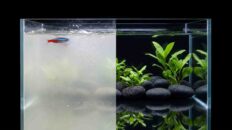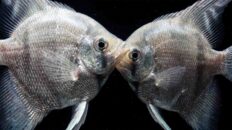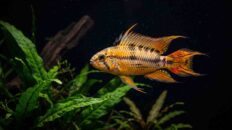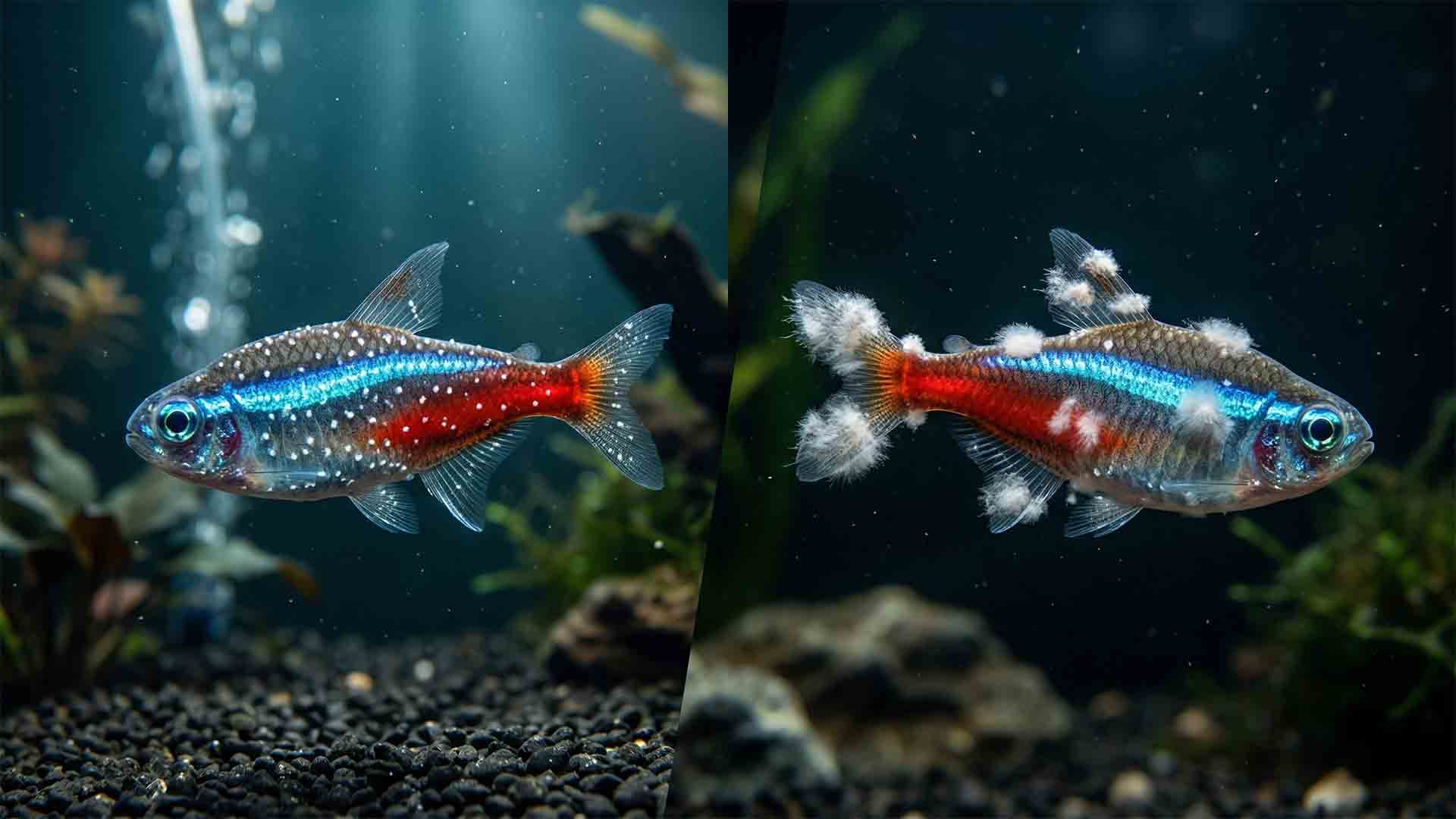

Looking for the most underrated freshwater fish that will not crash overnight? Stop wasting money on fragile retail traps bred for showroom paint instead of biological armor. If your community fish tank has turned into an underwater hospital for delicate impulse buys despite having perfect water parameters, you are facing a system failure, not a maintenance issue. Most fish stores push mass-bred, genetically exhausted species that melt within 72 hours. This guide exposes the retail ornamental fish industry’s biggest lie and breaks down the most resilient, peaceful freshwater fish that bring bulletproof biology to your home aquarium.
Showroom paint fades in 72 hours; evolutionary armor keeps community systems alive for years.
The Retail Showroom Trap: Why Commercial “Beginner Fish” Melt in 72 Hours
There is a devastating myth in the aquarium hobby that if your liquid test kits read zero ammonia and zero nitrites, any new fish should perfectly survive the transition to your tank. When a beginner looks for the best peaceful community fish, they are immediately directed to the brightest, flashiest tanks in the pet store. They buy a school of neon tetras or a pair of dwarf gouramis, acclimate them, and within three days, the fish are covered in white spots, gasping at the surface, or dead on the substrate.
You did not fail the fish. You were sold a biological ticking time bomb. The ornamental fish industry profits by selling you visual aesthetics, completely ignoring the internal physiological collapse happening beneath the scales.
The Centralized UV Shield vs. The Unsterilized Home Biome
Walk into any major retail pet store and look past the display tanks. Behind the scenes, these systems run on massive, industrial centralized sumps equipped with heavy UV sterilizers and intense chemical filtration. This setup creates an artificial biological fortress. The UV sterilizers continuously blast the water column, suppressing parasites, bacterial blooms, and fungal spores. The fish inside these tanks look perfectly healthy because the technology is artificially propping up their exhausted immune systems.
When you net those fish, bag them, and drop them into your home aquarium, that industrial safety net vanishes. Your home tank is a natural, unsterilized ecosystem relying on organic biofilm and slow-growing beneficial bacteria. The physical stress of transport triggers a massive cortisol (stress hormone) spike in the fish, which immediately suppresses their mucosal immune barrier. Without the store’s UV shield, dormant pathogens present in every home aquarium—like Ichthyophthirius or Columnaris—instantly overwhelm the compromised fish. This is the transition shock that kills “easy beginner fish” within 72 hours.
Mass Inbreeding Depression and Cellular Fragility
To keep up with global demand, popular species like neon tetras, guppies, and dwarf gouramis are mass-produced in commercial breeding farms. Decades of breeding strictly for fluorescent colors and high output have severely narrowed their genetic pool. This causes inbreeding depression—a state where the fish completely loses its natural evolutionary armor. Their kidneys cannot handle slight pH shifts, their osmoregulatory systems collapse under minor mineral changes, and they carry systemic viral infections straight from the breeding vats.
If you want to build a tank that actually thrives, you have to stop buying genetic liabilities. You need fish that possess robust evolutionary morphology, high osmoregulatory tolerance, and natural pathogen resistance. You need biological armor.
6 Underrated Freshwater Fish With Bulletproof Biological Armor
The best community fish are often the ones sitting completely ignored on the bottom shelves of the pet store. Their juvenile retail colors do not scream under bright fluorescent shop lights, which means beginners walk right past them. But once placed in a stable, planted home aquarium, these species develop stunning natural coloration and offer decades of combined survival data. Here are the true survivors of the freshwater hobby.
#6 Pristella Tetra (Pristella maxillaris) – The Osmoregulatory Tank
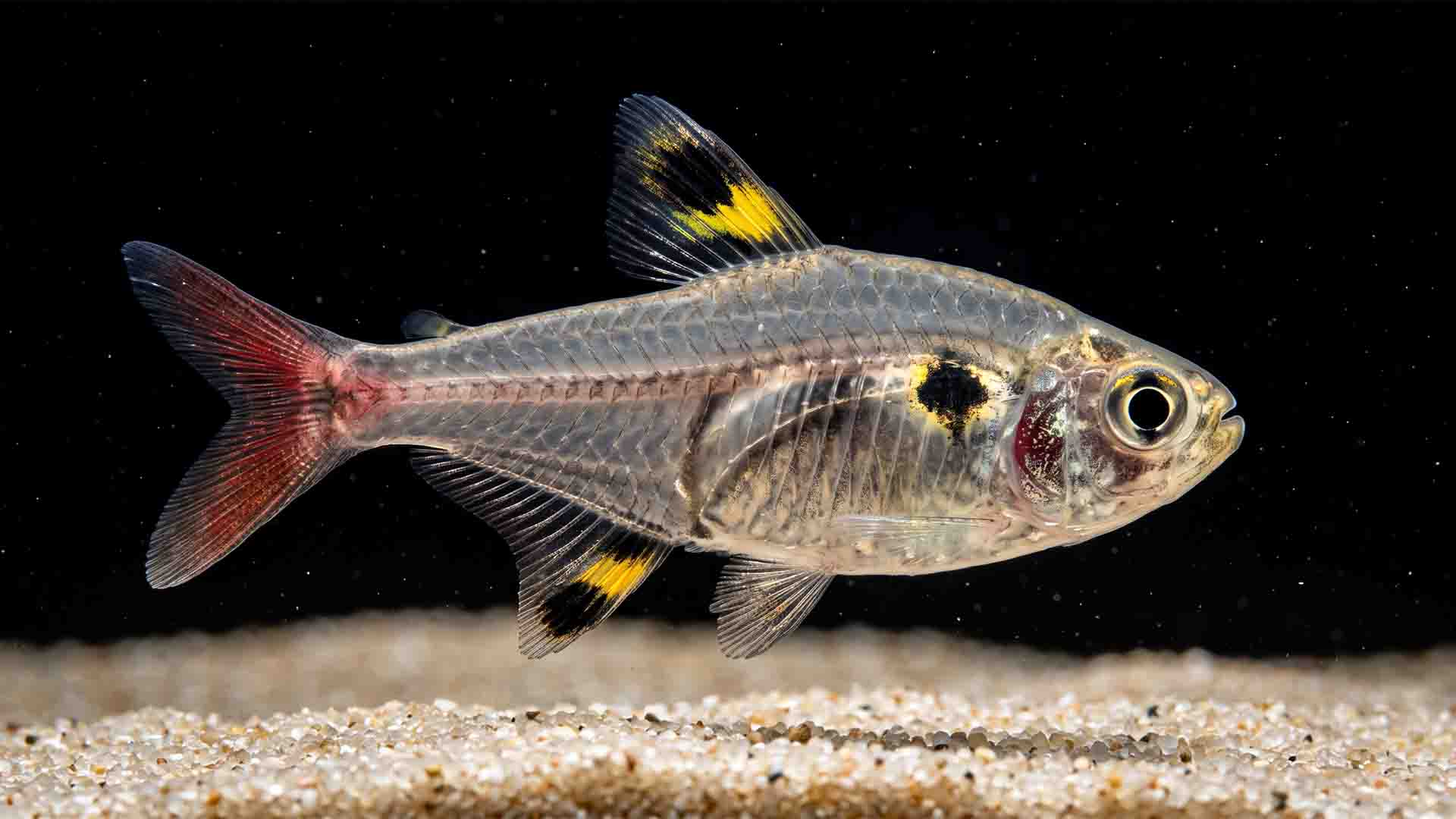
The translucent body of the Pristella tetra reveals the internal osmoregulatory engine that effortlessly handles severe mineral and pH drift.
Biological Armor Snapshot: Adult Size: 1.75 inches | Min Tank: 10 Gallons (School of 8+) | Water Parameters: pH 5.8–8.2, Temp 72°F–82°F, TDS 50–500 ppm | Ecological Layer: Midwater Schooler | Primary Resilience: Coastal estuarine ionocytes with high-volume branchial ATP pumps.
Also known as the X-Ray Tetra, the Pristella Tetra is arguably the most biologically resilient schooling fish available in the trade today. While beginners flock to neon tetras and watch them die from minor Total Dissolved Solids (TDS) fluctuations, the Pristella handles erratic tap water parameters like an absolute tank.
Their secret lies in extreme osmoregulation. In the wild, Pristella maxillaris inhabits coastal river basins in South America where freshwater mixes with brackish tidal surges during the dry season. To survive these violent environmental shifts, their internal cellular ion-exchange pumps are highly over-engineered. When you move a Pristella Tetra from a pet store display into your home aquarium, their kidneys effortlessly balance the new osmotic pressure in minutes. They do not suffer from the cellular shock that paralyzes other tetras.
Visually, they are masterpieces of subtle design. Their translucent, glass-like dermis reveals their internal skeletal structure, while their dorsal and anal fins boast striking bands of yellow, black, and white. Kept in a school of eight or more, their synchronized swimming patterns are tight and deliberate, making them one of the best peaceful community fish for mixed planted aquariums.
Watch the live osmoregulatory breakdown of the Pristella tetra at [00:45] in our companion video above to see how their branchial cells adapt to tap water shifts in real time.
#5 Medaka Ricefish (Oryzias latipes) – The Zero-Heater Thermal Shield
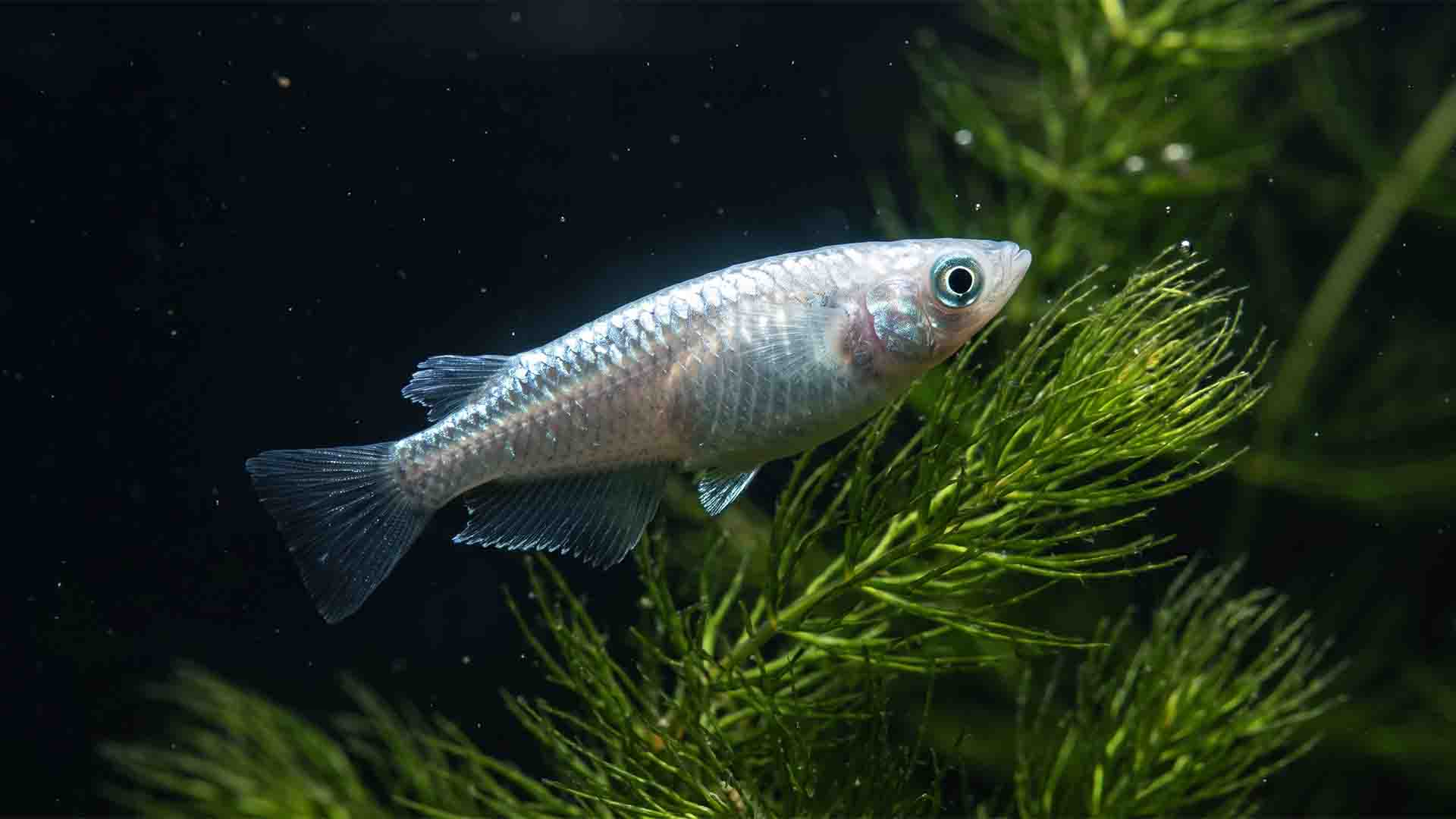
Medaka ricefish thrive across massive temperature swings (40°F–86°F), eliminating the risk of sudden aquarium heater malfunctions.
Biological Armor Snapshot: Adult Size: 1.5 inches | Min Tank: 5–10 Gallons (Group of 6+) | Water Parameters: pH 6.5–8.5, Temp 40°F–86°F (Zero Heater Required) | Ecological Layer: Top-Dwelling Surface Browser | Primary Resilience: Eurythermal metabolic pathways immune to cold drafts and mechanical heater failure.
One of the most common causes of sudden, catastrophic tank crashes is aquarium heater failure. A cheap thermostat sticks in the “ON” position and boils your fish, or it fails to turn on during a winter night, causing a lethal temperature drop that destroys your tropical community’s immune system. The Medaka Ricefish completely bypasses this mechanical vulnerability.
Native to Japan, Oryzias latipes is an underrated freshwater fish that thrives in unheated aquariums, indoor tubs, and even outdoor ponds. Their biological thermal shield is legendary. They can comfortably survive in water temperatures ranging from a near-freezing 40°F up to 86°F (4°C to 30°C). When kept in a standard room-temperature aquarium without a heater, they exhibit zero signs of metabolic stress.
Medakas are top-dwelling fish with upward-facing mouths, actively patrolling the surface for micro-insects and biofilm. Unlike delicate tropical species, their immune systems do not shut down when the water cools. If you are searching for a zero-heater coldwater solution or simply want to eliminate the anxiety of equipment failure, a dedicated medaka ricefish aquarium is the ultimate safeguard.
#4 Keyhole Cichlid (Cleithracara maronii) – The True River Diplomat
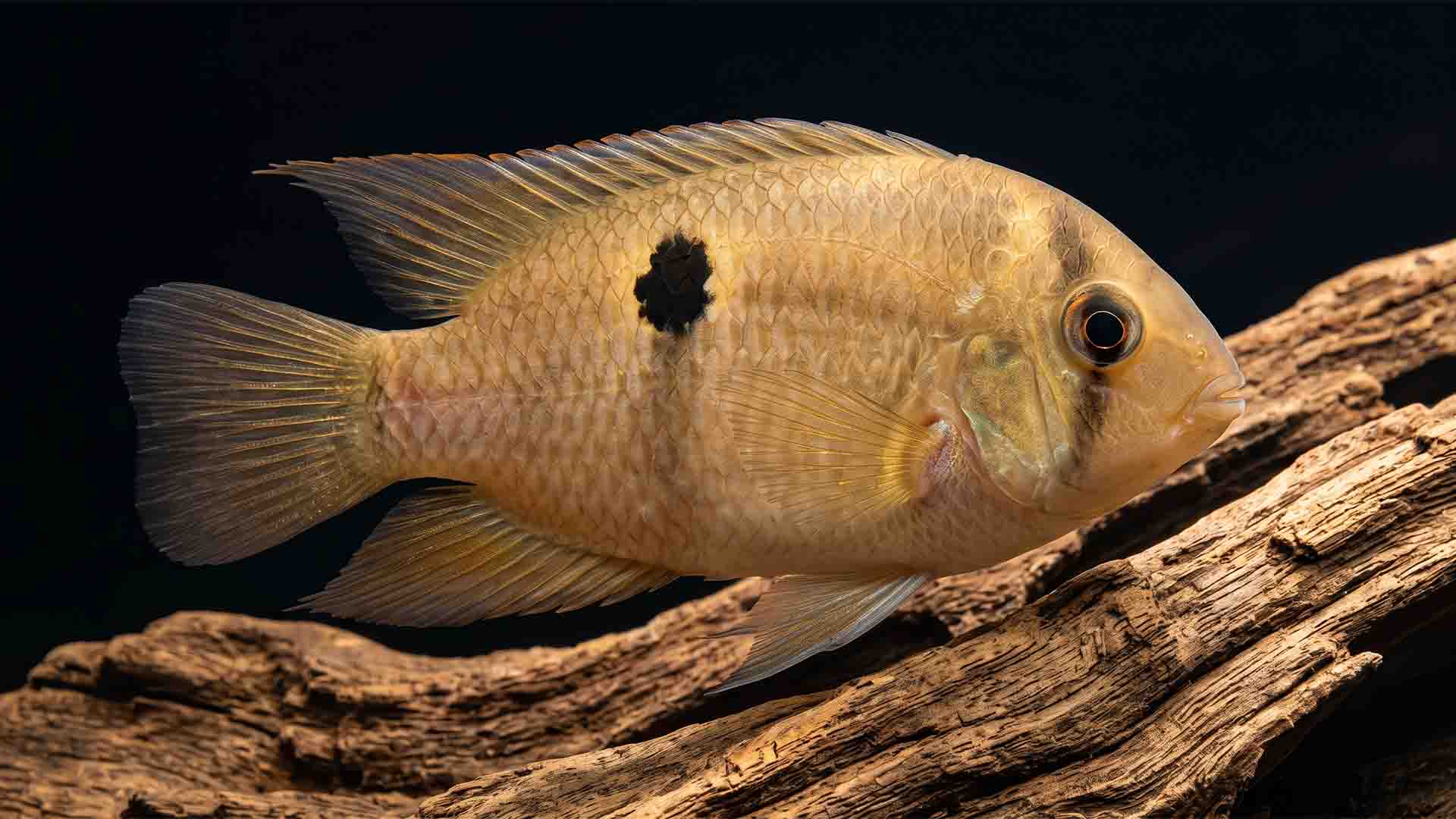
Cichlid intelligence without the aggression tax: the Keyhole cichlid operates as the ultimate non-territorial centerpiece diplomat.
Biological Armor Snapshot: Adult Size: 3.5–4.0 inches | Min Tank: 30 Gallons (Pair or Community Centerpiece) | Water Parameters: pH 6.0–7.5, Temp 74°F–80°F | Ecological Layer: Lower-to-Midwater Browser | Primary Resilience: Non-territorial cryptic camouflage instinct with zero conspecific aggression momentum.
The word “cichlid” usually triggers alarm bells for beginner aquarists. We are trained to associate cichlids with intense territorial violence, uprooted live plants, and dead tankmates. While this is true for Convict Cichlids or Jack Dempseys, the Keyhole Cichlid is the exact opposite. It offers massive cichlid intelligence and personality with absolutely zero aggression.
Native to the Orinoco River basin, the Keyhole Cichlid is a gentle, methodical bottom-to-midwater browser. They do not claim large, hostile territories. They do not rip apart aquascapes. When confronted by a faster or more aggressive fish, a Keyhole Cichlid will not fight back; instead, its natural defense mechanism is to press itself against a piece of driftwood and rapidly alter its coloration to camouflage with the wood. They are the true diplomats of the freshwater ecosystem.
If you are looking for a centerpiece fish for a 30-gallon community tank but want to avoid the genetic frailty of Dwarf Gouramis or the high-strung dominance of Apistogrammas, the Keyhole Cichlid is unmatched. They recognize their owners, display fascinating problem-solving behaviors during feeding, and peacefully coexist with tiny schooling fish like Ember Tetras or Corydoras without ever viewing them as food.
Technical Interlude: The Silent Water Audit (Why Liquid Test Kits Lie About Stability)
Before examining our top three armored species, we must dismantle the single most lethal cognitive bias in modern fishkeeping: the belief that zero ammonia, zero nitrite, and ten parts per million nitrate prove your aquarium is biologically safe. Every week, hobbyists watch their newly purchased schooling fish or centerpieces drop dead, scramble for their liquid droplet test kits, test the water, and proclaim in utter confusion: “My parameters are perfect, why are my fish dying?”
Your liquid test kit is not lying about what it measures; it is lying by omission. Standard chemical test kits measure a static snapshot of dissolved nitrogenous ions at a single second in time. Fish do not live in static chemistry snapshots; they live through dynamic biological patterns over time. A test tube cannot measure cumulative osmotic exhaustion, dissolved organic carbon (DOC) saturation, hormonal stress markers, or localized substrate toxicity. When you introduce store-bought fish into an aquarium, they do not crash because of the parameters you can see. They crash because of the invisible physiological debt accumulating beneath their scales.
When ornamental fish are hauled through commercial supply chains, their endocrine systems flood their bloodstreams with cortisol. Cortisol is an evolutionary survival hormone designed to mobilize glucose and divert energy toward muscle flight. However, prolonged cortisol elevation has a devastating physiological side effect: it systematically shuts down the fish’s secondary lamellae immune response and collapses the mucosal slime layer. The branchial epithelial cells in their gills—which are directly responsible for pumping sodium and chloride ions against severe osmotic gradients—become structurally inflamed.
When this exhausted fish enters your “chemically clean” tank, its damaged gill epithelium must suddenly work overtime to regulate internal fluid pressure against your tap water’s specific mineral profile. If the total dissolved solids (TDS) or carbonate hardness (KH) of your tank differs significantly from the holding tanks at the retail store, the fish experiences acute osmotic shock. The kidneys and branchial ion pumps blow out their cellular margins trying to maintain equilibrium.
The liquid test kit sitting on your counter reads zero ammonia because your nitrifying bacteria are converting fish waste, but the fish inside the glass is dying of internal cellular lysis. Stop judging the safety of an ecosystem by a chemical color chart. Start evaluating the structural biology of the species you force to endure that transition.
#3 Kuhli Loach (Pangio semicincta) – Substrate Aeration Without Territorial Warfare
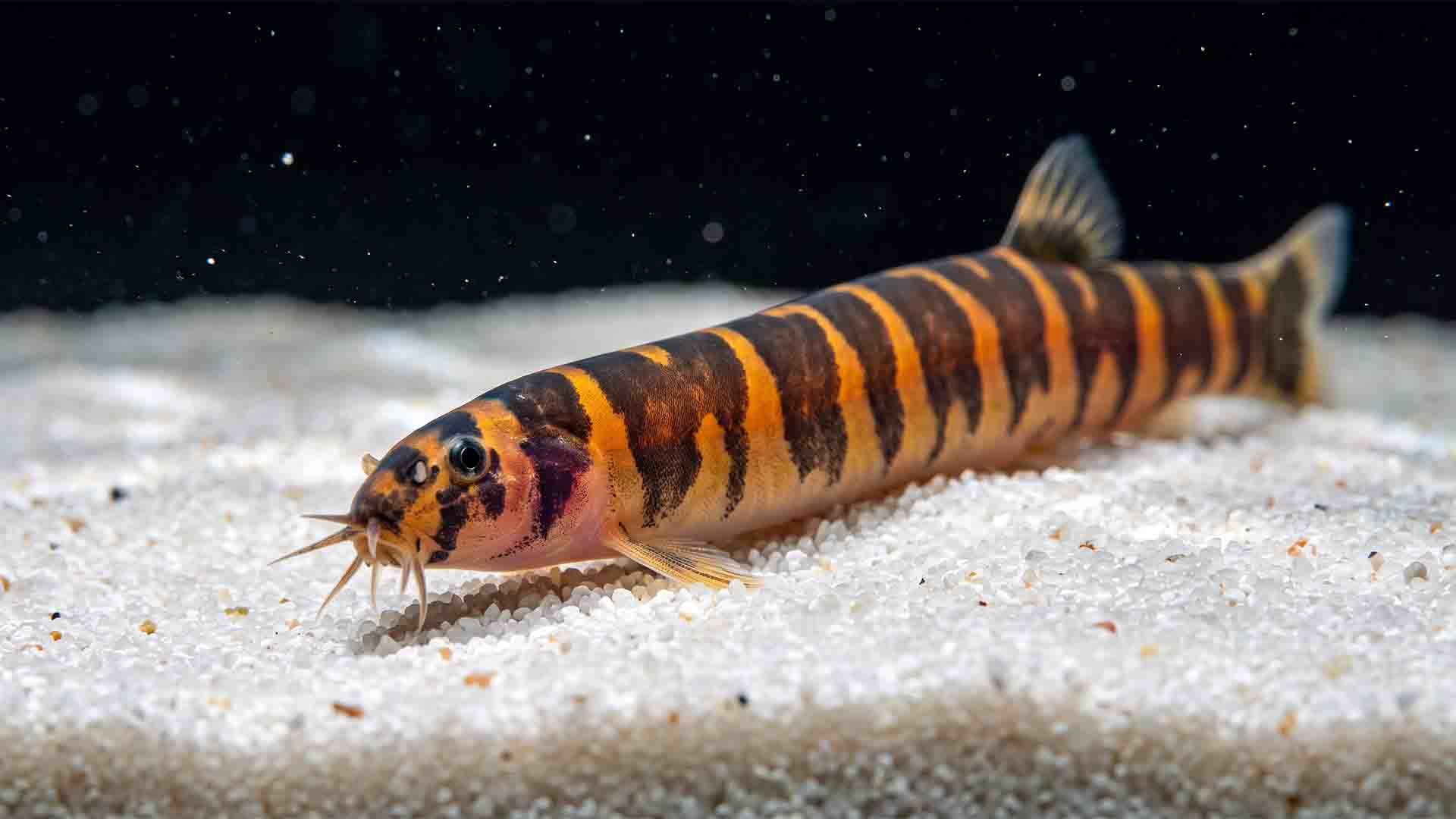
Jagged gravel erodes barbels; fine cosmetic sand allows the Kuhli loach to burrow and aerate substrate without bacterial infection.
Biological Armor Snapshot: Adult Size: 3.5–4.0 inches | Min Tank: 20 Gallons (Social Group of 6+) | Water Parameters: pH 5.5–7.5, Temp 73°F–82°F | Ecological Layer: Benthic Sand Sifter | Primary Resilience: Serpentine burrowing anatomy that oxygenates anaerobic substrate pockets without root damage.
Most community aquariums suffer from what we call the “Invisible Landfill Trap.” Beginners feed floating flakes and sinking pellets, the midwater schoolers consume seventy percent of the meal, and the remaining heavy organic waste falls directly into the cracks of coarse gravel. Out of sight, this organic sludge decomposes anaerobically, depleting localized dissolved oxygen and creating micro-pockets of toxic hydrogen sulfide. The standard beginner reaction is to purchase a “cleanup fish”—usually a Red-Tail Shark or a Clown Loach. Within three months, the shark has turned into a hyper-aggressive bottom tyrant, or the Clown Loach has outgrown the physical volume of the tank while terrorizing peaceful bottom dwellers.
The true biological answer to substrate hygiene is the Kuhli Loach (Pangio semicincta). At first glance in a retail display, they look like timid, tiger-striped aquatic worms hiding motionless beneath an internal filter. Retail customers bypass them because they want immediate, front-and-center movement. But when introduced into a properly structured community aquarium in an appropriate social group, the Kuhli Loach acts as a biological subsurface plow.
Their serpentine, ribbon-like anatomy allows them to weave through dense plant roots, slip underneath heavy river stones, and access biological dead zones that no Corydoras or Pleco could ever reach. As they forage nocturnally, they ingest mouthfuls of fine cosmetic sand, filter out microscopic organic detritus and micro-crustaceans, and expel the clean sand grains directly through their opercular gill openings. This continuous sifting action keeps the top two inches of your substrate bed permanently oxygenated, completely eliminating the formation of toxic anaerobic gas pockets without disturbing plant roots.
However, keeping Kuhli Loaches requires understanding one non-negotiable physical law: substrate geometry. In the wild river streams of Southeast Asia, these loaches evolved over ultra-fine silt and decaying leaf litter. Their sub-terminal mouths are surrounded by three pairs of delicate sensory barbels packed with specialized chemoreceptors. If you place a Kuhli Loach on jagged, rough-cut gravel or crushed volcanic lava rock, the sharp mineral edges act like microscopic cheese graters.
The loach mechanically abrades its barbels down to the basal dermis within weeks. This physical trauma opens an immediate pathway for opportunistic pathogens like Flavobacterium columnare and Aeromonas hydrophila, leading to secondary bacterial necrosis and rapid mortality. House them on smooth, cosmetic pool-filter sand or rounded river silt, maintain them in a social group of six or more to eliminate their natural predation fear, and they will live for well over a decade without ever displaying a single milligram of territorial aggression.
Jump to [04:42] in the video above to see microscopic footage of Kuhli Loaches sifting fine sand and venting particles through their gill slits without barbel trauma.
#2 Honey Gourami (Trichogaster chuna) – Labyrinth Grace Immune to DGIV Outbreaks
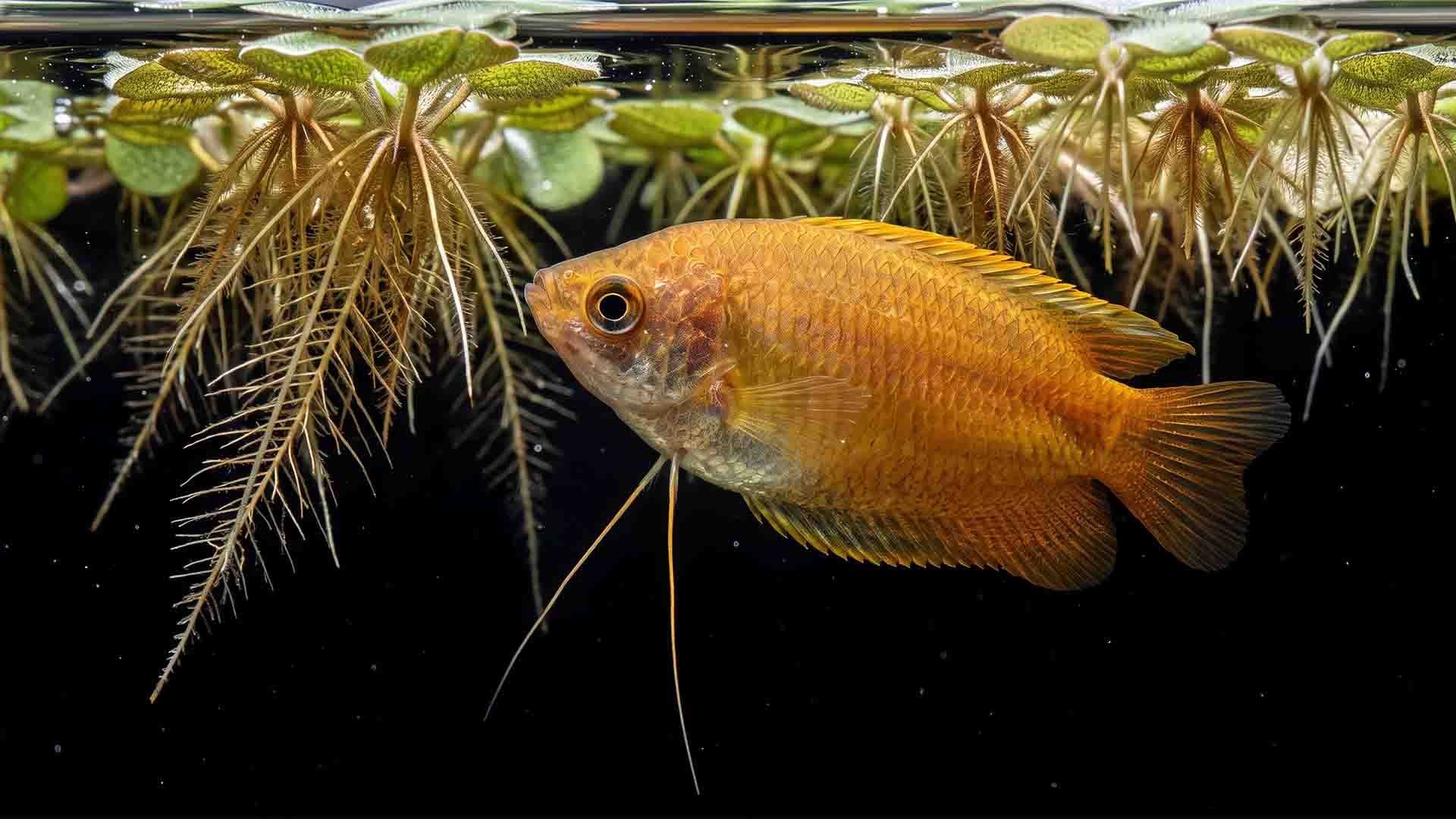
Unlike commercially collapsed dwarf gouramis infected with DGIV, the true Honey Gourami brings natural immunity and calm surface navigation.
Biological Armor Snapshot: Adult Size: 2.5–3.0 inches | Min Tank: 15–20 Gallons (Single, Pair, or Trio) | Water Parameters: pH 6.0–7.8, Temp 74°F–82°F | Ecological Layer: Upper Labyrinth Surface Dweller | Primary Resilience: Total taxonomic DGIV megalocytivirus immunity and tactile pelvic feeler navigation.
Almost every beginner aquarist building a 20-gallon or 30-gallon community tank searches for the holy grail: an intelligent, colorful, slow-moving centerpiece fish that occupies the upper third of the water column without terrorizing peaceful schooling fish. Nine times out of ten, retail employees point them toward the Neon Dwarf Gourami (Trichogaster lalius). On paper, they look like the perfect choice—radiant iridescent turquoise and red stripes packed into a compact, three-inch frame. In reality, buying a commercial Dwarf Gourami today is an act of biological roulette that almost always ends in catastrophic heartbreak.
The global commercial supply chain for Trichogaster lalius has been completely compromised by an incurable, systemic viral epidemic known as Dwarf Gourami Iridovirus (DGIV), a megalocytivirus that infects ornamental breeding facilities across Southeast Asia. Peer-reviewed epidemiological studies have documented infection rates exceeding twenty-two percent in commercial stock. DGIV causes severe tissue necrosis in the spleen, kidneys, and liver. The virus can sit completely dormant in a juvenile fish propped up by retail UV sumps, only to activate weeks later when the fish experiences the stress of home acclimation. The infected fish suddenly stops eating, exhibits abdominal fluid swelling (severe infectious dropsy), develops deep cutaneous and systemic ulcers, and dies within days. There is zero cure, zero vaccine, and zero medical treatment for DGIV.
Furthermore, male Dwarf Gouramis are notorious surface tyrants. Because they are anabantoids equipped with an auxiliary labyrinth respiratory organ, they must regularly breathe atmospheric air from the water surface. In confined home aquariums, a single male Dwarf Gourami will stake out the entire surface layer as his proprietary territory, brutally chasing away any surface-dwelling fish, nipping at floating plants, and harassing slow-moving tankmates during feeding time.
The true, uncorrupted alternative sitting completely ignored on the retail rack is the wild-type Honey Gourami (Trichogaster chuna). Crucially, the Honey Gourami belongs to a distinct genetic lineage that is scientifically documented to be completely unaffected by the DGIV megalocytivirus. When you purchase a true Trichogaster chuna, you are not importing an incurable viral time bomb into your display.
Beyond their biological disease immunity, their social temperament is night and day compared to their aggressive cousins. Honey Gouramis are gentle, methodical browsers. Males display a breathtaking sunset-amber hue with a deep navy-blue throat during breeding condition, while females exhibit a soft, pearlescent golden glow. Instead of weaponizing the surface, they utilize their modified thread-like pelvic fins (feelers) as delicate tactile organs, gently tapping plants, substrate, and tankmates to explore their physical environment. They navigate floating plants like Salvinia or Ceratopteris with total grace, coexist peacefully with even the most timid nano fish like Ember Tetras or Chili Rasboras, and never initiate territorial warfare at feeding time.
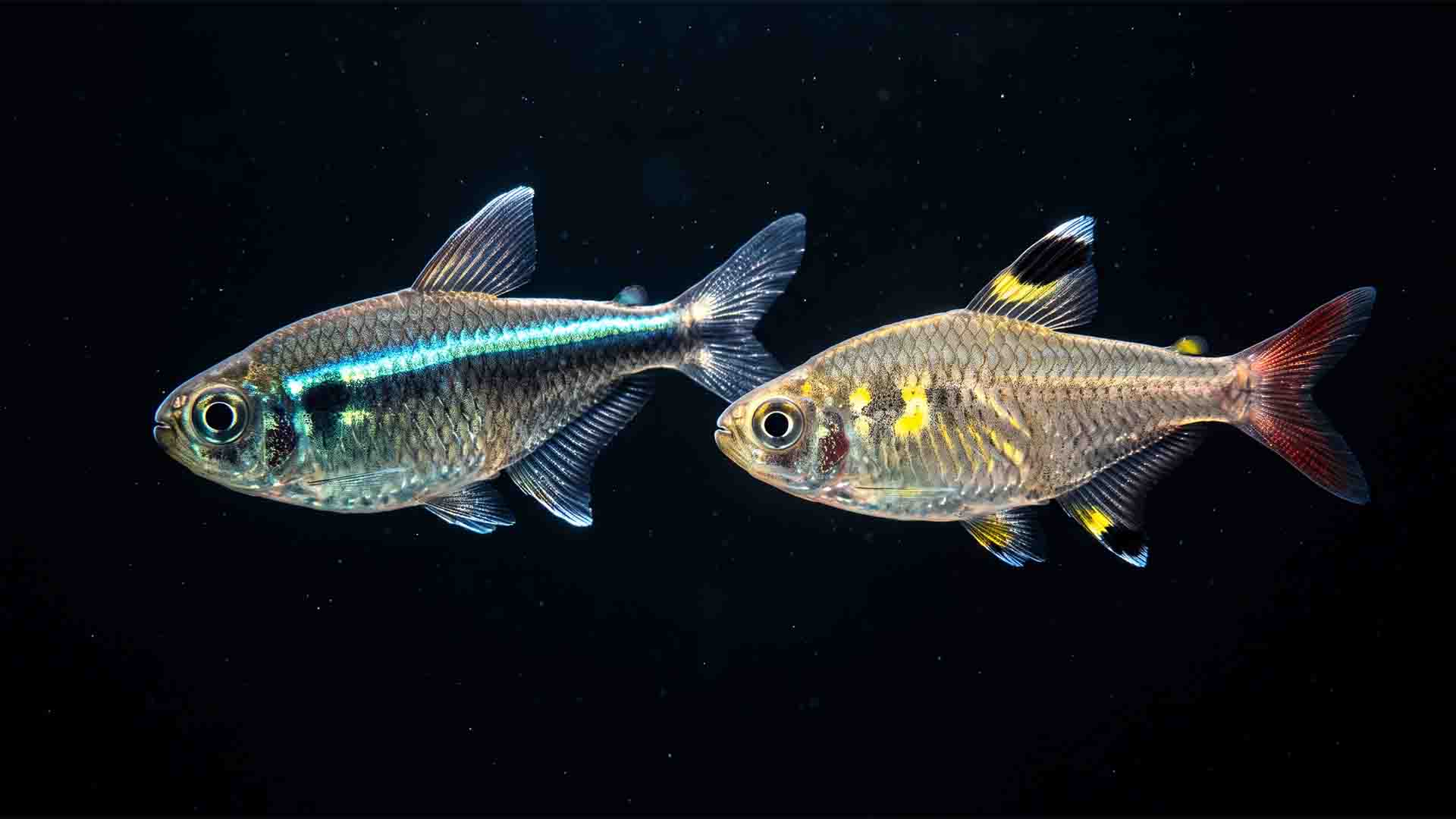
#1 Black Neon Tetra (Hyphessobrycon herbertaxelrodi) – Deep-Bodied Resilience vs. Inbred Fragility
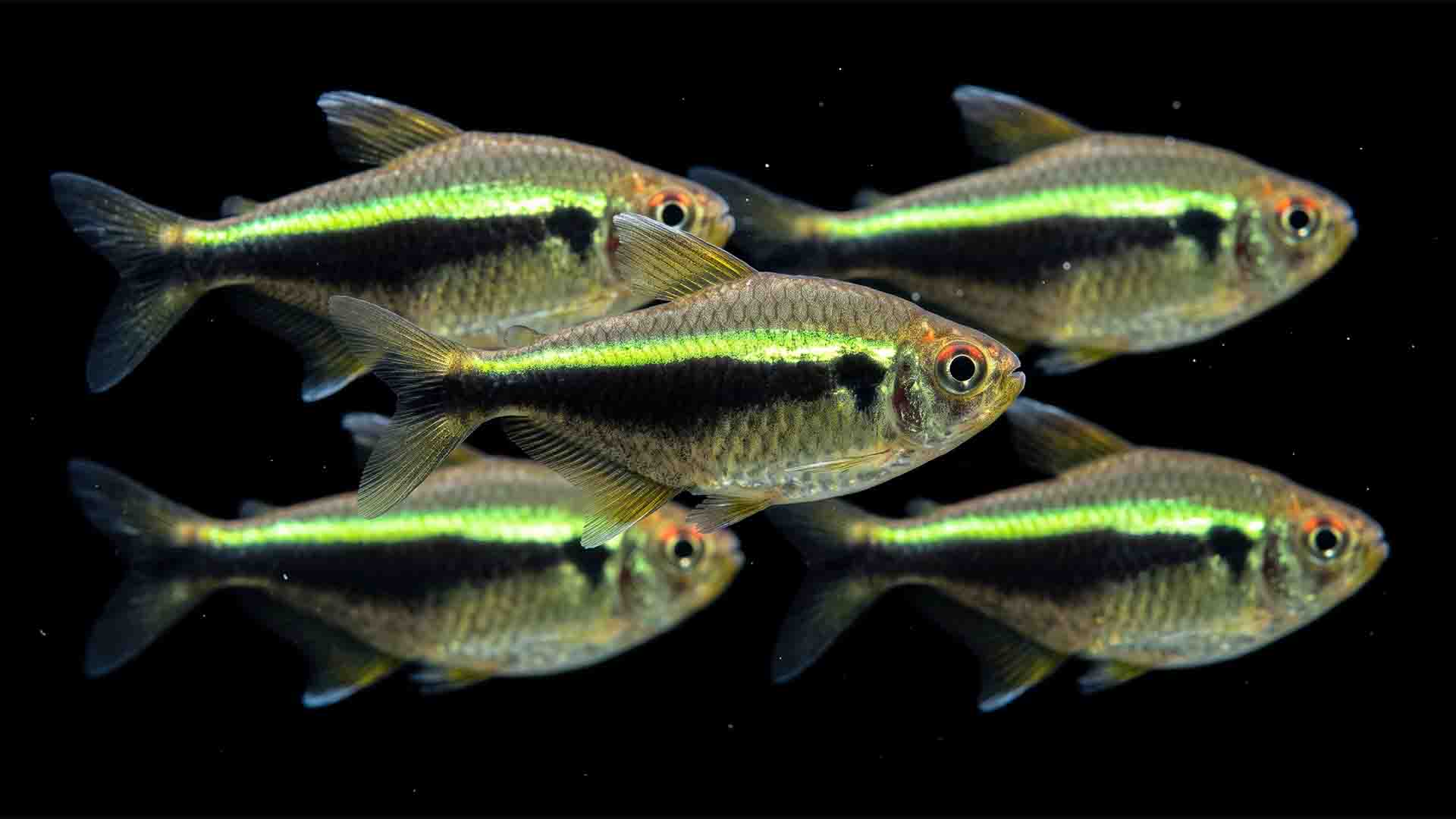
Deep-bodied genetics, robust muscular frame, and zero commercial inbreeding depression: the Black Neon tetra is the true apex schooler for home aquariums.
Biological Armor Snapshot: Adult Size: 1.5 inches | Min Tank: 15 Gallons (School of 8–10+) | Water Parameters: pH 5.5–7.8, Temp 72°F–81°F, TDS 80–350 ppm | Ecological Layer: Disciplined Midwater Schooler | Primary Resilience: Deep-bodied characin frame with high metabolic glycogen reserves and NTD resistance.
The standard Neon Tetra (Paracheirodon innesi) is the undisputed king of retail impulse buys. Every year, millions of beginners buy schools of ten or twelve, take them home, and watch their schools mysteriously dwindle down to two or three survivors within seventy-two hours. Decades of ruthless commercial mass-breeding in overseas aquaculture ponds have completely depleted the genetic vigor of the standard neon. Modern commercial neons suffer from massive inbreeding depression, deformed skeletal morphology, and a chronic susceptibility to Pleistophora hyphessobryconis—the lethal, incurable microsporidian parasite known as Neon Tetra Disease.
Moreover, standard neons possess an exceptionally slender, laterally compressed body geometry with an fragile osmoregulatory margin. If your tap water undergoes a minor seasonal municipal shift—a sudden drop of 1.0 pH or a 40 ppm drift in total dissolved solids—their delicate kidneys collapse, their brilliant red lateral stripes fade, and they enter irreversible cellular shock. Even when they survive, their frantic, unpredictable darting behavior creates a continuous low-level stress wave that prevents other fish in the aquarium from establishing a relaxed territorial rhythm.
Many hobbyists attempt to bypass standard neon fragility by purchasing Cardinal Tetras (Paracheirodon axelrodi), but while Cardinals carry slightly better captive bloodlines, they remain hypersensitive blackwater teleosts with exceptionally thin osmotic margins that frequently crash when exposed to fluctuating municipal tap water or unseasoned home filtration.
If you want the mesmerizing, synchronized beauty of a tight midwater schooling fish without the genetic fragility and sudden mortalities, the absolute apex choice is the Black Neon Tetra (Hyphessobrycon herbertaxelrodi). Despite sharing the common name “neon,” the Black Neon does not even belong to the genus Paracheirodon. It is a true Hyphessobrycon, sharing the rugged, deep-bodied morphology of resilient characins like the Lemon Tetra and the Rosy Tetra.
Look closely at the anatomical structure of a Black Neon. Instead of the delicate, needle-thin profile of a standard neon, the Black Neon features a thick, muscular caudal peduncle and a significantly deeper dorso-ventral core. This physical mass provides a much larger reservoir of structural muscle tissue and glycogen storage, allowing them to absorb physiological stress, transport fatigue, and water parameter shifts that would instantly paralyze a standard neon.
Their visual presence in a planted aquarium is stunningly sophisticated. A vibrant, iridescent neon green-white horizontal pinstripe runs from the gill plate straight through to the base of the caudal fin, bordered beneath by a velvety, deep black band that creates an intense visual contrast against lush green aquatic plants like Cryptocoryne and Vallisneria. Their eyes feature a striking dual-color iris: brilliant glowing red on the upper hemisphere and deep iridescent green on the lower.
Kept in a disciplined school of ten or more, Black Neons hold a tight, mesmerizing formation in the mid-to-lower water column. They do not pace the front glass frantically like anxious sprinters, nor do they nip the flowing fins of slow-moving centerpiece fish. They provide the perfect visual anchor for a calm, zero-conflict freshwater community.
Check out [07:32] in our video masterclass above to observe the deep-bodied schooling geometry of Black Neons contrasted against fragile commercial neons.
Biological Armor vs. Showroom Paint (Comparative Breakdown & Data Matrix)
To truly understand why retail “beginner” favorites crash while our six underrated species thrive, we have to look directly at the physiological, genetic, and environmental metrics. The commercial aquarium industry selects species based on Showroom Paint—high-saturation juvenile coloration designed to trigger an immediate credit-card swipe under store lighting. Evolutionary survival demands Biological Armor—robust organ geometry, broad osmotic thresholds, and deep genetic diversity.
The following data matrix directly contrasts the commercial showroom liabilities against the biological armor of our recommended alternatives:
| Species & Category | Primary Physiological Advantage | Osmotic & pH Margin | Commercial Disease Vulnerability | Real Home Longevity |
|---|---|---|---|---|
| Pristella Tetra (Biological Armor) | Over-engineered coastal estuarine ion pumps; thick dermal scales. | Extreme: pH 5.8–8.2 TDS: 50–500 ppm | Near-zero susceptibility to common systemic farm pathogens. | 6 to 8 Years |
| Standard Neon Tetra (Retail Trap) | Slender, compressed frame; severely degraded genetic lineage. | Fragile: pH 6.0–7.0 TDS swings trigger dropsy | Epidemic Neon Tetra Disease (Pleistophora); bacterial fin collapse. | < 12 Months (Often 72h) |
| Medaka Ricefish (Biological Armor) | Eurythermal enzyme architecture; zero mechanical equipment reliance. | Massive: Temp 40°F–86°F pH 6.5–8.5 | High natural mucosal defense against cold-water funguses. | 4 to 5 Years |
| Fancy Guppy (Retail Trap) | Extreme inbreeding; oversized tail drag causing continuous physical exhaustion. | Narrow: Demands liquid rock Melts in soft tap water | Endemic Asian farm Columnaris; swim bladder compression. | 3 to 6 Months |
| Keyhole Cichlid (Biological Armor) | Cryptic camouflage biology; zero territorial neurosis or fin aggression. | Moderate-High: pH 6.0–7.5 Tolerates organic tannins | Resistant to Hexamita when fed clean macro-diets. | 7 to 10 Years |
| Dwarf Gourami (Retail Trap) | Hyper-aggressive surface dominance; broken internal immune pathways. | Moderate: pH 6.5–7.5 Highly vulnerable to organic load | Terminal Dwarf Gourami Iridovirus (DGIV); 22%+ infection rate. | < 6 Months |
| Honey Gourami (Biological Armor) | Tactile feeler navigation; complete taxonomic immunity to DGIV. | Broad: pH 6.0–7.8 Soft to moderately hard | Zero megalocytivirus affinity; robust wild mucosal layer. | 5 to 8 Years |
| Black Neon Tetra (Biological Armor) | Deep dorso-ventral muscular frame; high metabolic glycogen buffering. | Broad: pH 5.5–7.8 TDS: 80–350 ppm | Unaffected by classic Neon Tetra Disease; strong parasite resistance. | 5 to 7 Years |
The 4-Week Delayed Transition Shock Timeline
Aquarium crashes are almost never instantaneous events. They are delayed physiological debts that mature over a multi-week calendar. The table below outlines what the aquarist observes versus the internal cellular damage occurring within a fragile fish moving from a commercial retail sump to an unsterilized home biome:
| Timeline Phase | What You See (Visual Illusion) | What Biology Is Doing (Internal Reality) | The System Outcome |
|---|---|---|---|
| Day 1 – 3 (The False Honeymoon) | Fish swim actively along the front glass; water is crystal clear; fish accept commercial flakes eagerly. | Acute transport cortisol spike; retail UV sterilization shield removed; epidermal mucosal slime layer begins thinning under osmotic whiplash. | Hobbyist declares success and assumes the tank is fully stable. Biological debt begins quietly accumulating. |
| Day 4 – 7 (The Mucosal Breakdown) | Slight loss of lateral color saturation; subtle fin clamping during lights-out; fish hover near the filter outflow. | Branchial epithelial ion pumps fail to regulate internal cellular fluid; localized gill swelling reduces oxygen exchange; dormant protozoa attach to raw epidermis. | The first casualties occur. The aquarist tests ammonia, reads 0 ppm, and assumes a random water defect. |
| Week 2 (The Pathogen Explosion) | Visible white spots (Ich) or milky patches (Columnaris) appear across fins; rapid opercular gill movement. | Complete exhaustion of adrenal cortisol reserves; secondary bacterial invasion breaches the dermal barrier; internal kidney tissue becomes necrotic. | Panic sets in. The hobbyist dumps broad-spectrum commercial medications into the display, nuking beneficial biofilter bacteria. |
| Week 3 – 4 (The Systemic Collapse) | Water turns cloudy; unexplained mortalities across established tankmates; remaining schoolers hide permanently. | Biofilter capacity resets from medication shock; unmeasured nitrite spikes trigger methemoglobinemia (brown blood disease); ecosystem margin hits zero. | Total community crash. The hobbyist blames themselves, drains the aquarium, and considers quitting the hobby forever. |
What to Avoid: 4 Stocking Habits That Silently Break Community Tanks
Building an unbreakable freshwater community is not merely about picking the right species; it is about eliminating the self-sabotaging human behaviors that load unnecessary biological pressure onto a closed aquatic system. The ornamental pet trade trains beginners to make purchasing decisions based on consumer retail psychology rather than closed-loop ecological dynamics. If you want your community tank to thrive for years without medical emergencies, purge these four destructive habits immediately:
1. Buying by Showroom Lighting Rather Than Mature Morphology
Walk through any big-box pet store and observe the lighting arrays suspended above the display systems. They are deliberately rigged with high-output actinic blue and specialized pink fluorescent bulbs calibrated to reflect off the superficial guanine crystals in juvenile fish scales. A pale, stressed, inbred Neon Tetra or GloFish glows like a neon billboard under this lighting. But actinic showroom paint does not translate into your living room.
When you place that fish under a standard 6500K planted aquarium daylight LED, the optical illusion vanishes, revealing a pale, emaciated fish with zero muscle tone. Never buy a fish because it looks flashy in a bare holding tank. Evaluate its physical depth, the thickness of its caudal peduncle, the clarity of its eyes, and the steady rhythm of its opercular breathing.
2. The “Three-Fish” Schooling Trap
One of the most widespread retail crimes is selling schooling characins, rasboras, and loaches in token groups of two or three individuals. An inexperienced hobbyist enters a store wanting variety, so they purchase two Neons, two Tiger Barbs, two Kuhli Loaches, and two Platies. In the wild, schooling teleosts rely on shoaling geometry as their primary neurological defense mechanism against apex predation. Their brains are hardwired to process visual synchronization and sensory lateral-line inputs from a surrounding group of conspecifics.
When you isolate a schooling fish in a tiny group of two or three, its brain perceives itself as an exposed straggler trapped in an open kill zone. Its hypothalamic-pituitary-interrenal (HPI) axis remains permanently locked in active emergency alarm mode, dumping continuous cortisol into its tissues. That chronic low-grade anxiety causes immune breakdown, fin-nipping outbursts, and sudden death. If you cannot afford the biological space to house a minimum of eight to ten individuals of a single schooling species, do not buy that species at all.
3. Substrate-Grain Incompatibility
Too many aquarists design an aquarium entirely from the perspective of human aesthetics, purchasing bright epoxy-coated gravel or crushed jagged black obsidian without considering the functional benthic biology of bottom dwellers. Species like Kuhli Loaches, Corydoras, and Keyhole Cichlids interact intimately with the floor of the tank. Forcing a benthic, sifting organism to live on razor-sharp, painted gravel is the equivalent of forcing a human to walk barefoot across broken glass every hour of their life.
The resulting mechanical barbel erosion is not a cosmetic defect; it is an open physical wound that invites septic bacterial infections into the bloodstream. Match your substrate grain to the evolutionary morphology of your benthic crew. Fine, rounded cosmetic sand is an absolute baseline biological requirement, not a decorative luxury.
4. Chasing Chemical Quick-Fixes After Introduction
When a new fish shows the earliest signs of acclimation stress—such as slight fin clamping or hovering near the glass—the typical beginner reaction is to immediately dump three different bottled chemicals into the tank: a liquid stress coat, a bottle of “miracle” beneficial bacteria, and an over-the-counter herbal medication. Every chemical compound you pour into the water column alters the ionic conductivity and total dissolved solids of the environment.
You are taking a fish that is already struggling with acute osmotic exhaustion and violently shifting its cellular osmotic pressure yet again. Constant reactionary tinkering resets the adaptation clock and compounds biological debt. Stop pouring bottles into your tank. Stabilize the routine, reduce the photoperiod, and give the animal’s natural biological shock absorbers time to settle.
Do This Instead: The FTM Resilient Stocking Protocol (Action Layer)
To ensure that your newly acquired, biologically armored fish transition from the retail holding tank into your home ecosystem with zero mortalities, execute the FishTank Mastery Resilient Stocking Protocol. This four-step operational workflow completely neutralizes the physical and osmotic whiplash of transport:
Step 1: The 45-Minute Dual-Parameter Acclimation
Floating a sealed plastic bag in your aquarium water for fifteen minutes only equalizes temperature; it does absolutely nothing to bridge the gap between two radically different water chemistries. If your tank has a Total Dissolved Solids (TDS) of 150 ppm and the retail store holds fish in hard municipal tap at 450 ppm, dumping that fish directly into your tank causes catastrophic osmotic lysis. Float the bag for fifteen minutes to match temperature, then open the bag and roll down the plastic rim so it floats independently.
Over the next thirty minutes, add half a cup of your tank water into the bag every five minutes while discarding an equal volume of the bag water into a waste bucket. This gradual ionic dilution allows the fish’s branchial sodium-potassium ATP pumps to recalibrate their cellular membranes slowly without blowing out organ margins.
Step 2: The Darkness Landing Buffer
The moment you net the acclimated fish and release it into the aquarium—never, under any circumstances, allow retail transport water to enter your tank—immediately switch off the aquarium light fixture. Leave the tank completely dark for the first twenty-four hours. Photonic intensity is a massive stress multiplier for fish recovering from cortisol spikes. Darkness reduces metabolic oxygen demand, calms erratic swimming behaviors, and prevents territorial resident fish from visually targeting the new arrival while its protective slime coat is actively regenerating.
Step 3: The 24-Hour Feeding Blackout
Your new fish will look hungry. They will pace the glass, investigate the surface, and appear to beg for food. Do not feed them. When a teleost experiences acute transport and acclimation stress, its sympathetic nervous system shuts down digestive peristalsis and shunts all metabolic energy toward respiratory gill function. Dropping dry flake food or protein-heavy pellets into the tank during the first twenty-four hours leads to two disastrous outcomes: the stressed fish ignores the food, allowing it to rot inside substrate crevices and trigger an ammonia micro-spike, or the fish consumes the dry food, which then expands inside a paralyzed digestive tract, causing severe gastrointestinal impaction and fatal swim bladder bloat.
Withhold food completely for the first twenty-four hours. When you initiate feeding on Day Two, offer only twenty-five percent of a standard portion using easily digestible micro-pellets or blanched vegetable matter.
Step 4: Layered Ecological Zoning
Design your aquarium layout based on distinct volumetric vertical zones. A balanced, zero-conflict community aquarium must distribute biological biomass across three independent layers so that no two dominant species are forced to negotiate the exact same physical cubic inches of water column:
- Upper Third: Gentle labyrinth surface dwellers like the Honey Gourami or top-browsing Medaka Ricefish navigating calm surface currents and floating plant roots.
- Middle Third: Disciplined, deep-bodied schooling characins like the Black Neon Tetra or Pristella Tetra maintaining rhythmic horizontal schools through open swim corridors without crossing into surface territory.
- Lower Third: Peaceful benthic sifting specialists like the Kuhli Loach or dwarf Corydoras aerating fine cosmetic sand and consuming fallen detritus beneath driftwood overhangs and rock formations.
When every species occupies its precise evolutionary niche, territorial friction drops to absolute zero, stress hormones plummet, and your aquarium transforms from an unstable underwater hospital into a self-regulating, perpetual ecosystem.
Scientific Truths Behind Teleost Osmoregulation, Pathogen Virulence, and Community Dynamics
Understanding why mass-marketed ornamental fish collapse while underrated species survive requires looking past pet store myths and examining the peer-reviewed biology of freshwater teleosts. Fish do not experience their environment through aesthetic lenses; they interact with water chemistry, microbial loads, and social densities through complex cellular and endocrine mechanisms. When an aquarium fails, it is almost never an unexplainable accident. It is the predictable outcome of exceeding a species’ evolutionary physiological boundaries.
Truth 1: The Bioenergetic Cost of Branchial Osmoregulation
Freshwater teleost fish are natural hyperosmotic regulators. Their internal blood and cellular fluids maintain a significantly higher ionic concentration (approximately 300 mOsm/kg) than the surrounding freshwater environment. As a direct consequence of physics, water continuously diffuses into their body tissues across the semi-permeable membranes of their gills and skin, while essential electrolytes (sodium, chloride, calcium) constantly leak out into the water column. To counteract this relentless osmotic gradient, specialized ionocytes (mitochondria-rich chloride cells) located in the gill epithelium must actively pump ions against the concentration gradient using ATP-driven enzymatic pumps.
In biologically fragile species that have suffered decades of commercial inbreeding—such as standard neon tetras or fancy guppies—these branchial ion pumps possess exceptionally narrow functional margins. When such fish are moved from hard retail holding water into soft domestic tap water, or when municipal tap water parameters drift seasonally, the energetic cost of osmoregulation can spike to consume over thirty percent of the animal’s entire daily metabolic energy budget. This physiological exhaustion diverts energy away from cellular tissue repair, digestive peristalsis, and immune globulin production.
The fish does not die from “bad water”; it dies from acute metabolic exhaustion and cellular fluid imbalance. Underrated species like the Pristella Tetra possess coastal estuarine genetics with over-engineered sodium-potassium ATPase pumps that effortlessly regulate internal ionic equilibrium across massive mineral swings without inducing metabolic debt. Read the study on osmoregulatory energetics.
Truth 2: Megalocytivirus Pathogenesis and Host-Lineage Specificity
The catastrophic mortality rate observed in commercially farmed Dwarf Gouramis (Trichogaster lalius) is driven by a documented viral pathogen known as Dwarf Gourami Iridovirus (DGIV), a systemic megalocytivirus belonging to the family Iridoviridae. Epidemiological analyses of commercial ornamental breeding vats across Southeast Asia have revealed that DGIV is an endemic, highly transmissible viral agent. Upon infection, the virus targets and replicates within the cytoplasmic structures of endothelial cells, resulting in severe organomegaly, systemic hemorrhage, and extensive tissue necrosis throughout the spleen, anterior kidney, and hepatic tissues.
Crucially, veterinary virology demonstrates that megalocytiviruses exhibit distinct phylogenetic host preferences. While commercial variants of Trichogaster lalius (including powder blue, neon red, and flame morphs) display near-total morbidity upon viral activation, the taxonomically distinct Honey Gourami (Trichogaster chuna) does not share the specific cellular receptor affinity required for DGIV attachment and intracellular replication. Introducing a commercial Dwarf Gourami into a home aquarium introduces an incurable, latency-prone biological liability that inevitably succumbs when transport stress lowers host immune suppression. Choosing the biologically distinct Honey Gourami completely circumvents this viral pathway, providing a resilient labyrinth centerpiece that remains completely refractory to the iridovirus epidemic. Read the study on megalocytivirus pathology.
Truth 3: Chronic Cortisol Cascade and Secondary Lamellae Degradation
When schooling characins or rasboras are maintained in inadequate group sizes, or housed with hyperactive, fast-swimming tankmates that constantly violate their line-of-sight boundaries, their sensory systems trigger the hypothalamic-pituitary-interrenal (HPI) axis. This neuroendocrine pathway stimulates the interrenal tissue to synthesize and release sustained concentrations of cortisol directly into the vascular circulation. While acute cortisol mobilization provides an evolutionary survival advantage by facilitating glucose release for immediate flight responses, chronic systemic cortisol elevation acts as an aggressive immunosuppressant.
Prolonged exposure to circulating glucocorticoids triggers apoptosis (programmed cell death) within circulating lymphocytes and severely inhibits the proliferation of epidermal goblet cells responsible for manufacturing the protective mucosal slime layer. Simultaneously, the microscopic secondary lamellae of the gills—the delicate, single-cell-thick structures responsible for aquatic gas exchange—become structurally inflamed and hyperplastic. This reduces the total functional surface area available for oxygen diffusion while simultaneously creating micro-fissures in the branchial epithelium.
The fish enters an irreversible physiological decline where respiratory efficiency plummets and opportunistic water molds or environmental bacteria easily breach the dermal barrier. This explains why tanks with “perfect” chemical parameters experience sudden mortalities weeks after stocking; the fish succumbed to endocrine-mediated respiratory and mucosal collapse triggered by chronic behavioral stress. Read the study on teleost stress physiology.
Truth 4: Benthic Particle Morphology and Epizootic Bacterial Infiltration
The benthic zone of an aquarium is not merely a decorative floor; it is an active biochemical reactor where particulate organic matter undergoes continuous microbial decomposition. Substrate-dwelling species such as the Kuhli Loach (Pangio semicincta) possess specialized sensory barbels densely populated with external taste buds, mechanoreceptors, and delicate epithelial capillaries designed to probe sediment for benthic macro-invertebrates. In their native blackwater and alluvial river systems, these loaches navigate exclusively over fine alluvial silt and decayed vegetal detritus characterized by smooth, non-abrasive particle geometries.
When forced to forage on commercially manufactured crushed gravel, expanded shale, or fractured volcanic substrates, the angular, microscopic facets of the substrate act as abrasive cutting edges. As the loach attempts to burrow or sift for food, the physical friction repeatedly strips away the protective cuticle and basal epidermis of the barbels. This continuous mechanical trauma creates open vascular micro-lesions directly adjacent to the high-density heterotrophic bacterial colonies inhabiting the gravel interstices.
Opportunistic environmental pathogens, predominantly Flavobacterium columnare and Aeromonas hydrophila, immediately colonize these open wounds, initiating localized necrosis that rapidly advances along the sensory tissue and enters the cranial bloodstream. Maintaining benthic loaches on fine, rounded cosmetic sand preserves barbel integrity, completely preventing the physical entry vectors that cause delayed bacterial fatalities. Read the study on benthic teleost morphology.
People Also Ask
What is the most underrated freshwater aquarium fish?
The Black Neon Tetra (Hyphessobrycon herbertaxelrodi) is the most biologically underrated freshwater schooling fish. Unlike mass-bred standard neons, Black Neons feature deep-bodied anatomy, robust muscular peduncles, exceptional osmoregulatory tolerance, and natural resistance to common farm diseases, making them virtually crash-proof in community tanks.
Why do newly purchased community fish die even if water parameters are zero?
Liquid test kits only measure dissolved nitrogenous ions like ammonia and nitrite; they cannot detect osmotic shock, cellular exhaustion, or shipping stress. When fish transition from commercial UV-sterilized store sumps to home aquariums, the removal of the store’s artificial safety net combined with mineral hardness shifts triggers delayed cellular collapse and immune failure.
Are honey gouramis immune to dwarf gourami disease (DGIV)?
Yes. True Honey Gouramis (Trichogaster chuna) belong to a distinct genetic lineage that is scientifically documented to be refractory to Dwarf Gourami Iridovirus (DGIV). Unlike commercially mass-bred Dwarf Gouramis (Trichogaster lalius), which suffer from endemic iridovirus infections, Honey Gouramis do not carry or succumb to the virus.
Why do kuhli loaches require fine sand instead of gravel?
Kuhli Loaches possess delicate sensory barbels loaded with external chemoreceptors. Coarse or jagged gravel mechanically abrades these barbels down to the dermis, opening direct pathways for opportunistic bacterial infections like Aeromonas and Columnaris. Fine cosmetic sand allows them to burrow naturally and expel grains safely through their gills.
Can medaka ricefish survive in an indoor aquarium without a heater?
Yes. Japanese Medaka Ricefish (Oryzias latipes) possess extreme eurythermal physiology, comfortably thriving in water temperatures ranging from 40°F to 86°F (4°C to 30°C). They thrive in indoor unheated aquariums and eliminate the catastrophic risk of mechanical aquarium heater failure.
What makes the Pristella tetra hardier than other schooling tetras?
Pristella Tetras (Pristella maxillaris) evolved in coastal South American river systems where water chemistry fluctuates between fresh and brackish tidal inputs. This evolutionary background equipped them with over-engineered branchial ion-exchange pumps, allowing them to absorb rapid pH, GH, and TDS shifts that would trigger fatal osmotic shock in standard tetras.
Frequently Asked Questions
How many Pristella Tetras should be kept together in a community tank?
Pristella Tetras must be housed in social groups of at least eight to ten individuals. In groups smaller than six, their natural shoaling geometry breaks down, causing their brains to perceive an open predator threat. This triggers chronic cortisol production, resulting in clamped fins, defensive glass-pacing, and an elevated susceptibility to secondary pathogens. In a proper school of ten or more, their synchronized lateral-line communication creates a calm, confident midwater schooling dynamic that stabilizes the entire aquarium.
Will a Keyhole Cichlid attack dwarf freshwater shrimp or small nano fish?
Adult Keyhole Cichlids are exceptionally peaceful river browsers that rarely display predatory aggression toward small community fish like Ember Tetras or Chili Rasboras. However, adult dwarf shrimp (such as Neocaridina) and newly hatched shrimplets fit within their natural opportunistic foraging profile and may be consumed if caught in open water. If keeping Keyhole Cichlids with shrimp, provide dense carpets of moss, intricate driftwood crevices, and establish a mature shrimp colony before introducing the cichlids.
How do I properly acclimate biologically delicate fish to avoid osmotic shock?
Never float a bag for fifteen minutes and dump the fish inside. Equalizing temperature only addresses thermal shock while completely ignoring ionic conductivity and osmotic pressure differences. Use the FTM Dual-Parameter Protocol: float the sealed bag for fifteen minutes to match temperature, then open the bag and slowly add half a cup of your aquarium water every five minutes over a thirty-minute window while siphoning out excess store water into a waste bucket. This gradual ionic dilution allows the fish’s cellular membranes to recalibrate their fluid pressure without rupturing internal organ margins.
Why are standard Neon Tetras prone to dying within 72 hours of purchase?
Standard Neon Tetras (Paracheirodon innesi) have been relentlessly mass-bred for decades in intensive commercial aquaculture facilities, resulting in profound inbreeding depression and severe genomic exhaustion. Furthermore, wild and commercially raised stocks are extensively infected with Pleistophora hyphessobryconis (Neon Tetra Disease), an incurable microsporidian parasite that destroys muscle tissue. When subjected to the physical stress of retail netting and transport, their depleted immune defenses collapse, leading to rapid, unexplained die-offs.
How long can a Medaka Ricefish live in a zero-heater aquarium setup?
When maintained in an unheated, biologically mature indoor aquarium with stable room temperatures (64°F–74°F / 18°C–23°C) and consistent water quality, Japanese Medaka Ricefish frequently live for four to five years. Their long-term survivability in unheated setups exceeds that of heated tropical species because cooler water holds significantly higher concentrations of dissolved oxygen, reduces bacterial metabolic replication rates, and slows the fish’s cellular aging process.
Are Honey Gouramis immune to Dwarf Gourami Disease (DGIV)?
Yes. True Honey Gouramis (Trichogaster chuna) belong to a distinct genetic lineage that is scientifically documented to be refractory to Dwarf Gourami Iridovirus (DGIV). Unlike commercially mass-bred Dwarf Gouramis (Trichogaster lalius), which suffer from endemic iridovirus infections causing severe abdominal fluid dropsy and cutaneous ulcers, Honey Gouramis do not carry or succumb to the megalocytivirus.
Fix the Whole System: FishTank Mastery Knowledge Base (Hub & Spoke Architecture)
Building an unbreakable community aquarium requires moving beyond isolated species choices and understanding how living ecosystems interact over time. If your community setup looks pristine on paper but your newly introduced schooling fish continue to vanish, you must diagnose the critical physiological gap between what your test kit reads and what your fish are experiencing. Our deep-dive investigation into why fish keep dying even when water tests are perfect reveals how invisible osmotic pressure shifts, localized oxygen depletion, and transport cortisol debt trigger systemic organ failure long before ammonia ever registers on a liquid test tube.
Many hobbyists unintentionally sabotage their community harmony by trusting commercial pet store labeling that claims predatory or territorial species are suitable for shared community displays. Before you purchase your next centerpiece fish or schooling group, examine our comprehensive field guide exposing community fish to avoid and peaceful alternatives that actually work. This guide deconstructs how deceptive juvenile behaviors mask the territorial aggression and fin-nipping instincts that emerge once mass-marketed species reach biological maturity.
If you want to eliminate equipment failure anxiety and construct a bulletproof ecosystem that completely bypasses mechanical heater crashes, explore our master breakdown of the top coldwater aquarium fish that thrive without a heater. This analysis demonstrates how to match eurythermal teleost species like Medaka Ricefish and White Cloud Mountain Minnows to room-temperature environments, creating highly oxygenated, low-maintenance displays that outlive complex tropical systems.
Substrate hygiene and waste management should never depend on aggressive mechanical gravel vacuuming that strips beneficial nitrifying biofilms from your tank floor. To discover how benthic burrowers and algae grazers collaborate to prevent dangerous anaerobic toxic gas pockets, read our definitive evaluation of the best freshwater aquarium clean-up crew ranked by real results. This guide teaches you how to deploy the right combination of sand-sifting loaches, Nerite snails, and Amano shrimp to establish perpetual biological filtration without turning your cleaners into high-bioload liabilities.
Mastering midwater dynamics requires understanding that schooling fish are not decorative wallpaper; they are complex shoaling organisms that rely on synchronized fluid movement to manage metabolic stress. If you are planning a tight, rhythmic schooling display, study our behavioral analysis on the top peaceful schooling fish for freshwater community aquariums to understand how shoaling geometry, lateral line signaling, and species swimming speeds dictate long-term community peace.
Finally, if you are laying the physical foundation for a new community aquarium and want to ensure your water chemistry, hardscape geometry, and filter media architecture are engineered correctly from day one, follow our comprehensive blueprint on how to set up a fish tank step by step. This masterclass walks you through the physics of substrate selection, the biological falsehood of disposable filter cartridges, and the critical biosecurity protocols needed to protect your display from retail holding-system pathogens.
Scientific References & Peer-Reviewed Literature Review
The biological concepts, physiological thresholds, and disease mechanisms detailed in this guide are grounded in established aquatic veterinary literature, environmental toxicology, and teleost stress research:
1. Teleost Osmoregulation and Energetic Adaptation: Research published in aquatic physiology documentation explores the bioenergetic requirements of branchial epithelial ionocytes in euryhaline and freshwater teleosts. The study details how sodium-potassium ATPase enzymatic pumps regulate intracellular ion exchange under fluctuating mineral gradients, demonstrating that extreme total dissolved solids (TDS) shifts force fish to consume excessive metabolic energy, accelerating systemic physiological collapse. Read the study on PMC.
2. Megalocytivirus Epidemiology in Commercial Ornamental Aquaculture: Peer-reviewed veterinary investigations in the Journal of Fish Diseases have comprehensively mapped the prevalence and cellular pathology of Dwarf Gourami Iridovirus (DGIV) in commercial aquaculture. The findings confirm that systemic splenic and renal necrosis occurs at rates exceeding twenty-two percent in commercial Trichogaster lalius breeding pipelines, while taxonomically separated species like Trichogaster chuna demonstrate complete receptor resistance to the viral agent. Read the study on Wiley Online Library.
3. Endocrine Stress Responses and Mucosal Immunosuppression: Comprehensive research featured in Fish Physiology and Biochemistry evaluates the neuroendocrine cascade triggered by the hypothalamic-pituitary-interrenal axis during transport and overcrowding. The empirical data proves that prolonged plasma cortisol elevation directly reduces dermal goblet cell density, thins the protective mucosal barrier, and induces respiratory secondary lamellae degradation in captive characin populations. Read the study on SpringerLink.
4. Benthic Particle Dynamics and Opportunistic Bacterial Pathogenesis: Investigations published in environmental biology literature examine the physical interactions between sediment grain morphology and benthic teleost epidermal structures. The research proves that jagged, manufactured gravel substrates induce continuous mechanical micro-abrasions along sensory barbels, establishing immediate entry vectors for ubiquitous waterborne pathogens such as Flavobacterium columnare and Aeromonas hydrophila. Read the study on Springer.
Watch Next: FishTank Mastery Topic Authority Video Chain
To turn the biological science of this guide into a permanent, visual decision-making framework for your home ecosystem, continue your education by following our curated video masterclass sequence below. These deep dives walk you through real-tank case studies, hardware audits, and species compatibility tests across the entire FishTank Mastery channel:
If you want to audit your current livestock list and identify the popular species that quietly drain your biological stability, watch our comprehensive breakdown of The Most OVERRATED Freshwater Fish (And Safer Swaps). In this masterclass, we expose the showroom traps that beginners buy every weekend and demonstrate the exact behavioral swaps that keep your system calm and casualty-free.
Schooling fish should never turn into a source of chronic anxiety or disappearing numbers. Before you add another fragile school to your community tank, watch Don’t Buy These SCHOOLING FISH – Get These Instead! to see high-speed behavioral footage showing why commercial neons and fin-nipping tetras create invisible stress storms, and how deep-bodied alternatives restore peaceful schooling geometry.
Every year, thousands of passionate aquarists tear down their aquariums and abandon the hobby due to repeated, unexplainable fish losses that lead to complete burnout. Watch our brutally honest exposé on the 10 Worst Aquarium Fish That Make You QUIT The Hobby to recognize the high-bioload monsters, delicate livebearers, and secret bullies that turn home aquariums into underwater war zones.
Navigating the aisles of corporate pet retailers requires knowing how to look past actinic display lighting and evaluate real biological health. Watch our definitive ranking of WORST to BEST Ranked Aquarium Fish to Buy at PetSmart & Petco! to learn how to identify robust genetic stock, spot centralized holding-sump disease vectors, and spend your money strictly on species that survive the landing.
Stop treating living organisms like mechanical janitorial tools that clean your glass for free. Watch our exhaustive tier-list evaluation on Ranking The BEST Algae Eaters – The Aquarium Clean-Up Crew Tier List to discover which grazers actually support your biofilter and which commercially pushed plecos and sharks secretly flood your substrate with excessive waste.
Finally, if you want to understand how territorial space-math and juvenile predatory instincts quietly dismantle community systems over a six-month horizon, watch our essential guide on 10 Aquarium MONSTER Fish That DESTROY Tankmates (Aggressive List). This video breaks down the physiological rules of predatory scaling and helps you protect your peaceful community from stealth apex predators disguised as harmless juveniles.
Building a thriving, self-sustaining freshwater aquarium is never about buying cosmetic shortcuts or continuously dosing chemical bandaids into cloudy water. When you reject retail marketing traps, respect the physiological laws of teleost osmoregulation, and stock species engineered with evolutionary biological armor, your aquarium stops being an underwater hospital and transforms into a stable, flourishing living ecosystem. Until next time, keep your tanks balanced, your research independent, and your curiosity flowing.