
Finding reliable hardy beginner fish is the exact dividing line between running an unbreakable aquatic ecosystem and operating an emergency trauma ward. Most first-time aquariums do not collapse because the keeper forgot to care; they fail because commercial hatcheries churn out mass-bred livestock with destroyed immune systems and zero biological margin for error.
When you take an organism out of an industrial distribution chain and drop it into a developing home aquarium, you are running an immediate biological stress test. An uncycled filter bed, an inevitable heterotrophic bacterial bloom, or a slight mineral drift in municipal tap water will wipe out fragile showroom stock overnight. If you want a tank that forgives early parameter swings instead of punishing your wallet, you must select species equipped with evolutionary shock absorbers. Below is the biological reality behind selecting freshwater survivors that refuse to die on you.
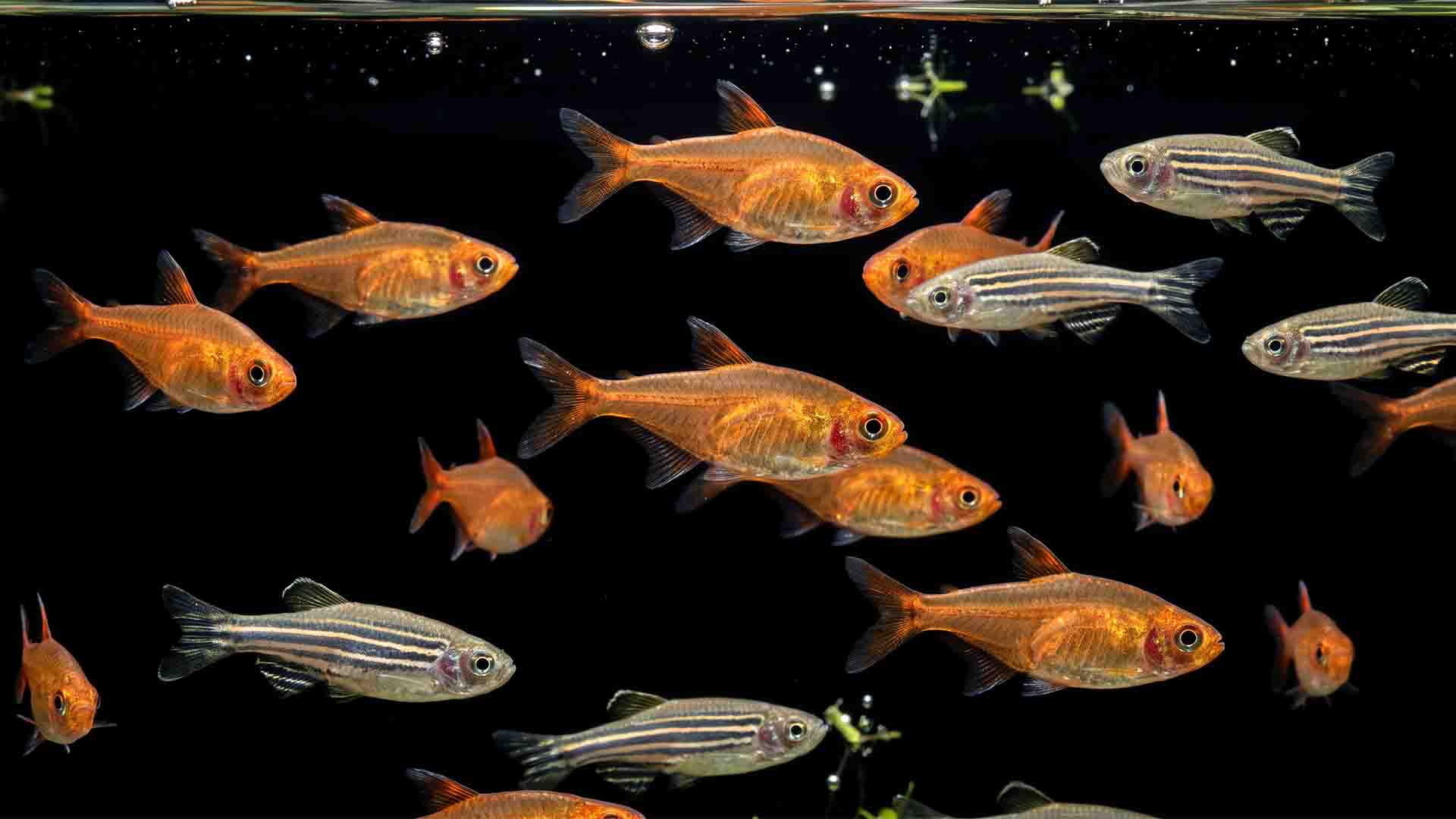
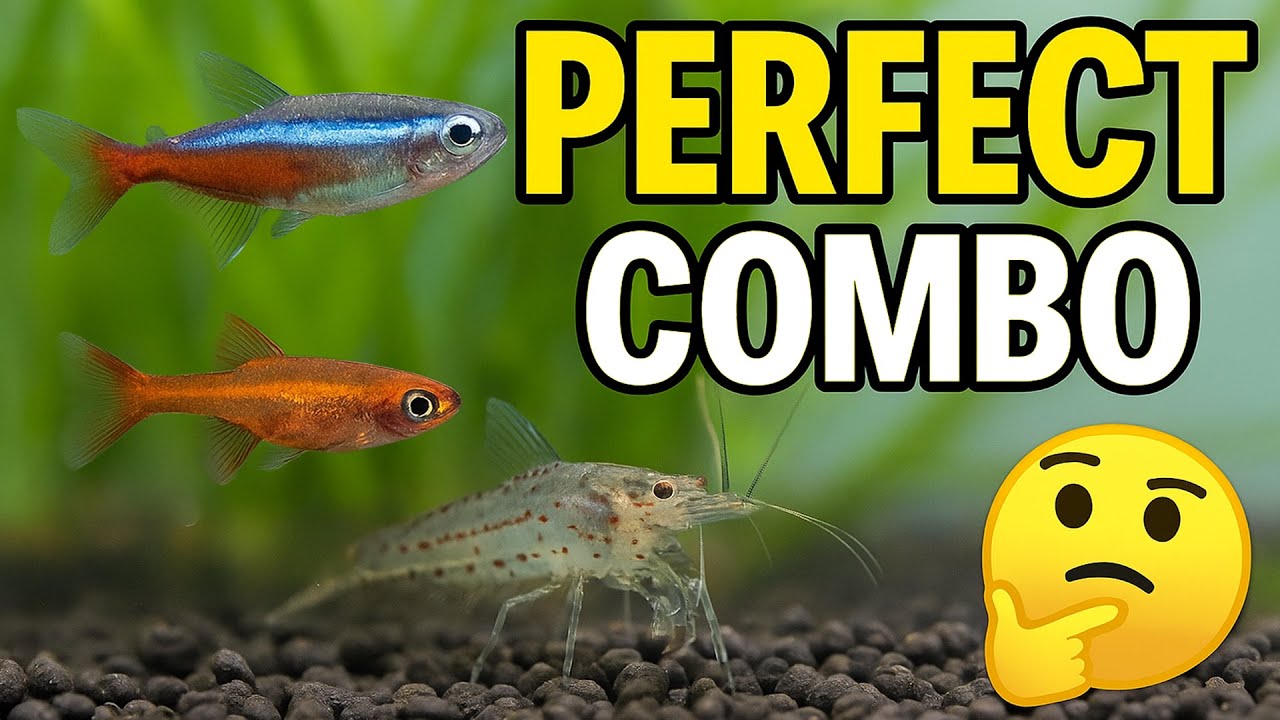
Watch the full diagnostic breakdown above before stocking your glass box. Seeing how these ten species handle real-world parameter fluctuations in live aquariums makes the underlying biology immediately obvious.
The Retail Showroom Trap: Why “Beginner Fish” Die on Borrowed Time
The standard commercial aquarium pipeline does not prioritize long-term physiological stamina; it prioritizes rapid growth velocity, juvenile hyper-pigmentation, and inventory turnover. When you walk into a big-box pet store, the livestock you see swimming under high-output fluorescent tubes is living on borrowed time. These retail holding systems rely on massive centralized filtration racks running hundreds of gallons per minute, continuous ultraviolet sterilization, and heavy chemical suppression to keep fragile fish upright just long enough to process a retail transaction.
The moment that transport bag is sealed and taken home, the artificial safety net disappears. New hobbyists routinely assume that clear water equals safe water, unaware of the severe biochemical gap between a centralized retail fortress and a newly set up closed glass box. Buying high-risk inventory leads to an endless loop of unforced casualties, a dynamic we regularly expose when breaking down the worst fish to keep in a home aquarium. When these fragile animals hit a new setup, two invisible biological bottlenecks systematically destroy them.
Heterotrophic Bacterial Blooms vs. Fragile Gill Epithelium
Every newly established aquarium experiences microbiological succession. Within the first two to three weeks, free-floating heterotrophic bacteria reproduce exponentially to break down trace organic carbon, turning the water into an opaque, milky white haze. While autotrophic nitrifying colonies struggle to colonize the porous filter media, this massive microbial explosion strips dissolved oxygen directly from the water column while sharply elevating physical particulate count.
For fragile showroom fish, this phase is lethal. Species with heavily degraded genetics possess microscopic gill lamellae that are structurally weak. As heterotrophic bacteria swarm the water column, these micro-organisms irritate the delicate respiratory epithelium. The fish responds by secreting excess protective mucus over its gills, creating a fatal self-induced suffocation loop: gas exchange drops, blood acidifies through respiratory acidosis, and the fish suffocates on the substrate while chemical test strips read zero ammonia. True survivors possess thick, resilient branchial membranes that brush off bacterial blooms without cellular distress.
Inbreeding Depression: The Lost Major Histocompatibility Complex (MHC)
Commercial breeding facilities in Southeast Asia and South America use intense sibling-to-sibling backcrossing to fix aesthetic designer traits, such as oversized veil tails, balloon body geometries, and neon blue pigmentation. This intense selective pressure triggers severe inbreeding depression. The most devastating internal casualty of this bottleneck is the destruction of the Major Histocompatibility Complex (MHC)—the primary polygenic cluster responsible for the teleost adaptive immune response.
Without polymorphic MHC diversity, an ornamental fish cannot mount an immune response against common environmental pathogens like Columnaris, Ichthyophthirius multifiliis, or opportunistic saprolegniasis. The fish is biochemically defenseless. It survives in the sterile retail tank because constant UV irradiation suppresses pathogen loads to near-zero levels. When you bring that fish home into a biologically raw environment, routine environmental bacteria overwhelm its organs within 72 hours. To build an unbreakable system, you must bypass these genetic dead-ends and swap in species carrying authentic biological armor, as outlined in our core study on 5 hardy beginner fish that survive mistakes.
The 10 Unbreakable Survivors: Evolutionary Shock Absorbers for New Tanks
A genuinely bulletproof aquarium fish does not rely on an experienced aquarist to keep it alive. It relies on millions of years of evolutionary adaptation: expanded osmotic thresholds, specialized organ geometry, secondary respiratory mechanics, and wild genetic stamina. These ten species do not simply tolerate beginner errors; they actively absorb biological volatility while your nitrogen cycle matures.
1. Ember Tetra (Hyphessobrycon amandae) – The Low-Bioload Schooling Anchor
The standard recommendation for beginner schooling fish is almost always the Neon Tetra (Paracheirodon innesi). In the modern hobby, following that advice is a direct ticket to frustration. Commercially farmed Neon Tetras have been inbred into genetic tissue paper, carrying latent microsporidian parasites and collapsing at the slightest parameter fluctuation. The real solution for a tight, vibrant school is the Ember Tetra.
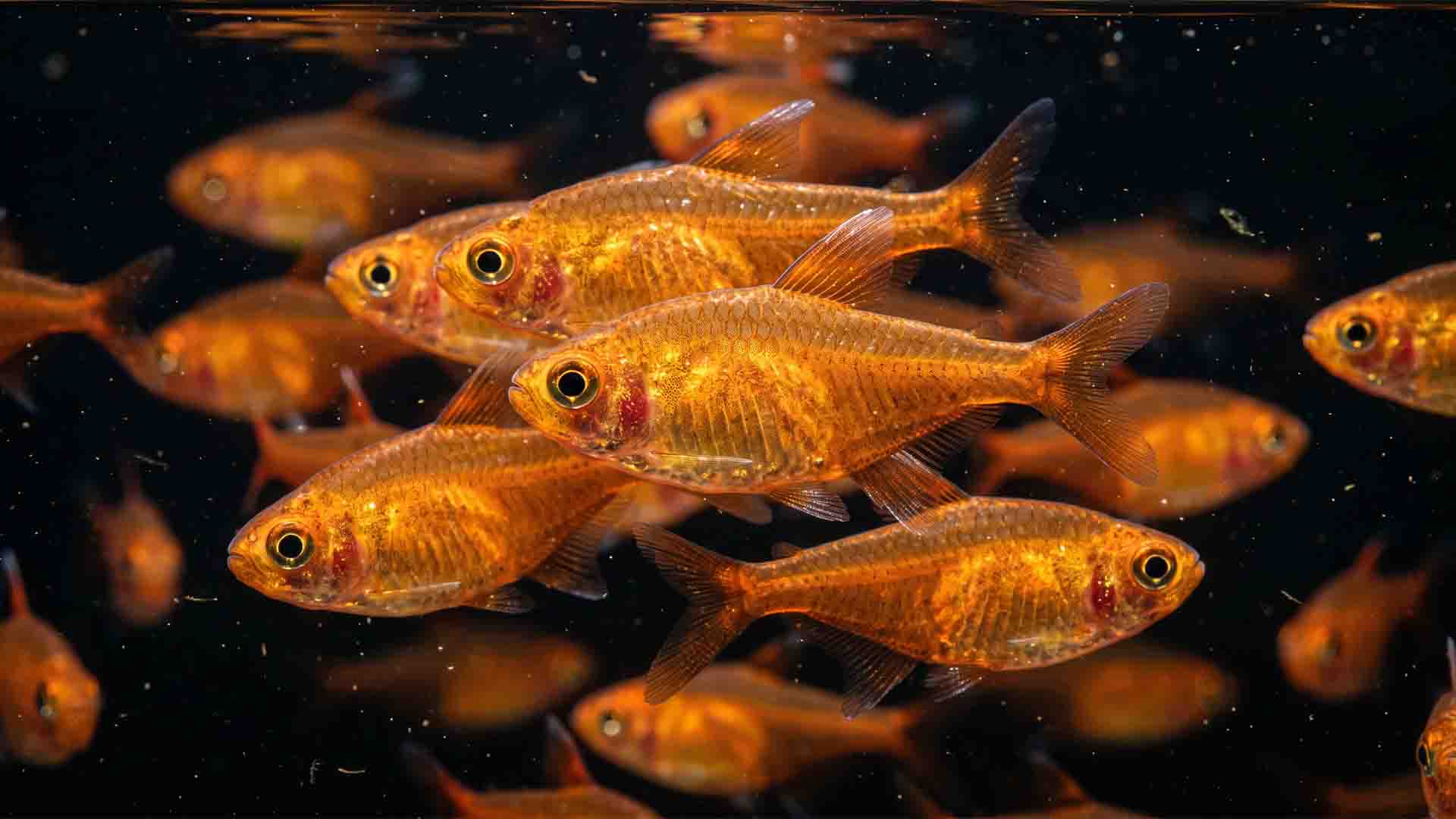
Native to the slow-moving, tannin-stained basin of the Araguaia River in Brazil, Hyphessobrycon amandae caps out at an ultra-compact 0.8 inches. This miniature physical size delivers an immense biological advantage: a school of ten Ember Tetras carries a microscopic metabolic footprint compared to larger characins. They excrete fractions of a milligram of un-ionized ammonia daily, preventing sudden spikes that easily overwhelm young colonies of Nitrosomonas and Nitrospira bacteria. Furthermore, their schooling cohesion is structural rather than panic-driven. Under warm lighting and live plants, their translucent bodies fire up into intense amber-orange tones, providing stunning movement without generating spatial tension or biological debt.
2. Harlequin Rasbora (Trigonostigma heteromorpha) – Stress-Downshifter Dynamics
Most schooling fish respond to the disorientation of a new aquarium by pacing the glass panels frantically. This continuous glass-surfing burns massive amounts of muscular glycogen, elevates baseline plasma cortisol, and suppresses the mucosal slime barrier that prevents bacterial penetration. The Harlequin Rasbora does the exact opposite: it downshifts.
Originating from peat swamp forests across Malaysia, Singapore, and Sumatra, the Harlequin Rasbora is biologically hardwired for variable aquatic environments. When transferred from a chaotic retail sales tank into a home aquarium, its nervous system does not enter a hyper-reactive panic state. Instead of scattering, a group of 8 to 10 Harlequins immediately locks into a loose, coordinated mid-water shoal. Within 48 hours of landing, their copper-orange base coloration and deep black pork-chop wedge marking darken significantly—a direct physiological indicator of dropped stress hormones. They adapt effortlessly across a massive pH window (6.0 to 7.8) and act as natural dither fish, signaling safety to the entire community.
3. White Cloud Mountain Minnow (Tanichthys albonubes) – The Coldwater Thermal Shield
One of the single most common causes of early tank crashes is heater failure. Submersible aquarium heaters are notorious mechanical failure points; cheap internal bimetallic contact strips either stick off—plunging the tank into a cold draft—or weld shut, boiling the ecosystem alive overnight. A rapid temperature drop paralyzes the digestive enzymes of tropical fish, causing gut contents to ferment and triggering systemic organ failure. The White Cloud Mountain Minnow completely eliminates this point of failure.
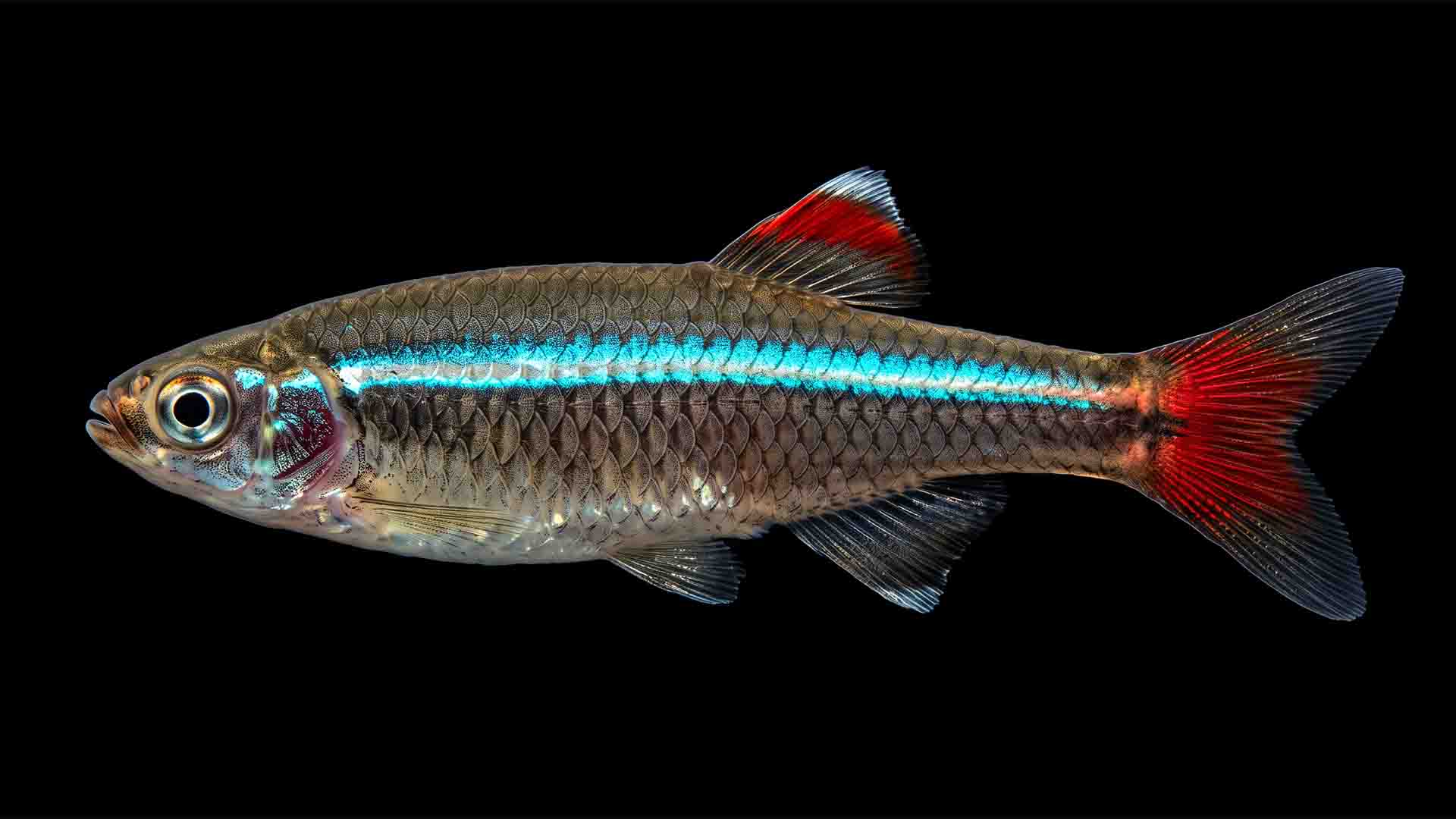
Hailing from the cool, fast-flowing mountain streams of Guangdong Province in China, Tanichthys albonubes is a true eurythermal teleost. It functions with peak metabolic efficiency across an incredible thermal range of 60°F to 72°F (15°C to 22°C), and can comfortably handle dips down to 50°F (10°C) without cellular shock. In fact, their evolutionary thermal tolerance is so expansive that their environmental durability directly influences thermal tolerance boundaries in illegal aquarium fish laws across regions regulating non-native temperate releases. In a standard indoor home aquarium, White Clouds require zero supplemental heating. They display brilliant iridescent neon stripes, vivid blood-red fin margins, and high-speed synchronized schooling without imposing a single kilowatt of heating risk on your system.
4. Bristlenose Pleco (Ancistrus cirrhosus) – Controlled Benthic Maintenance
The biggest biological landmine sold to beginners looking for a “cleaner” is the Common Pleco (Hypostomus plecostomus). Pet stores routinely sell these two-inch juveniles as harmless algae vacuums, completely concealing the fact that they grow into 18-to-24-inch armored river monsters. An adult Common Pleco produces enough continuous solid waste and metabolic ammonia to overpower the canister filtration of a 100-gallon tank, making it one of the premier species on our index of worst aquarium fish to avoid. The Bristlenose Pleco completely corrects this disaster.
Unlike its massive cousins, Ancistrus cirrhosus maxes out at a completely manageable 4 to 5 inches. More importantly, its dietary physiology remains dedicated to grazing soft algae, micro-biofilm, and wood cellulose throughout its entire natural lifespan. While a Common Pleco stops eating algae at maturity and turns into an aggressive scavenger, the Bristlenose uses its specialized suctorial disc and rows of rasping teeth to polish rocks, glass, and driftwood clean without ever harming aquatic foliage. Pair a Bristlenose with a single piece of natural driftwood—which provides the essential lignin fibers needed to stabilize its gastrointestinal microflora—and you gain a tireless, heavy-duty benthic maintenance worker that respects the physical carrying capacity of a 20-to-30-gallon tank.
5. Bronze & Albino Corydoras (Corydoras aeneus) – Enteric Respiration & Barbel Defense
Bottom dwellers in immature aquariums occupy the most hazardous zone of the system. Solid detritus, decaying plant leaves, and uneaten commercial fish food settle directly onto the substrate bed, creating concentrated microscopic boundary layers where dissolved oxygen drops and heterotrophic bacterial loads spike. Sensitive bottom feeders like Otocinclus catfish quickly succumb to starvation or gill infections under these conditions. The Bronze Corydoras (and its Albino captive variant) is built like an aquatic tank to conquer this exact zone.
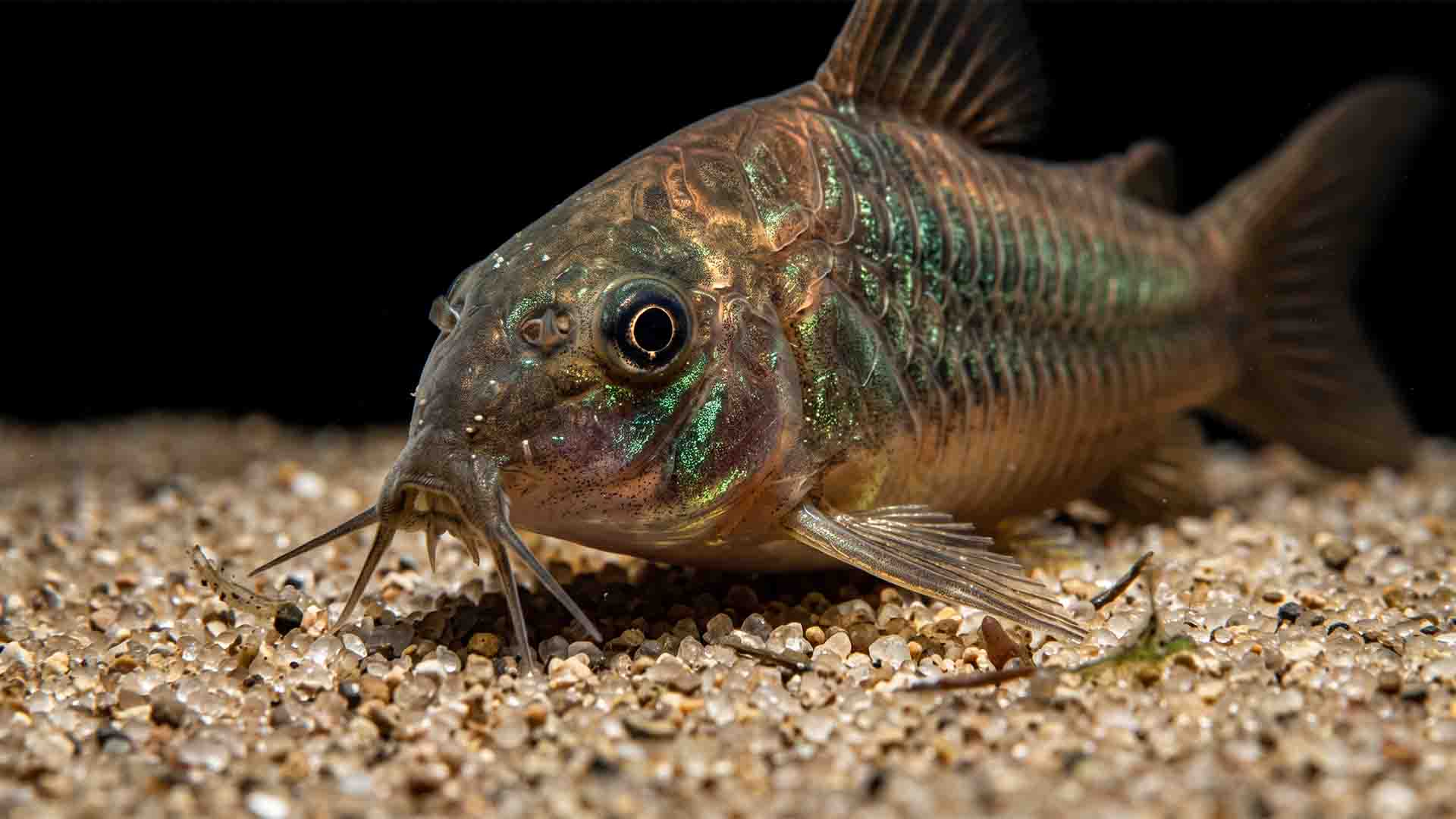
Belonging to the armored catfish family Callichthyidae, Corydoras aeneus possesses two distinct evolutionary survival mechanisms. First, its body is shielded by dual rows of overlapping bony dermal plates (scutes) rather than soft scales, providing impenetrable physical protection against abrasive stress and nipping tankmates. Second, and most impressively, it possesses the ability to perform enteric respiration. When localized dissolved oxygen drops at the bottom of the aquarium, a Corydoras dashes to the surface, gulps atmospheric air, and forces it through a heavily vascularized section of its posterior intestine, extracting oxygen directly into its bloodstream before expelling the depleted gas through the vent.
Keep them in groups of six or more on smooth silica sand. Sand allows them to plunge their snouts deep into the substrate, sifting through fine particles to vacuum up stray protein scraps and expelling clean grains through their opercular openings. This continuous sifting prevents anaerobic gas pockets from forming beneath the surface, transforming them into the most reliable biological floor managers in freshwater fishkeeping.
6. Endler’s Livebearer (Poecilia wingei) – Wild Heterosis vs. Inbred Guppies
For decades, the Fancy Guppy (Poecilia reticulata) was celebrated as the ultimate starter fish. In modern fishkeeping, recommending mass-farmed fancy guppies to a beginner is setting them up for failure. Decades of commercial sibling inbreeding to create massive delta tails, ribbon fins, and hyper-saturated patterns have destroyed their internal organ structure and decimated their immune genetics. If your water hardness shifts slightly or your biological filter experiences a minor delay, modern fancy guppies clamp their fins, develop spinal curvature, and perish. The real biological champion of the livebearer world is the Endler’s Livebearer.
Originating from the warm, hard, mineral-rich Laguna de los Patos system in Venezuela, Poecilia wingei carries untouched wild genetics and profound heterosis (hybrid vigor). Unlike domestic guppies burdened by heavy, flowing caudal fins that create crippling hydrodynamic drag, male Endlers possess short, streamlined spade tails. They burn a fraction of the metabolic energy to swim, allowing them to cruise through brisk filter currents without muscular exhaustion. Furthermore, their renal physiology handles fluctuating total dissolved solids (TDS) effortlessly, bypassing the osmotic lysis that claims fancy guppies in new setups. When evaluating livebearer stamina, we systematically breakdown these physiological disparities in our guppy survival and mortality tier list. Stocking a bachelor group of pure or hybrid Endler males gives you hyper-vibrant metallic green, orange, and black coloration with zero population explosions and zero genetic frailty.
7. Variable Platy (Xiphophorus maculatus) – Osmotic Buffer Against Tap Water Drift
Municipal tap water is never chemically static. Depending on rainfall, reservoir management, and seasonal treatment cycles, municipal water utilities routinely alter mineral concentrations, causing subtle shifts in general hardness (dGH) and carbonate hardness (dKH). For specialized soft-water teleosts, these sudden osmotic swings cause cellular fluid imbalances, forcing their kidneys into metabolic overdrive. The Variable Platy is engineered specifically to absorb these mineral swings.
Hailing from ditch networks, slow canals, and river mouths across Central America, Xiphophorus maculatus possesses exceptionally resilient gill chloride cells and robust renal tubular pathways. They tolerate water parameters ranging from moderately soft to liquid rock (10 to 25 dGH) with a stable pH buffer between 7.0 and 8.2. While fancy mollies frequently break down with fungal infections or shimmying in freshwater without marine salt buffers, Platies thrive directly in pure tap water. Their digestive tracts are omnivorous powerhouses capable of breaking down complex plant matter, making them one of the core species recognized on our register of beginner fish that are nearly impossible to kill. Feed them standard spirulina flakes alongside sinking micro-pellets, and they will cruise your mid-water zone with unwavering biological stability.
8. Cherry Barb (Puntius titteya) – Non-Aggressive Cyprinid Schooling
Mention the word “barb” to a beginner hobbyist, and they instantly envision the notorious Tiger Barb (Puntigrus tetrazona)—an aggressive, high-speed fin-nipper that turns angelfish fins and gourami feelers into shredded ribbons. This reputation causes most new tank owners to completely avoid the cyprinid family. Overlooking the Cherry Barb because of its cousins is a massive tactical error.
Endemic to the shaded, heavily vegetated stream basins of Sri Lanka, Puntius titteya exhibits an exceptionally calm, non-confrontational social structure. They do not form hyperactive, stress-inducing packs. Instead, Cherry Barbs establish loose, cooperative shoals where adult males develop a deep, radiant crimson-cherry sheen during courtship, contrasted by the golden-bronze tones of females. When introduced into an immature aquarium, they do not waste energy frantically pacing the perimeter glass. Instead, they drop into the lower-middle plant canopy, actively picking at microscopic algal biofilm and detritus. This continuous, low-energy foraging provides continuous immune nourishment while your primary autotrophic filter bed stabilizes.
9. Honey Gourami (Trichogaster chuna) – 100% DGIV Immunity Centerpiece
Every community aquarium needs an intelligent centerpiece—a slow-moving, curious focal point that commands attention. In big-box retail stores, employees universally direct beginners toward the Dwarf Gourami (Trichogaster lalius). What that retail sales clerk will never disclose is that up to 22% of mass-bred commercial Dwarf Gouramis carry a fatal, species-specific, incurable pathogen: Dwarf Gourami Iridovirus (DGIV), also classified as an infectious Megalocytivirus. There is no medication, no quarantine protocol, and no chemical treatment that halts DGIV. A keeper can provide laboratory-grade water parameters, yet within 60 days, the fish bloats, develops necrotic skin lesions, and dies behind the filter. The true Honey Gourami completely eliminates this viral tragedy.
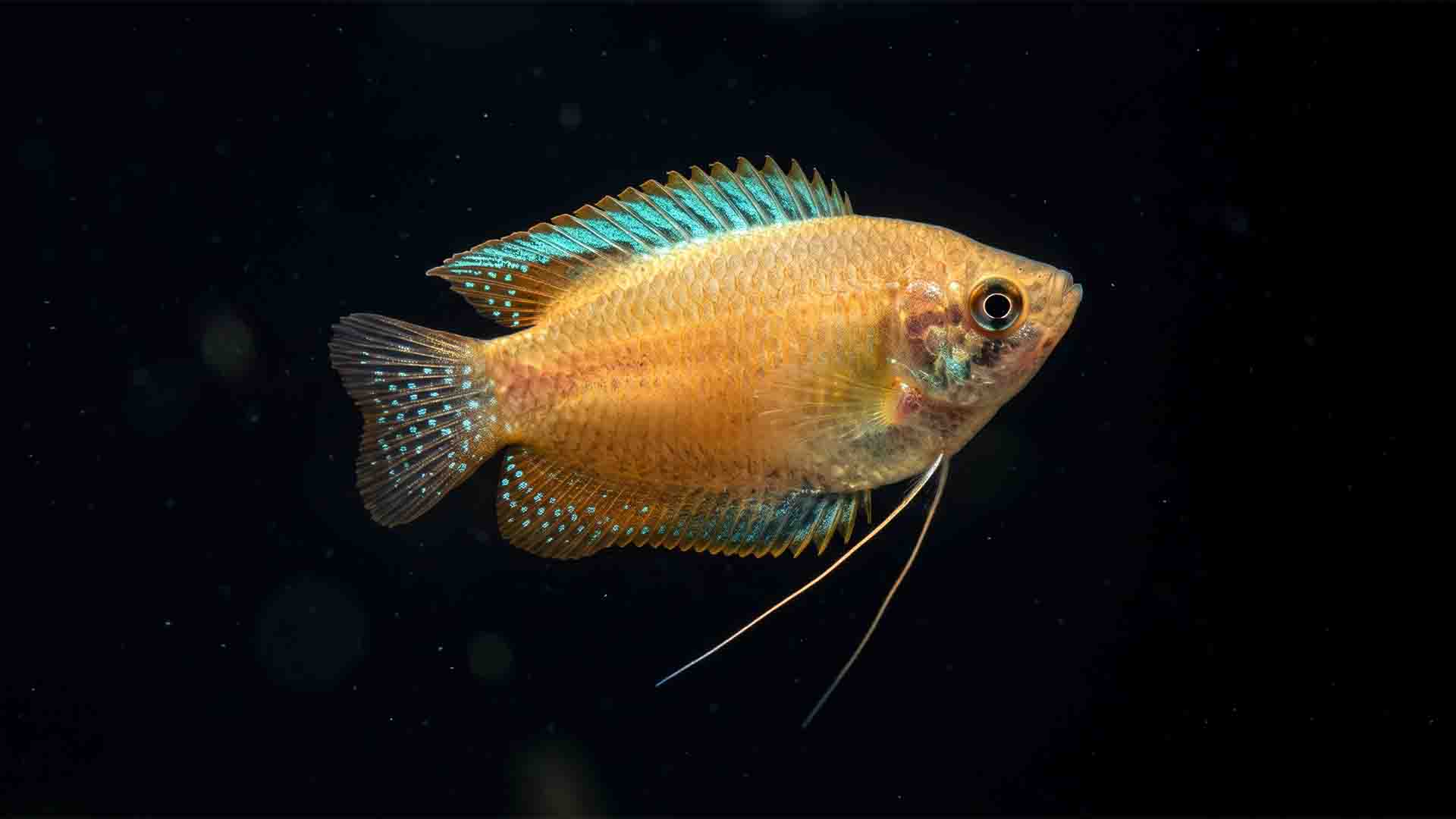
Taxonomically distinct from Trichogaster lalius, the true wild-type Honey Gourami (Trichogaster chuna) possesses complete genetic immunity to DGIV. In a retail display tank, juvenile Honey Gouramis are routinely ignored because they present as washed-out silver slivers with a faint horizontal stripe. However, once placed into a mature planted aquarium with stable chemistry, adult males undergo a stunning transformation: their flanks glow with rich honey-amber pigmentation accented by an electric turquoise-black throat. Their modified, thread-like pelvic fins act as highly sensitive tactile organs, allowing them to gently feel decorations and tankmates without an ounce of territorial malice. They remain under three inches, breathe atmospheric oxygen via their labyrinth organ during low-oxygen spells, and stand out as one of the most reliable picks documented in our index of underrated freshwater fish that refuse to die.
10. Zebra Danio (Danio rerio) – The Indestructible Metabolic Engine
If you were to design a freshwater fish specifically engineered to survive human error, environmental toxicity swings, and catastrophic cycling delays, you would build the Zebra Danio. There is a precise biological reason why Danio rerio is the gold-standard vertebrate model organism in global biomedical research laboratories: its cellular DNA repair mechanisms, regenerative capabilities, and metabolic resilience are unrivaled in the teleost class.
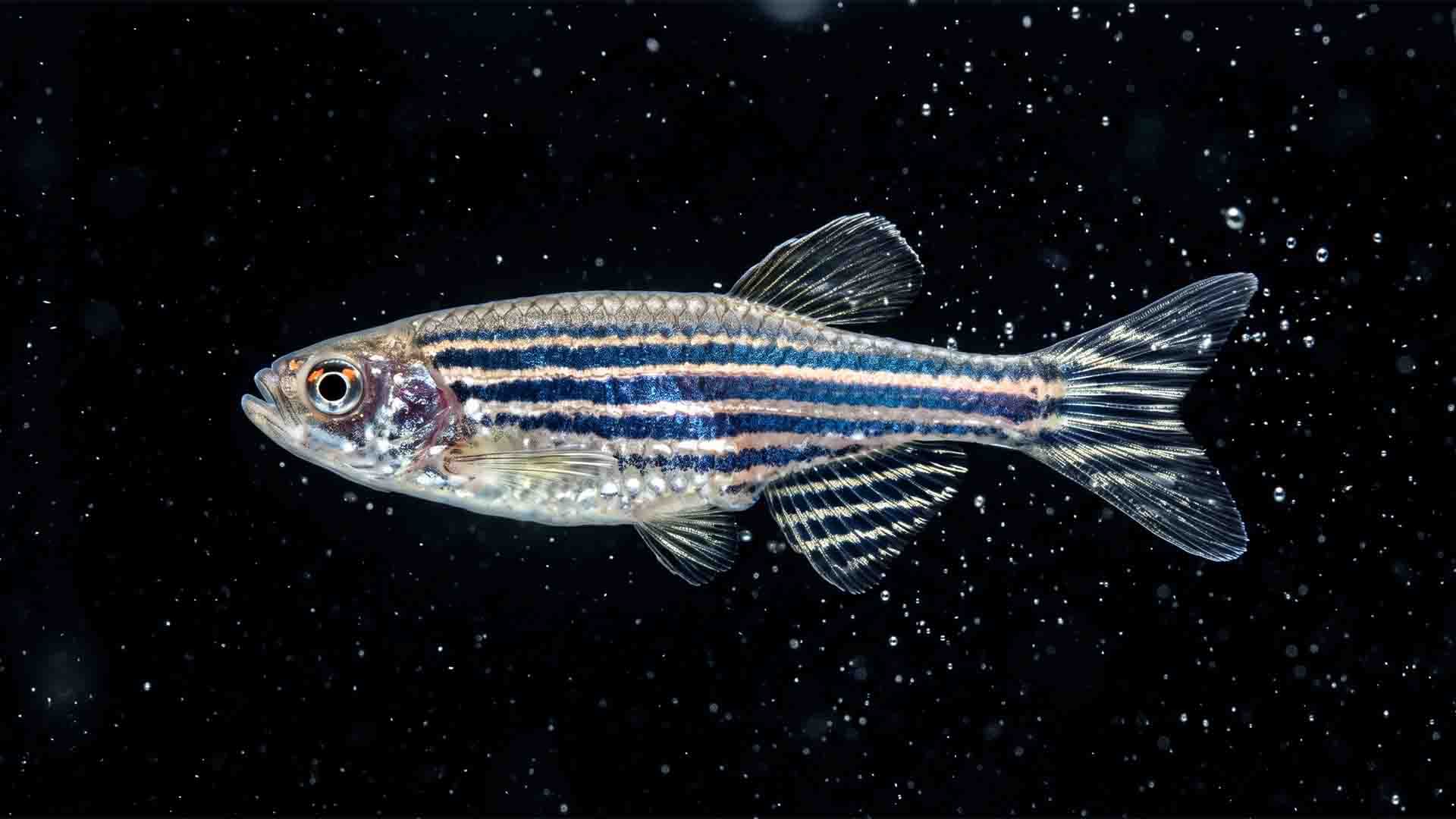
Native to shallow, seasonal floodplains, rice paddies, and slow-moving river tributaries across India and Bangladesh, Zebra Danios naturally encounter severe environmental stressors. They operate comfortably across an extreme thermal window (64°F to 78°F / 18°C to 25°C) and can survive sudden temporary temperature drops down to 60°F (15.5°C) without cellular shock. In an uncycled or immature aquarium where trace spikes of un-ionized ammonia (NH3) or toxic nitrite (NO2) occur due to delayed bacterial establishment, the Zebra Danio’s branchial epithelium resists cellular burn and osmotic collapse where sensitive characins would fail in hours. For hobbyists building their first system, executing the initial layout using our step-by-step tank setup masterclass alongside a school of six to eight Zebra Danios ensures your biological foundation settles with absolute zero livestock loss.
Biological Comparison: Retail Liabilities vs. FTM Resilient Alternatives
Pet store labels rely on subjective marketing buzzwords like “hardy” and “easy care.” In an aquatic ecosystem, hardiness is an empirical biological equation determined by metabolic waste velocity, pathogen susceptibility, and anatomical structure. The master comparison matrix below breaks down the true biological footprint of standard showroom liabilities against their proven FishTank Mastery alternatives.
| Species (Scientific Name) | Typical Retail Trap Replaced | Primary Failure Mechanism of Retail Trap | Evolutionary Armor Feature | FTM Biological Verdict |
|---|---|---|---|---|
| Ember Tetra (Hyphessobrycon amandae) | Neon Tetra (Paracheirodon innesi) | Inbreeding depression, Pleistophora microsporidian parasites, and osmotic collapse. | Ultra-low metabolic waste output; non-frantic shoaling mechanics; negligible bioload. | APPROVED: Superior schooling anchor for nano and 20-gallon systems. |
| Harlequin Rasbora (Trigonostigma heteromorpha) | Silver Tip Tetra (Hasemania nana) | Aggressive hierarchical food frenzies and relentless fin-nipping in small groups. | Neurological stress-downshifter; immediate community calming effect; wide pH tolerance. | APPROVED: Bulletproof mid-water schooling citizen with zero aggression. |
| White Cloud Minnow (Tanichthys albonubes) | Mass-Bred Fancy Guppy (Poecilia reticulata) | Heater-dependent tropical collapse; severe inbreeding; broken immune barriers. | Eurythermal enzyme architecture; functions down to 50°F (10°C); zero heater failure risk. | APPROVED: Coldwater shield that eliminates heater dependency entirely. |
| Bristlenose Pleco (Ancistrus cirrhosus) | Common Pleco (Hypostomus plecostomus) | Massive adult bioload momentum; 24-inch growth ceiling; ceases algae grazing. | Caps at 4-5 inches; lifelong obligate biofilm and cellulose grazer; predictable waste output. | APPROVED: The only sustainable large-surface benthic worker for home tanks. |
| Bronze / Albino Cory (Corydoras aeneus) | Otocinclus Catfish (Otocinclus vestitus) | Wild-caught starvation line; intestinal bacterial crash in sterile, unseasoned setups. | Vascularized enteric intestinal air-breathing; heavy overlapping dermal scute plates. | APPROVED: Heavy-duty substrate detritus manager that forgives low oxygen. |
| Endler’s Livebearer (Poecilia wingei) | Veil / Ribbon Tail Guppy (P. reticulata mutant) | Hydrodynamic drag; physical fin exhaustion; rapid osmoregulatory kidney failure. | Wild heterosis (hybrid vigor); compact hydrodynamic tail structure; resilient kidneys. | APPROVED: Indestructible livebearer with vibrant coloration and zero lethargy. |
| Variable Platy (Xiphophorus maculatus) | Sailfin Molly (Poecilia velifera) | Brackish water requirement; acute sensitivity to freshwater osmotic mineral swings. | Advanced gill chloride cells; effortlessly buffers municipal tap water hardness shifts. | APPROVED: Tough-as-nails community livebearer suited for pure tap water. |
| Cherry Barb (Puntius titteya) | Tiger Barb (Puntigrus tetrazona) | Coordinated mob fin-nipping; predatory aggression directed at slow-moving tankmates. | Peaceful, non-competitive social hierarchy; continuous lower-canopy biofilm grazing. | APPROVED: Gentle cyprinid adding rich crimson coloration without violence. |
| Honey Gourami (Trichogaster chuna) | Dwarf Gourami (Trichogaster lalius) | Up to 22% latent infection rate with incurable Dwarf Gourami Iridovirus (DGIV). | 100% taxonomic immunity to DGIV; gentle tactile feelers; zero surface bullying. | APPROVED: The premier disease-free, peaceful labyrinth centerpiece fish. |
| Zebra Danio (Danio rerio) | German Blue Ram (Mikrogeophagus ramirezi) | Freezes metabolically below 82°F; acute chemical sensitivity to trace nitrogen spikes. | Biomedical laboratory model organism; extreme cellular repair and cycling tolerance. | APPROVED: Practically unbreakable metabolic freight train for new tanks. |
The 60-Day Biological Landing Timeline: How Evolutionary Armor Survives Beginner Errors
An aquarium is not a finished decoration when filled with water; it is a developing biological reactor. Over the first sixty days, the ecosystem passes through four volatile ecological phases. Fragile fish crash because their internal systems cannot adapt to the shifting microbiological pressures. The timeline below tracks how the evolutionary armor of our ten survivors systematically navigates this critical settling window.
| Timeline Phase | Microbiological Environment | Common Beginner Stress Event | FTM Survivor Adaptive Response |
|---|---|---|---|
| Days 1 – 7: Pioneer Rawness | Autotrophic nitrifying bacteria are virtually absent. Inert water contains trace chlorine/chloramine byproducts from municipal sources. Filter surfaces are sterile plastic. | New aquarists add too many fish at once and overdose chemical clarifiers. Submersible heater placement causes 4°F temperature swings. | White Cloud Minnows & Zebra Danios rely on eurythermal enzyme systems to ignore temperature swings. Thick mucosal slime coats protect gill membranes from raw chemical irritation. |
| Days 8 – 21: Heterotrophic Fog | Heterotrophic bacteria explode into the water column to decompose dissolved organic carbon, creating a dense milky-white bloom. Dissolved oxygen levels drop sharply. | Panicked keeper performs massive 50% daily water changes, siphoning out established biofilms while overfeeding disoriented fish. | Corydoras bypass oxygen-depleted water via enteric intestinal air-breathing. Honey Gouramis utilize labyrinth organs at the surface. Ember Tetras produce negligible ammonia, keeping the bloom small. |
| Days 22 – 45: Nitrite Transition | Nitrosomonas bacteria oxidize ammonia into nitrite (NO2). Nitrospira colonies are still immature, causing a temporary nitrite plateau. Hemoglobin binding risk increases. | First-time keeper notices clean-looking water and doubles feeding rations, unaware that clear water can conceal invisible, odorless nitrite spikes. | Platies & Endlers utilize specialized gill ion-transport channels to buffer toxic ion diffusion. Harlequin Rasboras remain locked in calm mid-water schools, maintaining low metabolic oxygen demand. |
| Days 46 – 60: Ecosystem Maturity | Autotrophic nitrifiers fully colonize filter sponges and substrate beds. Ammonia and nitrite sit at rock-solid 0 ppm. Extracellular polymeric substance (EPS) biofilms coat hardscape. | Brown diatom algae coats glass and rocks. Keeper contemplates buying toxic chemical algaecides or destructive 18-inch Common Plecos. | Bristlenose Pleco uses its suctorial disc to polish diatom films clean without bioload spikes. Cherry Barbs continuously graze micro-algae, finalizing biological tank stability. |
Fatal Beginner Mistakes to Avoid (Behavioral Traps)
When an aquarium starts displaying signs of instability, human psychology pushes the beginner to react immediately. Unfortunately, in closed aquatic biology, instinctive human reactions almost always make the problem worse. To protect your livestock and preserve your cycling biofilter, eliminate these four destructive habits immediately:
- Avoid Panic Water Changes During Bacterial Blooms: When your tank turns milky white on Day 10, your instinct screams that the water is dirty and must be replaced immediately. Doing a 50% water change dumps fresh trace minerals and dissolved nutrients into the tank, fueling a secondary heterotrophic bloom that turns the water twice as milky within 24 hours. Unless a liquid test kit indicates dangerous ammonia spikes above 0.50 ppm, keep your hands out of the tank. Let the heterotrophic bacteria starve themselves out naturally over 5 to 7 days, as explained in our protocol for clearing cloudy aquarium water naturally.
- Avoid Purchasing Fish Based on Retail “Job Titles”: Big-box pet stores sell animals as appliances. They sell Common Plecos as “glass cleaners,” Chinese Algae Eaters as “janitors,” and Mystery Snails as “waste disposers.” A fish is a living biological organism with an active metabolic exhaust, not a mechanical filter. Adding high-bioload scavengers to a developing system creates three times more solid waste than they clean, a trap we systematically detail in our guide to the best freshwater clean-up crew ranked by real results. Never hire an organism whose adult size and bioload momentum your filtration cannot support.
- Avoid Cleaning Filter Media Under Municipal Tap Water: When filter outflow slows, beginners routinely pull the internal sponge out and wash it under the kitchen faucet until it sparkles. Chlorinated tap water instantly lyses your living beneficial bacteria colonies, evicting the nitrifying biofilm that took six weeks to cultivate. This single error resets your nitrogen cycle to day zero, triggering catastrophic ammonia spikes that we break down in our warning on why cleaning filter media under tap water kills fish. Always rinse filter sponges gently in a bucket of siphoned aquarium water.
- Avoid the Single-Heater Dependency Trap: Relying on a single cheap glass submersible heater to regulate a tropical tank is playing biological Russian roulette. Internal bimetallic contact switches inevitably fail over time. When they fail open, the heater boils the aquarium alive; when they stick closed, the tank cools rapidly, paralyzing tropical digestive tracts. If keeping delicate species, install dual smaller-wattage heaters or utilize a digital external temperature controller. Better yet, build your system around eurythermal survivors like White Cloud Mountain Minnows that eliminate heater failure risks entirely.
Step-by-Step Biological Landing Protocol (Do This Instead)
Successfully transitioning new fish from an industrial retail holding system into a developing home aquarium requires a deliberate biological landing framework. To ensure your new arrivals settle with zero mortality and zero system shock, implement this four-step landing protocol:
- Step 1: Execute Continuous Drip Acclimation: Floating a sealed plastic bag in your tank for fifteen minutes only equalizes water temperature; it does nothing to bridge the severe osmotic and pH gap between store water and your home aquarium. Pour the fish and store water into a clean, dedicated bucket. Using airline tubing tied with a loose knot, siphon water from your tank into the bucket at a rate of 2 to 3 drips per second for 45 minutes. This slow titration allows the fishes’ cell membranes and internal blood chemistry to adjust to your system’s mineral hardness without triggering acute osmotic lysis. Net the fish into the tank and discard 100% of the transport water.
- Step 2: Enforce a Mandatory 24-Hour Tank Blackout: The visual sensory organs of teleost fish are directly linked to their endocrine stress pathways. Dropping disoriented fish into a brightly illuminated aquarium forces their adrenal systems into overdrive, elevating plasma cortisol and suppressing their immune slime barrier. Turn off your aquarium lights completely for the first 24 hours post-introduction. Keep room lighting dim. Darkness allows new stock to explore hardscape boundaries, discover hiding zones, and downshift their nervous systems in safety.
- Step 3: Impose an Absolute First-Day Feeding Fast: Beginners universally celebrate introducing new fish by dumping flakes into the tank. This is a fatal mistake. Stressed, disoriented fish have temporarily halted gastrointestinal motility; they will ignore commercial food, allowing protein-dense flakes to sink into the substrate and decay into an un-ionized ammonia spike. Fast the entire aquarium for the first 24 hours. When you initiate feeding on Day Two, offer only 25% of a standard portion using highly digestible micro-pellets. This encourages natural biofilm grazing without challenging your developing biofilter.
- Step 4: Structure Clear Hydrodynamic Line-of-Sight Breaks: In wide-open aquascapes lacking physical structure, dominant territorial fish can scan the entire tank from a single vantage point, forcing subordinate fish into chronic corner-pacing exhaustion. Arrange natural driftwood, rock hardscape, and tall background stem plants following our blueprint on avoiding foundational fish tank setup mistakes. Creating three distinct visual zones ensures that subordinate fish can break eye contact instantly, defusing chase behavior before physical injuries occur.
Scientific Truths Behind Teleost Hardiness (Peer-Reviewed Focus)
At FishTank Mastery, we do not evaluate aquarium livestock using subjective retail buzzwords or pet store sales scripts. A closed freshwater aquarium is a complex biochemical reactor governed by physical thermodynamics, cellular fluid dynamics, and evolutionary ecology. When a newly purchased fish collapses inside a clean-looking tank, the failure is driven by measurable physiological breakdowns occurring at the cellular level. The peer-reviewed mechanisms below explain why our ten recommended species possess genuine biological armor where fragile commercial stock fails.
The first foundational mechanism is branchial ionocyte kinetics and osmotic gradient maintenance. Freshwater teleost fish are hyperosmotic to their surrounding environment, meaning their internal blood and tissue fluids maintain a significantly higher salt concentration than the freshwater surrounding them. Water constantly enters their bodies through the permeable gill lamellae via passive osmosis, while essential electrolytes (Na+, Cl-, Ca2+) constantly diffuse out into the water column. To survive, the fish relies on specialized mitochondria-rich cells (ionocytes) located on the branchial epithelium to actively pump ions back into the blood against an extreme concentration gradient. In mass-farmed species suffering from inbreeding depression, these ionocyte transport channels become exhausted during minor tap water mineral drifts, leading to acute osmoregulatory lysis. Conversely, wild-type phenotypes like Poecilia wingei and Xiphophorus maculatus possess dense, robust ionocyte populations that buffer drastic fluctuations in total dissolved solids without cellular exhaustion. Read the study on branchial ion regulation and teleost osmoregulation.
The second biological reality governs benthic respiratory adaptation and boundary layer hypoxia. In developing aquariums, the bottom half-inch of the substrate bed experiences severe micro-environmental degradation. Solid waste decomposition and heterotrophic bacterial blooms create localized hypoxic dead zones where dissolved oxygen drops below 2.0 mg/L, even while the upper water column appears well-aerated. Conventional bottom dwellers experience rapid respiratory distress and branchial necrosis when trapped in this boundary layer. Armored catfishes of the genus Corydoras bypass this physical limitation entirely through facultative aerial respiration. The posterior portion of the Corydoras intestinal tract is modified into a thin-walled, heavily vascularized respiratory organ. By swallowing atmospheric air at the surface and forcing it through the digestive tract, the fish achieves direct gaseous diffusion into the dorsal aorta, maintaining normal metabolic ATP production regardless of localized substrate hypoxia. Read the study on enteric respiration and intestinal vascularization in callichthyid catfishes.
The third critical factor is taxonomical viral divergence within labyrinth fish. Commercial retail facilities face a catastrophic epidemic of Dwarf Gourami Iridovirus (DGIV), a pathogen classified under the genus Megalocytivirus. DGIV targets systemic endothelial cells, causing widespread tissue necrosis, splenic hypertrophy, renal tubule collapse, and inevitable mortality in Trichogaster lalius. Crucially, empirical virological surveillance demonstrates that Trichogaster chuna (the Honey Gourami) exhibits absolute cellular resistance to DGIV infection. Receptor-mediated endocytosis pathways utilized by the megalocytivirus to penetrate the host cell membrane fail to bind with homologous surface proteins in T. chuna. By choosing the Honey Gourami, you are not merely selecting a calmer centerpiece fish; you are deploying an organism with genetic immunity against the most devastating latent pathogen circulating through modern commercial ornamental distribution chains. Read the study on megalocytivirus pathogenesis and host susceptibility in ornamental labyrinth species.
The fourth physiological truth is eurythermal enzyme plasticity across non-tropical teleosts. Most tropical showroom livestock operate within a narrow stenothermal metabolic corridor; a rapid temperature decline of 5°F induces cold shock, causing the lipid bilayers of cellular membranes to lose fluidity and halting the kinetic activity of critical digestive enzymes. In contrast, temperate species such as Tanichthys albonubes and Danio rerio maintain homeoviscous adaptation. When water temperatures drop, these fish dynamically alter the fatty acid composition of their cell membranes, incorporating higher proportions of polyunsaturated fatty acids to preserve fluid membrane architecture. Simultaneously, their bodies express cold-tolerant enzyme isozymes that sustain metabolic glycolysis and cardiac output at temperatures as low as 50°F (10°C). This physiological plasticity completely removes the catastrophic vulnerability of aquarium heater failures. Read the study on teleost thermal plasticity and homeoviscous membrane adaptation.
Google People Also Ask (PAA)
What is the absolute hardiest freshwater fish for a beginner?
The Zebra Danio (Danio rerio) is scientifically recognized as the most resilient freshwater aquarium fish for beginners. Because it serves as a primary model organism in biomedical genetic research, its cellular repair mechanics, branchial tissue durability, and metabolic adaptability are thoroughly documented. Zebra Danios withstand early cycling errors, temporary un-ionized ammonia spikes up to 0.50 ppm, and wide thermal swings between 64°F and 78°F without experiencing systemic organ failure or chronic stress collapse.
Can beginner fish survive in an uncycled aquarium?
While hardy species like Zebra Danios and White Cloud Mountain Minnows can survive the chemical swings of an uncycled tank, forcing any organism through unmitigated New Tank Syndrome causes microscopic branchial burning and suppresses the immune mucosal barrier. If you must cycle an aquarium with livestock, you must limit stocking density to no more than three small fish per 10 gallons, test water chemistry daily with a calibrated liquid drop kit, and perform 20% water changes whenever ammonia or nitrite exceeds 0.25 ppm.
Why do Neon Tetras die so easily in new aquariums?
Modern commercial Neon Tetras (Paracheirodon innesi) suffer from severe inbreeding depression caused by industrial aquaculture facilities backcrossing siblings to maximize juvenile pigmentation. This intense genetic bottleneck has degraded their Major Histocompatibility Complex (MHC), leaving their immune systems incapable of resisting routine environmental bacteria. Furthermore, commercial stock frequently carries latent Pleistophora hyphessobryconis (Neon Tetra Disease), a microsporidian parasite that activates the moment transport stress lowers host defenses.
Do Honey Gouramis get the same viral diseases as Dwarf Gouramis?
No. True Honey Gouramis (Trichogaster chuna) possess complete genetic immunity to Dwarf Gourami Iridovirus (DGIV), the fatal megalocytivirus that infects over 20% of commercially farmed Dwarf Gouramis (Trichogaster lalius). Because DGIV cannot bind to the cellular surface receptors of T. chuna, Honey Gouramis eliminate the sudden bloating, systemic organ necrosis, and unprovoked mortality that plague traditional retail dwarf gouramis.
What fish can survive if the aquarium heater stops working?
White Cloud Mountain Minnows (Tanichthys albonubes) and Zebra Danios (Danio rerio) survive heater failures effortlessly. Hailing from temperate montane streams, White Clouds thrive in water temperatures between 60°F and 72°F (15°C to 22°C) and can safely handle dips down to 50°F (10°C) without metabolic paralysis. Keeping eurythermal species eliminates the single biggest mechanical failure point in home aquariums: stuck heater thermostats.
How long does it take for a new aquarium to stop being toxic to fish?
A closed freshwater aquarium typically requires 30 to 45 days to complete microbiological succession and establish a robust, autotrophic biofilter. During the first two weeks, heterotrophic bacterial blooms create white water and oxygen depletion. Around Day 20, ammonia converts to toxic nitrite, which peaks before slow-growing Nitrospira colonies mature to convert nitrite into harmless nitrate. A tank is biologically safe only when liquid tests confirm 0 ppm Ammonia, 0 ppm Nitrite, and detectable Nitrate.
Why do cleaner fish produce more waste than they clean?
Cleaner fish are living teleosts with active metabolic digestive systems, not mechanical filter cartridges. Species commonly marketed as “janitors,” such as the Common Pleco (Hypostomus plecostomus) or Chinese Algae Eater (Gyrinocheilus aymonieri), consume high volumes of soft algae and wood cellulose but possess low nutrient assimilation efficiency. As a result, they excrete up to 80% of ingested matter as solid feces and concentrated metabolic ammonia, rapidly overloading the biological filtration of small tanks.
Frequently Asked Questions (FAQ)
How many hardy beginner fish should I add to a brand-new tank at once?
When stocking an immature aquarium, introduce no more than 4 to 6 small schooling fish (such as Ember Tetras or Zebra Danios) during the first stocking event. Adding an entire community simultaneously introduces an immense metabolic waste surge that instantly overwhelms immature colonies of autotrophic nitrifying bacteria. Allow the biofilter 14 to 21 days to expand its bacterial population to match the bioload before introducing the next small cohort of livestock.
Can I keep Endler’s Livebearers and Platies together in tap water?
Yes. Endler’s Livebearers (Poecilia wingei) and Variable Platies (Xiphophorus maculatus) are exceptionally compatible tankmates that share identical osmoregulatory requirements. Both species thrive in moderately hard to hard municipal tap water (10 to 25 dGH) with an alkaline pH between 7.2 and 8.2. Their robust gill chloride cells effortlessly utilize dissolved calcium and magnesium minerals to stabilize cellular osmotic pressure, making them virtually immune to municipal tap water mineral drift.
What should I feed hardy schooling fish during the first two weeks?
During the critical two-week acclimation window, feed small, highly digestible sinking micro-pellets formulated with whole aquatic proteins (such as black soldier fly larvae or krill) rather than cheap generic flake foods. Generic flakes disintegrate within seconds of surface contact, dissolving into fine organic silt that fuels heterotrophic bacterial blooms. Offer only what your fish consume completely within 60 seconds, once per day, and establish one mandatory fasting day each week to allow digestive tracts to clear.
How do I know if my cloudy water is a bacterial bloom or substrate dust?
To accurately diagnose cloudy water, perform the 60-Minute Glass Jar Test. Siphon water from the aquarium into a clean, transparent glass jar and let it sit undisturbed on a counter for one hour. If fine sediment settles to the bottom of the jar leaving clear water above, your issue is mechanical substrate dust. If the water remains uniformly hazy and milky white from top to bottom, you are observing an active heterotrophic bacterial bloom responding to dissolved organic carbon.
Why is sand substrate mandatory for Corydoras catfish instead of coarse gravel?
Corydoras catfish possess delicate sensory barbels equipped with external taste buds and chemoreceptors used to detect buried food particles. Coarse, jagged commercial gravel physically erodes these barbels over time, creating open micro-wounds that opportunistic bacteria (such as Flavobacterium columnare) readily infect. Fine, smooth silica sand allows Corydoras to plunge their rostrums deep into the substrate bed, sifting grains safely through their gills while naturally preventing anaerobic substrate compaction.
Hub & Spoke: Engineering Crash-Proof Community Ecosystems
Selecting hardy freshwater fish with evolutionary shock absorbers is the single most critical tactical decision you will make, but livestock selection is only one component of a self-sustaining aquatic ecosystem. An aquarium is an interconnected network of physical hardscape, hydrodynamic filtration, microbiological succession, and water chemistry. If you drop indestructible fish into an operational system with broken fundamental mechanics, delayed failure will eventually collect its invoice.
If your aquarium water currently looks crystal-clear yet your livestock exhibits clamped fins, sluggish propulsion, or unprovoked mortality, you are likely trapped in an invisible chemical plateau. Clear water routinely masks lethal concentrations of un-ionized ammonia or acute osmotic shock. To audit your water column beyond basic optical clarity, examine our systematic breakdown on how false stability triggers delayed aquarium collapse. Understanding how invisible biological debts accumulate allows you to stabilize parameters weeks before physical symptoms emerge.
For hobbyists currently assembling their first glass box or upgrading from a basic kit, physical equipment placement and substrate architecture dictate long-term success. The standard commercial advice provided by retail starter kits frequently installs undersized filters, dead-zone heater placements, and painted gravel beds that destabilize beneficial bacteria. Follow our comprehensive operational masterclass on how to set up a fish tank the right way to prevent early crashes to ensure your foundation supports biological life effortlessly.
Furthermore, if you are stocking a compact nano layout between 5 and 10 gallons, the biological margin for error shrinks dramatically. Small water volumes accelerate metabolic concentration, turning minor overfeeding into acute chemical spikes. Before selecting livestock for small footprints, cross-reference your species list against our dedicated guide to the top 5 aquarium fish for small and nano tanks to ensure your bioload matches your filtration capacity.
Finally, as your aquarium reaches biological maturity between Days 45 and 60, you will inevitably encounter brown diatom films and green spot algae coating hardscape surfaces. The single worst mistake an aquarist can make during this phase is panic-cleaning filter media or dumping toxic chemical algaecides into the water column. Discover how to regulate photoperiods, balance nutrient ratios, and integrate authentic biological janitors by reviewing our long-term protocol on why aquarium algae keeps coming back and how to stop it naturally.
Scientific References & Peer-Reviewed Literature Review
Every physiological threshold, anatomical adaptation, and microbiological timeline presented in this guide is grounded in published teleost biology, comparative physiology, and aquatic veterinary science:
Research published in Comparative Biochemistry and Physiology confirms that teleost branchial ionocytes dynamically regulate active ion uptake in response to fluctuating environmental hardness, proving why wild-type phenotypes outlast mass-inbred commercial stock during tap water transitions. Read the study on branchial ion regulation and teleost osmoregulation.
Studies published in Environmental Biology of Fishes analyze the respiratory physiology of callichthyid catfishes, documenting the precise vascular architecture of the posterior intestine that enables Corydoras to extract atmospheric oxygen directly during localized boundary layer hypoxia. Read the study on enteric respiration and intestinal vascularization in callichthyid catfishes.
An extensive veterinary epidemiology analysis published in Aquaculture evaluates megalocytivirus transmission across ornamental anabantoids, confirming high latent infection rates of DGIV in commercial Trichogaster lalius and establishing the taxonomical receptor resistance of Trichogaster chuna. Read the study on megalocytivirus pathogenesis and host susceptibility in ornamental labyrinth species.
A landmark thermal biology investigation in the Journal of Comparative Physiology B demonstrates homeoviscous membrane adaptation in temperate cyprinids, explaining the enzymatic mechanisms that allow species like White Cloud Mountain Minnows to maintain normal cellular function at low temperatures. Read the study on teleost thermal plasticity and homeoviscous membrane adaptation.
Watch Next: Build Your Crash-Proof System (YouTube Chain)
Mastering freshwater fishkeeping requires looking beyond isolated species care sheets and understanding how livestock, filtration hardware, and biological routines interact inside a closed ecosystem. Continue your education through the dedicated FishTank Mastery video masterclass series:
- Beginner Fish That WON’T Ruin Your First Tank: Discover which popular starter species look peaceful in retail showrooms but quickly turn into aggressive fin-nippers or massive bioload polluters. Watch the beginner fish compatibility guide on YouTube.
- Fish Ranked: Worst to Best (Survival Rate): An unfiltered, data-backed tier list ranking freshwater aquarium fish by empirical captive survival rates and stress tolerance. Watch the complete fish survival ranking on YouTube.
- Don’t Buy These Bottom Dwellers (Worst to Best Cleaners): Exposing the common retail cleanup crew traps that crash filtration beds, and ranking the real benthic workers that keep aquariums spotless. Watch the bottom dweller breakdown on YouTube.
- Step-by-Step Aquarium Setup Guide (Avoid Crashes): The definitive 18-step blueprint covering substrate layering, filter optimization, and biological cycling to ensure your new tank never experiences New Tank Syndrome. Watch the complete aquarium setup masterclass on YouTube.
- 7 Pet Store Lies That CRASH New Fish Tanks: Uncover the retail sales scripts and commercial marketing myths that push beginners into buying unnecessary chemicals and fragile livestock. Watch the retail truth expose on YouTube.
Stop gambling your hard-earned money and emotional energy on fragile showroom stock bred on borrowed time. When you build your aquatic system around evolutionary shock absorbers, natural biology does the heavy lifting for you. Until next time, keep your tanks balanced, your biosecurity tight, and your curiosity flowing.