
Choosing the right nano fish for 5 gallon tank setups is a razor-thin biological high-wire act where small mistakes do not dilute. Most beginner aquarists walk into a pet store, pick up a handful of colorful schooling fish labeled as “easy pets,” and drop them into a tiny glass cube—only to watch them mysteriously perish within 72 hours. When water parameters read zero ammonia and zero nitrite, the immediate reaction is guilt, frustration, and confusion. But here is the brutal truth: your 5-gallon tank did not fail overnight; the retail livestock supply chain handed you an organism running on empty biological batteries.
A standard 5-gallon aquarium holds barely 18.9 liters of water. Once you factor in the displacement of substrate, hardscape rocks, driftwood, and filter equipment, your actual water volume shrinks to roughly 3.8 to 4.2 gallons. In a micro-ecosystem of this scale, there is zero biological buffer. In this comprehensive guide, we tear down retail marketing myths, rank the absolute worst to best nano fish for 5 gallon aquariums based on real cellular physiology, and give you the exact blueprint to engineer a stable, thriving micro-habitat.
The 5-Gallon Nano Tank Reality: Why Small Mistakes Do Not Dilute
The most persistent myth in freshwater fishkeeping is that small tanks are easier for beginners. Retail stores promote 5-gallon starter kits as low-maintenance desktop decorations. From a biological perspective, the exact opposite is true: a 50-gallon tank is a massive freight ship that absorbs temperature shifts and organic waste surges with minimal drift, whereas a 5-gallon tank is a high-precision canoe that capsizes the moment an extra pinch of food hits the substrate. If you are new to small aquariums, understanding our foundational analysis on beginner mistakes that ruin nano tanks is mandatory before purchasing livestock.
Water Volume Physics: Rapid Osmotic Shifts vs. Biological Buffer
In a standard closed aquatic ecosystem, biological stability relies on thermal inertia and chemical equilibrium. In a 5-gallon tank, thermal loss happens rapidly; an ambient room draft can drop the water temperature by 3°F (1.6°C) in under two hours, paralyzing the enzymatic digestive pathways of tropical teleost fish. More critically, evaporation rapidly concentrates Total Dissolved Solids (TDS), General Hardness (GH), and Carbonate Hardness (KH). When water evaporates from a micro-tank, the mineral ions remain behind, dramatically increasing the osmotic pressure exerted on the epithelial cells of your fish’s gills.
Unless topped off frequently with pure distilled or RO water, this fluctuating ionic gradient forces the fish’s ionocytes (chloride cells) to work in continuous overdrive. The fish must burn through its systemic glycogen reserves simply to maintain cellular fluid balance rather than fueling its immune system. When an unexpected micro-spike of organic waste occurs, the animal has zero physiological reserve left to fight back.
The Retail Fortress Illusion: Centralized UV Systems vs. Home Tank Reality
When you observe schooling fish swimming vigorously inside a pet store holding cube, you assume they are flourishing. What you are actually looking at is an artificial biological fortress. Commercial chain stores operate on massive centralized sump systems holding thousands of gallons of water, equipped with commercial-grade protein fractionators, high-turnover turnover pumps, and heavy ultraviolet (UV) sterilizers. The industrial UV sterilizers continuously neutralize free-swimming bacterial cells (such as Flavobacterium columnare) and protozoan parasites (such as Ichthyophthirius multifiliis) in the water column.
The livestock inside those retail cubes are not inherently immune; their immune systems are simply artificially shielded by technology. When a customer nets those fish, traps them in a plastic bag with declining oxygen, transports them home, and drops them into an unsterilized, developing 5-gallon aquarium, that technological safety net vanishes instantly. The fish’s slime coat thins from transportation friction, ambient cortisol spikes, and the dormant opportunistic bacteria present in every home aquarium quickly overwhelm the defenseless host. To prevent unexplained livestock collapse, review our troubleshooting guide on why aquarium fish keep dying in clean water.
The 4 WORST Nano Fish for 5 Gallon Tanks (Biological Collapse Traps)
Certain freshwater species are commercially marketed as perfect candidates for tiny tanks based solely on their juvenile purchase length. However, when you evaluate their swimming mechanics, genetic vulnerability, and specialized dietary requirements, they represent guaranteed system crashes in a 5-gallon volume. Avoid these four biological traps entirely when stocking a micro-ecosystem.
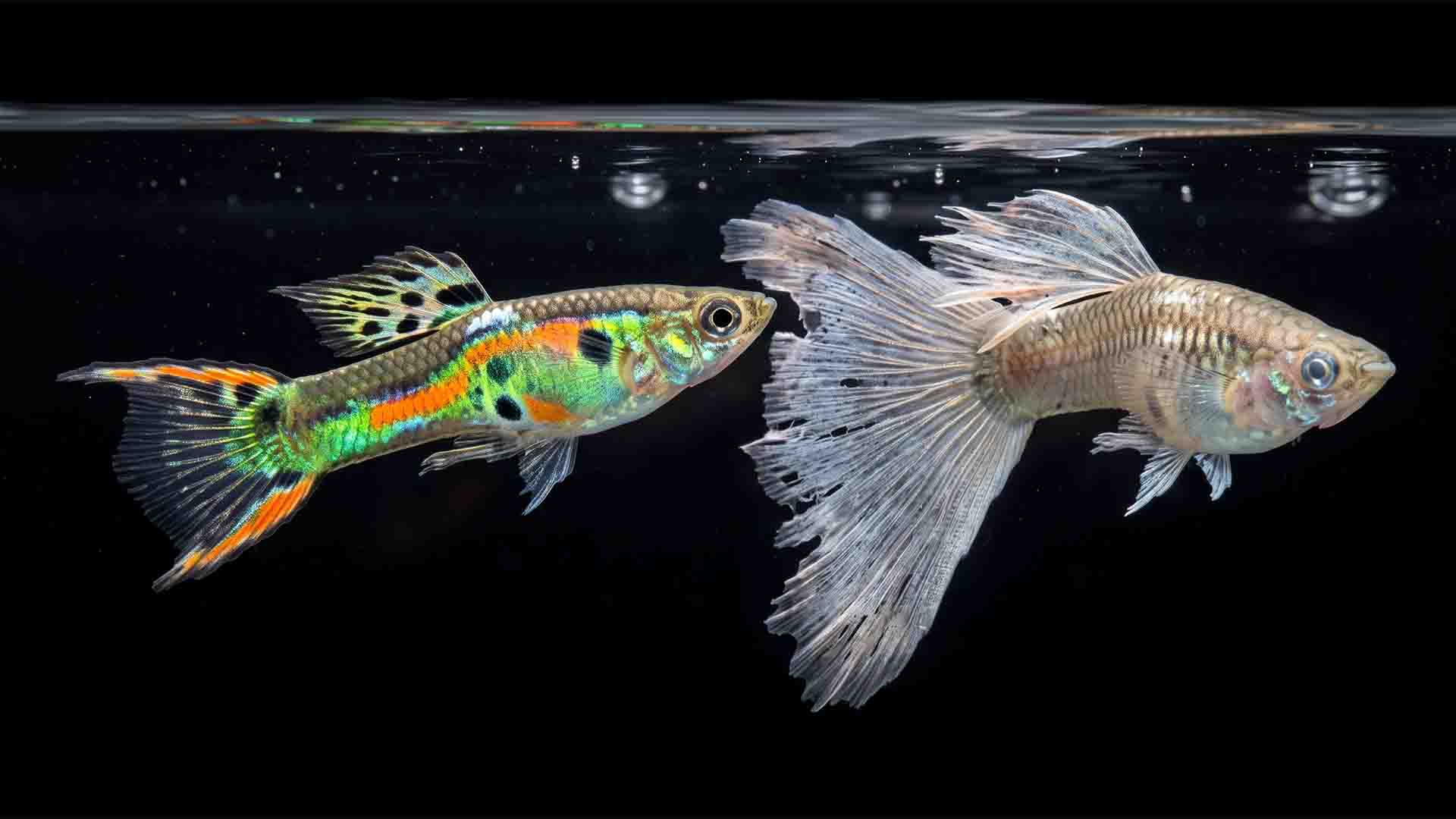
Worst #4: Fancy Guppy (Poecilia reticulata) – Inbreeding Depression & Hydrodynamic Exhaustion
Commercial Fancy Guppies are undeniably vibrant, making them an impulsive favorite for desktop setups. Yet, modern strain-bred guppies (such as Delta Tails, Fan Tails, and Ribbon Tails) represent one of the highest mortality rates in nano aquariums. Decades of intensive line-breeding for extreme tail surface area have severely corrupted their natural morphology.
- Hydrodynamic Drag Factor: In a small 5-gallon tank, standard filter outputs create rotational currents and surface turbulence. An oversized caudal fin acts like a waterlogged sail underwater; the male guppy must expend massive amounts of metabolic ATP simply to keep its body horizontal. Within 48 hours, the fish suffers from acute muscular exhaustion and lactic acid accumulation, pinning itself against filter intake sponges or resting helplessly on the substrate.
- Inbreeding Depression: Intensive commercial selection has decimated the guppy’s Major Histocompatibility Complex (MHC) gene diversity. Their innate immune barrier is compromised; a minor organic fluctuation in a 5-gallon volume triggers fatal fin rot or systemic bacterial septicemia. If you want to understand the genetic breakdown of livebearers, check our detailed guppy fish survival ranking and resilience guide.
Worst #3: Chili Rasbora (Boraras brigittae) – Acute Osmotic Shock in Low-Volume Water
Reaching a maximum adult size of barely 0.7 inches (18 mm), the Chili Rasbora (Mosquito Rasbora) is universally advertised on social media as the “king of nano fish.” While their visual profile is stunning, placing a school of wild-caught Chili Rasboras into a 5-gallon tank is an unforgiving hazard for beginner aquarists.
- Blackwater Specialization: Boraras brigittae evolved exclusively in acidic peat swamp forests of Southwestern Borneo, where the water is heavily saturated with humic acids, maintains an extremely low pH (4.0–6.0), and registers a total dissolved solids (TDS) reading often below 30 ppm. Their gill lamellae and cellular ion-transport enzymes are specialized for ultra-soft, sterile aquatic environments.
- The Nano Parameter Swing Trap: In a 5-gallon aquarium, tap water mineral fluctuations, bi-weekly water top-offs, and routine maintenance create massive osmotic swings. The delicate cellular membranes of Chili Rasboras cannot regulate internal sodium and chloride ions when municipal water hardness shifts rapidly. They suffer acute ionocyte burnout, lose their fiery crimson coloration, refuse micro-foods, and vanish overnight without displaying visible external lesions.
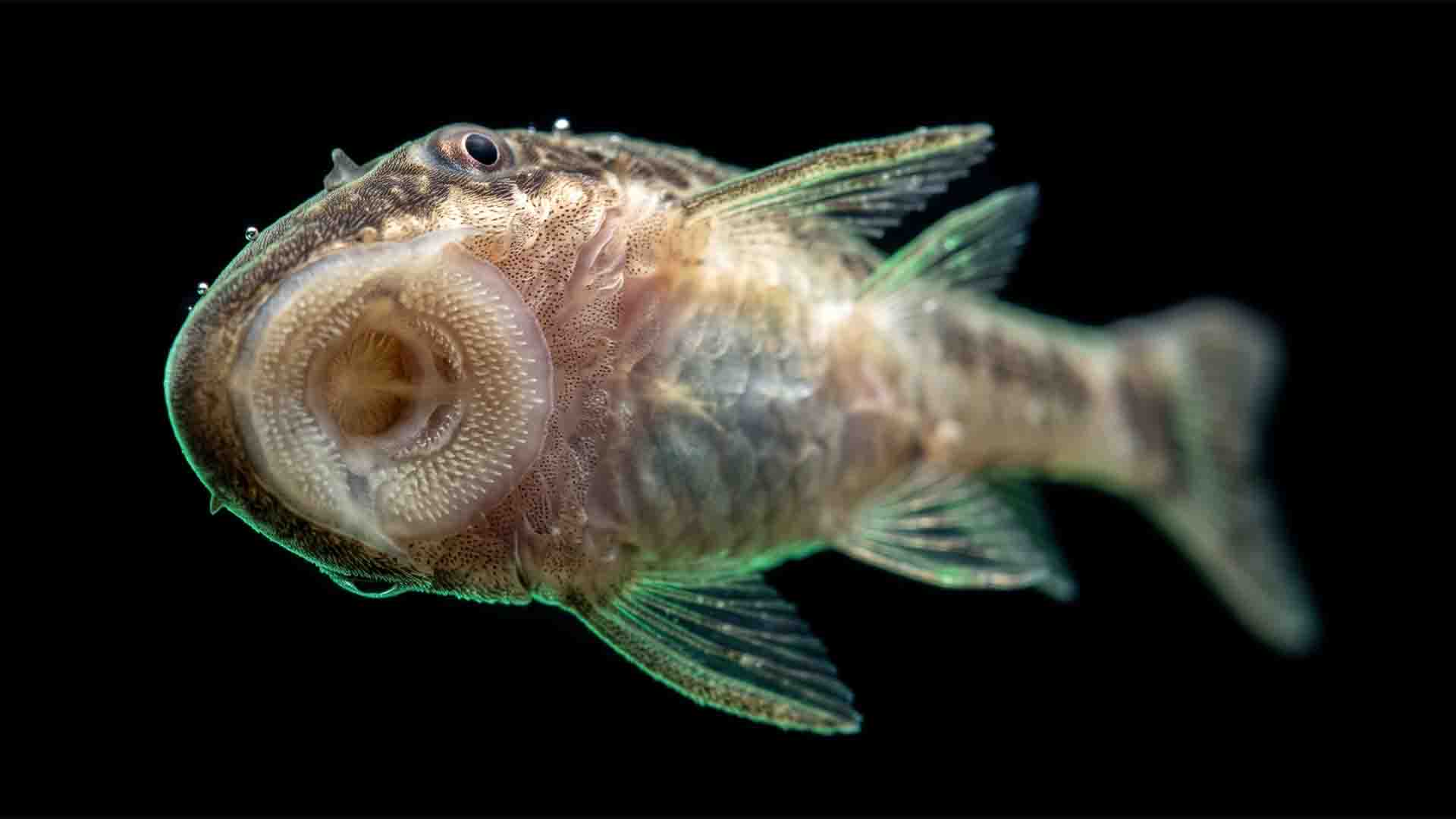
Worst #2: Otocinclus Catfish (Otocinclus vestitus) – The Spotless Glass Starvation Line
Whenever a beginner notices a light dusting of brown diatoms on the glass of a new 5-gallon tank, retail clerks immediately recommend a group of Otocinclus catfish as a “cleanup crew.” This single recommendation is responsible for countless silent mortalities in the freshwater hobby.
- Specialized Gastrointestinal Ecology: Otocinclus are obligate aufwuchs and diatom grazers. Their extended digestive tract relies entirely on a continuous influx of live microbial biofilm, soft green algae, and decomposing organic micro-flora to maintain their internal gut microbiome.
- The Starvation Timeline: Over 95% of commercial Otocinclus are wild-harvested from South American river basins. During weeks of transcontinental shipping, holding facilities, and retail displays, they are starved, causing their symbiotic gut bacteria to die off. When introduced into a pristine, newly cycled 5-gallon nano aquarium with spotless glass, there is insufficient surface area to produce the biofilm volume required to sustain them. They ignore dry processed sinking wafers, cross an invisible starvation threshold within 7 to 14 days, and perish with concave, sunken bellies. For safe, functional algae grazing in small tanks, consult our breakdown of the best freshwater clean-up crew species ranked by real results.
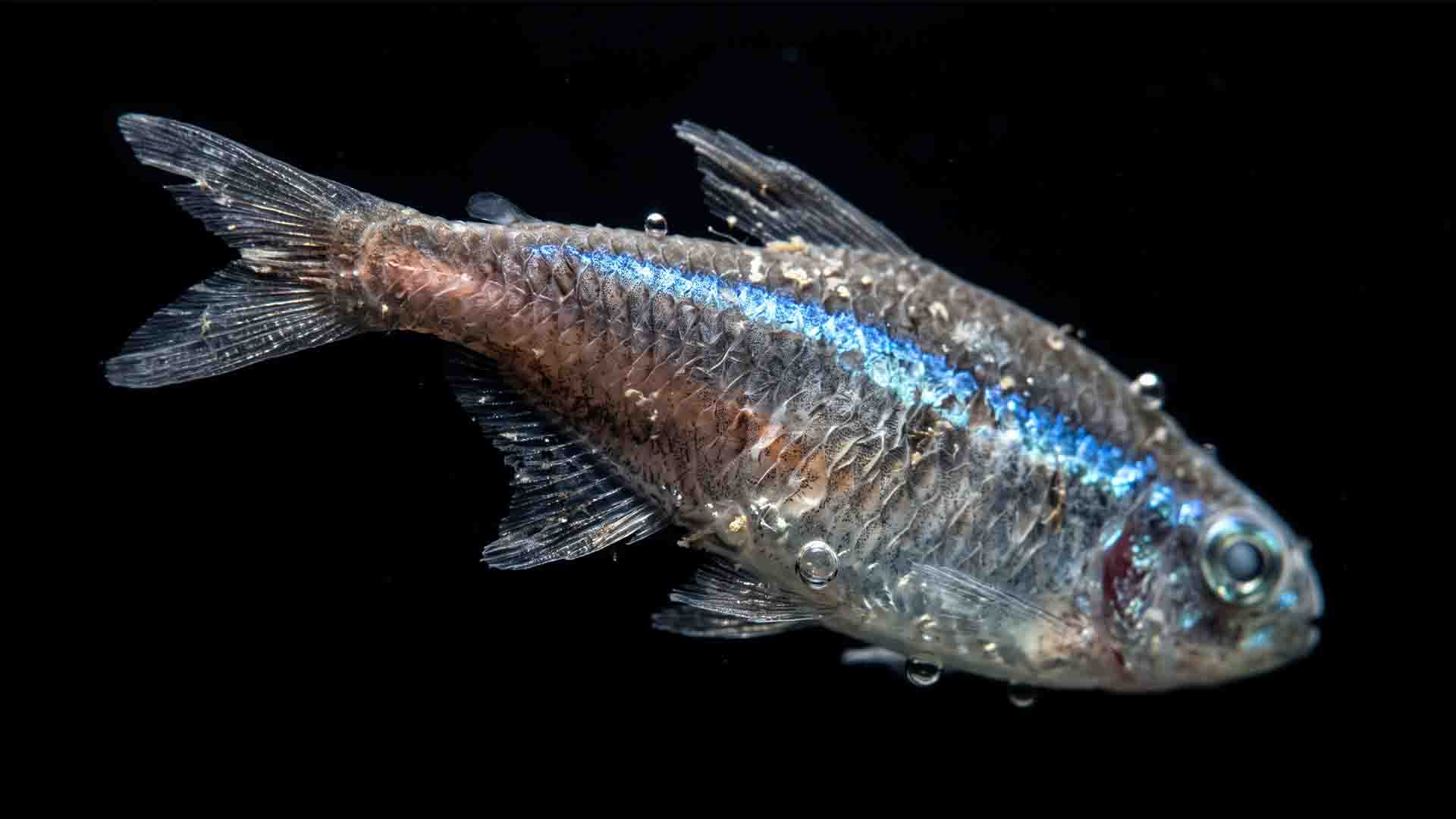
Worst #1: Neon Tetra (Paracheirodon innesi) – Genetic Immunity Breakdown & Parasite Trojan Horse
The iconic Neon Tetra is the most heavily purchased freshwater schooling fish on the planet. Unfortunately, it is also the single worst schooling species you can introduce into a 5-gallon aquarium. The combination of intense commercial farm mass-production and restrictive nano boundaries turns this species into a biological liability.
- Horizontal Swim Line Requirements: Despite their 1.2-inch size, Neon Tetras are active horizontal sprinters that establish loose social hierarchy through continuous chasing and sparring. Confining a school of 6 Neons into a 5-gallon tank (typically only 16 inches in length) compresses their social territory. The lack of swimming runway elevates their systemic cortisol levels, causing suppressed immune responses and relentless fin-nipping.
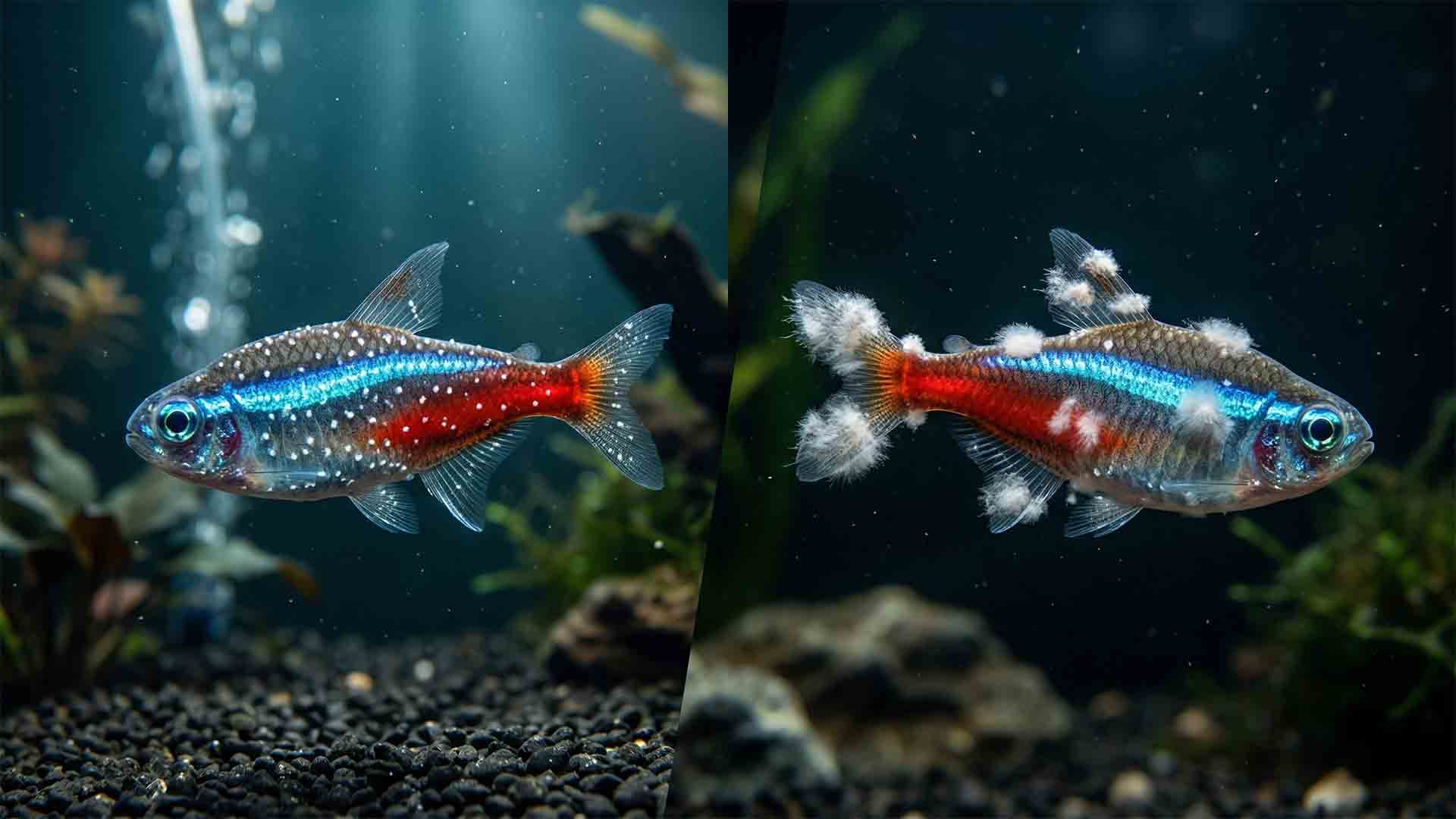
- The Trojan Horse Effect: Decades of continuous inbreeding in massive commercial export farms have degraded the genetic resilience of Paracheirodon innesi. They are notorious hosts for Pleistophora hyphessobryconis (Neon Tetra Disease), an incurable microsporidian parasite that penetrates the intestinal wall, produces resistant spores, and lyses skeletal muscle tissue. Furthermore, retail holding tanks frequently harbor sub-clinical Columnaris infections masked by UV sterilizers. The moment they endure the osmotic shock of a 5-gallon home landing, the parasite or bacteria erupts, wiping out the entire school.
The 4 BEST Nano Fish for 5 Gallon Tanks (Bulletproof Genetic Engines)
Success in running a 5-gallon aquarium does not come from obsessive chemical dosing; it comes from selecting species possessing wild heterosis (hybrid vigor), compact spatial requirements, and an exceptionally low metabolic bioload. These four species are proven, bulletproof biological engines that thrive within the exact boundaries of a nano ecosystem.
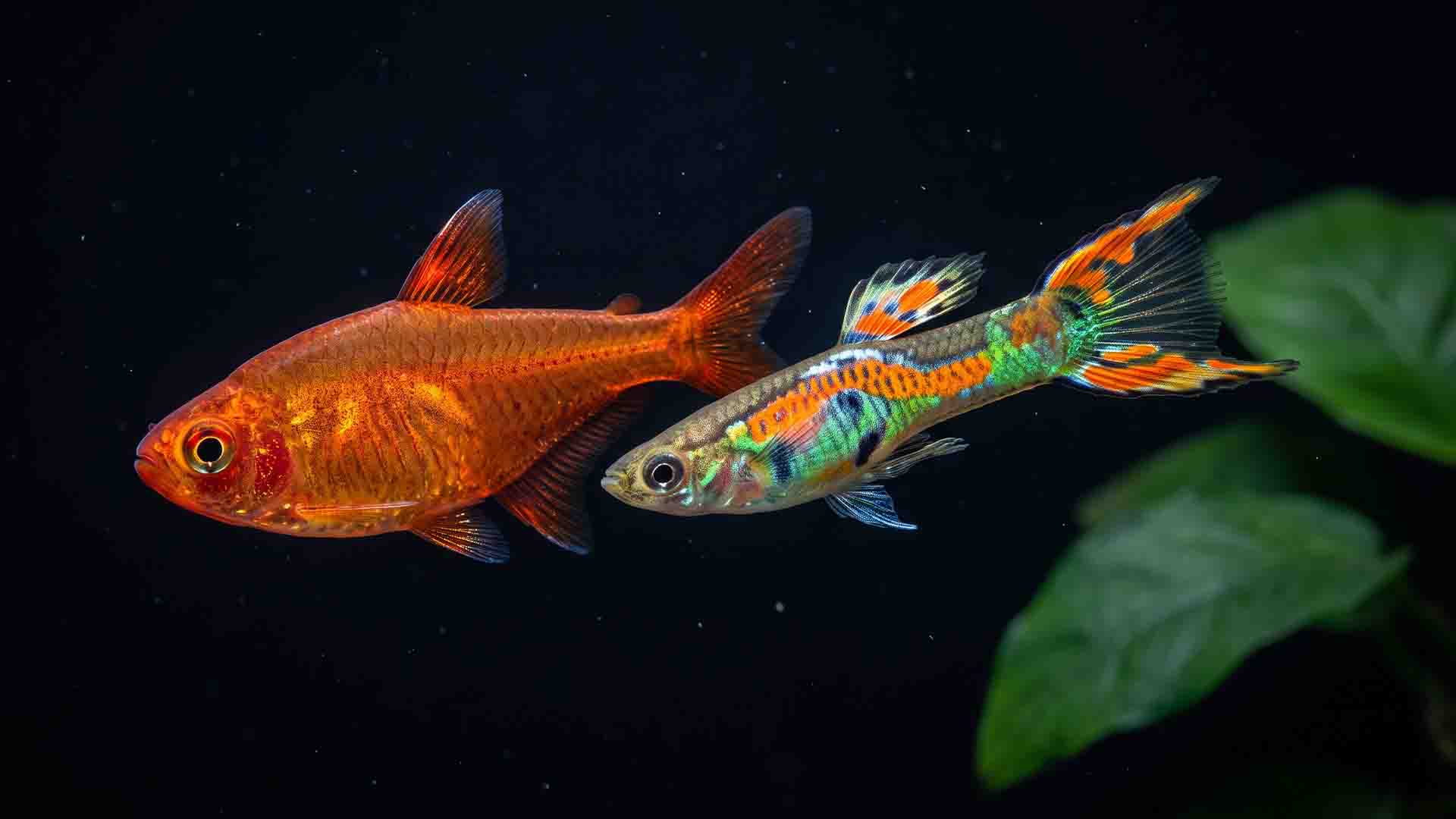
Best #4: Ember Tetra (Hyphessobrycon amandae) – Low-Bioload Spatial Efficiency
If you want a true schooling tetra that respects the physical geometry of a 5-gallon planted tank, the Ember Tetra is the gold standard. Maxing out at barely 0.8 inches (2 cm), these fiery amber jewels from the Araguaia River basin represent maximum visual impact with minimal biological tax.
- Stationary Mid-Water Cruising: Unlike the frantic pacing of Neon Tetras or Danios, Ember Tetras utilize a calm, hovering swimming pattern. They form tight, synchronized clusters among live plant stems (such as Anubias nana or Java Fern), moving smoothly through the mid-to-lower water column without colliding with glass walls or harassing tankmates.
- Minimal Metabolic Output: Due to their compact body mass, a school of 5 to 6 Ember Tetras produces an exceptionally light nitrogenous waste footprint. They readily accept clean micro-granules and crushed high-protein pellets, making daily nutrition simple while maintaining crystal-clear water. Learn how to maintain total micro-ecosystem balance in our complete nano tank aquarium care guide.
Best #3: White Cloud Mountain Minnow (Tanichthys albonubes) – Temperature Armor Without a Heater
Hailing from the cool, pristine mountain streams of Guangdong Province, the White Cloud Mountain Minnow is one of the most rugged, adaptable teleost species available in modern fishkeeping.
- Eurythermal Flexibility: White Clouds possess a wide thermal tolerance window, flourishing comfortably in temperatures between 60°F and 72°F (15°C to 22°C). In an indoor 5-gallon tank, you can run this setup completely unheated. Eliminating the aquarium heater removes the #1 mechanical failure point that cooks or chills nano livestock overnight, while drastically reducing equipment clutter inside the glass.
- Exceptional Slime Coat Integrity: Mass commercial breeding has not stripped Tanichthys albonubes of its natural biological armor. They possess thick, resilient epidermal mucus barriers that resist opportunistic protozoan parasites, and their calm, playful schooling behavior brings vibrant golden-crimson motion to small planted setups.
Best #2: Harlequin Rasbora (Trigonostigma heteromorpha) – The Stress-Downshifter
While most schooling fish display acute panic when transitioned from an industrial pet store display into a small home aquarium, the Harlequin Rasbora does the exact opposite: it downshifts and relaxes.
- Neurological Calming Mechanism: Ethological studies show that the tight, cohesive schooling rhythm of Trigonostigma heteromorpha actually downregulates stress hormones (cortisol) across the entire tank. When introduced into a quiet 5-gallon planted setup, their copper-orange pigmentation deepens within 48 hours. They do not dart erratically against the glass; they establish a stable social rhythm that anchors the ecosystem.
- Broad Chemical Tolerance: Harlequins adapt effortlessly to a wide pH range (6.0 to 7.8) and moderate general hardness. Their robust respiratory system allows them to thrive in gentle, sponge-filtered setups without requiring turbulent powerheads.
Best #1: Endler’s Livebearer (Poecilia wingei) – Wild Heterosis & Unbreakable Genetics
Taking the undisputed #1 position as the absolute best nano fish for a 5-gallon tank is the male Endler’s Livebearer (Poecilia wingei). Native to the isolated coastal lagoons of Northeast Venezuela, Endlers possess pure, uncorrupted genetic vigor.
- Wild Heterosis vs. Inbred Fragility: Unlike mass-produced Fancy Guppies, pure or hybrid Endlers retain short, highly aerodynamic wild-type fins. They swim effortlessly through gentle water movement without burning excess metabolic energy. Their cellular ion-exchange pumps are biologically wired for diverse water chemistries, allowing them to thrive in everything from soft tap water to hard, mineral-rich municipal supplies (pH 7.0–8.2, GH 10–25 dGH).
- All-Male Stocking Strategy: In a 5-gallon aquarium, keeping a bachelor group of 3 to 4 male Endlers provides dazzling metallic neon green, orange, and black coloration without the catastrophic population explosion of mixed livebearer colonies. They are relentless biofilm and micro-algae pickers, actively foraging on plant surfaces and substrate detritus, converting micro-waste into stable energy without putting heavy strain on your biological filtration.
Nano Fish Biological Risk & Stocking Matrix
Before adding any species to a 5-gallon (18.9-liter) micro-ecosystem, you must evaluate their physiological footprint rather than their retail purchase size. In a micro-tank, spatial geometry and metabolic waste kinetics matter significantly more than outdated gallon formulas. The matrix below provides an empirical risk breakdown for popular nano species:
| Species (Scientific Name) | Adult Size | Swimming Geometry | Bioload Factor | Optimal Water Chem (pH / GH) | 5G Mortality Risk | FTM Ecosystem Verdict |
|---|---|---|---|---|---|---|
| Fancy Guppy (Poecilia reticulata) | 2.0 in (5.0 cm) | Vertical drag, high-surface pacing | Moderate-High | pH 7.0–8.2 GH 10–20 dGH | 8.5 / 10 | REJECT: Hydrodynamic drag and genetic inbreeding trigger early exhaustion. |
| Chili Rasbora (Boraras brigittae) | 0.7 in (1.8 cm) | Low-energy stationary hover | Ultra-Low | pH 4.5–6.5 GH 1–5 dGH | 8.0 / 10 | REJECT (Beginner): Acute osmotic shock trap in unbuffered municipal tap water. |
| Otocinclus Catfish (Otocinclus vestitus) | 1.8 in (4.5 cm) | Substrate & vertical glass grazer | Moderate | pH 6.0–7.5 GH 4–10 dGH | 9.0 / 10 | REJECT: Crosses the starvation line on clean glass within 14 days. |
| Neon Tetra (Paracheirodon innesi) | 1.2 in (3.0 cm) | Horizontal open-water sprinter | Moderate | pH 6.0–7.0 GH 3–8 dGH | 9.5 / 10 | REJECT: Parasitic Trojan horse; lacks required 24-inch horizontal sprint runway. |
| Ember Tetra (Hyphessobrycon amandae) | 0.8 in (2.0 cm) | Mid-water stationary schooler | Ultra-Low | pH 6.0–7.4 GH 4–10 dGH | 2.0 / 10 | APPROVED: Perfect spatial efficiency and negligible metabolic waste footprint. |
| White Cloud Minnow (Tanichthys albonubes) | 1.5 in (3.8 cm) | Mid-to-top active cruiser | Low-Moderate | pH 6.5–7.8 GH 5–15 dGH | 2.5 / 10 | APPROVED: Coldwater armor; eliminates heater failure points completely. |
| Harlequin Rasbora (Trigonostigma heteromorpha) | 1.4 in (3.5 cm) | Mid-water synchronized schooler | Low | pH 6.0–7.5 GH 4–12 dGH | 2.0 / 10 | APPROVED: Neurological stress-downshifter with high chemical tolerance. |
| Endler’s Livebearer (Poecilia wingei – Males) | 1.0 in (2.5 cm) | Active micro-surface & plant grazer | Low | pH 7.0–8.2 GH 10–25 dGH | 1.5 / 10 | #1 WINNER: Unbreakable wild genetics, aerodynamic short fins, zero population explosion. |
What to Avoid: 4 Retail Stocking Habits That Crash Nano Aquariums
Most nano aquarium failures do not happen because of neglect; they happen because aquarists repeat commercial buying habits designed for large systems inside an unforgiving 5-gallon glass box. Eliminate these four behavioral traps to protect your ecosystem:
Avoid #1: Shopping by Juvenile Size (The Allometric Scaling Trap)
- Why it feels right: A 0.75-inch juvenile fish looks tiny inside a 5-gallon tank, giving the beginner a false sense of expansive swimming volume.
- What it silently breaks: Fish mass scales allometrically with length. As a juvenile doubles in length from 0.75 inches to 1.5 inches, its biological mass and metabolic ammonia output multiply by eight. A group of juvenile schooling fish that seems manageable on Day 1 will overwhelm a nano sponge filter within 60 days, causing chronic nitrate accumulation and oxygen starvation.
- What to do instead: Always calculate your biological load based on adult biomass and horizontal swimming velocity rather than juvenile display length.
Avoid #2: Using Livestock as Primary Cleaners (The Subcontractor Debt Trap)
- Why it feels right: Adding an Otocinclus catfish or a snail to eat brown diatoms feels like an organic, self-cleaning solution.
- What it silently breaks: Every living animal added to an aquarium is an organic consumer and waste producer, not a mechanical filter. When you drop an obligate diatom grazer into a sterile 5-gallon tank, it rapidly exhausts the microscopic biofilm layer. Once the diatom film is gone, the grazer starves while its digestive waste increases nitrogen pressure on the water column.
- What to do instead: Adjust photoperiods to 6 hours daily and manage nutrient input manually before introducing dedicated invertebrates from our ranked clean-up crew guide.
Avoid #3: Chasing Visual Clarity Over Osmotic Hardness
- Why it feels right: If the water is crystal clear and test strips read zero ammonia, the aquarist assumes the environment is physiologically safe.
- What it silently breaks: Water clarity reflects mechanical filtration, not osmotic balance. When water evaporates rapidly from a 5-gallon tank, minerals stay behind, driving Total Dissolved Solids (TDS) upward. Topping off with mineralized tap water causes osmotic whiplash, forcing fish ionocytes to work in continuous survival mode until cellular collapse occurs.
- What to do instead: Top off micro-evaporation exclusively with distilled or RO water, and reserve tap water strictly for measured 15% weekly water changes.
Avoid #4: Stocking Schooling Species in Sub-Minimum Groups
- Why it feels right: Buying only 2 or 3 schooling fish (like Neon Tetras or Tiger Barbs) seems like a responsible way to keep bioload low in a small tank.
- What it silently breaks: Obligate shoaling teleosts require the visual presence of conspecifics to suppress systemic cortisol production. In groups smaller than 6, their social hierarchy collapses; dominant individuals become hyper-aggressive fin-nippers, while submissive fish retreat into corners, cease feeding, and experience immune failure.
- What to do instead: Choose true micro-species like Ember Tetras that can be safely housed in a complete, stress-free school of 6 within a 5-gallon bioload envelope.
Do This Instead: The 14-Day Nano Biological Landing Protocol
Introducing delicate nano fish into a small water volume requires a systematic biological transition rather than a rushed temperature float. Follow this 5-step framework to achieve 100% landing survival rates:
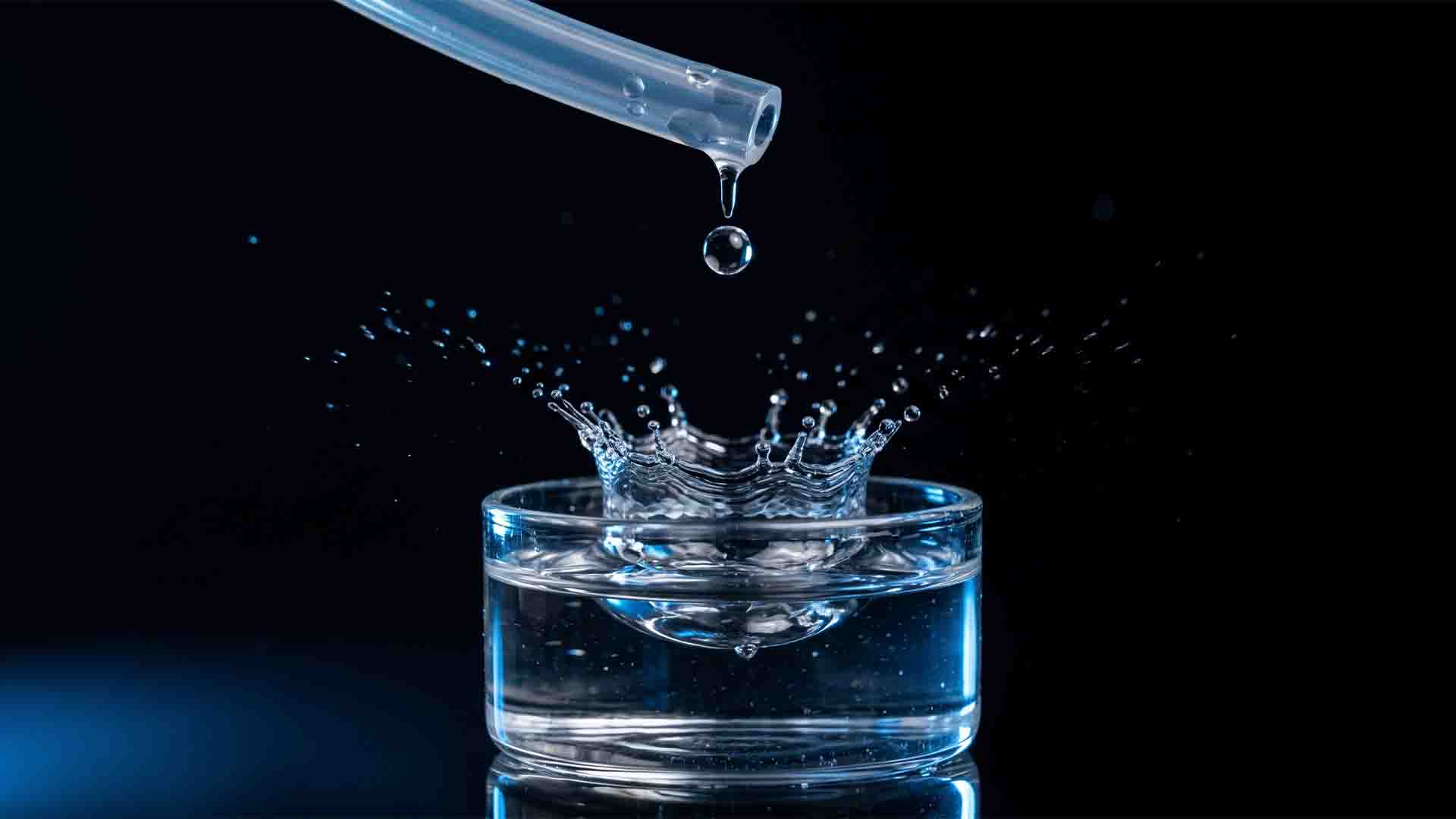
Step 1: Execute the 60-Minute Airline Drip Landing
Never dump retail transport bag water into your aquarium. Place your new fish and shipping water into a clean, dedicated 2-gallon acclimation container. Using standard 4/6 mm airline tubing fitted with a plastic control valve, start a siphon from your display tank into the bucket. Calibrate the valve to 2 to 3 drops per second. Over 45 to 60 minutes, the container water will triple in volume, gently equalizing temperature, pH, and general hardness (GH) at a cellular pace that prevents ionocyte shock. Net the fish out gently and discard the retail water down the household drain.
Step 2: Enforce the 24-Hour Blackout Window
Photons stimulate retinal stress pathways in newly introduced teleosts, accelerating adrenaline and cortisol surges. Upon releasing acclimated fish, turn off all aquarium lighting for a full 24 hours. Ambient room light is more than sufficient. Darkness allows the animals to map the tank’s physical boundaries, locate sheltered micro-crevices behind live plant foliage, and downshift their neurological alarm state without predator panic.
Step 3: Implement the 48-Hour Fasting Protocol
Transport friction, bag confinement, and handling temporarily shut down the production of gastric enzymes in tropical fish. Offering flake or pellet food within the first 24 to 48 hours is a fatal mistake: the fish will ignore the food or ingest it without proper digestive motility, leading to fatal gut impaction and immediate ammonia spikes in your 5-gallon volume. Healthy nano fish can easily fast for 48 hours. Fasting allows their digestive tract to clear and stabilizes baseline biological demand.
Step 4: Micro-Feeding Discipline with High-Digestibility Foods
When you break the fast on Day 3, offer exactly one micro-pinch of high-protein, easily digestible food (such as live baby brine shrimp, daphnia, or 0.5 mm crushed micro-pellets). Ensure every single particulate is consumed within 45 seconds. For detailed feeding strategies that keep nano parameters stable, consult our guide on the best nano fish foods for clean water and vitality.
Step 5: Enforce the 14-Day Maintenance Freeze
The established nitrifying biofilm inside a newly stocked 5-gallon tank is microscopically thin and structurally fragile. During the first 14 days post-stocking, enforce an absolute maintenance freeze:
- DO NOT scrub the interior glass panels.
- DO NOT deep-vacuum the substrate bed.
- DO NOT open, clean, or squeeze the filter media.
Limit your actions exclusively to daily behavioral observation and a single, gentle 10% water change on Day 7 using temperature-matched dechlorinated water. Learn how over-management quietly ruins setups in our breakdown of 7 deadly aquarium mistakes to stop doing now.
The 14-Day Nano Biological Landing & Acclimation Timeline
Tracking internal biological milestones prevents panic interventions. Use this operational roadmap to monitor your 5-gallon tank during the critical landing phase:
| Timeline Phase | External Fish Behavior | Internal Cellular & System Biology | Required Aquarist Action |
|---|---|---|---|
| Day 1 (Landing Phase) | Hovering near bottom substrate, slight fin clamping, pale coloration. | Systemic plasma cortisol peaking; ionocyte pumps recalibrating to new TDS/GH levels. | Execute 60-min drip acclimation. Turn off tank lights. Zero feeding. |
| Days 2–4 (Stabilization) | Tentative swimming exploration, fins unclamp, schooling geometry organizes. | Mucosal slime coat regenerating; respiratory rate normalizes; digestive enzymes restore. | Turn on lights for 6 hours max. Offer first micro-feeding on Day 3 (consumed in under 45 seconds). |
| Days 5–8 (Microbial Influx) | Active foraging behavior, vibrant species coloration returns, eager feeding. | Heterotrophic bacteria adapt to first living waste load; biofilter biofilm thickens. | Test ammonia and nitrite daily. Perform a single gentle 10% water change on Day 7. |
| Days 9–14 (Equilibrium) | Relaxed mid-water hovering, bold territorial confidence, zero glass surfing. | Autotrophic nitrifying bacteria match metabolic output; cellular osmoregulation stabilized. | Maintain feeding consistency. Maintain 14-day maintenance freeze on filter media. |
Scientific Truths Behind Nano Aquarium Mortality & Fish Physiology
Aquarium failures in small water volumes are never random bad luck. Behind every sudden overnight casualty, clamped fin, or vanishing nano schooling fish lies a documented cellular or biochemical mechanism. In a 5-gallon tank, biology operates under compressed physical thresholds where environmental instability attacks fish physiology much faster than in large systems. Understanding these peer-reviewed biological realities transforms how you manage your aquatic ecosystem:
Truth #1: Ionocyte Exhaustion & Gill Osmoregulatory Burnout
Freshwater teleost fish maintain internal blood osmolarity significantly higher than the surrounding water. To prevent internal body fluids from diluting, specialized epithelial cells in the gill lamellae called ionocytes (mitochondria-rich chloride cells) constantly pump vital ions like sodium, calcium, and chloride into the bloodstream against steep concentration gradients. In a 5-gallon nano aquarium, rapid water evaporation concentrates mineral salts, causing violent daily swings in Total Dissolved Solids (TDS) and osmotic pressure. When water chemistry fluctuates rapidly, these ionocyte pumps must consume up to 30% of the animal’s basal metabolic energy budget simply to maintain cellular equilibrium. This osmoregulatory exhaustion rapidly depletes systemic glycogen stores, degrades the mucosal epidermal barrier, and leaves the fish defenseless against ambient aquatic pathogens.
Truth #2: Allometric Metabolic Waste Scaling & Micro-Ammonia Kinetics
One of the most catastrophic errors in nano aquarium stocking is applying linear length formulas (such as the outdated 1-inch-per-gallon rule). Metabolic waste production does not scale linearly with body length; it scales allometrically with body mass according to Kleiber’s metabolic scaling principles. Because body mass increases cubically relative to length, a 2-inch standard fancy guppy produces approximately eight times more organic nitrogenous waste and consumes dramatically more dissolved oxygen than an 0.8-inch Ember Tetra. In an unbuffered 5-gallon volume, housing high-mass morphotypes rapidly exhausts the biofilter’s autotrophic nitrification capacity, generating sub-clinical un-ionized ammonia spikes that burn gill filaments long before water turns visibly cloudy.
Truth #3: The Supply Chain Cortisol Gap & Delayed Immune Relapse
The journey from commercial breeding farms through transcontinental shipping, wholesale distribution, and retail chain holding cubes subjects nano fish to chronic physical confinement and thermal stress. This extended transport chain triggers sustained activation of the hypothalamic-pituitary-interrenal (HPI) axis, flooding the fish’s bloodstream with high concentrations of plasma cortisol. Elevated cortisol directly suppresses the production of circulating lymphocytes and thins the protective dermal slime layer. In retail display cubes, industrial UV sterilizers artificially suppress environmental bacterial loads, masking this systemic immune deficit. When an aquarist introduces these fish into a developing home nano aquarium, the sudden disappearance of artificial sterilization coupled with transportation shock triggers delayed pathogen outbreaks (such as Columnaris or Epistylis) within 3 to 7 days.
Truth #4: Wild Heterosis vs. Inbreeding Bottlenecks in Livebearer Genetics
Decades of intensive commercial selective breeding for aesthetic traits—such as massive finnage, albino pigmentation, and abnormal body geometry—have created severe genetic bottlenecks in popular retail fish like Fancy Guppies and Neon Tetras. Inbreeding depression decimates the Major Histocompatibility Complex (MHC) gene diversity, drastically reducing the fish’s innate disease resistance and thermal adaptability. Conversely, wild-type species like male Endler’s Livebearers retain complete genetic heterosis (hybrid vigor). Their aerodynamic wild morphology, robust vascular structures, and genetically diverse immune systems allow them to adapt effortlessly to variable water parameters that instantly cause systemic collapse in fragile line-bred ornamental strains.
Watch the full video breakdown above to see these exact species, swimming mechanics, and behavioral stress triggers in real-time before finalizing your nano tank stocking list.
Google People Also Ask (PAA)
Can you keep fish in a 5-gallon tank?
Yes, but you must select true micro-species with low metabolic bioloads and compact swimming geometry. Species like male Endler’s Livebearers (3–4 fish) or Ember Tetras (5–6 fish) can thrive in a mature, planted 5-gallon tank. However, active horizontal sprinters like Neon Tetras and high-bioload fish like Fancy Guppies should never be kept in 5 gallons.
How many nano fish can you put in a 5-gallon tank?
In a biologically mature 5-gallon planted aquarium, you can safely house 5 to 6 ultra-low bioload nano fish (such as Ember Tetras) or a bachelor group of 3 to 4 male Endler’s Livebearers. Never mix multiple schooling species in a 5-gallon tank, as dividing the volume prevents fish from forming cohesive, stress-free social groups.
Why do Neon Tetras die in 5-gallon aquariums?
Neon Tetras fail in 5-gallon tanks due to severe horizontal swimming compression and commercial genetic weakness. Confining active open-water sprinters to a 16-inch glass footprint elevates systemic cortisol stress, suppressing their immune system. Furthermore, commercially mass-bred Neons frequently carry sub-clinical microsporidian parasites and bacterial Columnaris that erupt under nano parameter fluctuations.
Are Otocinclus catfish good for a 5-gallon tank?
No. Otocinclus catfish are specialized diatom and biofilm grazers that require large, mature grazing surfaces. In a pristine 5-gallon tank, a group of Otocinclus will rapidly consume the microscopic biofilm layer and cross the invisible starvation threshold within 14 days, refusing dry processed fish foods.
What is the absolute easiest fish for a 5-gallon aquarium?
The male Endler’s Livebearer (Poecilia wingei) is the best and hardiest fish for a 5-gallon tank. They possess wild genetic heterosis, stay under 1 inch in length, tolerate wide water hardness ranges (pH 7.0–8.2), actively graze on natural biofilm, and do not reproduce when kept in all-male groups.
Do 5-gallon nano tanks need a heater?
It depends entirely on the species. If you keep tropical species like Ember Tetras or Endlers in a cool room, a stable 25-watt preset heater is necessary. However, if you keep cold-tolerant species like White Cloud Mountain Minnows (tolerating 60°F to 72°F / 15°C to 22°C), you can run the 5-gallon nano setup completely unheated, eliminating the #1 mechanical failure point in small tanks.
Frequently Asked Questions (FAQ)
What type of filter is best for a 5-gallon nano fish tank?
A dual-sponge air-driven filter or a small hang-on-back (HOB) filter equipped with an adjustable intake flow control and an intake pre-filter sponge is ideal. Air-driven sponge filters provide massive biological surface area, ensure gentle gas exchange without creating violent water turbulence, and cannot trap or injure tiny nano fish.
How often should I perform water changes on a 5-gallon aquarium?
Perform a single, consistent 10% to 15% water change once every 7 days using temperature-matched, dechlorinated tap water. Avoid large 50% water changes unless addressing an acute chemical emergency, as large volume shifts induce osmotic shock in delicate nano fish. Always top off evaporation between water changes with pure distilled or RO water to prevent mineral concentration spikes.
Can I keep female Endlers or mixed pairs in a 5-gallon tank?
No. Keeping mixed-sex livebearers in a 5-gallon tank leads to immediate biological collapse. A single female Endler can drop 10 to 30 fry every 28 days. Within 90 days, the exploding population will overwhelm the nano biological filtration, resulting in lethal ammonia spikes and oxygen depletion. Stick strictly to an all-male group.
Why is slow drip acclimation mandatory for nano fish?
Nano fish possess a tiny blood volume and delicate gill membranes that are hyper-sensitive to changes in osmotic pressure and pH. Floating a sealed bag only equalizes temperature; it does nothing to prepare the fish’s cellular ionocytes for differences in general hardness (GH) and dissolved minerals. Slow drip acclimation over 45 to 60 minutes allows the fish to recalibrate cellular fluid balance gradually without suffering fatal osmotic shock.
What live plants work best in a 5-gallon nano fish setup?
Slow-growing, low-maintenance epiphytes like Anubias nana, Anubias nana Petite, Java Fern, and Bucephalandra attached to hardscape are ideal. Fast-growing stem plants like Rotala or floating plants like Salvinia minima also provide exceptional natural nitrate uptake, shelter, and grazing surfaces for micro-biofilm without overcrowding the open swimming corridor.
Hub & Spoke: Engineering a Crash-Proof Nano Ecosystem
Successfully running a nano aquarium requires looking beyond species selection and mastering the entire operational chain of closed aquatic environments. If you are in the planning stage of your build, start with our step-by-step masterclass on how to set up a fish tank the right way to prevent early crashes. Understanding structural placement, substrate choice, and biological cycling before bringing home livestock is the foundation of long-term success.
If your newly established micro-tank is currently experiencing persistent milky haze, do not make the mistake of adding chemical clarifiers or deep-scrubbing filter sponges. Follow our biological recovery protocol in how to fix cloudy aquarium water fast without chemicals to let autotrophic bacteria establish undisturbed equilibrium on porous surfaces.
To eliminate daily management habits that quietly compromise water parameters and stress delicate livestock, review our comprehensive breakdown of 7 deadly aquarium mistakes to stop doing now. By aligning proper nano feeding discipline, gradual maintenance schedules, and species-specific spatial geometry, you can build a resilient, self-regulating 5-gallon freshwater ecosystem that thrives for years.
Scientific References & Peer-Reviewed Literature
Every biological mechanism, physiological stocking parameter, and acclimation guideline detailed in this guide is supported by peer-reviewed aquatic research and environmental science:
1. Teleost Osmoregulation & Gill Ionocyte Dynamics (Oxford Academic / ScienceDirect): Peer-reviewed research in aquatic comparative biochemistry details how rapid shifts in ambient water hardness and total dissolved solids force freshwater teleost gill ionocytes into metabolic exhaustion, compromising internal homeostasis. Read the study
2. Aquatic Nitrogen Cycling & Nitrification Criteria (U.S. EPA): Scientific criteria from the Environmental Protection Agency document the toxicological mechanisms of un-ionized ammonia ($NH_3$) on teleost gill tissue and establish baseline biological filtration limits in closed aquatic systems. Read the study
3. Fish Stress Physiology & Plasma Cortisol Regulation (Springer / PubMed): Extensive research published in fish physiology journals demonstrates that transport confinement, thermal swings, and inadequate social group sizing elevate circulating corticosteroid levels, suppressing immune resistance against opportunistic aquatic pathogens. Read the study
4. Species Biological Profiles & Life History Data (FishBase): Comprehensive morphological, natural habitat, and water chemistry parameters for Poecilia wingei, Hyphessobrycon amandae, Tanichthys albonubes, and Otocinclus vestitus. Read the study
Watch Next: Complete Nano System & Stocking Video Chain
Continue your aquarium education and protect your ecosystem from hidden failures by watching these essential follow-up video guides from our FishTank Mastery channel:
- Top 5 Beginner Mistakes That Silently Destroy Nano Aquariums: Watch the Video Guide
- Don’t Buy These Bottom Dwellers! Worst to Best Ranked Fish: Watch the Video Guide
- Why Your Schooling Fish Keep Dying (The Acclimation Shock): Watch the Video Guide
- STOP Buying Neon Tetras for Community Tanks: Watch the Video Guide
- STOP Doing These 7 Aquarium Mistakes (Do This Instead): Watch the Video Guide
Building a thriving 5-gallon nano aquarium is not about packing as many colorful fish as possible into a glass box; it is about engineering a predictable biological environment where resilient genetics, stable water chemistry, and correct spatial geometry work together. Choose biology that survives the landing, maintain consistency in your habits, and let nature do the heavy lifting.