
Buying an overrated beginner fish based on retail pet store advice is the single fastest way to crash a newly cycled freshwater aquarium. Most beginner tanks do not collapse from inadequate filtration or neglected water changes; they fail because commercial retailers consistently market ecologically demanding, aggressive, or genetically compromised species as indestructible pets for novice hobbyists.
The Biological Reality: Commercial retail display systems run on central, massive water volumes that dilute aggression, mask water chemistry requirements, and hide systemic pathogens. When those same specimens are dropped into an unseasoned 20-gallon home aquarium, the illusion shatters within 30 days.
The Retail Starter Trap: Why Modern First Aquariums Fail
The business model of big-box pet retailers is fundamentally misaligned with biological stability. Retailers order mass-farmed ornamental fish bred in commercial monoculture ponds across Southeast Europe, Florida, and Southeast Asia. These specimens are packed into high-density holding tanks dosed with prophylactic antibiotics and copper treatments to suppress visible symptoms of disease just long enough to complete a retail sale.
When you walk into a store, species tags prioritize visual appeal and sales velocity over long-term survivability. Fish are labeled “peaceful,” “community safe,” or “hardy” based on how they behave as exhausted juveniles in bare 10-gallon display cubes, not how they function as mature adults in an established living room ecosystem.
Biological Age vs. Retail Marketing: The Invisible Maturation Gap
A new fishkeeper typically assumes that once an aquarium tests zero for ammonia and zero for nitrite, the ecosystem is ready for any standard community fish. This is the nitrogen cycle trap. Establishing nitrifying autotrophic bacteria (Nitrosomonas and Nitrospira) satisfies basic biochemical cycling, but it does not make a tank biologically mature.
A truly seasoned aquarium possesses established surfaces coated in diverse microfauna, stable heterotrophic bacterial colonies, and microscopic biofilm (aufwuchs). Introducing delicate specialized grazers, soft-water obligates, or wild-caught benthic species into a chemically sterile, newly cycled glass box creates an immediate biological mismatch. The fish do not die from poor ownership; they die from commercial misrepresentation.
10 Overrated Aquarium Fish Destined to Crash Beginner Tanks
To protect your livestock, your wallet, and your passion for fishkeeping, avoid these ten heavily commercialized species in your first aquarium setup.
10. Silvertip Tetra (Hasemania nana): The Schooling Bully
Retail stores routinely sell the Silvertip Tetra as a hardy, vibrant schooling fish ideal for community tanks. While it is true that Hasemania nana can survive wide parameter swings and lacks an adipose fin (a distinctive anatomical marker of this Brazilian characin), its social ethology is entirely unsuited for relaxed beginner displays.
In tanks under 30 gallons, Silvertip Tetras do not form a tight, peaceful school. Instead, dominant individuals establish tight micro-territories within the water column. They are relentless fin-nippers possessing high metabolic aggression. Slower tank mates such as Guppies, Betta splendens, Dwarf Gouramis, or long-finned tetras suffer continuous fin degradation, elevated cortisol levels, and chronic secondary bacterial infections (such as fin rot caused by Flavobacterium columnare) due to non-stop harassment.
- The Commercial Myth: An active, playful, bulletproof starter tetra.
- The Biological Reality: A hyper-dominant fin-nipper that tears apart calm community hierarchies.
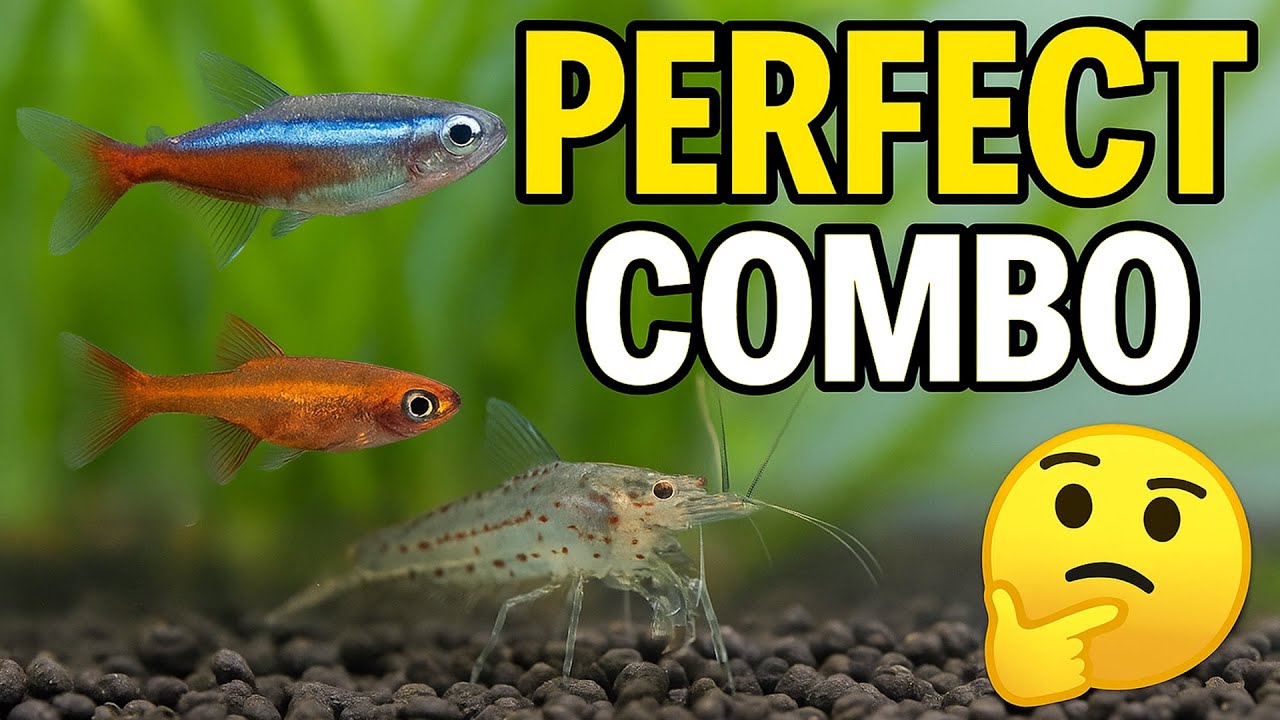
- The Smart FTM Swap: Ember Tetra (Hyphessobrycon amandae). Maxing out at barely one inch, Embers display glowing orange-red coloration, possess zero territorial aggression, school tightly, and exert almost zero bioload on new filters.
9. Fancy Molly (Poecilia sphenops): The Osmoregulatory Parameter Trap
The Fancy Molly is pushed as an undemanding starter livebearer available in balloon, sailfin, and lyretail varieties. What retail sales clerks fail to explain is the rigid osmoregulatory physiology of the genus Poecilia. Mollies are native to hard, alkaline coastal rivers and brackish estuaries with general hardness (GH) exceeding 15 dGH and a pH strictly above 7.6.
When a novice drops a Fancy Molly into standard municipal tap water (which is frequently soft, neutral, or slightly acidic), the fish’s cellular ion-exchange mechanisms fail. The molly must burn massive amounts of metabolic energy simply attempting to maintain blood electrolyte concentrations. Within weeks, the fish exhibits clamped fins, shimmying behavior (neurological distress caused by mineral depletion), and rapid colonization by opportunistic Saprolegnia water molds. Compounding this, their prolific monthly breeding cycles quickly push unseasoned biological filters past their nitrification threshold.
- The Commercial Myth: An easy, peaceful livebearer that eats algae and adapts to any tap water.
- The Biological Reality: A hard-water obligate prone to systemic osmoregulatory collapse in soft water setups.
- The Smart FTM Swap: All-Male Endler’s Livebearer (Poecilia wingei). Selecting bachelor males provides neon metallic colors, broad water parameter tolerance, zero bioload explosions, and completely eliminates the nightmare of runaway reproduction.
8. Freshwater Angelfish (Pterophyllum scalare): The Ambush Cichlid in Disguise
Juvenile Angelfish arrive in pet shops at roughly the size of a quarter. Their tall, triangular silhouettes and graceful dorsal filaments make them an irresistible centerpiece for novices setting up their first 20-gallon aquarium. Retailers conveniently omit the fact that Pterophyllum scalare belongs to the family Cichlidae.
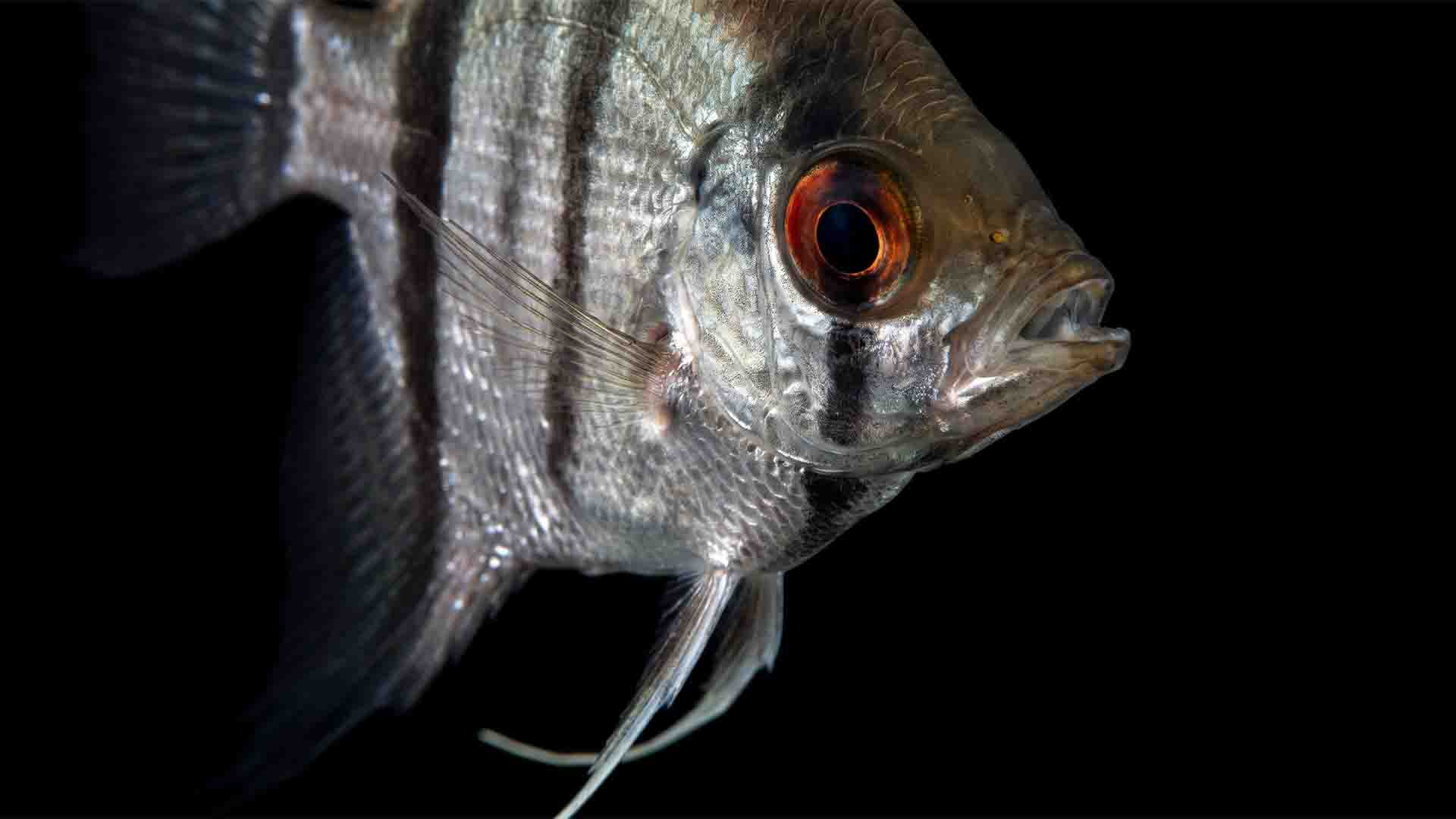
As Angelfish mature, their lateral height easily reaches 8 inches, requiring deep, expansive water volumes. More critically, their natural ambush hunting instinct awakens. In the Amazon basin, wild angelfish utilize their laterally compressed bodies to slip through reed beds at dawn and dusk, hunting sleeping characins. In home aquariums, mature angelfish systematically swallow Neon Tetras, micro-rasboras, and baby shrimp as soon as their downward protractile jaws expand. Furthermore, when Angelfish form breeding pairs, they turn intensely territorial, claiming half the aquarium and pinning all other community fish into corners.
- The Commercial Myth: A peaceful, regal community centerpiece suitable for mid-sized starter tanks.
- The Biological Reality: An opportunistic piscivore with a high-profile territorial drive that hunts slender schooling fish.
- The Smart FTM Swap: Pearl Gourami (Trichopodus leerii). Pearl Gouramis deliver the same breathtaking, majestic centerpiece silhouette and intricate pearlescent lacing, but possess a truly docile temperament and zero predatory drive toward micro-schooling fish.
7. Clown Loach (Chromobotia macracanthus): The Destructive Excavator
The moment an unseasoned hobbyist notices harmless bladder snails or ramshorn snails hitchhiking on newly planted aquarium stems, retail employees almost universally prescribe the Clown Loach. Purchasing a Clown Loach to manage a minor snail bloom is equivalent to buying an industrial excavator just to weed a small flowerbed.
Chromobotia macracanthus is a shoaling river monster originating from Indonesia. In nature, these fish live in massive social groups and reach lengths between 12 and 16 inches. Keeping a single specimen in a small tank causes severe chronic stress and stunted growth. As they search for benthic prey, mature loaches bulldoze delicate substrate layouts, tear rooted plants out of the soil, and click loudly during nighttime foraging. To make matters worse, their scaleless skin offers minimal resistance to external protozoan parasites, turning them into catastrophic magnets for Ichthyophthirius multifiliis (Ich) during the slightest temperature fluctuation.
- The Commercial Myth: A cute, striped, bottom-dwelling snail cleaner for desktop tanks.
- The Biological Reality: A foot-long schooling river giant that uproots aquascapes and suffers high parasite mortality.
- The Smart FTM Swap: Assassin Snail (Clea helena) or Zebra Loach (Botia striata). Assassin snails eradicate nuisance snail populations cleanly with zero bioload spike. If you must have a fish, the Zebra Loach stays under 3.5 inches, controls snails efficiently, and leaves your plants anchored.
6. Pea Puffer (Carinotetraodon travancoricus): The Obligate Nocturnal Fin Shredder
Social media platforms have turned the Indian Dwarf Puffer (Pea Puffer) into a viral sensation. Marketed as an adorable, wide-eyed miniature pet capable of living on a small desk, beginners buy them under the false impression that tiny dimensions correlate with community compatibility.
The Pea Puffer is an obligate micropredator equipped with a specialized chitin-crushing beak and binocular vision. When placed into a mixed community aquarium, they rarely consume standard commercial flakes or processed dry pellets. Instead, they stalk resting fish at night, methodically taking circular bites out of caudal and anal fins. Slower tank mates are gradually butchered from secondary physical trauma. Deprived of daily live snails, blackworms, or frozen bloodworms, captive Pea Puffers suffer severe hepatic lipidosis, concave bellies, and rapid starvation in amateur setups.
- The Commercial Myth: An adorable micro-pet that thrives peacefully in nano community displays.
- The Biological Reality: A predatory carnivore that refuses dry food and shreds community fins during dark cycles.
- The Smart FTM Swap: Sparkling Gourami (Trichopsis pumila). Reaching only 1.5 inches, Sparkling Gouramis feature luminous turquoise eyes and curious hunting behavior, picking harmlessly at micro-crustaceans while readily thriving on high-grade crushed dry food.
5. Otocinclus Catfish (Otocinclus vittatus): The Starvation Clock in Sterile Setups
Whenever brown diatom algae coats the glass of a newly cycled beginner tank, pet store staff direct the customer straight to the Otocinclus display. The Otocinclus is universally heralded as the ultimate gentle dwarf algae eater that will not outgrow a modest aquarium. The catastrophic mistake is introducing this delicate loricariid into a biochemically immature environment.
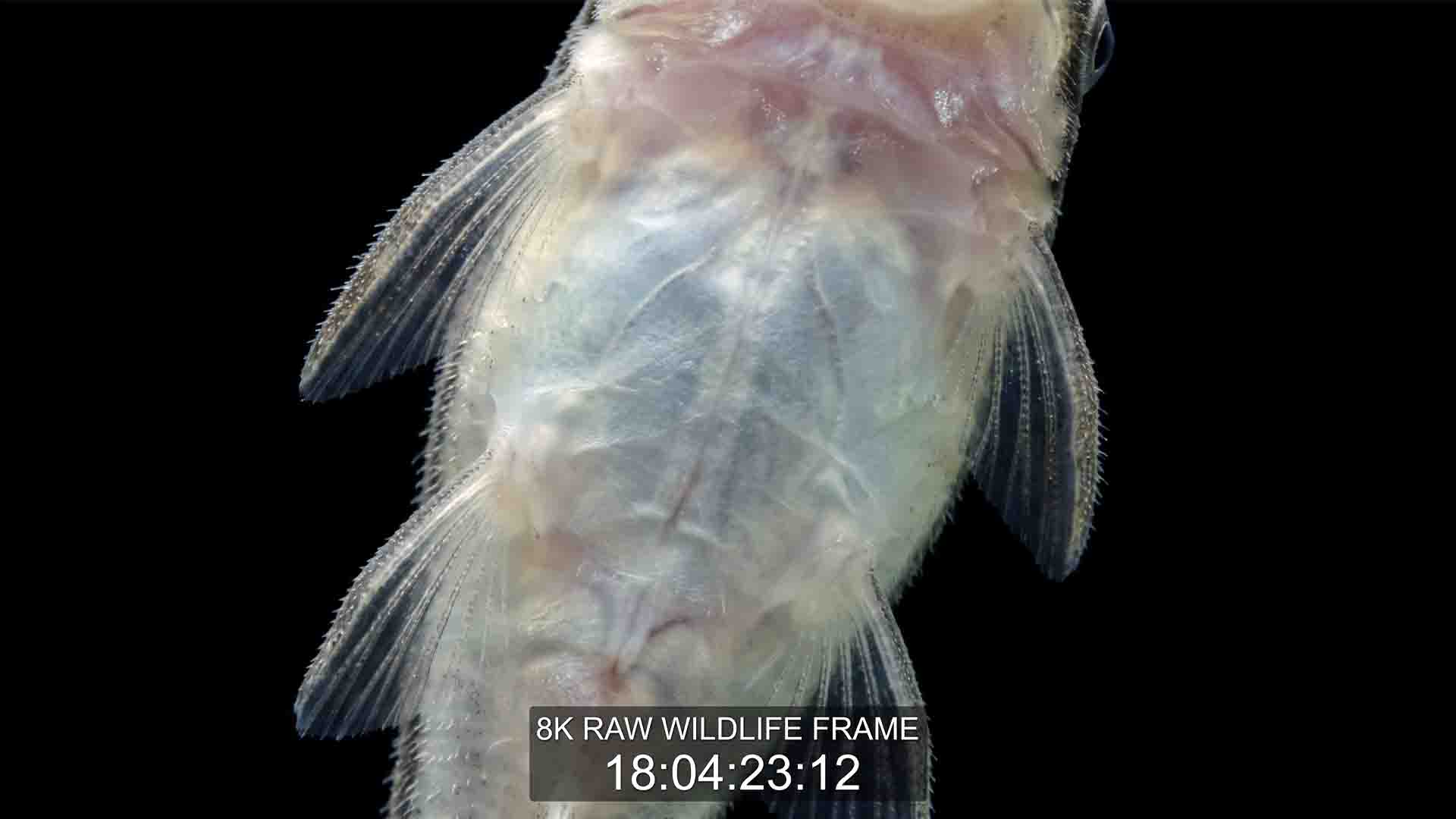
The vast majority of commercial Otocinclus specimens are wild-harvested from South American river systems. Throughout the collection, holding, and export transit chain, these fish are starved for weeks, decimating the symbiotic cellulose-digesting bacteria living in their gastrointestinal tracts. When placed into a pristine, newly cycled aquarium, there is virtually zero mature aufwuchs, green dust algae, or rich biological film for them to consume. Because their damaged gut microbiomes struggle to transition to artificial spirulina wafers, these fish quietly exhaust their liver lipid stores and starve to death within 21 to 30 days despite crystal-clear water.
- The Commercial Myth: An easy, peaceful algae cleaner perfect for new tanks with brown diatoms.
- The Biological Reality: A wild-caught specialist with compromised gut flora that starves in tanks under six months old.
- The Smart FTM Swap: Nerite Snail (Neritina natalensis). Nerite snails are unparalleled diatom and film grazers. They clean glass tirelessly from day one, cannot reproduce in freshwater, produce negligible waste, and do not rely on fragile internal gut microbiomes to survive early tank maturation.
4. Chinese Algae Eater (Gyrinocheilus aymonieri): The Slime-Coat Parasite
Marketed heavily under enticing trade names like the “Golden Algae Eater” or “Lemon Algae Eater,” this species is sold to beginners as an energetic, tireless glass cleaner. While juvenile specimens measuring two inches do feed on soft diatoms, their gastrointestinal biology undergoes an aggressive ontogenetic dietary shift as they mature.
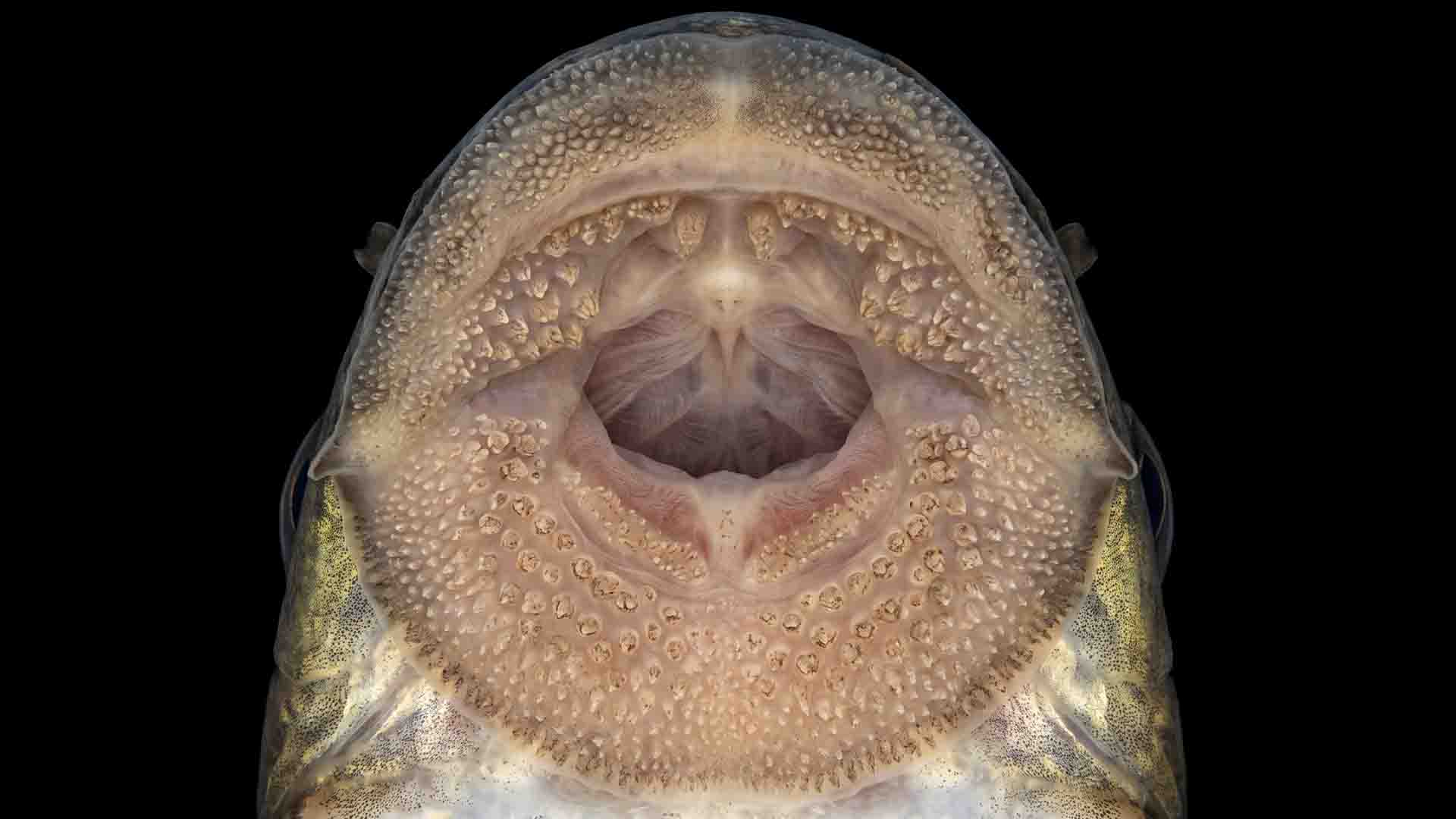
Adult Gyrinocheilus aymonieri easily reach 10 to 11 inches in length, completely abandoning algae consumption in favor of high-protein scavenging. Their specialized, highly muscular ventral oral disc features keratinized rasping labial tubercles. In a home community tank, adult Chinese Algae Eaters establish aggressive territorial dominance over the benthic zone. During dark light cycles, they stalk broad-bodied, slow-moving fish such as Discus, Angelfish, Fancy Goldfish, and large gouramis.
They violently clamp onto the flanks of these resting fish, using their rasps to strip away the protective epidermal mucus coat (slime coat). This leaves victims with catastrophic circular ulcerations, destroying their osmoregulatory barrier and inviting secondary systemic Aeromonas infections that wipe out prized community centerpieces.
- The Commercial Myth: An active, hardy cleaner that keeps your tank free of green algae permanently.
- The Biological Reality: A territorial foot-long bruiser that abandons algae to feed parasitically on fish slime coats.
- The Smart FTM Swap: Bristlenose Pleco (Ancistrus cirrhosus). Bristlenose plecos remain dedicated vegetarian rasping grazers throughout their entire lifespan, cap out at a manageable 4 to 5 inches, and never target companion livestock.
3. Silver Dollar (Metynnis argenteus): The 48-Hour Plant Defoliator
Display tanks at commercial pet outlets often feature schools of juvenile Silver Dollars flashing their immaculate mirrored, coin-shaped bodies. To the untrained eye, they appear to be majestic, large schooling dither fish that could complement a lushly planted aquascape.
What the retail label fails to state is that Metynnis argenteus belongs to the family Serrasalmidae—making them direct herbivorous cousins of the piranha. Silver Dollars possess specialized, closely set, molariform teeth engineered specifically to slice through dense aquatic and terrestrial vegetation. Dropping a school of Silver Dollars into a planted aquarium is the ecological equivalent of running a commercial lawnmower through a delicate botanical greenhouse.
Within 48 hours, delicate stem plants like Rotala and Ludwigia are razed to the substrate. Even thick, fibrous, bitter-tasting plants that deter most fish—such as Anubias barteri and Microsorum pteropus (Java Fern)—are systematically shredded and ingested. Once your expensive aquascape is stripped, their high metabolic throughput and skittish schooling nature generate massive amounts of solid waste that overwhelm unseasoned filtration.
- The Commercial Myth: An eye-catching, peaceful, coin-shaped schooling fish for large living room setups.
- The Biological Reality: A specialized herbivorous shredder that will completely dismantle live plants within days.
- The Smart FTM Swap: Colombian Tetra (Hyphessobrycon columbianus). Colombian Tetras deliver the identical deep-bodied silhouette, iridescent platinum-silver flanks, and intense crimson fin accents, but leave every live plant in your layout completely untouched.
2. Dwarf Gourami (Trichogaster lalius): The Incurable DGIV Ticking Bomb
The Dwarf Gourami has served as a staple retail centerpiece for over four decades. Boasting brilliant neon blue and fire-red horizontal striping, novice aquarists gravitate toward them as an interactive labyrinth fish capable of living in compact volumes. Behind that electric coloration lies the most pervasive veterinary tragedy in the commercial aquarium trade.
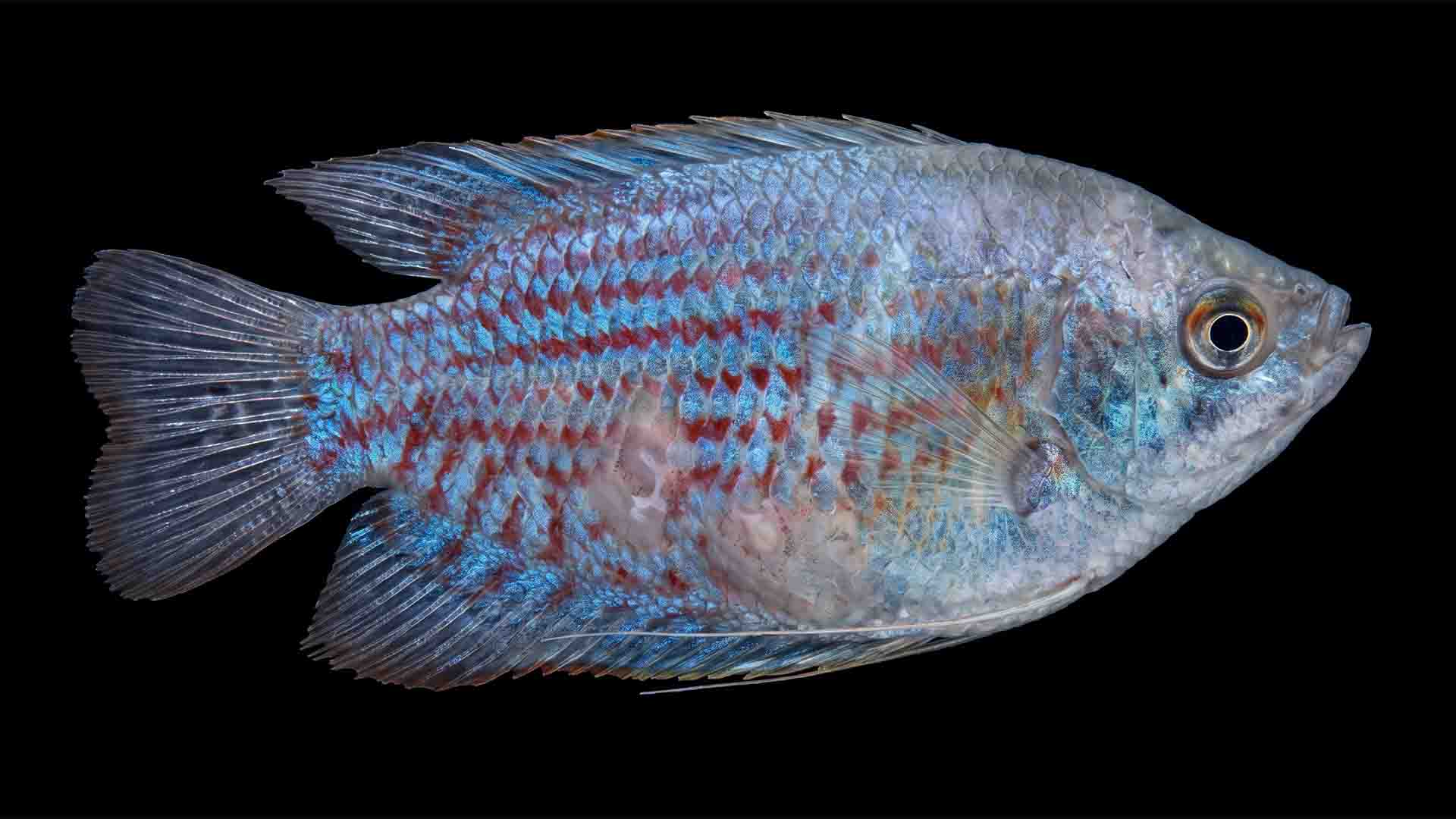
Decades of intensive commercial monoculture farming across commercial export facilities have led to the systemic proliferation of Dwarf Gourami Iridovirus (DGIV), a specific strain of Megalocytivirus. Published veterinary surveys have shown that a significant percentage of commercially exported Trichogaster lalius carry this infectious agent. The virus targets the spleen, kidneys, and liver, causing chronic cellular necrosis.
DGIV is 100% fatal and medically incurable. A beginner can maintain zero ammonia, zero nitrite, and optimal low nitrates, yet between 30 and 120 days post-purchase, the fish begins showing sudden lethargy, abdominal distension (dropsy), severe scale lifting, and deep cutaneous lesions. Quarantine protocols and antibacterial medications are completely useless against this viral pathogen. It is a biological time bomb built into commercial stock.
- The Commercial Myth: A peaceful, hardy, colorful dwarf centerpiece for beginners.
- The Biological Reality: A genetically compromised species with catastrophic commercial infection rates of incurable megalocytivirus.
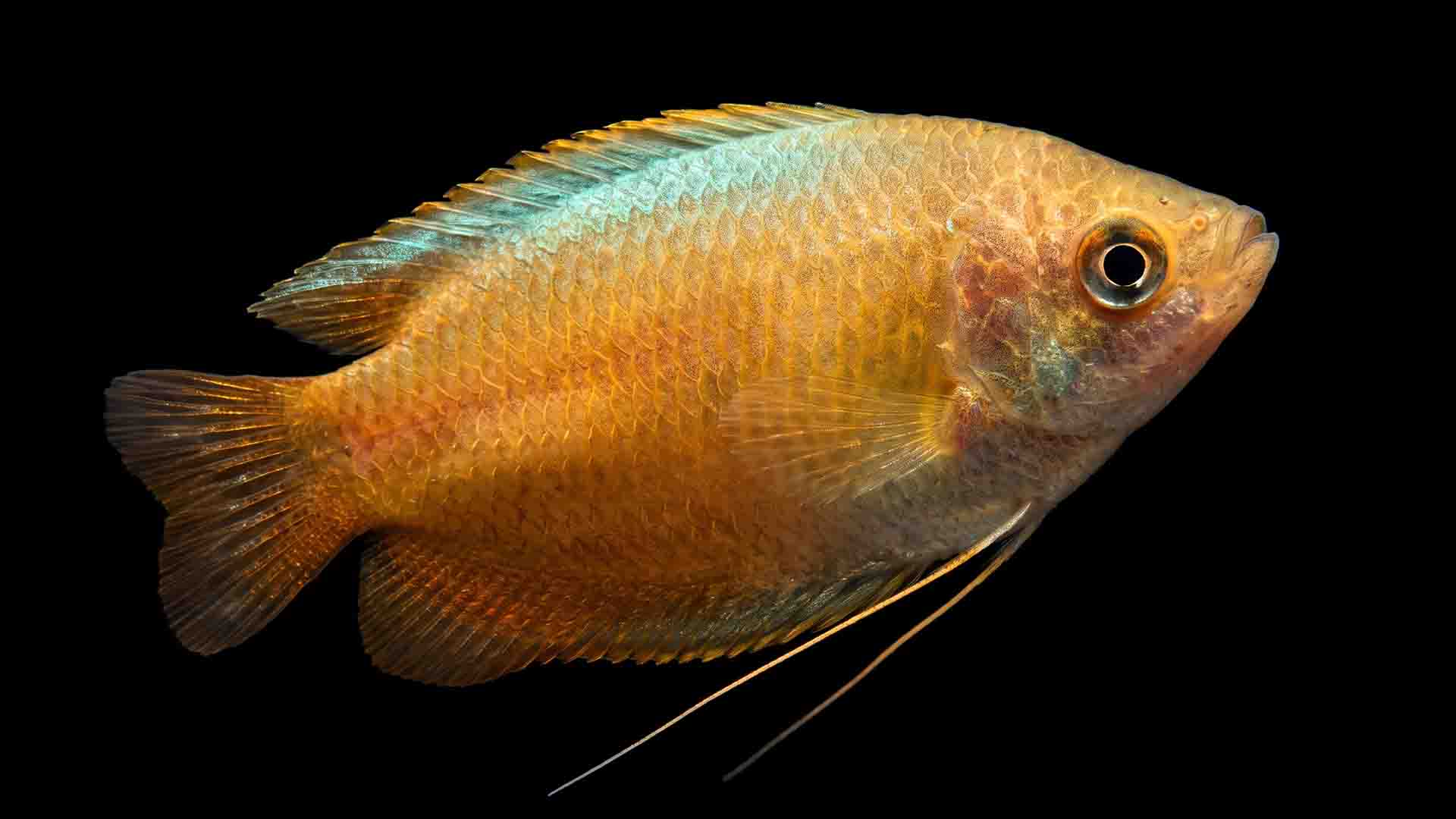
- The Smart FTM Swap: Honey Gourami (Trichogaster chuna). Honey Gouramis represent an entirely distinct genetic lineage that possesses complete natural biological immunity to DGIV. They remain compact, display warm amber-gold tones, exhibit gentle social curiosity, and will not collapse unexpectedly from viral organ failure.
1. Neon Tetra (Paracheirodon innesi): The Inbred Genetic Casualty
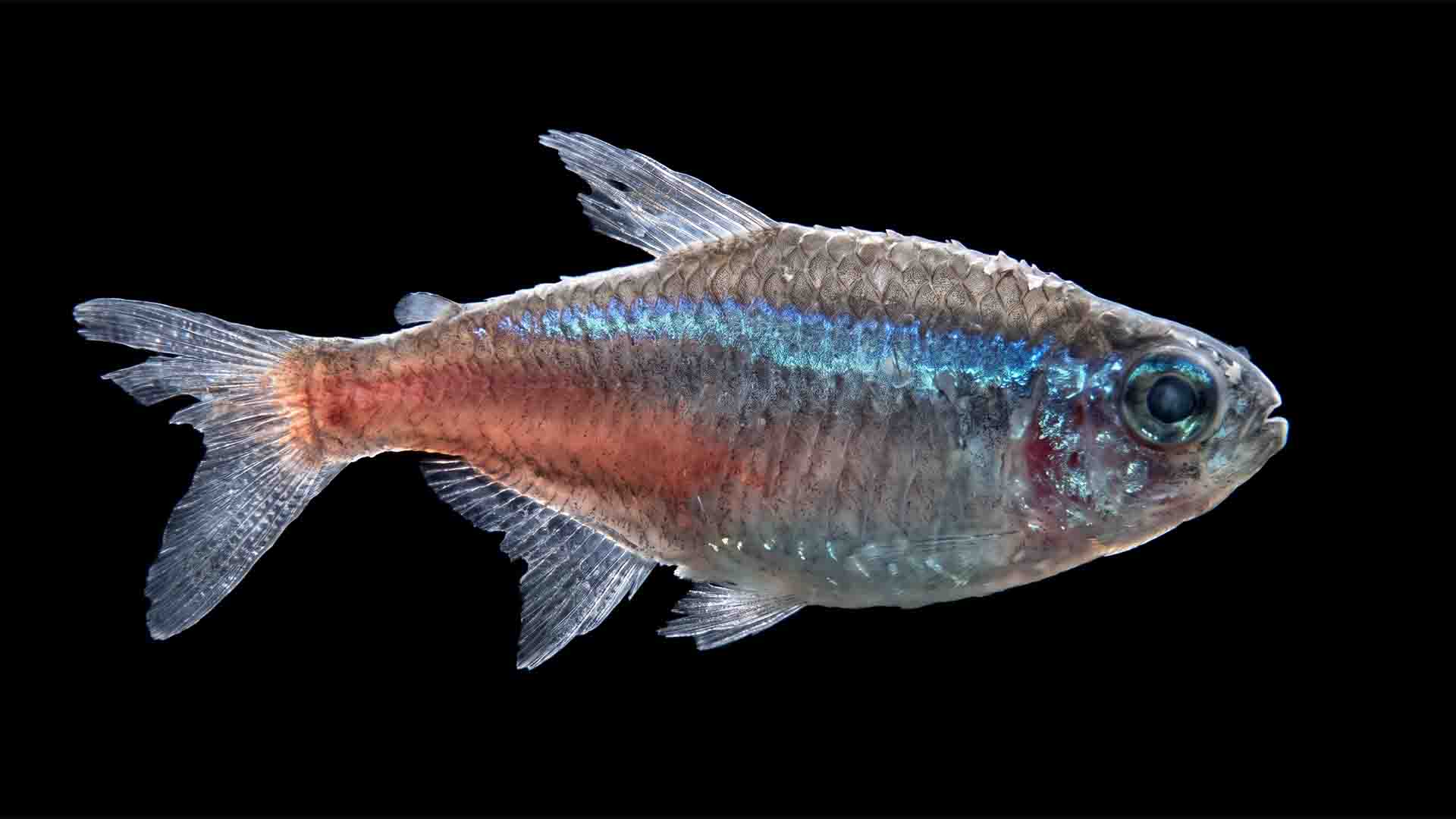
No fish is more iconic than the Neon Tetra. Its glowing electric blue lateral line and contrasting scarlet underbelly launched the modern aquarium hobby. Ask a big-box store employee for a beginner schooling fish, and their net immediately plunges into the Neon Tetra tank. In modern fishkeeping, this recommendation borders on gross negligence.
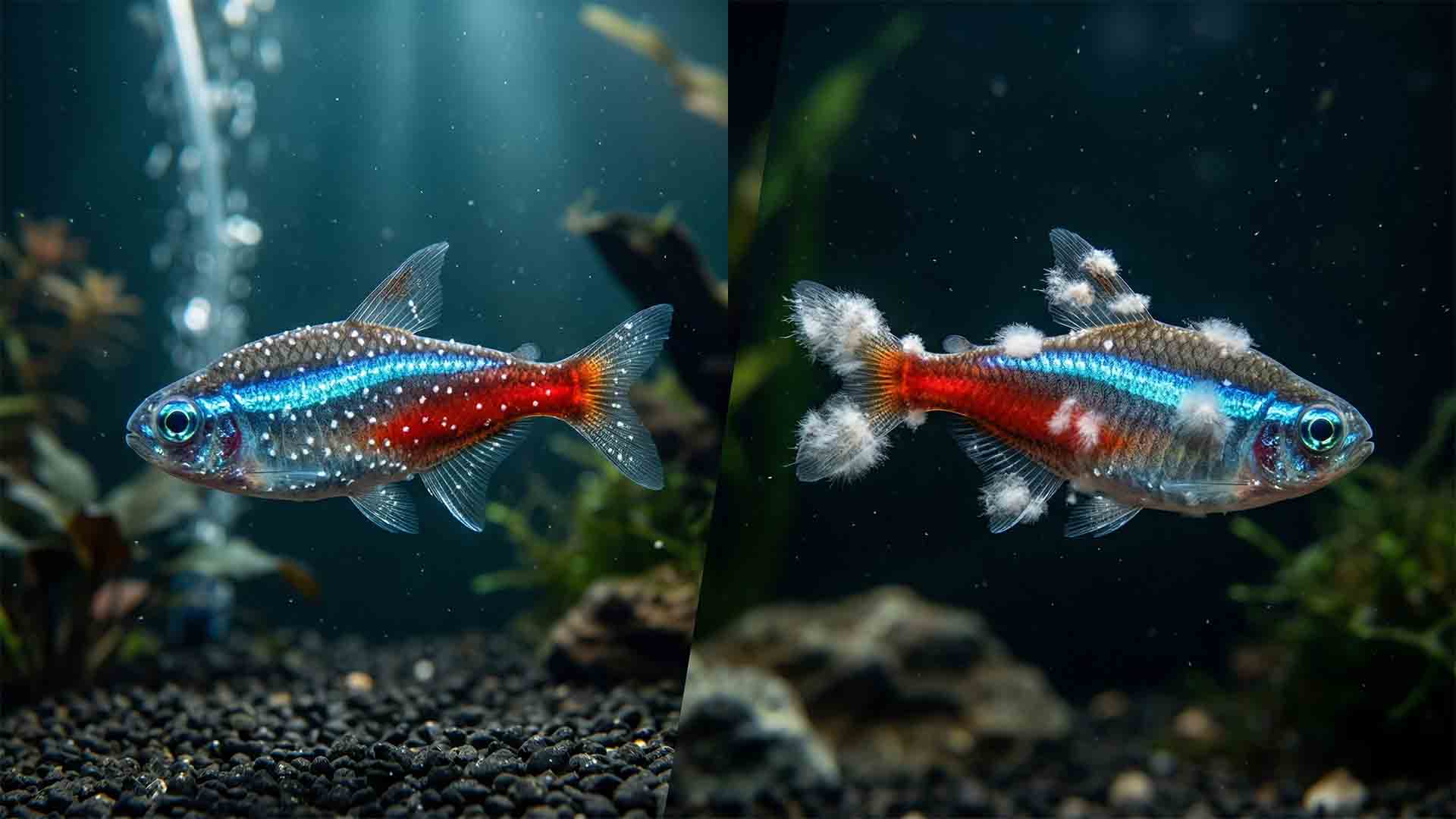
Fifty years ago, wild-harvested Neon Tetras were durable fish. Today, hundreds of millions of specimens are mass-reared in industrial breeding vats with heavy inbreeding, eroding their genetic diversity and basal immune resilience. Modern commercial stocks are perpetually vulnerable to Neon Tetra Disease (NTD), caused by the microsporidian parasite Pleistophora hyphessobryconis. This intracellular parasite encysts within the skeletal muscle tissue, causing characteristic loss of coloration, spinal curvature, and systemic muscular decay. There is no known pharmaceutical cure; once introduced, it spreads through cannibalism of infected carcasses.
Furthermore, the evolutionary physiology of Paracheirodon innesi is adapted to ancient, tannin-stained Amazonian blackwater systems with negligible mineral content and a stable, acidic pH. Dropping these genetically fragile fish into an unseasoned, chemically fluctuating beginner tank with hard municipal water induces immediate osmotic shock, destroying their renal tubules and causing unexplained, massive die-offs within the first fortnight.
- The Commercial Myth: The classic, cheap, indestructible starter schooling fish for every new aquarium.
- The Biological Reality: A severely inbred, fragile soft-water specialist highly susceptible to incurable microsporidian parasites and osmotic collapse.
- The Smart FTM Swap: Green Neon Tetra (Paracheirodon simulans). Green Neons are biologically superior for home aquaria. They stay slightly smaller, school far tighter, retain exceptional genetic vitality, and tolerate fluctuating parameters without the genetic fragilities haunting commercial standard Neons.
The Biological Comparison: 10 Retail Traps vs. FTM Battle-Tested Swaps
When selecting your livestock, prioritize evolutionary resilience and social compatibility over retail convenience. The following breakdown contrasts the primary failure mechanism of each commercial trap against its proven, ecologically sound replacement.
| Commercial Species | The Retail Pitch | Biological Reality & Hidden Risk | Typical Failure Window | FTM Battle-Tested Swap |
|---|---|---|---|---|
| Silvertip Tetra (Hasemania nana) | Hardy, energetic community schooling fish. | Aggressive micro-territorial fin-nipper; stresses long-finned tank mates. | 14 to 30 Days | Ember Tetra (Hyphessobrycon amandae) |
| Fancy Molly (Poecilia sphenops) | Undemanding, peaceful algae-eating livebearer. | Hard-water obligate; suffers osmoregulatory failure and fungus in soft water. | 21 to 45 Days | All-Male Endler (Poecilia wingei) |
| Angelfish (Pterophyllum scalare) | Graceful, elegant community centerpiece. | Opportunistic ambush cichlid; consumes slender tetras once jaw expands. | 3 to 6 Months | Pearl Gourami (Trichopodus leerii) |
| Clown Loach (Chromobotia macracanthus) | Cute, bottom-dwelling snail cleaner. | Reaches 12+ inches; uproots planted aquascapes; notorious Ich magnet. | 30 to 90 Days | Assassin Snail or Zebra Loach (Botia striata) |
| Pea Puffer (Carinotetraodon travancoricus) | Tiny, adorable desktop community pet. | Obligate carnivore; stalks resting fish at night and mutilates fins. | 7 to 21 Days | Sparkling Gourami (Trichopsis pumila) |
| Otocinclus Catfish (Otocinclus vittatus) | Gentle dwarf algae cleaner for new setups. | Wild-caught with depleted gut flora; starves in tanks under six months old. | 14 to 30 Days | Nerite Snail (Neritina natalensis) |
| Chinese Algae Eater (Gyrinocheilus aymonieri) | Hardworking, tireless algae-eating specialist. | Grows to 11 inches; shifts diet to rasping protective slime coats off fish. | 2 to 4 Months | Bristlenose Pleco (Ancistrus cirrhosus) |
| Silver Dollar (Metynnis argenteus) | Shimmering, coin-shaped peaceful dither fish. | Specialized herbivore; completely shears live aquatic plants within 48 hours. | 2 to 5 Days | Colombian Tetra (Hyphessobrycon columbianus) |
| Dwarf Gourami (Trichogaster lalius) | Classic electric blue/flame centerpiece. | Endemic carrier of incurable Dwarf Gourami Iridovirus (DGIV); sudden dropsy. | 30 to 120 Days | Honey Gourami (Trichogaster chuna) |
| Neon Tetra (Paracheirodon innesi) | The quintessential cheap starter schooling fish. | Genetically degraded by inbreeding; vulnerable to Neon Tetra Disease and osmotic shock. | 7 to 28 Days | Green Neon Tetra (Paracheirodon simulans) |
What to Avoid: The 4 Biological Errors of Novice Stocking
Aquarium failures rarely happen overnight; they are the cumulative result of flawed assumptions encouraged by retail sales models. If you want to maintain a thriving ecosystem, eliminate these four fundamental stocking errors from your decision-making process.
- Stocking Based on Juvenile Phenotype: Purchasing livestock based solely on display tank dimensions ignores exponential adult mass. A one-inch juvenile Clown Loach or Chinese Algae Eater possesses a fraction of the metabolic demand and spatial aggression it will exhibit at eight inches. Always stock your biological volume for the fully mature adult specimen.
- Ignoring Ontogenetic Dietary Shifts: Many commercial species radically alter their nutritional morphology as they mature. Assuming a juvenile grazer will eat algae for its entire lifespan ignores natural biological maturation. When a species shifts from grazingaufwuchs to hunting lipid-rich proteins, your community dynamic turns predatory.
- Equating a Cycled Tank with a Mature Ecosystem: Completing the nitrogen cycle simply establishes basic autotrophic bacteria to process toxic ammonia into nitrate. It does not establish the microscopic biodiversity, mature fungal biofilms, or stable organic matrices required to sustain delicate wild-harvested grazers. Never add specialized biofilm feeders to an aquarium that has been running for less than 120 days.
- Purchasing Monoculture Farmed Stock With Known Viral Endemism: Do not buy into species lineages that suffer from documented, commercially widespread viral saturations. Sponsoring the industrial production of species compromised by pathogens like DGIV sets your aquarium up for heartbreaking, unavoidable veterinary failures regardless of your water quality.
Do This Instead: The FTM Battle-Tested Acclimation & Stocking Protocol
To ensure total biological stability, implement this systematic stocking protocol when introducing new livestock to your system.
- Verify Water Chemistry Compatibility Prior to Purchase: Test your base tap water parameters after letting a sample aerate for 24 hours. Know your baseline general hardness (GH), carbonate hardness (KH), and pH. If your municipal water is naturally soft (under 4 dGH), entirely omit hard-water livebearers like Mollies unless you are prepared to remineralize your source water with calcium and magnesium sulfates.
- Deploy Controlled Drip Acclimation: Never float a sealed plastic bag on the aquarium surface and dump the transport water into your tank. Floating equalizes temperature, but it does nothing to mitigate osmotic shock caused by differences in total dissolved solids (TDS) and pH. Utilize a dedicated acclimation bucket and airline tubing with a control valve to drip tank water into the transport container at a rate of 2 to 3 drops per second over 60 minutes. This preserves the delicate gill lamellae and renal tubules of newly acquired fish.
- Seed True Biological Surfaces Before Adding Cleaners: If you intend to house micro-grazers, seed your aquarium with real biological maturity. Run your lighting cycle for 10 hours daily on smooth river stones placed in an external water container under direct sunlight to cultivate natural, living aufwuchs. Transfer these nutrient-dense grazing surfaces into your primary tank to provide immediate, bioavailable nutrition while your interior glass seasons.
- Enforce a 21-Day Observation Hold: Even with bulletproof swaps, isolate incoming livestock in a simple, bare-bottom quarantine container equipped with a cycled sponge filter and hiding tubes. Observing resting gill respiration rates, waste production, and surface feeding responses for three weeks prevents the introduction of external protozoans, gill flukes, and bacterial pathogens into your primary living room display.
The Osmotic and Pathological Reality of Modern Farmed Livestock
To understand why commercial livestock collapses so readily in starter aquariums, one must examine the physiological journey of farmed ornamental teleosts before they ever arrive at a local pet outlet. The ornamental fish trade is driven by volume, rapid growth cycles, and low production costs. Mass-scale export hatcheries rely on artificial earthen ponds and concrete vats where water turnover is massive, but selective breeding for disease resistance is nonexistent.
When millions of specimens are farmed in monoculture environments, inbreeding depression accelerates rapidly. Intensive line-breeding prioritizes vibrant color expression and exaggerated fin morphs over functional immunocompetence. Concurrently, transport chains impose severe physiological trauma. Fish are harvested, crowded into holding facilities, and packed into polyethylene shipping bags charged with pure oxygen. During 24 to 48 hours of transit, metabolic waste accumulates rapidly:
- Ammonia Toxicity and pH Shift: Excreted unionized ammonia (NH3) converts to less toxic ammonium (NH4+) as respiratory carbon dioxide lowers water pH inside the sealed bag. However, the moment an inexperienced aquarist opens the bag and exposes it to atmospheric air, carbon dioxide off-gasses instantly. The pH spikes upward, immediately converting ammonium back into deadly free ammonia, causing acute branchial epithelial burning.
- Branchial Ionocyte Destruction: Gills are not merely respiratory organs; they are the primary site of teleost osmoregulation. Stressed transport conditions strip the branchial epithelium of its protective mucin layer, impairing mitochondrial-rich ionocytes. When placed into tap water with mismatched total dissolved solids (TDS), the fish loses the biochemical ability to regulate internal sodium, chloride, and calcium ions via its Na+/K+-ATPase pumps.
- Immunosuppressive Cortisol Cascades: Chronic transport stress drives sustained activation of the hypothalamic-pituitary-interrenal (HPI) axis. Circulating cortisol levels remain elevated for weeks post-shipment, suppressing phagocytic activity in macrophages and down-regulating immunoglobulin synthesis. A fish that looks completely healthy under store lighting is frequently in a state of terminal immunological collapse.
Scientific Truths & Freshwater Biological References
The failures documented in this guide are not matters of subjective opinion or bad luck; they are rooted in peer-reviewed ichthyology, veterinary pathology, and documented water chemistry dynamics. Below are the verified biological foundations governing these species:
1. Megalocytivirus Endemism in Labyrinth Species: Research published in veterinary pathology journals, including studies documented through the ScienceDirect Veterinary Immunology & Pathology database, confirms that Dwarf Gourami Iridovirus (DGIV) is a distinct systemic Megalocytivirus. The pathogen targets renal glomeruli, hepatic cords, and splenic pulp, inducing hypertrophic cellular degeneration. There is zero therapeutic response to antibiotics, antifungals, or antiparasitics once viral replication initiates within host tissue.
2. Microsporidian Intracellular Sporogenesis: The biological progression of Neon Tetra Disease (*Pleistophora hyphessobryconis*) is thoroughly documented in aquatic parasitology databases. As indexed in global taxonomic records like FishBase, this microsporidian parasite invades skeletal muscle fibrils via polar filament injection. The parasite replicates intracellularly, forming dense spore aggregates (xenomas) that destroy muscle tissue and cause irreversible spinal lordosis. Because the spores possess thick chitinous walls, chemical water treatments cannot penetrate the parasite without lethally poisoning the teleost host.
3. Ontogenetic Cranial and Trophic Morphology: The morphological transformation of the Chinese Algae Eater (*Gyrinocheilus aymonieri*) is governed by functional trophic development. Ichthyological dissections cataloged across benthic teleost research demonstrate that while juvenile *Gyrinocheilus* possess small labial folds adapted for scraping tender epiphytic microalgae, mature adults develop densely folded, papillated epidermal surfaces equipped with keratinized unculi. Combined with their specialized pharyngeal siphon that allows respiration while firmly anchored, mature specimens are anatomically evolved to latch onto stationary, broad-sided surfaces—including the mucus-rich epidermis of slow-swimming freshwater fish.
4. Blackwater Physiology vs. Municipal Carbonate Hardness: Amazonian characins such as wild *Paracheirodon innesi* evolved in blackwater igarapés characterized by electrical conductivity below 20 microSiemens/cm, a total lack of carbonate hardness, and high humic acid concentrations. Subjecting their evolutionary physiology to high-GH municipal tap water forces constant, metabolically exhaustive hyper-osmoregulation that permanently stresses renal tubules, leading to premature nephrocalcinosis and systemic organ failure.
Frequently Asked Questions: People Also Ask (PAA)
The following expert answers address the most critical stocking dilemmas and biological failures encountered by beginner aquarists.
What is the absolute worst fish for a beginner aquarium?
The Chinese Algae Eater (Gyrinocheilus aymonieri) and standard commercial Dwarf Gourami (Trichogaster lalius) share the top spot for the worst commercial additions. The Chinese Algae Eater outgrows typical tanks, abandons algae entirely, and attacks tank mates at night to feed on their protective slime coats. Meanwhile, the Dwarf Gourami carries an exceptionally high commercial infection rate of incurable, fatal Dwarf Gourami Iridovirus (DGIV), virtually guaranteeing premature mortality within 30 to 120 days regardless of how pristine your water parameters are.
Why do my Neon Tetras keep dying when my water tests are perfect?
Neon Tetras routinely collapse in chemically clean aquariums due to two unseen factors: genetic degradation and osmotic failure. A tank showing zero ammonia, zero nitrite, and low nitrate confirms nitrification, but it does not mean the water is biologically mature or soft enough for the species. Decades of aggressive commercial mass-farming have weakened the Neon Tetra’s immune resilience, leaving them prone to incurable Neon Tetra Disease (Pleistophora hyphessobryconis). Furthermore, sudden transitions into hard municipal tap water trigger lethal osmotic stress in their delicate renal systems.
Can I keep a single Pea Puffer in a community aquarium?
No. Pea Puffers (Carinotetraodon travancoricus) are obligate carnivores with specialized hunting morphology. Even a single specimen will methodically stalk sleeping, slow-moving community fish at night, targeting pectoral and caudal fins with its razor-sharp chitinous beak. Additionally, Pea Puffers almost universally reject processed flakes, pellets, and dry foods, slowly starving to death unless provided with a daily regimen of live pest snails, daphnia, or frozen bloodworms.
Why do Otocinclus catfish starve if there is algae on the glass?
Otocinclus are specialized aufwuchs and soft biofilm grazers, not indiscriminate algae scrapers. They cannot digest tough filamentous hair algae, brush algae, or dry artificial wafers without adapted gut flora. Because most commercial specimens are wild-harvested and subjected to lengthy transport starvation, their internal symbiotic gut bacteria die off. Introducing them to a sterile, newly cycled aquarium devoid of microscopic diatoms and mature bacterial films results in starvation within 30 days despite green stains on the glass.
Do Angelfish really eat Neon Tetras?
Yes. Freshwater Angelfish (Pterophyllum scalare) are ambush cichlids that hunt smaller teleosts in their natural Amazonian river habitats. While juvenile angelfish may ignore small schooling fish when small, their downward-pointing protractile jaws expand significantly as they mature. Once an angelfish reaches three to four inches in body height, slender fish like Neon Tetras, Chili Rasboras, and young Guppies fit comfortably inside their buccal cavity and are hunted overnight.
What is the difference between a cycled tank and a mature tank?
A cycled tank has established autotrophic nitrifying bacteria (Nitrosomonas and Nitrospira) capable of oxidizing toxic ammonia into nitrite, and nitrite into nitrate. A mature tank, by contrast, has been running continuously for at least 4 to 6 months, developing complex fungal matrices, stable microscopic biofilms (aufwuchs), abundant detritivore microfauna (copepods, ostracods, infusoria), and a resilient heterotrophic bacterial network. Fragile wild-caught grazers and specialized benthic species require mature ecosystems, not merely cycled ones.
The Closed-Loop Ecosystem: Building Your Resilient Tank
Ecosystem stability is built on proactive biological foresight, not reactive chemical treatments. When you refuse to stock fragile commercial traps and instead deploy evolutionary resilient species, maintenance shifts from frantic emergency interventions to simple, scheduled observation.
To deepen your understanding of sustainable freshwater architecture, explore our comprehensive technical foundational resources:
- Establish true biological seasoning and prevent early system crashes by mastering our guide to the Nitrogen Cycle and Delayed Tank Failure.
- Avoid destructive pseudo-cleaners and deploy high-efficiency natural detritivores by reviewing our breakdown of the Most Underrated Freshwater Clean Up Crew Species.
- Protect your labyrinth centerpieces by learning early clinical pathology diagnostics in our detailed report on Dwarf Gourami Disease Prevention & Genetic Lineages.
- Plan your entire aquatic architecture from ground zero using our master blueprint: the Freshwater Aquarium Starter Ecosystem Guide.
The Indestructible Foundation: Building a Self-Balancing Ecosystem
A truly successful aquarium is never measured by how many famous species you can pack into a glass box, but by how quietly your ecosystem balances itself without emergency interventions. Retaining crystal-clear water and thriving livestock does not require luck; it requires honoring the evolutionary biology of every species you introduce.
Now that you know which retail marketing traps to reject, your next critical step is establishing bulletproof species that actively stabilize your biological foundation from day one. Dive into the complete biological breakdown of species engineered by nature to withstand common beginner mistakes:
Watch the Official Series: Explore our battle-tested livestock selections in the Indestructible Aquarium Fish Master Series on YouTube to see the exact species that thrive in any home setup.
Until next time, keep your systems balanced, your hands dry, and your curiosity flowing.